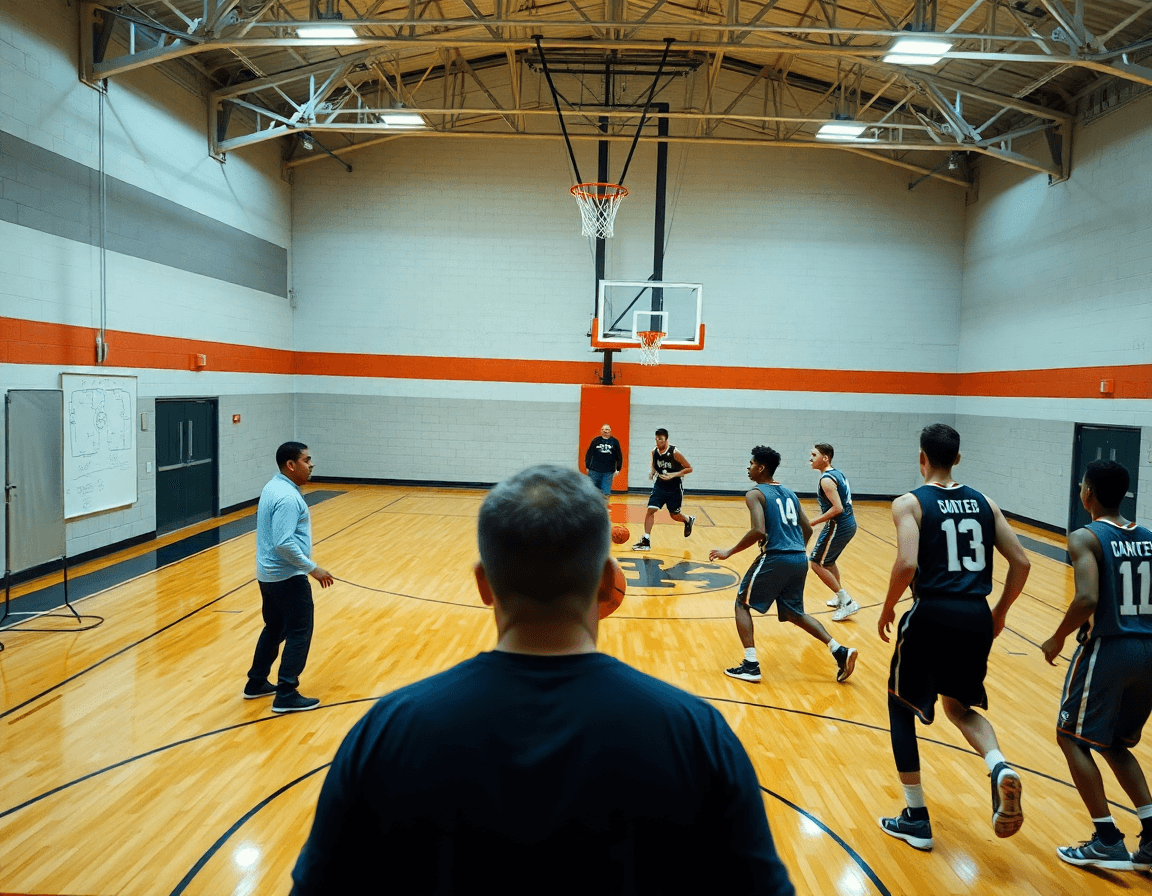
Basketball Practice Plans for High School: A Coach’s Weekly System
A coach’s weekly system for basketball practice plans for high school—structure drills, reuse from a library, and leverage video and scouting to build efficiency and growth.

Key takeaways
- Anchor weekly goals to your season phase and set concrete targets to track progress.
- With phase focus established, map goals to practice blocks like defense, transition, and rebounding.
- Execute via CourtSensei workflow: pull drills, diagram the tactical whiteboard, attach video, and share scouting notes.
- Centralize drills and plays by pulling from your libraries into the plan; keep drills library and play library synced.
- Incorporate video clips for feedback, assemble tailored playlists, and share annotated clips so players study the plan.
- Export to print-ready PDFs or shareable links so assistants and players stay aligned before sessions.
Define weekly goals and phase focus for your team
Define weekly goals by anchoring them to the phase of your season. Set week-specific objectives aligned with your team's development stage—maybe a defensive emphasis early in the year or refining your transition offense later on. Identify the primary focus for the upcoming week and tie it to measurable targets: number of reps in shell work, shooting touch from the arc, decision-making in live drills. When you keep the targets concrete, it’s easier to push players through the grind and see progress in the mirror after practice. You’re building a focused cadence that makes each session count, not just a string of drills.
With phase focus established, map goals to your practice blocks. Structure three to four blocks that each serve a purpose: defense communication, transition offense, half-court execution, and situational rebounding. Assign clear targets to each block so every segment has a purpose and contributes to the weekly plan. The result is a cohesive workflow where drills, timing, and rest all line up toward your phase focus rather than a loose collection of activities.
Put the plan into action with your CourtSensei workflow. In the plan, pull the drills and plays you need from your library for each block, diagram the tactical whiteboard to visualize phase focus, and attach a short video clip to reinforce the point. After practice, drop a concise scouting note on opponent tendencies and share playlists with assistants and players so everyone sees the same targets before the next session. This is how you turn a good idea into execution week after week.
Build a reusable practice timeline you can rely on
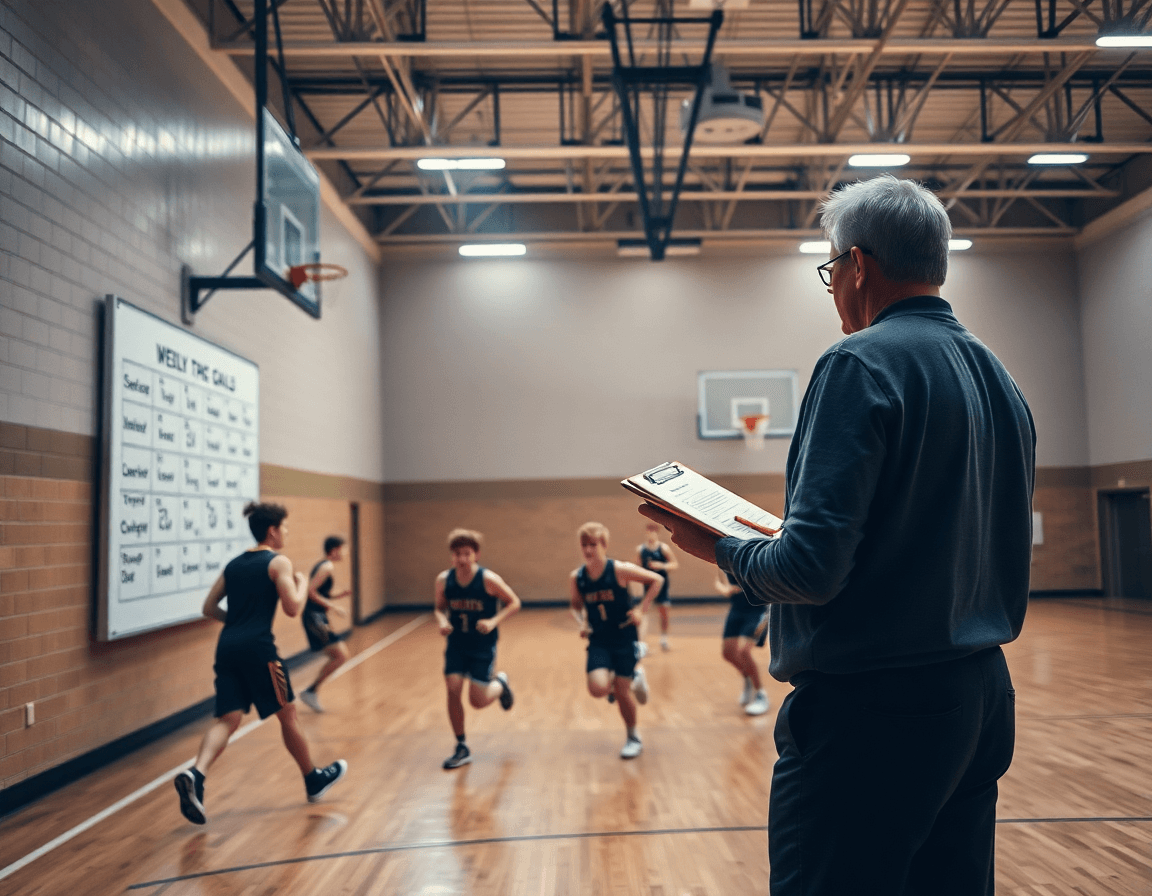
Build a standard practice timeline that you can lean on every week. Start with a solid warm-up, move into skill work, run team reps, then finish with a quick review. In CourtSensei, you pull drills from your centralized library and slot them into the timeline, so assistants know exactly what to run and when. Lock in durations for each block and keep a template ready for next week. A repeatable structure helps your players move from warm-up to execution without downtime, and it makes it easier to track progress across offense, defense, and transition reps.
Think in time slots rather than vague blocks. For example, a typical week might use Warm-up 10 minutes, Skill work 20-25 minutes (shooting drills, ball handling, footwork), Team reps 25-30 minutes (5-on-5, installs), and Review 5-10 minutes. Adjust the pacing based on your squad size and pace of improvement: more bodies means tighter transitions and shorter rounds; a younger group may need longer focus blocks and more rest. Keep the template handy so you can dial it up or down and still preserve the flow.
Workflow-wise, plan lives in the weekly Practice Plan, while the tactical whiteboard handles diagrams for the upcoming plays during team reps. After practice, export or save the key moments as a short video clips playlist you share with players and assistants. Tying your practice timeline to the video workflow and the library of drills keeps your team moving from idea to execution, with scouting notes informing the next week’s schedule.
Centralize drills and plays: from library to plan
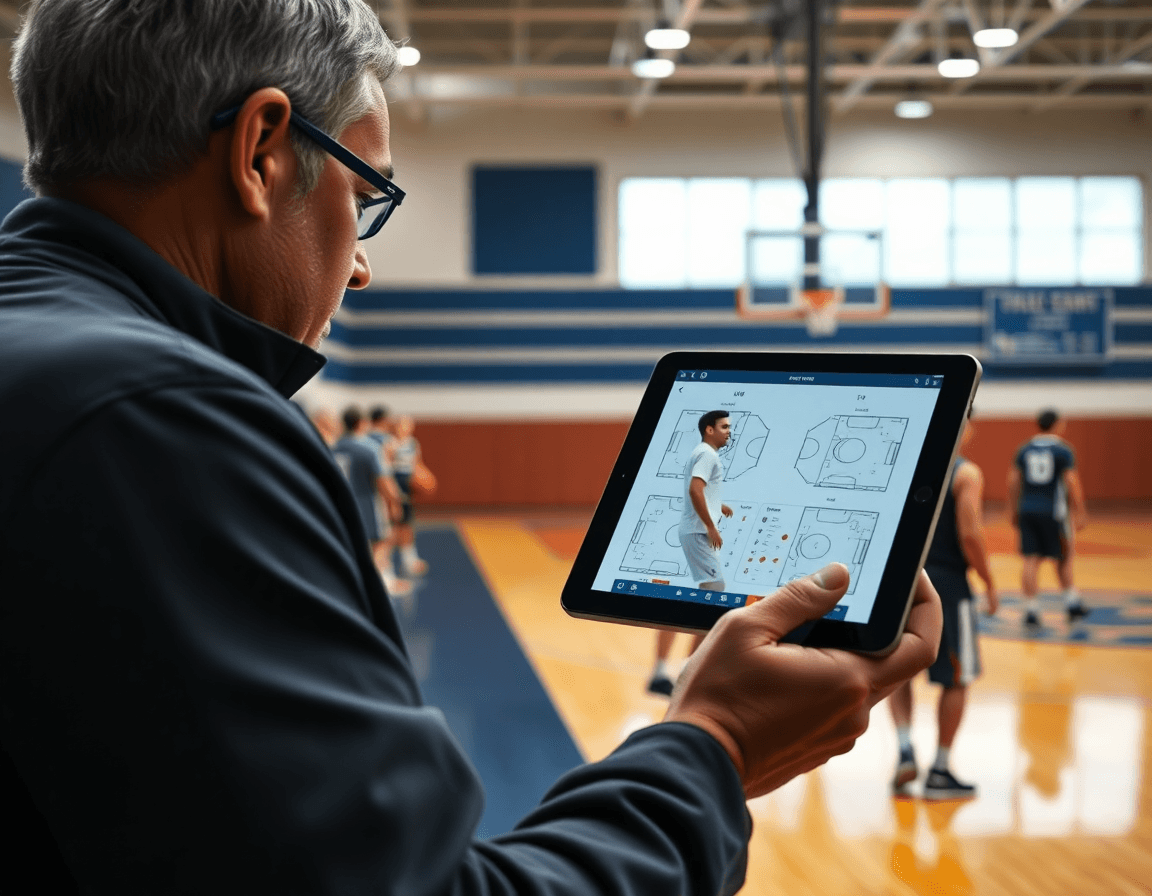
For basketball practice plans for high school, I map the week by pulling directly from built-in libraries into the plan. I drop a shooting drill from the drills library into the first segment and tuck a play from the play library into the next. The result is a centralized blueprint: the exact order, the time slots, and the coaching cues all live in one place. When assistants open the plan, they see not just drills but the purpose behind each choice, plus the option to adjust on the fly. That library-to-plan flow keeps us synchronized through every session.
Attach progressions, reps, and coaching cues to each drill and play, and you’ve got a plan that scales. I link a tempo progression to the shooting segment, add extra reps for ball-handling in the second group, and drop in coaching cues for tight defense. The real time-saver comes from reusing past practices: copy last week’s defensive shell, swap in a couple of plays, and adjust for this crew’s pace. The timeline and time slots stay intact, so we don’t drift from our weekly rhythm.
When the week is locked, export to print or generate shareable formats for quick implementation by assistants. A single click yields a printable plan with times and cues, plus a set of shareable playlists for players to review on their own devices. The ability to export to print-ready PDFs or shareable links means everyone stays aligned and ready to execute the plan in the gym.
Incorporate video clips for feedback and growth
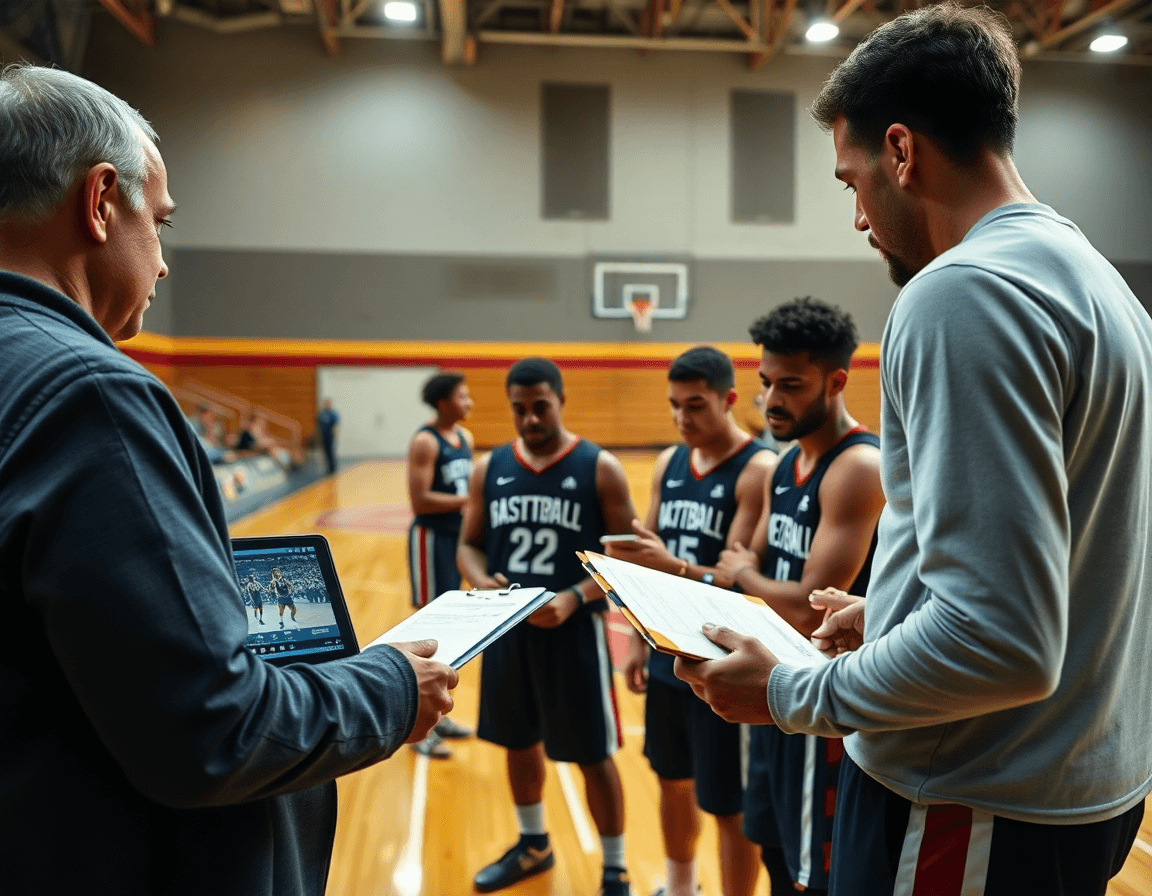
During the weekly high school basketball practice plan, I clip game and practice footage to highlight teaching points. The video clips workflow lets me pull sequences from scrimmages and mark the moments with timestamped clips—immediately after the drill or game situation that needs work. For example, in a transition drill, I grab the miscommunication between guard and wing, tag it with the time, and drop it into the plan for review. When we meet on the court later in the week, the teaching point is crystal clear, not guesswork.
Create playlists tied to specific drills or openings to streamline player feedback. After practice, I assemble playlists that map directly to the morning’s work—shooting drills, ball-screen reads, or defensive shell movements. Each playlist aligns with a portion of our timeline in the practice plan template, so players know exactly which segment to study. It makes feedback efficient: a short clip from a drill, a coaching note, and a concrete target. The result is a clean, repeatable flow that supports our defensive and offensive drills on the court.
Share annotated clips with players for self-guided improvement. The clip and share approach sends annotated clips and shareable playlists to each player, so they can review at home and come back with questions. I track progress by whether they apply the feedback in the next practice and game, and I adjust the timeline for shooting, defense, or transition drills accordingly. This is where the video workflow pays off—turning insights into actions that elevate our weekly basketball practice plan.
Scout prep: integrate opponent scouting into weekly sessions
Scout prep starts with turning opponent scouting into a practical plan for the week. I pull scouting reports and map counter-plays to our practice plan, focusing on the opponent’s tendencies in ball screens, denial, and rotations. I tag the key reads—when they hedge, where the help comes from, who shoots off the catch—and drop these notes into the scouting board. Then I align them with our timeline and time slots: Monday emphasizes counter-reads, Tuesday defensive rotations, Thursday situational end-of-clock plays. A one-page summary goes to every assistant before practice, so everyone starts the week with the same opponent prep.
Convert scouting insights into focused drills and situational reps. If the opponent overplays the ball screen, we assemble a 2–3 drill package: quick ball reversal into an aggressive attack, drive-and-kick against the trap, and a weak-side spacing drill to punish help. I pair these with 2–3 scout plays and tag them to offense drills and defense drills in the plan. The goal is to turn every insight into actionable reps that show up in our practice plan template and feel natural in live situations. That way, the scout data drives decisions in drills, not just notes on a page.
Prepare shareable summary notes for assistants to review before practice. I convert the scouting into a concise PDF and a quick link to the scout plays, so staff can preview matchups and counters in advance. In the huddle, I call out 2–3 scenarios we expect to see and map out who cues each coach to emphasize in warm-ups. This keeps everyone aligned on preparation and makes the first 15 minutes of practice purposefully focused.
Practical workflow step: from plan to execution with shareable formats
From plan to practice floor, the practical workflow for basketball practice plans for high school starts with finalizing the week and exporting a PDF or sharing a link for assistants. In a typical cycle, you map a timeline with clear time slots: 10 minutes of warm-up and shooting progression, 20 minutes of shell defense, 15 minutes of ball-screen reads, 15 minutes of transition offense, and 5 minutes of cool-down. All of this sits in your centralized library of drills and plays, so you can pull in shooting drills, defense drills, and offense drills as needed. Exporting the PDF or sending the shareable link gets everyone on the same page before the first horn.
Next, assign playlists to players and distribute clips for pre-practice review. If you have assistants, you can assign tasks to them—run specific stations or pull extra clips—while players study the playlists. Group players by role and attach a shooting playlist to the guards and a defense-rotation playlist to the on-ball defenders. Distribute short clips from the previous game to illustrate decisions in real time, so the group steps into practice with a shared lens.
Finally, use feedback from the session to refine next week's plan. After the workout, jot quick notes in the scouting section and flag drills to adjust: time slots, intensity, or the balance between offense and defense. The refinements feed back into the plan, and you repeat the cycle with a new PDF or updated link. This closed loop—feedback to polish the plan, export to share with staff, and playlists to drive execution—keeps the staff synced and the players moving with intention.
If you build plans like this every week, CourtSensei keeps your drill library, whiteboard, and video clips in one place — try it free.
FAQ
How do you create a basketball practice plan?
Start with the season’s phase focus and weekly goals. Break practice into 3–4 blocks (defense, transition, half-court, situational rebounding). Pull drills and plays from your drills library to fit each block, with clear cues. Set concrete targets—reps, tempo, decision-making—and attach a short scouting note. Deliver a printable or shareable plan to keep the staff aligned.
What should be included in a high school basketball practice plan?
Include weekly goals, a clear phase focus, a strong block structure, skill work, team reps, and a quick review. Add concise coaching cues for each drill, a simple video reinforcement, and a plan for opponent scouting. Keep formats printable or shareable so assistants can run the same session with you.
How long should a typical high school basketball practice last?
Most high school practices run about 60–90 minutes. A practical template uses Warm-up (10 minutes), Team reps (25–30 minutes), Skill work (20–25), and a 5–10 minute review. Adjust for roster size, age, and pace of improvement. Keep transitions tight and rest purposeful. This time-block approach helps you monitor tempo and progress toward your weekly objective.
Can I share a basketball practice plan with my assistants via a link?
Yes. Use cloud libraries or shared folders to publish your plan as a shareable link and export printable formats like PDFs. Give assistants access so they can view, adjust, and run the same session. Keeping plans in a central place minimizes miscommunications and speeds up onboarding for new staff.
Are free basketball practice plan templates available?
Yes—there are free templates coaches can adapt for high school programs. Look for templates in coaching libraries and platforms, then tailor them to your phase focus and roster. Start with a simple weekly layout and add your blocks, drills, and cues as you go.
How can I reuse past practices to save planning time?
Reuse past practices to cut planning time. Copy last week’s shell drill, swap in a couple of plays, and adjust pacing for this group. Save the updated version as a template, and keep your time slots intact so you don’t drift from the weekly rhythm. Document tweaks to track progress across the season.