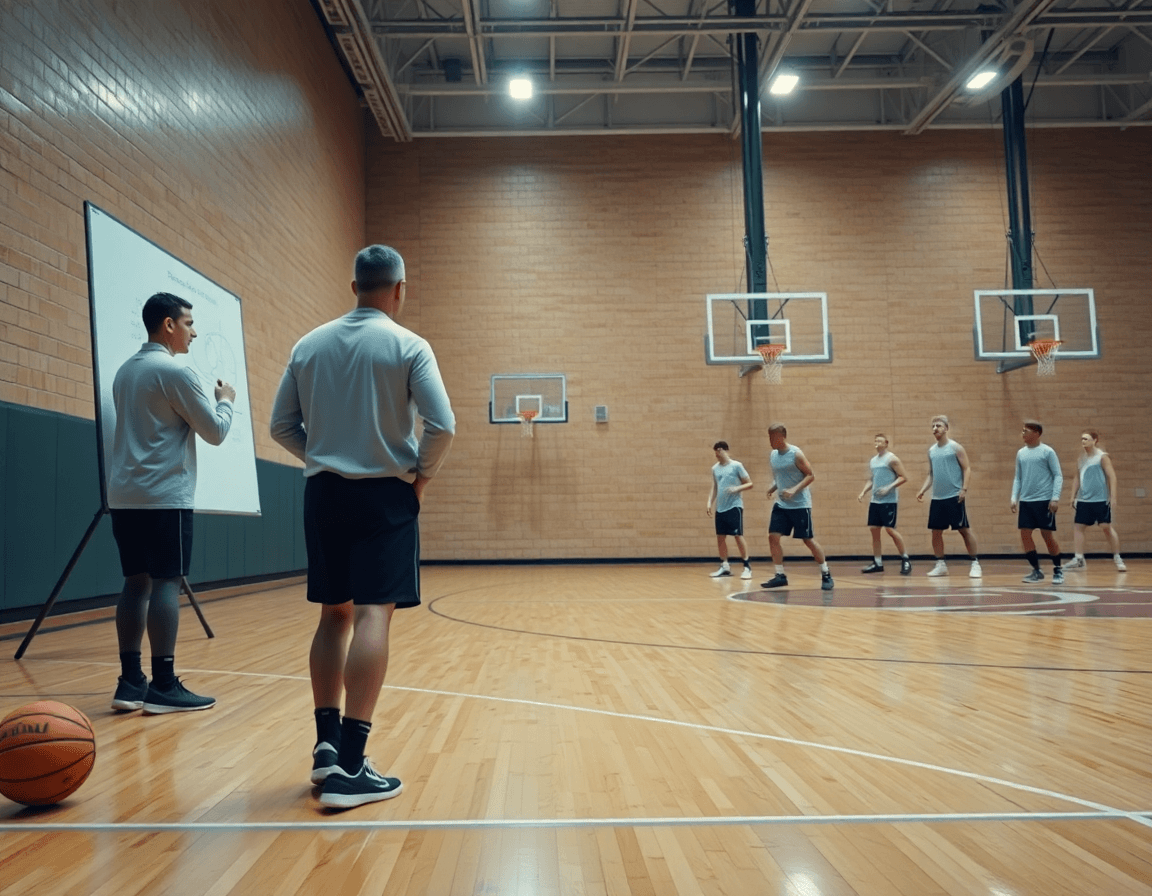
Basketball Practice Template PDF for Weekly Planning
Create a printable basketball practice template PDF to structure weekly workouts with time blocks, drills, and coaching points—ideal for youth, high school, and club coaches.

Key takeaways
- Use a single-page printable basketball practice template to lock goals, time blocks, and responsibilities for the week.
- Create a shared language across assistants and players so drills, goals, and feedback stay aligned weekly.
- Pair drills with scouting notes or video clips for each block and export a print-ready PDF.
- Follow a six-step workflow: plan, diagram plays, attach clips, export, share, review, and adjust weekly.
- Customize templates by level: youth with tight blocks and fundamentals, or clubs with advanced plays and richer diagrams.
Why a printable practice template matters for weekly planning
As a coach who lives in the weekly cycle, a printable basketball practice plan that fits on a single page is a game changer. It gives me a ready-to-fill framework for the week, so I can lock in goals and carve out time blocks in practice plan without reinventing the wheel. I map warm-ups, skill work, and team drills from Monday to Saturday, keeping energy and expectations aligned.
With a template you can print, goals and drills stay aligned across assistants and players. The plan becomes our shared language and anchors the weekly planning process. When I say, "we’re on skill work now," everyone knows which block we’re in and what success looks like, which reduces miscommunications and keeps practice moving.
Plus, a good template supports data-informed planning by pairing drills with scouting notes or video when needed. I attach relevant clips to each block so the players see the context, not just the drill. When I export, the basketball practice template pdf becomes a clean, print-ready document that travels with assistants and players, ready for the gym floor or film room.
All of this lives in CourtSensei’s planning ecosystem: assemble goals, fill blocks with drills from a centralized library, diagram plays on a whiteboard, attach relevant video clips, and export a print-ready PDF to share with assistants and players. The workflow ties planning, diagrams, video, and PDF export in one cohesive system, helping a coach execute the week with confidence.
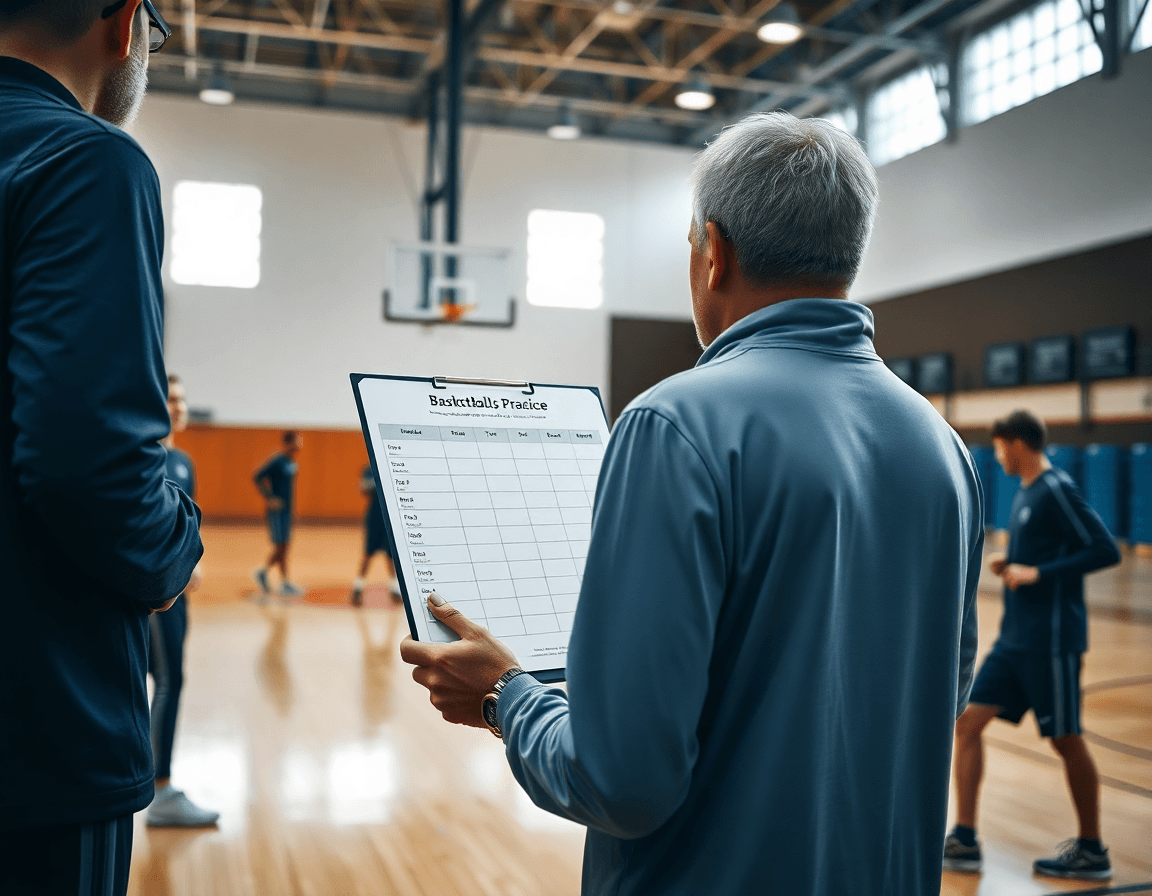
Designing time blocks for a focused session
Designing time blocks for a focused session
In a well-structured week, you map out time blocks that keep every phase of practice purposeful. A solid basketball practice template pdf helps you lock these blocks in, so assistants and players know what comes next and why it matters. Think of the blocks as the spine of your session: Warm-Up, Skill Work, Team Drills, Scrimmage, Conditioning, and Cool-Down.
Each block should carry three things: the activity or drill, the planned duration, and the Coaching Points you want emphasized. For example, Warm-Up might be 10–12 minutes and focus on dynamic movement and ball handling, with Coaching Points like staying low, using proper footwork, and communicating with teammates. In Skill Work, you’ll set an upper bound for quality reps (15–20 minutes) and list key cues—shoot mechanics, finger placement, or dribble technique—that drive improvement across players at different ages.
Use time blocks to control pacing and ensure key priorities get attention. If you’re coaching younger players, you might shorten the Team Drills to emphasize spacing and decision-making, then allocate more time to the Scrimmage to reinforce in-game rhythm. For older or more skilled groups, shift emphasis toward faster transitions and more complex sets, while keeping the same block structure. The template makes these adjustments quick and repeatable.
Across ages, keep blocks adjustable with a reusable framework. You can reuse the same plan week to week, only tweaking durations or Coaching Points as your group evolves. In the workflow, you’ll record Activity/Drill, Duration, and Coaching Points for each block, attach relevant video clips for quick review, and export a clean PDF to share with assistants and players. This is how a practical, week-by-week practice plan stays consistent, scalable, and printable.
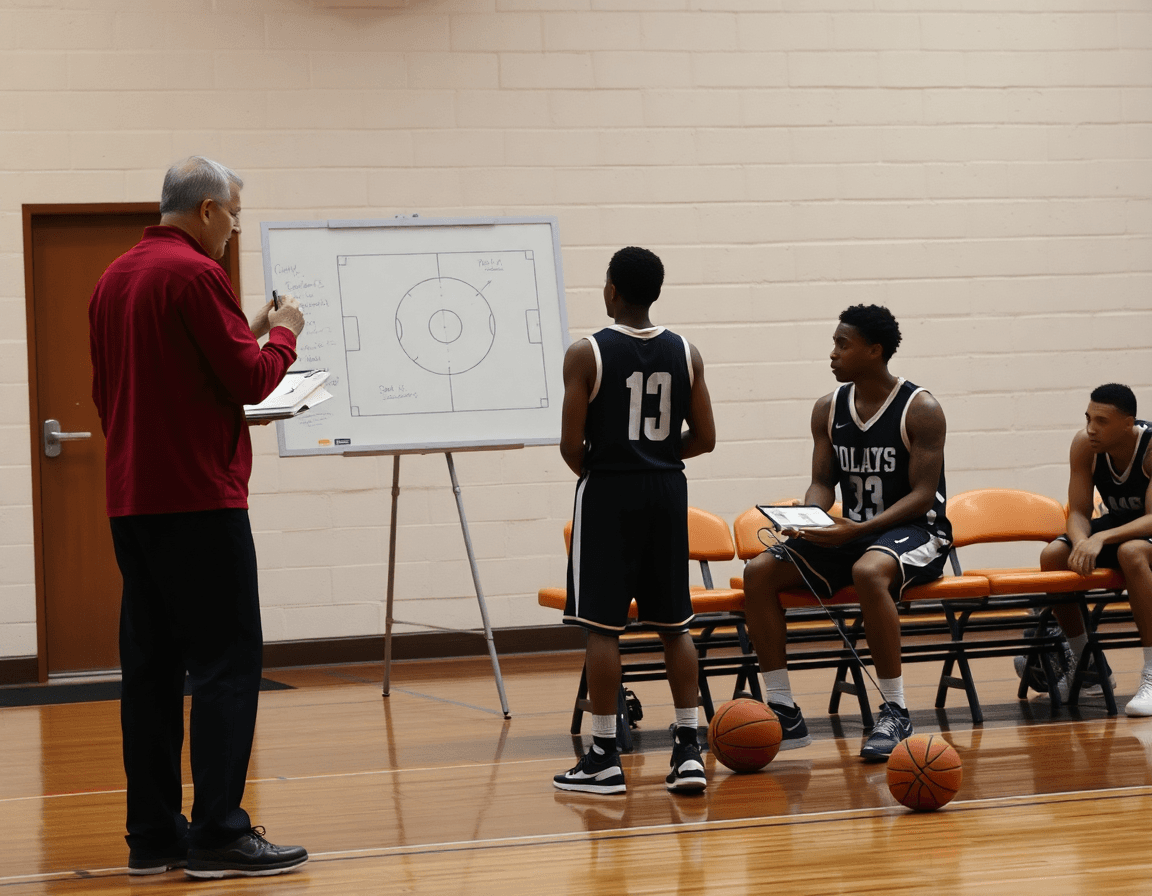
Practical weekly workflow: plan, diagram, clip, export
As a head coach who lives in the space where planning meets practice, I treat the basketball practice template pdf as the anchor of my weekly workflow. Step 1: define weekly goals and opponent tendencies to inform the plan. This keeps the week tight—from a dynamic warm-up to a purposeful scrimmage—so we’re not chasing adjustments midweek. The template guides what we aim to accomplish before the ball ever goes up.
Step 2: Build the plan in the planning area, selecting drills from your library. I map each block to a purpose: warm-up to spark focus, skill work to refine technique, team drills to build chemistry, and a short scrimmage to test ideas.
Step 3: Diagram plays on the whiteboard (BLOB/SLOB/ATO/PnR) and note coaching cues that players need to hear on the floor. Having diagrams in the plan helps assistants coach the same detail and keeps the on-bench communication crisp.
Step 4: Attach or reference relevant video clips for player review. A quick clip library snapshot lets players see the exact footwork or decision at the moment, reinforcing the lesson after practice.
Step 5: Export as a PDF and share with assistants; print if needed. The printable basketball practice plan becomes a clean, print-ready artifact that you can pin to the staff room or send to players for study.
Step 6: Review outcomes and adjust next week’s plan accordingly.
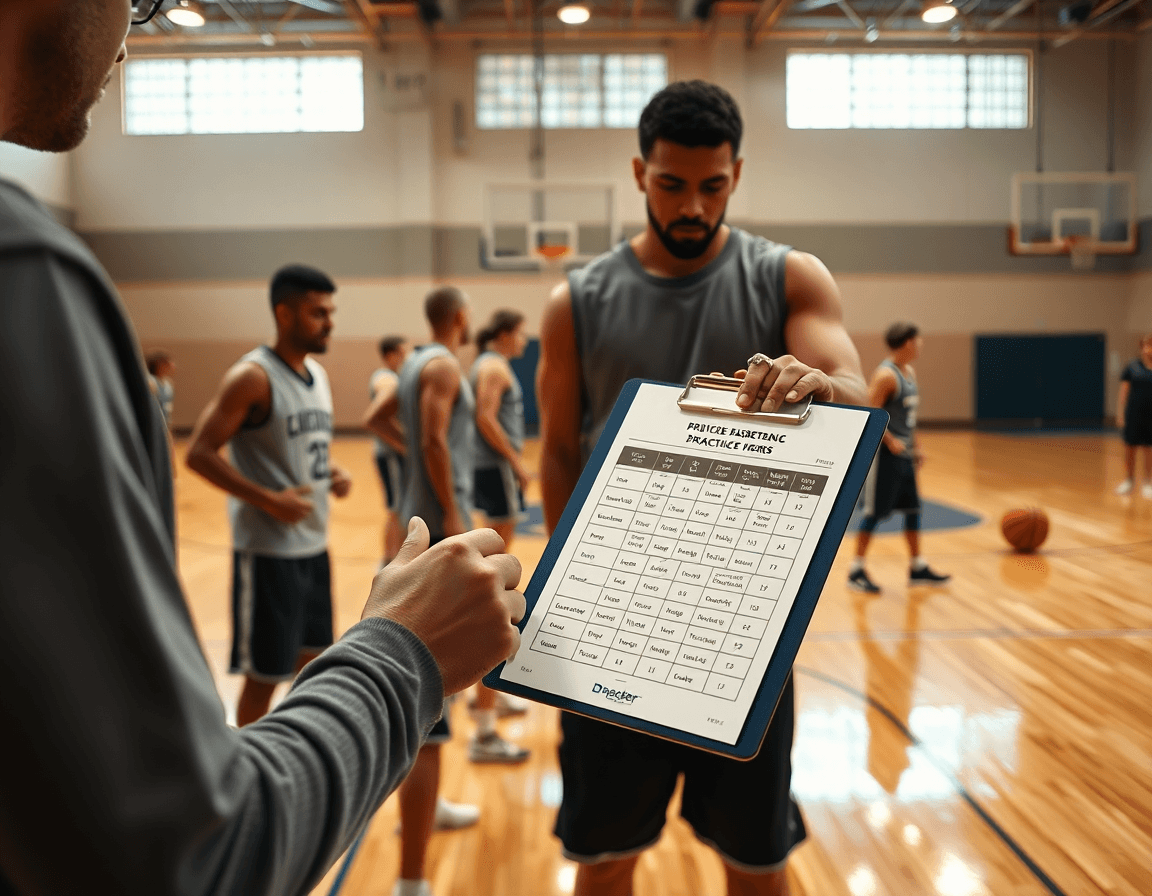
Customizing templates for different levels
For youth players, you customize practice plan for youth by keeping things tight and repeatable. Start from a basic basketball practice template pdf and tailor it to shorter blocks and simpler actions. Emphasize fundamentals and consistency in execution—shots, catches, and outlet passes—so players build confidence week to week. In this setup, the plan in your weekly routine becomes a scaffold: a quick warm-up, compact skill work, and a few simple team drills that reinforce correct habits. Keep the workflow smooth by labeling blocks clearly and linking each segment to a corresponding drill from the library.
For high school/club groups, you go deeper: more complex plays, longer blocks, and a sharper eye on development. The level-specific adjustments let you layer in scouting insights and opponent tendencies, then weave those reads into your on-court actions. In the planning space, the whiteboard diagrams get richer—PnR options, BLOB/SLOB variations, and ATO sets—so the team sees the connection between preparation and in-game decisions. The blocks naturally extend, but you still reserve time for catch-and-shoot reps and defensive rotations that scale with the players’ skill level.
Save level-specific templates for quick reuse and consistency across weeks. Once you’ve dialed in the structure for youth or for older groups, you can store that blueprint as a reusable template so the same framework reappears every week. This makes the printable basketball practice plan easy to generate and share with assistants and players, keeping your coaching voice steady across the season. It also keeps the overall workflow—planning, diagrams, video, and PDF export—tight and predictable.
In practice, you might start with warm-up, move to skill work, then run team drills and a short scrimmage, all mapped to the template. The phrase “basketball practice plan” becomes less a file name and more a living blueprint you adapt—time blocks in practice, specific drills, and clear player expectations—so every week feels focused and repeatable.
Exporting, sharing, and tracking coaching points
Exporting, sharing, and tracking coaching points
When you lock in the weekly plan, start with a strong practice header: Date, Opponent, Location, Weekly Goal. That header travels with every printable basketball practice plan, so assistants and staff aren’t guessing what you’re aiming for. It anchors your tempo and keeps the week’s priorities clear from the opening chalk talk to the final review.
Document coaching points for each drill so players know exactly what to focus on during warm-up, skill work, and team drills. For example, in a 15-minute warm-up block you might note footwork cues and a tempo target; in the 20-minute skill work block you outline a shooting drill with a cue, tempo, and finish. Write them as concrete actions your players can repeat, not vague ideas.
Export to PDF to create a clean, printable plan that you can hand to assistants or post in the locker room. The PDF doubles as a tangible reference, making the plan easy to review on game day or travel days. A well-formatted document helps you preserve spacing, timing, and intent, so nothing gets lost in translation.
Share via a link or an embedded document to keep everyone on the same page, from assistants to staff who review plans later. This workflow lets you distribute the plan without sending files back and forth while maintaining a single source of truth for the week.
Track progress with notes or a simple completion log for future weeks. After each cycle, skim the notes to see what stuck and what didn’t, then feed those lessons back into the plan for the next cycle. That ongoing loop keeps your practice plan template pdf and the library of drills consistently relevant.
Starter template: sample layout and fill-in fields
Your weekly plan starts with a clean, printable starter template you can populate. It centers on a simple Header with Date, Opponent, Location, Week Goal, followed by six blocks. Export as a basketball practice template PDF, print, and share with assistants and players. This is the backbone I build into each week’s agenda so the week flows from planning to execution.
Block 1 – Warm-Up: 8-12 minutes of mobility and ball-handling work sets the tone. In the template, you fill the warm-up sequence with concrete drills from the library, note their durations, and drop in quick coaching points. That way every player starts the session moving and thinking about technique before the main work.
Block 2 – Skill Work: 15-20 minutes focused on individual improvement. List the drill names, assign durations for each segment, and include cues you want players to hear during reps. It’s all about carving out space for ball control, footwork, or shooting mechanics before you stack on team concepts.
Block 3 – Team Drills: 15-20 minutes designed to build spacing, decision-making, and execution. Enter the team drills, specify how long each runs, and write the objectives for the group—the meshing of technique and tempo that carries into live action.
Block 4 – Scrimmage: 10-15 minutes to translate practice into live decisions. Indicate focus areas, set up constraints (like player pairs or specific rotations), and list coaching points to reinforce progress from earlier blocks.
Block 5 – Conditioning and Block 6 – Cool-Down: 5-10 minutes of finishing work and 5-8 minutes of recovery. Note activities and intensity, then finish with stretches and takeaways. This starter template keeps time blocks in practice plan while staying printable as a PDF to review with the staff and players later.
If you build plans like this every week, CourtSensei keeps your drill library, whiteboard, and video clips in one place — try it free.
FAQ
What should a basketball practice plan include to be effective?
A solid plan covers the core blocks: Warm-Up and Skill Work are essential, along with Team Drills, Scrimmage, Conditioning, and Cool-Down. It also includes a header with weekly goals and targeted outcomes, plus a clear map of each block’s duration and Coaching Points. Tie drills to team needs or scouting notes, and keep the structure printable so staff and players stay aligned. Use brief notes to guide decisions on the floor.
How long should a basketball practice last, and how do you pace it?
Aim for consistent blocks that fit your group. Typical structure adds up to 60-90 minutes: Warm-Up 10-12, Skill Work 15-20, Team Drills 15-25, Scrimmage 15-20, Conditioning 5-10, Cool-Down 5-8. Use time blocks to pace the session and keep priorities visible. List a few coaching points per block to guide attention and feedback.
How is a basketball practice plan structured, and what’s a typical template layout?
Think of it as a two-part layout: a concise header section and the block schedule. Start with a header (week, date, opponent tendencies, goals) and follow with an ordered sequence of blocks: Warm-Up, Skill Work, Team Drills, Scrimmage, Conditioning, Cool-Down. For each block, record activity, duration, and coaching cues. Keep diagrams or video clips linked and export to a printable PDF.
Are there free printable basketball practice plan templates I can start from?
Yes. You can find free printable templates you can customize, or basic basketball practice templates you can print as a PDF. Start by plugging in your weekly goals and library drills, then export a clean PDF to share with staff and players.
What is a practice header in a basketball plan, and why does it matter?
A practice header is the quick-identification bar that includes week, date, location, and focus. It guides expectations for assistants and players and keeps goals visible across sessions. Use it to note opponent tendencies or scouting notes and to anchor your weekly plan so everyone moves in the same direction. The header sets the tone for the week.
Can I download basketball practice plan templates as PDFs and share them with my staff?
Absolutely. Many planning tools let you export a plan as a PDF that’s print-ready and easy to share. Build from your central drill library, attach diagrams or video clips, and hand out a single document to assistants and players for on-floor consistency.