
Basketball Inbound Plays PDF: Coach’s Guide
A practical coach’s workflow for basketball inbound plays pdf: plan weekly sets, diagram routes, and assemble a scalable playbook with PDFs and scouting notes.

Key takeaways
- Create a centralized basketball inbound plays pdf library as your weekly spine, with clear diagrams and labels.
- Link baselines like 1-4 Low and 4-flat to quick trigger drills, exportable as ready-to-share PDFs.
- Maintain a workflow link: tie inbound plays to weekly planning, drills, video review, and scouting notes.
- Use diagrams plus short animations to teach timing and spacing; export as a reusable inbound play diagram PDF.
- Tag variations (SLOB, BLOB, zone looks) with action sequences and assign roles for staff and scouts.
Why inbound plays PDFs belong in your weekly plan
Think of a basketball inbound plays pdf as the spine of your weekly inbound plan. It keeps structured scenarios—sideline inbound after a timeout, baseline inbound for late-clock resets, or end-of-game inbound sequences—ready for practice. A clear PDF library makes it easy to outline routes, timing, and responsibilities before you hit the floor, ensuring every player understands the inbound pass and the options you want to run in critical moments.
With a clean inbounds play diagram and simple animations, you create a shared language across coaches and players—perfect for end-of-game situations or sideline inbound reps. A crisp diagram helps you assign who slips to the ball, who cuts to the lane, and where the outlet is, all visible in the PDF on the bench tablet.
A centralized library makes it easy to update plays, attach scouting notes, and share with assistants via read-only links. You can tag inbound variants (inbound pass options, baseline out-of-bounds setups) and keep them current as personnel changes or scouting reads come in. The library also serves as a quick reference during film sessions, letting you pull a play and compare it against game clips.
Link inbound play PDFs to your weekly workflow—planning, drills, and video review. In practice, you might map a baseline setup (like 1-4 Low or a box formation) into a drill block and then export a ready-to-share playbook for scouting and game prep.
Core inbound formations to include in your PDF library
A solid inbound library starts with a few versatile baselines you can trust under pressure. In your weekly plan, you draft the inbound sequence, annotate actions on the board, and export PDFs that staff and scouts can study. By focusing on core options, you create a repeatable baseline you can rely on for game prep and late-clock decision-making. The goal is a clean, diagrammed set of options you can share as an “inbounds play diagram” PDF.
Two baseline staples to include are the 1-4 Low baseline inbound and the 4-flat baseline setup for quick ball-entry and immediate scoring threats. Diagram how the ball enters, where cutters slip, and where the shooter or post player can look for a quick flash. Pair each with a simple trigger play diagram you can run in a short practice session, then export as a ready-to-share PDF for scouting notes and game prep.
In the Box family, use a Box formation with Box 1 and Box 3 variants, plus Stack/Cross options to free shooters or create post-entry opportunities. The PDF library should present these as connected pages: a primary diagram, one or two read-and-react options, and a quick timing note. A brief animation or GIF can illustrate the entry and cut flows without overcomplicating the page.
SLOB (sideline) and BLOB (baseline near post) concepts cover different late-clock needs. Include clear cues for spacing, screens, and re-entries that maximize ball security and scoring chances as time winds down. For versatility, tag each variation with a recommended action sequence you can hand to assistants and scout staff.
Zone-inbound adjustments matter too. Include counter options to common defenses you face, with labeled adjustments for against zones and high-pressure presses. An organized set of zone looks keeps your PDF library practical and game-ready.
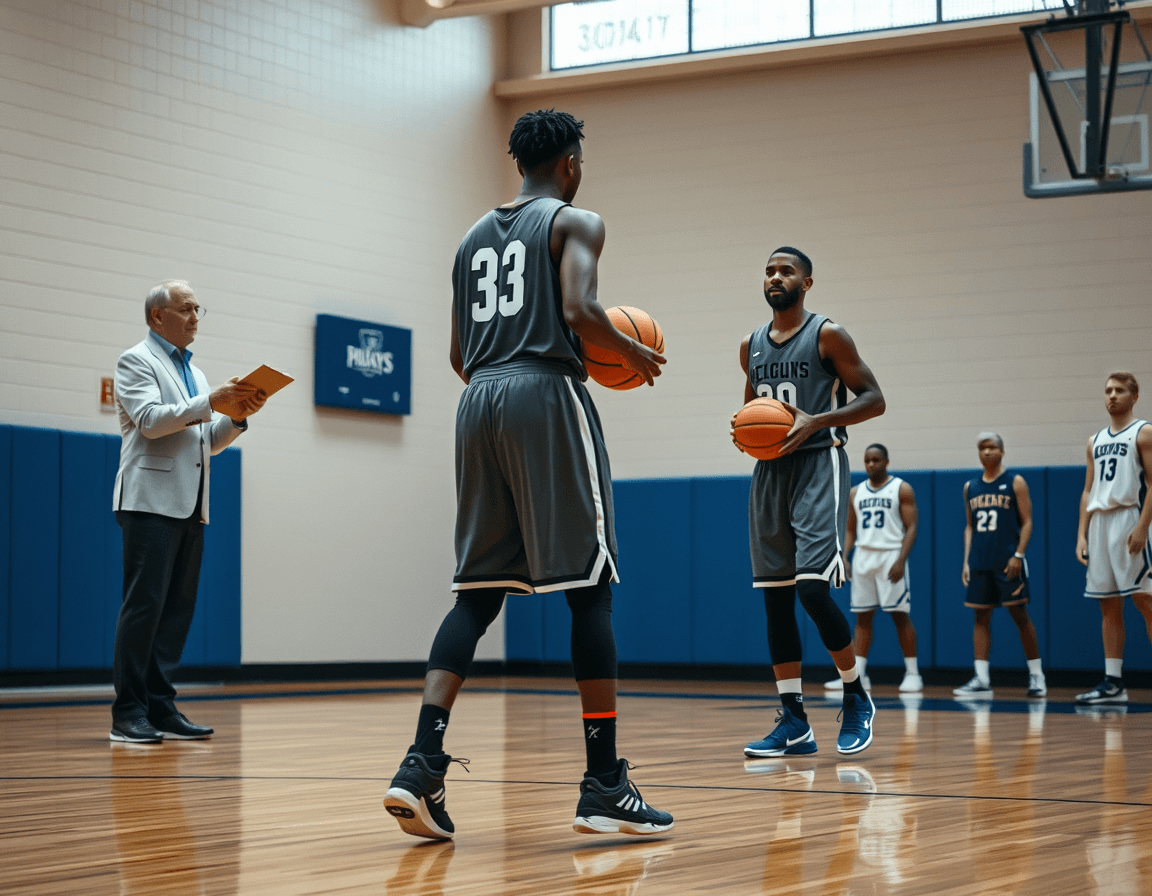
Praktičan workflow korak: weekly inbound play planning
Start your week with an audit of existing inbound plays—baseline out-of-bounds, BLOB, SLOB, 1-4 Low, and the 4-flat baseline options. Map each inbound option to your weekly practice plan and game prep so that substitutions, tempo, and spacing line up with upcoming opponents. With CourtSensei, you can package this into a basketball inbound plays pdf that combines diagrams, notes, and timing in one shareable file for staff and assistants.
For the week, create or update PDF diagrams for each inbound option you want to emphasize that week. On the playbook board, flesh out each sequence with clear zones and entry paths, and use simple animations to show the flow of players moving off the screen to deliver the pass. The diagrams become a visual reference during walk-throughs and pre-game meetings, helping everyone see the same action without sifting through loose notes.
Pair inbound plays with specific drills that reinforce the action: entry passes, timing, screening, and cuts. Tie each option to a drill block—an entry-pass drill at the start of practice, a screening sequence to create space, and a cut-and-replace progression for late-arriving players. Keep a checklist for X in weekly training to ensure each inbound option gets deliberate reps and concrete feedback before scrimmage time.
Schedule staff reviews and assign responsibilities for practice and video review. A midweek check-in lets you adjust the plan based on progress and scouting reports. Archive past versions and track updates to keep your playbook current, so the next cycle builds on the last. This approach keeps your inbound pass options sharp for scouting and game prep, without losing sight of the baseline sets that anchor your week.
Diagramming and teaching inbound plays
As you build your weekly plan, diagramming inbound plays becomes a non-negotiable. With CourtSensei you can sketch crisp inbound diagrams and annotate key actions, then export a basketball inbound plays pdf for quick reference. Highlight inbounder routes, who initiates the screen, and where receivers relocate after the pass—whether you’re setting up a BLOB, SLOB, or baseline out-of-bounds sequence, with clear labels and options.
Add short animations to illustrate timing and spacing, so a simple inbound pass becomes a living sequence on the whiteboard. The diagram and animation inbound combo shines, helping players see options for runouts, off-ball movement, and outlet passes, especially in common setups like 1-4 Low or 4-flat baseline.
Keep it practical with simple cues and progressions: walkthrough → slow scrimmage → full-speed reps. Use the PDFs to walk the team through the inbound pass option, then test the action in live drills, so the timing sticks without overcomplicating the message. For baselines and special situations, think through inbound options as you teach—what to call, where the passer goes, and how the receivers react to pressure.
All diagrams, animations, and notes live in one PDF-friendly package for offline teaching and quick refresher drills. This keeps inbound pass lines and baseline out-of-bounds variations—like box formation, BLOB, and SLOB—ready for scouting and game prep. The library also supports exporting a ready-to-share playbook that coaches can reference during scouting or game prep.
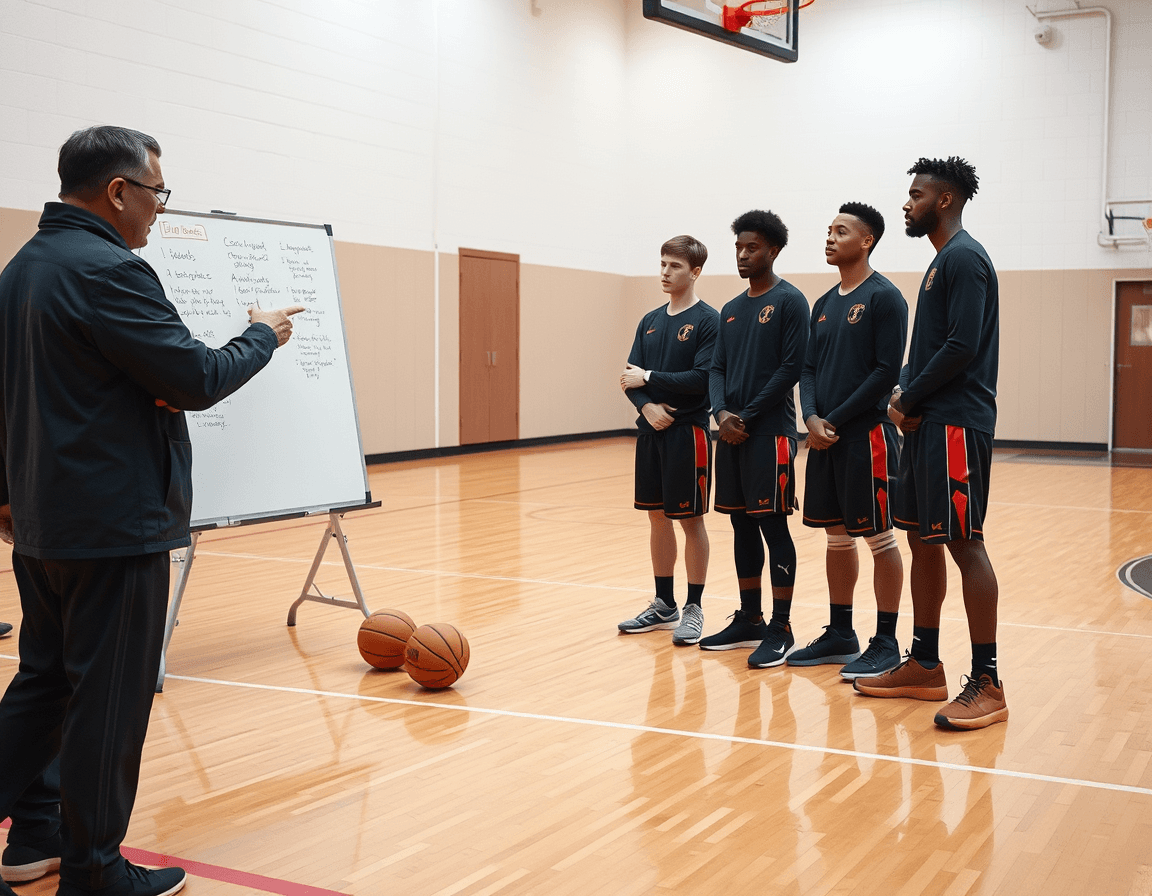
Building playbooks: PDFs, clips, and shareable links
Building a cohesive inbound library starts with a clean structure. In your weekly plan, organize plays by category: baseline, sideline, end-of-game, and out-of-bounds sets like baseline out-of-bounds or box formation. This is where a well-crafted playbook shines: a clear hierarchy helps assistants and student-coaches find and compare options quickly. Using CourtSensei, you can assemble an inbound inbounds play PDF that combines diagrams, notes, and entry timing into a single, printable reference. Label each section with names like BLOB, SLOB, or 1-4 Low, or 4-flat baseline so you can pull the right baseline play during practice.
After you sketch the action, attach short video clips to relevant entries to reinforce the inbound pass, timing, and reads. The PDF export workflow lets you print or share a ready-to-handle document that teammates can study on the bench or in film review. Pair each entry with a quick animation or diagram sequence that shows the inbound passer, the target, and movement off the ball.
Share your playbooks securely with staff using read-only links, so assistants or student coaches can review entries without editing rights. This is crucial for game prep and scouting, as updates to the baseline or sideline sets propagate into practice plans and film reviews via version control. Keep the library dynamic by revising the inbound play PDFs as you test sequences in scrimmages, ensuring every note aligns with your current offensive philosophy and reads.
Scouting and opponent prep: tailoring inbound plays
As you map your weekly scouting and game-prep routine, start with clear scouting reports that reveal opponent tendencies inbound—how they pressure, where they trap, and what their zone looks like against inbound actions. In CourtSensei, you can attach these notes to your basketball inbound plays PDF, turning intake data into a practical playbook you can diagram and share with the staff. This keeps your workflow tight: a play sits next to the notes that explain when to use it and why.
Document opponent tendencies alongside your inbound PDFs to guide practice focus and drill emphasis. If they pressure the ball on the inbounds, you’ll want quick-entry options and safe relays that still create a scoring opportunity. Against a zone defense inbound, highlight variants like baseline out-of-bounds and box formation sequences, so your baseline setups stay adaptable. Linking scouting notes to each inbound setup helps you keep the focus on what matters during repetition—without losing sight of the opponent’s preferred looks.
Incorporate film clips that illustrate counter-options and counters to their defensive reactions. Attach clips to the playbook and annotate the flow of action, so players see not only the primary cut but the accepted counters if pressure comes or a trap forms. Short video clips in the inbound play PDFs give your staff a clear, shared picture of how to react in real time.
Prepare a small set of countermeasures for the week to stay adaptable during game prep. Build a concise package around common looks—zone inbound, BLOB/SLOB, and several baseline variants like 1-4 Low or 4-flat baseline—then export ready-to-share playbooks for scouting and game prep. This approach keeps your inbound repertoire responsive to opponent tendencies inbound and zone defense inbound alike.
Common pitfalls and quick fixes
Common inbound pitfalls often come from forcing an entry pass, poor timing, and miscommunication. When the pressure rises, a guard might rush a risky pass instead of reading spacing; that can lead to turnovers on the entry or a crowded baseline. The fix is to emphasize clean entry passes and proper spacing to reduce turnovers and protect late-clock sets. For many teams, end-of-game inbound sequences reveal a single inbound mistake that changes possession, so keep the playbook simple but adaptable: a reliable entry and a clear secondary option that minimizes inbound mistakes.
To fix, work on inbound routes and timing under pressure to simulate late-clock situations. Build a small PDF library with baseline setups (1-4 Low, 4-flat baseline, box formation) and annotate the routes. Use simple animations to show how space opens after the inbound pass and how options shift if the defense traps. With CourtSensei you can create, annotate, and share inbound plays PDFs, diagram actions, and export ready-to-share playbooks for scouting and game prep.
Inbounds under pressure demand a safe outlet. A frequent pitfall is inbounder losing the ball when trapped and forcing a pass into traffic. Quick fixes: establish a safe outlet, rehearse reset plays, and give the inbounder a clear exit read before contact. Diagram the outlet path in your PDF and practice the timing until it becomes second nature. The result is fewer turnovers and more confident re-entries.
Revisit end-of-game inbound concepts regularly to keep late-game options fresh and reliable. Add go-to sequences in your playbook and label mismatches and quick reads so the team isn’t guessing. Tie these plays to scouting notes and game prep; export them as ready-to-share playbooks that your staff can pull from during the week. This ongoing cycle—plan, diagram, practice, and share—keeps inbound options sharp when the clock is winding down.
FAQ
What is a baseline out-of-bounds (BLOB) play, and when should you use it?
Baseline out-of-bounds (BLOB) plays are inbound sequences executed from the baseline near the basket to create a scoring chance or reset a possession. Typical actions include the inbounder delivering to a guard, wings slipping to the lane, and a quick entry to a shooter. Use BLOB when you need a high-percentage look under pressure or after a timeout. In CourtSensei you diagram, time, and export a ready-to-share PDF.
How do you run an inbound play from a 1-4 Low setup?
Running an inbound from a 1-4 Low setup involves a clean entry to the ball, precise spacing, and quick reads. Place the inbounder at the baseline, have the guard on the arc receive, and let a cutter slip to the lane or post player flash for a quick option. Diagram it, practice timing in blocks, then export as a PDF to share with assistants and scouts. Use an inbound sequence on the board.
What are SLOB plays and when should you use them?
SLOB stands for sideline out-of-bounds and is used when you need a reliable setup after a timeout or under pressure near the sideline. The read is to space shooters along the sideline, with a primary cutter coming off screens and a back-cut option, and a quick hitter for late-clock resets. Build a PDF library with SLOB options for easy access during film sessions.
What is a 4-flat baseline inbound play and how does it work?
The 4-flat baseline inbound is a quick-entry setup with four players aligned along the baseline. The ball comes in quickly, and shooters look for an immediate entry pass or a flash to the corner. Show timing, screens, and late-option reads. Export a clean diagram as a PDF, attach notes, and keep it current with weekly updates.
How can you defend against inbound plays and OB sets?
Defending inbound plays requires pressure on the inbounder, denying primary routes, and anticipating inbound options. Use a compact box look or a disruptor setup when you expect a baseline entry, and communicate switches for SLOB/BLOB. Practice counter-sets and quick re-entries so your defense disrupts timing and forces contested passes.
Where can I download basketball inbound plays PDF for practice planning?
Inside your CourtSensei workspace, you can assemble core options (BLOB, SLOB, 1-4 Low, 4-flat) into a single basketball inbound plays PDF. Share it as a read-only link with staff, attach scouting notes, and tie it to your weekly plan—drills, timing, and video review—for a practical practice planning workflow.