Basketball Defensive Plays PDF for Coaches
Turn a basketball defensive plays pdf into a weekly coaching workflow: drills, rotations, and scouting notes to reinforce team defense and transition containment consistently.

Key takeaways
- Anchor your install on a basketball defensive plays pdf and pick one or two diagrams to install.
- Map each diagram to a weekly drill progression with concrete reps for on-ball, help-side, and transitions.
- Create a plan in your coaching workspace that links plays to drills and rotations.
- Export a weekly PDF handout for staff and players to align on install steps.
- Design a seven-day progression: warm-up, 2-3 transition drills, and a simulated transition defense.
Practical Workflow: From PDF to Practice
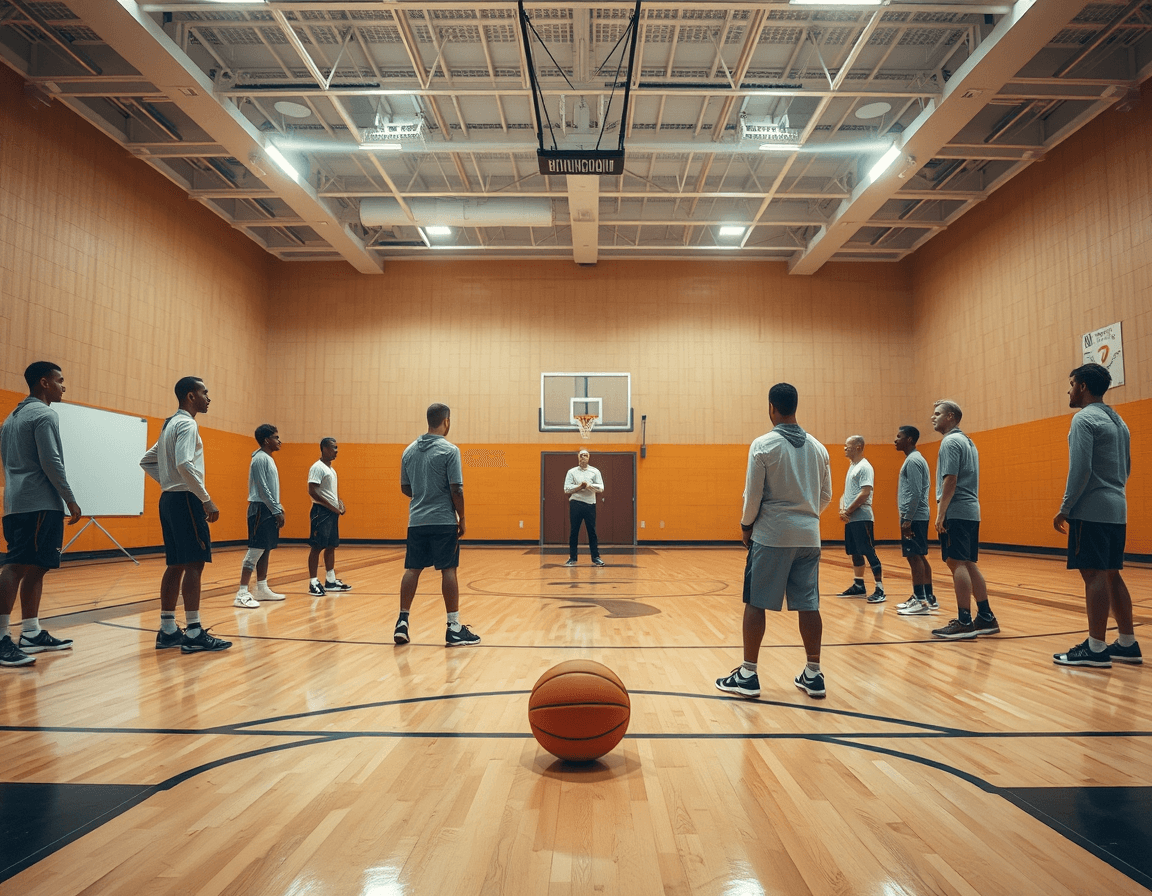
Start with a basketball defensive plays pdf as the anchor for your install. Pick a defensively-focused PDF that covers core concepts like defensive transition, ball containment, on-ball defense, and help-side defense, and treat it as the blueprint for the week. Keep the scope tight: choose one or two diagrams you can install cleanly in practice. This sets up a clear pdf-to-practice starting point for your weekly plan.
Map each diagram to a weekly drill progression and practice schedule. Translate diagrams into concrete reps: ball-side denial drills for on-ball defense, shell work for help-side, and transitions into defensive rotations. The aim is a clean progression from concept to drill to on-court action, so players experience the sequence from footwork to positioning to rotations in game-like flow.
Create a plan in your coaching workspace that links plays to drills and rotations. In your coaching workspace, assemble a plan that ties each play to a drill and a rotation. Attach a diagram to a drill sequence, add a quick cue, and map who defends whom and when to switch. This is the core of the pdf-to-practice workflow, where diagrams become actionable practice stations.
Export or share a weekly PDF handout for staff and players. From the plan, export a handout that summarizes the defensive install steps and the week’s practice days. Share with assistants and players to ensure alignment, including quick visuals and bullet points for quick recall during film study or pre-practice huddles. The handout helps everyone stay synchronized as you reinforce the concepts.
Defensive Transition Drills You Can Run This Week
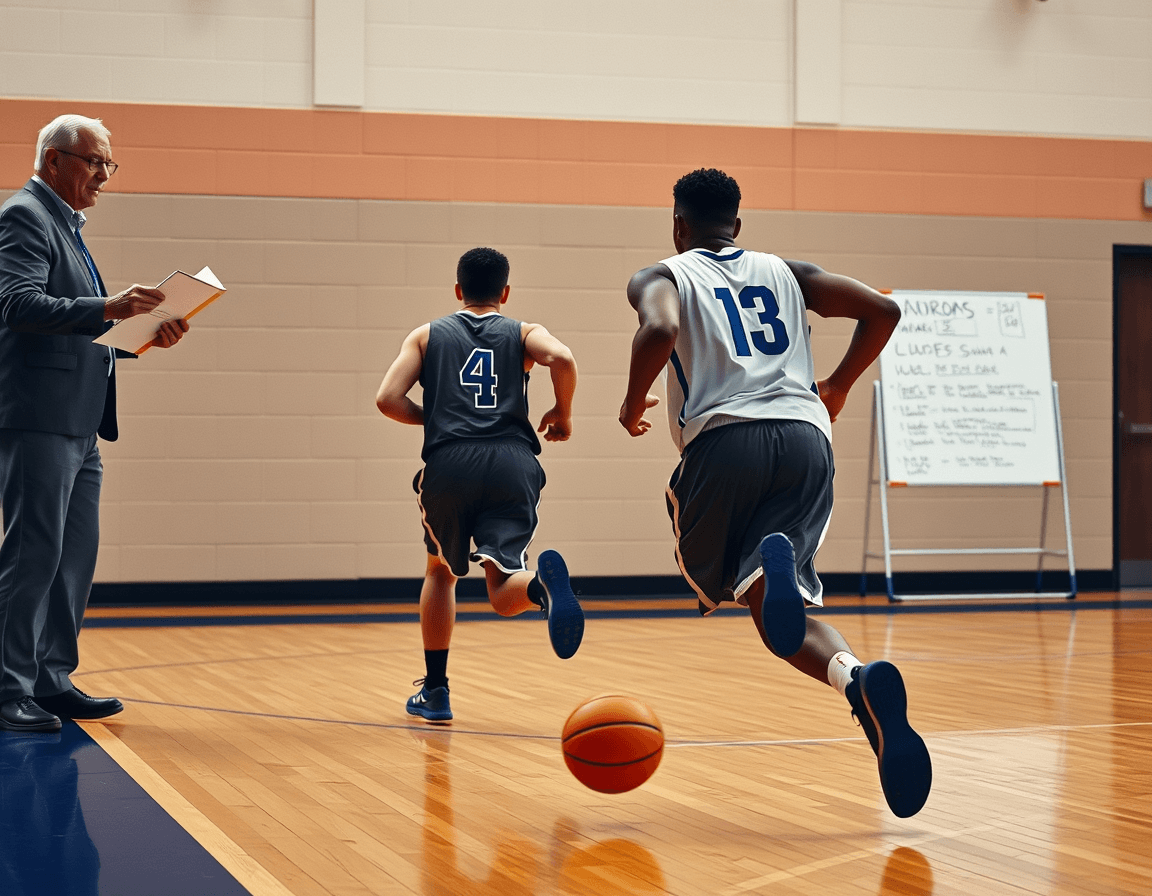
Take your basketball defensive plays PDF and pull key transition concepts—defensive transition, tag up, ball-side containment, and early defense. Translate these into a concise weekly frame: a quick warm-up, 2–3 crisp transition reps, and a short debrief. This plan ties directly to the visual board and scouting notes in the unified coaching workspace, so every drill lands in one place.
Design a seven-day progression: warm-up, 2–3 transition drills, and a simulated transition defense. Keep each drill purposeful—one focusing on ball-side containment, another on on-ball defense, a third on help-side rotation. Label drills clearly in the PDFs, then mirror them on the visual board so players see the flow of a week-long progression and a set of transition drills across the week.
Capture short video clips or diagrams to reinforce technique and add them to a dedicated playlist. A quick clip of containment angles, a diagram showing rotations, and a split-screen of on-ball and help-side defense make the concepts tangible. Link this material to the scouting section so the staff can reference it during game prep.
Use a simple on-court checklist to track progress for each drill. The checklist should cover stance, footwork, and alignment in both ball containment and transition defense. Sync this with scouting notes and a compact log of outcomes in the unified coaching workspace, so the staff can adjust the plan for next week’s practice.
Man-to-Man vs Zone: Diagram-Based Plans
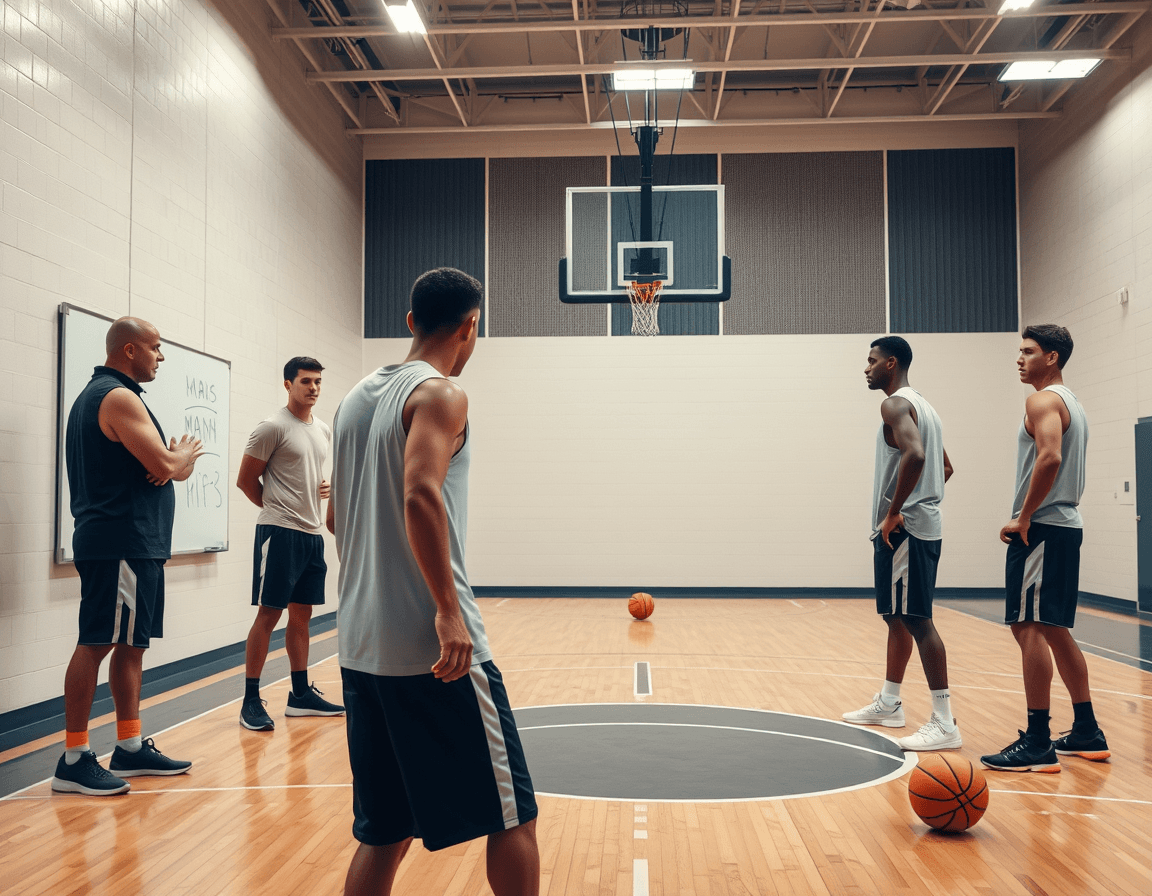
As a coach, you can convert a basketball defensive plays pdf into a cohesive weekly plan by pulling the diagrams into a single coaching workspace. Use diagram-based plans to map both man-to-man rotations and zone matchups, so you can compare how each scheme handles ball containment and recovery. The visual board lets you annotate who slides where on every rotation, and you can test counter-actions against ball screens and overloads in real time. This approach keeps the plan tight and actionable for the week ahead.
Create coaching cues and rotate players into appropriate positions using the board. As you lay out the shell on the whiteboard, add bite-sized cues—footwork, spacing, and angles—to guide on-ball defense and help-side defense. A single board view makes it easy to swap in zone defense examples and show how zone matchups shift gaps and rotations.
Attach drills and short video examples to practice both styles. Link a drill for man-to-man shell rotations and a zone look drill, then attach a quick clip that demonstrates the rotation through the key positions. The video can illustrate timing of help defense, ball containment, and recovery.
Export the plan as a PDF for staff review and future practices. This PDF export gives your staff a clean, shareable reference that ties the diagram-based content, coaching cues, drills, and short video clips into one actionable plan for the week.
Rotations, Communication, and Contain
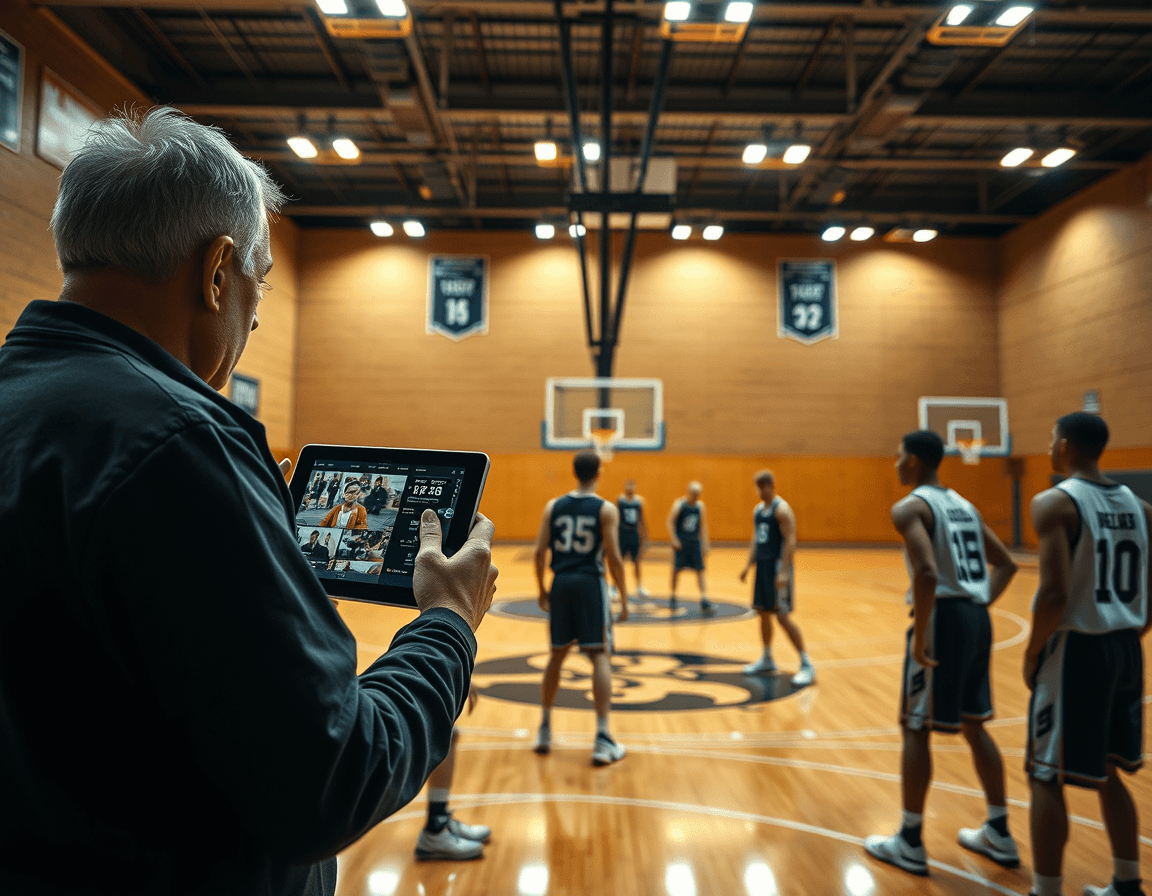
A basketball defensive plays pdf provides the backbone for a week of work. In your plan, define help-side rotations, denial concepts, and containment using diagram-based references. Map each scenario—from on-ball defense to ball containment to deny-and-recover actions—into a clear timeline your players can follow. In CourtSensei, those diagrams become a time-structured training plan, linked on a visual board, paired with short video clips and scouting notes. The result is turning a static PDF into repeatable, on-floor rotations that players can execute with confidence.
Develop clear on-floor communication cues to stay organized during rotations. On the floor, concise phrases keep everyone in sync as the defense slides from denial to containment. Quick calls like "eyes on ball," "weak-side seal," and "two-on-ball" cut noise and prevent misreads. Attach these cues to each rotation diagram on the board and in the video library so coaches can audit, teach, and reinforce them during practice. With practiced communication cues, rotations become second nature.
Record rotations and checklists in your coaching workspace to ensure consistency. After reps, log the sequence and a bite-sized checklist, linking the rotation diagram to the clip and the scouting note. This makes it easy for any coach to replicate a defense against similar looks, whether you’re playing man-to-man defense or zone defense. Keeping a centralized record also supports scouting and game-prep notes, so your team studies the same language across workouts and opponents.
Create a weekly containment and rebounding checklist that lives with your daily plan. The containment focus drives box-outs, ball containment, and pressure on passes to the weak side. Include a simple transition diagram and a short video example to show how containment shifts after a steal or miss. Tie this into scouting notes to anticipate opponent actions. The habit you build is a steady rhythm: containment pressure, box-outs, and securing the boards.
Video Clips and Playlists: Teaching Defenses in Practice
In practice, video clips are a powerful way to teach defenses. You can upload and trim defensive scenario clips to illustrate concepts like ball containment, on-ball defense, and help-side rotations. A concise clip before a drill helps players connect the stance, footwork, and positioning to what they’ll work on in the next rep. Integrate these clips into the weekly plan so the teaching moment happens at the right time on the floor, with a quick reference on the tactical board.
Next, build concept-based playlists to structure the week. Think categories like Transition Contain, Box-and-One, and Post Defense, or matchups such as man-to-man vs. zone. Each playlist acts as a guided sequence—from walk-through to live drills—so the staff can see progression and focus areas. Use playlists to reinforce key ideas: positioning in defensive rotation, how to deny passing lanes, and how to switch without losing balance. This keeps your defense teaching tight and repeatable, not scattered.
Link videos to the corresponding PDFs so staff can review offline. The PDFs serve as the visual guide—diagrams, rotations, and responsibilities—while the videos demonstrate the live application. By pairing clips with PDFs, you create a hybrid learning loop: see it, then review the documented drill and rotation on the wall or in the coach’s plan. This fusion supports your defensive transition, zone defense, or man-to-man defense concepts in the plan treninga and on the visual board.
Finally, share read-only links with assistants for collaboration and feedback. This encourages quick input on clip selections, playlist order, and defensive scouting notes. Attaching a scouting brief to a clip or playlist helps staff discuss game prep and adjustments without altering the core materials. The result is a cohesive, offline-review workflow that keeps everyone aligned around the same defensive concepts.
Scouting, Game Prep, and PDF Deliverables
Turning scouting reports into a solid defensive plan starts with organized inputs. In your weekly plan, extract actionable items from the PDFs—opponent tendencies, where they attack, and their go-to ball-screen actions. Translate those into a concise defensive plan—PDF summaries that serve as the core reference for the staff. Use the visual board and short video clips to illustrate rotations and ball containment cues, keeping the defense aligned with your identity.
Attach scouting notes to defensive schemes you plan to run in games. In practice, link notes to options such as defensive transition and on-ball defense to emphasize how you’ll contest individual actions and ball reversals. If the opponent relies on heavy ball reversals, tag the plan with rotations that emphasize containment and communication. The flow fits neatly inside a unified coaching workspace, where a quick clip or diagram sits next to each scheme for fast reference.
Export a cohesive PDF playbook to guide game prep and in-game adjustments. Bundle your schemes by defense type—man-to-man, zone, and the key rotations—plus crisp prompts for ball containment and help-side coverage. In the weekly cycle, export and attach the PDFs to scouting notes, so staff have a printable guide ahead of every matchup. This approach provides a portable reference to steer game prep and adapt on the fly, without losing sight of your defensive strategy.
FAQ
What is the Box-and-One defensive scheme in basketball?
Box-and-One is a hybrid defense where one player guards a specific opponent while the other four form a boxed zone. Use it when you must deny a standout shooter without sacrificing help elsewhere. In your PDF-to-practice workflow, pull a Box-and-One diagram, assign roles, and build a short drill sequence that mirrors rotations and cue words. Practice the reads until the movement feels automatic.
What are common basketball defensive plays and zones (1-2-2, 1-3-1, 2-3)?
Defensive plays split into zones and man-to-man. Your PDF should show diagrams for zones such as 2-3, 1-3-1, and 1-2-2, plus man-to-man shells. Install a single diagram this week, then expand. Link diagrams to drills (shell work, ball-denial, rotations) and a simple coaching cue system. Export a weekly handout with the install steps.
How do you defend a box-and-one defense in basketball?
Defending a box-and-one means you pressure the shooter’s primary threat while the other four stay compact and ready to rotate. Key moves: deny passes to the target, stay in help position, and trigger rotations on misdirections. In practice, use a two-step sequence from the diagram, assign roles, and use short cue words to keep movements synchronized in your coaching workspace.
What does tagging up mean in defensive transition, and why is it important?
Tagging up means a defender returns to their matchup or designated area as the ball crosses half-court, preserving containment when teammates sprint back. It buys time, slows early offense, and keeps help-side preparation intact. In weekly planning, build 2–3 transition reps, a quick warm-up, and a debrief, then link diagrams to drills in the coaching workspace and export a weekly handout for staff.
What is ball containment and why is it prioritized in defense?
Ball containment is keeping the ball-handler on a predetermined line, preventing the drive and forcing baseline. It’s prioritized because it limits kick-out passes and preserves help-side angles. Translate key concepts from the PDF into a week-long progression: stance, footwork, and angles, then connect to rotations and scouting notes in your coaching workspace for quick reference.
What is 'open denial' and when is it used in man-to-man defense?
Open denial means denying a specific target the ball while not over-committing to steals. Use it when a shooter is likely to receive a pass in a high-percentage area. Train with a short, diagram-based drill, add quick cues, and attach a clip to your video library. In your weekly plan, tie open denial to rotations and communication cues so defenders stay disciplined.