Basketball Running Drills: A Coach's Weekly Plan
Basketball running drills for coaches: build a weekly conditioning plan with interval sprints and work; integrate with practice plans and video clips.

Key takeaways
- Define a Mon/Wed/Fri microcycle, alternating sprint work, COD, and mobility for a sustainable weekly framework.
- Pair sprint and COD work with skill drills, linking to CourtSensei workflows and playlists.
- Set age-appropriate intensity, resting intervals; escalate only when form remains clean, not fatigued.
- Document and clip drills into a shared plan; assemble playlists to align everyone.
- Progress drills by age and skill with ladders, 17s, and NBA lane agility to maintain sharpness.
Weekly framework for basketball running drills
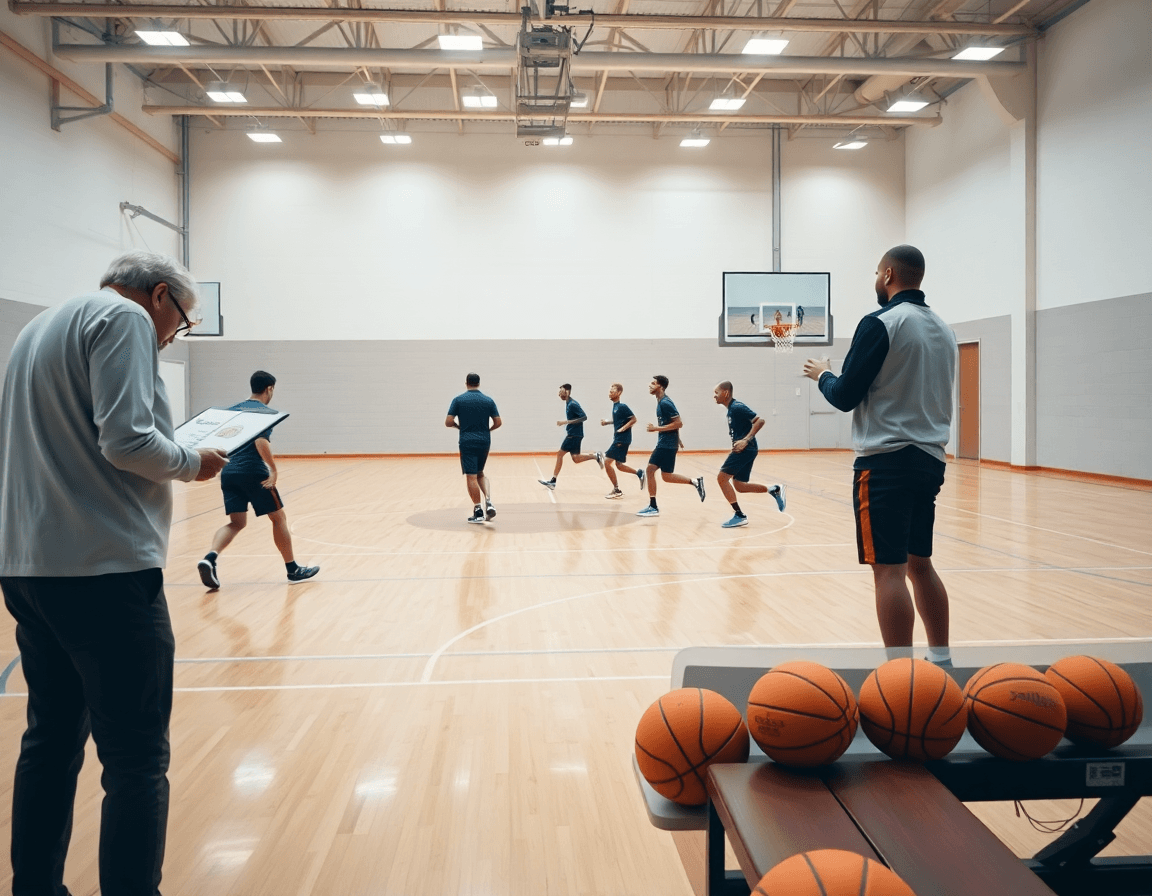
To set up a reliable week, I define a microcycle—Mon, Wed, Fri—that alternates sprint work, change-of-direction, and active recovery. This becomes the backbone of a weekly framework for basketball running drills. In our plan, sprint-focused sessions lead into COD work and finish with a light mobility block, so players stay sharp without beating up joints. I document this flow in CourtSensei as a simple, shareable sequence for assistants and volunteers, keeping everyone on the same page before the whistle blows.
Balance running with skill work so the reps resemble game demands. After a round of sideline sprints, we slot in dribble weave or NBA lane agility drills, then finish with quick shooting or ball-handling reps. When mapped into our session planner, this becomes a basketball running drills weekly plan, stacked alongside shooting and decision-making within the same practice plan. For variety, I rotate in options like the 17s drill or ladder drills to keep legs fresh.
Set age-appropriate intensity and rest to maintain quality reps. Younger groups get shorter intervals and longer rests; older players can handle a few more sets, but we always pull up if form slides. This is a core piece of the conditioning block for basketball, integrated into the microcycle so workloads stay manageable and players stay fresh for the next drill.
Document the framework in a shared practice plan for assistants. On the court, I diagram drills on the whiteboard during sessions—baseline to half court sprint, full court sprint, and sideline sprint sequences—then clip and organize run-and-skill drills for quick review. I tie those clips to scouting notes to tailor workloads, and I build playlists for players with the best run-and-skill moments so everyone stays aligned between games.
Core drills to run this week
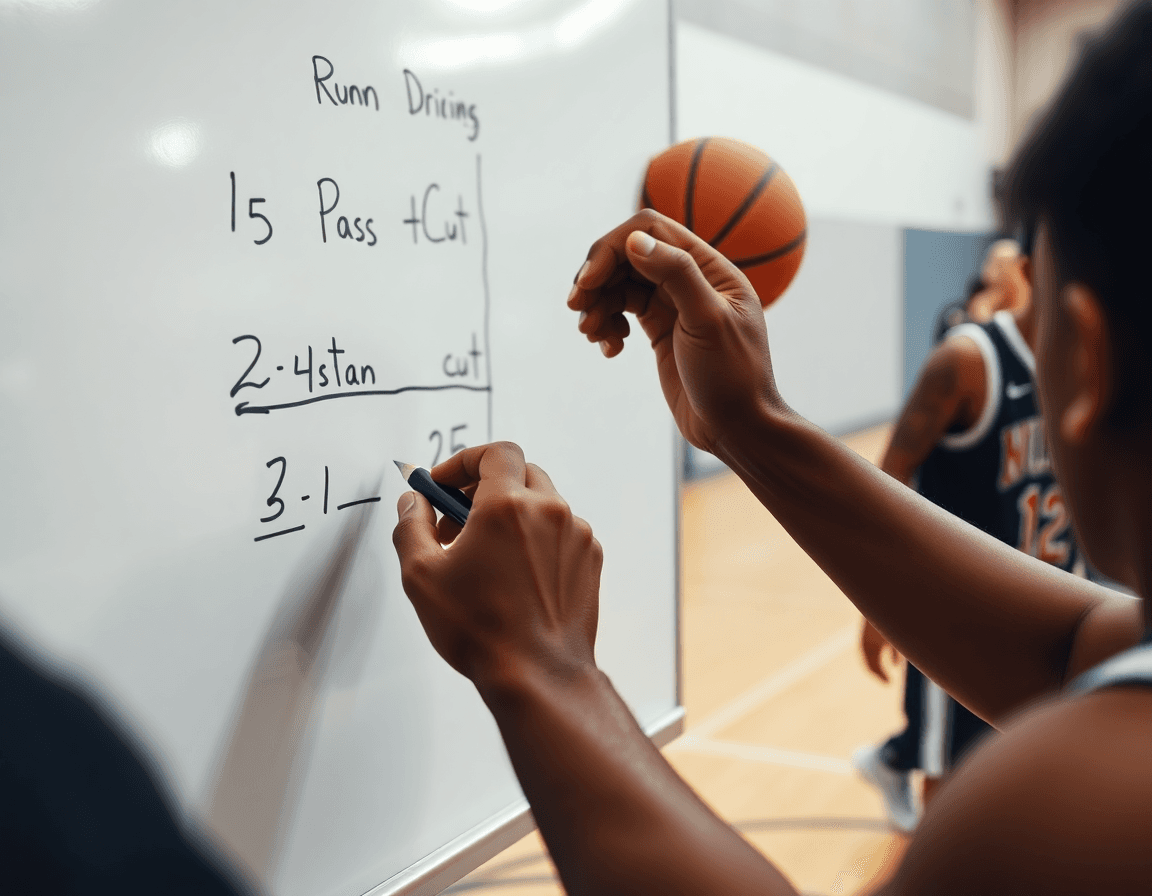
Each week I map our basketball running drills into a tight plan. The goal is to wake the team with purposeful movement from the opening whistle. We start with sideline sprints, an early-acceleration drill that primes our hips. On the plan I diagram routes on the whiteboard and attach a quick video clip to show correct form for the next session. That flow—plan, board, video—keeps everyone aligned.
We layer endurance and pace with the 17s drill, a tempo test that sets the baseline. Then we hit a baseline to half court sprint segment to bridge sprinting with controlled pace, finishing with short transitions into full court sprints. Rest is tight, matching game rhythm, and I log workloads in CourtSensei so assistants know when to ramp up or pull back.
Next come ladder drills to sharpen foot speed and quick cuts. I walk through the ladder patterns on the whiteboard, then run the reps live, forcing rapid changes of direction. We also sprinkle in full court sprints as a progression to test transfer under fatigue. It’s a clean link from conditioning to on-court movement, and I save the best reps as clips for the player playlists.
Finally, we drop in dribble weave to fuse conditioning with ball handling. I pair this with targeted clips in a run-and-skill playlist. We tailor the workload based on scouting notes—against pace-heavy teams we lean into space and weave, while tougher footspeed matchups push more lanes and agility work (NBA lane agility drill). The result is a weekly rhythm that translates to sharper reads in games.
Drill progressions by age and skill
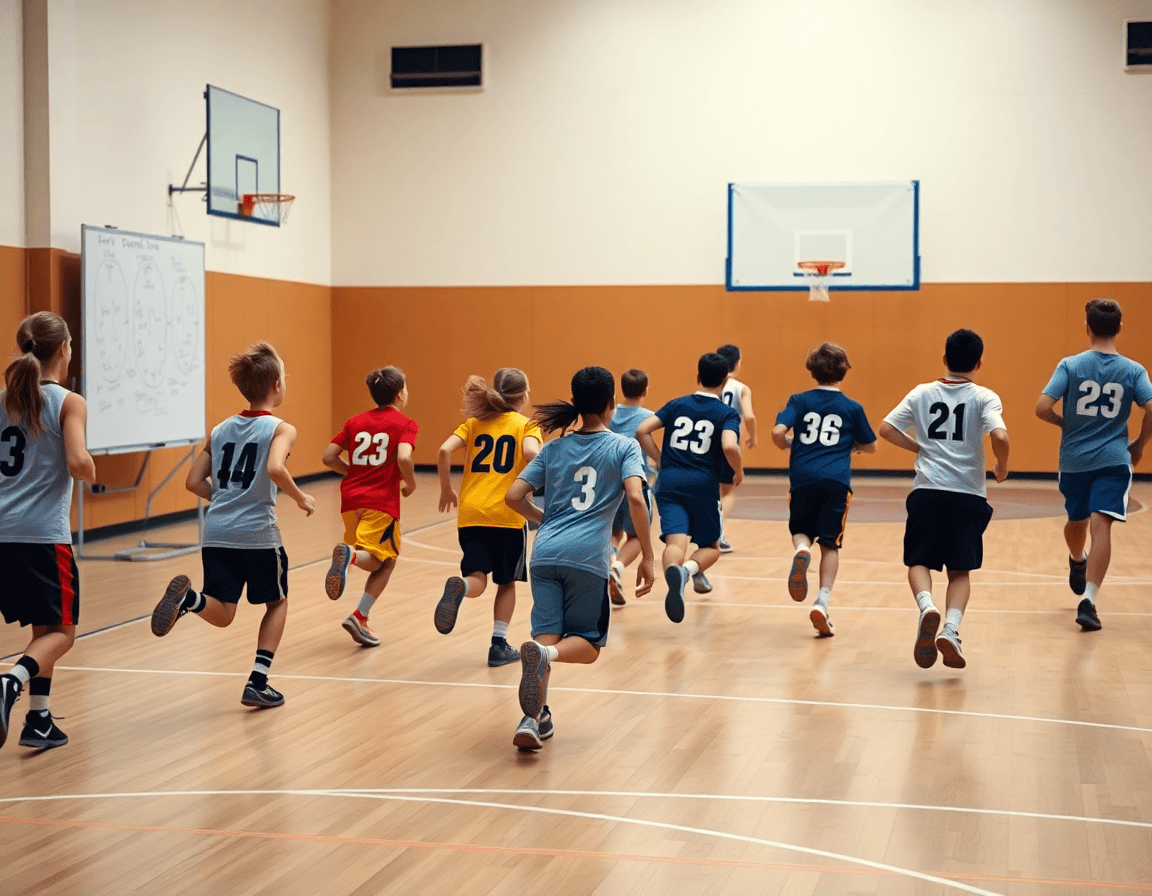
When I plan a week's running drills, I start with the age and skill of the group. This is where the idea of age-specific running drills matters most. For high school groups, I pull back the volume and keep blocks tight: 4-6 sprint blocks of 15-20 seconds with 60 seconds rest, plus a couple of sideline sprints and suicides to build the engine without fatiguing technique. For college players, I widen the blocks to 20-30 seconds and add full court sprints, baseline-to-half-court sprint sequences, and a few longer shuttle routines. I tie conditioning to scouting reports, so workloads reflect opponent pace and our current data. In the weekly Plan, I map the week; on the whiteboard I diagram routes—sideline sprints, suicides, baseline-to-half-court transitions, and a quick dribble weave—so assistants know exactly what to cue in session. After practice, I pull clips and tag each drill for a player playlist that explains expectations to the group. This approach also supports youth basketball conditioning goals while keeping a coach-first workflow intact.
From there, I guide the group through a clear progression from isolated sprints to integrated drills that mirror game actions. For younger players, we start with ladder drills and the 17s drill to build footwork and pace, then add short sideline sprints and a simple dribble weave to introduce ball handling without losing tempo. For older players, we escalate to full sequences—baseline-to-half-court sprint into a hard finish at the rim, or an NBA lane agility drill that stresses cuts and change of direction. This is where the framework of progressions for running drills pays off. I monitor load against scouting reports, so workloads match our opponent’s tempo and our preparation. After each session, I clip and organize run-and-skill drills, and publish a short, shareable playlist for players to study on their own.
Practical workflow: Plan, Run, Review weekly
Before the week hits the floor, I lock in the practice plan for our basketball running drills. The goal is simple: clear rep schemes that push pace without burning the team out. I map the week with staples—sideline sprints, suicides, full court sprints, NBA lane drills, and a couple of agility ladders—and attach crisp targets: 6x20m sprints, 4x suicides, 2x full-court reps, 4 rounds of baseline-to-half-court sprints. Each entry includes rest and progression notes. This is how I approach planning running drills, and it fits a coach workflow—plan, run, review—to keep the group progressing day by day.
On the floor, we run the plan using the whiteboard to diagram the run and the variations. I sketch the path for each station—where the sprint begins, where the ball carrier changes pace, and how to read fatigue. We rotate through stations, and I call out the variation—dribble weave, short accelerations, or a straight sprint—while players watch the diagram and execute. The board becomes our shared language for quick adjustments, so when we add a twist like a ladder drill into a sprint sequence, everyone is aligned. It’s more than talk; it’s a lived picture of intent.
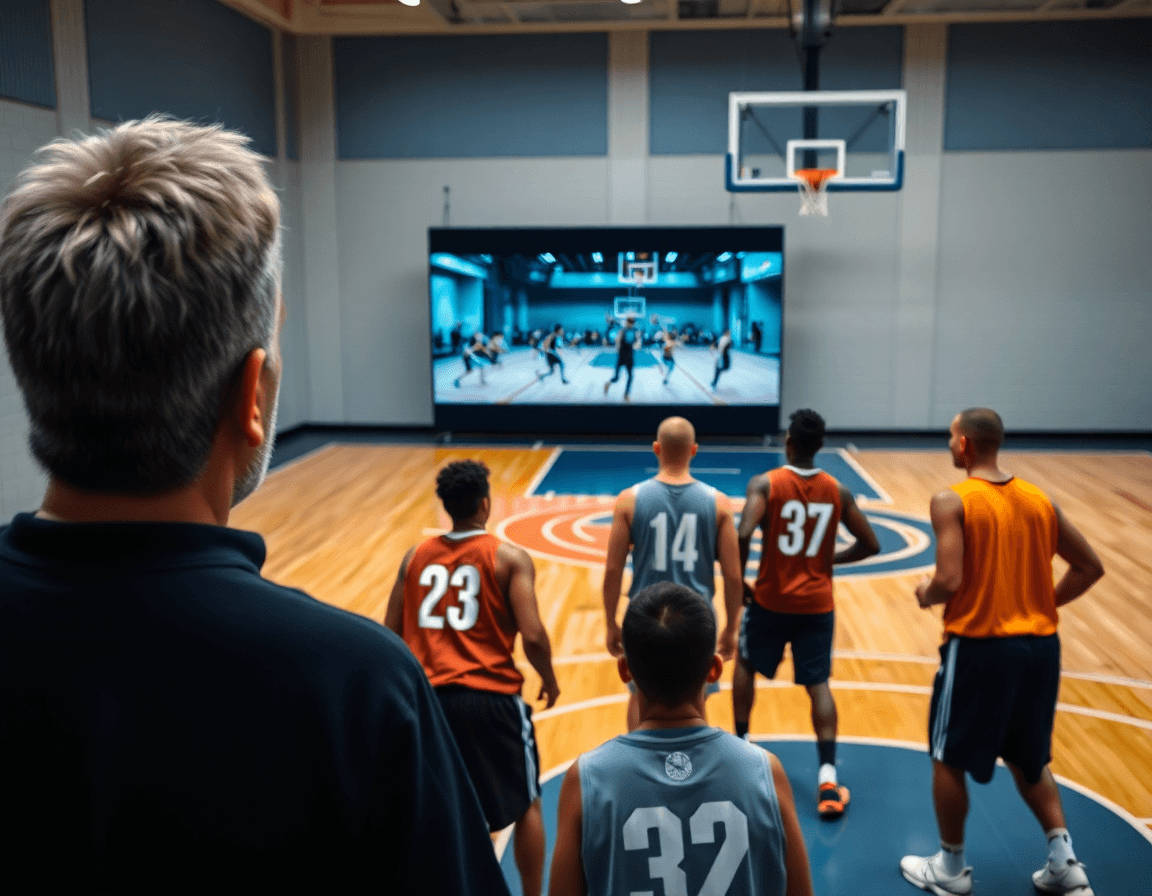
After practice, we review the footage using our clip library. A quick look at the baseline-to-half-court sprint highlights pacing, knee drive, and finish, while a run-and-skill drill clip shows how we move through fatigue. I tag moments for quick feedback and save those clips as a short playlist for players to study tempo, rest intervals, and technique. This is where players start owning the process, using the clips to tighten form and decision speed.
Finally, the scouting notes drive the workload. If the opponent leans into transition buckets, we push more baseline-to-half-court and sideline sprints; if they trap pressure in full-court sequences, we dial back and emphasize control with scaled reps. The notes wire the weekly plan to opponent tendencies, keeping pacing, fatigue, and technique in the spotlight. The coach in me runs this loop—plan, run, review, adjust—and the team feels it in every practice, every drive, every rep.
Video integration: clip, organize, and share running drills
Video integration is the bridge between game reality and practice design for basketball running drills. When I comb through game footage, I clip relevant sequences to create representative practice clips. Those clips reveal start-to-stop moments—the pacing and decision points we want players to imitate. If we spot a clean sideline sprint into a sharp cut, a baseline-to-half-court sprint, or a quick transition into a finish, I pull that segment and tag it for the week. The result is a library of video clips for running drills you can pull during a session.
Organize clips into playlists by drill type or game situation. I build a few core playlists early in the week: sideline sprints, suicides, full court sprints, baseline to half court sprint, and small-skill sequences like dribble weave or ladder drills. Each clip lands in its matching playlist so we cycle through reps without hunting through footage. It’s easy to switch focus—from a NBA lane agility drill to the 17s drill—by swapping playlists in the plan for the week. playlists for drills keep the tempo consistent and also support conditioning decisions tied to scouting notes.
Share clips with players and assistants to reinforce pacing and technique. I push a playlist to the team tablets, then we review the clips during walkthroughs and timeouts. In a session with sideline sprints or a baseline-to-half-court sequence, a quick clip shows the best cadence and the proper footwork. Short video clips keep tempo honest without bogging down practice, and players can study the move right before they try it on the floor. The payoff? Smarter reps and safer workloads.
Scouting+conditioning: tailor drills to opponents
scouting reports guide every basketball running drills I design for the week. I start by reading tempo expectations and defensive pace from opponent prep, then translating those numbers into a practical plan for practice. The goal is to create a week where our bodies and minds react to what we’re likely to see in real games—transitions, pressure, and pace, not just isolated drills.
Next, I tailor running drills to intensity and rest to match tendencies. When a team presses, shorter rests and tighter work blocks keep legs honest. We lean into sideline sprints, suicides, and full-court sprints, plus a baseline-to-half-court sprint to replicate line-to-line speed. The change is felt in the shoes and in the stop-and-go reads from the bench.
Link conditioning playlists to specific scout plays for targeted practice. If the scouting notes show quick first steps in transition, I pair a conditioning block—a sequence including ladder drills, NBA lane agility drill, and the 17s drill—with the run-and-skill reps that mirror those plays. This is a core piece of opponent prep conditioning, ensuring the work matches how the opponent plans to attack. I tag the playlist to the opponent’s sets, so players hear the tempo during warmups and on the sideline.
Workflow in action: In the plan, I attach a scouting note to the week’s run blocks; on the tactical whiteboard I diagram the scout plays for context; we clip run-and-skill sequences and assemble shareable playlists for athletes. A quick PDF export of the weekly plan ties it all together so assistants can follow along from the bench.
If you build plans like this every week, CourtSensei keeps your drill library, whiteboard, and video clips in one place — try it free.
FAQ
How do you train to run for basketball?
To train for basketball running, I rely on a simple weekly framework (Mon, Wed, Fri) that mixes sprint work, change-of-direction, and active recovery. The goal is to balance conditioning with skill work so reps resemble game demands. I tailor intensity by age, preserve form, and keep blocks tight. This framework keeps players sharp without overdoing technique, and it slots neatly into a larger conditioning block that feeds every other drill.
What are basketball running drills called?
In practice, these are typically labeled as basketball running drills or conditioning drills. Common items include sideline sprints, suicides, full-court sprints, NBA lane agility, ladder drills, and dribble weave. They tie directly to sprinting and change-of-direction, so coaches map them in the plan as run-and-skill drills.
What is the endurance drill for basketball?
For endurance, the 17s drill is the go-to tempo test that benchmarks pace and workload. It anchors the endurance block in our weekly plan, then we layer longer sequences and controlled transitions to mirror game rhythm. Track reps and rest so the team maintains quality over quantity and stays aligned with scouting notes.
Does running help for basketball?
Yes. Running helps basketball by improving pace, decision making, and stamina. A well-planned program supports sharper reads under fatigue, smoother transitions, and late-game bursts. Pair it with skill work to preserve technique while you build confidence in space, tempo, and game rhythm.
What is the 17s drill in basketball conditioning?
The 17s drill is a tempo-based endurance drill used to set the baseline pace for the session. Players work near game pace for about 17 seconds, then recover before the next block. It serves as a benchmark in the weekly plan and helps pace subsequent sprints and change-of-direction work.
What is a full-court sprint drill?
A full-court sprint drill means baseline-to-baseline sprints with tight rest, progressing from shorter to longer sprint blocks. It tests transfer under fatigue and ties conditioning directly to on-court movement. Use it after initial sprint work as a progression and track workloads to adjust intensity.
What are ladder drills for basketball conditioning?
Ladder drills sharpen foot speed and quick cuts, especially early in the practice. They lay a foundation for faster stops and starts, then pair with dribble weave or NBA lane patterns to mirror game actions. Use them to start COD blocks and leave space for rest before the next drill.