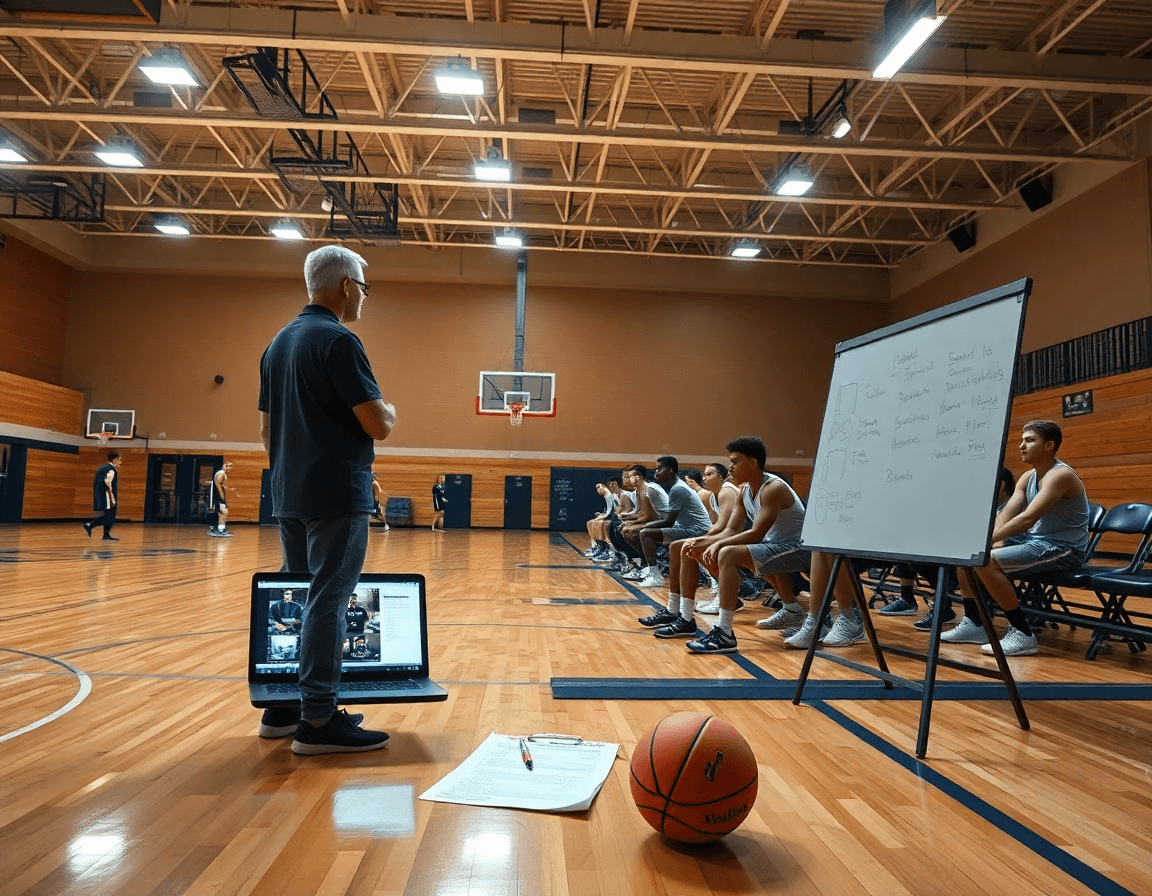
Weekly basketball scouting report workflow for coaches
A coach-focused guide to a weekly basketball scouting report: translate opponent tendencies into practice plans using clips, whiteboard diagrams, and shareable playlists.

Key takeaways
- Start the week by updating the scouting report in the planning library, tagging key tendencies for clear action.
- Translate notes into concrete drills and a concise action list to guide practice.
- Use whiteboard diagrams and short video clips to map tendencies to plays.
- Tie the week’s playlists to defensive rotations and tempo-driven practice sequences for execution.
- Keep a living, shareable scouting library with linked clips and PDFs for quick access.
Weekly scouting reports: why it matters for coaches
Weekly scouting reports matter because they establish opponent tendencies early in the week to guide practice priorities, keep staff aligned on matchups, sets, and counters, and create a centralized reference that’s easy to share. When I walk into Monday’s film room, I already know which enemy actions to stress—where they attack in late shot clocks, how they defend ball screens, and which sets pressure us. That clarity sets the tempo for the week and keeps everyone pulling in the same direction.
On Monday, I update the scouting report in the planning library, tagging tendencies by category—three-point shooting splits, pick-and-roll alignments, defensive versatility, and transition gaps. The goal is to turn raw notes into actionable items: a concise list of opponent attack patterns and the specific drills we’ll run to counter them. A quick on-court read by the assistants keeps the week’s workload anchored in reality, not guesswork.
In our workflow, the whiteboard diagrams map each tendency to a corresponding play and defensive call, and the coach uses video clips to show how those actions unfold in real games. I assemble a handful of short clips tied to the practice plan, then drop a shareable playlist for players and assistants. This approach turns scouting into tangible practice steps—turnovers against a flooding defense become ball movement drills; a team that heavy hedges on PnR gets earlier help and punch-out options. The result is a smoother coaching workflow where prep translates directly to on-court execution.

Key elements to include in a weekly basketball scouting report
Your weekly basketball scouting report is the backbone of turning observations into action. As a head coach, I pull recent games, tag tendencies, and map out what our players will face in practice. This living document sits in our CourtSensei scouting library, ties to video clips, and feeds directly into practice plans. Opponent tendencies shape prep, defensive rotations, and tempo on the floor.
Key elements include identifying the opponent’s primary sets and triggers: pick-and-roll actions, kick actions, and off-ball actions. On the whiteboard, I diagram their PnR reads and triggers that force a decision (hedge, drop, switch) and what happens after. Our workflow ties these notes to a short video clip, then exports to PDF for staff.
Next, we spell out the opponent’s top offensive threats and the defensive matchups they’ll face, plus personnel tendencies you’ll see game to game. I label who on our roster guards each key scorer, note their go-to moves, and map out defensive versatility. The notes feed into our planning library and playmaking assignments, so we can pair a contra-attack drill on offense with a recovery drill on defense.
Then we dive into shooting tendencies, decision-making patterns, and transition behavior. Is a guard likely to pull from three after a screen, or attack the rim? Do they push in transition or slow into a set? We tag three-point shooting, shot selection, and playmaking options, so our practice plan includes a firing sequence that disrupts their rhythm. All of this lives in the video clips and notes, easy to pull up during timeouts.
Finally, I anchor observations to recent trends and game-film references to validate every claim. I compare the last 3–5 games to confirm patterns, link clips to the scouting notes, and keep playlists ready for players. If a rival shows a growing three-point threat, we’ve got the film to back it up.
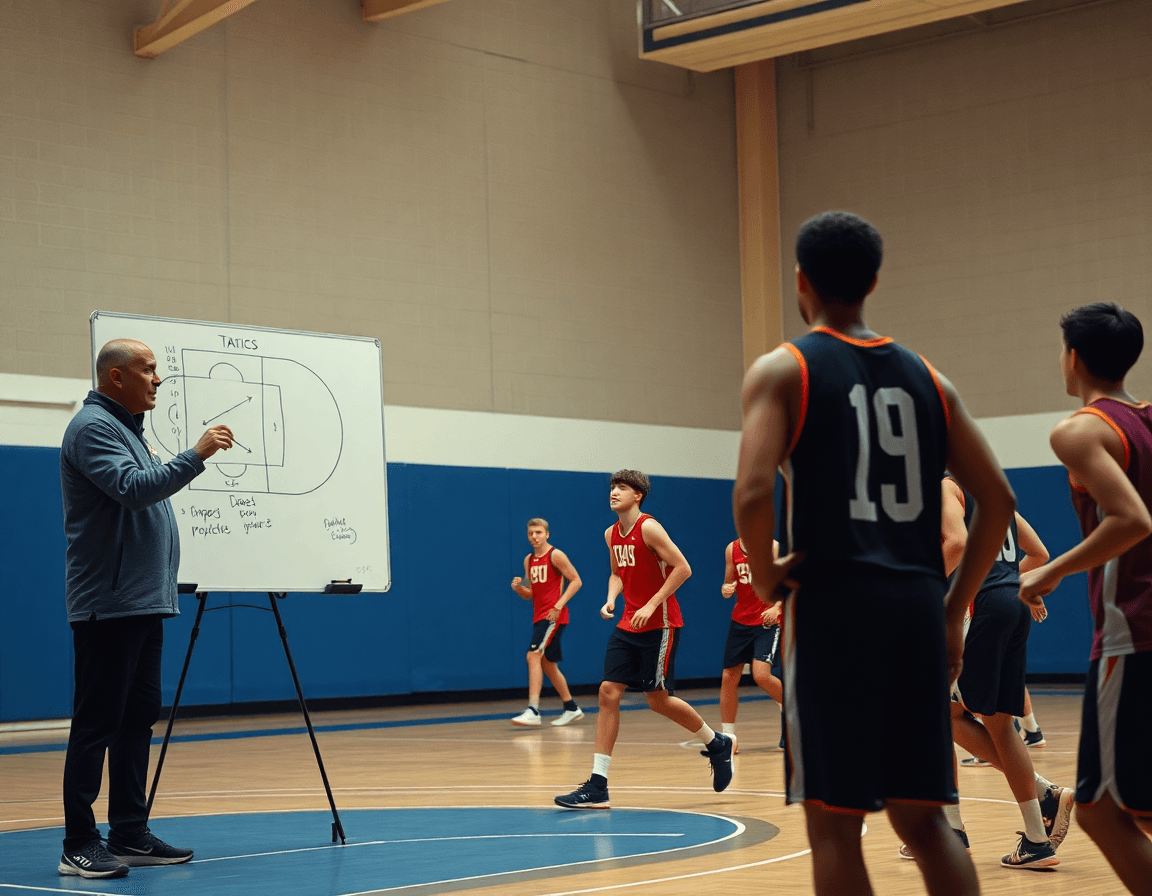
Practical workflow: turn scouting into a week’s practice plan
As the week kicks off, I start by collecting video clips and notes from last game and scouting sessions. I pull together a concise scouting report and attach quick observations about opponent tendencies—three-point shooting patterns, pick-and-roll triggers, and defensive rotations. I assign data gathering and clip tagging to two assistants and drop the raw material into my planning library. The goal is a clean, shareable summary that can drive the rest of the week's practice plan.
From those inputs, I map insights into drill selections and tempo for the week, aligning every drill with the opponent's tendencies. I translate the report into concrete practice plan actions: who handles data, which sequences to run, and how we pace our shell vs their actions. The planning library is my reference, and I create a few targeted playlists for specific topics—defense rotations, ball screens, or transition speed—so we can train the week with purpose.
During team briefings, I use the whiteboard to diagram opponent actions, turning notes into diagrams that players can read quickly. We sketch BLOB/SLOB/ATO or PnR options, then export a PDF to share with the staff and players. These visuals help turn a long scouting report into practical cues for our defense and transition schemes.
Finally, I build short video playlists and shareable clips so players can study the material on their own time. A single link directs them to a curated set of clips—playmaking sequences, shooting reads, and defensive reads—that reinforces what we practice. This approach turns a scouting report into a practical week of reps and makes it easy to track progress as we head into the next game.
From footage to action: using video clips to teach scouts
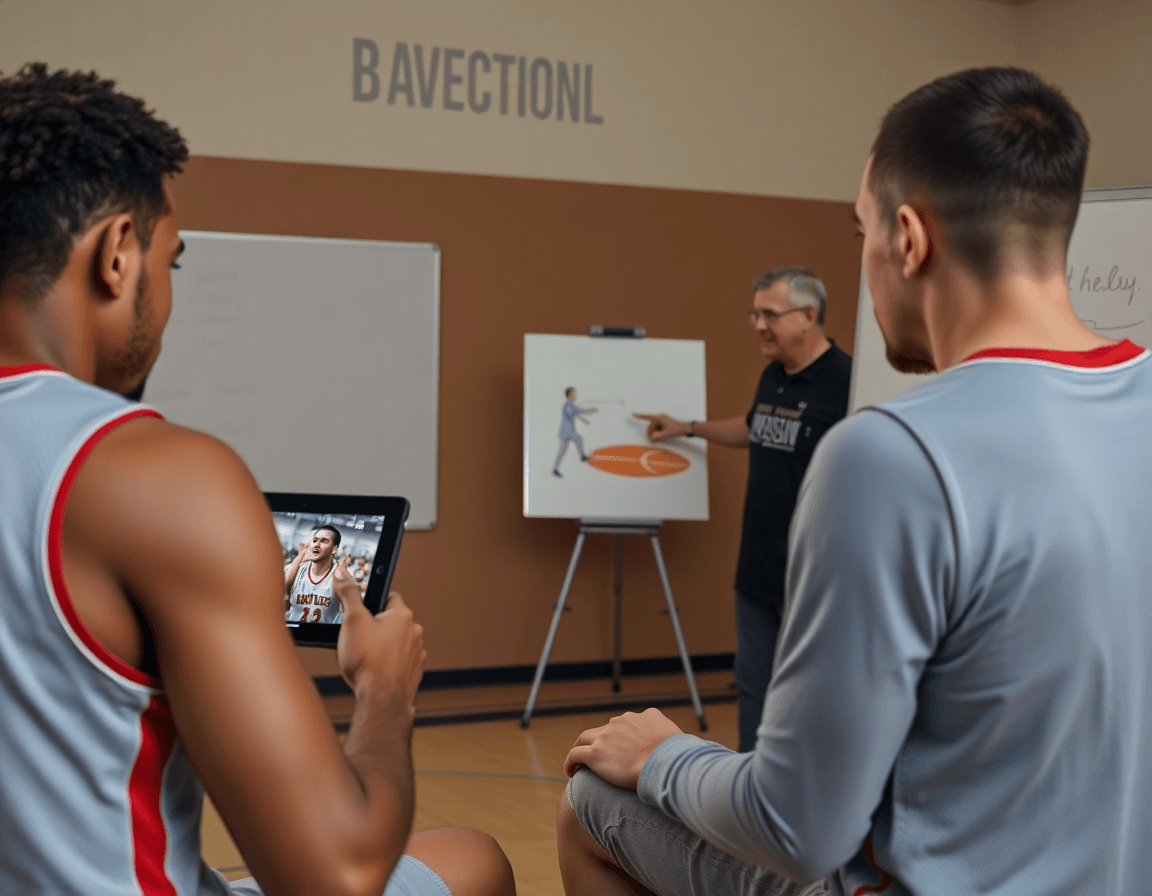
Turn your weekly scouting into action with selective video clips. Clip selection by play type, specific sets, and defensive rotations helps you teach what’s coming before you step on the floor. This is clip-based teaching: short, focused clips that map to how your opponent actually plays. For a team heavy on ball screens, I pull PNR clips and show the defense’s options—hedge, switch, or drop—on the plan’s whiteboard diagram.
Annotate clips with concise notes and export for PDF or in-app viewing. After I lock in the clips, I add brief notes right on the video to crystallize the takeaway. These annotations keep everyone aligned when we replay the clip in practice. Then export to a PDF or share in-app so assistants can review on their devices.
Link clips to corresponding drills and practice objectives. This is where video becomes a tangible plan. I tie each clip to a drill and a measurable objective in our weekly plan so players know the target. For example, a defensive rotation against a post entry becomes a drill on closing out and recovering to shooters.
During walkthroughs, I use video to reinforce defensive concepts and offensive counters with a quick clip. Treat each clip as part of my scouting report video—clean, shareable, and linked to the plan. The on-screen clip links back to the plan and notes, so assistants and players see the thread from scouting note to practice action. This is how we turn tendencies into ready-to-run responses.
Tying scouting to game planning: adjustments and defensive looks
Once the scouting report is in, it's time to turn those notes into a defensible game plan. I pull the opponent’s tendencies—ball screens, spacing, late-clock actions—and map out a handful of defensive looks designed to neutralize their strengths. On the whiteboard, we diagram each look with the exact hedge angles, rotations, and where help comes from. We tie every look to a clear assignment for the primary defender and the supporting rotations, so the defense feels cohesive rather than stitched together. The aim is to convert scouting insights into repeatable, in-game adjustments that our players can execute under pressure. This is where a sharp game plan takes shape.
From there, I generate assignment sheets for each player based on opponent tendencies—the guard who pushes pace, the big who dives to the rim, the shooters who space the arc. These sheets live in the planning library and get shared as PDFs to the squad and assistants. We pair each assignment with a quick clip from our scouting report or video clips showing the exact technique we want—closeouts, hedges, recoveries. The goal is to keep rotations crisp and communication concise, so we avoid overload and confusion at game tempo.
In practice, we drill these adjustments as short, repeatable segments: one for the pick-and-roll defense to practice hedges and recoveries, another for denying kick-out opportunities after a drive. We run them under live-ball pressure to simulate late-game urgency. Short video clips reinforce the reads and the communication cues our defense will use—who talks first, when to switch, when to tag. This is where the scouting report becomes a living tool, guiding our defensive looks and ensuring players own their assignments.
Finally, we convert it into actionable routines. A short playlist of clips tied to each defensive look guides players during shootaround and in-huddle adjustments. When the scout report flags a three-point shooting threat or a heavy pick-and-roll, rotations are rehearsed until they’re second nature. The result is a tighter defense and a clearer game plan that translates into wins on the floor.
Templates, sharing, and repeatable cycles: build a scalable system
Templates and checklists give us a scalable weekly rhythm. I build a base set of templates for every opponent—on-ball and off-ball actions, we break down playmaking, shooting, defense, three-point shooting, and pick-and-roll threats. Each template becomes a basketball scouting report we can fill after film work and drills, then save to the scouting library for quick reference. The workflow ties into the planning library and the whiteboard, so the plan, diagram, and note all align.
Sharing is where consistency lives. I generate a deck from the templates and attach a few clip playlists for players and assistants. We share via CourtSensei links—no message chasing—so everyone can reference the same set of notes on the whiteboard diagrams and weekly plan. This is how we lock in language around a team's pick-and-roll actions, defense rotations, and shot-taking patterns.
Archive past reports for continuity. Each season and opponent earns a file we can pull into the scouting library to compare tendencies and track improvement. When prepping for the NBA Draft conversations or scouting higher-level opponents, you can see how a team shifted from early-season defense to late-season versatility. The archive helps prevent repeating mistakes and supports long-term planning.
Making it repeatable is where the real payoff shows. At week’s end, I push a refreshed deck, update the templates with new data, link fresh clips to the player playlists, and store everything in the planning library. The result is a scalable system: templates and playlists fueling a steady cycle that turns opponent tendencies into practical practice plans.
If you build plans like this every week, CourtSensei keeps your drill library, whiteboard, and video clips in one place — try it free.
FAQ
What is a basketball scouting report?
A basketball scouting report is a living document that captures opponent tendencies and matchup notes, plus context about how teams attack and defend. It guides practice priorities, film review, and in-game decisions. In our workflow, we store it in the planning library, tag patterns (P&R, off-ball actions, defensive rotations), and attach short clips. The goal: turn observations into concrete drills and rotations that prep players for what they’ll face.
How do scouts evaluate NBA draft prospects?
Scouts start with a big-picture fit: size, length, versatility, and basketball IQ. They synthesize measurables (height, wingspan, vertical), on-court impact (scoring efficiency, playmaking, defense), and projectability. They watch recent tape, compare to peer groups, and weigh risk factors like consistency and injury. The goal is a concise profile that highlights strengths, gaps, and development trajectory.
What makes a solid draft scouting report?
A solid draft scouting report is clear, actionable, and contextual. It should name a player's role, show how they fit against peers, and attach evidence (short clips and stats) for every claim. It uses a clean structure: strengths, growth areas, situational tendencies, and risk factors. Finally, it links to drills and development priorities so staff can translate notes into practice.
What does 3&D mean in basketball scouting?
3&D means a player who contributes as a shooter from outside and a disruptive defender. In scouting, rate 3&D players for three-point reliability, range, and rhythm, then assess on-ball defense, versatility, and communication. The combined read helps project whether a prospect can guard multiple positions and space the floor at the next level.
How important is shooting consistency in a scouting report?
In a scouting report, shooting consistency matters but only with context. Track how shooters perform across movement, catch-and-shoot, and off-the-dribble looks, against varying defenses, and from different spots. Tag shooting consistency and range in notes, attach clips, and note sample size and improvement trends to avoid overrating a small sample.
How do size and wingspan affect draft projections?
Size and wingspan are physical tools that influence defense and shot contests, but they don't seal the deal. They set the ceiling for rim protection and switchability. In reports, pair measurements with skills and tape to show how length translates to playmaking, coverage, and decision-making. Use caution about over-relying on measurements, and look for real-game impact.
How is defensive versatility assessed in scouting reports?
Defensive versatility is graded by position coverage, screen navigation, and decision-making under pressure. Track switchability, help rotations, communication, and ability to guard multiple archetypes. Attach clips showing scenarios: hedges, drops, scrambles. Note how reps translate to team schemes and pace. This gives a practical read on a player's adaptability and impact.