Basketball Shuffle Offense: A Weekly Coach’s Guide
A coach-ready blueprint to implement the basketball shuffle offense in a weekly workflow using practice plans, whiteboard diagrams, video clips, scouting, and playlists.

Key takeaways
- Adopt a weekly install focusing on clean ball movement and spacing to maximize reads.
- Teach the shuffle cut and ball reversal early, with videos and whiteboard drills.
- Prioritize five-player rotation and equal opportunity through continuous motion, reads, and timely passes.
- Use scouting notes and playlists to tailor defender tendencies and late-game adjustments.
- Design daily objectives around recognition, timing, and communication to reinforce the plan.
What is the basketball shuffle offense?
Basketball shuffle offense is a continuity offense where all five players rotate through five shuffle positions. The ball circulates around the perimeter, with each entrant reading the defense, setting screens, and making the next pass. It’s ideal for teams without a dominant post but with clean ball-handling and solid decision-making.
Core actions: constant ball movement, quick passes, and screening and cutting with minimal dribbling. The players interchange roles, so you teach a few rules: eyes up, communicate, and keep spacing. A typical sequence includes a shuffle cut off a screen, a pass to the high/low arc, and a quick reversal to reset.
Ideal for teams without a dominant post but with good ball-handling and spacing. When you can swing the ball and attack late closeouts without pounding the ball, this offense stays balanced and hard to load up. It also leverages multi-position versatility—everyone has to read help and make a smart next pass.
Generates ball reversals and multiple reads to keep defenses off balance. The model rewards quick decision-makers and clean passes. In a weekly plan I pace the install: Day 1 install the movement patterns, Day 2 add the shuffle cut and rub cut options, Day 3 live looks with defense. We document these in the plan, attach a short video clip, and build a scout note for the opponent’s help tendencies.
Historically, the shuffle offense sits in the Princeton/Flex-like principles camp and is coachable with clear rules. In practice, use a simple decision tree: when the ball reverses, action A; when a guard catches on the move, action B. In our workflow, CourtSensei ties it together with plan-building, whiteboard diagrams, video clips, scouting notes, and shareable playlists for the players.
Why the shuffle fits weekly planning (especially for undersized teams)
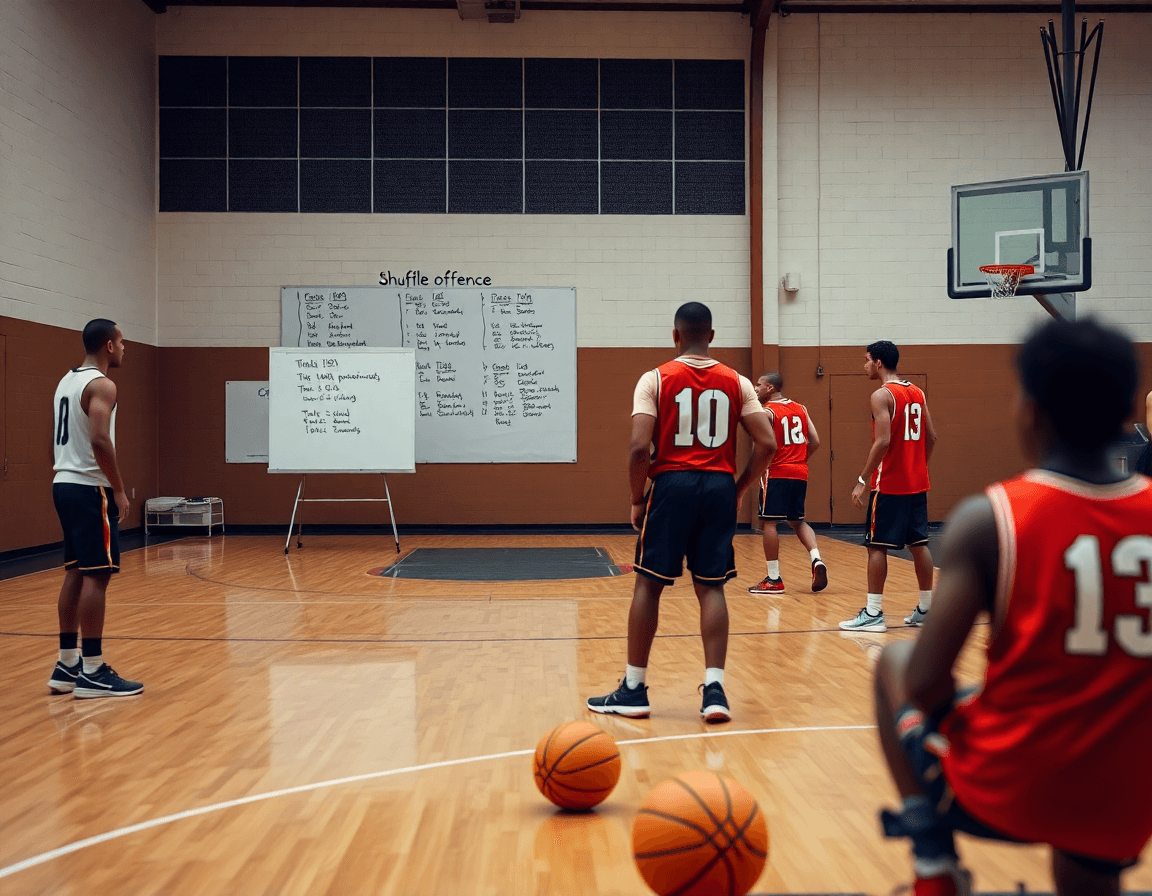
From a weekly planning standpoint, the basketball shuffle offense fits like a glove. It thrives on continuous motion, which means every practice touches all five players. In our weekly plan, we map out sequences on the whiteboard, then build them in video clips for quick review. Our assistant coaches can run a simple shuffle cut or ball reversal during a dedicated drill, then drop it into the plan-building workflow. The payoff is equal opportunity for all five players to score through movement and spacing. We also link the setup to shareable playlists so players can review the clips outside practice.
Undersized teams can leverage this approach for better offensive equity. By prioritizing spacing and quick ball reversal, the shuffle offense opens driving lanes and catch-and-shoot looks that don’t rely on a traditional post. In our weekly install, we layer a simple sequence—pass to the wing, reverse, and feed the weak-side cutter—so every guard or wing can contribute. With undersized teams in mind, the system keeps five players rotating through actions, turning length mismatches into reads and keeping the defense off balance.
On the floor, screens and reads displace taller defenders and lean into rotation. A well-timed shuffle cut or back cut keeps the ball moving and squeezes out gaps after a ball reversal. In our scouting note, we chase teams that overhelp on the wings, which creates open kick-outs or rhythm drives. The plan then feeds into a patient, process-driven practice rhythm, with substitution patterns that mirror late-game rotations.
Practical workflow: weekly plan to teach the shuffle offense
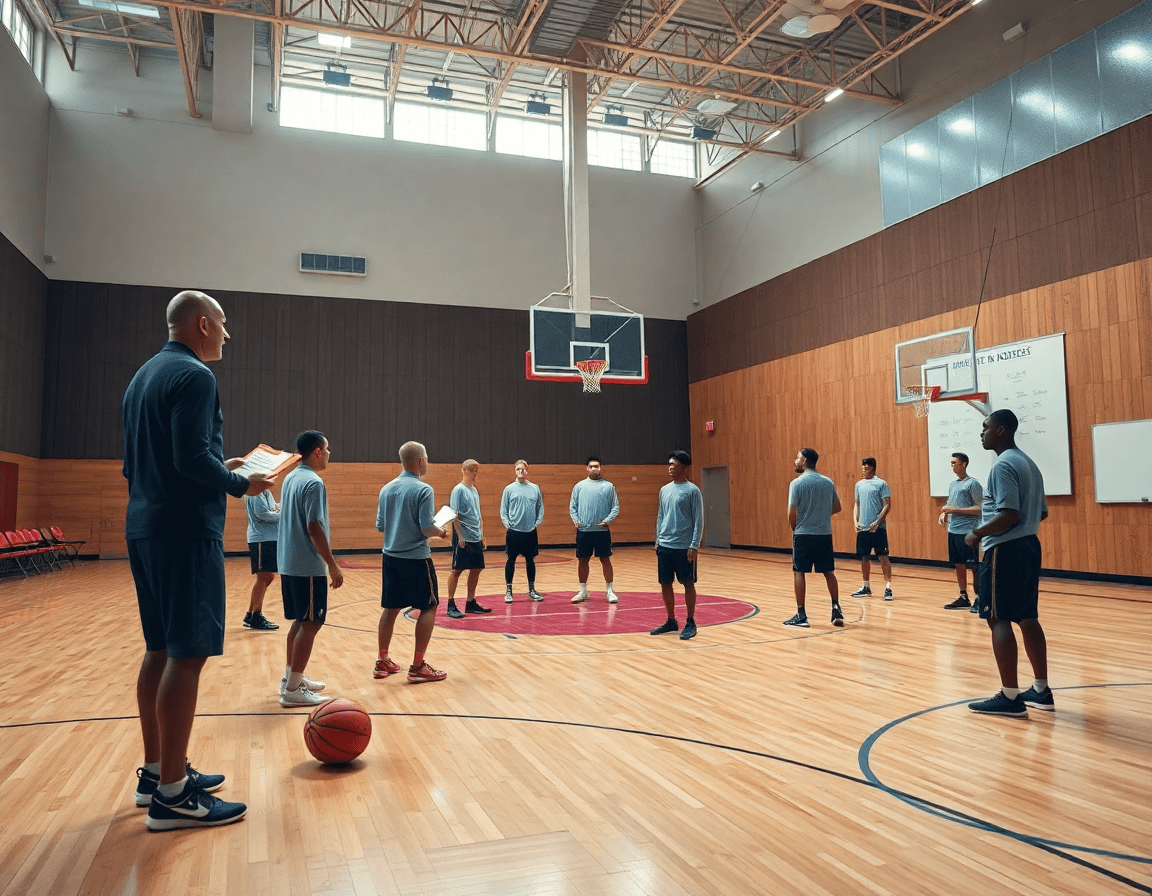
As a coach who runs a weekly workflow for the basketball shuffle offense, I lean on CourtSensei's plan-building, whiteboard diagrams, video clips, scouting reports, and shareable playlists to install and reinforce the system. The week is choreographed around a daily objective: build recognition, reads, and timing, not just movement. The approach starts with a clean practice plan that guides reps and feedback.
Day 1 installs the basics: proper spacing, rapid ball movement, and early screen reads. We diagram a simple 5-out setup on the whiteboard, then lock in a few core passes and entry points. Use a lightweight checklist to confirm spacing alignment and ball-handling tempo; keep it simple so players see the connective threads early.
Day 2–3 focus on the shuffle cuts and ball reversal sequences. We pull clips from a short video clip library to reinforce reads off the first pass and where to shuffle into the next window. On the plan, we add a couple drill variations that stress a quick shuffle cut, then hit the reversals with timing. The weekly workflow includes a quick scouting note for what defenders tend to overhelp on drive-and-kick looks.
Day 4: integration into a continuity offense. We map how five players rotate through screens, cuts, and passes—back cuts, rub cuts, and screening and cutting sequences—so the group starts to read options rather than rely on one action. Tie these drills to the game plan on the whiteboard and add a short video clip review for reinforcement.
Day 5 ends with a controlled scrimmage to assess execution and communication. We use scouting notes to compare what we practiced to what we see live, and we reference the playlists of video clips to reinforce decisions in the moment. The goal is a clean, repeatable flow that players can call in the huddle and coaches can tag with the weekly training checklist.
Diagramming and whiteboard: from concept to carryover
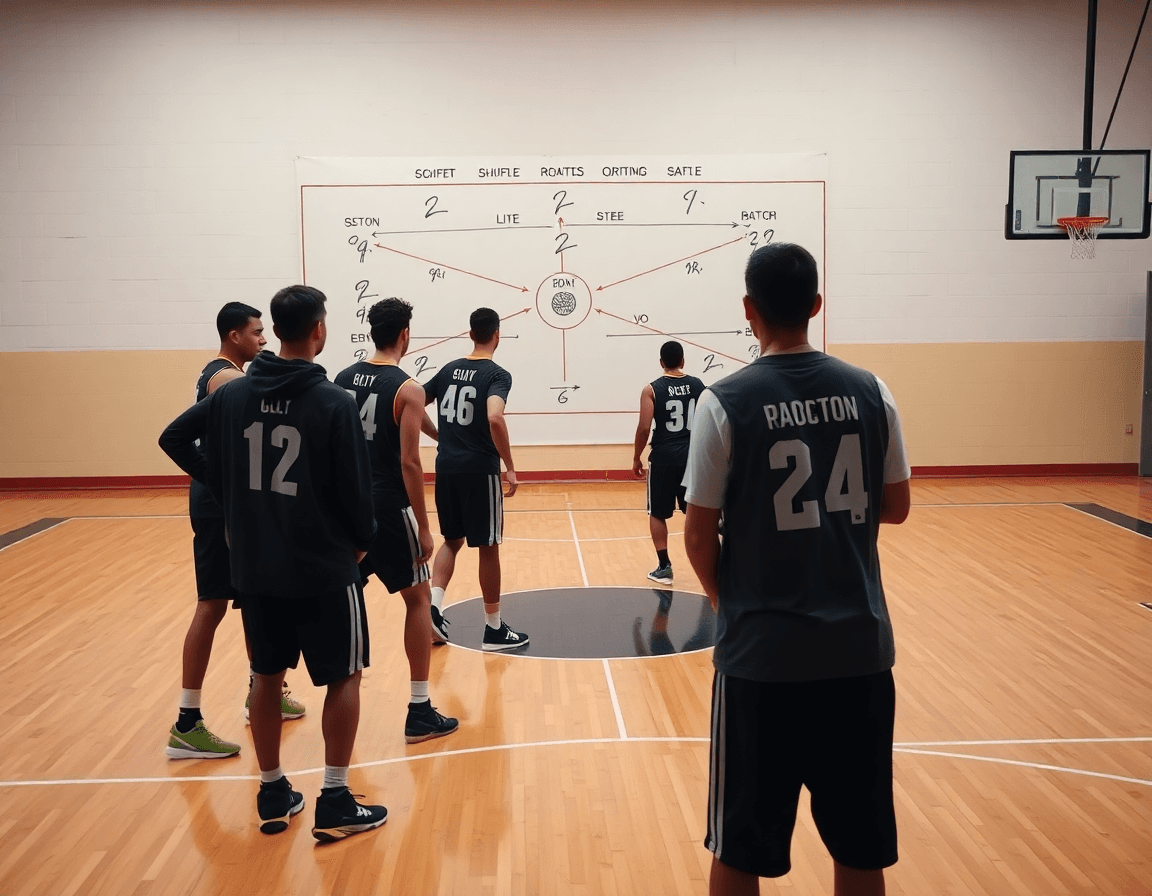
From a coach’s perspective, the weekly install starts on the whiteboard with a clean picture of the Basic Set and the Basic (Shuffle) Cut to teach sequencing. We map positions for five players, label the cuts, and trace the ball as it moves from side to side. The goal is a clear script that carries from the practice plan to the floor, so players feel the rhythm and timing without guessing. Use whiteboard diagrams to outline each pass, screen, and cut, then lock them into the plan and library for later references.
Then we illustrate ball reversal, screening patterns, and read options. On the board, show how the ball moves across the court, how rub cuts and back cuts open spacing, and how players read the defense after each action. This is where the language of a ball reversal and screening patterns becomes real: the same cues show up in practice drills, clips, and scouting notes. I link each diagram to short video clips from recent sessions so concepts travel from the whiteboard to the floor with clarity, and keep the tempo consistent so the five players rotate through the shuffle sequence with purpose, not confusion.
Finally, introduce variations (BLOB/SLOB/ATO/PnR) to demonstrate flexibility within the same framework. Diagram these branches so assistants see how a team could pivot from a basic sequence to a high-setup look without re-learning the offense. Export diagrams to PDF and share with assistants and players for field practice—the diagrams become a portable guide for the floor. Build a reusable library of shuffle sequences that align with your playbook, and pull from it during weekly install to reinforce continuity and carryover.
Video clips and playlists: teaching with game footage
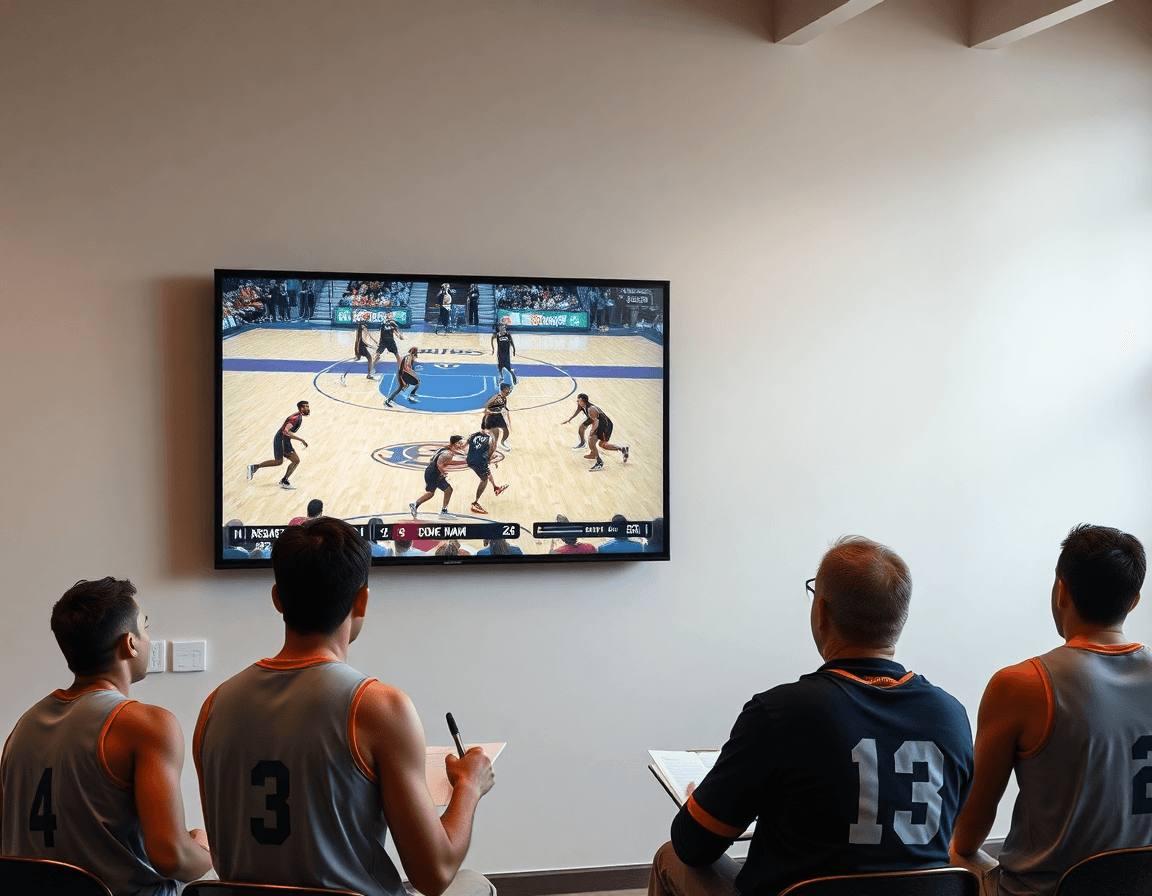
Video clips are your fast lane to comprehension. Cut and label sequence clips: shuffle cuts, rub cuts, and ball reversals. When players see the sequence broken into labeled chunks, they understand where to sprint, where to read the defense, and how spacing shifts after each cut. Tie each clip back to a specific portion of the weekly plan so it lands on the same day you practice that action on the floor.
Create player-specific playlists to reinforce reads and decision-making. Build clips that map to each player's reads on the shuffle flow—when to slip, when to pop out, when to attack space after a ball reversal. Pair these playlists with quick notes and a timer for practice rotation so the concepts stick under pressure.
Shareable clip links enable players to review concepts on their own time. A quick tap on their phone or tablet lets them study film during study hall or travel to games. Use video review as a bridge between on-floor reps and mental reps, so players internalize reads before they react.
Pair clips with corresponding practice plans for targeted reinforcement. When you drop a clip on a shuffle cut, follow it with a short drill in the plan—a two-man read-and-react sequence, then a five-man spacing drill. The cadence helps players translate a cut into a live decision and a successful pass.
Use video reviews to diagnose spacing and timing issues in live drills. Look for how quickly players rotate, whether ball reversals create the expected gaps, and if the five players rotate with proper spacing. A quick post-practice pull-up clip session often reveals the miscommunications that sprinting after the whistle never shows.
Scouting and counters: reading defenses and counters in the shuffle offense
In week-to-week installation of the basketball shuffle offense, the scouting reports you build are the backbone. They spotlight how opponents defend continuous motion and reversals, and they map reads and counters for common defender reactions to your shuffle actions. The goal is a repeatable plan that travels from planning, to the whiteboard diagrams, to a short video clip that anchors what players should see on the floor.
Look for patterns in the opponent defense: where help comes from on a reversal, who fights over the top, how wings collapse off the ball. Document reads and counters for those reactions and fold them into your scouting notes. If a defender overplays the ball, a well-timed reverse or a rub cut keeps the continuity alive.
On the whiteboard, lay out timing and angles for the shuffle cuts, ball reversals, and back cuts. Plan adjustments to timing, screen angles, and which player initiates reversals. Show a sequence that starts with a shuffle cut, flips to a ball reversal, and ends with spacing that reinforces continuity offense as five players rotate through the action.
In practice, run read-and-react drills that push players to decide against multiple defenses. When pressure comes, they choose the best counter—quick reversal, new screen angle, or a deliberate back cut. These drills include screening and cutting reads, so the five-man band stays in rhythm and options stay live.
After the game, assemble game-film into a short playlist—tagged by defense, reads, and counters—so players can review the adjustments quickly. Use the clips to reinforce what changed, and be ready to reset if flows stall. A strong set of shareable playlists helps the team lock in the new rhythm.
If you build plans like this every week, CourtSensei keeps your drill library, whiteboard, and video clips in one place — try it free.
FAQ
What is the basketball shuffle offense and how does it work?
The basketball shuffle offense is a continuity offense where all five players rotate through a fixed set of shuffle positions. The ball circulates around the perimeter as players read the defense, set screens, and make the next pass. It works best when there’s no dominant post but solid ball handling and decision-making. Core actions: constant ball movement, sharp passes, and quick screening and cutting with minimal dribbling.
Who popularized the Shuffle Offense?
There isn’t a single inventor. The Shuffle Offense grows out of the Princeton/Flex family of offenses. It’s most commonly tied to the Princeton offense, popularized by Pete Carril at Princeton in the 1960s–70s, and later adapted by many programs. Many coaches add their own tweaks, so you’ll see variations, not one fixed origin.
How many players rotate in the Shuffle Offense?
Five players rotate through the shuffle positions. There’s no fixed post, so everyone stays involved in screening, passing, and cutting. This five players rotation keeps spacing and balance and lets guards contribute through reads and ball reversals. Emphasize communication and eyes up; players must read help and react quickly.
What is a Shuffle Cut?
A shuffle cut is a short, quick cut off a screen that creates space and a target for the next pass. It’s a core option after the first pass, feeding a high/low arc or reversal.
What are rub cuts in the Shuffle Offense?
Rub cuts are secondary cuts that pop off screens to occupy defenders and create gaps after a ball reversal. They give players a read and an option to attack late closeouts. This keeps the defense guessing and reinforces quick, smart decision-making.
Can the Shuffle Offense be used against zone defenses?
Yes. The Shuffle’s constant ball reversals, spacing, and quick cuts can stress zone rotations and open up shots as the defense shifts. Emphasize reads, keep the ball moving, and attack gaps created by the zone to maintain rhythm.
How does the Shuffle Offense differ from the Princeton offense?
The Shuffle Offense sits in the Princeton/Flex family but isn’t identical to Princeton. The Shuffle emphasizes a continuous, five-player rotation with constant ball reversals and quick cuts off screens. Princeton favors backdoor cuts, heavier spacing, and a broader set of reads off ball movement. Many teams blend both with clear rules.