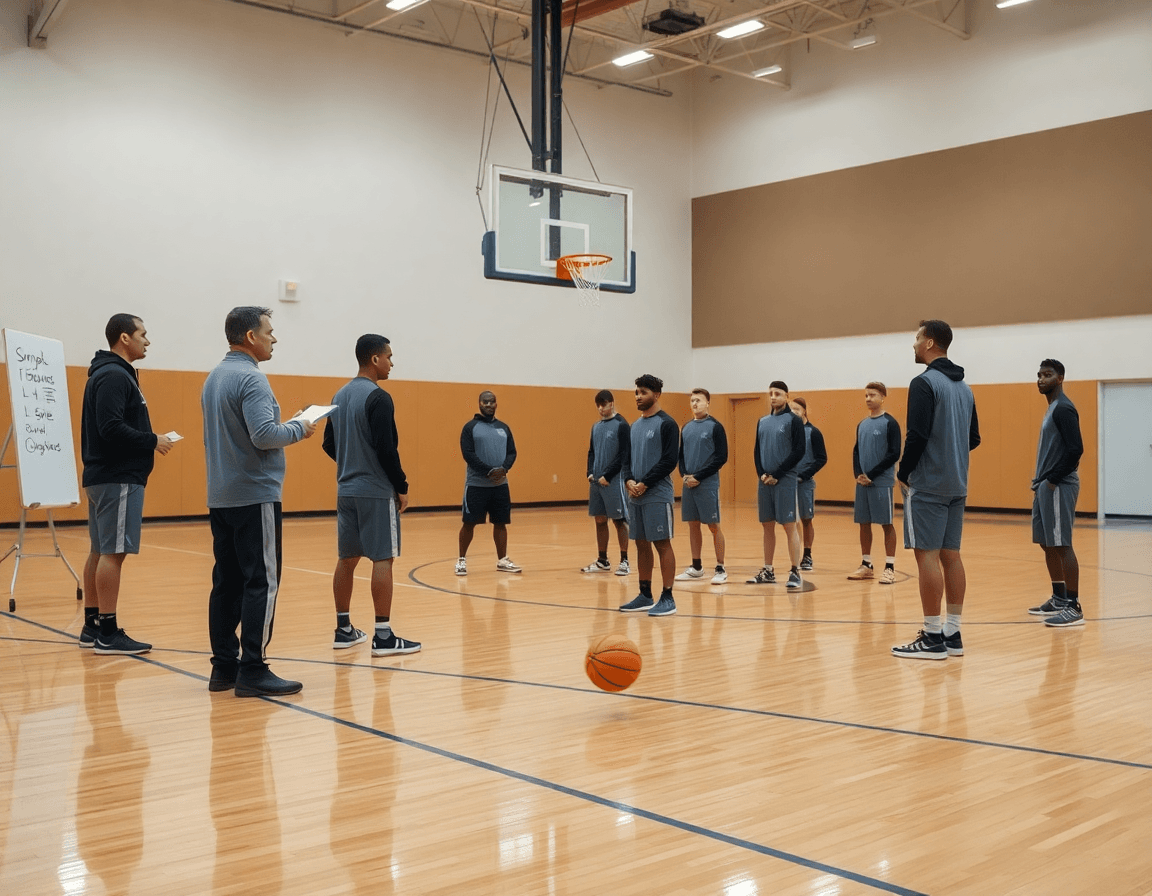
Basketball Slob Plays: Weekly Coaching Workflow
Master a practical weekly workflow to implement basketball slob plays, from inbound options and SLOB formations to video coaching, practice plans, and scouting.

Key takeaways
- Clarify SLOB versus BLOB definitions, focusing on timing, spacing, and quick reads.
- Plan weekly with 2–3 SLOB sets and key reads, reinforced by video clips and scouting notes.
- Install two reliable sideline inbound options, diagram on whiteboard, and link to a simple read.
- Anchor practice with a box-set baseline, then add floppy reads to stress timing.
- Tie reads to scouting notes and film clips, creating a repeatable cadence for game-night confidence.
Understanding SLOB plays: definitions and when to use them
SLOB plays are not mystery plays; they’re your quick hitters from the sideline designed to punish a defense in a compact window. SLOB plays stand for Sideline Out of Bounds plays and they’re built to attack rotations, create clean looks, or serve as a trusted end-of-game option. When you’re in the film room or on the floor, you’ll teach players to recognize the window—the moment the ball is inbounded—and execute with precise timing and spacing.
Distinguishing SLOB from BLOB matters for your weekly plan. BLOB plays—Basline Out of Bounds—come from a different inbound angle, so the reads and options shift accordingly. For a coach’s weekly plan, map out the inbound sequences you’ll run from the sideline, where shooters line up, how the cutter reads the catch, and what the defense typically does when pressure comes. The goal is to have a handful of reliable options ready to call at the moment you need a quick, clean ball reversal.
Typical inbound sequences and reads for a coach’s weekly plan include a quick entry to the wing, a back-cut if the defense overplays, or a DHO off the inbound to create early action. From a box set, you might add a screen-and-replace or a cross-screen to free a shooter. The reads you track are defender closeouts, help rotations, and whether you can convert before the defense recovers. If you’re ever asked, “What is a SLOB play?” you can answer: a sideline entry designed for speed, spacing, and late-arriving hands.
In scouting, note how opponents defend sideline entries, the level of inbound pressure, and where they tend to overcommit. Those notes feed your practice schedule, where you rehearse 2–3 SLOB sets each week, pair them with inbound plays, and film the reactions to refine reads. The aim is a ready-to-deploy toolbox rather than a guessing game on game night. Your weekly workflow ties decisions to concrete goals, so the SLOB toolbox—SLOB sets, inbound sequences, and reads—becomes a repeatable cadence. Using the board and clips helps your players internalize the reads faster.
Common SLOB formations and actions
Box-set concepts (a Celtics-style look) give you a clean starting point for SLOB sets: two players near the blocks (2 and 3) with 4 and 5 at the elbows. It creates two clear cutting lanes and reliable post-to-guard reads, while keeping the floor spread enough for shooters to breathe. As a weekly cycle, I lock this into the plan as a baseline SLOB set, then tag variations that we’ll diagram on the whiteboard and test in walkthroughs. This is the backbone you can build other inbound options around, including COB (corner out-of-bounds) opportunities that keep the defense honest.
From there, we layer in actions that consistently create space and passing lanes. Floppy screens give shooters a clean look off the ball, while zipper drags defenders across the lane to open up a post entry or kick-out. Pistol actions mix a ball-handler into a DHO-like exchange, and ghost screens pop a guard free for a quick read. These actions aren’t random; they’re paired with specific reads. Typical reads after inbound include feeding 2 for a corner 3, or using 5 for a dive, or triggering a high-low/ball-screen sequence with 4 and 5. We keep these as repeatable threads in the play library, so the team can flow from OB sequences into the next action without hesitation.
To tie it all together, we map each read into a simple weekly workflow: plan the SLOB sets in the practice plan, draw precise diagrams on the whiteboard, clip the exact moments from game footage, attach scouting notes for upcoming opponents, and assemble a shareable playlist of the key inbound reads and response options. When the players see the progression—from SLOB sets to BLOB options to a smooth COB feed—we’re turning inbound plays into a livable rhythm, not a one-off trick.
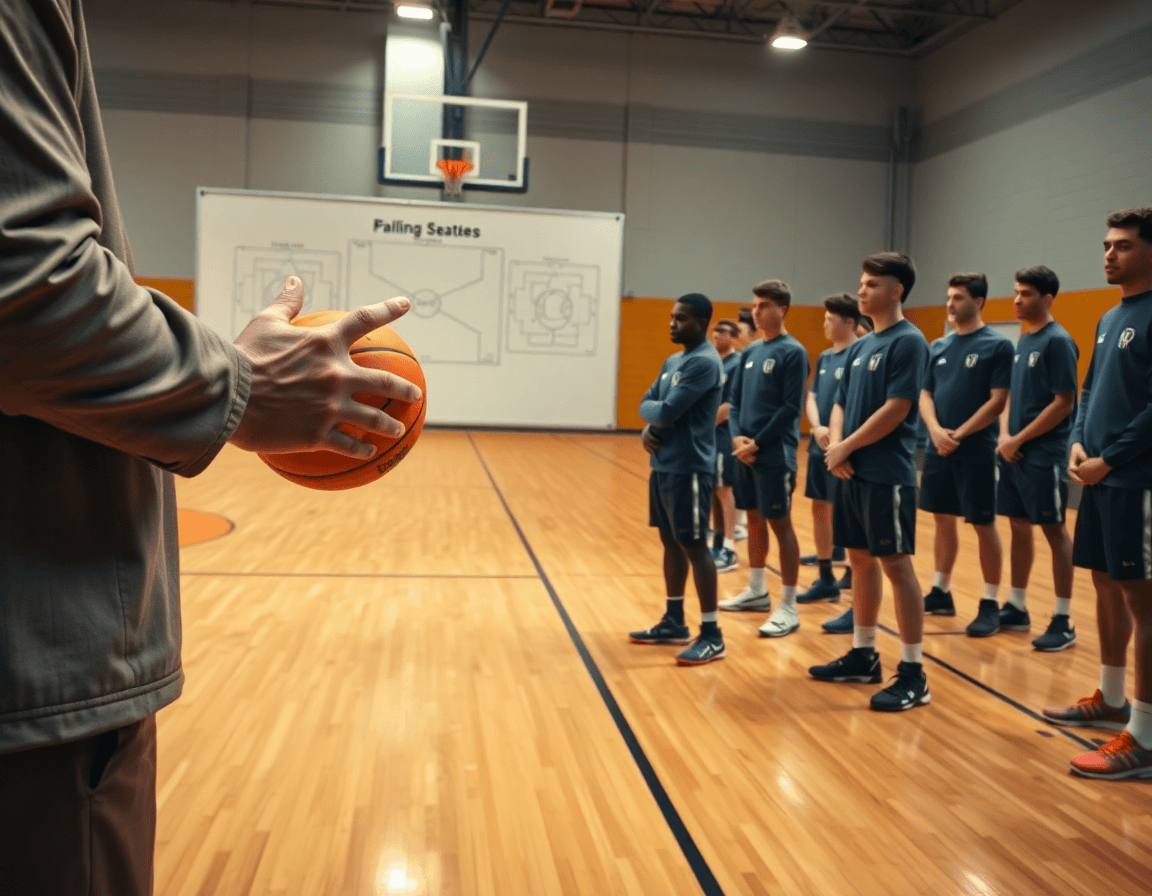
Inbound options from sideline: quick hitters you can install
Inbound options from sideline: quick hitters you can install
From the sideline, our goal is to pressure the defense and spark a quick, clean score right away. In our weekly plan, we lock in two reliable inbound options, diagram them on the taktic whiteboard, and film a short clip so the guys can visualize the action under pressure. We tie each option to a simple read, so as soon as the ball is inbounded they know exactly where to go. That clarity matters when the clock is ticking and the defense is ready to trap.
Box-set inbound variations are a staple for a reason. Start with a tight box-set from the sideline, two guards at the elbows, a big posting up weak-side. The aim is to get the ball to the top or wing and then run a hammer or stagger sequence that frees a shooter for a quick touch. If the defense overplays, one cutter can slip to the basket for a quick layup; if they hard-deny, the shooter pops out for an open look from three. It’s a classic SLOB setup, but we tune the reads so players know when to cut, when to flare, and when to reset to the box set. We practice the timing in the plan, then lock the diagram on the whiteboard for reference, and save a short video clip for the playlist.
Weak-side flare or curl reads give you another route. Inbound to the wing, then we option a flare to the corner or a curl back to the lane depending on the defender’s stance. If a defender jumps the pass, the flare becomes a quick catch-and-shoot; if he undercontrols, the curl yields a shot at the rim or a kick to the weak side. Pair these with a precise inbound pass and a quick dribble handoff (DHO) later in the sequence to keep the defense off balance and your players acting on instinct. A couple of scout notes will tell your team which reads to favor against different coverages, and a brief video clip reinforces the timing in game-like speed.
Practical workflow: building a SLOB library in your weekly plan
To keep a SLOB library ready for every weekly cycle, I label and build a repository of SLOB plays—base sets, floppy, zipper, and a few clear examples of SLOB sets—so the coaching staff can grab the right option in seconds. Each entry includes the formation, the inbound option, and the reads, tagged with the week it’s intended to deploy. This isn’t a one-off file dump; it’s a living part of the plan, stored in a central library that feeds your practice plans and the whiteboard diagrams.
Map every play to the week’s practice plans and to specific player roles. On the whiteboard, I spell out who screens, who dives, and who handles the inbound entry, then walk through the reads with the primary ball handler. In CourtSensei, this becomes a sequence in the plan, with quick references to the inbound option (sideline out of bounds, inbounds, or BLOB plays) and the DHO chains, so everyone knows the exact cadence for that week.
Install variants based on scouting reports. If the opponent struggles to defend a box set or can’t cover the DHO quickly, that’s the first SLOB variant we install. As confidence grows, rotate in new options—zipper, base-to-floppy changes—guided by what our scouting notes say and what the rotation looks like in practice. The framework keeps us honest about what we’re trying to exploit and how we’ll adjust on the fly.
Document outcomes and adjustments to build a repeatable process. I capture a short video clip of the sequence, log notes on what clicked and what didn’t, and drop it into a shareable playlist for players and assistants, along with the relevant video clips. The loop becomes library, plan, install, review, and repeat for the next week.
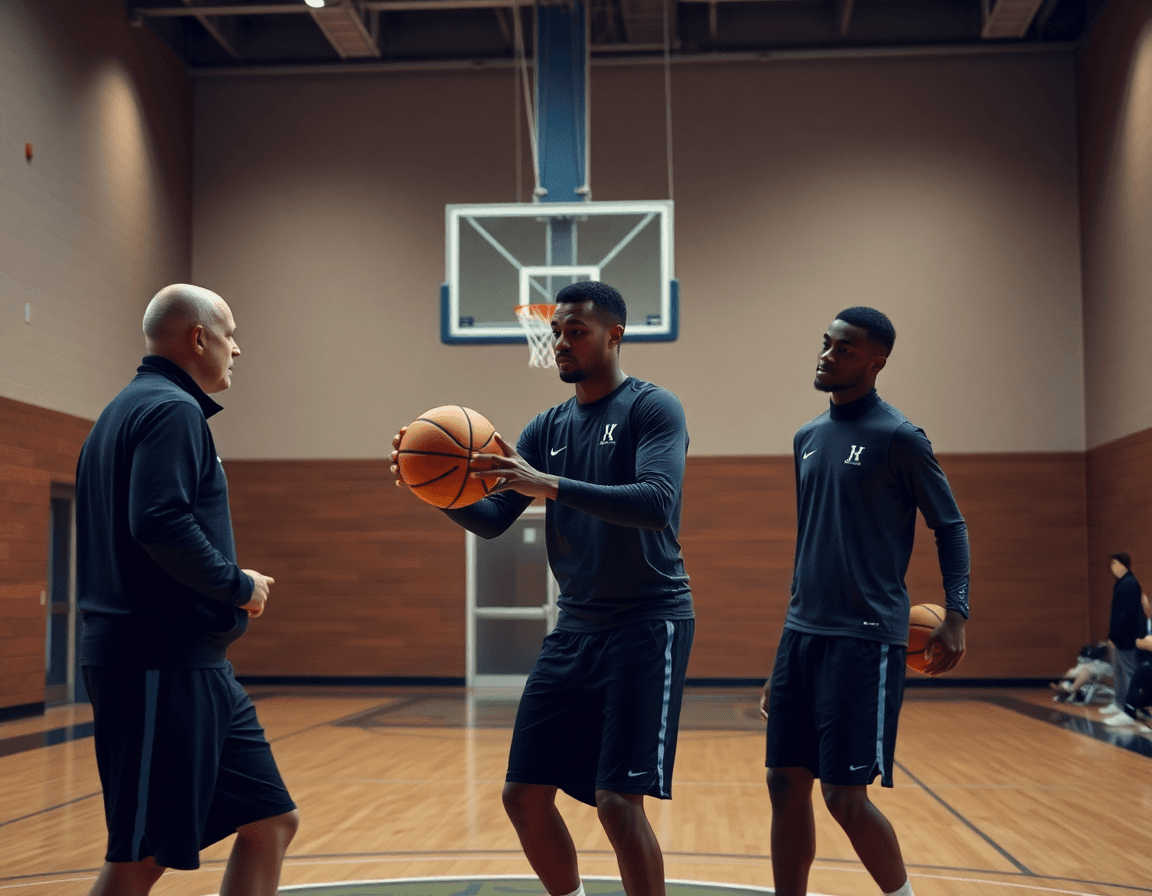
Practical workflow to install SLOBs this week
Monday sets the tone. I scout the opponent’s inbound tendencies and note where they tilt toward SLOB defenses and pressure schemes. This week we're dialing in basketball slob plays as a repeatable weekly workflow—mapping inbound options like sideline inbound, box-set variations, and BLOB looks.
Tuesday I lock in base SLOB sets to install this week and attach targeted practice plans for each. I pick 2–3 starter looks (box-set, sideline-inbound, DHO-based action) and lay out simple reads for the return pass and feeder options. The goal is a coach-ready playbook that anchors our call sheet across the week.
Wednesday we diagram the plays on the whiteboard and run shell drills to build timing and reads. I label every action (SLOB, DHO, outlet options) and keep the routes tight so the team can execute under pressure. The diagrams feed directly into the plan and video library for quick review.
Thursday brings live, inbound-focused reps with defenders simulating pressure. We test the reads, push tempo, and adjust the call sheet on the fly. Small tweaks in positioning or timing can flip a possession, so we document changes in the practice plan and clip library.
Friday is about simulating end-of-game inbound scenarios and decision options. We run multiple clocks, ensure safe resets, and test alternative ends to a game. Saturday and Sunday, we review footage, refine call sheets, and prep player-specific playlists with the exact SLOB clips they should study.
Using video clips and playlists to teach SLOBs
I clip and categorize SLOB sequences from games and practices to build a focused teaching library. Each clip zeroes in on a SLOB play type—sideline out of bounds (SOOB) and inbound plays from a box set, BLOB/ATO patterns, and dribble handoffs (DHO). This isn't highlight reels—it's a learning library that maps reads to footwork and decisions.
From there, I assemble player-specific playlists that isolate reads, footwork, and decision points. One guard might chase a quick, decisive pull-up after a DHO; another might focus on the footwork for inbound timing from a sideline box. The goal is to let each player see their responsibilities in the sequence without wading through unrelated clips.
Sharing is fast with shareable links. I generate clips for quick review with players and assistants; we drop a link in the team chat after practice or in a scouting note, so everyone can revisit a specific SLOB sequence—SOOB, inbound plays, or a DHO—before the next session.
Export PDFs of key SLOB diagrams for in-practice use and preseason playbooks. Printing a diagram of a read from a box set helps players see the flow while we rehearse on the sideline. These PDFs—rooted in our whiteboard diagrams—support both in-practice drill work and the end-of-preseason playbook for inbound or BLOB plays.
At practice, the workflow circles back: in the plan for training, we pull a short video clip from the clip library; on the tactical board we sketch the reads; then players walk through the decision points in slow motion. A few minutes with the playlists after stretch gives them a personal focus, while coaches review the clips together.
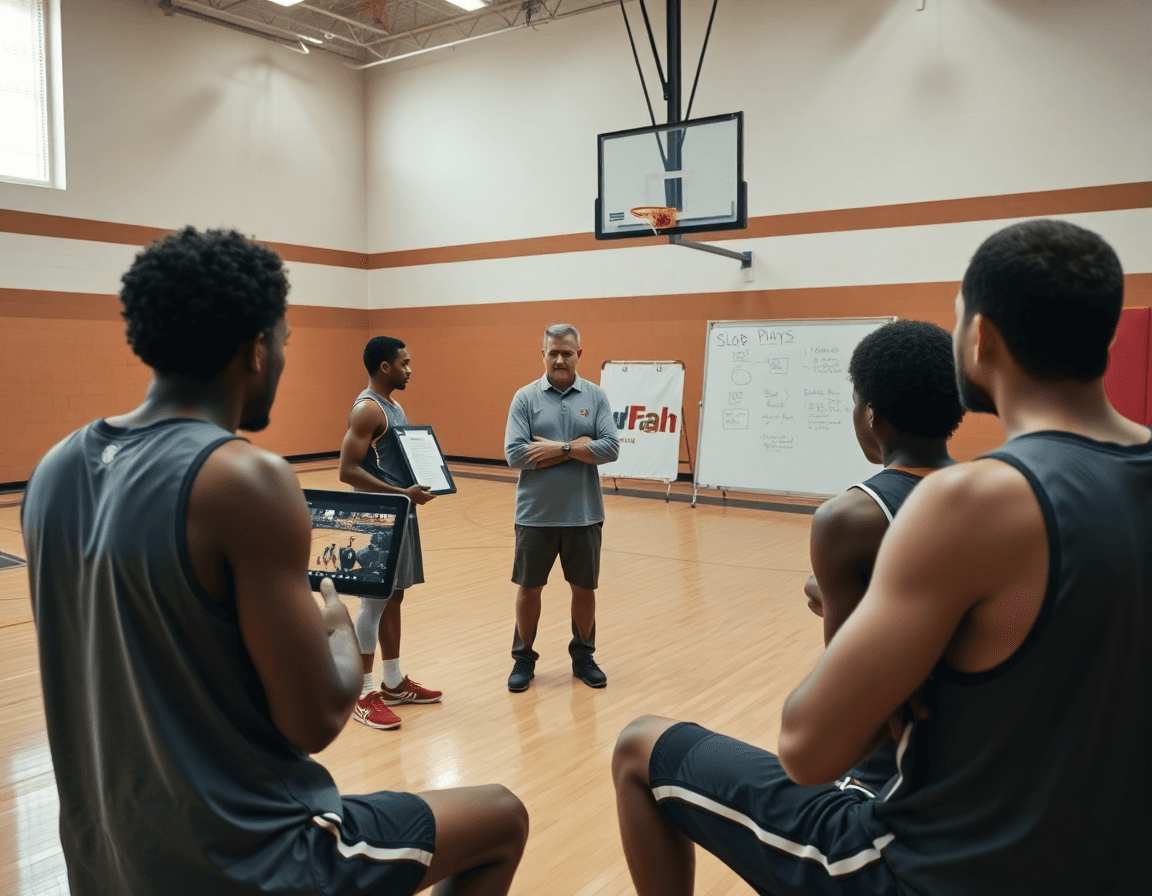
Scouting SLOB tendencies: tailor inbound plays to opponents
Using scouting reports identify opponent weaknesses in defending sideline inbound plays, shaping our weekly plan. We track how defenders react to SLOB and BLOB entries, where pressure breaks down, and where receivers find gaps. In the plan for the week, we annotate these tendencies on the whiteboard and tag the corresponding video clips. With CourtSensei, the scouting notes feed the inbound diagrams and a shared playlist, so coaches and players review opponent tendencies before practice and walkthroughs.
From those findings, we develop scout plays and variations to exploit tendencies and adjust reads for our players. If a defense overplays the sideline, we install a quick box-set entry paired with a DHO option and a SLOB cross-movement. If they hard switch, we add a secondary read that uses a backdoor cut or a simple pass-and-release. We document adjustments on the whiteboard and in short video clips, and keep a few reliable SLOB sets ready for different matchups.
Integrating opponent data into practice plans creates pregame readiness. We lock in inbound sequences during dedicated blocks, rehearse sideline and box-set inbound plays, and simulate late clocks with decision drills. The scout plays ride in a weekly playlist that players can study on their own, with diagrams and a quick read-matrix for the passer. After games, we update scouting reports and build a reference for future matchups and weeks—so our staff has a clear playbook when opponent tendencies shift in the next game.
If you build plans like this every week, CourtSensei keeps your drill library, whiteboard, and video clips in one place — try it free.
FAQ
What does SLOB stand for in basketball, and why should you care?
SLOB stands for Sideline Out of Bounds. It’s a fast, disciplined toolkit you call right after inbound to beat pressure and get clean looks. In practice, you map 2–3 inbound sequences, align shooters, and anticipate defensive hinges. The payoff is a controlled ball reversal with late-arriving hands, not a scramble. Use it weekly as part of your inbound repertoire.
When should you call a SLOB play, and what should you look for in the reads?
Call a SLOB when you need a quick, clean score after a dead ball or a change of possession. Train players to read timing, defender closings, and space—the critical reads are a top-side entry, a back-cut, or a quick DHO that creates a window for a guard or wing to shoot or kick. Rehearse 2–3 reads weekly.
How do SLOB and BLOB differ, and how should that affect your weekly plan?
SLOB and BLOB differ mainly by inbound angle. SLOB runs from the sideline; BLOB comes from the baseline, so reads shift accordingly. In your weekly plan, dedicate 2–3 SLOB sets and 1–2 BLOB options, then blend with COBs. Track defender habits, pressure level, and shooter locations so you can switch seamlessly.
How do you run a SLOB play from sideline out of bounds?
From SLOB (sideline out of bounds), start with a tight box-set, two guards at elbows, big weak-side. Inbound to top or wing, then run a hammer or stagger sequence that frees a shooter. If the defense overplays, a cutter slips to the basket for a quick layup; if they deny, the shooter pops out for an open three. Practice timing and reads so the sequence stays crisp.
What are floppy SLOB plays, and how do you use them in practice?
Floppy SLOBs use off-ball screens to free shooters while inbound pressure stays high. You stack players and run a screen, then a quick catch-and-shoot or a loop to the post for a dive. In practice, tag these with a clear read: shoot when open, reset to the next option if not. Build a 2–3 floppy looks into the weekly library.
What is a SLOB zipper play, and when is it effective?
Zipper SLOB plays curl defenders across the lane, opening a post entry or kick-out. From sideline, you invert the reads so the guard drags into a screen and the big pops out to the ball. It works when defenders overhelp and space is tight. Rehearse the zipper timing and the read to shoot or pass.
Can SLOB plays be used for end-of-game situations, and how should you practice them?
Yes, you can use SLOB in end-of-game situations if you’ve got reliable shooters and calm decision-makers. Build a late-game toolbox with 2–3 options, rehearse timing under pressure, and film the outcomes. Plan for traps, and have a fallback if the defense overplays. The aim is clean execution, not improvisation.