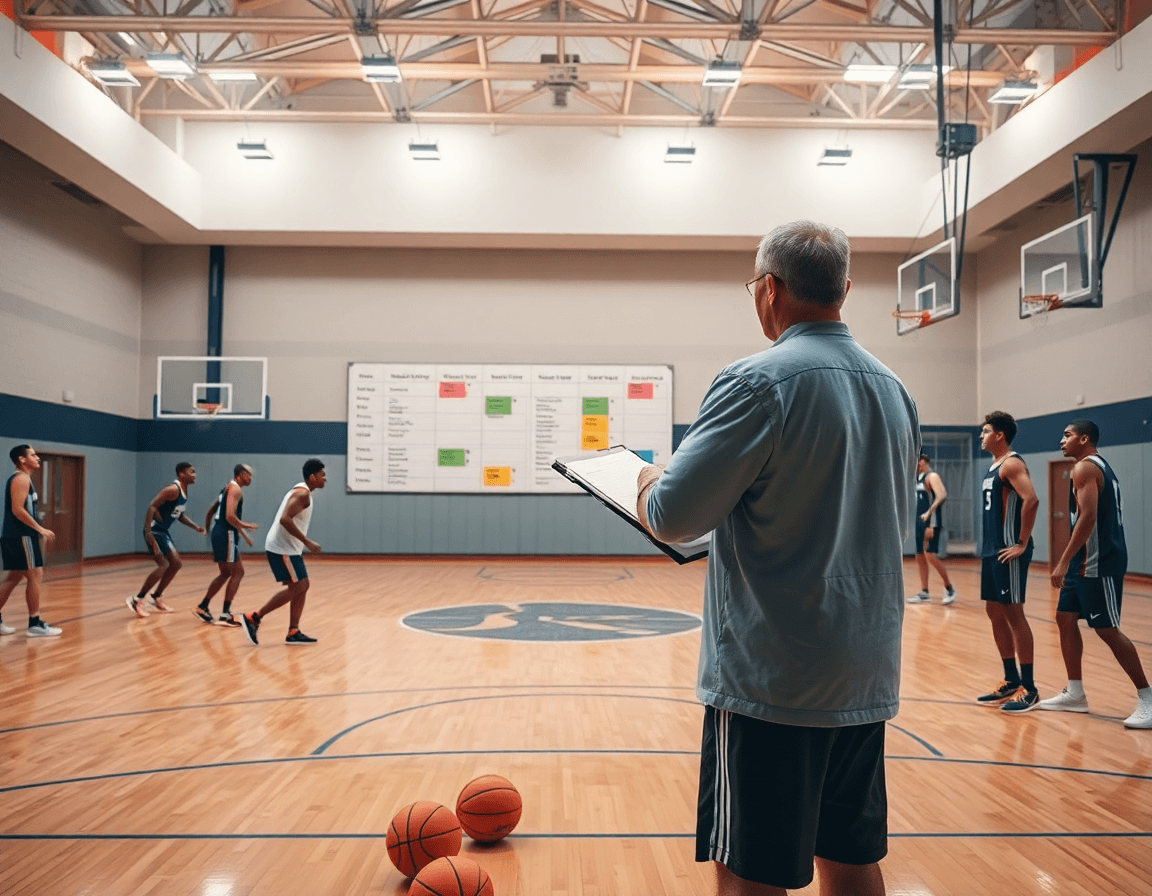
Basketball Pre-Season Practice Plan: Weekly Plan
Master a basketball pre-season practice plan from a coach's view: time-blocked sessions, drill library, video clips, and scouting notes to prep your roster.

Key takeaways
- Structure and rhythm drive preseason momentum; use time blocks to scale sessions from 60 to 90 minutes.
- Build around a central drill library to assemble purpose-built days—drills cover ball handling, shell, and transitions.
- Attach scouting notes and video to every plan cell; links keep game prep aligned and accessible.
- From a season timeline, translate phases into a weekly cadence, anchoring with CourtSensei for consistency.
- Design time blocks around warm-up, skill work, team concepts, live reps, and cool-down; stay time-efficient.
Why structure matters in preseason planning
Crafting a basketball pre-season practice plan starts with rhythm. A consistent preseason plan helps you cover offense, defense, and transition without scrambling. When you break the week into predictable time blocks, sessions scale cleanly from 60 minutes to 90 minutes and back again, without losing focus on core objectives. Start with a dynamic warm-up that primes players for movement and decision-making, then funnel into skill work and game-speed reps that test execution under fatigue. A clear sequence keeps players engaged and coaches aligned.
Your central drill library is the backbone. It lets you assemble purpose-built days in minutes, not hours. Pull from a library of drills that cover ball handling, spacing, shell drill, and transition sequences, then tailor the flow to your roster. Build days around core concepts like team concepts and shot selection, interleaving 5-on-5 scrimmage sessions with controlled drills. The result is a plan you can export as PDFs or share as a video clip package for the staff.
No plan is complete without scouting notes. Attach scouting notes to every plan for game prep so drills translate to your opponent tendencies. A quick scouting note might highlight tempo, weak-side rotations, or a specific defensive coverage to practice against. Link video clips to the plan to reinforce concepts and provide quick reference during practice. This workflow—plan, diagram plays, export PDFs, organize clips, attach notes—keeps you ahead in game prep.
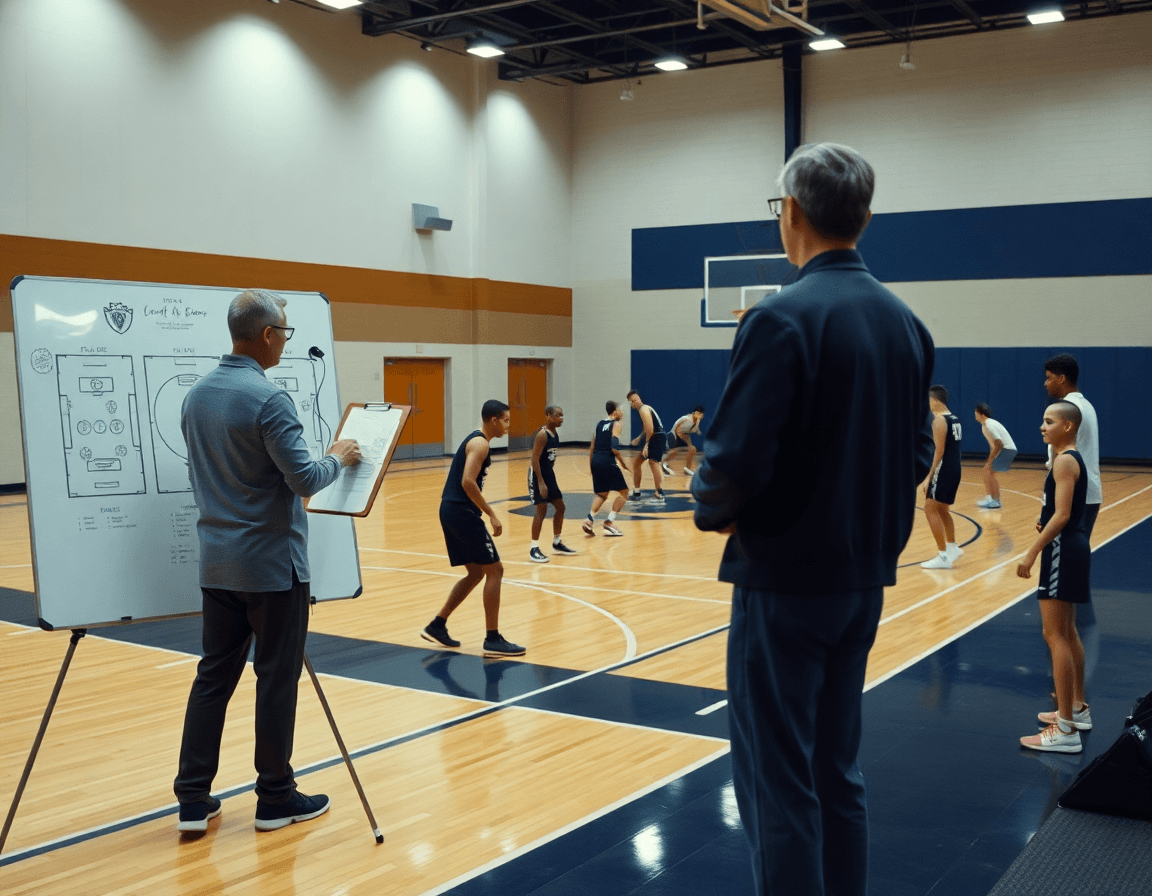
From season timeline to a weekly preseason plan
To build a basketball pre-season practice plan, you start with the season timeline and a clear weekly cadence. Map the phases—initial conditioning, install, and game-readiness—into a repeating cycle that keeps the team progressing. With a weekly cadence, each day builds toward the next phase, avoiding bottlenecks and late-stage crunches. Use CourtSensei to anchor this work in your coaching space, where you pull from a central drill library and keep every plan aligned with the season’s arc.
Translate phase goals into blocks and drill progressions. For example, early weeks emphasize dynamic warm-up and shell drill to establish tempo, spacing, and communication, then advance to more game-speed reps and controlled 5-on-5 scrimmages as players acclimate. Each block becomes a drill progression, with clear exit criteria and notes for adjustments. Diagram plays and export PDFs to share with video staff, or store the diagrams in the plan so the team sees the flow in one place while training. In practice, you’ll see how the tempo shifts mid-week as the shell drill tightens and the team starts to read rotations more cleanly, all organized within the time-blocked plan.
Documentation matters for continuity and coaching staff alignment. Attach scouting notes to every plan for game prep and post-game review. Keep video clips organized by block and shareable as read-only links for scouting or opponent prep. By saving decisions in the plan, you preserve the weekly workflow and facilitate onboarding for new assistants. The result is a replay-friendly, time-blocked plan that travels with the team through the preseason, with clear ties between the season timeline, weekly cadence, and drill progressions.
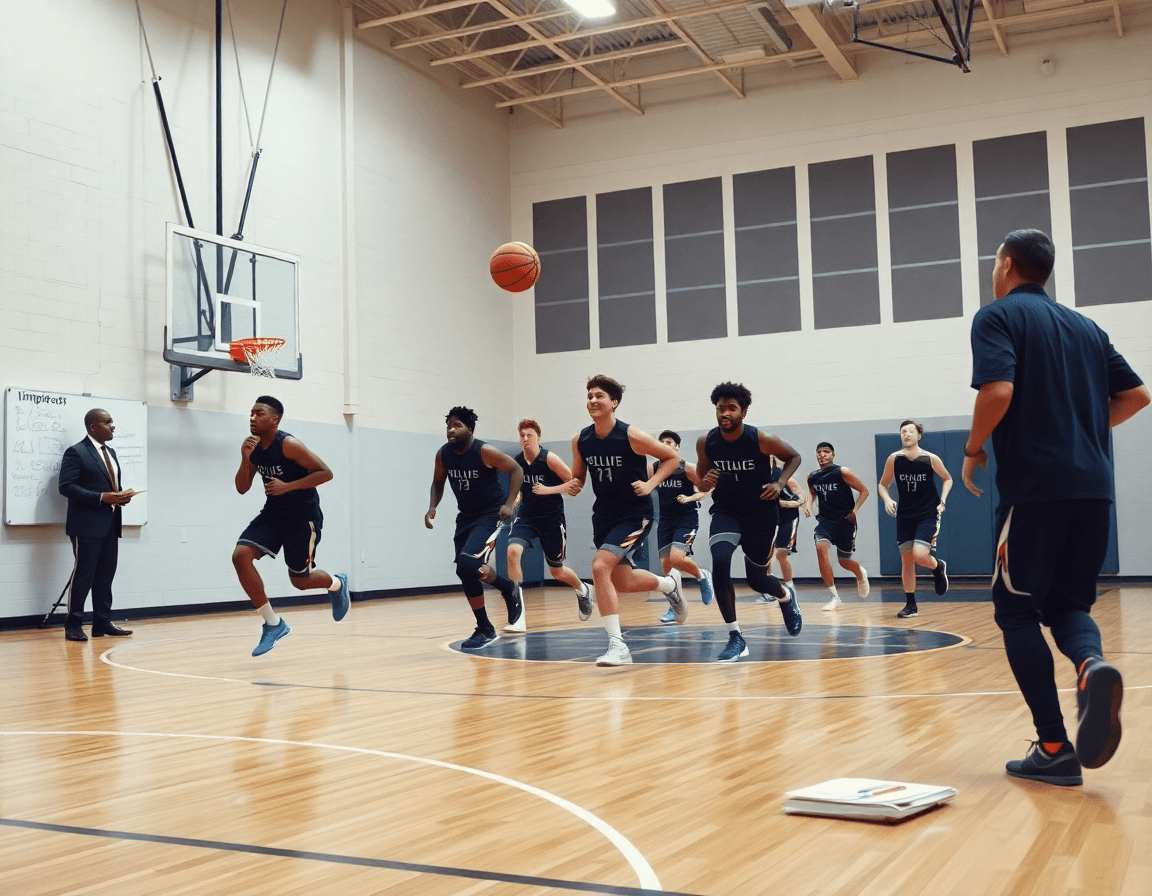
Design time blocks that fit your goals
Design time blocks that fit your goals begins with aligning your basketball pre-season practice plan to the season’s aims. Build around the core pillars: warm-up, skill development, team concepts, live reps, conditioning, and cool-down. Use the drill library to pull a dynamic warm-up and a shell drill, then slot in a 5-on-0 walkthrough to teach reads and sequences. Diagram plays and export PDFs for quick reference on the sideline, and keep the flow tight so players stay engaged. The right blocks set pace and cultivate game-readiness in a true practice rhythm.
Assign minutes per block and adjust for roster size and game load. If you’re working with a smaller squad, shorten blocks or compress reps; larger rosters or a heavier upcoming schedule require more conditioning and more game-speed reps. Balance the time blocks so you cover fundamentals, decision-making, and execution without burning out the team midweek. In a plan like this, you’ll clearly see where to slot short, high-intensity drill segments versus longer, deliberate teaching moments.
Use progression from 5-on-0 walkthrough to 5-on-5 scrimmage to simulate game reads, with players facing increasing decision pressure. Each block can carry a quick diagram and a note on what to emphasize on defense and offense, helping you build toward a cohesive game plan. Attach scouting notes to key blocks and link a short video clip for post-practice review, so cuts and reads are easy to reference when game prep picks up. This approach keeps the plan tight, actionable, and ready to export into PDFs for staff, assistants, or opponents to study.
Incorporate video and scouting into the plan
Integrating video and scouting into your weekly plan starts with attaching scouting notes to each plan cell. In your time-blocked preseason layout, every cell—whether it’s a dynamic warm-up, shell drill, or 5-on-5 scrimmage—gets a note that highlights a key read or decision at game speed. Those notes guide on-floor adjustments during drills and align with the scouting report you prep ahead of the game.
Link or embed video clips for player feedback and corrections. After you run a drill, pull a short video clip and attach it to the corresponding plan cell. Players can see the exact technique to fix, and coaches across the staff stay aligned on cues and corrections. Use clips from the drill library to illustrate adjustments in areas like defensive stance, help-and-recover, or ball-handling under pressure.
Group clips into playlists for quick review with the staff. Create a game-speed reps playlist that targets the most common situational actions you’ll face, or a team concepts playlist that reinforces rotations in live periods. Playlists make it easy to pull up the right clips during a brief staff huddle or before a practice to refresh memory on coaching priorities.
Keep a simple, sharable plan (PDF export) for staff and game prep. When it’s time to share, export a clean PDF that preserves the time-blocked structure, attached scouting notes, linked video clips, and diagrammed plays. This lightweight document travels with the team to film sessions, all-hands meetings, and pre-game prep, keeping everyone synchronized without complicating the workflow.
Practical weekly workflow for preseason planning
In your preseason workflow, open a new weekly plan in your coaching workspace. This anchors planning across days and gives you a single place to pull drills from the drill library, diagram plays, and attach notes. A clean, time-blocked weekly plan keeps your sessions predictable and easy to adjust when rosters shift.
From there, pull drills from the drill library and sketch the time blocks. Start with a dynamic warm-up, roll into a shell drill, then move to game-speed reps and a team concepts session. Block each segment with clear start and end times, so you’re ready to scale up or down based on momentum from the floor. A well-structured schedule helps you hit the core objectives without padding the day.
Attach scouting notes and any relevant video clips to the plan. Tie in opponent tendencies and game-prep insights, so every practice decision has context. Attach video clips for quick reference—trimmed highlights, key sequences, or breakdowns that your assistants can review before the next session. This keeps scouting and prep tangible, not tucked away in a file cabinet of ideas.
Diagram plays and export a staff-friendly PDF. Visualize offensive and defensive sequences, from baseline inbounds to late-game sets, and export a clean PDF you can share in staff meetings. The ability to diagram plays within the coaching workspace makes it easy to teach counters on the fly and keep the playbook organized for the season.
Save a simple usage log and share the plan with assistants. A quick note on what went well and what to adjust helps everyone stay aligned. When ready, circulate the plan via read-only links and keep the core workflow—drill library, video clips, scouting notes, and PDFs—centralized for the next weekly cycle.
Checklist to adapt the plan for rosters and phases
Roster size: Adjust minutes and emphasis for roster size and development stage. If you’re working with a smaller squad, trim blocks but keep essential skills in. Use the central drill library to swap in scalable actions or shorter progressions, and attach quick scouting notes to each drill so you know what to emphasize in the next session.
In-season shifts: In-season shifts mean fewer blocks, more game-speed reps and reads. Scale back long install periods and lean into concise, high-intensity blocks that mirror game tempo. Use 5-on-5 scrimmage moments to connect concepts, and keep a shell drill to reinforce team concepts and rotations.
Small-sided games: When hoops are at a premium or floor space is limited, lean on small-sided games to maximize touches. Structure 3-on-3 or 4-on-4 formats, rotate players to stress decision-making, and weave in quick video clips that illustrate reads from those sessions.
Templates and reflection: Save templates for next season and reflect on what worked and what didn’t. Tag outcomes in your coaching workspace, so you can reuse successful structures with minor tweaks and keep your plan lean and adaptable.
Scouting notes and sharing flow: Attach scouting notes to every plan for game prep, then organize and share relevant video clips and diagrams from the plan to keep staff aligned. This keeps your weekly workflow cohesive—plans, plays, and scouting all linked in one place for quick updates and clear communication.
FAQ
What is a basketball practice plan template?
A basketball practice plan template is a repeatable framework that guides a week's work—warm-up, skill development, team concepts, live play, conditioning, and cool-down. It uses defined time blocks to keep sessions consistent and scalable. With CourtSensei, you build from a central drill library, attach scouting notes, diagram plays, and export the plan as PDFs or share video clips. This keeps coaches aligned and players engaged throughout the preseason.
How long should a basketball practice last?
Most practices run about 60 to 90 minutes, but length should fit your roster and schedule. Start with a dynamic warm-up to prime movement and decision-making, then move into skill work and game-speed reps, and finish with a quick review. Use a time-blocked approach to adjust the pace and keep core objectives intact without sacrificing depth.
How do I structure a basketball practice?
Structure a basketball practice with clear blocks: warm-up, skill development, team concepts, live reps, conditioning, and cool-down. Start with a shell drill to establish spacing and reads, then progress from 5-on-0 walkthroughs to 5-on-5 scrimmages. Keep diagrams and notes handy, and use the drill library to pull purpose-built days. A consistent sequence helps players execute under pressure.
How do I make a basketball practice plan?
To make a basketball practice plan, start with season goals, then map phases (conditioning, install, game-readiness) into a repeating weekly cadence. Pull from a central drill library, assign minutes per block, and attach scouting notes for game prep. Diagram plays, export PDFs, and store video clips by block for quick staff review. This setup keeps your plan aligned with the season and easy to share.
Can I export my practice plan as a PDF or image?
Yes. The plan and attached diagrams can be exported as PDF exports for staff or opponents, and you can package video clips or play diagrams as shareable assets. CourtSensei supports read-only links, helping you distribute your weekly preseason plan without losing the thread of your workflow.
How do I run a basketball session with limited hoops?
Plan around 5-on-0 walkthroughs and small-group stations so players still get decision-making reps. Use the drill library to build blocks that cycle through ball handling, shell reads, and condition work. Keep a tight pace, use short, high-quality reps, and rely on video clips and scouting notes to reinforce concepts without relying on full court access.