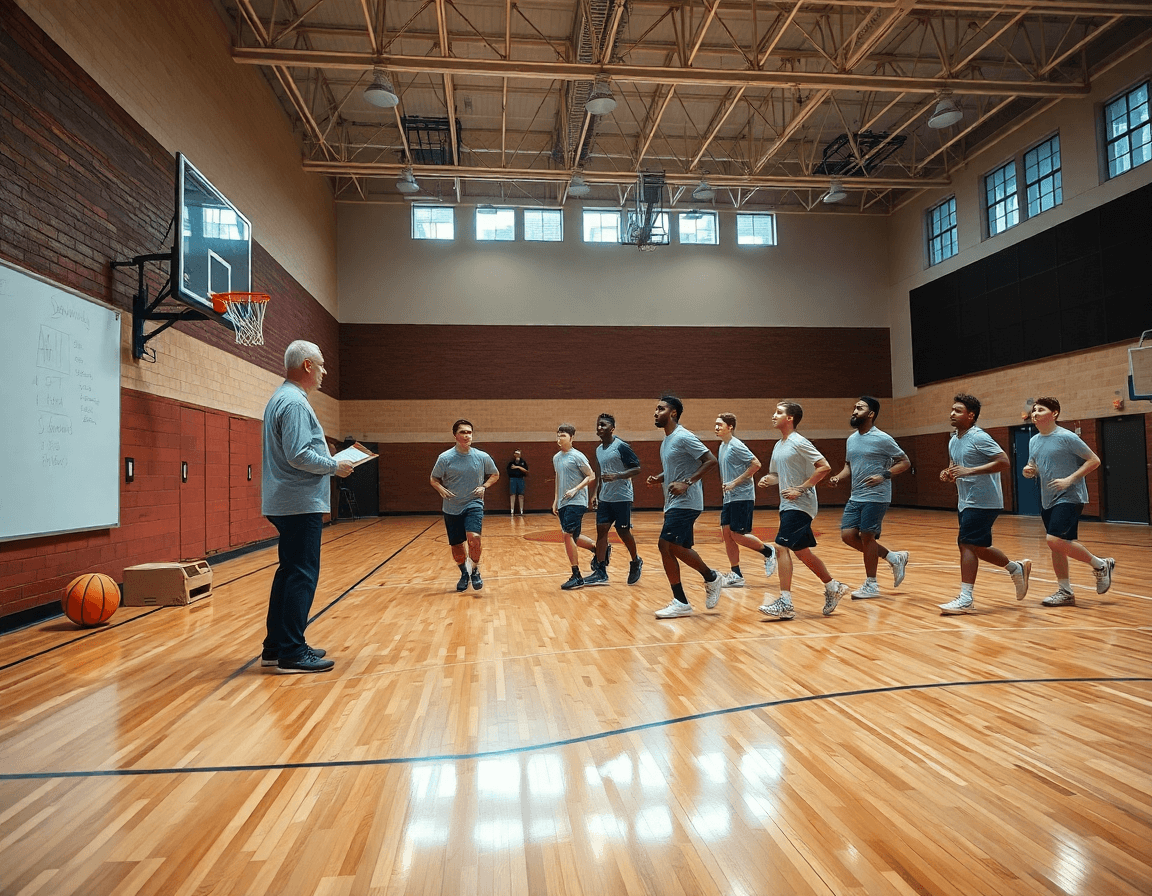
Basketball Whiteboard for Wall: Weekly Coaching Workflow
Master a weekly coaching workflow with a basketball whiteboard for wall—diagram plays, coordinate scouting, and share video clips to streamline team communication.

Key takeaways
- Define clear weekly objectives on the wallboard, with lanes for Skill, Decision, and Live Reps.
- Use diagrams on the wall-mounted board to map plays, adjust with magnets, and export PDFs for next session.
- Incorporate scouting into the weekly plan; attach counter-plays and clip-linked notes for quick drills.
- Build a video playlist linked to the diagram board; share clips as a clear, actionable reference.
- Ensure the weekly plan is laminated and shared; build a common language with assistants for accountability.
Weekly Coaching Plan: Define Goals and Schedule
On Monday morning I run through the Weekly Coaching Plan: Define Goals and Schedule. The basketball whiteboard for wall sits at the center of my setup—a hub where plan, diagrams, and video all connect. I start by laying out the week’s focus and dropping in the key outcomes I want the team to chase by Friday. This isn’t just a list; it’s a visual commitment that guides every drill and decision.
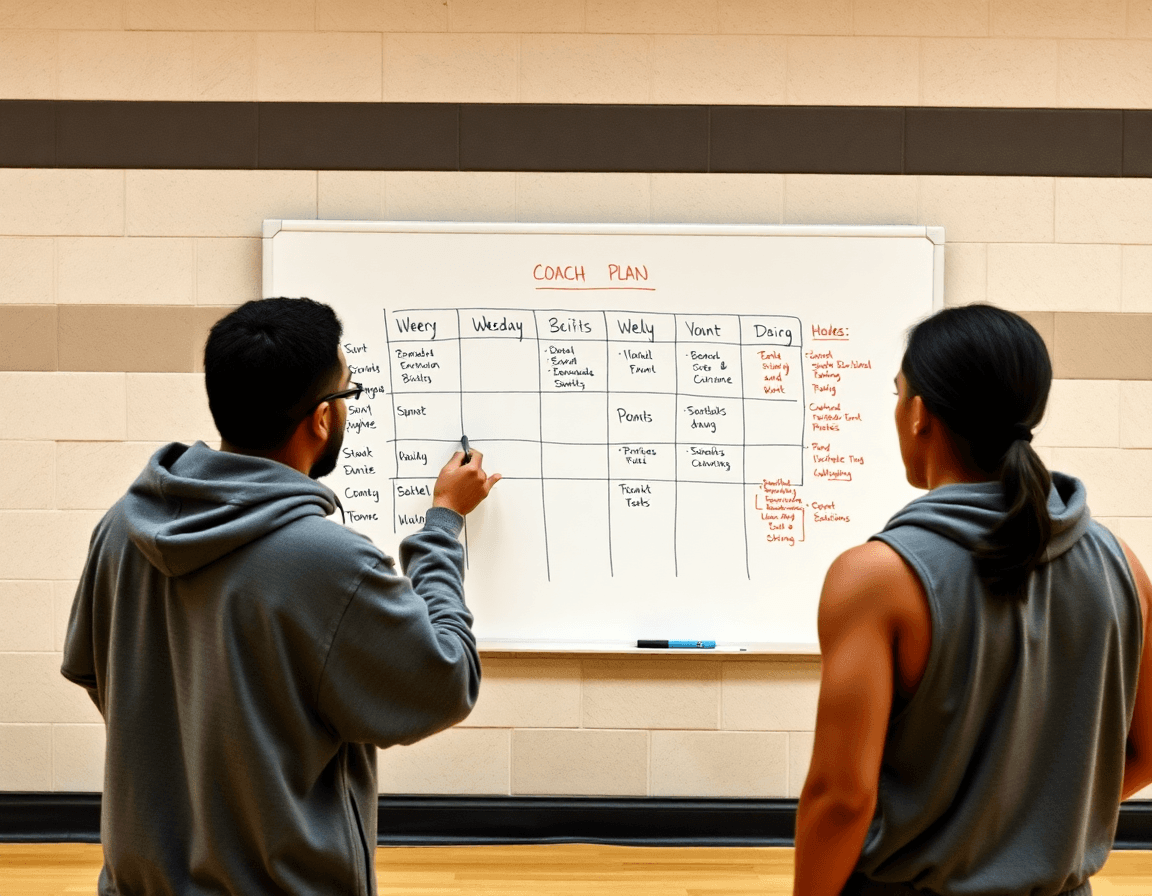
Set weekly objectives for skill work, decision-making, and competition reps. I label three lanes on the wallboard: Skill, Decision, and Live Rep. For each lane, I write a concrete target (for example, finish with 60% catch-and-shoot makes in drills, read two ball-screen actions per possession, win the last quarter by 3 possessions). I also link to planning templates in your coaching toolkit to keep everything consistent week to week, so there’s a common language you can rely on.
Map the week’s practice blocks on the wallboard to visualize sessions by day. I color-code blocks so assistants can see at a glance what’s happening: Mon—individual skill stations, Tue—defense install, Wed—offensive action (PnR, BLOB/SLOB), Thu—live 5-on-5, Fri—video review and scouting notes. This is where the wallboard doubles as a working schedule, making it easy to adjust on the fly without losing sight of the plan.
Target outcome: a clear, shareable weekly plan you can review with assistants. When the plan is laminated and mounted, the team moves through practice with purpose, and the flow from plan to drills to quick post-session notes becomes second nature. The right wall setup keeps the week cohesive and accountable.

Diagram Plays Clearly on the Wallboard
The wall-mounted basketball whiteboard serves as the hub for diagramming during weekly planning. I switch between the full court diagram board to illustrate how a five-man set looks in transition, and the half court diagram board to show spacing and reactions in the half-court offense. The wall becomes a living storyboard: arrows, magnets for positioning, and clear marks that map the sequence of actions for both sides of the floor.
Magnetic surfaces and diagrams drive quick adjustments on the fly. With a few moves of the magnets, we test spacing, window cuts, and the timing of passes without erasing a thing. This is where a dry erase basketball whiteboard shines: it invites iterative tweaking, keeps everyone on the same page, and makes mid-practice pivots easy to follow.
After practice, I export diagrams to PDF for printouts or to share with assistants who weren’t on the floor. The PDFs preserve the integrity of each play, so the team has a clean reference for the next session. The wall-mounted board isn’t just a live map; it’s a portable visual tool that ties into our broader workflow—plan templates, quick diagram edits, and a quick clip review to confirm the read.
All of this builds a visual library of plays ready for practice. When I pull up the basketball play diagram board in the locker room, players immediately see the rhythm of the offense, the reads, and how we counter variations. It’s not just chalk and magnets; it’s a strategic memory for the week.
Incorporate Scouting into Your Wallboard Routine
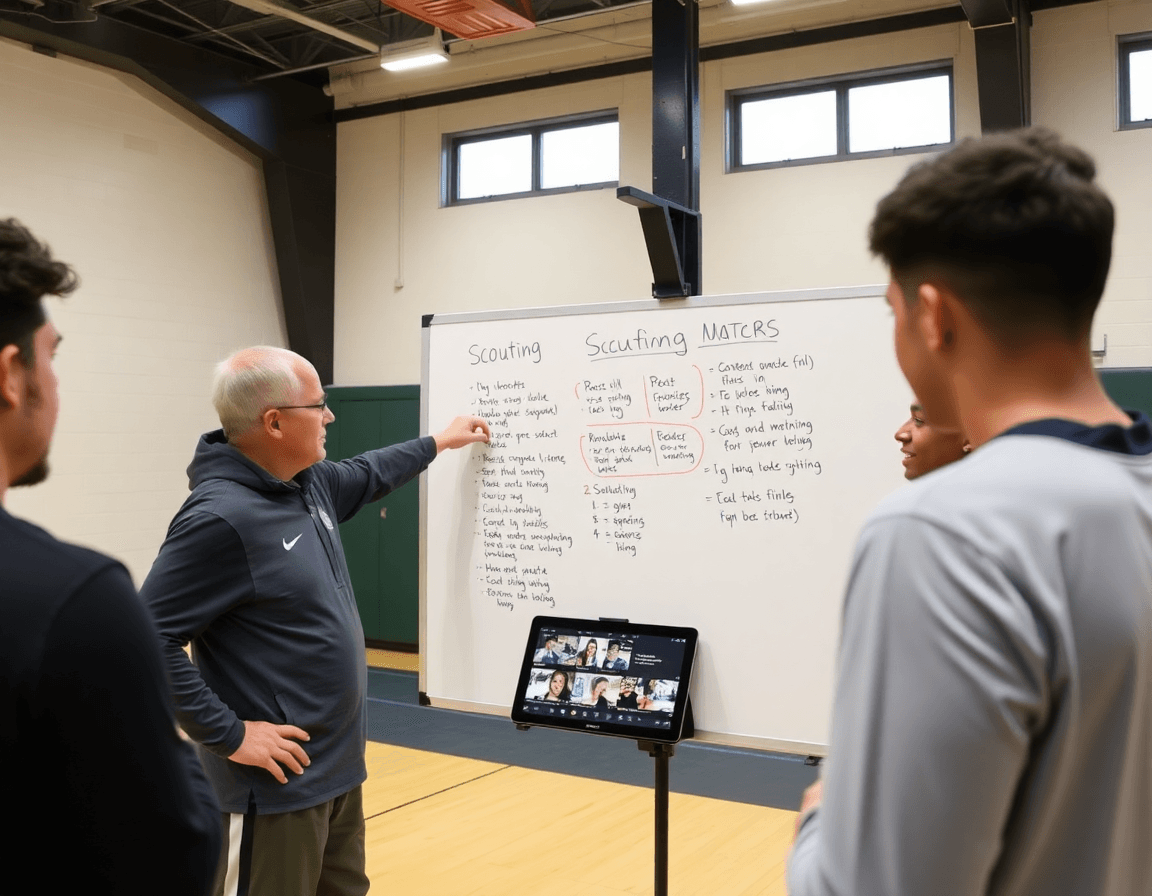
Your wallboard should be more than notes; it should be a scouting-led planning hub for the week. The basketball whiteboard for wall is where the plan, the diagrams, and opponent intel converge. I start each week by routing the opponent’s likely sets and pressure points straight into the weekly plan so players see the link between prep and drills. A dry erase surface on a wall-mounted configuration keeps the flow visible and accessible.
Build simple scouting reports tied to upcoming opponents. On the board, jot key tendencies—ball-screen angles, attack patterns, and preferred weak-side actions—and circle counter-plays next to the drill lineups. Label those tendencies so a quick glance tells you what to prioritize in drills. If you want to know how to prepare scouting for X, start with three questions: what do they run, who initiates, and what counters tend to work. Use magnets—a magnetic basketball whiteboard setup—to pin items.
Attach scouting notes to the weekly plan and export for staff. With CourtSensei, you can attach scouting notes to the weekly plan, link relevant video clips, and export a single PDF for assistants and video staff. A clean workflow means the video squad knows which clips to pull, and your players rehearse counter-plays in a focused session.
Target outcome: a ready-to-use counter-plan for the week. Picture a morning session where you walk in and see Opponent A’s drive patterns mapped on the wall, with a counter drill already drawn beside it. A quick 5-minute drill, then a 10-minute shell to install the counter-plays, and players reference the board during clips on the wall-mounted review.
Bring Video Into the Board: Clips, Comments, and Playlists
On my wall-mounted basketball whiteboard, the week starts with a clear coaching lane. I pull key game footage and reference it right alongside the diagrams for practice planning. The dry erase surface keeps diagrams crisp as we move ideas around. Clips highlights become the anchor for what we emphasize: pick-and-roll reads, help rotations, and late-game decision making. Magnets hold the key segments in place, and the board ties together plan templates, whiteboard diagrams, and video into one visible weekly workflow. That’s the value of a basketball whiteboard for wall.
Next, I slice out a few tight clips around a situation—miscommunications in a pick-and-roll, or a breakdown in rotation. I reference the clip on the board, circle players with magnets, and walk through the diagram. Then I build a playlist: a set of clips tied to the board’s diagram, and I share a link so players can review between sessions. This is where playlists / shareable links for video clips come into play.
While we watch, I annotate decisions on the diagram and add tied notes to the play. If a defender overplays the ball, the note captures the trigger and the correction. We loop back to the clip for a quick re-check, and the team sees how the move translates on the court. This is all part of how video feedback for coaching reshapes comprehension in real time.
By the end, the clip playlist sits with the plan and diagrams, ready for players to review at home. The target outcome is integrated video feedback that accelerates learning.
Practical Workflow Step: Turn the Wallboard into Your Weekly Practice Plan
Your basketball whiteboard for wall isn't just a surface—it's the hub that ties your weekly training checklist to real execution. Start with a consistent plan template to map the week’s goals, drills, and tempo. On a wall-mounted surface with a dry erase finish—the same dry erase basketball whiteboard you use in the locker room—the plan becomes visible at a glance, so you can adjust on the fly without losing focus. This also serves as a handy checklist for weekly training.
Step 1: Define weekly goals on the plan screen. With the plan screen you lock in a few weekly goals that drive the rest of the week—a mix of shot quality, decision-making, and transition tempo. Step 2: Diagram primary plays and counters on the wallboard, a basketball play diagram board that keeps x’s and o’s clear for every player. Use the wallboard to sketch each sequence and counter, turning ideas into crisp diagrams that players can read from the bench. If you’re wondering how to plan X during weekly training, this workflow provides a simple framework.
Step 3: Connect scouting notes to the plan and assign drills to assistants. Step 4: Sync with video clips and build a shareable playlist for players. Tie the clips to the corresponding plays on the wallboard so pointers and corrections carry over to practice. If you’re using a magnetic basketball whiteboard, you can swap in new scout insights without losing alignment. This also doubles as a locker room basketball whiteboard for quick updates between sessions.
Step 5: Export the plan as PDF and review the results at the next session. That keeps the staff aligned and gives players a clear, shareable reference before the next practice. The PDF sits alongside scouting notes and the video playlist in your coaching workflow, and the same setup can feed a full court diagram board when you’re outlining in tighter spaces.
Wall Board Setup and Maintenance: Size, Mounting, and Travel-Ready
Choosing the right size is the first step in turning a wall into a coaching hub. For most gym spaces, you’ll see board sizes 18x24, 24x36, 36x24, and 47x35. Pick a size that fits your wall and still gives you space for weekly plan notes and the diagrams you’ll sketch during the taktical walk-through. If you routinely run full-court diagrams or multiple plays at once, go bigger—24x36 or 47x35—to keep everything readable as you flip between plan templates and diagram work on the wall.
Surface choice matters. Magnetic vs non-magnetic surfaces affect how you move pieces around during drills and timeouts. If you want quick, reusable notes right on the board, a magnetic surface paired with the right wall mounting hardware for whiteboard is a win. Make sure the hardware is rated for the board’s weight and your wall type, and install it so the surface stays perfectly flat when you wipe away a set of plays. This is especially useful when you’re linking diagrams from the basketball play diagram board to a quick plan in CourtSensei.
Maintenance is speed, not ceremony. Keep markers, erasers, and cleaning supplies accessible so you can make fast updates between drills. A small tray or hinged shelf under the board helps you grab the right color for a rapid call, while a dedicated cloth keeps the surface clean for the next session. Think of the wall board as part of your dry erase basketball whiteboard toolkit—a coach board for gym wall that you can rely on during scouting notes, plan changes, and quick video references.
When travel hits, you want it to be still a hub. A wall-mounted setup that’s easy to detach or roll into a cart means you can bring your coaching routine with you—without losing the rhythm of your weekly workflow. Whether you’re updating a full court diagram board or syncing a new scouting note to a shareable playlist, this durable, travel-ready system keeps your practice planning, diagrams, and video clips in one place. This is the kind of wall you want to see every Monday morning. (Secondary terms: wall mounted basketball whiteboard, basketball coaching board wall, dry erase basketball whiteboard, magnetic basketball whiteboard, custom basketball whiteboard logo, basketball play diagram board, locker room basketball whiteboard, full court diagram board.)
If you build plans like this every week, CourtSensei keeps your drill library, whiteboard, and video clips in one place — try it free.
FAQ
What is a basketball wall-mounted whiteboard used for?
A basketball wall-mounted whiteboard is your coaching hub for planning, diagrams, and tracking weekly objectives. It sits in the gym or locker room as the center for plan, diagrams, and video notes. Use magnets and dry erase to map plays, adjust on the fly, and keep the staff aligned.
Can you customize a basketball whiteboard with your team logo?
Yes. Many vendors offer customization to include your team logo, colors, and layout. You can send your logo for imprint or magnetic sticker, choose sizes, and decide if you want full court or half court grids. Plan for a proof step and typical production in 1–3 weeks.
What are common sizes for wall-mounted basketball coaching boards?
Common sizes are 24x36 and 36x48 inches for wall mounting, with larger boards around 42x60 inches for full court diagrams. Smaller 16x20 or 18x24 work well in classrooms or locker rooms. If you need flexibility, look for a magnetic surface that scales from full to half court diagrams.
Are magnetic whiteboards better for diagramming plays than non-magnetic ones?
Yes, magnetic surfaces let you move players, spacing, and timing on the fly without erasing. It speeds quick tweaks during practice and keeps diagrams clear. If you prefer a non-magnetic surface, use color magnets or stickers to track routes and reads.
What mounting options are available for wall-mounted basketball whiteboards?
Choose a mounting that fits your space and wall type. Options include mounting to wall studs for strength, masonry anchors for brick or concrete, and low-profile brackets for a clean look. Some setups offer tilt or double-sided access. Plan height and weight limits with your facilities team.
Do these boards come with markers and erasers?
Most packages include a basic set of dry erase markers and an erasers, but contents vary by model. If yours doesn’t, you can add a kit with extra colors for quick reads or outlines. Keep spare markers and erasers on hand to avoid workflow breaks during sessions.
How long does it take to get a custom basketball whiteboard made?
Custom boards typically ship in 1–3 weeks after you approve artwork, with rush options sometimes available. Larger logos, special finishes, or unique mounting hardware can add time. If you’re pressed, flag it during ordering and ask about expedited production. The final lead time includes proof review, production, and shipping.