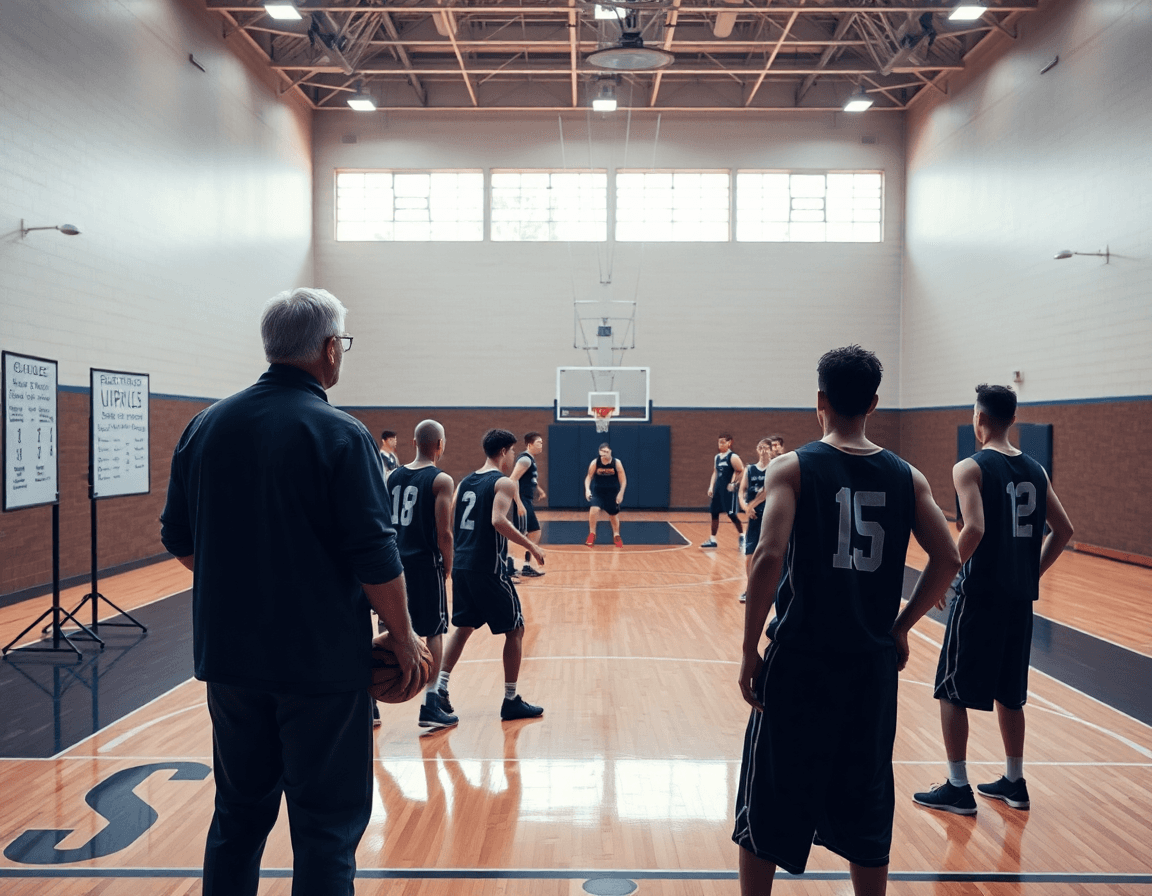
Basketball Zone Offense PDF: A Coach's Weekly Workflow
Turn a basketball zone offense pdf into a weekly coaching workflow: install plays, diagram zones, build practice plans, curate video clips, and scout defenses.

Key takeaways
- Treat the zone offense pdf as the weekly install foundation, mapping core actions and goals.
- Convert plays into install-ready drills with a clear cadence for install, practice, and review.
- Map 2-3, 3-2, and 1-3-1 concepts to roster roles and gap alignments.
- Use short video slices to reinforce sequences against each look, keeping it simple.
- Establish a weekly install cadence: whiteboard core actions, then work variations and scouting notes.
How to leverage a basketball zone offense pdf in weekly planning
In my weekly planning, I treat a basketball zone offense pdf as the foundation for a clean install. I pull the key sets from the pdf and mark the primary actions we want to install this week. Then I use CourtSensei to convert those plays into install-ready practice plans, so every drill aligns with the zones we’ll face. This keeps our goals clear from day one.
Next, I map 2-3, 3-2, and 1-3-1 concepts to my roster’s personnel. The zone offense pdf lays a clean blueprint, but I tailor it by noting roles on the whiteboard and deciding who initiates ball movement against each alignment. I focus on gap alignment and how to fill the gaps when defenses overcommit. With a quick cut to video, we show sequences against each look to keep things simple and repeatable.
Set a cadence for install, practice, and review within the week. On day one, we install the core actions from the pdf on the whiteboard and walk through the reads with a couple of shell drills. Day two is dedicated to repetition—spacing, ball reversal, and actions against 2-3 and 3-2 looks. Day three ends with a quick review and a scouting note cycle to reinforce what opponents tend to do. I drop a short video clip into a playlist for players to study at home, then we test the retention in live drills.
Translate the PDF into drill sequences that players can execute
I take the basketball zone offense pdf and translate each play into install-ready drill sequences. The aim is simple: every play becomes a repeatable sequence with entry, action, and finish. I tag each sequence with the PDF play name and the zone concept (2-3, 3-2, or 1-3-1) so assistants can follow along. The entry shows how we get the ball into the set—entry passes, dribble entries, or quick reversals. The action covers the required movements—cuts, screens, and ball reversals. The finish defines the end point—an open look, a drive, or a kick to the corner.
Next, I design the drill blocks to address gaps, spacing, and ball movement. For example, in a 2-3 zone, I build a gap alignment sequence that teaches players how to fill seams and hinge toward the ball. We run a few variations: weak-side pop, corridor passes, and skip passes to keep the zone shuffled. The drills mirror the PDF plays but focus on execution rather than reading a diagram. The goal is to produce clean, teachable reps that translate directly to the game, minimizing misreads and missed connections.
Finally, I tie each drill back to specific PDF plays and zone concepts. On the whiteboard I diagram the steps and call out which actions belong to which PDF play. I pull a short video clip for each drill, then assemble a quick, shareable playlist for players to study. In practice, we run the sequence, pause for feedback, and move on—4–6 minutes per drill, then loop through the set again. This is how you turn a static zone offense pdf into a living, breathing weekly plan that keeps players engaged and the attack sharp, with clear links to zone attack drills and the wider zone concepts.

Diagramming zone attack: teaching BLOB/SLOB/ATO/PnR with a whiteboard
Each week starts with the basketball zone offense pdf as the playbook backbone. I break down zone attack diagrams on the whiteboard, tying entry passes to cuts and screens and the decisions that emerge from the defense’s gaps. A simple curl, a back-screen flare, or a wing misdirection—these actions become teachable moments. In CourtSensei, I drop the install-ready blocks for each sequence and share them with my assistants, so we’re aligned before the first drill. We’ll start with 2-3 zone basics, then expand to 3-2 looks, all mapped out on the plan side.
With the PDF-based content in hand, we spotlight BLOB and SLOB entries and the ATO/PnR concepts that translate to our zone sets. I diagram each scenario on the whiteboard, show the path of the ball, where cuts diverge, and where screens should pop. After a short video clip, we talk through the decisions: pass, drive, or reset. The goal is to make the diagrams actionable so we can install them quickly in practice and have a ready-to-go scouting note for the next game.
Finally, I organize the diagrams into an efficient installation flow: group by action (entry passes, cuts, screens) and by zone alignment (2-3, 3-2, 1-3-1). This keeps the plan tight and makes it easy to pull up a specific diagram during drills. In practice, we flip to the PDF-based content on the fly, while the whiteboard diagrams serve as the road map for the day. The result is a clear, repeatable process to teach zone offense and fill the gaps in our zone defense knowledge.
Video workflow: breakdown and share zone-offense clips for players
During a typical weekly install of a zone offense, I start with the pdf as the source of plays. I’m not guessing; I’m selecting sequences that map to a 2-3 zone, a 3-2 zone, or a 1-3-1 zone we expect to see. The plays become the backbone for the plan, the diagrams we’ll draw on the whiteboard, and the clips we’ll circulate. This is where practical workflow meets on-court reality.
From those PDF-driven plays, I create concise clips that isolate the action we want to install this week. These become zone offense video clips that map to the PDF. I pull the moments where the ball moves to the weak side, where players must read a gap alignment, and where a sequence becomes a teachable habit. I keep clips short—8 to 12 seconds—so the teaching sticks without dragging on.
Each clip gets a label like gap fill, ball reversal, or other zone-action terms and tagged by the defense type (2-3, 3-2, or 1-3-1). These labels help us build a small library from the pdf-driven plays and give players quick anchors when the action starts breaking the defense.
Finally, I turn those clips into shareable playlists for the team. Players can review the material during study halls or on their own time, and I drop quick notes for assistants who run the film session. When it’s time to practice, we run through the same video clips on the board and in the gym floor, reinforcing the concept of zone offense against different looks. These are shareable video clips that players can review at their own pace.
Scouting and game planning against 2-3, 3-2, and 1-3-1 zones
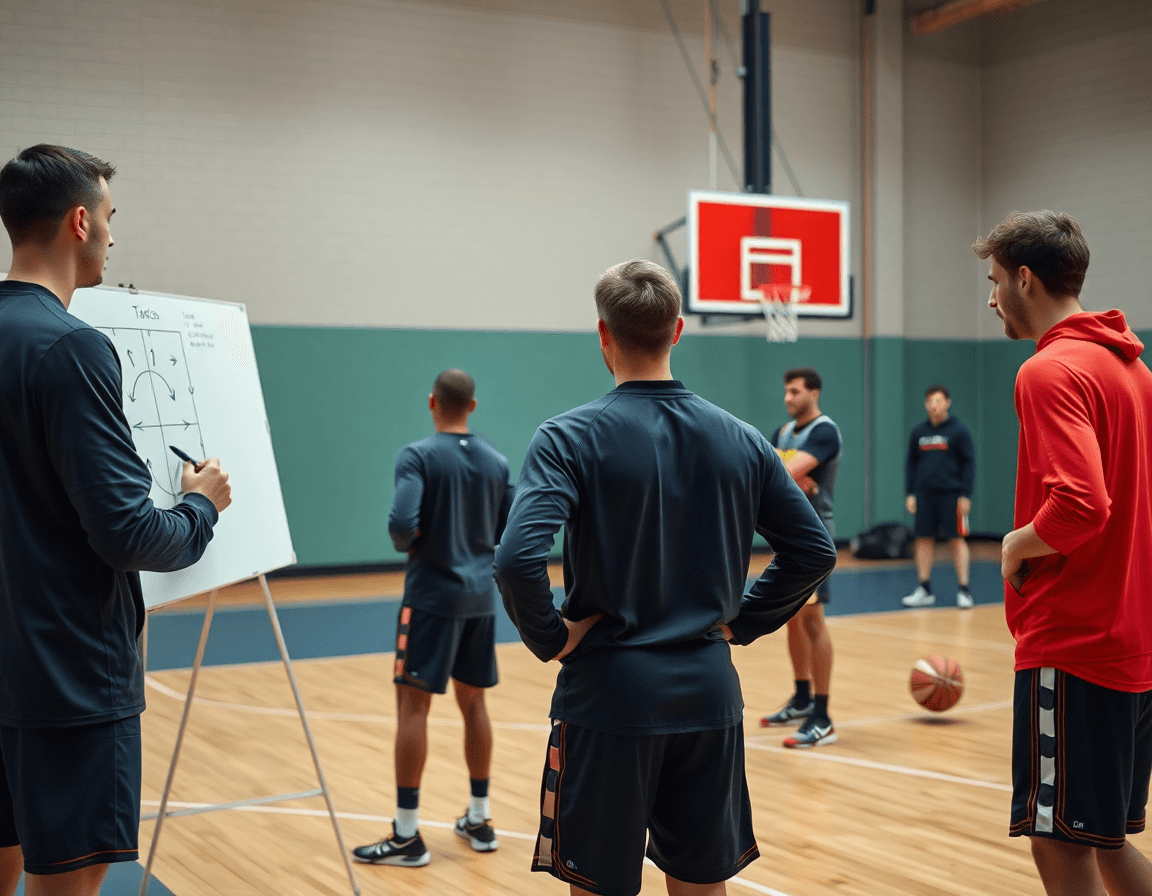
When I'm building a weekly scouting plan against zone defenses, I start with the basketball zone offense pdf as my baseline. The zones we’ll face—2-3, 3-2, and 1-3-1—each demand a different approach. In the gym, I pull the PDF up on the board, annotate the reads, and translate that into install ideas for the staff. This is where the plan begins to come alive.
With that PDF in hand, I lay out a simple scouting framework around each variation: how the ball travels, where the gaps open, and which players are responsible for angles. I assign reads to specific routes—when to skip, when to attack weak hands, where to punch into the middle. After the PDF is mapped, these install points become the focus for the week.
For 2-3, I emphasize gap alignments and ball reversals to stretch the middle and pull the wings toward the corners. Against 3-2, we stress high-post options and quick reversals to rotate the defense. Against 1-3-1, the emphasis shifts to attacking the gaps from the corners and driving the ball to the middle. The goal remains to fill the gaps and keep the ball moving with deliberate ball reversal options.
All of this lives inside CourtSensei: I diagram the zone actions on the whiteboard, cut the clips, and build playlists for players. The workflow runs from the zone offense pdf to install-ready practice plans, then to scouting notes, and finally to shareable video clips for the team. When we run a focused 20-minute segment in practice, the players see the sequence, understand the reads, and execute with confidence.
Create shareable playlists to reinforce zone-attack concepts
As part of my weekly workflow, I build zone offense playlists to reinforce zone attack concepts. I turn plays from the zone offense PDF into install-ready practice plans, then map the actions on the whiteboard—covering 2-3 zone, 3-2 zone, and 1-3-1 zone looks. The goal is to translate diagrams into clear sequences: entry passes, ball reversals, and skip actions that force gaps to open. I pull video clips, trim them into concise sequences, and couple them with diagrams showing where each cutter or shooter should be. These playlists become a living library the team can lean on during the week.
During film sessions or after practice, I roll out a few playlists to trigger individual feedback and team reviews. Each player gets a playlist tailored to their role—weak-side shooters study the zone motion, post players learn how to attack the gap, ball handlers work on quick decision cuts. The clips themselves are shareable player videos that you can push to a phone or tablet, so we can pull up a specific example during a quick debrief. This keeps the focus on reinforcing the core ideas of zone offense without reinventing the wheel—it's about applying the concepts in real-game scenarios.
Accessibility across devices means players can stay synced even when they’re off the court. I arrange playlists so a player can watch a clip on their phone after practice, then come in ready to apply the action on the whiteboard the next day. For coaches, it’s a lightweight way to track progress via our playbook and scouting notes, turning every clip into a concrete action—whether we’re facing a 2-3 zone, 3-2, or 1-3-1 and looking to fill the gaps.
Practical workflow step: a week-by-week install cycle
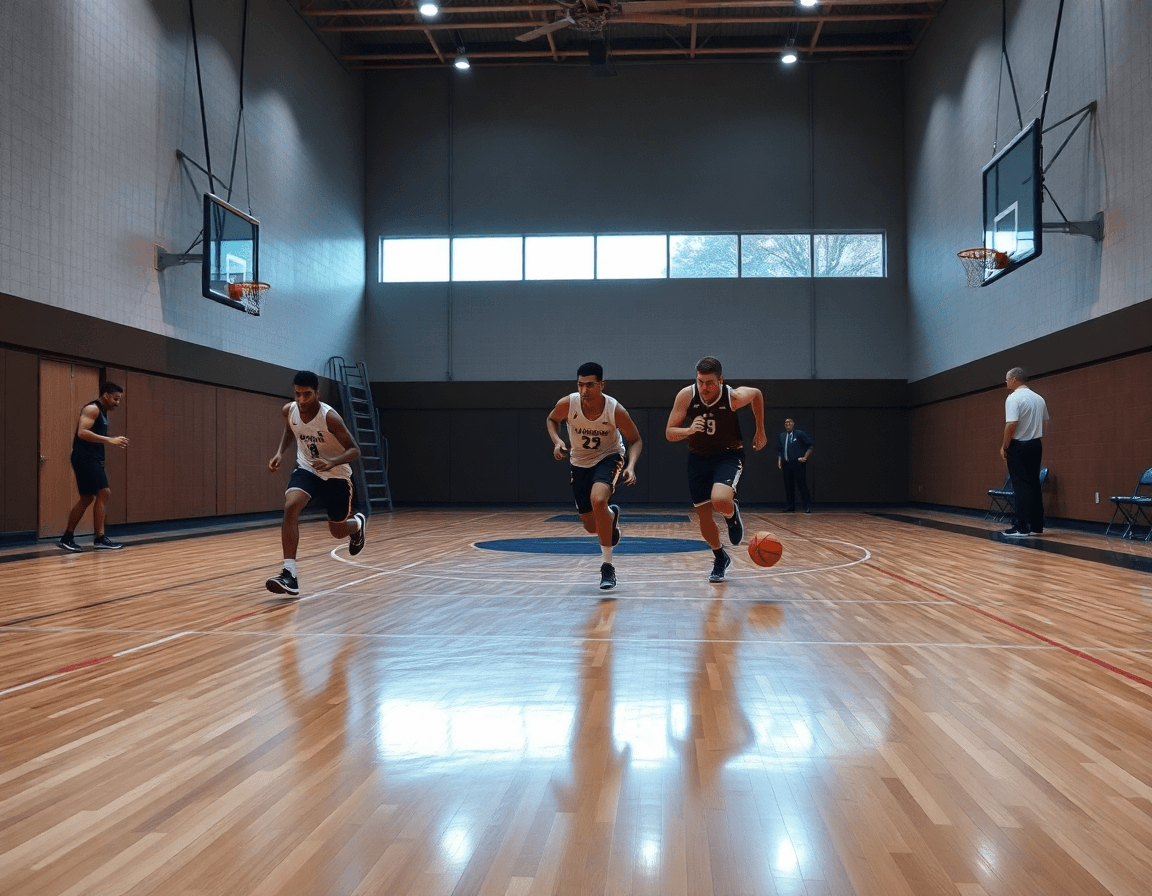
In my week-to-week routine, I run a five-day, practical workflow for a basketball zone offense PDF. The aim is to turn those plays into install-ready plans, diagram zone actions on the whiteboard, and reinforce decisions with quick video clips. This approach keeps our zone offense sharp across multiple looks (2-3, 3-2, 1-3-1) and ensures we’re ready to execute when we see a specific defense.
Day 1: I review the PDF, mark key plays and concepts, and tag them for the zone offense we’re installing that week. I pull out concepts like gap alignment and the idea of filling the gaps, so we’re clear on what the ball and players are trying to accomplish against a pocketed defense.
Day 2: We diagram and walk through actions on the whiteboard. We map spacing, ball reversal, and position-specific reads to beat the zone defense. The focus is on crisp communication and building a shared language for plays that involve entry passes, cutters, and wing triggers from the 2-3 or 3-2 setups.
Day 3: We install selected plays in practice with proper spacing and ball movement. We emphasize decision timing, drive-and-kick sequences, and attacking from the gaps. This is where the plan comes alive in drills that simulate real game rhythm against those zone looks.
Day 4: I clip and review film to reinforce decisions. Short video clips become teaching tools to reinforce why a cut or pass decision works, and we build playlists for players to study, reinforcing actions like feeding behind the zone and exploiting weak corners.
Day 5: A controlled scrimmage tests the install and we adjust. We watch for flow, spacing, and shot quality, finally tightening uses of the zone offense to exploit mismatches and keep players behind the defense honest.
If you build plans like this every week, CourtSensei keeps your drill library, whiteboard, and video clips in one place — try it free.
FAQ
How do you attack a zone defense in basketball?
Use your zone offense PDF as the backbone for practice. Start with quick ball reversals to shift the defense, then attack the seams with purposeful cuts and screens. Emphasize gap alignment so players know where to fill when the ball moves. Keep spacing wide to open skip passes and easy looks, and install the reads in shell drills first.
What is zone offense?
Zone offense is the intentional toolkit you use to attack zone defenses. It relies on spacing, quick ball movement, and zone-specific actions (BLOB, SLOB, ATO, and PnR) to pull the defense out of position. It’s not just passing; it’s reading gaps, exploiting seams, and creating open shots. Your PDF becomes the starting point, then you tailor it to your roster with reps.
What are common zone offense plays for 2-3 and 3-2 zones?
Common plays for 2-3 and 3-2 start from the PDF blueprint. For 2-3, emphasize high-post entries, spacing, ball reversals, and skip passes to reset the defense. For 3-2, stress middle flashes, back-door cuts, and wing pops to stretch seams. Label each drill by zone and set so you can install quickly.
How do you beat a 2-3 zone defense?
Beating a 2-3 zone starts with attacking the seams from the top and elbows. Use a strong ball reversal to pull defenders out of gaps, then drive to the middle or kick to the weak side for a shot. Emphasize gap alignment and quick, precise passes. Drill the sequence in shell work and progress to live looks against each look.
How do you beat a 3-2 zone defense?
Beating a 3-2 zone follows the same core ideas but leans on middle flashes and back-door options to keep the defense honest. Move the ball into the middle to draw help, then swing to the weak side for kick-outs or feed a cutter. Emphasize gap alignment and practice quick drives and skips for open looks.
What is ball reversal in zone offense?
Ball reversal is the heartbeat of the attack: move the ball side to side to reset the defense and open a window for a high-percentage shot. It enables skips, late-entry actions, and sets you up for BLOB/SLOB or ATO entries. Keep clips short and tie each unit back to the PDF plays, so the flow stays crisp with your players.
How do you fill the gaps against zone defenses?
Filling gaps against zone defenses means teaching players to read seams and adjust positions. Use gap alignment drills, hinge toward the ball, and practice skip passes to the weak side. Tie every drill to PDF plays and zone concepts, then run quick on-court reps followed by a short video playlist for study.