Best Basketball Plays for Weekly Practice Planning
Explore practical best basketball plays you can install this week, plus a coach-friendly workflow to plan, diagram, review footage, and share with your team.

Key takeaways
- Start weekly with a clear objective: anticipate defenses and stress them without overloading players.
- Choose 3–5 plays that balance motion offense, PnR variations, and BLOB/SLOB counters for variety.
- Convert plays into a formal practice plan with objectives, drill sequencing, and time blocks.
- On the whiteboard diagrams, diagram each play with PnR, BLOB/SLOB, and counters for quick references.
- Create video playlists and attach scouting notes so players study context and reads.
Weekly workflow for best basketball plays
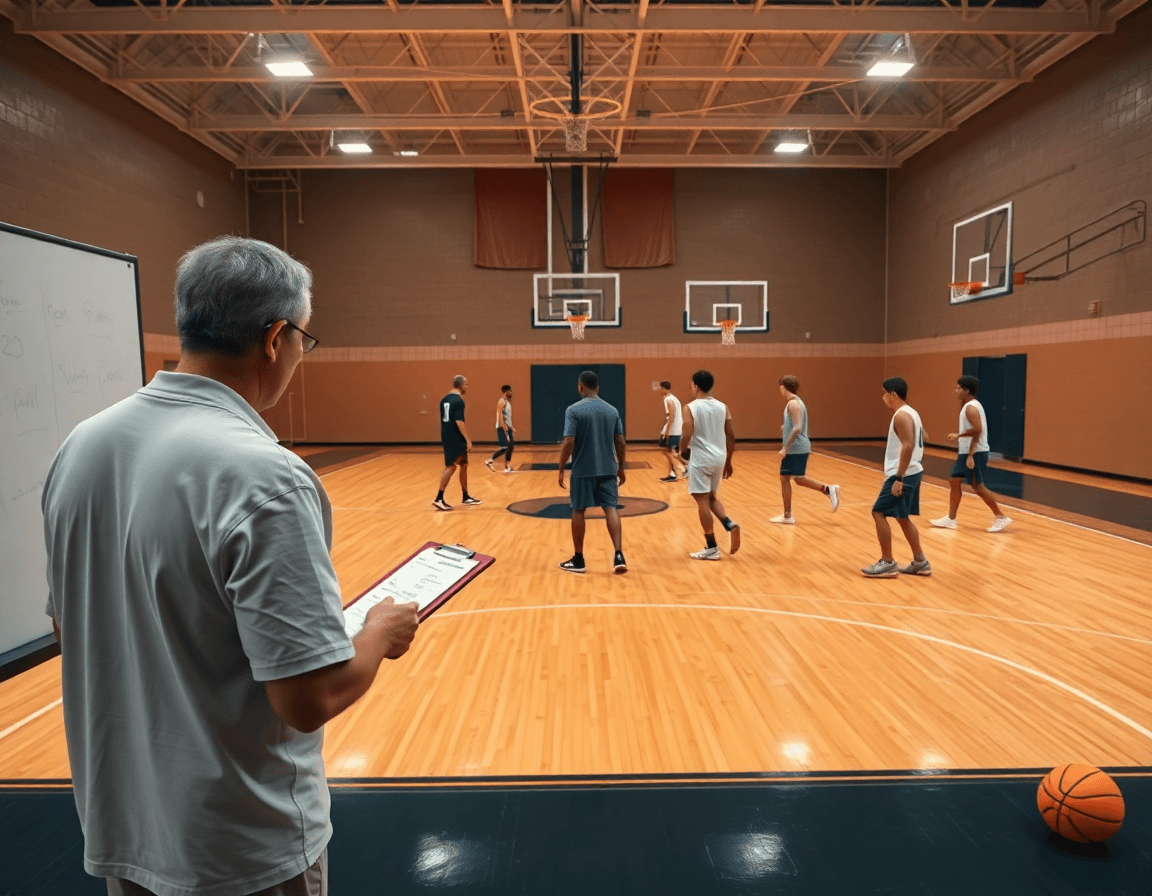
Each week, I start with a clear objective: what defenses we’re likely to see and which plays will stress them without piling on complexity for the players. That defines the weekly workflow for best basketball plays and anchors our practice planning, scouting notes, and video review in a single rhythm.
From there, I select 3–5 plays that fit the schedule and opponent tendencies. I lean toward a mix: a solid motion offense look, a couple of PnR variations, and a few counters from BLOB/SLOB. These choices become the backbone of our best basketball plays for the week.
Assemble these plays into a formal practice plan with objectives, drill sequencing, and time blocks. I map warm-ups to the first 10 minutes, then build progressions that push reps, include a quick walkthrough, and leave room for scrimmage. The plan stays flexible, but the structure keeps us honest.
On the tactical whiteboard, diagram each play with PnR, BLOB/SLOB, and counters, then export PDFs for assistants. You can label options and tailor reads for each player. This is where the angles, spacing, and counter options live, ready to reference in the plan and in scouting notes.
Finally, clip game footage into short video clips and attach them to the plays in a shareable playlist for players. Include scouting notes with each entry so players see context, reads, and adjustments. The result is a clean, weekly player-facing resource you can publish and reference.
Categories that unlock efficiency: motion, 4-out, Princeton, and more
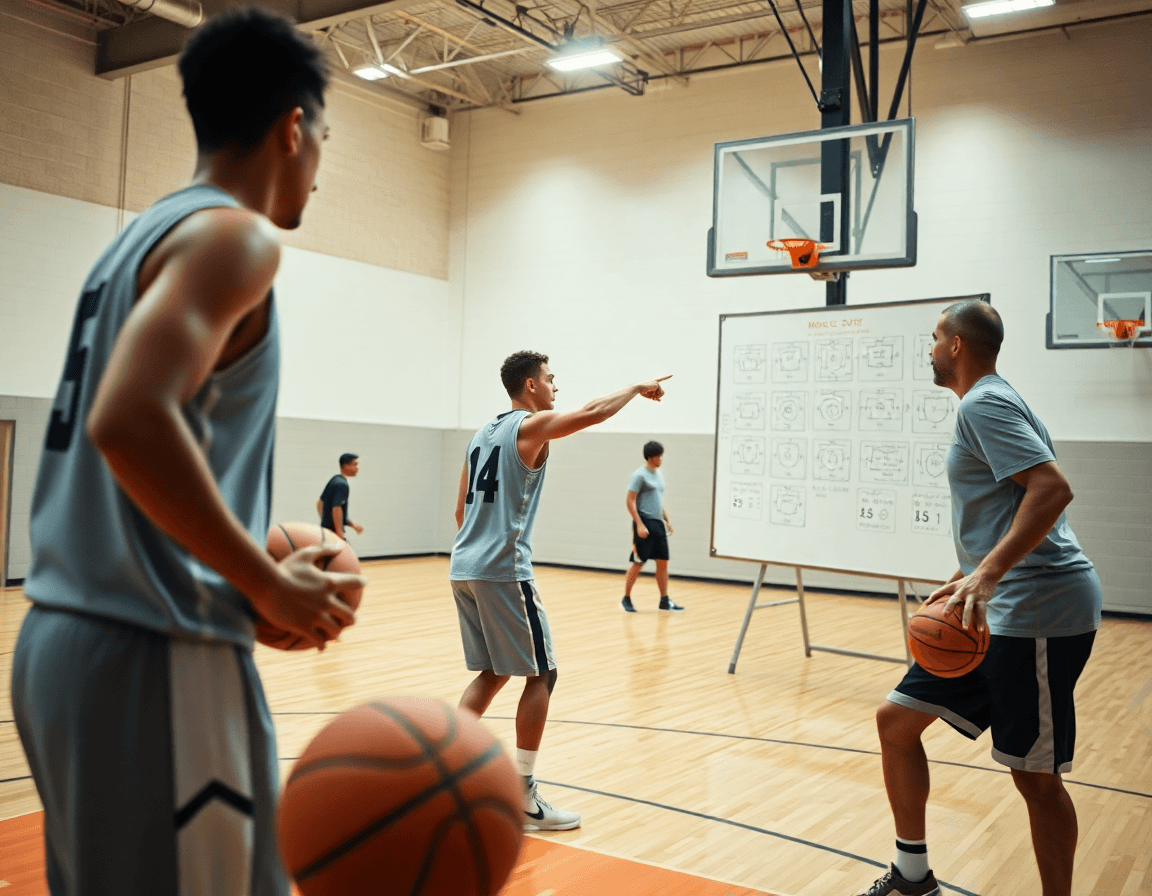
Understanding common play categories helps coaches shape the week. In our weekly workflow, we separate motion offense from set plays and decide where each fits in practice and game planning. A motion offense emphasizes continuous movement and spacing, creating options as defenders rotate. A well-timed set play, by contrast, locks in a specific action to counter a matchup or late-clock scenario. Knowing when to lean on motion or pull the trigger on a set piece keeps the offense flexible and unpredictable for the scout report and the game plan.
Your library is the playground. Use it to mix offense types for spacing and ball movement: pull in some 4-out offense looks to maximize drive-and-kick opportunities, weave in a Princeton structure to slow down the defense and reverse the ball, and slot in a continuity sequence to sustain rhythm. This mix gives you options against different defenses and keeps players reading the floor rather than memorizing plays. The goal is to have a ready-made toolkit that adapts to opponent tendencies and game tempo.
With filters and categories, you can assemble the week’s best basketball plays in minutes. In the plan, pull plays by category for the week’s opponents, then diagram them on the whiteboard (BLOB/SLOB/PNR) and attach scouting notes. A short video clip illustrating a 41 motion sequence or a cross (BLOB) read helps players visualize the action. Finally, publish player-facing playlists so your guys can review the concepts during film study and arrive at practice ready to execute.
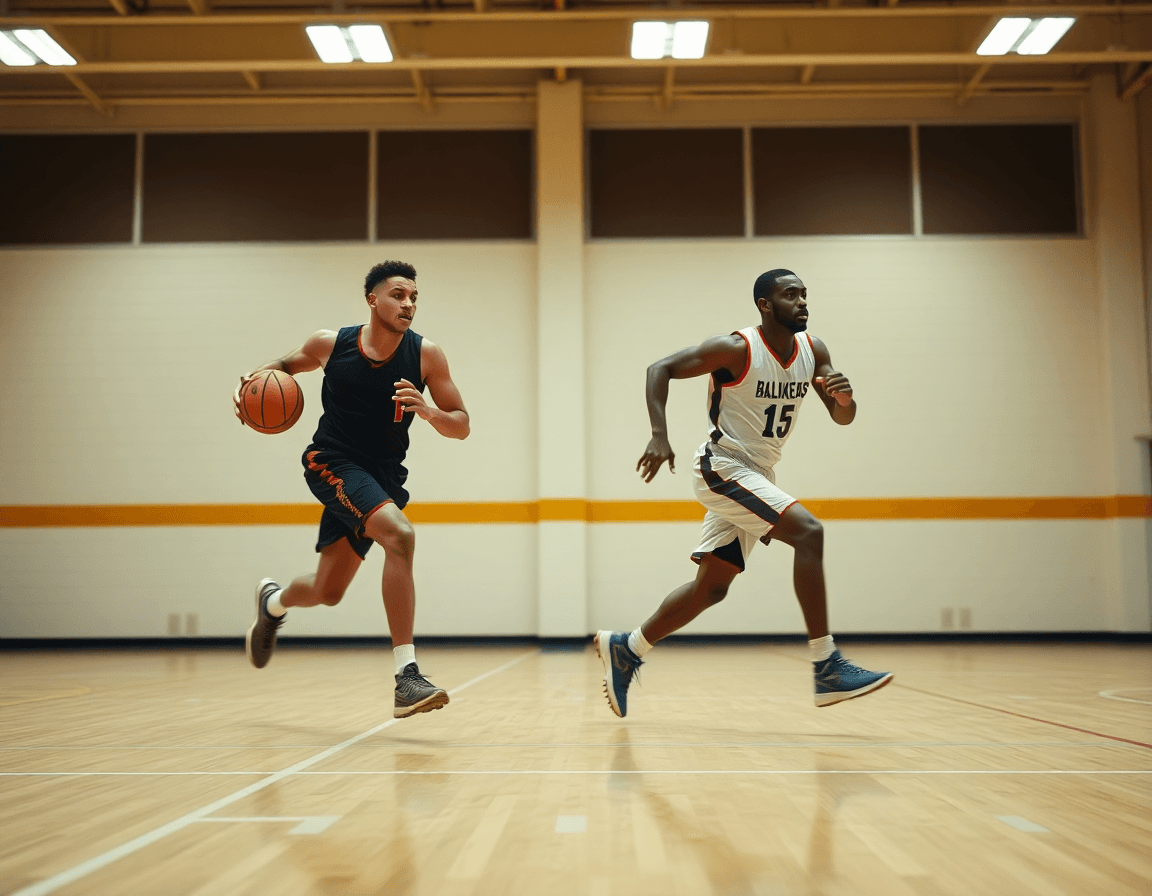
Diagram it first: whiteboard diagrams, BLOB/SLOB/PnR, and quick hitters
Diagram it first on the whiteboard. When I build a weekly practice plan, I sketch each play with position-by-position actions and clear set responsibilities, using arrows and labels so the sequence is easy to follow. I lean on our core toolbox: whiteboard diagrams and BLOB/SLOB/PnR as the backbone of installs. I slot in a few quick hitters that fit our motion offense—baseline swing into a cross (BLOB), or a flex warrior into a PnR—so the guys see both structure and options.
Annotate reads, counters, and decision points to simplify teaching points. On the board I mark how defenders respond: hedges and drops in a PnR, ball-side denial, or a back screen post for misdirection. This keeps teaching points tight and makes it easy to pull in a quick hitter when the defense shifts. I map out reads for options like the 41 motion or a sideline out of bounds sequence, including cross (BLOB) looks, so assistants coach with one language.
Export to PDF for sharing with assistants and for practice plan handouts within CourtSensei. Once the diagrams land, I save the package to the weekly plan and tag the plays with action cues and counters. The PDF sits alongside a short video reference and a scouting note, so the staff knows exactly what to run in drills. In the gym, we start with the diagrams, reference the video, and lock in with the weekly workflow: plan, diagram, review, repeat.
Video integration: build a reusable play library for players
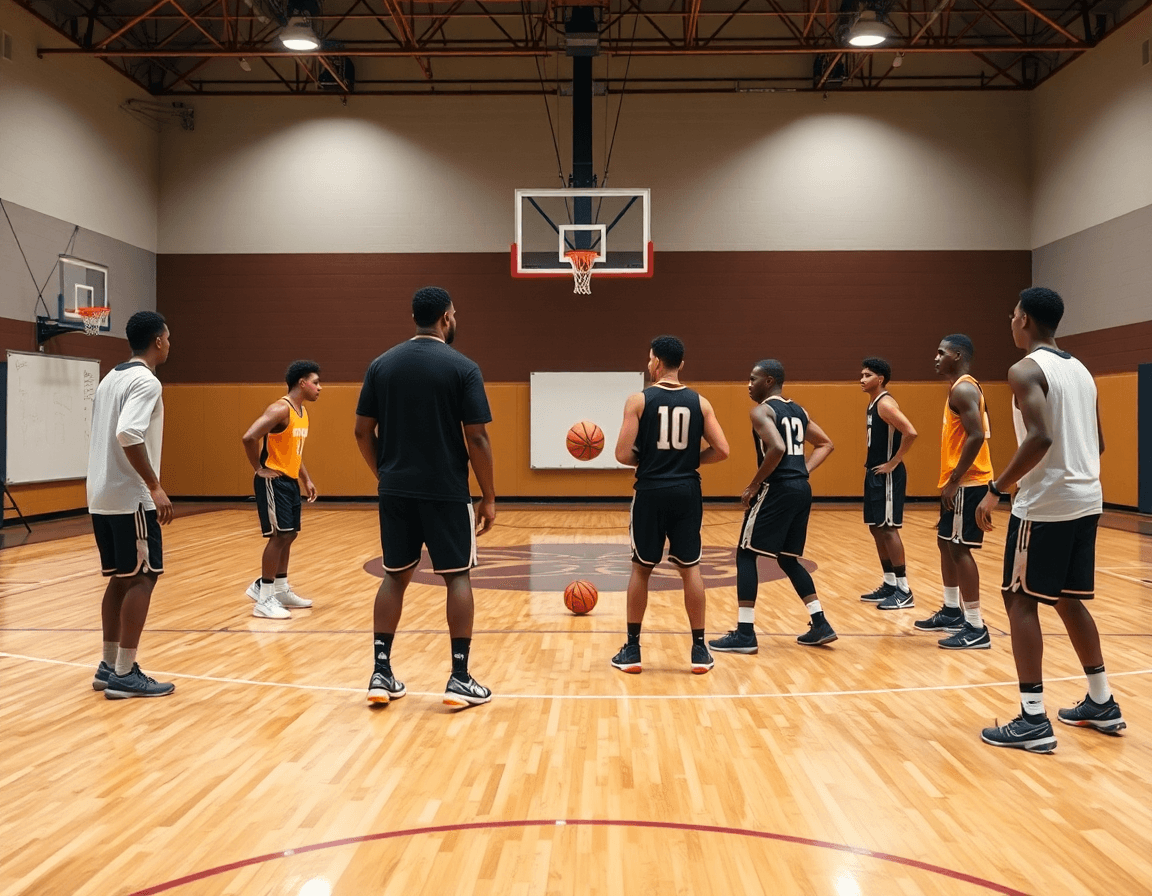
Video integration is where a weekly plan becomes repeatable. I clip game footage to capture key reads and decision-making for each play, building a robust clip library that lives with the plan. Those clips fuel quick film sessions, scout notes, and on-the-spot adjustments during practice. The point is to turn raw footage into a practical reference that a helper coach or a senior player can navigate without hunting through hours of video.
I organize the clips into playlists by concept: spacing, screening actions, OB options. For example, a motion offense playlist covers 41 motion scenarios; a 'pick and roll' playlist hones reads on the ball handler; a 'baseline swing' playlist locks in spacing along the sideline.
Players can review via shareable links before and after practices. We generate a link to a specific clip or to an entire clip library, so athletes can watch on their phones before team sessions and again after to compare reads with what we drew on the board. That simple flow keeps the best basketball plays available when a decision point comes up in the next drill.
Scouting and opponent-specific calls: tailoring plays to the week
Scouting drives the selection of our best basketball plays for the week. In the plan, I start with scouting reports to identify opponent tendencies and weak points. My notes flag where they overhelp, how their wings recover to shooters, and which ball-screen schemes give them trouble. With that intel, I map a concise weekly map—a handful of plays to attack their coverage and a couple counter moves if they switch. This isn’t guesswork; it’s a direct line from opponent scouting to our on-court actions. The aim is a tight set of adjustments the whole staff can implement all week.
Match the plays to how defenses will guard your primary actions. If they hedge or blitz ball screens, we lean into a motion offense and show them Cross (BLOB) to create early spacing and reads. If they switch or deny the ball, we pull from baseline swing and flex warrior sets to keep ball movement and pressure on the defense. The goal is to give coaches a ready-to-run kit for the week, with variations that exploit the mismatches the scouting reports surfaced.
From there, the weekly workflow tightens up. In the plan, I update the list, attach scouting notes, and pull clips to illustrate the cues. On the whiteboard, I diagram the chosen plays and label the action flow for each scenario. Then I publish player-facing playlists that pair each sequence with a short clip and a quick read for the team. When Friday practice rolls around, we’ve got a clear path from what we found in scouting to what we execute in the week’s best basketball plays.
Starter plays you can install this week (coaching points included)
These five starter plays are your quick-install toolkit for this week. They’re tight, repeatable, and scale from HS to semi-pro levels. Each action fits neatly into a 60–75 minute practice block and links directly to your weekly workflow in CourtSensei: plan, diagram, clip, scout, and publish. When you label each play in your diagram library, you can pull up coaching points during teach moments and share a player playlist for review.
Baseline Swing to Quick PNR Setup: 4-out spacing, wings on the corners, big at the top. Action: swing, then a quick dribble hand-off into a pick-and-roll with the top guard or post. Coaching points: maintain floor balance, read the shell defense, and roll/pop based on space. If help comes, reverse to a shooter or attack the rim with a secondary action. Tie-in: drop the diagram on the whiteboard, grab a short video clip of a similar action, and add a coaching point tag for players to study in their playlists.
Cross (BLOB) to Free Shooter Setup: baseline out of bounds cross into a guard-to-wing flow. Action: the ball moves quickly across the floor, with two setting screens to free a shooter at the elbow or wing. Coaching points: communicate through hips and eyes, snap passes, and finish with a strong catch-and-shoot. Tie-in: attach a scouting note about the opponent’s help angles and assign a clip to reinforce spacing in review.
41 Motion Quick Reversals Setup: 4-out, 1-in, with constant ball reversals and back cuts. Action: reads off the defense, use a quick reversal to an open shooter or a strong driver. Coaching points: pace, alignment, and trust in early decision-making. Tie-in: map this to your motion offense library and tag a clip showing a clean reversal read.
Flex Warrior Post Flex Setup: big at high post or elbow, wings spaced, with a flex screen for the wing. Action: back screen, short curl, and a misdirection cut to the ball side. Coaching points: precise screen timing, proper hand-off angle, finish through contact. Tie-in: diagram it, link a clip of a strong flex动作, and assign a point to watch in review.
Sideline Out of Bounds to Baseline Swing Setup: SLOB into a quick baseline swing action with two reads. Action: ball to the wing, ball-side screening, then a quick reversal into a secondary cut or a drive. Coaching points: execute the initial pass with purpose, maintain spacing, and finish strong at the rim. Tie-in: collect a quick scouting note on baseline pressure and queue a clip for players to study in their playlists.
These plays sit at the core of your weekly practice plan, and the diagram library plus video clips make teaching their coaching points feel crisp and repeatable.
If you build plans like this every week, CourtSensei keeps your drill library, whiteboard, and video clips in one place — try it free.
FAQ
What’s the best basketball play to start with for beginners?
For beginners, start with a simple, repeatable framework that teaches spacing, passes, and reads. Use a basic motion offense look or a straightforward 4-out set that keeps everyone involved. Emphasize simple cuts and reads rather than complex sets. Build credibility with a couple of options and counters you can run in practice.
How do you implement the pick-and-roll in practice?
Begin with shell work: players read how defenders react to a screen, then progress to live reads in 2-on-2 or 3-on-3. Teach the basics of the pick-and-roll with the ball handler and screener, then add variations and counters as players improve. Use clear progressions to guide reps and feedback.
What makes the Princeton offense effective for less athletic teams?
The Princeton offense relies on steady spacing and multiple reads off screens, which slows the game and creates options for less athletic teams. It emphasizes ball reversals, backcuts, and angles to beat defenders, not pure speed. It rewards smart screening and reliable shooters with consistent spacing.
What is a BLOB play in basketball and when is it best used?
A BLOB is a baseline out-of-bounds sequence designed for a quick score after a dead ball. It exploits defender alignment near the baseline and can generate clean looks or a quick reversal into another action. Use a BLOB to capitalize on mismatches and late-clock tempo.
How do you attack a zone defense with set plays?
Attack with quick ball reversals and smart overloads to stretch the zone. Use a few set plays that create high-percentage looks from the key actions: entry passes, skips, and screens that pull defenders out of position. Keep spacing wide and pressure the gaps to force rotations.
How many plays should a youth basketball team have in their playbook?
Aim for 8–12 core plays plus a handful of quick hitters. Focus on quality over quantity, teaching 4–6 actions well and 2–3 counters per action. A compact playbook builds confidence, speeds up learning, and preserves tempo during games.