Best basketball shooting drills: weekly coaching plan
Discover the best basketball shooting drills to structure your weekly coaching plan—from form work to game-speed reps—with clear, actionable steps.

Key takeaways
- Set a 4-week progression from Form Shooting to Game-Speed Shooting; lock drills in Practice Plan.
- Anchor early with Elbows In, balance, and follow-through; build repeatable form before pace.
- Design a 5-spot Spot Shooting circuit with 5–10 reps per spot; emphasize immediate catch-and-rise.
- Integrate Off-the-Dribble pull-ups; two decisive dribbles into balance, elbows in, and logged reps.
- Pair quick video clips with scouting notes; share links in CourtSensei; feedback loop.
Weekly shooting progression: form to game-ready
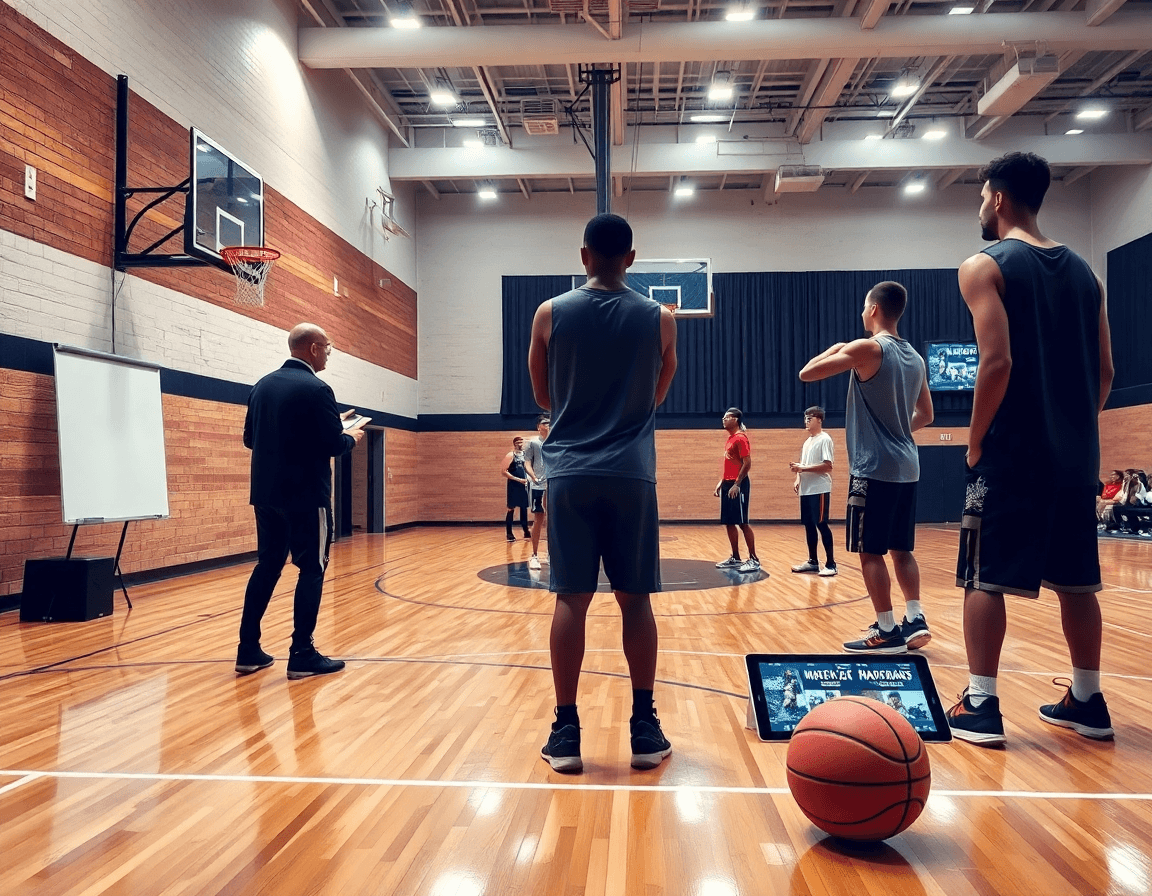
For coaches building a weekly rhythm, the Best basketball shooting drills are the ones that escalate from form to game reps. I structure a 4-week microcycle that kicks off with fundamentals (Form Shooting) and slides into Spot Shooting and Catch & Shoot before culminating in Game-Speed Shooting. In CourtSensei, you lock this in the Practice Plan, share it with assistants, and keep a library of drill variants. On the Whiteboard, I diagram spacing and angles; a quick video clip later shows proper stance and balance. The aim is solid balance and elbow alignment early, then repeatable follow-through.
Week 2 emphasizes rhythm and accuracy: Spot Shooting from multiple spots, steady footwork, and Catch & Shoot at game pace. Week 3 introduces Off-the-Dribble into quick pull-ups and finish angles, keeping Elbows In and appropriate footwork. Week 4 brings Game-Like Shots with movement, screens, and a defender. Each drill is tied to a concrete outcome—Balance, Elbows In, Follow-Through, or Footwork—and progress is measured in the scouting notes and video reviews.
Across the four weeks, the flow stays tight: you assign the drills in the Practice Plan, reference the Whiteboard diagrams for on-floor setup, capture a short video clip for each phase, and circulate feedback with assistants and players via shareable links in CourtSensei. This cadence helps players build confidence with the Form Shooting baseline, then expand range and speed with Spot Shooting and Catch & Shoot, before crunching reps in Game-Speed Shooting.
Form Shooting fundamentals: elbows in, balance, follow-through
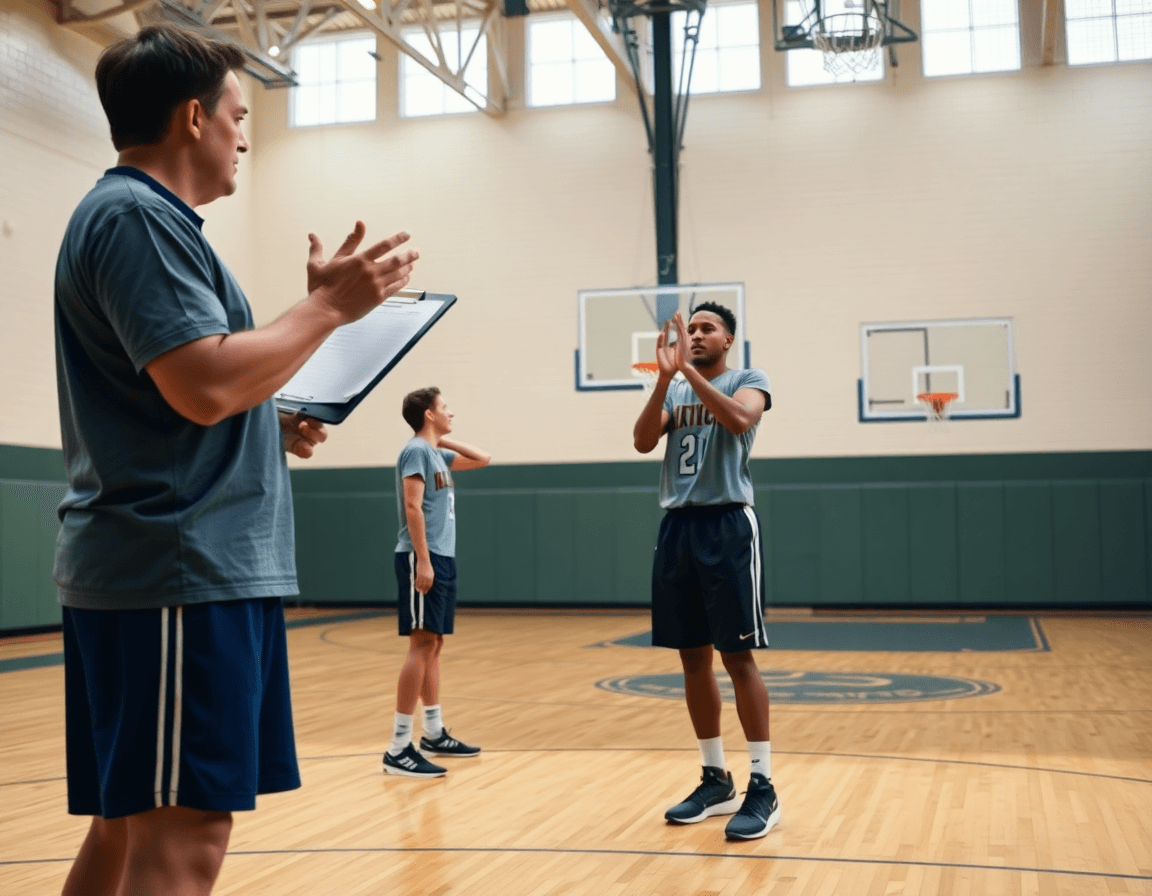
To build a reliable weekly shooting progression, we anchor the early days in Form Shooting. In the plan, I carve out a focused block: mechanics first, then tempo. Prioritize Elbows In alignment, a compact follow-through, and a balanced stance. The reps are measured: two sets of 8–10 from two feet, then a quick balance check before we add pace. This is where the best basketball shooting drills begin—with repeatable form.
On the tactical whiteboard, we diagram the path: elbow in, palm under, wrist relaxed; a straight line from shoulder through the shot. We sketch cues for Catch & Shoot and Spot Shooting, then annotate a quick tempo for the follow-through. The diagram anchors corrections we’ll pull from the video playlist, so the staff can reference the ideal form and the common drift during a session.
Add a short video clip library to reinforce progress: a clean, Elbows In shot, a slow tempo rep, and a few clips showing common faults. Players review in team film, then you assign a Form Shooting drill in the plan for the week. In CourtSensei, you build a video playlist so players can review at home, assistants can leave notes, and reps are tracked by tempo and balance. The workflow keeps everyone aligned—coach to coach, player to player—without losing the thread of mechanics.
As the week unfolds, this form-based base supports Catch & Shoot, Off-the-Dribble, and Game-Like Shots, because the mechanics stay consistent under more dynamic cues. The plan pairs faster pace with the whiteboard cues, then drops in a quick video review to lock in the Elbows In cue and the balance you’ve charted. This cycle sets up the next week’s shooting focus.
Spot and Catch-and-Shoot circuits
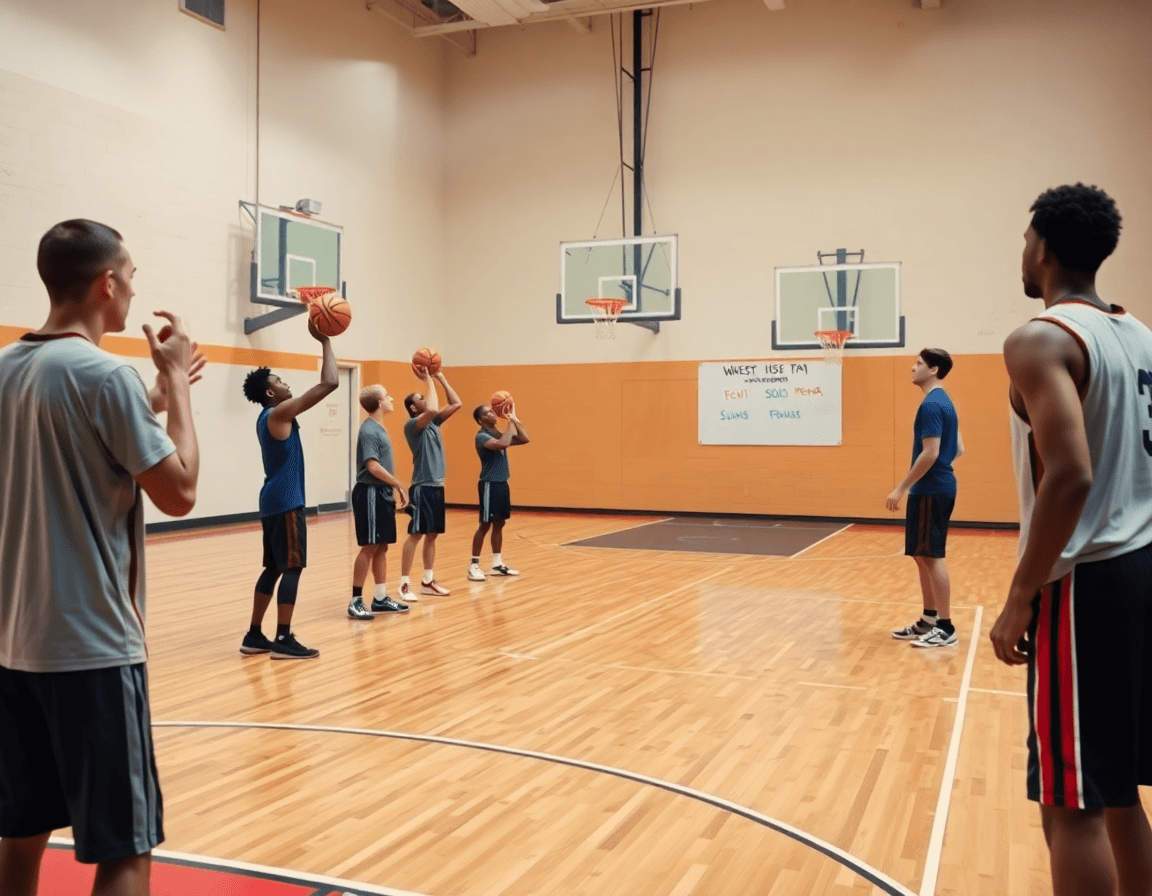
Spot Shooting is one of the best basketball shooting drills you can plug into a weekly plan. We run 5 spots—the elbows, wings, top of the key, and deep corners—with 5–10 shots per spot. The aim is a reliable catch-and-shoot rhythm and clean footwork, so the mechanics stay smooth as we move to higher reps. In CourtSensei, this circuit lives in the Practice Plan and links to a quick video clip in the playlist for easy reference.
On the taktička tabla, I label the spots and sketch the movement paths. Quick feet, balance, and elbows in are the anchors, with emphasis on an immediate ball rise after catch. Use a small diagram to map shots per spot and the preferred sequence. The notes read like Form Shooting cues—keep the mechanics tight—and the whiteboard serves as a real-time checklist for the whole staff.
Each player gets a short video clip from the latest rep, saved into a dedicated playlist. I post a shareable link for the staff and players, so assistants can review rhythm and decision-making anytime. The scouting note flags progress on Shots Per Spot and spots that need extra work. This is where a short video clip paired with the plan helps you see who’s repeating the catch-and-shoot rhythm under pressure.
Progress reps by adding a quick catch, gather, and release sequence to simulate game flow. Start simple, then ramp to pace, a defender nearby, and a quick read to fire. The goal is game-like shots that transfer to the gym floor, not just drills in isolation.
After-action review lives in the scouting notes: track Shots Per Spot, balance, and follow-through. A quick checklist—Elbows In, rhythm, and finish—keeps the week’s focus sharp and consistent.
Off-the-dribble and game-speed shooting
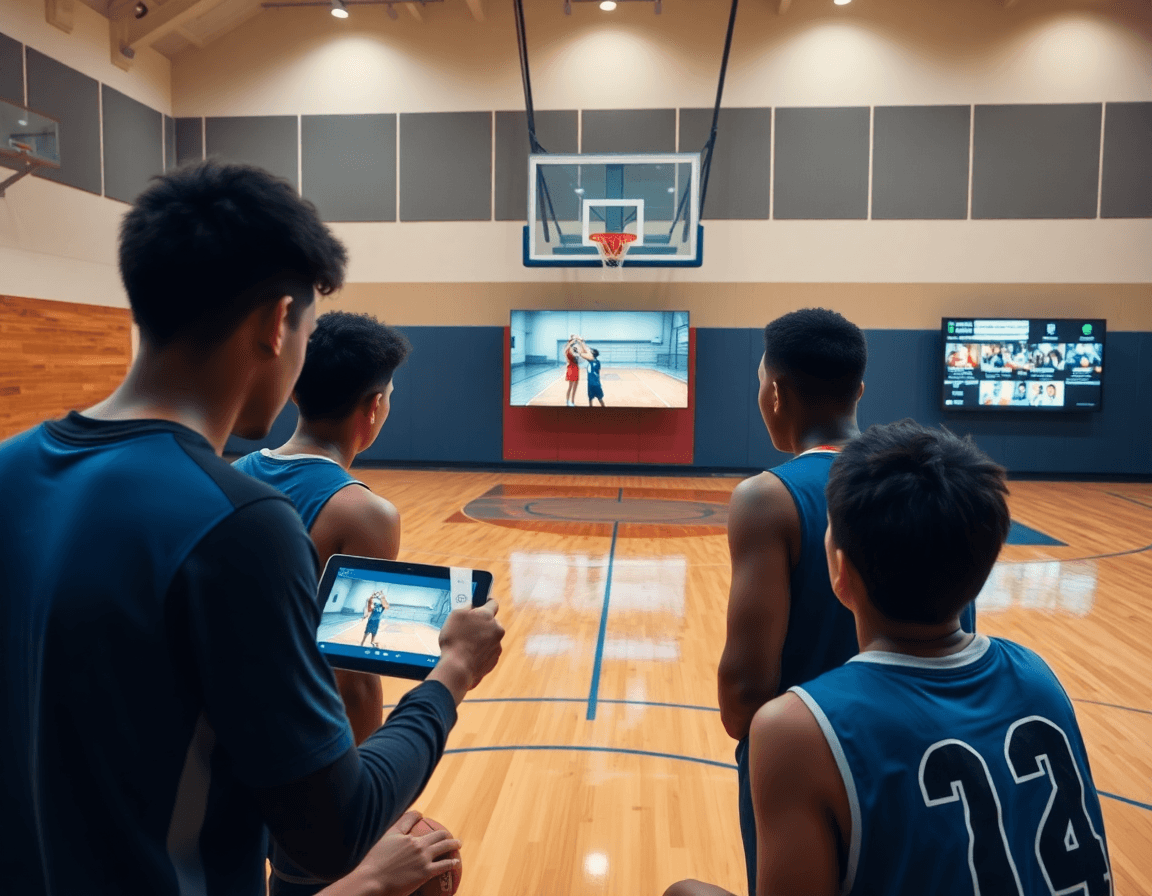
During this week's shooting progression, we anchor the plan with Off-the-Dribble sequences that mirror the primary scoring actions under pressure. Start with a quick Form Shooting baseline, then move into 1–2 decisive dribbles into a pull-up from mid-range. The target is a clean follow-through and elbows in; Balance through the shot, and every rep is logged for feedback. In the plan, I map these reps to three spots and annotate cues on the whiteboard—space, footwork, and when to snap the shot. I pull a short video clip of a model rep to show the rhythm in practice playlists. This fits into the best basketball shooting drills for the week.
As we increase defender presence or tempo to mimic game decisions, the whiteboard fills quickly. I designate a second defender and label game-speed variables: closer hips, quicker closeouts, a post-dribble read. The shots shift from catch-and-shoot to Off-the-Dribble, then Game-Speed Shots. The goal is to maintain a solid Follow-Through under pressure, with Elbows In on every release. After reps, I add a scouting note: release window and entry angle, plus whether defense produced a contested miss. The video playlist highlights the best escapes and common breakdowns for review with the assistants.
Finish with a short stretch of Game-Like Shots to test accuracy under fatigue. I run 6–8 reps in rapid tempo, then pull a clip into the Playlist for quick review with the team. In scouting notes, I highlight spots that produced clean shots and where tempo caused rushed releases, so the next practice tightens the rhythm and re-centers the balance, ensuring a solid Follow-Through.
Video feedback and playlists to accelerate learning
Video feedback stitches form work to game-speed reps into a cohesive shooting progression. In a weekly plan, I clip every drill, label the cues, and have players watch their own shots. With Video Tutorials and HD Video, the best basketball shooting drills become tangible — we move from Form Shooting into game-like reps with clear markers and expectations.
On the floor, I use the tactical whiteboard to map a drill sequence, then in the post-session I export Shareable video clips for assistants and players. The goal is simple: show what good looks like and call out form cues and common faults. I log the results in Progress Tracking to see who’s gaining confidence as the week progresses.
Player-specific playlists let me reinforce strengths and target weaknesses. After each session, I file clips into playlists for Form Shooting, Catch & Shoot, Off-the-Dribble, and Spot Shooting, plus Game-Like Shots as we ramp up. These Playlists become the go-to during prep and post-practice review, giving players a clear path to improvement that fits their role.
Clip and label each drill, highlighting form cues and common faults. A Form Shooting clip might show elbows in and a smooth follow-through; a balance misstep becomes a label to address in the next drill. I also attach a scouting note so the shooter can see how pressure changes things in game-like sequences.
HD Video and Progress Tracking let you quantify improvements across the cycle, from form work to game-speed shots, and adjust the plan in real time.
Practical workflow: 7-day plan for your program
To keep players progressing without overloading them, I assign a 7-day plan using a single practice plan that pulls from our linked drill library. The weekly flow is a clear progression—from Form Shooting to game-speed reps—and it keeps assistants aligned as we move through each day. The goal is a cohesive sequence that translates practice into game numbers, not just drills rattling on the whiteboard.
Day 1: Form Shooting. We focus on balance, technique, and elbows in, building a clean follow-through. This form-focused block is what locks in touch for the rest of the week. I pull the exact sequence from the library and assign it to players and assistants so everyone starts with the same cues. Form Shooting is the anchor, and we lock in Elbows In as a non-negotiable cue for every rep.
Day 2: Spot / Catch-and-Shoot. Reps from multiple spots, stressing a quick release and balance through the pocket and release. We sketch catch-and-shoot sequences on the tactical whiteboard so the team sees angles and spacing, then pull the exact reps from the drill library. Focus areas—Catch & Shoot and Spot Shooting—guide the day.
Day 3: Off-the-Dribble / Game-Speed. Move into reads off the dribble, with emphasis on step-ins, two-dribble pull-ups, and finishing through contact. We pace to game-speed reps but intersperse controlled lines to reinforce form. The library ensures we’re executing the same drills across staff, keeping our progression tight. Off-the-Dribble and Game-Like Shots drive the emphasis.
Day 4: Video Review. Short video clips from the week get organized into playlists that highlight shot reads, footwork, and finish. I assign clips for self-review to players and give quick feedback to assistants during practice. The workflow keeps coaching notes concrete and timely. Video Review and Playlists are the core tools here.
Day 5–7: Light shooting to close. We finish with low-intensity shooting, mobility work, and a quick whiteboard recap. On Day 6–7 we refresh scouting notes and tweak next week’s plan, then push new clips and playlists to players and assistants so the progression stays tangible. Whiteboard diagrams and Playlists help close the loop.
If you build plans like this every week, CourtSensei keeps your drill library, whiteboard, and video clips in one place — try it free.
FAQ
How many shots should my player take in a home shooting workout?
Aim for 40–60 quality reps per session, spread across blocks. Start with a Form Shooting block (2 sets of 8–10 from two feet), then 5 spots x 5–8 shots for Spot Shooting, and finish with 5–10 Catch & Shoot reps at game pace. Prioritize proper balance, Elbows In, and a clean follow-through over sheer volume. Short, focused sessions beat long, sloppy ones.
How often should youth players do at-home shooting workouts?
Aim for 2–4 sessions per week, each 20–40 minutes. Youth players benefit from Consistency, not marathon days. Alternate Focus blocks (Form Shooting, Spot Shooting, Catch & Shoot) and sprinkle in short video reviews. Build in rest days to protect growing bodies and keep motivation high by tracking small wins and progress.
What age should my player start home shooting workouts?
Kids can start light home shooting around age 8–10. Start with Form Shooting—tiny reps, short baskets, a friendly pace—then progress as motor control develops. Emphasize fun, proper technique, and safety; avoid heavy volume or forceful shots. If a child shows interest, keep sessions brief and positive.
Can my player work on shooting without a real basketball hoop?
Yes. You can practice without a hoop by using a wall/backboard, a chair target, or a portable mini-hoop. Focus on form, balance, and release as you visualize going through the hoop. Use video feedback and rebound drills, and run dry-fire reps with a soft ball to protect floors and walls.
How long does it take to see real shooting improvement?
Most players notice real improvement after 3–6 weeks of consistent work, especially when you pair technique corrections with video feedback. Expect gradual gains in form and confidence; track progress with weekly reps and clips, celebrate small wins, and adjust drills if you’re not seeing steady progress.
What are the best basketball shooting drills for beginners?
For beginners, start with Form Shooting to lock elbows-in and balance, then Spot Shooting from five spots to build rhythm, and finish with light Catch & Shoot reps at close range. Keep everything slow, teach proper footwork, and use short video clips to reinforce correct mechanics. Increase pace only after solid fundamentals.