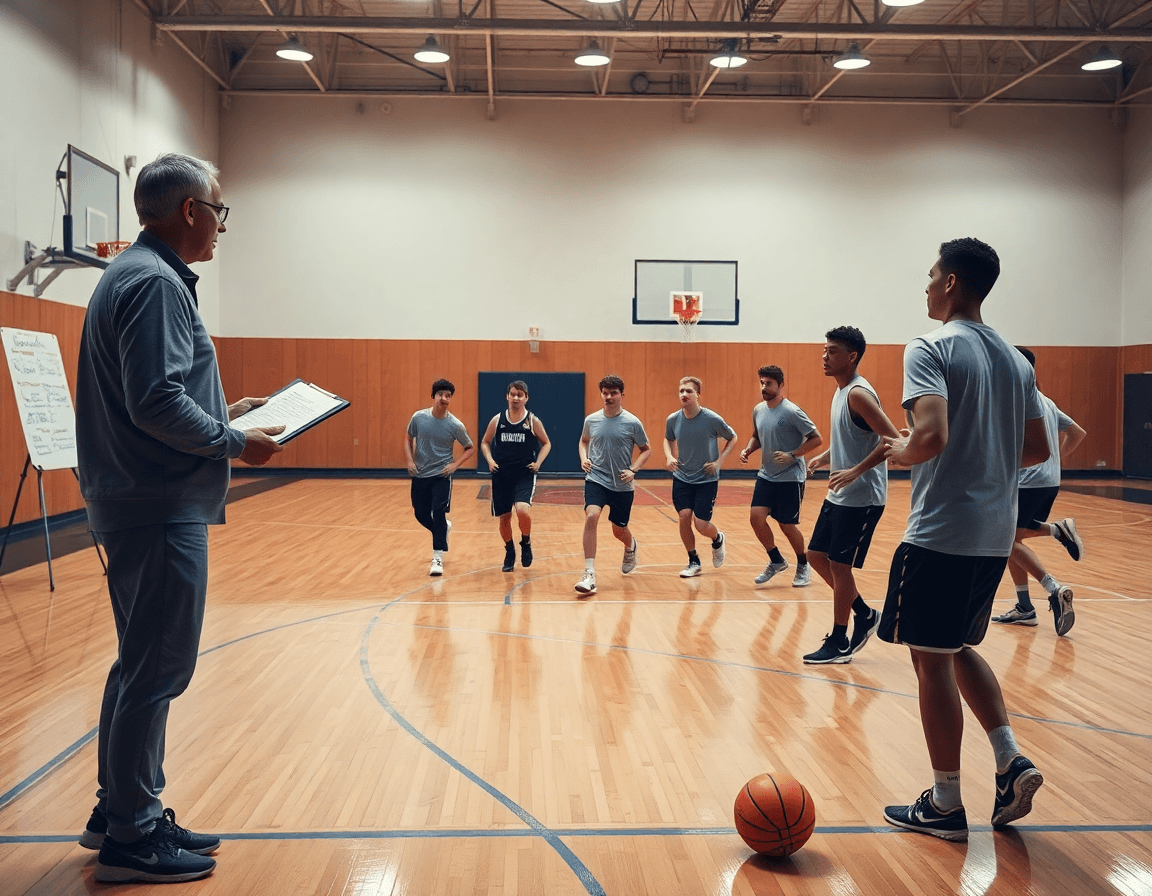
Coaching Basketball Books: A Weekly Coach’s Workflow
Turn coaching basketball books into a practical weekly workflow: translate concepts into drills, diagrams, video, and scouting with a coach-friendly toolkit.

Key takeaways
- Start each week by selecting one leadership idea and one Xs/Os concept from coaching basketball books as anchors to guide practice goals.
- Record the weekly plan in your Practice Plans, attach a few videos, and drop a scouting note on opponent tendencies.
- Translate theory into quick three-minute BLOB/SLOB/ATO/PnR diagrams on the whiteboard and link them to the weekly practice plan.
- Use video clips to illustrate weekly reads, then build player playlists targeting specific decision points.
- Seed a library of drills with purpose, setup, reps, and metrics; link entries to the weekly practice plan.
- Weekly, review and prune entries to stay aligned with our program goals and philosophy.
From the Page to Practice: How coaching books guide weekly planning
Each week, I start by skimming coaching basketball books for one or two anchor ideas—usually a leadership principle and a Xs and Os concept—that fit our roster. These concepts give us a clear objective and a storytelling thread for the week. I pin a simple goal: sharpen decision-making in transition; tighten ball-screen reads in our motion offense. This is where weekly planning starts to feel actionable, because the theory maps to our players and our schedule.
Translate that anchor into practice goals and drills that fit the roster. If the book stresses read-and-attack against ball screens, I build 2–3 progressions: a read-and-attack drill for primary ball handlers, a 2-on-2 decision drill from the break, and a defender-rotation drill to reinforce proper recoveries. The aim is to pair technique with decision-making so players feel the tempo of game reads. By the end of the week, we’ve mapped dialogue from the page into tangible on-court outcomes.
Record the weekly plan in a dedicated Practice Plans within your library so assistants can run the same flow. In the plan, attach a few videos that illustrate the key reads and drop a scouting note on what the opponent will try to take away. On the floor, we use the Whiteboard to diagram BLOB/SLOB/ATO sequences and tie them back to the concepts from the books. By week’s end, the objective is clear: translate theory into outcomes you can measure in the next game. A short playlist keeps feedback tight and aligned with the week’s plan.
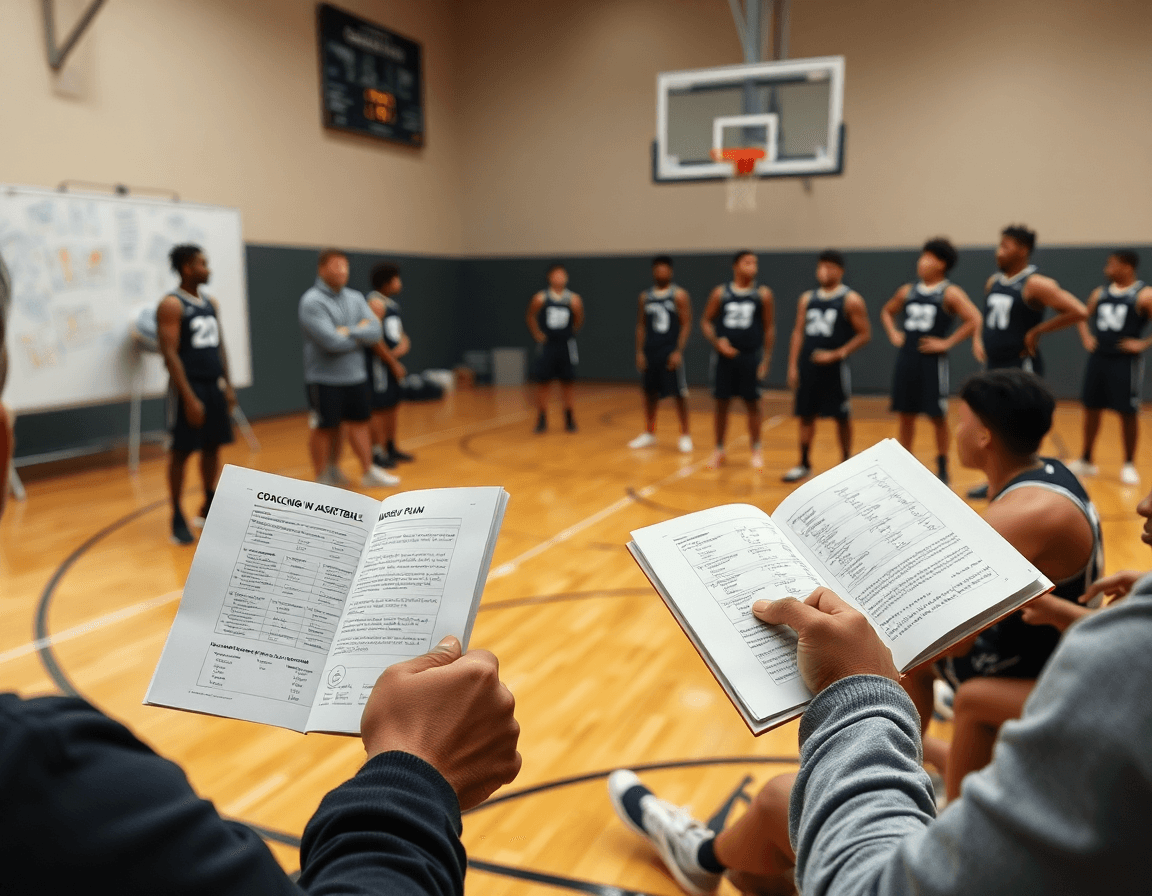
Create a Practice Library of Plays and Drills Inspired by Readings
Every season I treat reading as a workshop for my squad. I pull concepts from coaching basketball books and translate them into a living library of drills that covers offense, defense, and transition. Organizing by category helps me map Xs and Os to concrete floor reps. When I open the plan for the week, I want to see a clear link between the page I read and the drill on the floor. The first step is to seed a few core entries in the library of drills that reflect motion offense drills, a few strong option plays out of the PnR, and disciplined defensive rotations.
Document purpose, setup, reps, and success metrics for each drill. For example, a motion offense drill built from a chapter on spacing should list the objective, setup (half court, cones, 4 on 4), reps (5 passes, 2 reads), and metrics (points per possession, time to decision). This is where turn books into drills becomes practical: translate theory—spacing principles or late-transition reads—into repeatable, coachable reps. I also draft a variation to address different skill levels and to keep players engaged without losing the core teaching.
Once the drill is in the library, I link it to the practice plan and create a shareable link that assigns it to groups or individuals. I’ll attach a short video clip showing setup and a couple of reps, then drop a scouting note with reads or counters. I also save key entries to playlists for quick access during a session. Weekly, I review and prune entries to stay aligned with our program goals—philosophy of coaching, leadership in basketball, and our offense/defense strategies. The result is a living, coaches-only tool you can pull into any weekly workflow.
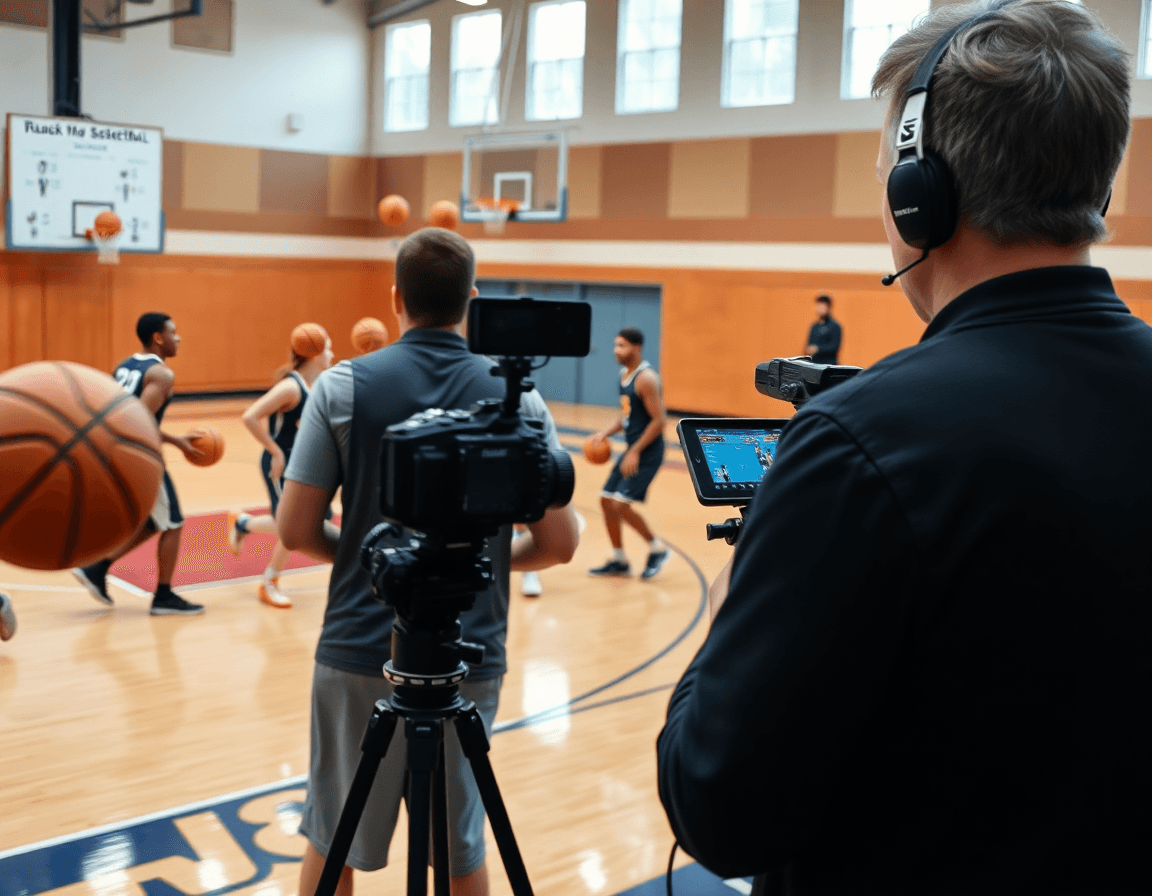
Translate Theory into Tactics with Whiteboard Diagrams
From coaching basketball books, I pull concepts on motion offense, defensive rotations, and decision-making under pressure. The moment a new idea lands, I translate that theory into crisp BLOB/SLOB/ATO/PnR diagrams on the whiteboard. These diagrams become quick teaching tools that let players see the Xs and Os at a glance, not just hear about them. I sketch both the setup and the reads, so staff and players can reference the same cues during drills and film sessions. The goal is to capture a chapter’s insight in a three-minute diagram that fits into today’s practice block.
Once the diagrams are ready, I tie them into the weekly practice plan. The same Xs and Os language from the book surfaces in the diagrams, shaping how we attack practice blocks on offense and how we defend them. I export the diagrams to PDF for staff meetings and player handouts, so everyone sees the same teaching points. During drills, I annotate the diagrams with expected reads and decision points, turning the board into a live guide that translates theory into execution.
On a recent week, I pulled a leadership in basketball chapter that maps to how we use reads in a PnR. I turn the idea into a simple diagram plays diagram: the ball handler hits a mid-pick, reads the defender’s angle, and the screener's pop or roll options pop depending on help. The drill focuses on two reads: if the hedge is shallow, attack; if the helper dips, skip to the wing. In the huddle I point to the board, narrate the reads, and we watch a short video clip that mirrors the diagram. Over the week, this approach lets us translate theory from the book into tangible on-court habits—part of the broader Xs and Os framework we’re building in youth basketball coaching.
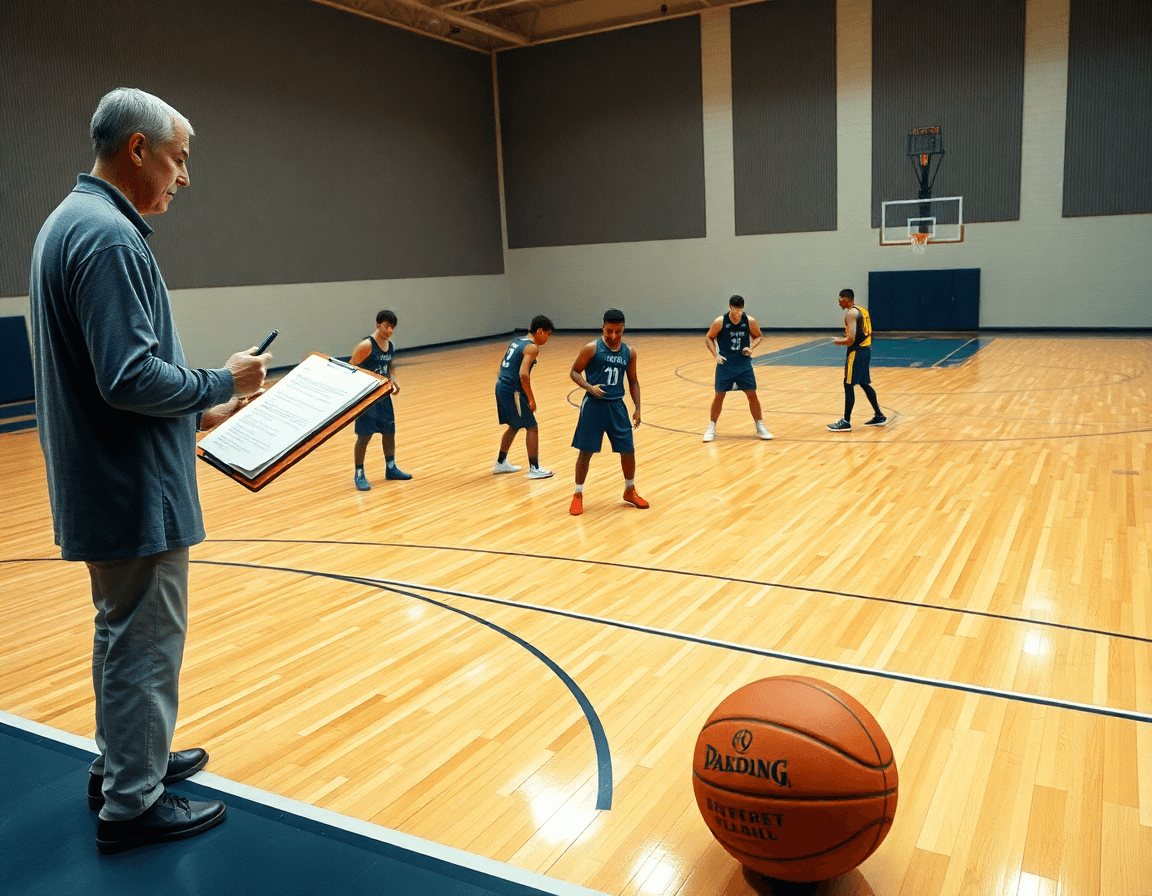
Video Clips: Reinforce Book Concepts with Real-game Examples
As a coach who uses CourtSensei daily, I start the week by pulling ideas from coaching basketball books—leadership, philosophy of coaching, and the Xs and Os—and translate them into concrete on-court actions. I pull short game clips that illustrate the principle in action: a motion offense read at 4-out, a defense rotation in a scramble, a late-game decision in a small-ball lineup. I clip and label each video to match the concept and the matchup, then store them with the weekly plan for quick access during planning and practice. video clips help bridge theory and what we actually run.
To reinforce those reads and options, I build player playlists that target specific decision points. A playlist might collect clips showing how to attack a drop coverage, how to read a ball screen, or how to secondary break in transition. Each clip is tagged with where it belongs in the read and option tree (reads and options). Players can watch the playlists before or after sessions, giving them a mental model to apply during drills.
Finally, I embed clips in the practice plan so the context is clear before we start. A 30–60 second clip lands on the page, showing the exact read we’re about to drill, then we run the drill with that lens in mind. After the period ends, we pull another clip for quick feedback—this time showing a better outcome or a mistake to avoid. It keeps the learning loop tight and builds a real link between what we read and what we execute. practice plan and embed clips.
Scouting and Opponent Prep Driven by Coaching Books
Every week I start by skimming coaching basketball books to remind myself what matters under pressure. The insights I pull—leadership approaches, pacing, and how teams adjust to ball-screen action—get folded into our weekly workflow. I map ideas to opponent tendencies and push them into CourtSensei as a living plan and a set of scouting reports. coaching basketball books | scouting reports
From a chapter on motion offense or defensive guard rotation, I pull one or two actionable concepts and drop them into the plan for the week. On the Xs and Os page, I sketch a simple approach to the opponent's tendencies and decide what to drill in Practice Plans. The goal is to turn theory into something we can execute on the floor.
Next, I build scout plays that answer the opposition's frequent actions. Those plays live as short diagrams on the whiteboard, then become short video clips for the team. I attach a concise scouting memo to weekly game prep and walk the staff through it in our game-planning huddle. The memo highlights the key action to disrupt and the preferred counter.
On Sunday, before travel, we review a clip or two from the opposition and compare it to a page from a coaching book. We finish with a quick discussion: which adjustments will move the needle, which scout plays are feasible, and how to weave these ideas into our practice plans and video playlists. The cycle keeps us sharp and unified when we hit game night. Video clips | Playlists
Practical Weekly Workflow: Turn Pages into Practice (Step-by-Step)
Coaching basketball books offer big ideas, but the real value is turning pages into a workable weekly routine. Each week I pull a chapter that aligns with our season goals and distill it into 2-3 actionable ideas you can drop into your plan with CourtSensei. That means turning theory into a practical flow—using Practice Plans and Whiteboard diagrams, plus Video clips, Scouting reports, and Playlists—all in one streamlined workflow.
Step 1: Choose a book/chapter and distill 2-3 actionable ideas. These ideas become the seeds you’ll test on the floor, shaping what we emphasize in drills and decision-making during games.
Step 2: Map ideas to your current roster and season goals. Identify who benefits most from each concept, and decide when to spotlight it in the plan so the squad progresses toward the week’s priorities and the bigger targets.
Step 3: Implement in the practice plan library with diagrams and drills. Attach the ideas to specific sessions, and pair them with the corresponding on-court visuals so assistants can execute the plan consistently.
Step 4: Create and assign video clips that illustrate the concepts and build a playlist for players. Short clips from practice or games help players see the action and link directly to the drills they’ll run.
Step 5: Prepare a scout memo for the next opponent and discuss with staff. Translate scouting notes into concrete adjustments for both offense and defense.
Step 6: Review outcomes and adjust for the following week. Compare results to the targets, refine the plan, and tighten the loop between pages and practice.
If you build plans like this every week, CourtSensei keeps your drill library, whiteboard, and video clips in one place — try it free.
FAQ
What are the best basketball coaching books to start with?
Start with titles that cover core areas: leadership and Xs and Os. They set a weekly planning framework and help you translate theory into practice on the floor. Look for clear principles, practical drills, and quick takeaways you can map to your roster. Build your library by choosing books that fit your program's level and goals.
Which basketball coaching books are most useful for youth coaching?
For youth coaching, seek titles that stress simple progressions, development over wins, and clear communication. They help you build habits, leadership, and a positive culture. Translate ideas into short, age-appropriate drills with concrete outcomes. Use analogies and stories that resonate with younger players so concepts actually stick.
Which famous basketball coaches have written books?
Many legendary coaches share their thinking in memoirs/biographies. Look for titles that reveal decision-making, leadership, and culture building. They can sharpen your own philosophy and give you language to share with the team. Use their examples to frame your program without copying, then adapt to your roster and setting.
What is motion offense and which books cover it?
Motion offense is a spacing-driven approach built on reads and continuous ball movement. Look for books that explain spacing, reads, and options from multiple setups. Translate the theory into practice with diagrams and drills, then layer reads into transition and ball-screen situations. Build your playbook as a living reference for players to trust.
How can books help with leadership and team culture in basketball?
Books can give you repeatable leadership models and a language for team culture. Pull principles that fit your program, then codify them into routines, rituals, and accountability. Use weekly themes to unite players and staff, and measure progress by behaviors as much as by points. Let literature steer your communication and expectations.
Where can I find official coaching handbooks for basketball?
Start with official handbooks from your governing bodies and associations—NFHS, NCAA, and league clinics. These volumes spell out rules, safety, practice structure, and ethics, providing sanctioned language you can drop into your weekly plan. Pair them with your read-to-practice workflow to keep plans compliant and clear for staff and players.
How can coaching books improve practice planning?
Treat reading as a weekly workshop. Pull a few anchor ideas, then translate them into a library of drills and a concrete practice planning flow. Link pages to drills, playlists, and notes, so assistants run the same rhythm. Revisit the plan after each game to prune and refine based on results.