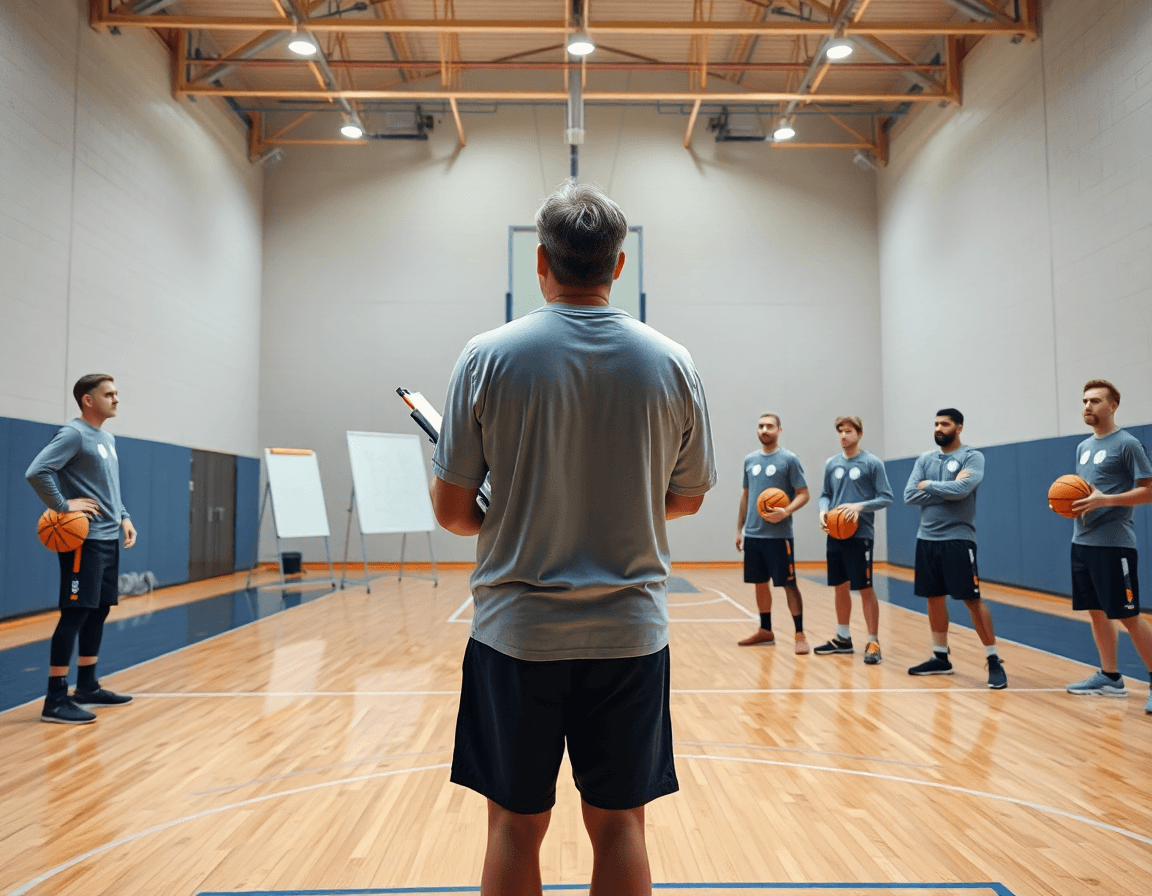
Easy Basketball Plays for Beginners: A Coach’s Weekly Plan
Coaches learn to implement easy basketball plays for beginners within a weekly plan, with simple diagrams, clear coaching cues, and a practical 60-minute workflow.

Key takeaways
- Choose two to three beginner plays for the week and lock your practice tempo.
- Structure drills around a simple progression: pass-and-cut and screen-and-roll, emphasizing reads and early execution.
- Use 3-out 2-in or box formation to teach spacing consistently in practice.
- Record quick clips and build a shareable playlist for review and accountability.
- Monitor common pitfalls like spacing and indecision, then loop back to inbound reads.
Why beginner-friendly plays fit a weekly plan
As a head coach, I lean into easy basketball plays for beginners because they reinforce core concepts and keep the week focused. These beginner plays lock in spacing, cuts, and ball movement—things players can master in a tight window. The plan is simple: limit the playbook this week to 2-3 concepts so tempo and mastery stay aligned with practice priorities. With CourtSensei, you run all that from a single coaching toolkit: practice plans, whiteboard diagrams, video clips, scouting notes, and shareable playlists.
Pick two concepts for the week and build them into your drill progressions. For example, a simple pass and cut out of a 3-out 2-in formation and a basic pick and roll that can be run from a box formation or five-out depending on personnel. When players see it in the plan, they understand the reads: screen, cut, and backdoor timing, or where the ball should move to beat the defense. These are your starter plays—the ones they can execute with confidence.
Align this week's plays with your goals: foundation spacing, decision-making, and finishing at the rim. Start with spacing drills that emphasize lanes and timing, then layer reads off the inbound pass and cutters. If the defense shows zone looks, you can swap in a zone defense counter or adjust to a five-out offense emphasis. Keep it practical and repeatable.
Your workflow matters here: outline the plan in the weekly practice plan, diagram each action on the whiteboard, run through it with the team, and clip a quick sequence. After practice, save the moments as short video clips, attach a scouting note for each opponent, and drop a shareable playlist for players to review. These tools accelerate learning for new players and keep everyone on the same page in a single coaching toolkit.
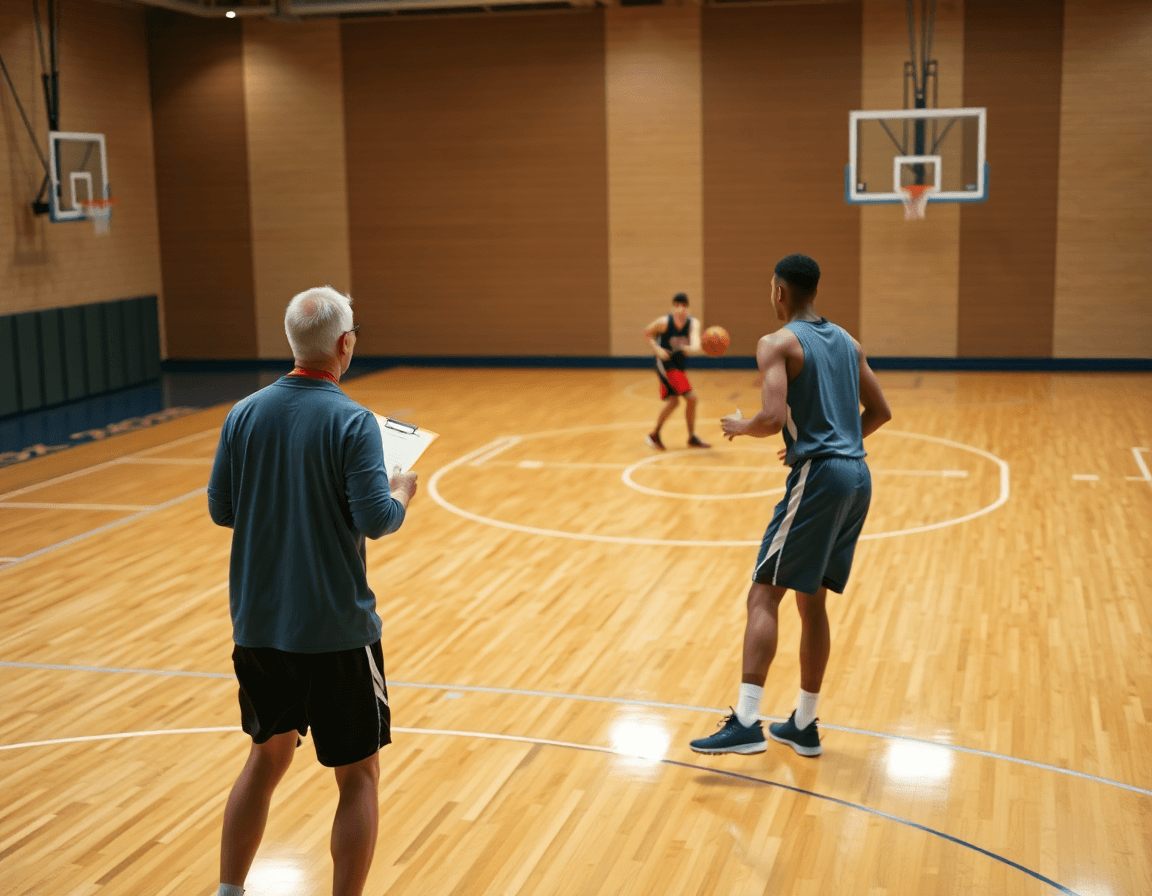
Classic easy plays you can implement this week
These classic plays slide neatly into a coach’s weekly plan. Start with Ghost and Isolation. Ghost uses simple motion to create spacing and read passes; focus on timing and lane alignment. Isolation trains 1-on-1 decision-making with clean spacing and purposeful footwork. Diagram the options on the whiteboard from a 3-out 2-in or five-out look, then run a short shell in 5-on-5 to build comfort. In your plan, a short video clip of a couple sequences reinforces the reads, dropped into a shareable playlist for players and assistants.
Flip and Yo-Yo: quick ball movement into reads-based action for a dribble-drive or kick-out. From a simple formation, the ball reverses and the cutter reads the defense. Use a concise short video clip to highlight the read, and note it in scouting notes for future reuse. Keep the timing tight so it translates to 5-on-5 with minimal misreads.
Cross BLOB / Cross SLOB: staggered screens to create late separation for shooters or bigs. Diagram two screens across the lane, then read the defense for the shot or drive. This works well in a box formation look or five-out offense. In your scouting notes, track defender adjustments and add the sequence to a quick playlist for revision. Notes: adapt to man vs. zone defense; keep plays simple and repeatable in 5-on-5.
Quick Stagger: two stacks of screens to free a shooter or ball-handler. Pair it with Screen & Roll (P&R) to teach the ball-handler to read a big-to-guard action. Use a basic inbound pass flow to start, and repeat the sequence in 5-on-5 until it becomes second nature. Document reps in scouting notes and share a short video clip with your squad.
Step-by-step setup and coaching cues
Step-by-step setup begins with choosing a formation and assigning roles for each play. Start with a simple option like the 3-out 2-in formation or the box formation, so spacing is clear and decisions are repeatable. In the plan, you map the inbound pass options and ball-side cuts on the whiteboard, then pull a short video clip to show how the actions look in motion.
For every action you diagram, clearly define the read and the finish, plus the key decision point. For a basic screen and roll, the guard reads the big’s drop, then either pops to the perimeter, slips to the rim, or delivers the roller pass, the classic pick and roll option. The inbound pass starts another option if the defense overplays the initial look. If you face a zone defense or five-out offense, adjust the reads accordingly to keep the sequence clean.
Use simple, consistent coaching cues and demonstrate with a quick on-ball and off-ball sequence. For example, cue the ball handler to “read the screen, then attack,” while the teammate away from the ball slides into a clear zone and relocates. Keep the cues consistent across formations like the 3-out 2-in formation or the box look so players know what to expect during the live rep.
Progressions: start slow with walk-throughs, then add pace and in-game decisions. In the early reps, keep it to one read and one finish at a time, using a short video clip afterward to reinforce the sequence. As you escalate, simulate late closeouts and decision delays that a coach would call out in the plan and on the whiteboard.
Common pitfalls show up fast: early indecision, poor spacing, mis-timed screens. Tackle them with quick feedback and rep practice, looping back to the inbound pass and pass-and-cut options to restore rhythm.
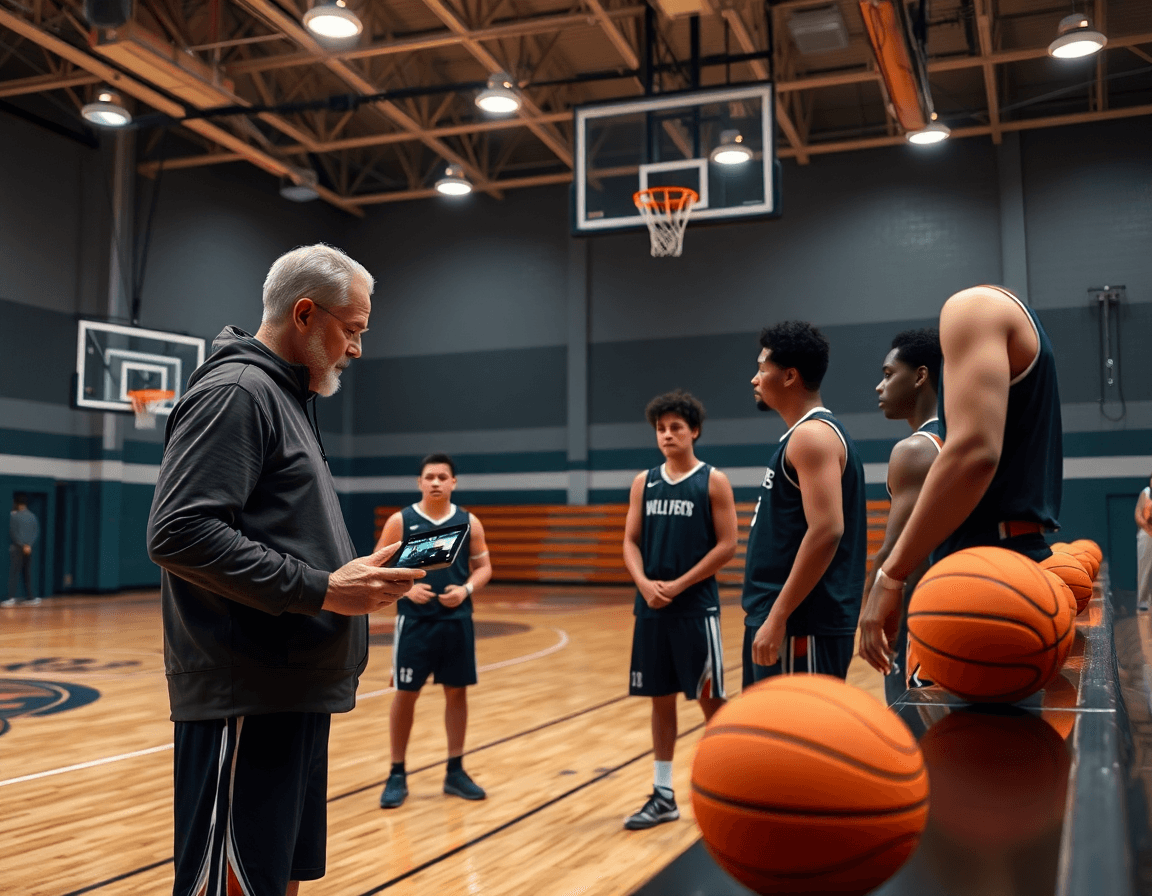
Practical workflow: from plan to on-court execution
As a coach moving through the week, I start with a simple aim: a weekly plan built around two to three easy basketball plays for beginners. In the blocks, I map spacing, timing, and ball movement—think a basic 3-out 2-in formation to teach spacing, a box formation for inbound sets, and a simple inbound sequence. Reps stay repeatable and progress steadily.
Diagram on the whiteboard, then export a quick PDF for assistants and players. This workflow keeps us aligned: I sketch the action, label the reads (pass-and-cut, screen-and-roll), and drop in call-outs for when to flash a cutter or slip to the rim. I also note scouting notes on opponent tendencies for the week. The PDF clarifies expectations before drills begin.
Create a short video deck showing each play’s setup and cues to reinforce on-court reps. I link in the inbound pass and pick-and-roll reads, then cut clips for players to study during warm-ups. A 90-second clip per play makes the schematic feel concrete rather than theoretical.
Assign plays to practice slots and share with assistants for feedback during drills. The plan slots each play into specific time blocks, so drills flow and players get crisp reps. We also publish shareable playlists of the clips so players review on their own and coaches comment in real time.
After drills, I review progress with clips to reinforce learning and adjust the next week’s plan.
Video clips, playlists, and player feedback
When you’re teaching easy basketball plays for beginners, the workflow matters just as much as the play itself. Start by building a compact library of video clips that illustrate each play’s setup, read, and finish. In the plan, I’ll pull a short clip from a recent workout showing a quick pass into a screen and roll, then cut to the read and the finish. On the whiteboard, I diagram the sequence (Ghost, Isolation, P&R) and export a clean, shareable PDF so assistants can review with players. This is where video becomes a practical training aid, not a gimmick.
Create playlists by play type and share with players for review. A simple set—playlists for Ghost, Isolation, and P&R—lets you organize clips by category and push them to players after practice. Shareable links get assigned to each pupil, so you can track who watched which clip and when they revisited it during game week. When you’re working with beginner plays, a quick inbound pass into a box formation or a five-out offense can be dissected in a few tight clips, then distributed for study before the next drill session.
Encourage players to feed back after clips and fold that into the next practice. After a session, I ask for one area each player saw as a strength and one thing to improve, then I update the scouting notes to reflect trends or recurring questions. This loop—clips, feedback, scouting notes—keeps the team aligned and focused on continuous improvement across games.
Keep clips short, focused, and aligned with your weekly skills goals. The aim is to reinforce the basics of beginner plays, like a simple pick and roll or a pass-and-cut, without overloading reps. A well-curated set of clips supports consistent progress, helping players internalize the moves that translate to real-game reads.
60-minute beginner-friendly practice checklist
Running a 60-minute practice with beginners is about clean flow and clear progression. In the plan, we start with a Warm-up and quick ball-handling (6-8 minutes) to wake up the feet and hands. Keep it simple—soft passes, two-ball dribbling, and finish with a couple of controlled moves to build confidence with both hands. Then we move to a couple of easy plays that teach spacing and reads.
Teach 1-2 plays with a simple progression: allocate 10-12 minutes per play, counting setup, reads, and adjustments. Start with a basic 3-out 2-in formation and a box formation, then add an inbound pass and a first read. Use the whiteboard to diagram the action and the clips in the playlist to reinforce the cues.
Drill portion: 12-15 minutes of station work focusing on spacing and decision-making. Set up three stations: one for pass-and-cut and timing, one for a simple screen-and-roll/read, and one for inbound passes and outlet decisions. This keeps players in motion, builds recognition, and mirrors the playbook in the plan. Use a short video clip at each station to lock in the rhythm.
5-on-5 reps: 15-20 minutes using the selected plays in a controlled scrimmage. Players switch lines to run the chosen actions in spaced sets—often a five-out offense against a basic zone defense, with occasional box or 3-out looks. The goal is to translate the reads from the whiteboard into live reads and a real flow, not perfection.
Review and video: 5-8 minutes, highlighting key cues and adjustments for next session. Come back to the whiteboard and the scouting notes from the opponent to shape next week’s plan. A quick, shareable playlist with the best clips keeps players aligned—each clip shows the inbound pass, the pass-and-cut, or the screen-and-roll reads they need to master.
If you build plans like this every week, CourtSensei keeps your drill library, whiteboard, and video clips in one place — try it free.
FAQ
What are easy basketball plays for beginners?
Think of this week as a two to three concept plan. Start with the basics like the pass-and-cut and the pick-and-roll to build spacing, cuts, and ball movement. Keep the week simple, repeatable, and adjustable to personnel. Use a short shell drill, then 5-on-5 reps, and finish with a quick video clip to reinforce reads. This approach helps beginners gain confidence quickly and stay aligned with practice priorities.
What is the Ghost play in basketball?
The Ghost is a motion based starter that creates spacing and easy reads without heavy screens. Teach simple timing, lane alignment, and read cues. Run it from a 3-out 2-in or five-out look, then simulate the reads in a short 5-on-5 shell so players feel timing and space. Clip a couple sequences and add them to a shareable playlist for quick review.
What does Isolation mean in basketball offense?
The term isolation describes giving a ball handler space to attack one-on-one. In practice, preserve clear spacing, avoid crowding, and emphasize decisive footwork and finishing at the rim. Teach with simple progressions: two-on-two reads leading to 1-on-1 reps, then add defenders. Use quick cues like read the help and attack, then kick to shooters if help arrives.
How do you run a Screen and Roll for beginners?
Start with a solid Screen and Roll from the big, then the guard must read the defense after the screen. The options are to pop to the perimeter, slip to the rim, or roll to the hoop and pass. Use a simple 3-out 2-in or box formation to teach spacing, then ramp to 5-on-5. Use a short video clip to show the action and keep the cues consistent.
What is a Five Out offense?
Five Out keeps all players around the perimeter with no post presence. The goal is constant ball movement, patient spacing, and driving lanes created by movement. Teach reads like drive and kick, screening options, and how to reverse the ball. Start with 3-out 2-in or box formations to introduce spacing, then progress to 5-on-5 execution.
What is Cross BLOB in basketball?
Cross BLOB and Cross SLOB are staggered screen actions that push shooters and bigs to late separation. Set two screens across the lane from a box or five-out, then read for shot or drive. Adapt to defense, track adjustments, and keep it simple for 5-on-5. Use scouting notes and quick clips to reinforce the sequence.