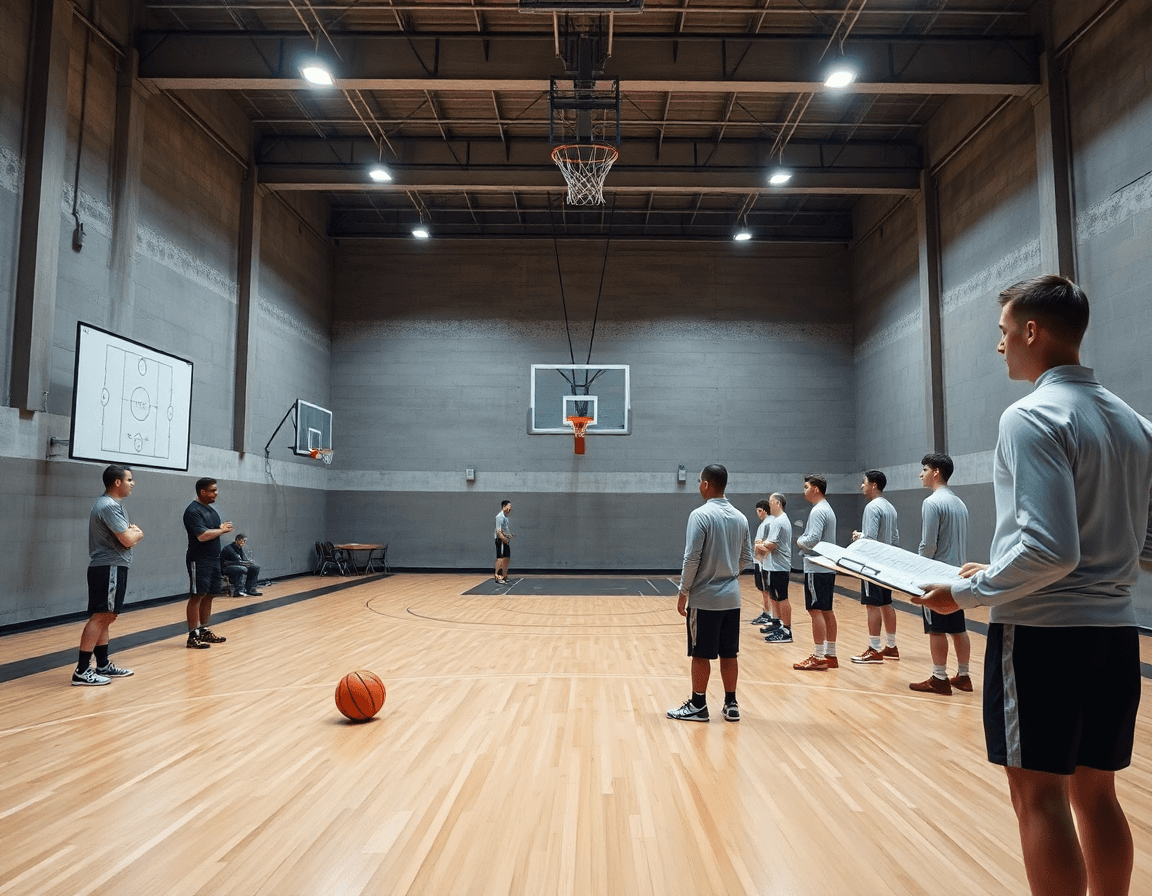
Game Plan Basketball: A Weekly Coach's Blueprint
Master a weekly game plan basketball for coaches: step-by-step practice planning, play diagrams, scouting, and video review to implement with your team.

Key takeaways
- Define your team's game plan identity early, anchored to pace, defensive identity, and opponent counters.
- Translate that identity to the whiteboard and video, creating a concise coach-to-coach statement.
- Anchor weekly practice plans to core actions—spaces and transitions—and adapt via scouting notes.
- Incorporate a clear play diagram library and reusable playbook pages for quick prep.
- Use scout reports to tailor counter plays and assign responsibilities in drills and games.
Define your team's game plan identity
Define your team's game plan identity starts with three questions: What pace will we play? What defines our defensive identity? What counters do we rely on against the opponent’s schemes? In our weekly workflow, we lock these in first on the plan and translate them to the whiteboard and a few video clips. The core is a concise, coach-to-coach statement you can share in the locker room—something your assistants can reinforce in drills. That identity becomes your compass for every practice plan and scrimmage, shaping your team strategies for the week. Think of it as your game plan basketball—a weekly loop from plan to whiteboard to video.
Anchor the identity to personnel strengths and weaknesses, creating a short list of primary actions (sets, cuts, transitions). This anchors the weekly design in your practice plan: what we run on Monday to prep for Tuesday's execution. If our best lineup features a stretch 4 and a quick guard, we lean into spacing, ball movement, and timely cuts. Outline these as actions you can diagram on the whiteboard and fold into the playbook for reuse in later games.
Link identity to the scouting data you gather; outline how you’ll adjust if opponents scout you. Our weekly scouting notes flag opponent tendencies—how they defend ball screens, who chases shooters in transition defense, and where their help-side collapses. If the rival adjusts, we add a counter in the playbook and mark a short video clip illustrating the change. That adjustment becomes part of the game plan you run through on the whiteboard and in your next practice drills.
Build a weekly practice plan that supports the plan
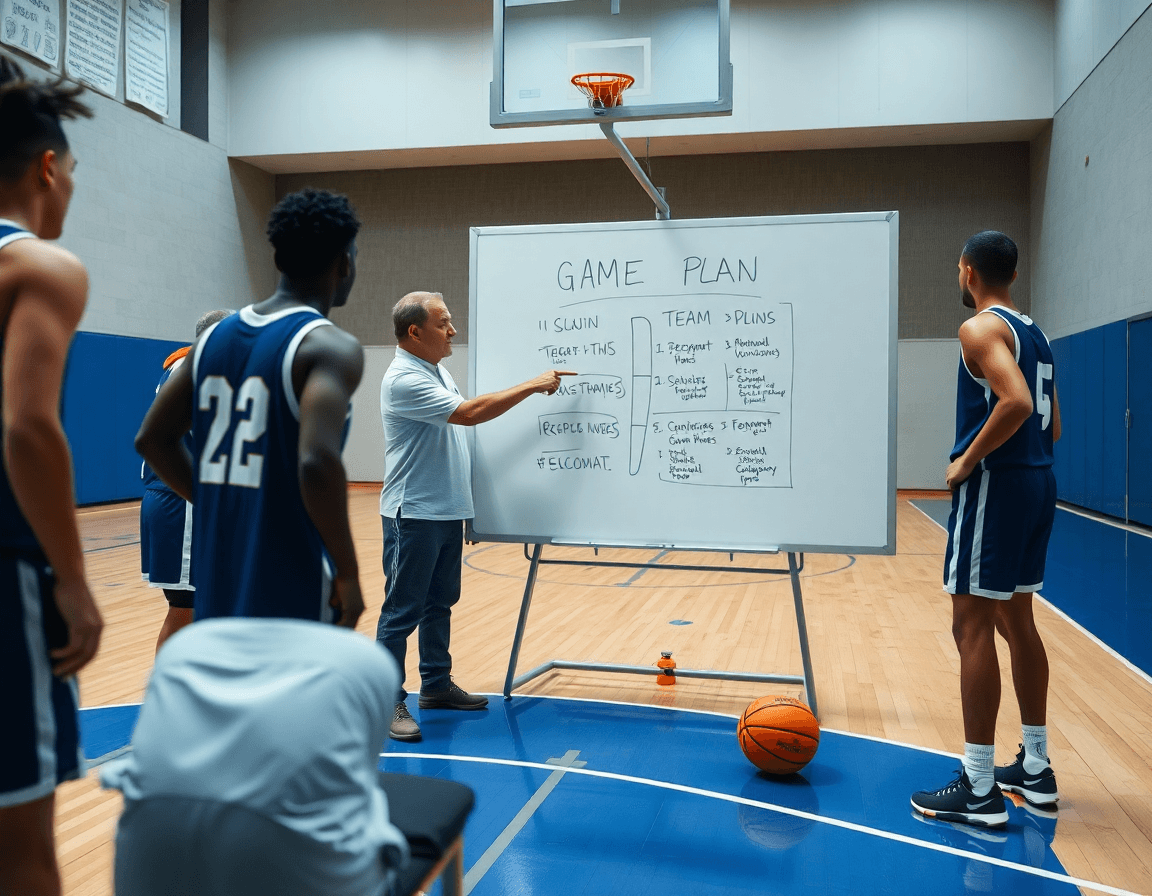
Build every week with a clear game plan in mind. Structure practice around that plan: warm-up to wake the legs, skill and drill work to sharpen technique, team concepts to build spacing and decision-making, and situational installs that mirror late-game decisions. When the plan is explicit, players know what to expect and assistants know what to coach. A steady rhythm keeps us from wandering into filler reps and frees up time for the actions we need to own—cutting, screening, and decision windows that matter most against our upcoming opponent.
After the opener, allocate time for install of core offensive/defensive actions and transition priorities. We start with a quick walk-through on the whiteboard, then run the sequence in a controlled drill, and finish with a live look in a 3v3 or 4v4 that simulates game pressure. This cadence locks in timing, rep count, and spacing, so the team leaves practice with a crisp understanding of what to execute when the shot clock ticks down.
Leverage the Practice Plans to schedule sessions, track progress, and share with assistants. I drop in notes on the week’s objectives, attach a short video clip of the best reps, and add a scouting note for the upcoming opponent. The workflow—plan, diagram on the whiteboard, quick video review, and scouting update—keeps our weekly cycle tight and repeatable, so the team is ready to apply the game plan in scrimmage and in the real thing.
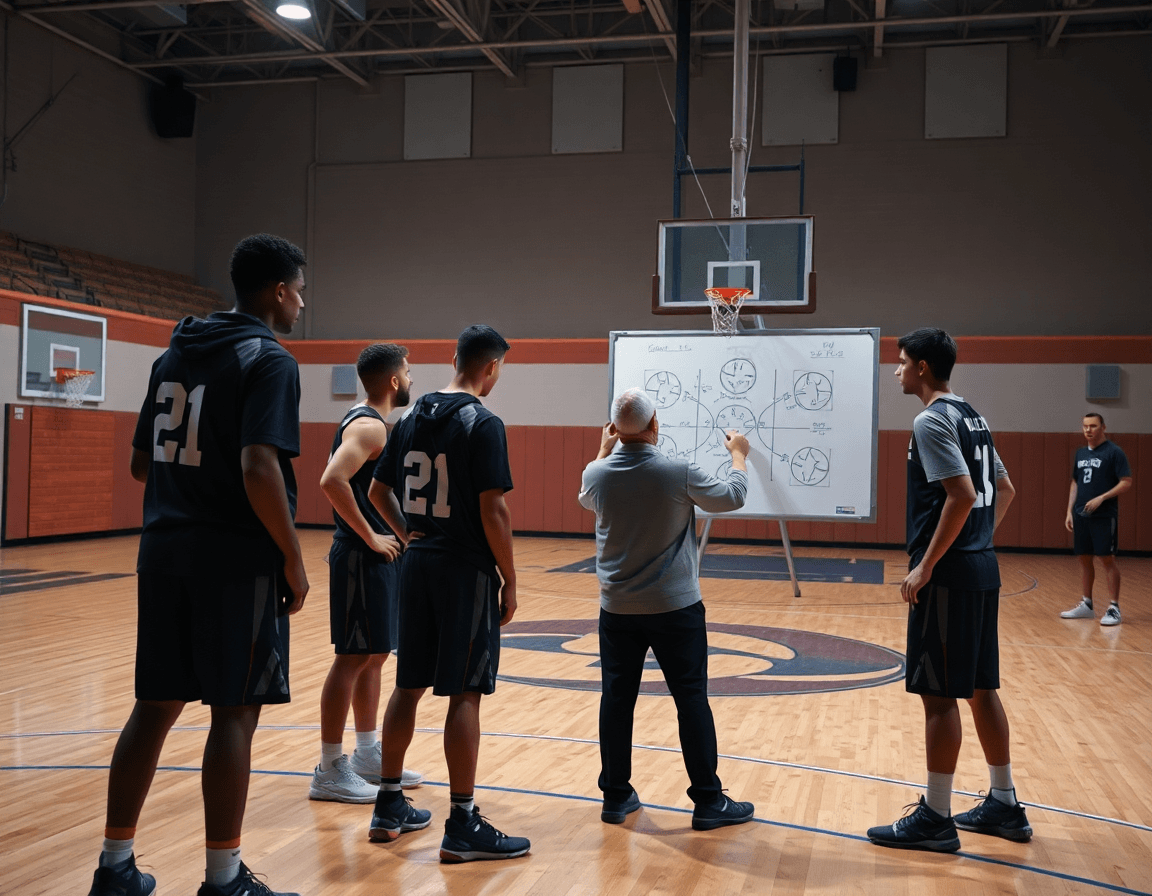
Diagram and organize your plays and sets
Diagramming is where your weekly game plan basketball strategy turns into action. A whiteboard-style diagram lets you map every play and set, from BLOB/SLOB/ATO/PnR actions to the defensive identity you want the scout team to replicate. Color-coded lines show spacing on the court layouts, the angles of screens, and how the ball moves through different options. When players can trace a sequence from break to finish, your practice plan gains clarity and purpose.
Create a reusable Playbook page for each set and export PDFs for staff and players. Each page becomes a reference point—text, diagrams, and notes living together so the team can prep quickly before scrimmages or film work. Store diagrams in a library for quick access during practices and film sessions.
During practice and film sessions, you pull up that library, run a few drills, and align players with the same diagram you ran in the plan. Use the diagrams with court layouts to reinforce spacing and timing—like a quick reference when you call a set for a live scrimmage. This integration—diagram, plan, video clip, scouting notes—lets you adjust on the fly and keeps your team synchronized through transition defense.

Scout and prepare with scouting reports and scout plays
In my weekly game plan, the scouting report is the compass for what we’ll emphasize in practice. I pull together opponent tendencies, personnel, and preferred actions, then tag clips for quick reference: how they attack in transition, their favorite early-action sets, who heaviest relies on in late-clock situations, and whether they switch or drop in ball screens. I note how they defend kick-outs and their weak-side rotations. That “scouting” lens guides our defensive identity and our transition defense, and I keep it tight so the rest of the week isn’t swamped with information. A clean, focused scouting report sets the tone for play design and drill selection.
When it’s time to translate intel into action, I attach scout plays to counter opponent actions and assign responsibilities to players. If they lean on a specific ball-screen sequence, we drop in a Scout Play that pressures the ball, funnels to a help defender, and creates a clear rebound path. I pair these with explicit assignments: who stays home on shooters, who denies the weak side, who communicates the play call on the floor. This is where the play design comes to life—our diagrams on the Whiteboard link the opponent’s pattern to our counter, so the players know exactly what to do in real game tempo.
Finally, I distribute the material in a shareable format so everyone’s on the same page. Assistants get a clean scouting packet and the attached scout plays; players receive a streamlined version with short video clips and clear roles. We export a PDF and a short video playlist in the plan, then drop links into the team’s space so they can review on the way to practice. That workflow—scouting, play design, and quick video review—keeps our weekly prep efficient and repeatable.
Use video to teach and adjust the plan
Video clips are the fastest way to translate a weekly game plan basketball into on-court habits. Clip games and practices to highlight what works and what doesn’t within the game plan. After a scrimmage, I pull a handful of possessions—transition sequences, late-clock decision-making, and defensive rotations—and tag them for quick review. That workflow—"u planu treninga" on the calendar, "na taktičkoj tabli" diagrams, a "kratak video klip" to study, and a "scouting beleška"—keeps us honest about what the plan demands.
Turn those clips into learning tools with playlists and shareable links. Build a weekly set—one for raw execution in drills, one for defensive identity, one for transition defense—so players can study individually or in small groups. A short video clip before practice primes the team, and another after film sessions reinforces adjustments. The goal is to let the tape drive the plan without turning every session into a highlight reel.
Annotate clips to tie them back to specific plays, drills, and resets in practice. In your scouting beleška, note where a spacing error or misread cue led to a breakdown, then attach the clip to the relevant entry in the playbook. When you show the clip on the taktička tabla, walk through the Xs and Os and mirror it with the drill from the warm-up that corrects it. This is how you close the loop between plan and execution.
Practical weekly workflow: from opponent scouting to in-game adjustments
This is how a coach translates a weekly game plan basketball into practical daily work. On Monday I start by reviewing the opponent's tendencies through Scouting Reports and map out counters that fit our style. With the calendar in front of me, I update the Practice Plans and pull the most relevant drills into rotation for the week.
Tuesday–Wednesday are about installing the core plays and defensive actions. In the plan, I lock in the exact reps, tempo, and spacing, then diagram tweaks on the Whiteboard to visualize spacing and passing lanes. The cadence creates a reliable weekly rhythm, so players anticipate what’s coming.
Thursday is about final touches: substitutions, rotations, and situational packages. I finalize the lineups and flows, then compile the PDF playbooks for handouts and quick reference. This is where I lock in the bench strategy and rotations so we’re prepared for different outcomes. The pieces feed the scouting notes and in-game adjustments.
Friday is a lighter session focused on cementing the plan with video. We run a short walkthrough using Video Clips that illustrate the trimmed sequences, followed by a few playlists to reinforce timing and decision-making. The aim is a clean mental map heading into game day, not a full scrub of every move.
During games, the team references the Whiteboard diagrams and the latest Scouting Notes. I make live tweaks to rotations and priorities as the flow of the game dictates. This is where the weekly workflow earns its value: a coherent, adaptable game plan basketball that keeps us under control, even when the opponent changes pace.
If you build plans like this every week, CourtSensei keeps your drill library, whiteboard, and video clips in one place — try it free.
FAQ
What is a basketball practice plan and why does it matter?
A basketball practice plan is a structured outline for the session. It aligns drills, tempo, and goals with the weekly game plan. Start with a dynamic warm-up, then skill work, team concepts, and situational installs. Include transitions and decision windows, plus a quick film review. A sharp practice plan keeps reps purposeful and communicates expectations to players and assistants alike. It also keeps you honest and focused from drill to scrimmage.
How do you build a weekly basketball practice plan that aligns with the game plan?
To build a weekly game plan-aligned practice plan, start with your identity: pace, personnel strengths, and defensive emphasis. Pick core actions—sets, cuts, transitions—that fit your personnel. Add drills that mirror opponent tendencies, then install transitions and late-game decisions. Use whiteboard diagrams, then wear down with 3v3/4v4 reps. End with short video clips and concise scouting notes for the opponent.
What should a basketball game plan include?
Your game plan should cover identity, pace, matchups, and counter actions against the opponent. Outline the defensive identity, primary offensive actions, transition priorities, and late-game decision routes. Attach scouting data and counter plays to anticipated adjustments. Tie every item to a quick whiteboard diagram and a short video cue for the locker room.
What does a defensive identity look like in basketball?
The defensive identity is how your group guards together—your pressure level, rotations, and rebounding philosophy. It shapes how you handle ball screens, help, and transition defense. Build it from scouting data and repeated practice drills. When the identity is clear, every drill and play design reflects that standard.
How can you turn defense into offense in basketball?
Turn defense into offense by prioritizing transitions and converting forced turnovers into fast breaks. Teach sprint angles, outlet passes, and space creation in 2-on-1 and 3-on-2 drills. Emphasize rebound-to-outlet paths and under-pressure ball handling. When you defend with force, your transition defense becomes your fastest path to offense.
What is the role of a scouting report in basketball?
The scouting report guides what you emphasize in practice and which counters to install. It includes opponent tendencies, personnel, and preferred actions, plus clip highlights. Translate it into scout plays, assign responsibilities, and embed it in the whiteboard and playbook. A tight scouting report keeps everyone aligned and prepared.