How to Beat a 2-3 Zone Defense: Attack the Gaps
Learn how to beat a 2 3 zone defense with a coach-first weekly workflow: plan drills, attack gaps, and use video scouting to prep your team for success.

Key takeaways
- Adopt a patient attack: emphasize ball reversals to collapse the 2-3 zone and locate gaps.
- Pair quick ball reversals with skip passes to force relocation and create open looks.
- Attack the seams via high post entries and quick cuts to the short corners.
- Implement a clear workflow from plan to clips, ensuring staff and players stay synced.
- Design overlap drills and zone-beating playlists to review gaps and rotations weekly.
Understanding the Weekly Challenge: Beating the 2-3 Zone
Beating a 2-3 zone starts with why the defense clogs gaps and how that shapes your week. A solid 2-3 zone compresses the lane, shuts off direct drives, and forces late rotations from the weak side. That means your plan should stress patient ball movement, rapid ball reversals, and attacking the seams—high post, short corners, and the gap between rotations. Translate scouting reads into practice focus: where gaps open, which rotations create clean looks, and which counters your players handle best. With that map, you build a plan for how to beat a 2-3 zone: quick reversals, drive-and-kick, and a finishing sequence when the defense over-rotates.
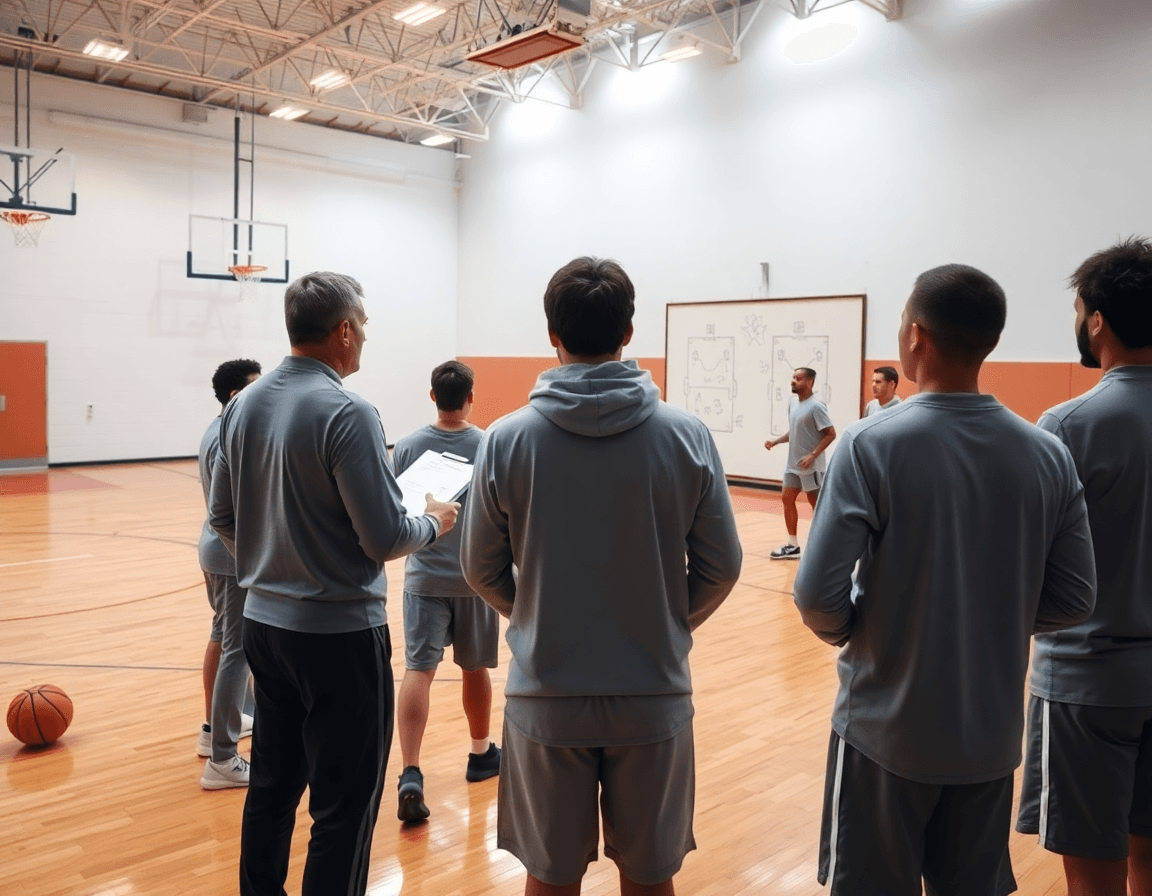
Turn those scouting reads into practice priorities by pairing film notes with on-floor work. If the scout shows weak rotations at the top and in the short corners, build drills that target those areas and require quick ball movement. Include a whiteboard diagram of the gaps and a couple of live periods where rotations are exposed, finishing with a shot after a reversal. Practice skip passes vs zone and emphasize ball reversal to stretch the defense and attack your identified zone weaknesses. Map each read to a drill block and share a single plan with staff and players.
From scouting to execution, the concepts must live on the floor. A clear workflow moves you from plan to diagrams to clips to playlists. Start with the core reads: attack gaps with a quick reversal, then a skip pass to the opposite wing for a clean look. The high post vs 2-3 zone is a staple to keep the front line honest. Use a short video and whiteboard to lock in each sequence, then publish playlists for players to review.
Practical Weekly Workflow to Attack the 2-3 Zone
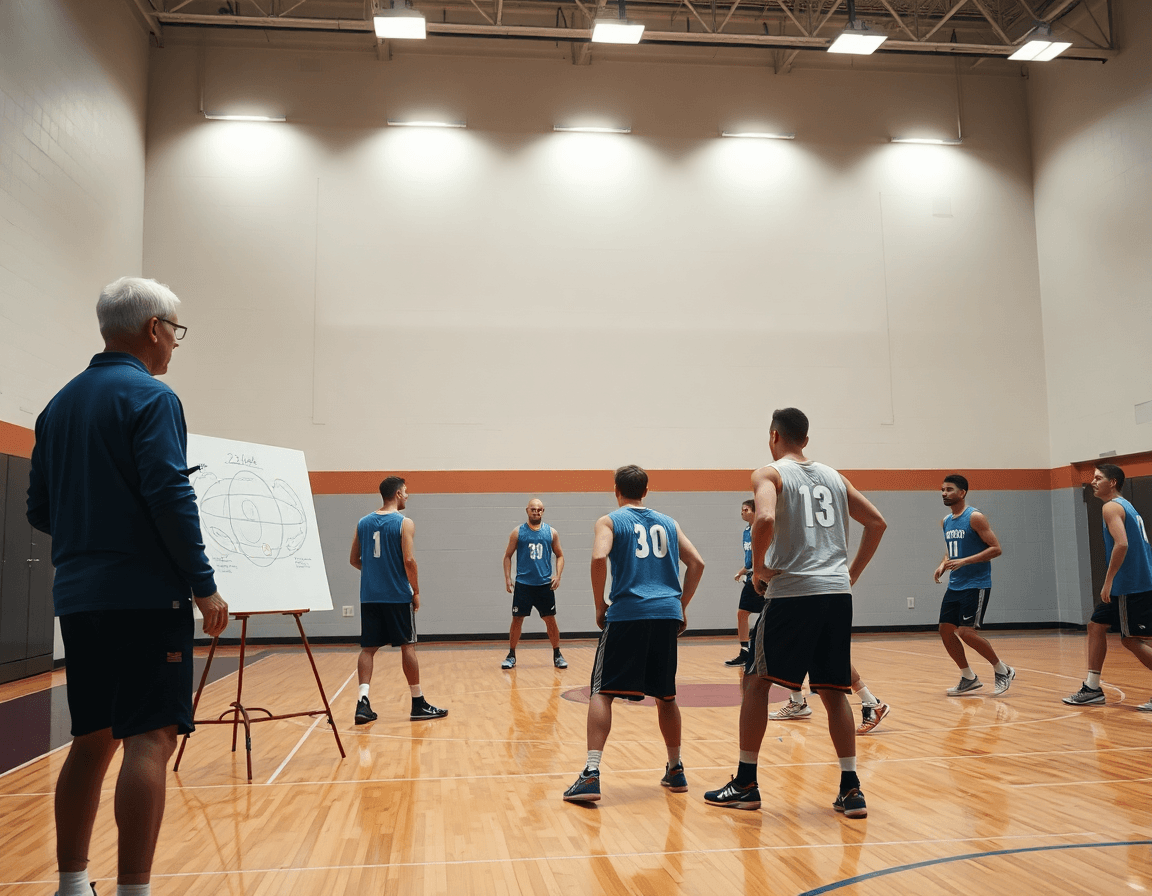
Every week starts with scouting the opponent’s 2-3 zone and mapping where the gaps open as the middle and wing players move. I note the seams between the top defender and the weak-side corner, plus where the weak-side post can threaten the high post area. The objective is simple: beat a 2-3 zone by attacking the gaps. With CourtSensei, I translate that into a clean weekly workflow: scouting notes, a focused practice plan, on-court execution, and a tight film review. This keeps staff aligned and players understanding the why behind every drill.
From that scouting, I build a focused practice block with a clear objective against the 2-3 zone. We stress ball reversals and skip passes to swing the defense, then attack the gaps with high-post entry and quick cuts to the short corners. Our drills center on concepts like ball reversal and 3-point shooting against zone to space the floor and create open looks. The plan is concrete, and we run it in consistent, repeatable blocks that mirror what we’ll see in a game.
On the court, we translate that diagram into action. We diagram attack concepts on the whiteboard—spacing, timing, seams to exploit—then execute the sequence: high-post entry, ball reversal, skip passes to the opposite corner, and a drive into the gap. After each session, we review with footage and tag the moments that unlocked the defense. The emphasis stays on repetition and communication, so the staff and players stay in sync during live action.
After the court work, we turn to film review: we clip and tag zone-beating sequences, label them clearly, and assemble player playlists of drills and cuts. Those playlists are shared with assistants and players, so everyone runs the same beat-a-2-3-zone language all week. The result is a consistent, confident approach to attacking the defense.
Key Offensive Concepts to Exploit Gaps
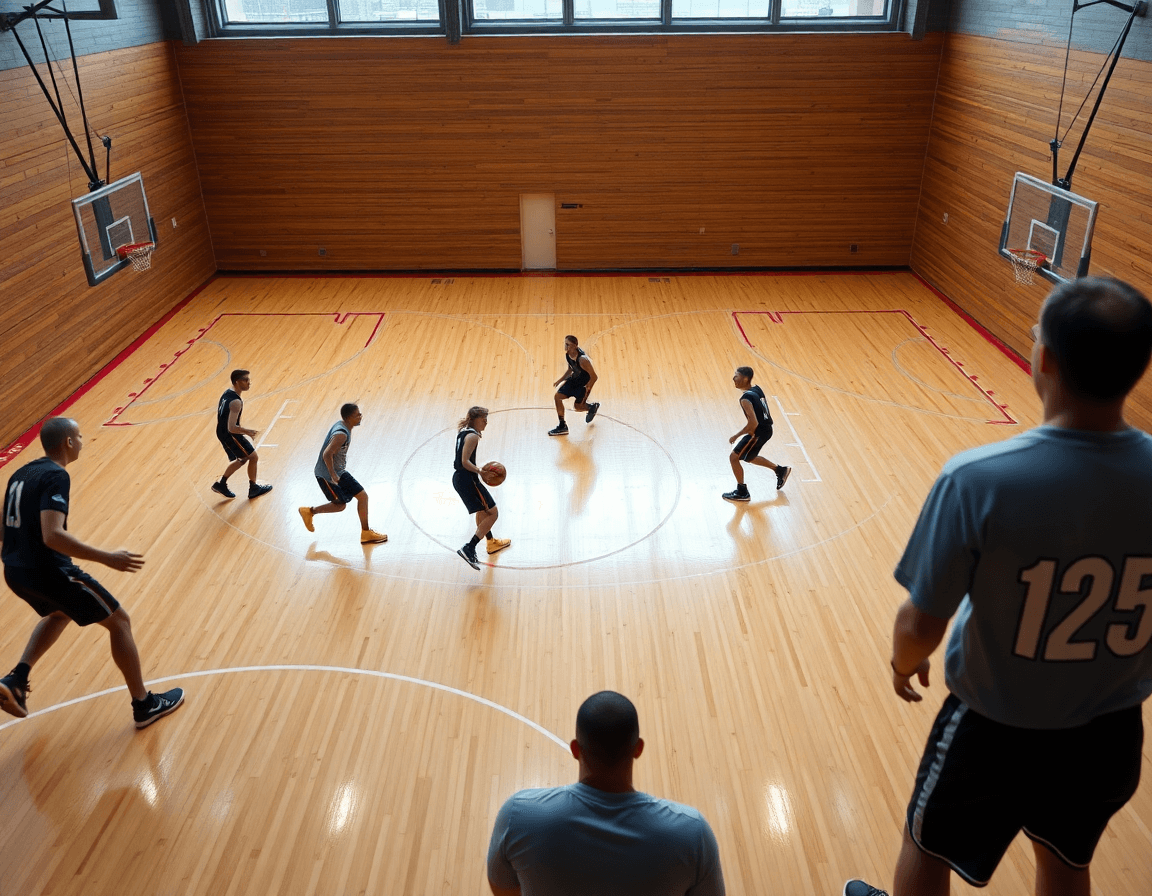
Beating a 2-3 zone starts with exploiting the gaps through smart ball movement. In the plan, we script a sequence of ball reversals to collapse the zone and generate open looks. On the whiteboard, we diagram quick passes: reversal to the weak side, then a sharp skip passes to reset the rotation. This isn’t pretend offense; it forces the defense to relocate, opening kick-outs to shooters or attacks at the rim. We run this as a focused block in the weekly routine, then test it in live-ball reps to see how rotations tighten up.
Next, we stretch the defense with high-level spacing. The core ideas are high post entries and accurate use of the short corners against 2-3. When the ball hits the high post, the defense can’t stay planted—that entry creates post options, stroke lines for the shooters, and penetrating cuts from the corners. In our practice plan, the high-post read comes with a wing flare or back-cut that puts pressure on the middle. The short corners stay alive as continuous outlets; a quick trigger there often yields an open 3 or a drive-and-kick opportunity.
Finally, attack the gaps with purpose. We emphasize drive-and-kick actions and deliberate overloads on one side to pull the zone apart. A strong drive into the heart of the defense draws help, then a skip or a sharp pass to the opposite side becomes a high-percentage look. Our weekly workflow includes tagging these sequences in game clips and saving them to a dedicated playlist of zone-beating concepts. Shared with the staff and players, these clips provide a clear, repeatable language: beat a 2-3 zone, attack the gaps, and trust the spacing.
Drills and Plays to Implement in Practice Plans
To beat a 2-3 zone, you need a repeatable, week-to-week plan that targets the gaps instead of chasing shots. In our weekly workflow, we lock in zone-beating drills that force quick ball reversals, keep spacing tight, and generate clean attack angles into the gaps between the middle and the wings. Start with a basic drill that emphasizes two-pass reversals to swing the defense, then move to more dynamic looks as reps accumulate.
From there, we tier the work: begin with simple passes and a two-pass reversal sequence, then layer in overloads to x-ray the weak side and force the defense to collapse, opening corner entries. Practice attack angles that feed from the high post into short corners, and use skip passes vs zone to push defenders out of rotations. The goal is to realize an overload the zone attack and finish with corner entries.
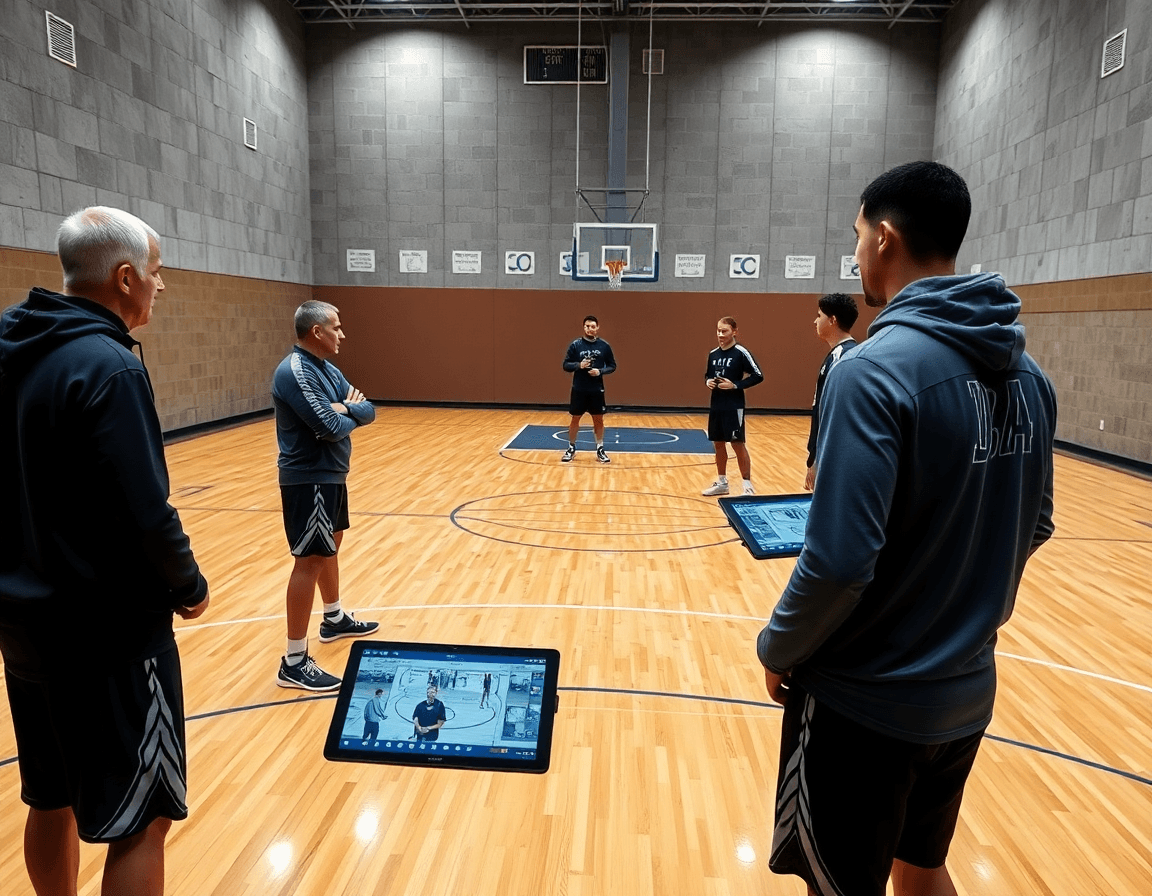
Use the library to catalogue drills and tag each with keywords like 'zone-beating drills', 'ball reversal against zone', 'skip passes vs zone', 'high post vs 2-3 zone', 'short corners against 2-3 zone'. Build a 'beat a 2-3 zone' practice plan, diagram the attack concepts on the whiteboard, and assemble player playlists of drills and cuts to share with staff and players for consistent execution. This structured catalog makes it easy to reuse in future weeks without reinventing the wheel.
Example session: 15 minutes of ball-handling and passing, 25 minutes of zone-beating drills (with fast ball reversals and skip passes), 15 minutes of overloads and corner entries with live defense, and 5 minutes of 3-point shooting against zone. Finish with a quick clip review to reinforce the targeted sequences. This approach aligns the team around a shared language and translates the 'beat a 2-3 zone defense' concept into game-ready execution.
Video, Scouting, and Whiteboard: Preparing with Your Tools
In my weekly workflow, the backbone starts with solid scouting reports that pinpoint how a 2-3 zone tends to pressure the top and squeeze the arc. I look for gaps—where they overextend to deny a skip, where the short corner is unopened, or where a high-post entry can collapse the shell. Those tendencies become the lens through which I plan our attack, shaping the build-your-week game plan around the zone’s predictable seams.
Then I turn to video clips to bring those tendencies to life. I clip possessions where a quick ball reversal or a drive-and-kick unlocked a layup or a 3-pointer against the zone, and I tag them as “zone-beating sequences.” I’ll curate a short library of plays—pull-up threes after drive-and-kick, post-entry feeds to the high post, or skip passes that swing the defense. These clips become a reference for players and staff and feed into shareable playlists so the rhythm is consistent across units.
On the whiteboard, I diagram the attack concepts and annotate them with BLOB/SLOB/ATO/PnR ideas so the staff can see the exact entry points and out-of-bounds setups we’ll use at practice. We sketch ball reversals, ball-screen actions off the wing, and how to attack the gaps in the 2-3 with high-post touches or corner cuts. These whiteboard diagrams translate ideas into concrete actions and keep the language aligned with our on-court actions.
All of this folds into a beat-a-2-3 zone practice plan and a set of playlists tailored to our players. We assemble drills and cuts that reinforce the ball reversal against zone, the skip-pass timing, and the shooting rhythm against the zone. We then share everything with staff and players, ensuring every session moves from plan to execution with the same cadence you’d want in a tight game.
Checklist: End-of-Week Review and Next Steps
The weekend checklist isn't admin fluff; it's the driver of your week-to-week plan for beating a 2-3 zone. In your weekly plan, you pull three data points from the last game: where you carved gaps, where timing collapsed, and what your players actually executed under pressure. Use CourtSensei to translate that into a concrete beat-a-2-3-zone routine—diagrams ready on the whiteboard, drills in the plan, and clips queued for review at staff meetings.
Start with what clicked: review clips of the best zone-beating sequences, tag them as "beat a 2-3 zone," and assemble a short video clip library you can share in a quick huddle or via playlists. Then map those actions on the whiteboard—ball reversal against zone, attack lines through the gaps, and the reads you want your wings to pull. Update the plan with drills that reinforce those reads and assign them in the weekly cadence.
Next, call out what didn’t click: too little ball reversal, not enough skip passes vs zone, and a heavy reliance on side-to-side action that stalls when defenders clog the lane. Address it by sharpening focuses like short corners against 2-3 zone and high post vs 2-3 zone reads, and by carving out plays that encourage quick ball reversal against zone. Build season-ready reps around those concepts, including improvements in 3-point shooting against zone to keep helpers honest.
Finish with a clear recap and adjust: set targets for transition play, shot selection, and decision-making under zone pressure. Update the playbook and assemble a fresh batch of drills in your weekly workflow. Pack those clips into playlists and share them with staff and players so the team rolls into Monday with the same language and expectations. This is your weekly rhythm, your playbook update, and your path to winning the weekend.
If you build plans like this every week, CourtSensei keeps your drill library, whiteboard, and video clips in one place — try it free.
FAQ
What is the best offensive approach to beat a 2-3 zone?
Beating a 2-3 zone starts with stressing the gaps and moving the defense until it over-rotates. Use patient ball reversals to keep the middle from collapsing. Attack seams—especially the high post and the short corners—so the weak-side rotations have to react. Translate scouting notes into practice: map the gaps, assign role players, and pace the sequence so you stay unpredictable. The core plan is quick reversals, drive-and-kick, and finishing when the defense over-rotates.
How can you attack the gaps in a 2-3 zone?
Identify the seams between the top defender and the weak-side corner, then hit them with speed. Start with two-pass reversals to swing the defense, then a sharp skip passes to the opposite wing to relocate the shooters. When the defense over-rotates, drive into the gaps and kick to open shooters or finish at the rim. Keep the spacing tight so the defense can't recover without giving up looks.
Are there specific plays to break down a 2-3 zone?
Yes. Use overloads on one side and a high-post entry to pull the middle and create seams. Pair that with a wing flare or back-cut into the short corners to force rotations and mismatches. From there, swing the ball to the weak side for a clean shot or a drive-and-kick opportunity.
Should you shoot over the zone or attack inside against a 2-3 zone?
Attack gaps with drive-and-kick and good spacing. You should shoot over the zone only when you have clean, open looks early in the possession; otherwise, keep probing with drives and kick-outs to keep defenders honest. If a shooter is hot, let him fire, but stay patient and use the floor as a stretched target so the zone can’t plant itself in the middle.
What are the weaknesses of the 2-3 zone defense?
The 2-3 has vulnerable seams between the top defender and weak-side corner, plus slow rotations when the ball reverses. It also struggles with corners and the high post, especially if you sustain ball movement and aggressive cuts. Exploit these gaps with diagonal passes and quick reversals to create open threes or driving lanes.
How important is ball movement against a 2-3 zone?
Ball movement is essential. Without it the zone clamps down on entry passes. Emphasize rapid ball movement and continuous space to force rotations, then use reversals to locate open looks. When the ball slides, cutters and shooters gain the most momentum, and the defense yields breakthroughs at the seams.