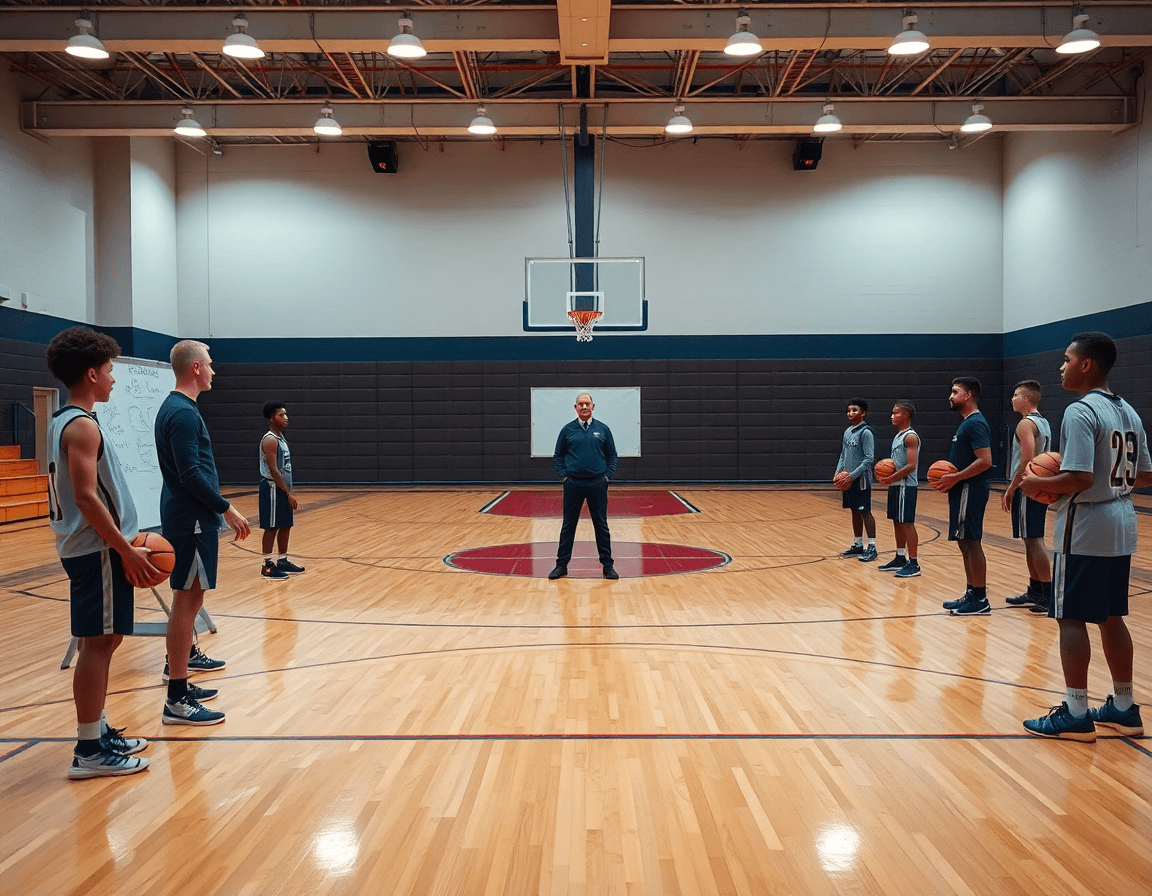
Inbounds Plays for Youth Basketball: Weekly Coach Workflow
Practical weekly workflow for implementing inbounds plays for youth basketball: diagram plays, plan with assistants, build playlists, tailor sets to opponents.

Key takeaways
- Adopt a weekly rhythm to install 2–3 baseline inbound plays plus one sideline inbound.
- Prioritize core sets: Stack/SLOB and Box, with a flexible Sideline Inbound option.
- Track KPIs like time to inbound, spacing, and open shots; use short video clips.
- Assign a clear primary caller and a trusted secondary option to reduce on-floor indecision.
- Diagram inbound setups, export PDFs, and keep a living plan library synced across staff.
Weekly inbound plays framework
Weekly inbound plays framework. Think of the week as a rhythm. For our youth teams, the goal is to install 2–3 baseline inbound plays and one sideline inbound each week. This is the core of inbounds plays for youth basketball: a repeatable sequence you can teach, rehearse, and critique. Focusing on the baseline inbound first gives your team a reliable start to every possession, while the sideline option adds a second path when defenses adjust.
On day one, we align inbound choices with the weekly practice plan and scout reports to keep reps tight and purposeful. Then we pull from the shared library (plans) to confirm setups and coaching cues for assistants and players. Short video clips illustrate the inbound passer, the entry, and the first action after contact, so players know what to look for.
During practice, we run the sequence in low-pressure reps, then in scrimmage-like segments. Afterward, we update the shareable playlists that break the baseline inbound and sideline inbound into bite-size clips for players to study. We track a simple KPI: time to inbound, spacing quality, and the open-shot rate off the setup.
On the floor, I sketch the play on the whiteboard, label the inbound passer, the entry angle, and the first read. We test variations like BLOB and SLOB, and then flip to a sideline inbound if the baseline path is crowded. The routine stays simple, teachable, and consistent.
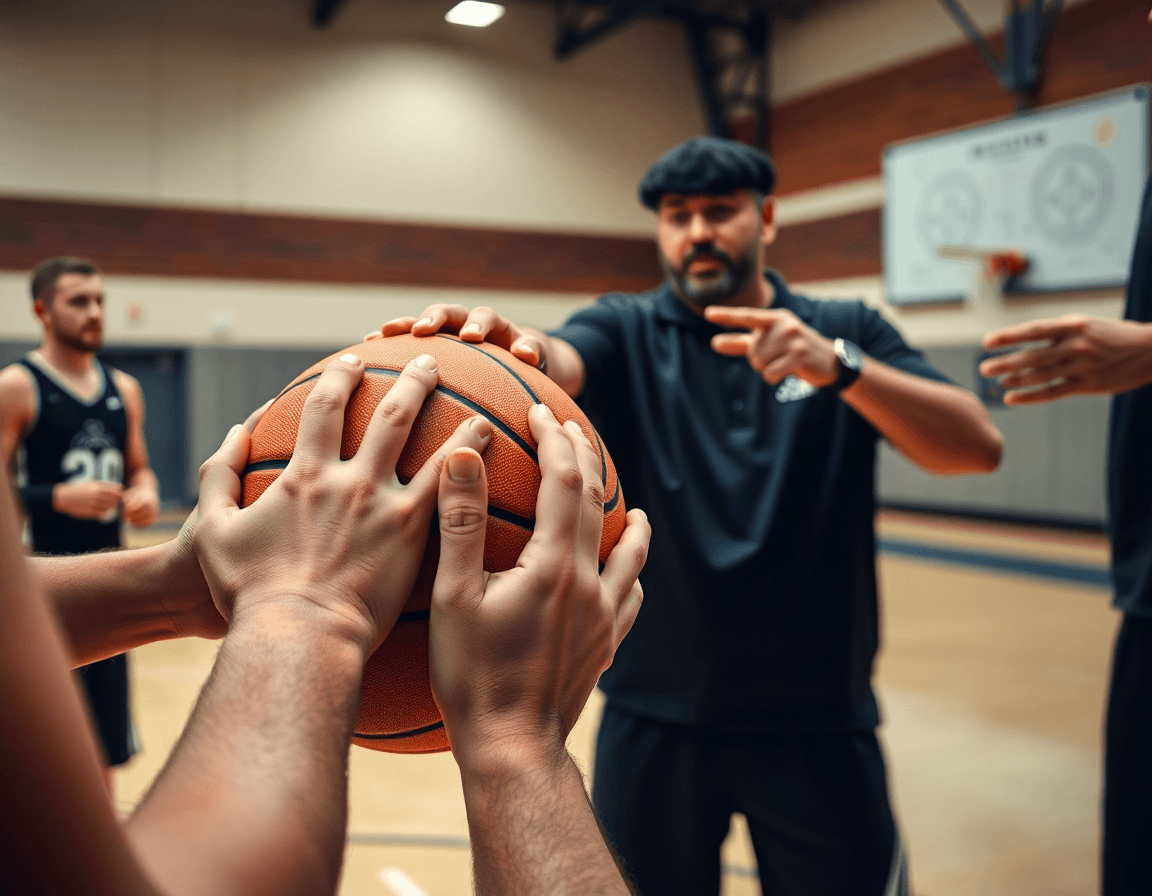
Core inbound sets to master for youth teams
To win the first contest of every possession, you build a tight inbound kit. For inbound plays for youth basketball, start with a small base: Stack/SLOB and Box as the core, with the Sideline Inbound offering a flexible third option. In my weekly plan, these three live in the plan library, are drawn up on the whiteboard, and reinforced in short clips from recent practice.
Once basics are solid, add 1–2 quick variations like Cross Screen Seal and 4-Low variants. These keep the defense honest without overcomplicating reads. In our workflow, I attach a simple trigger for each variation (who sets the first screen, who cuts to the ball, when to seal) and save clips labeled for inbound passer review.
Keep actions simple: clear screen reads, crisp timing, and proper spacing so players can execute even when pressure comes. Each action has a cue—inbound passer initiates, a cutter reads the defense, the screener clears space—and our diagrams on the whiteboard mirror the tempo in the gym. Quick video clips lock it in, so the sequence is easy to repeat under fire.
Assign a primary caller and a secondary option to cut down indecision on the floor. In our system, the inbound passer handles the primary flow, while a trusted secondary option becomes the default if pressure arrives from the defense. We practice this in the plan, review on the whiteboard, then run it in live drills and share the playlist with assistants and players.
Finally, align inbound work with scouting notes. If the opponent funnels toward the ball, we tweak the box or stack sequences in the plan library and annotate the scout report. The outcome is consistency: a teachable, repeatable set that travels from plan to whiteboard to video clips and back to the gym floor.
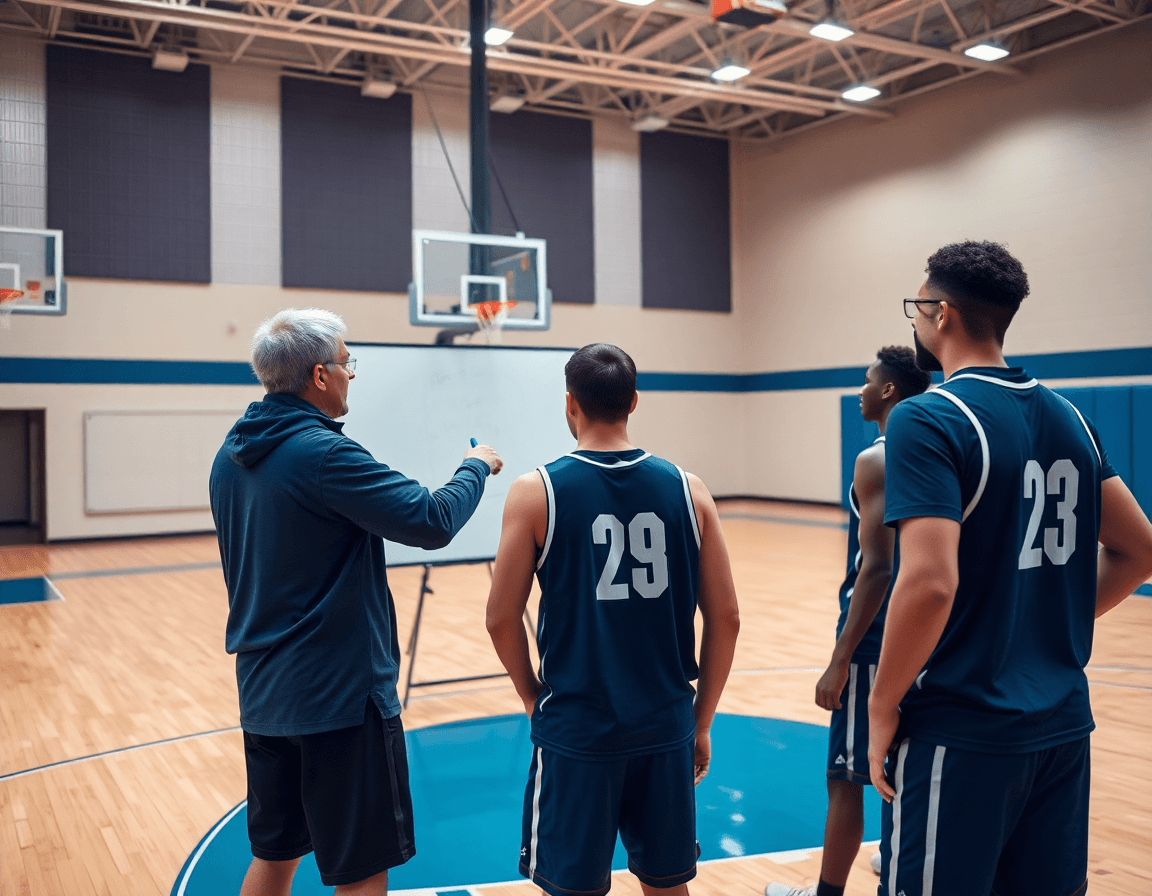
Diagramming and sharing inbound plays with your staff
During team meetings, diagram each inbound setup on the whiteboard, then export to PDF for coaching staff. We’ll cover the common looks—sideline inbound, baseline inbound, and the crowding options like stack and box, with BLOB or SLOB actions as variations. A clean diagram helps assistants and players see spacing, timing, and where the inbound passer fits. Keep the labels simple and referenceable in our weekly plan.
Next, create a play library entry for quick reference. Each inbound entry should include the setup, the primary roles (inbound passer, cutters, and shooters), and coaching cues that drive the learnable sequence. For youth teams, clarity beats complexity: write in plain language, attach a quick cue for each player, and tag it with keywords like inbound plays, sideline inbound, baseline inbound, and SLOB so you can find it in a pinch.
Assign assistants to run through the play in pre-practice walkthroughs. Have them rehearse the setup in a controlled tempo, pause to adjust spacing or timing, and note any tweaks for the next run. This is where you capture on-court learnings—adjustments to the inbound passer’s path, or which option (stack vs. box) the group prefers against a specific defender.
Use shareable links or PDFs to keep everyone aligned across practices and scouting sessions. A centralized workflow—diagram on the whiteboard, export to PDF, attach to the scouting notes, and link to the library entry—ensures the staff, from assistants to coordinators, stays on the same page. When everyone can access the same inbound play library, you’ll see more teachable sequences across practice blocks, with clear references to inbound plays, sideline inbound, and baseline inbound in every weekly plan.
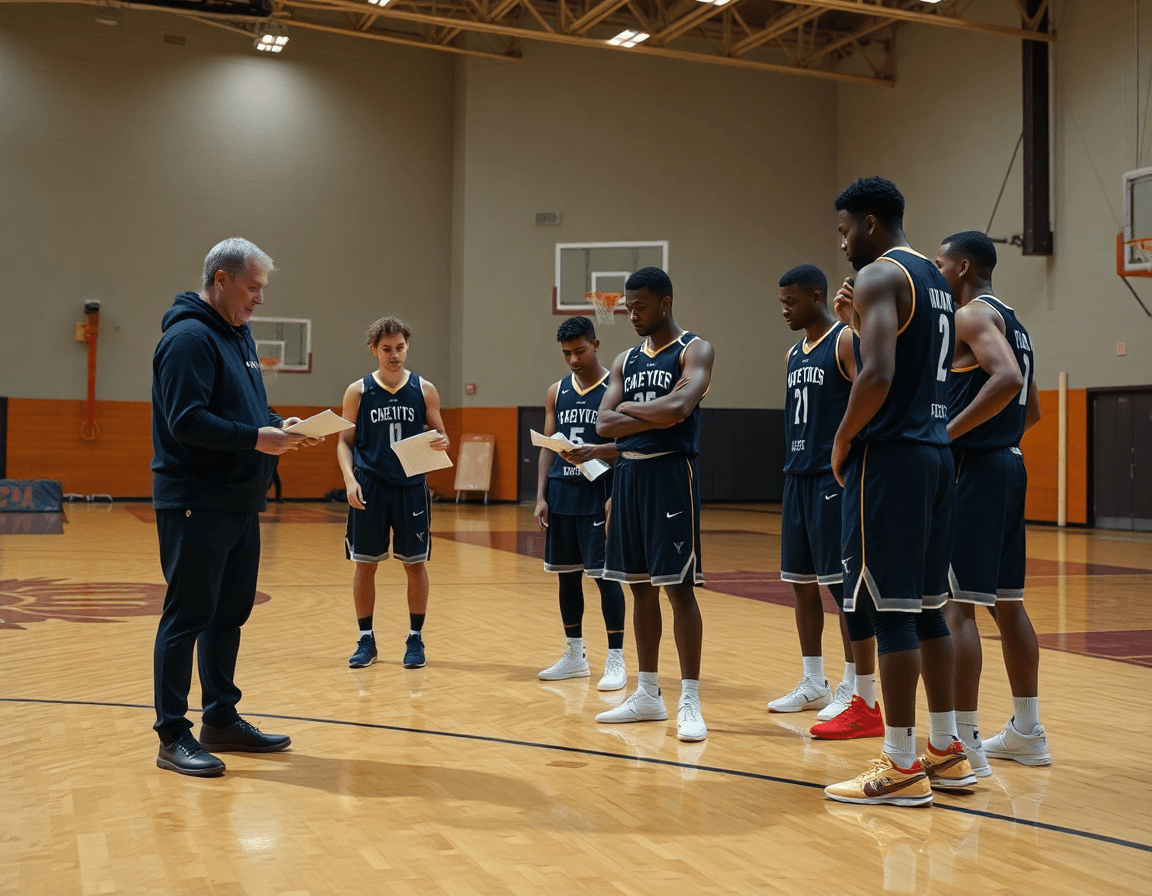
Using video to teach inbound plays: clips, playlists, and feedback
Using video to teach inbound plays starts with isolating the exact moments we run them in games. I pull clips from past contests and slice them to focus on the inbound sequence—baseline inbound, sideline inbound, or BLOB/SLOB setups. Each clip is tagged by play type (Stack, Box, inbound passer) so my assistants can find the right template in the plan library. On the whiteboard, we map the inbound passer to the target cutter and show the triggering action.
From there, I build short playlists (3–5 clips) for every inbound option. The player reviews before or after practice, and the staff uses them for post-practice feedback. We cycle through a baseline inbound and a sideline inbound playlist early in the week, then add a BLOB/SLOB example if the scout notes a defender tendency. The targeted clips sit in a shareable playlist for players—the baseline inbound one gets a quick review during warm-ups to prime focus.
Within each clip I annotate key cues and decision points: where the inbound passer steps in, the timing to release the pass, and where the first cutter reads the defender. We highlight those cues with on-screen captions during the film session, and we pause to discuss adjustments before we run it in practice. The goal is to reinforce proper execution by repeating the same cues in both film and live drills, so the sequence becomes second nature.
During film sessions and warm-ups we run a guided walkthrough: players watch the clip, then walk through the inbound motion on the floor with the whiteboard diagram. The assistants act as spotters, stopping the video to point out misreads and re-aim the feed. This cadence keeps the weekly inbound work tight—baseline inbound in Monday’s plan, box sets midweek, sideline inbound as we finish the week. The loop—clip, playlist, feedback, repeat—locks in teachable sequences that scale across squads.
Scouting inbound tendencies and tailoring to opponents
Reviewing the opponent starts with your scouting reports. Go through inbound defense tendencies: pressure level (full-court vs. half-court), loafing gaps, and denial angles. Note who handles the inbound and how quickly they react to different looks. This becomes your baseline inbound for the game. In your plan library, tag these tendencies under baseline inbound so any assistant can pull the exact scenarios and drill them in practice. On the whiteboard, sketch the routes and angles that counter their setup, then translate those adjustments into a quick video reference for your players.
With those tendencies in mind, choose inbound plays that exploit the habits and gaps observed. If they loaf gaps on the weak side, slot a quick hitter that targets that seam on the catch; if they pressure hard, pull a sideline inbound to spring the ball into a clean release. Tie each choice to a concise coachable cue and a short video clip from your scouting library. This is where the weekly workflow shines: plan a few reps for each scenario in practice and build a compact set of inbound plays your assistants can run from the board or from the plan library.
Document adjustments per opponent and share with assistants to ensure consistent game-day execution. Write a brief scouting note for each foe detailing how you expect the inbound to unfold and what changes you want in execution. Create opponent-specific playlists of clip examples to rehearse the adjustments—short clips of the exact inbound looks you’ve prepared. On game night, those playlists keep everyone aligned: players see the targets, assistants execute the plan, and your baseline inbound remains intact while you tailor to the opponent.
Practice structure and drills to reinforce inbound plays
To lock in inbound plays for youth basketball, structure your weekly practice around inbound-focused segments. Start with baseline inbound, move to sideline inbound, and finish with quick-throw options, each with its own tempo and coaching cues. In your plan library, tag these blocks by play name and inbound zone so assistants can prep the inbound passer, timing, and spacing ahead of time. On the floor, use the whiteboard to diagram a box, a stack, or a BLOB/SLOB setup and walk players through the reads they’ll face.
Drill each block for 10–15 minutes, moving from stationary setups to live-shell variations. Start with baseline inbound: inbound passer at the baseline, ball entry to a cutter, and a primary read. Progress to sideline inbound, then a quick-throw option with a secondary action if the primary read is congested. Keep it simple at first, then layer in movement, screens, and option reads. This is where a short video clip helps, and you can reference it during the drill as you call the sequence on the floor. Use the plan library to assign roles for assistants and players, and keep the flow tight on the floor.
Add a scoring system that tracks inbound entries, reads, and the resulting scores to keep players engaged. Award points for clean entries, correct positioning, and solid passes from the inbound passer, plus conversion after the setup. Have assistants log results during the drill and tie adjustments to scouting notes for upcoming sessions. This is the moment to tighten the rhythm of inbound plays and ensure consistency across weeks.
Finish with a quick review: what worked, what didn’t, and what to adjust for the next practice. Pull a few clips into a shareable playlist for players and coaches, and drop the key takeaways into the plan library’s inbound checklist so you’re ready to run the same sequence again next week.
If you build plans like this every week, CourtSensei keeps your drill library, whiteboard, and video clips in one place — try it free.
FAQ
What is an inbound play in basketball?
An inbound play is a coach designed sequence to start a possession after the ball goes out of bounds. The inbound passer begins the action, then screens and cuts to create space for a shot or a quick drive. Keep the setup simple and repeatable so youth players learn the timing, spacing, and reads. inbound play, inbound passer.
How do you run an inbound play from the baseline?
Start with the inbound passer near the baseline, set a screen to free a cutter, then read the defense for the first option. Ensure quick entry, crisp spacing, and a clear first read after contact. If the baseline path crowds, switch to a sideline inbound or a SLOB/BLOB variation. baseline inbound, inbound passer.
What does SLOB stand for in inbound plays?
SLOB stands for Sideline Out Of Bounds. It is the sideline inbound option that uses quick screens and cuts to free a shooter or cutter. Teach a simple SLOB first, then add additional looks as defenses adjust, and keep cues explicit so players know where to look and when to cut. SLOB.
What does BLOB stand for in inbound plays?
BLOB stands for Baseline Out Of Bounds. It is the baseline inbound option used when the defense pressures the sideline. Teach a simple baseline entry, then add a quick screen and cut to open the passer or recipient. Keep it compact and repeatable so youth players execute under pressure. BLOB.
How do you defend inbound plays in youth basketball?
Start with pressure on the inbound passer and deny easy releases to the top options. Coach ball side spacing, clog lanes, and rehearse reads under pressure. Train teammates to switch when needed and stay organized after contact. Short video clips reinforce cues and positioning, helping players stay connected on the inbound sequence. defend inbound plays, spacing.
What are common inbound play sets for youth basketball (stack/box/sideline)?
For youth teams the core sets are Stack and Box as baseline options, with a Sideline inbound as a flexible third option. Teach each with a simple read, then layer in a few variations like Cross Screen Seal or 4-Low once the basics are solid. Keep timing tight and spacing clear.