Man-to-Man Defence in Basketball: Weekly Coaching Plan
Coach-focused guide to a practical weekly workflow for mastering man-to-man defence in basketball—plan drills, review video, and optimize rotations.

Key takeaways
- Establish a collaborative weekly plan around the four pillars: defensive stance, on-ball pressure, deny passes, rotations.
- In practice, clip key possessions and connect what players see to actions via quick film checks.
- Prioritize deny passes early, stay a step between driver and rim, and trigger rotations with help.
- Shell drills reinforce defensive stance and rotations, fronting the post and denying entry passes.
- Export a weekly PDF playbook and clips to keep staff aligned and players studying guard-rails.
Practical weekly workflow: plan, practice, film, and adjust
Kick off the week with a practical plan for man-to-man defense in basketball, built around CourtSensei templates. We start with the four pillars that drive every defensive possession: defensive stance, on-ball pressure, deny passes, and rotations. The plan is collaborative—I draft it, assistants weigh in, and we pull drills from the library to align every rep with our weekly goals.
From there, we flesh out the weekly workflow by scheduling drills that emphasize those pillars. I map out plan templates for shell work, 1-on-1 battles, and closeouts, and assign assistants for coaching points at each station. The result is a tight, repeatable cycle that keeps our defense honest across all practice segments.
During practice, we clip and review key possessions to reinforce rotations and on-ball decisions. The clips live in the library, letting us reinforce correct choices in the moment and fast-forward to the next drill. We pair a quick film check with the drill sequence so players connect what they see with what they do.
At week’s end, export a PDF playbook of the week’s adjustments for staff and players. That one-page document anchors the plan as we move into scouting and film sessions, and makes it easy for assistants to stay in sync and for players to study the week’s guard-rails.
Foundational stance and on-ball positioning
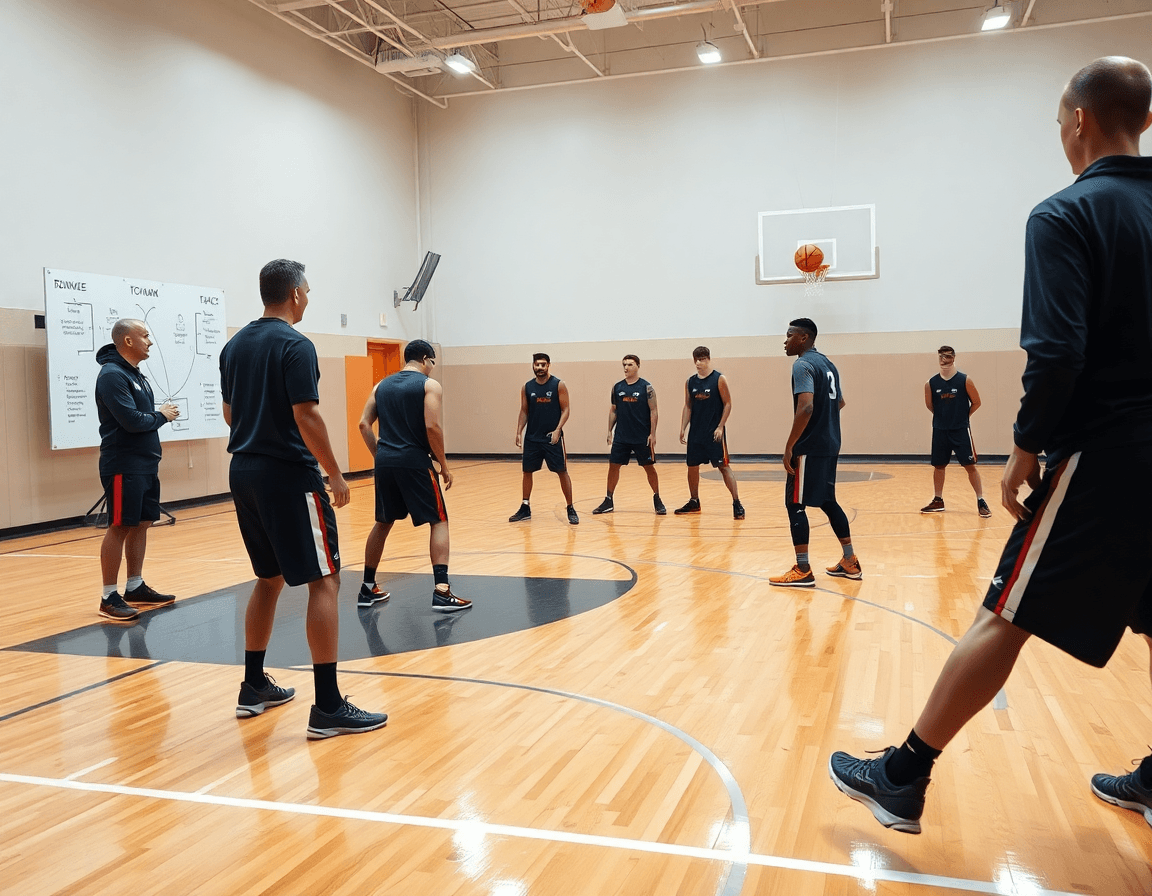
Foundational stance sets the tempo for man-to-man defense in basketball. In my weekly plan, I start with the athlete stance, footwork, and pressure on the ball. A solid defensive stance keeps hips open and balanced, knees bent, and eyes on the ball—perfect for on-ball defense. We drill the basics until a good stance becomes reflex: low, patient steps, quick shuffles, and hands active. When we run the plan in practice, I diagram the stance position on the whiteboard and cue a stance-hold sequence. Players film a quick clip to study their posture in a short video clip.
Positioning relative to ball location matters: top key, wings, corners. At the top, you stay between the ball and the rim, with your back foot ready to slide. On the wing, your front shoulder angles the passer and your inside hand denies an easy swing. In the corner, you collapse diagonally to prevent a drive and a kick. We run a shell drill to reinforce rotations and the team’s help defense responsibilities, and we annotate common fixes on the whiteboard as we go.
Drills to lock in these concepts: stance hold, closeouts, and 1-on-1 on-ball defense. In stance hold, players lock into a low stance and hold for 60-90 seconds while a partner adds pressure. Closeouts emphasize sprint-to-contain with high hands, then a controlled break to balance to your defensive stance. In on-ball defense, we simulate live ball handlers, reading off-ball movement and staying attached without fouling. I pull a short video clip from practice to illustrate a clean rep and a sloppy one, then we pin the lesson up on the whiteboard for the whole week.
Denying passes, helpside, and rotations
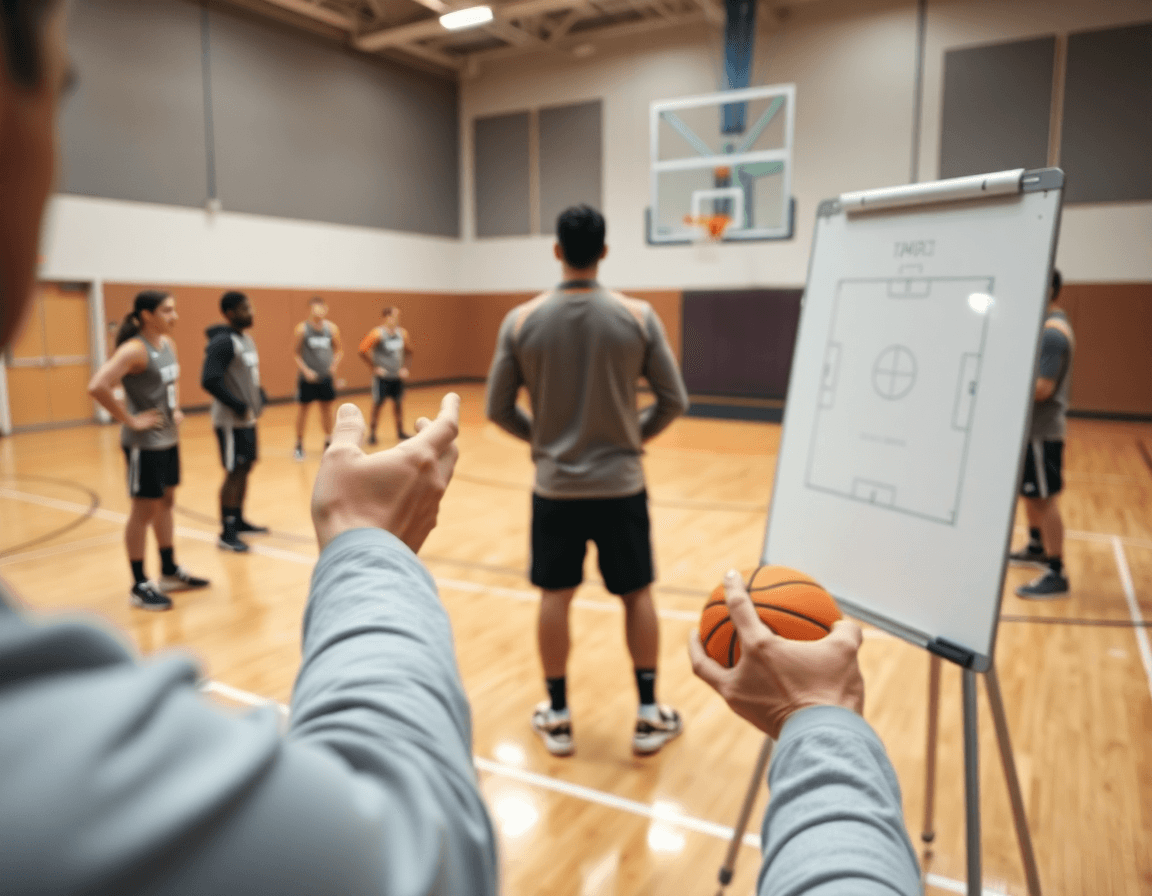
Within man-to-man defence in basketball, denial begins before the ball touches the passer’s hands. In the weekly plan, we prioritize deny passes with one-pass-away positioning and aggressive on-ball pressure. If the pass gets through, help arrives immediately. We keep a single rule sheet in the scouting notes and diagram the concept on the tactical whiteboard so assistants stay aligned for every rotation.
Helpside defense is the glue that holds perimeter denial together. The rule is simple: stay a step between the driver and the rim, ready to recover. We teach a precise helpside defense alignment and split-line coverage, so the weak-side corner is never neglected. On the whiteboard, we map where the help defender sits when the ball is strong side, and how rotations swing when the ball skips.
Drills focus on 2-on-2 shell variations, post-feed denial, and drive rotations. We run 2-on-2 shell drills to simulate passes from the top and wings, emphasizing shell drill work and quick denial of passes. Post-entry feeds get denied with a strong stance and active hands; when the ball drives, rotations get triggered by the helper and the weak-side defender, with the rim protected. We record a few clips from each rep and add them to the weekly plan for review.
In our weekly defensive workflow, a short video clip from each drill is sliced, labeled, and dropped into a player playlist. We also build scouting notes on opponent passing lanes and tendencies, noting where drives initiate and how our rotations respond. The plan is exported as a PDF for assistants and players, keeping everyone on the same page during the week.
Shell drill and post defense rotations
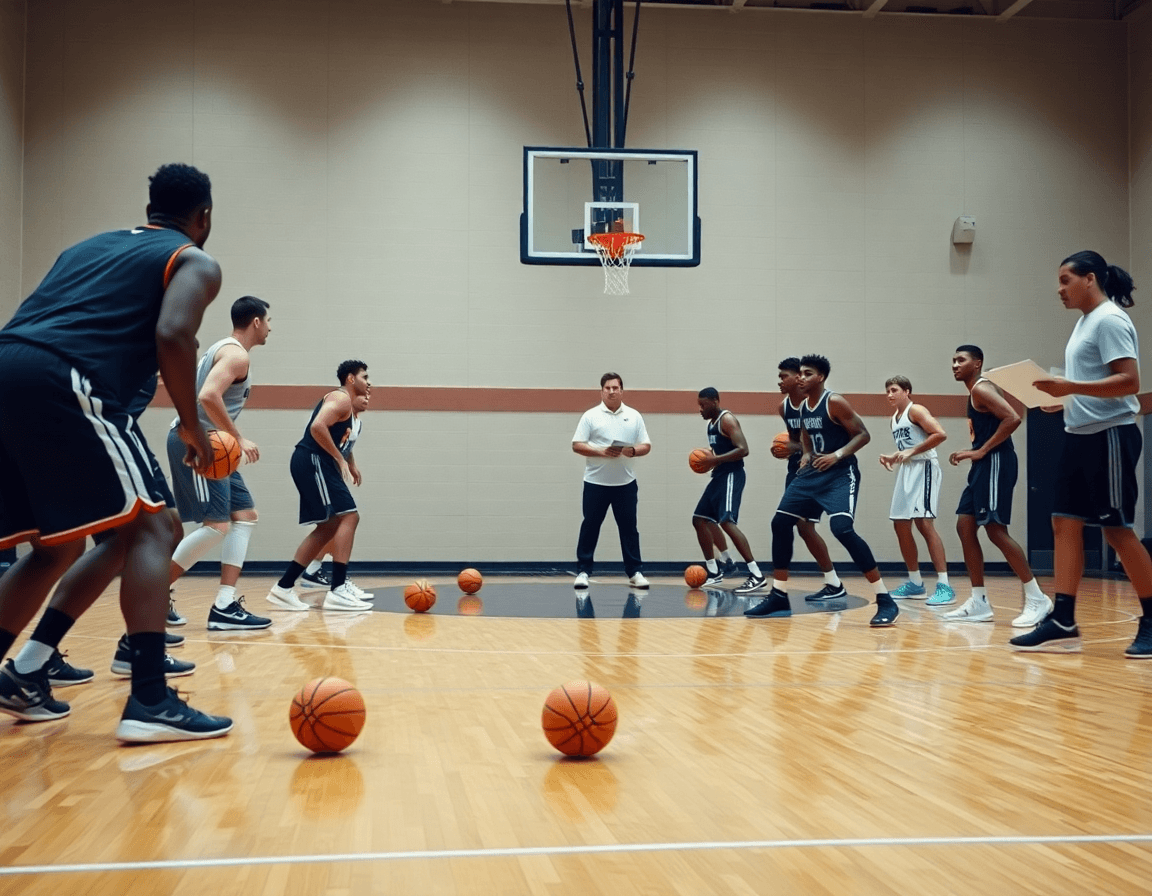
Shell drill is the backbone of our man-to-man defence in basketball. It trains positioning, angles, and quick feet, while building the voice that keeps us in gaps. In our weekly defensive workflow, we run shell drill to lock in the basics: defensive stance, on-ball angles, and constant communication. We start with two shell groups—ball pressure on the top, containment on the wings—and work through drive-and-kick scenarios, finishing with a quick closeout to the shooter.
Fronting the post is a staple when a big catches in the middle. In this phase we work on defending post positioning, hip-to-hip alignment, and keeping the post player from sealing us with a quick entry pass. The goal is to force the entry to take longer while our help arrives. We emphasize post-entry prevention—deny the look, trap if needed, and keep the passer from seeing the seam.
When the ball moves, we rotate with purpose. Our shell is a live map: as one defender digs the ball, others slide to the ball, deny passes, and protect the middle. Rotations are driven by rotations and on-ball defense—fighters communicate switches, screens, and help drops. We drill quick post feeds by simulating a post pass into the lane and forcing a second defender to take away the immediate anchor while the weak-side defender closes out on adjacent shooters.
In our plan, the shell drill template lives in CourtSensei and links into the weekly defensive workflow. On the tactical whiteboard I diagram ball-side rotations and post positioning, then export a PDF for staff. We drop a short video clip of a live sequence and assign it to a shareable playlist for players. The scouting notes capture opponent post-feeds and quick-entry tendencies, so we know when to press for deny passes or punch the rotation to the weak side.
Defending screens and handling ball-screen actions
In man-to-man defense in basketball, screens test discipline more than speed. The moment the ball is screened, communication becomes the defensive call. We decide early whether we switch, show, or hedge, and we keep a compact defensive stance with hips low and eyes up. In the weekly plan, we load clips that show how our players handle screens, then diagram the on-ball defense on the whiteboard to map the angles and rotations.
Against off-ball screens and drivers who slip, the adjustments sit in two buckets: deny the pass and stay ready to help. Callouts matter here—talk to a teammate about the screen’s path, switch when our matchups demand it, and stay prepared for immediate help defense. In practice, we emphasize ball-screen actions and the corresponding rotations with a quick shell drill to preserve spacing and deny passes.
Drills focus on two keys: screen navigation and grip-and-switch practice. Start with guards communicating as they step over the screen, hips square, and eyes tracking ball and man. Then work the same sequence with a live ball so players experience the moment of decision—whether to deny a dribble, contest the shot, or switch when the matchup warrants it. The goal is clean, timely rotations that keep the offense in front.
In the weekly defensive workflow aligned with CourtSensei, we attach a clip from the latest game showing a ball-screen sequence to the plan, build a short, shareable playlists for the squad, and annotate the diagram with opponent tendencies. The scouting notes guide early-game adjustments—how to deny passes, when to hedge, and where help defense must rotate. The result is steadier on-ball defense and tighter rotations in late-clock scenarios.
Video workflow: clips that drive improvement
Video workflow is the bridge between your weekly plan and real-game execution in man-to-man defence in basketball. Clip on-ball defense sequences and decision points—the moments when a defender chooses to contest the drive, hedge, or switch. Watching those clips after practice lets you see where your rotations break down and where a few tweaks in stance or footwork could pay off in a game.
From there, you tag and organize clips from practices and games. Tag clips by concepts like shell drill and defending screens to keep your library navigable. A clean taxonomy makes it easy to pull a quick film session mid-week and focus the talk in the huddle.
Create clip playlists for player-specific clips and feedback. Build one playlist per defender that highlights on-ball situations, closeouts, and rotations, with notes on where stance or footwork improved or lagged. For example, a guard who struggles with gap control might watch a sequence of closeouts and then a follow-up clip showing how to stay in a solid defensive stance while facing the ball.
Use exported PDFs to assign film review tasks. Generate a PDF guide from your clip library with 5–6 clips and concrete prompts—watch the sequence, note how the defender reads the ball handler, and identify the next right move in the shell with help defense and rotations. Assign these tasks in the weekly plan so players come in ready to discuss what they saw and where they still need to improve in on-ball defense.
Scouting for opponents: turning film into counters
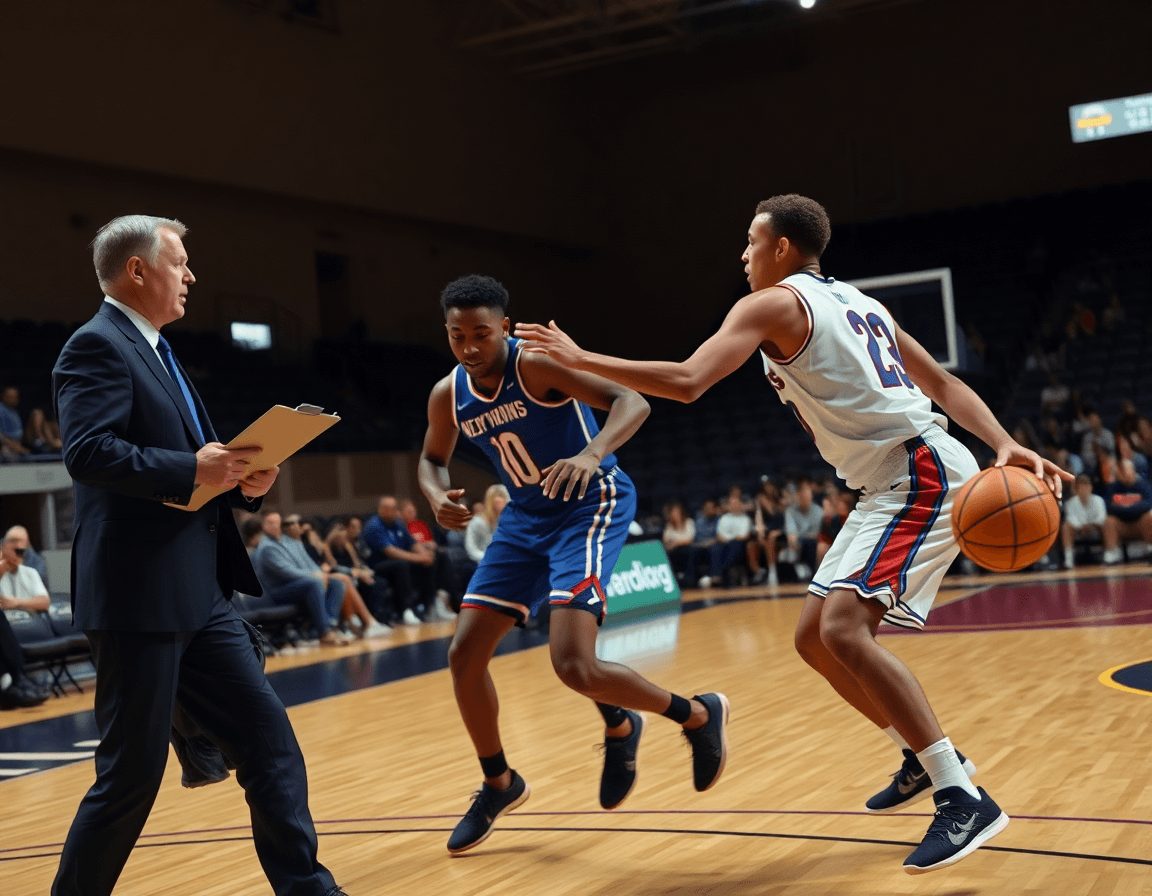
In scouting for opponents within man to man defence in basketball, the goal is turning film into actionable counters. I start with scouting reports that zoom in on opponent ball-handlers, their ball pressure, and setup plays. I tag clips for tendencies—whether they trap off a ball screen or go under on the wing—and keep them in CourtSensei under a dedicated folder. We label each clip with scout plays and track opponent tendencies over the season to inform our on-ball defense and rotations.
Translate scouting into weekly practice focus and play-calling adjustments. With the film in hand, I map a weekly defensive plan that targets the most frequent counters: ball pressure, denying passes, and shell drill reps to improve rotations. If the opponent leans into ball screens, we adjust our on-ball defense and help defense timings, with concise signals from the coach box. The result is a tighter defensive stance across our man-to-man defence in basketball and clearer game plan adjustments.
Sharing the countermeasures with staff and players is key. We export scout plays into plan templates for the week and diagram on-ball defense and rotations on the tactical whiteboard. Then I organize clips into a short video playlist and generate shareable playlists for players to review in their downtime. This workflow keeps the defense cohesive: from scouting reports to practice-ready game plans, everyone stays aligned and prepared for the next opponent.
If you build plans like this every week, CourtSensei keeps your drill library, whiteboard, and video clips in one place — try it free.
FAQ
What is man-to-man defense in basketball?
In basketball, the defense assigns each player to a specific opponent— that is man-to-man defense. The goal is to disrupt the ball handler with aggressive on-ball defense while staying between the attacker and the rim. It relies on a consistent defensive stance, active feet, and smart rotations to cover driving lanes and shooters. Communicate constantly, anticipate passes, and trust teammates to help when a mismatch appears.
How do you beat man-to-man defense?
As an offense, you beat man-to-man defense by moving the defense instead of forcing plays. Prioritize quick ball reversals, spacing, and sharp off-ball cuts to stretch defenders. Use misdirection and screens to create mismatches, then attack the gaps with drive-and-kick opportunities. Keep the action continuous, force defenders to shuffle, and read the closeouts to exploit help and recovery gaps.
What are the key coaching points for man-to-man defense?
Focus on four pillars: stance, denial, on-ball pressure, and rotations. Teach a low, balanced defensive stance with eyes up and hips open. Emphasize denying passes and stepping to the ball with solid on-ball pressure. Communicate switches early, then trust your teammates to reinforce helpside and recover to shooters. Practice quick, purposeful rotations to close gaps and prevent easy kick-outs.
How do you defend against screens in man-to-man defense?
Against screens, decide early whether to go over, under, or switch, then communicate your plan and execute with discipline. Maintain strong on-ball pressure so the ball-handler feels the screen and your defender fights through contact. After the screen, rely on quick rotations to recover and keep the ball from turning the corner. Use mirrored footwork and stay between your man and the next option.
How do you coach man-to-man defense to youth players?
Keep it simple for youth players: establish a solid defensive stance and teach basic footwork, then layer in denial and help. Use short, repeatable drills and lots of positive feedback. Introduce a light shell drill to teach positioning, rotations, and communication before adding pressure. Reps, tempo, and fun feedback build confidence without overwhelming them.
What drills improve man-to-man defense?
To sharpen man-to-man skills, mix stance holds, closeouts, and 1-on-1 on-ball defense with shell work. Use a variety of drills: stance hold, closeouts, 2-on-2 shell variations, and dedicated post-denial sessions. Track mistakes and celebrate clean reads to reinforce learning. Finish with a quick film check to translate what players saw into better rotations and on-ball defense in live reps.