Man-to-Man Defense Basketball: Weekly Plan for Coaches
A weekly, drill-based workflow for coaching man to man defense basketball—covering stance, denial, rotations, scouting, video clips, and shareable drills.

Key takeaways
- Define weekly objectives around on-ball pressure and rotations; schedule teaching blocks, drills, and quick feedback.
- Lean into fundamentals: low stance, quick slides, and decisive close-outs; emphasize on-ball defense techniques and denial angles.
- Train rotations after ball reversals with crisp helpside defense alignment, recovery lines, and disciplined gaps; enforce No Middle Penetration.
- Guard ball-screen defense with solid contact, slide communication, and top defender gaps; stay front-facing and ready to trap when warranted.
- Incorporate purposeful post defense and rebounding; coordinate fronting, weak-side help, and selective trapping when scouting notes justify.
Weekly Blueprint: Plan and Prepare Man-to-Man Defense
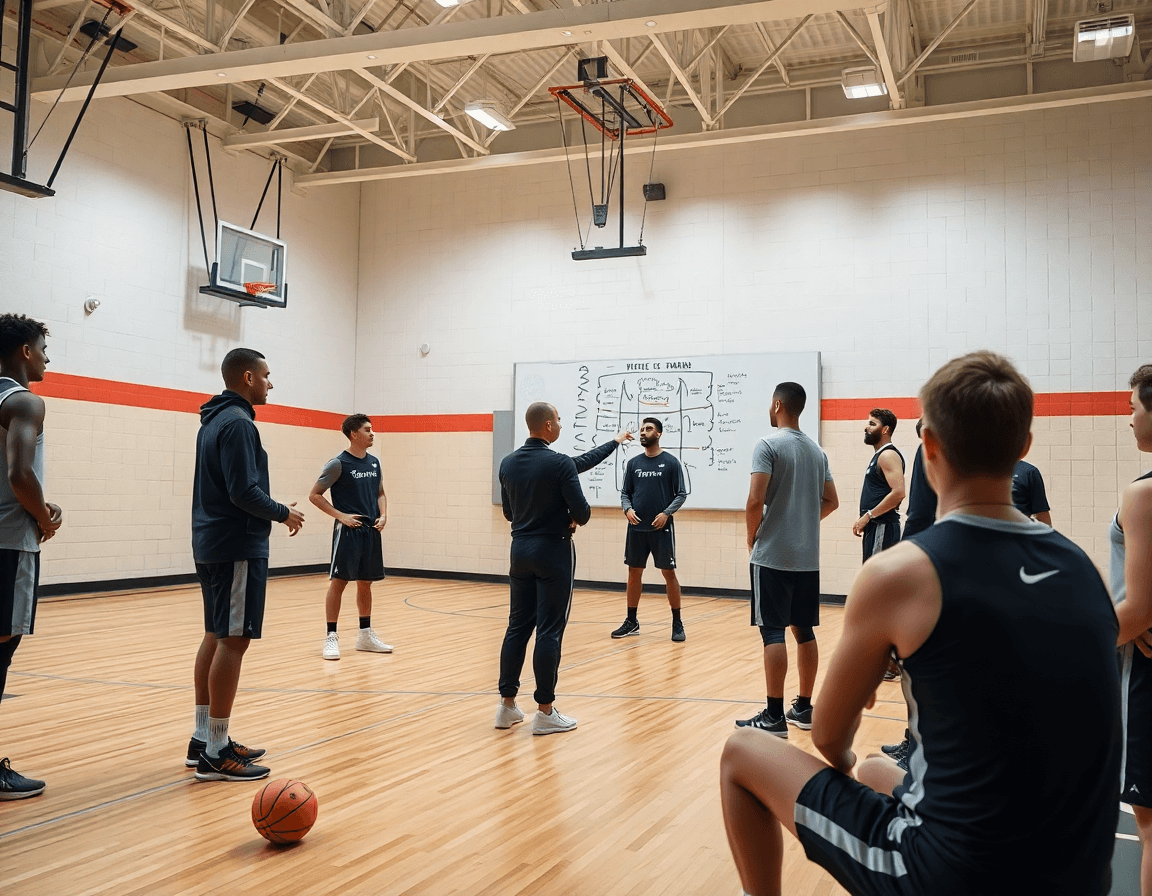
Starting the week with a clear objective is essential for a solid man-to-man defense. This is the weekly plan for man-to-man defense I use with my staff: define objectives around on-ball pressure, deny angles, and rotations. In the plan, we scale from individual technique (footwork, stance, ball denial) to 5-on-5 shell work that mirrors game tempo. I block time for teaching, drills, and quick feedback, and I map those sessions to days so the defense grows with our scouting reads. It also feeds into planning man-to-man defense practice across assistants.
From there, translate those pieces to the whiteboard: diagram rotating flows that cover on-ball defense, deny defense, and the first lines of help. We script responses to ball reversals and enforce No Middle Penetration, No Ball-Reversals, and No Help from Defenders One-Pass Away. The aim is to keep ball reversals in front of us and force the offense into tough passes, while our players stay in stance and communicate. We couple that with ball-screen reads and rotations that emphasize help-and-recover concepts without overhelpting. A daily progression keeps players sharpening fundamentals while building trust in the shell.
Midweek, reserve time for scouting review and clip-based feedback. Pull opponent tendencies: how they attack the line of our defense, their ball-reversal patterns, and which players threaten against a No Middle Penetration setup. We drop concise scouting notes into the plan and pair them with defensive packages on the whiteboard. Then we assemble shareable drill playlists—short clips that show proper angles, footwork, and rotations—so players can study the details on their own time and we stay accountable heading into the next practice.
On-Ball Positioning and Denial: Core Techniques
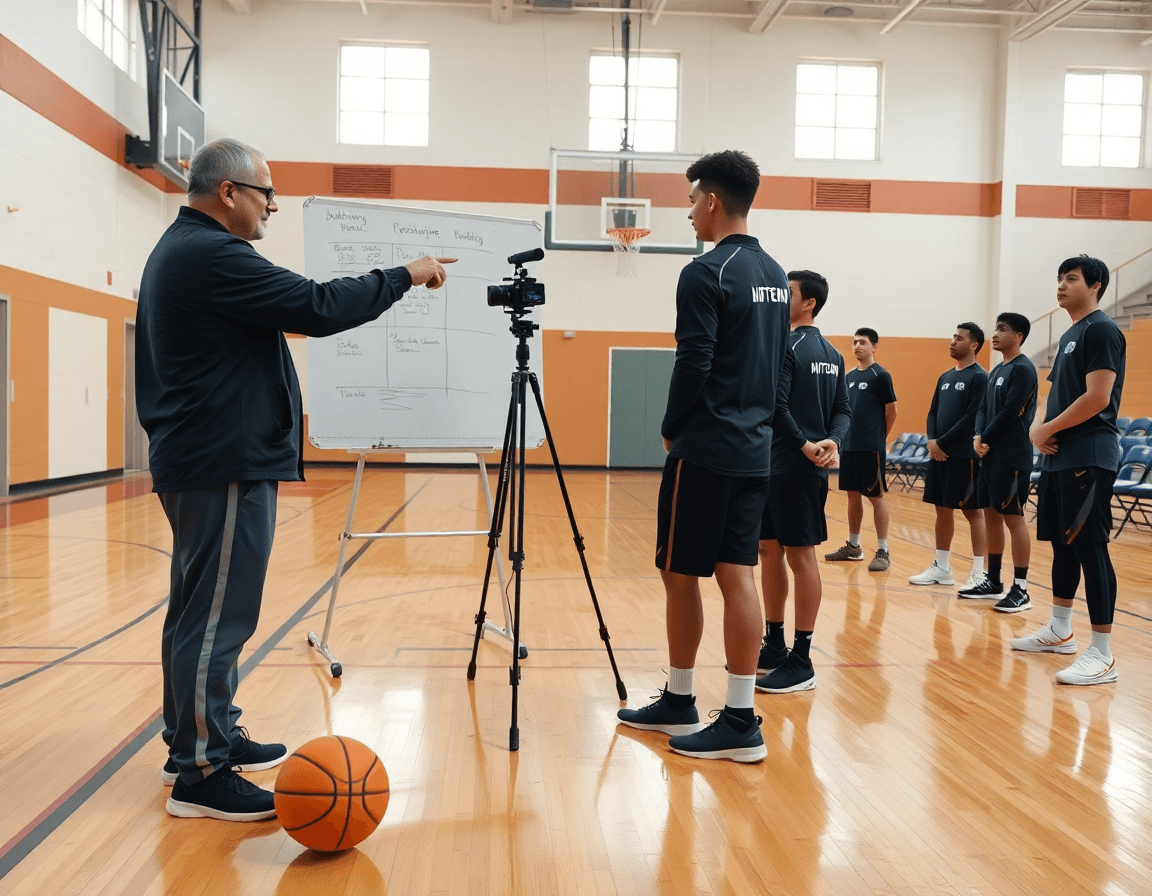
On-ball positioning starts with your stance. In man-to-man defense basketball, you teach a low, balanced setup: feet shoulder-width apart, hips square, weight on the balls of your feet. Hands active, eyes on the handler, chest mirroring the hips. That’s the core of on-ball defense techniques. The slide is the test—short, choppy steps, hips low, eyes forward, feet under control. Close-outs must be decisive and contained. In our weekly workflow, we lock these into the plan for the week, film a quick clip of a clean close-out, and lay out the footwork on the tactical whiteboard so assistants can coach the pace.
Denial angles: once you’re in stance, the goal is to deny direct passes. Your body becomes a barrier that nudges the ball toward the sideline or baseline. Use the outside hand to angle the ball away, while your feet mirror the passer’s momentum. The best denial defense tips hinge on timing and position—stiffen the backside, read the passer’s eyes, and explode into a tight recovery. We rehearse this in live-shell drills, clip sequences for review, and keep a scouting note on the opponent’s preferred passes.
Communication and guard adjustments: you’re not a statue; you talk, call out screens, and direct recovery. Quick guards need tighter hips and faster recoveries; wings require longer lead steps and higher hands. These guard-specific tweaks belong on the plan and on the whiteboard so assistants can reinforce them in drills. We also emphasize a targeted No Middle Penetration rule to keep the paint crowded.
Workflow integration: in the plan for the week we map on-ball drills, diagram stance-to-slides-to-denial angles on the board, and rely on a short video clip to illustrate the technique. The scouting note captures opponent tendencies, and we assemble a shareable drill playlist to keep learning accountable between sessions.
Rotations and Helpside: From Individual to Team Defense
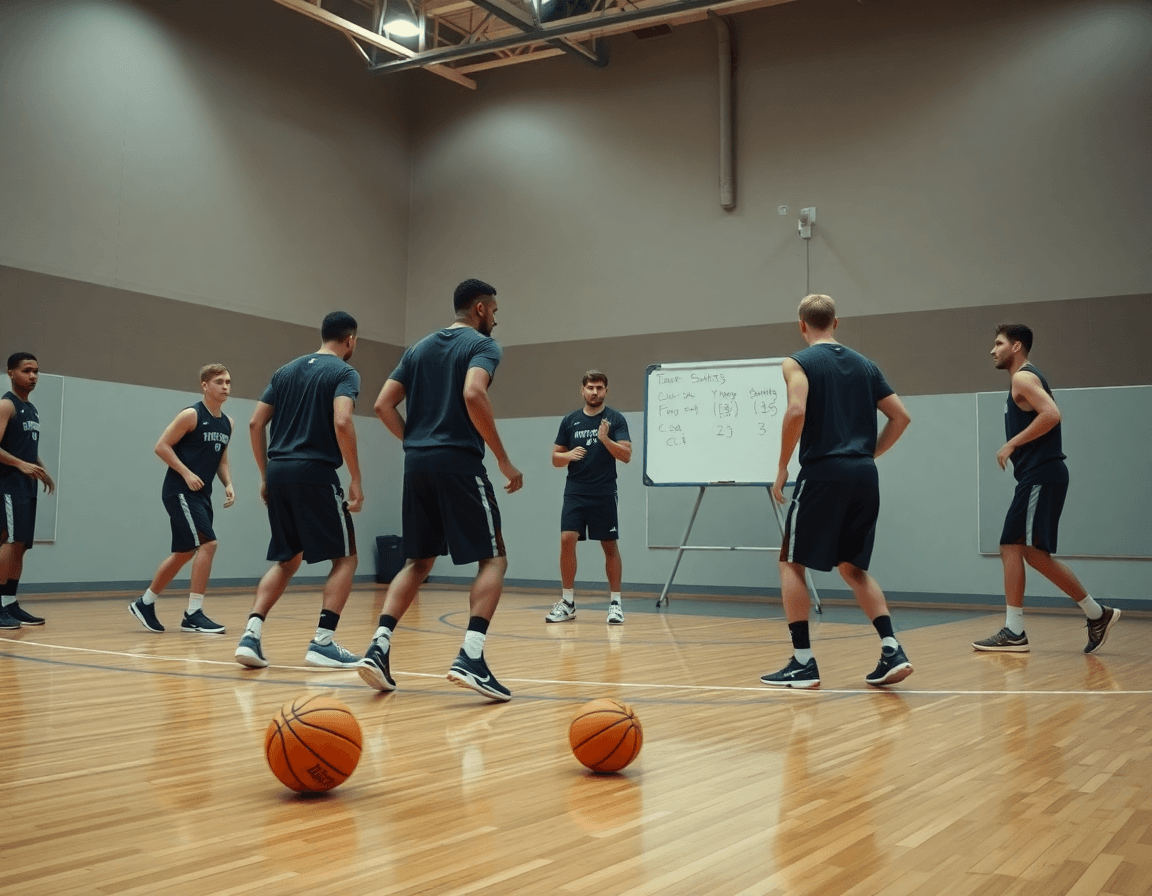
After ball reversal, the real test of a team’s defense begins. That’s where rotations in man-to-man defense become a true team habit, not five individuals reacting. We start with helpside alignment: the weak-side man slides to the lane line, eyes on the passer, ready to arrive with force if penetrations appear. In the weekly plan, we carve out time for these reads and footwork, assigning roles and drill slots for help defense. On the whiteboard, we diagram the recovery lines, callouts, and timing so every player knows when to sprint to space and when to snap back to the shooter. A quick game clip goes into a short video review, labeled to reinforce the sequence, and we drop it into a shareable drill playlist for the next session. Focus points: rotations in man-to-man defense and helpside defense.
When the ball is swung, the defense has to survive the ball-screen and still recover in 5-on-5. We teach how to guard the screen with the right contact, then where the helper should slide—and how the top defender must close gaps to prevent easy passes back into the middle. Communication is everything. In our plan, we emphasize crisp decision-making and disciplined gaps, using clips from recent games to illustrate proper timing. We drive home the principle: ball-screen defense and the guardrails like No Middle Penetration to keep everything connected, even as players rotate. We also pull in scout notes to anticipate the opponents’ ball reversals and target mismatches early in the possession.
Post defense is the salt that makes the scheme stick. When the ball goes into the post, we pivot to a coordinated front and weak-side help, with the option to trap if the scouting report shows a passer who struggles under pressure. If a trap is warranted, timing and space are everything, and the rotation must stay sharpshooter-fast. We pull these sequences into a dedicated clip library and a drill playlist for the week, so players can study how to defend and, when appropriate, trigger the trap. This is post defense with a purpose—and trapping when the moment fits.
Post Defense and Rebounding in Man-to-Man
During the weekly plan, we carve out time for post defense in man-to-man. Start with the stance: knees bent, feet shoulder-width apart, hips square to the paint. On the whiteboard, I sketch angles that pressure the post into the baseline and away from the middle. We drill entry denial—keep the ball on the outside, stay active with the chest and eyes. Emphasize the guardrails: No Middle Penetration and No Ball-Reversals at the catch. The on-ball defender shadows the post, while the help defender stays ready to stunt rather than collapse.
Next comes the boxing-out part. After a shot, our bigs slide into shoulder-to-shoulder position, hips into the opponent, and secure the rebound with a clean, firm box-out. We stress keeping the chest on the player until the ball hits the rim, then explode up and secure the board with strong hands. Clip these scenarios and file them under the rebound-focused playlist so assistants can pull a short demo before practice. This is where the emphasis on defensive rebounding pays off in live action.
Finally, the decision points: when to trap or sag depend on the opponent’s post style and the floor balance. If the post catches in a favorable seam and help is slow, a quick trap can disrupt the sequence. If not, we sag and rely on deny and proper help to limit ball reversals. Use the learnings labeled No Ball-Reversals and No Help from Defenders One-Pass Away to keep the paint compact. We review a representative clip of a successful sag-and-trap sequence and store it in the scouting notes, so the staff walks into the next game with clear, repeatable choices.
Scouting, Film, and Drill Library: Supporting Your Unit
Think of the scouting, film, and drill library as the spine of your weekly plan. Build a library of drills that reinforce key concepts—on-ball defense, denial, help, and the angles that keep a shooter out of rhythm. In our plan for man-to-man defense basketball, every drill maps to a principle: stance, footwork, contact, and recovery. This is where execution starts.
Before practice, I pull the scouting reports for the next opponent and tailor assignments by matchup. The scout notes focus on gaps, ball-handler tendencies, and how they attack ball reversals. I tag each report with terms like No Middle Penetration to guide which drills get priority and which rotations we want to hard-wire into our defense.
During film sessions, we run through clips that showcase our rotations and where we can tighten the gaps. I clip and organize game footage to highlight rotations and missteps, tagging clips with a simple language: ball reversal, deny defense, and No Ball-Reversals. The video clip workflow lets the staff pull a few clips and show specific fixes on the whiteboard.
All of this feeds into shareable content your unit can actually use. Build shareable drill playlists your team can click through, and track accountability as players apply it during workouts. The goal is faster learning, stronger communication, and a cohesive man-to-man defense basketball plan.
Practical Workflow: From Practice Plan to Player Clips
As a head coach implementing man-to-man defense weekly, I treat the week as a closed loop: plan, diagram, run, clip, share. This is the practical workflow for basketball defense our staff sticks to, weaving the weekly plan with the tactical whiteboard, game clips, and a growing library of drills. When players know the cues, accountability follows.
Step 1: Plan the week in the Practice Plans, setting goals for on-ball defense, deny defense, and help defense. I lock in a checklist with two core constraints: No Middle Penetration and No Ball-Reversals, then I layer in the opponent’s tendencies from scouting. That keeps the focus tight.
Step 2: Diagram on the tactical whiteboard: draw matchups, help angles, and ball pressure; label routes for BLOB/SLOB/ATO/PnR. A quick set of diagrams makes the defense tangible for assistants and players alike, and it maps directly to how we’ll defend ball reversals and off-ball screens.
Step 3: Run the plan in practice and use video to reinforce, capturing moments of on-ball defense, denial swaps, and help angles. I clip the best reps on the spot, tagging them by drill and by concept, so the next rep looks like a deliberate repeat of a learned cue.
Step 4: Build scouting reports + scout plays around the opponent’s attack. I annotate tendencies, highlight their ball reversal triggers, and point to clips that illustrate our adjustments. The library grows into a living reference for the whole staff.
Step 5: Assemble shareable playlists for players to study and reference, and export PDFs of plans and clips to reinforce coaching points. In minutes, we’ve turned plan-to-play into a measurable, repeatable cycle that accelerates learning and accountability on both ends of the floor.
If you build plans like this every week, CourtSensei keeps your drill library, whiteboard, and video clips in one place — try it free.
FAQ
What is man-to-man defense in basketball?
Man-to-man defense is a matchup-based scheme where each defender guards a specific opponent. You ride a low, balanced stance, with active hands and constant communication. The aim is to stay in front, contest every dribble, and deny easy passes. When you stay connected, your rotations and shell work keep the defense cohesive and tougher to solve.
What are the core rules of man-to-man defense?
Key principles are guarding your man, preventing middle penetration, and denying passes to the ballhandler. Communicate screens, rotate with purpose, and recover quickly. Rebound responsibility stays with the nearest defender, and you maintain disciplined gaps. The plan is to keep the ball in front, force tough shots, and stay aligned with the helpside.
How do you prevent ball reversals in man-to-man defense?
Keep the ball in front and deny the passer’s angles. Use decisive closeouts to force sideline or baseline passes, then sprint to deny the reversal. Maintain your stance, stay low, and shrink passing lanes with active hands. Quick, organized recoveries and smart rebounds help prevent reversal opportunities from becoming easy scores.
What is denial in man-to-man defense, and how do you practice it?
Denial is preventing a teammate from receiving a targeted pass. Practice with denial angles, using the outside hand to redirect passes while your feet mirror the passer’s momentum. Rehearse in shell drills and live-ball sequences, emphasizing timing, posture, and quick recovery so denial becomes automatic in games.
How do you manage helpside defense in a man-to-man scheme?
Helpside defense is the weak-side guard’s responsibility to help when needed without overhelping. Align to the lane line, read the passer, and arrive forcefully on penetrations. Practice rotations and callouts, so the top defender can close gaps and the weak side stays ready to recover to shooters.
How do you teach man-to-man defense to youth players?
Start with fundamentals: a solid stance, proper slides, and quick feet. Progress to on-ball positioning, closing out, and basic denial. Build through shell work, simple ball-screen reads, and repetitive, short drills. Use short video clips to reinforce correct angles and rotations, keeping feedback constructive and sessions focused.