Motion Offense Basketball Plays: Weekly Coach Plan
Coach-focused guide to implementing motion offense basketball plays in a weekly plan: spacing, reading the defense, and turning video into practice drills.

Key takeaways
- Frame motion offense weekly: center spacing, movement, and reads; avoid forcing explicit set plays.
- Structure the week around three blocks: spacing, movement, and reads vs defense; embed diagrams.
- Build a library of 6–8 drills; tag by reads and motion variants.
- Progress from basics to reads; emphasize spacing and ball movement in every drill.
- Use CourtSensei to link plans, diagrams, notes, and clips for quick player reference.
Frame motion offense within your weekly plan
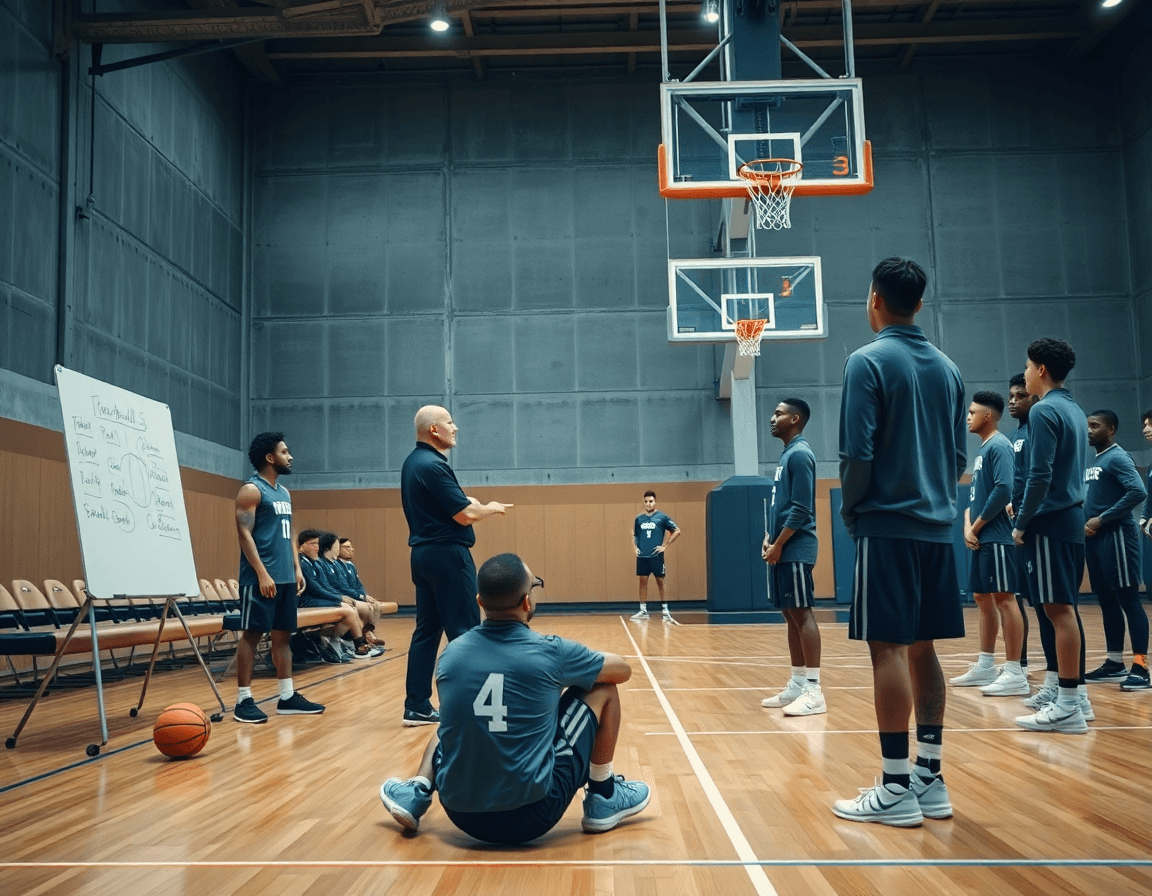
As a coach who lives in the weekly plan, I frame motion offense principles as a movement-driven, spacing-focused approach with read-and-react decisions. It starts with players understanding that success comes from reading the defense and making the next pass or cut, not from forcing a set play. The backbone is movement, quick ball movement, and a willingness to screen and cut into space. When needed, we have options like dribble-drive motion or a 4-out variation to keep defenders honest, but the emphasis stays on reading, relocating, and keeping the floor balanced.
To make this real on the floor, I rotate the week around three core blocks: spacing; movement and cuts; and reads vs the defense. Dedicate 3-4 sessions to these focal points and embed them into planning weekly practice. On the plan, we attach diagrams; on the whiteboard we rehearse reads; a short video clip shows the exact movement. The workflow is clear: planning weekly practice, then diagramming on the board, then watching a clip to lock in the read.
Core principles guide every decision, but we tailor them to age and level. Younger teams lean into spacing and continuous movement with simple reads; varsity and mid-level programs add more option trees and selective fixed plays as contingency options for late-game possessions. The key is staying true to the principles while adjusting spacing, pacing, and decisions to fit the group.
With tools like CourtSensei, you can track progress across the weekly plan. For each session, drop a whiteboard diagram, attach a scouting note, and link a short video clip for players. That makes the motion offense workflow concrete from planning to on-court execution. The player playlists—curated clips for each read—become a quick reference on game night, so the team stays aligned with the read of the defense.
Build a practice library: spacing and movement drills
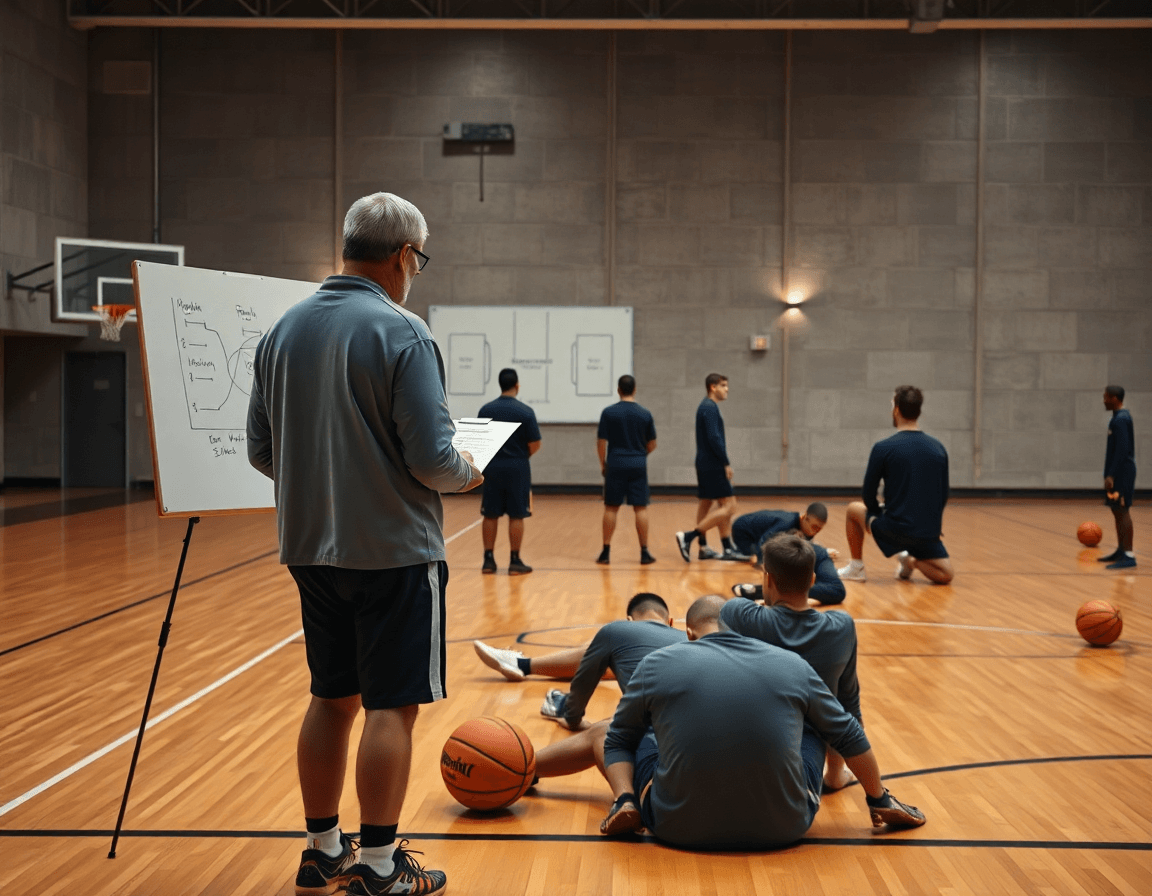
Building a solid practice library starts with a clear focus on spacing and movement. For a motion offense, I target 6–8 core drills that hammer in spacing in basketball, quick passes, and continuous movement. I lock these into a reusable library so I can pull them up by age or level and remix them for different groups. The goal is to have a go-to set of motions that keep players in constant motion without breaking the flow of the offense. The library becomes the backbone of the weekly plan, not a one-off drill sheet.
Organizing the drills around reads bridges practice to game concepts. I label each drill with its corresponding reads—read the defense, react, and counter with ball movement. That pairing is essential for teaching motion offense principles in real time. Spacing in basketball is not مجرد spacing drills; it’s a language players learn as they watch defenders and adjust screens or cuts. When I tag a drill as part of a 4-out motion offense or a dribble drive motion sequence, assistants can filter to find routines that reinforce the same reads during scouting discussions and video reviews.
The workflow pays off in minutes, not hours. I assemble weekly practice plans for assistants by naming a theme (e.g., “continuous movement week”), then drag in 3–4 drills from the library that align with that week’s reads. I pair each drill with a short video clip and a scouting note on what to watch for—helps us translate theory into on-court execution. And when players need quick reminders, I drop a shareable playlist of clips tied to the plan so they can review the motion off the ball and understand how spacing and screening connect to the reads we’re teaching. In short, the library fuels a scalable, motion-based workflow from planning to on-court execution.
Progression: from basics to reads and decision-making
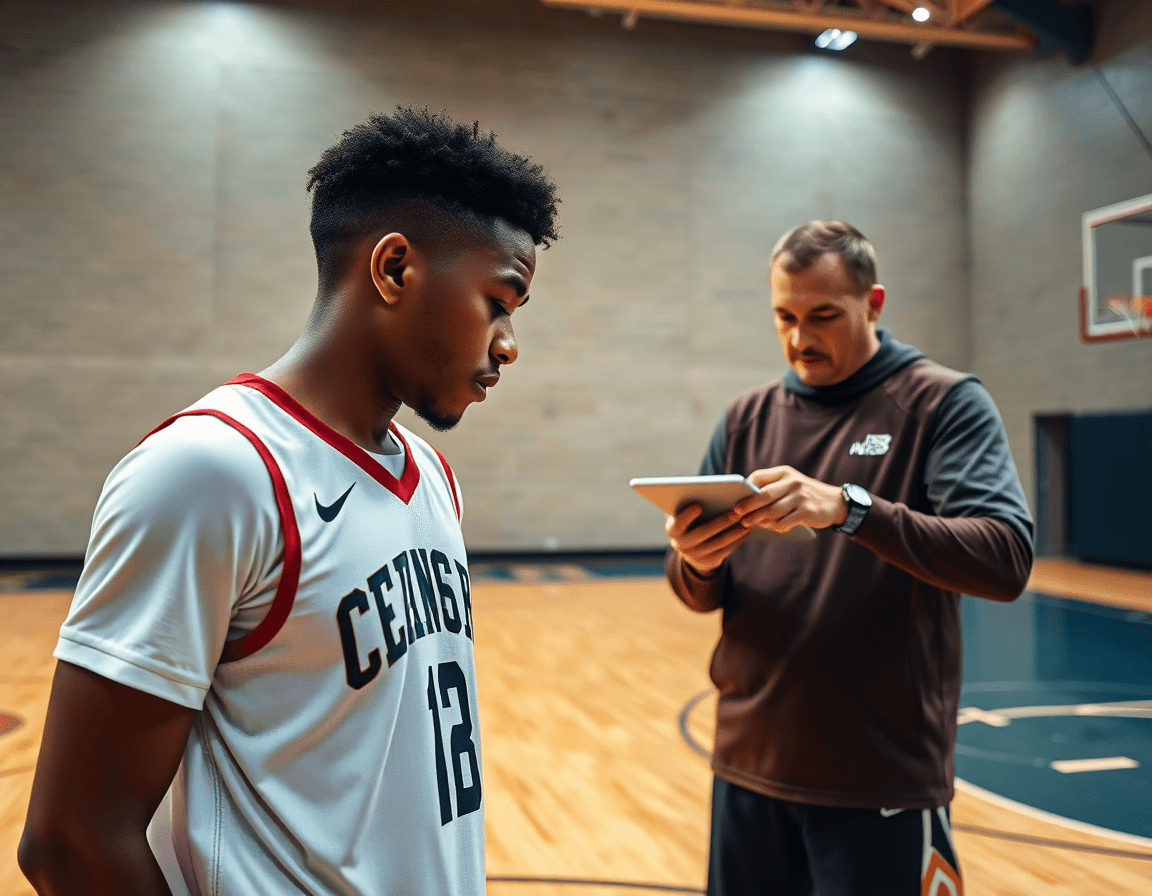
Progression in a motion offense starts with the basics: crisp passes, timely cuts, and screens set with purpose. We emphasize spacing in basketball and constant ball movement, so players learn how to create angles even when nothing is open right away. In the plan, we map these elements in a simple cycle: entry actions, movement without the ball, and quick reads once the defense relocates. This foundation keeps everyone connected as concepts spread from drill to game.
Once basics are solid, we layer reads and decision-making. Players learn to read the defense as it shifts—whether it traps, switches, or hedges—and decide whether to drive, skip, or relocate for a shot. In a weekly practice, we attach a scouting note to each progression so you practice contextual reads against the upcoming opponent. In CourtSensei, that shows up as a labeled drill in the plan and a short video clip illustrating the read for quick reference with your staff and players.
With mature spacing, we introduce dribble-drive motion and the variations: 4-out motion offense, 5-out motion offense, and 3-out 2-in. The emphasis remains on ball movement and screening and cutting, but the driver’s read points become central: when to probe, when to kick, and when to reset. Use the whiteboard to diagram action and export PDFs for assistants to study during film sessions. Short video clips help players see the read in real time and translate it to live action.
Communication, tempo, and player versatility drive Read and React execution. You want players who can call out screens, adjust on the fly, and sprint into the next action after a shot threat. Tie the progression to opponent scouting: if they switch aggressively, practice quicker reversals; if they hedge, drill early reversals. The weekly plan links reads to scouting notes and to player playlists, so everyone stays sharp from planning through on-court execution.
Scouting and opponent prep for motion offense
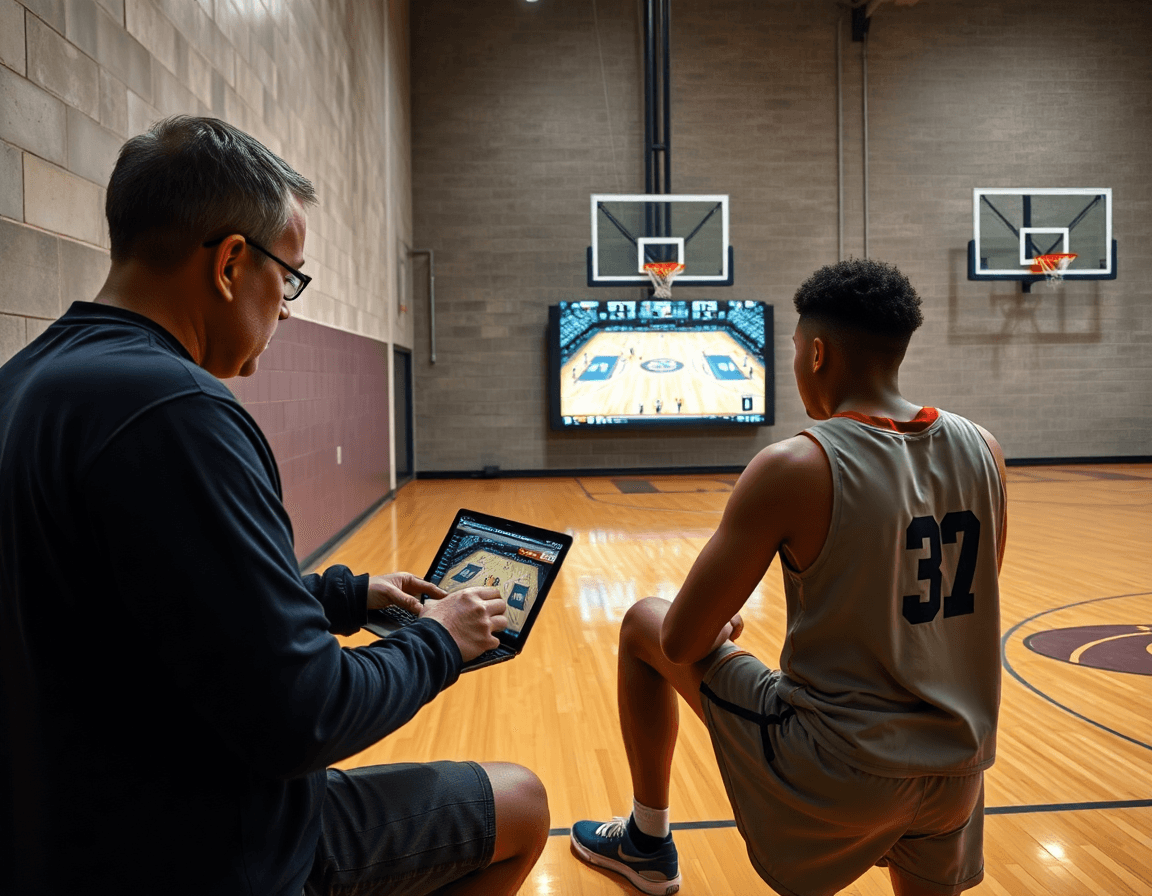
Scouting reports pinpoint the defenses you’ll face—where they give up spacing, where they overhelp, and how their rotations swing on screens. I build these notes into our weekly plan in CourtSensei so the game plan flows from prep to practice with no friction. The goal is to translate those tendencies into clear spacing and reads that keep players in motion and the ball moving. When our motion offense principles align with what we know about the opponent, the team moves with purpose in every session.
From those insights, we develop scout plays and contingency actions tailored to each opponent. If a team overhelps and hard-switches, we diagram a 4-out motion with screening and cutting to create mismatches, and map contingency actions: a one-pass skip, a quick reversal, or a back-cut option. I label these as scout plays and load the diagrams on the whiteboard for practice. This is real opponent prep for motion offense—the plan is specific to the defense, not generic.
Share notes with assistants and players to inform in-game decisions and practice emphasis. We push the notes as a quick read before shootaround and drop-in reminders into a searchable library. For players, I assemble video clips and shareable player playlists that highlight the exact reads against that defense—the gap opens after the drive, the window on the weak side after a pass, the timing of screening and cutting. Our workflow stays tight: plan, whiteboard diagrams, brief clips, and playlists that drive consistent execution in games.
Video workflow: clip, tag, and teach motion concepts
Video is the backbone of teaching motion offense. Capture game and practice sequences that illustrate reads, cuts, screens, and spacing. In our weekly workflow, I start by collecting clips that map to motion offense principles—4-out spacing, continuous movement, ball movement, and screening and cutting. Those clips become the reference for what we want players to reproduce on the floor. A clean library helps us connect what we draw on the whiteboard to what players actually see in game film.
Clip and tag key moments; build playlists for players and staff. Tag each clip with concepts like reads, spacing, screen type, cut, or ball reversal. This makes it easy to pull a specific teaching moment during a film session. I build playlists for different objectives—guards focused on ball movement and reads, wings on spacing and cuts, post players on screening sets. The result is a streamlined workflow where a single clip can launch a 5-minute teaching sequence before we step into drills.
Share clips via links and export PDFs to reinforce on-court concepts during review. Shareable links let assistants, players, and even partners pull up the same moment in real time after a practice or game. Export PDFs of diagrams and key sequences from the whiteboard to print and hand to players for reference during film review. When a clip aligns with a play in our plan—ball movement through reads and spacing in basketball—we’ve got a repeatable, teachable rhythm that makes motion offense concepts tangible on-court.
Practical workflow: 5-step weekly routine for motion offense
Step 1 – Plan: Set weekly focus within a motion offense framework using a clear checklist. In the planning weekly practice workflow, you map the objectives, align with your staff, and lock down a concise checklist that covers spacing, reads, ball movement, and screening and cutting. This is where the motion offense principles translate into action, and the plan becomes the road map your assistants and players can follow.
Step 2 – Drill library: Curate and assign drills that reinforce spacing and reads. In the drill library, tag each drill with concepts like spacing in basketball and read the defense so players know what to hunt for during live reps. Pair drills with short video clips that demonstrate the exact reads and cuts, then assign them to players in the plan so everyone knows what to practice and why.
Step 3 – On-court progression: Run progressive drills and small-sided games to build decision-making. Start with 2-on-2 or 3-on-3 within solid spacing, emphasizing quick ball movement and recognizing helper rotations. Progress to 4-on-4 and 5-on-5 to sharpen reads and decision-making under pressure, tying in dribble-drive motion and the screening and cutting actions that keep the offense dynamic.
Step 4 – Scouting and prep: Review opponent tendencies and tailor spacing/reads accordingly. Build scouting notes that highlight how the defense reacts to ball reversals, how help comes, and where to attack with specific reads. Translate that into a weekly plan, so your on-court sessions address the actual matchup and keep things efficient.
Step 5 – Video review and playlists: Clip key moments, assign player-specific playlists, and track improvement. Create short video clips from games and practices, curate player playlists that reinforce the preferred reads and cuts, then monitor progress over the week. This is where the workflow closes the loop from planning to on-court execution.
If you build plans like this every week, CourtSensei keeps your drill library, whiteboard, and video clips in one place — try it free.
FAQ
What exactly is motion offense in basketball, and how does it work in practice?
Motion offense is a movement-driven, spacing-focused approach that relies on players reading the defense and making the next pass or cut instead of forcing a scripted action. In practice, we frame the week around spacing, movement, and reads, with players relocating, screening, and cutting into open space. We mix in options like dribble-drive motion as needed.
How does a motion offense read the defense and make decisions on the fly?
Players learn to read the defense as it shifts—traps, switches, or hedges—and decide whether to drive, skip, or relocate for a shot. The core workflow is entry actions, movement without the ball, and quick reads once the defense relocates. We attach scouting notes to reads and use quick film clips to lock in the decision process.
What are common motion offense formations (4-out 1-in, 5-out, 3-out 2-in) and when to use them?
Common motion setups include 4-out 1-in, 3-out 2-in, and 5-out. Each creates different spacing and driving angles. Use 4-out 1-in to keep the outside lanes clear, 5-out to maximize floor spacing, and 3-out 2-in to balance outside pressure with a post option. Formations serve as option trees, not rigid plays.
How is motion offense different from set plays, and why should you choose one over the other?
Motion offense is continuous and read-and-react, not a single predetermined sequence. It emphasizes spacing and ball movement, with players reading the defense to decide next action. Set plays are fixed routines designed for specific moments. Use motion for versatility and flow; pull in a set when you need a controlled look late in the clock.
How do you coach motion offense to beginners or youth players effectively?
Start with simple spacing and movement, then add easy reads. Build a library of drills tied to reads so players connect the action to the defense. Keep language simple, emphasize communication, and progress from basic passing and cutting to reads and decision making. Use short video clips and a weekly plan to translate theory into on-court execution.
When is motion offense most effective against defense, and what reads shine?
Motion shines when defenses overhelp or switch aggressively, opening passing angles and driving lanes. The strongest reads are when to drive, skip, or relocate as defenders react, plus timing passes to cutters. Maintain good spacing and ball movement to prevent stagnation, and tie reads to opponent scouting notes for game prep.