One on One Basketball Drills: A Coach’s Weekly Plan
Coach-focused guide to a weekly 1-on-1 drill workflow: plan drills, run live blocks, review clips, and adjust offense, defense, and decision-making.

Key takeaways
- Plan a 4–5 day block focused on ball-handling, attack moves, and finishing to build a clear progression.
- Map drills to each day with the Practice Plans library and share with assistants for consistency.
- Keep progressions tight so each session feeds the next, building a cohesive 1v1 weekly growth trajectory.
- Export a shareable plan with flow, rules, and notes; attach scouting insights to tailor variations.
- Adopt a quick cycle: design, run, review, adjust to ensure weekly growth translates.
Plan a weekly 1-on-1 drill block that builds skill progression
If you’re wondering how to plan 1-on-1 drills, start with a 4–5 day block that targets ball handling, attack moves, finishing, and defensive stance. The idea is to design a week where each day builds on the last, creating a clear skill progression. Use the Practice Plans library to map drills to each day and share with assistants for consistency. Set clear progressions (start with a simple drive-and-kick, progress to finishing through contact) and generate exportable checklists for staff so everyone is on the same page.
A concrete skeleton helps you lock in a routine. Day 1 focuses on ball handling under pressure with controlled reps. Day 2 introduces attack moves off the bounce and decision-making in tight spaces. Day 3 emphasizes finishing at the rim against contact and varying angles. Day 4 hones on defensive stance and on-ball pressure to keep the ball in front. Day 5 brings a controlled 1v1 competition, applying what was worked on, with a simple scoring system to track growth. Keep the progression tight and ensure each session feeds the next, so you’re literally building a weekly plan around a single week’s growth trajectory.
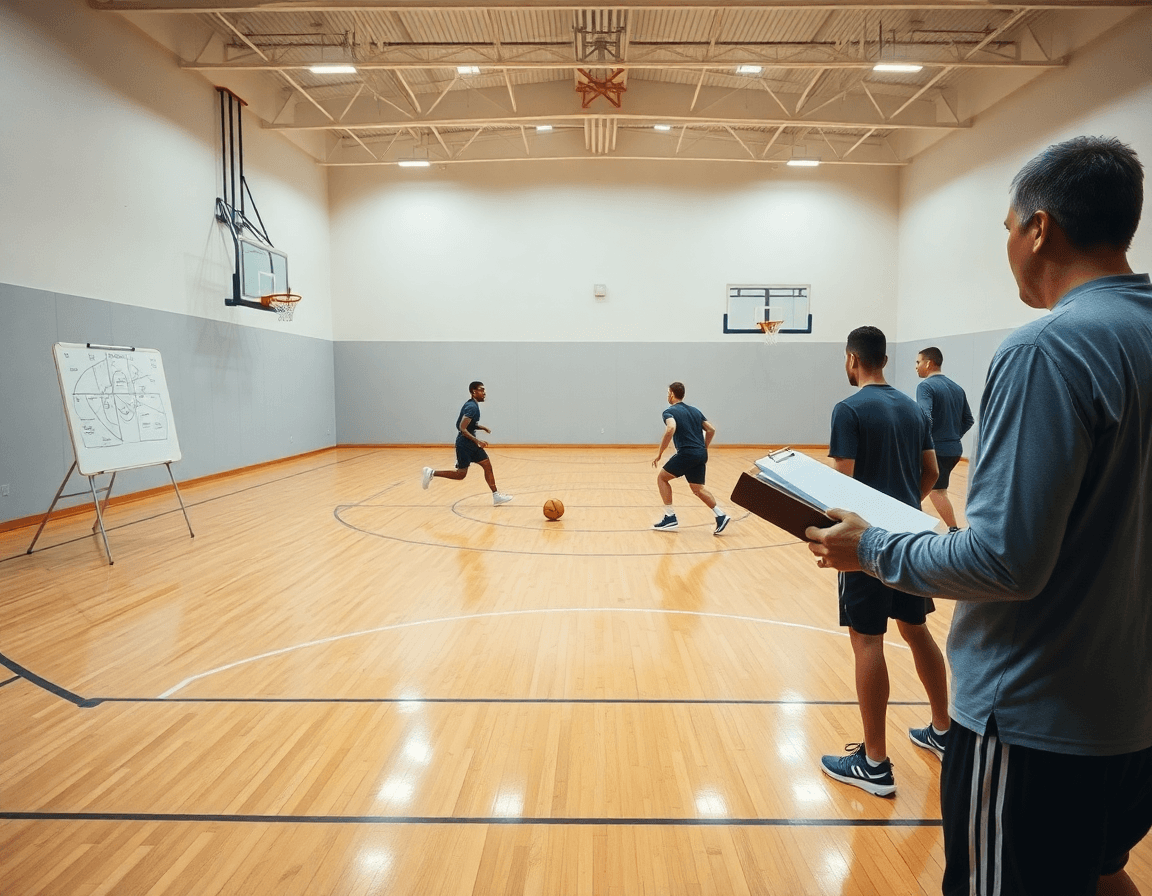
During practice, your workflow comes together. In the plan, you pull the drills you need; on the whiteboard you diagram drives, counters, and counters to counters. After the session, drop a short video clip for players to review and reference in their own time. Capture quick scouting notes about opponent tendencies in the week’s prep and adjust the next week’s block accordingly. The goal is a cohesive loop—plan, execute, review, adjust—so the 1v1 week keeps translating into tangible development.
Core 1-on-1 drill categories every coach should include
Core one on one basketball drills are organized around offense, defense, and variations that keep players in game-like decision making. When I map the week, I block these into a progressive flow that aligns with opponent scouting and player development goals. In CourtSensei, I lock this into the Practice Plans, sketch setups on the Whiteboard, and pull a short video clip to preview the reads before the group slips into drills.
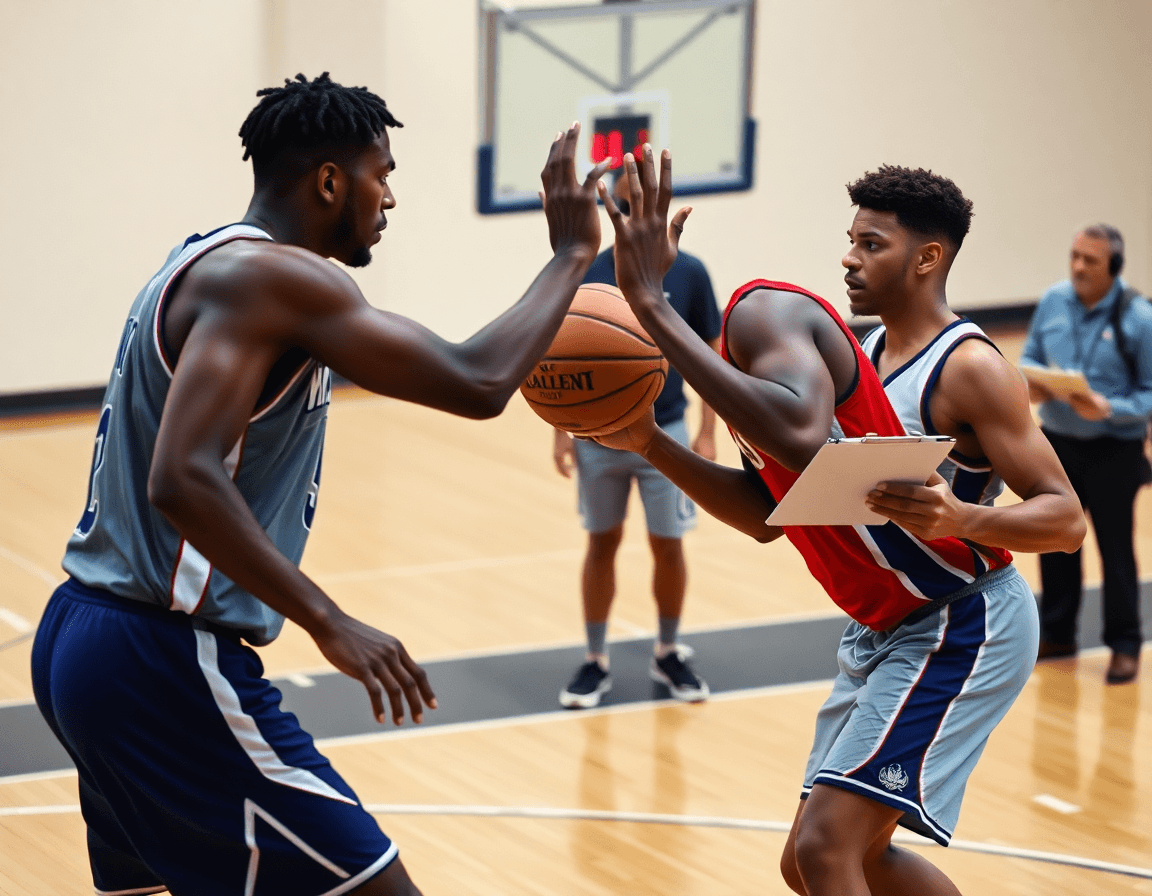
Offense: drive options, finishing at rim, counter moves, and pull-up options. In practice I pair a drive-to-score drill with a finishing-at-rim reaction to contact, then a pull-up counter when the defender overhelps. A quick video clip anchors the technique, and the playlist of clips keeps players aligned as they rotate through stations. The flow remains tight because the plan ties each action to a read, not just a drill.
Defense: stance, gap control, hand pressure, and crowding the shooter. I diagram patience in stance and spacing on the Whiteboard, then run a sequence that demands active hands and quick resets. The drill emphasizes gap control and crowding the shooter in read-and-react sequences. The scouting notes help tailor the pressure to each opponent, so we’re teaching decisions that transfer to game reps, not just technique for technique’s sake.
Variations: continuous 1-on-1, make it take it, and named drills like NBA slot, Louisville, Iona, and Hostage formats. We rotate through these throughout the week, adjusting for age and skill while preserving game-like decision making. The Whiteboard maps path options and the video clips illustrate the reads, while scouting notes guide which variation to emphasize against a particular opponent.
From your drill library to live practice: selecting variations and rules
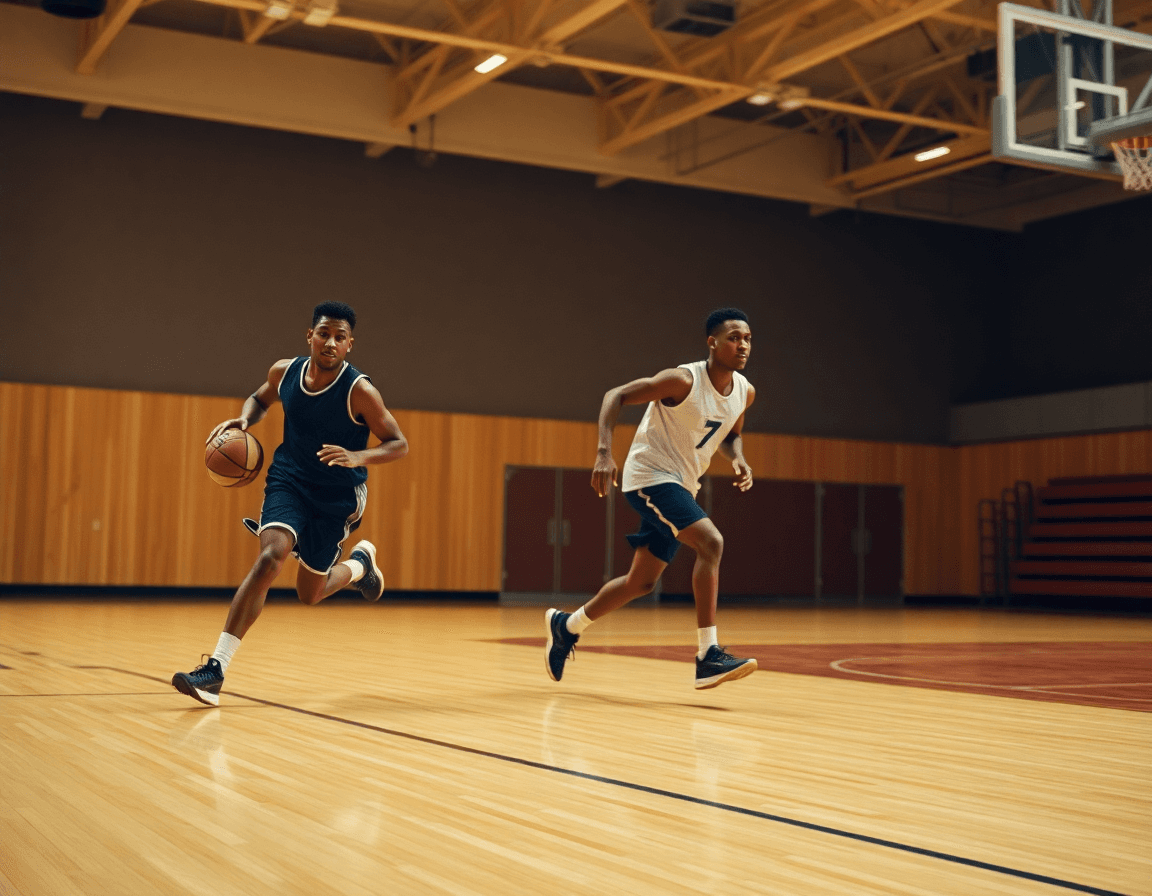
As I pull from the drill library, I filter for age/skill and the outcome we need—ball handling, decision speed, finishing. In the plan, drill variations are the first dial I tune. I’ll swap in 1v1 options that push a guard’s burst and a big’s footwork, all tailored to the opponent’s profile. These one on one basketball drills map to the scout notes we’ve already accumulated, and I can preview a short video clip to confirm the sequence. The beauty of CourtSensei is that this setup lives in one toolset: variation chosen, note added, and we’re ready to move.
Next, I move to the live session and set up rules to keep things efficient and game-like: cone spacing and geometry to force proper footwork, a 5-dribble limit to pressure decision speed, and an outlet pass rule that keeps the drive from stalling. These setup rules sit on the whiteboard and tie directly to the drill variations I selected. With the assistants, we stage the reps around the flow, so every player experiences a clean progression instead of just scrambling through random drills. The workflow—on the plan, on the whiteboard, in the drill—keeps us aligned during every 1v1 rep.
To ensure everyone is aligned, I export a PDF or shareable link that lays out the drill flow, the rules, and the progressions, with annotations for what to stress at each stage. Staff can review before practice; players can study the flow during walkthroughs. A quick scouting note attached to the doc helps me tie the variations to an opponent’s tendencies, so our 1v1 offense and defense reps stay sharp all week.
Practical workflow: design -> run -> review
Step 1: design the block in Practice Plans with 3–4 core 1v1 drills and clear objectives. I start by outlining attack and defense options—ball handling, spacing, footwork, and finish at the rim—so every drill has a concrete purpose. This is the place to map variations that target a defender’s tendencies, then slot them into a cohesive block so the week’s plan feels intentional rather than random. In CourtSensei, this is the moment I lock the workflow for 1v1 drills into the plan, then share it with assistants for quick tweaks.
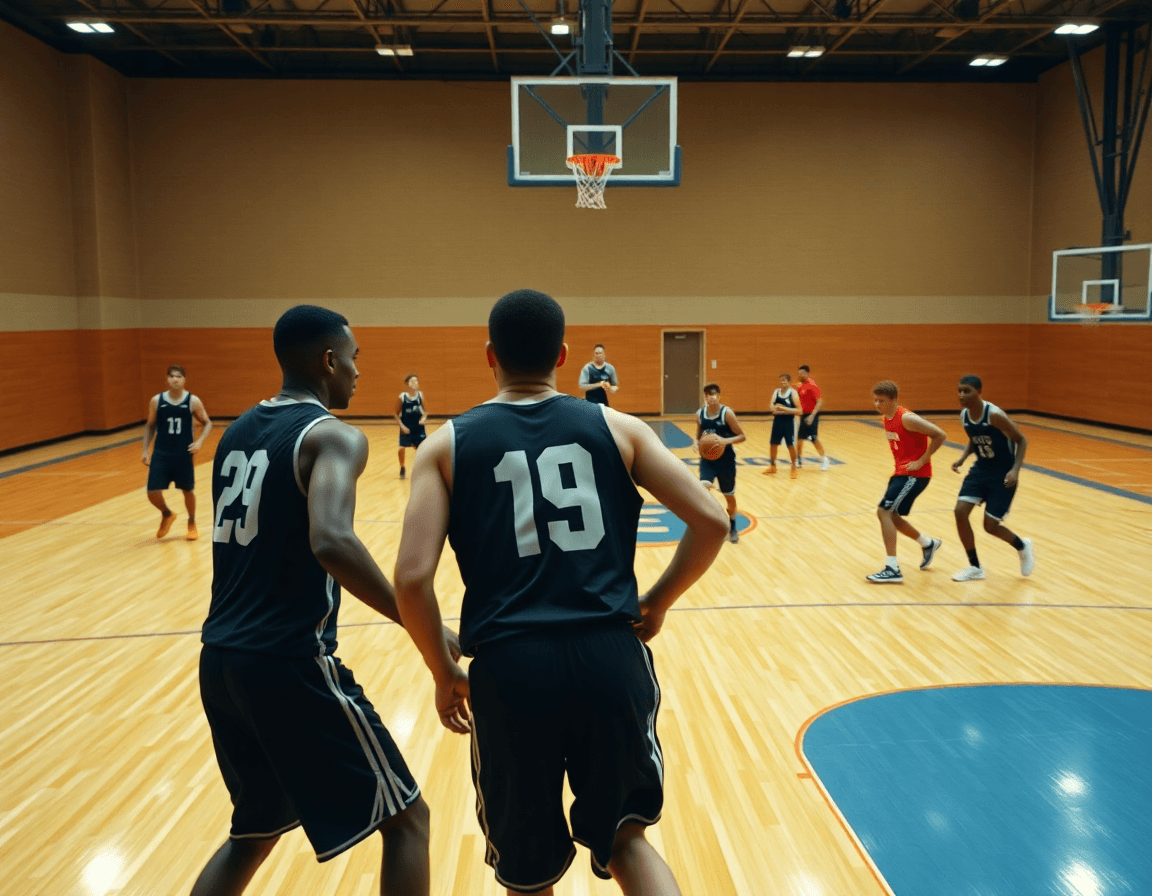
Step 2: run 2 rounds per drill with fixed time windows to simulate game tempo. Each block runs like a small scrimmage with a clock, so players feel pressure and decision-making under real rhythm. We space the rounds to mirror late-clock situations or a fast break sequence, then annotate what worked and what didn’t. This is where the practice plan execution becomes tangible: players experience the pace, while coaches collect game-like data to feed back into the block.
Step 3: use the Whiteboard to diagram positions and actions in real time. I sketch drives, pivots, and counters as they unfold, so assistants can see the splits and recoveries immediately. The diagram evolves with the drill, turning coaching decisions into a visual language that translates to both offense and defense—perfect for coaching 1v1 sequences on the floor and in the plan.
Step 4: clip decisive moments and share with players via playlists for targeted review. A short video clip of a drive-counter finish or a defender’s stance becomes a focused teaching tool. Players watch the highlight, then re-enter the court with a sharper read. Playlists keep every takeaway organized and accessible for individual review.
Step 5: post-practice notes and adjustments go into the next week's plan. I jot scouting notes, tweaks to timing, and new variations, then thread them back into the block. The cycle closes with a concrete update to the plan, fueling a clearer path from drill execution to player development and a smarter, more responsive 1v1 drill week.
Leverage video and playlists to accelerate 1-on-1 development
During a 1v1 week, video is your fastest translator from reps to improvements. We capture live video clips 1v1 as sequences unfold, trim to the moments that matter, and group them into player playlists tailored to each player. I might clip a guard’s read against a hard hedge and finish, then save the 12–15 second segment into the guard’s folder. The goal is simple: translate a tough rep into a focused cue that can be reviewed later in practice without sifting through a full game.
Assign clips to players to reinforce good reads, ball handling, and decision making. In practice, a clip showing a decisive push, a stutter move, and a finish becomes the anchor for a quick, repeated drill in the plan. When I’m working on offensive or defensive reads, I use the 1v1 video review to connect what happened in that clip to the footwork and timing we’re teaching. It’s not a reel; it’s a blueprint for development that players can revisit between sessions.
Use shareable links to give players and assistants quick access to targeted review material. A single link can land in their device, in a scouting note, or in a plan on the whiteboard. The material travels with the plan: a short clip after the session, a cue before the next rep, and a reminder to study that scene against that opponent’s tendencies. That’s how a week of 1v1 focus becomes measurable progress through video and playlists.
Measure progress with scouting and feedback
To measure progress, I tie every 1v1 drill to what we’ve learned from scouting reports 1v1 on opponent tendencies. After game film lands and I jot notes, I translate that into concrete drill blocks in the Practice Plan. If the opponent likes to pressure the ball on the catch, I add ball-handling under duress, finish-through-contact reps, and decision moments off the drive. When those blocks run all week, our 1v1 reps aren’t random; they mirror what the opponent will test us with.
Collect weekly feedback from players and assistants; log it in the plan for accountability. This is where we capture realities from the floor—what’s working, what’s dragging, and what the scout notes missed. I’ll drop into the log a note like: “Need more pressure on pull-up counters,” and assign the fix to the next practice block. The phrase we watch most—feedback 1v1 drills—becomes a living line item, visible to the staff in the weekly plan.
Use the scouting notes to adjust drill emphasis (move to stronger counter-moves or defensive schemes). If the opponent tendencies 1v1 show a route to the rim, we pivot to counter-move sequences and tighter on-ball defense—think hand-off denial, verticality, and quick-closeouts. Those adjustments stay documented in the scouting notes and show up in the next block, so the week evolves with purpose instead of chance.
Finally, close the loop with Video Clips. A short clip of a defender’s stance or a successful counter, tagged with the scouting note, lands in a team Playlists for review. I pull the clip onto the Whiteboard, label the drill variation, and link it back to the plan. The players watch, the staff notes the tweaks, and we move into the next cycle with clearer expectations.
If you build plans like this every week, CourtSensei keeps your drill library, whiteboard, and video clips in one place — try it free.
FAQ
What are effective one-on-one basketball drills?
Effective one-on-one basketball drills focus on four areas: ball handling, attack moves, finishing, and on-ball defense. Build a simple progression: start with controlled ball handling under pressure, move to drive-and-kick or counters, finish through contact, and work on stance and gap control on defense. Use continuous variations to mimic game tempo, and keep reps crisp with quick feedback.
How do you practice one-on-one in basketball?
To practice one-on-one effectively, design a 4–5 day block that targets ball handling, attack moves, finishing, and defensive stance. Start with under-pressure handling, then add attack options off the bounce, work finishing through contact, and finish with on-ball defense. Map drills to a week using a clear skill progression and pull clips later for review. Share the plan with assistants to keep coaching consistent.
What is a continuous one-on-one drill?
continuous 1-on-1 is a flow drill where players stay in rotation with minimal resets. The focus is read-and-react reads, pace, and decision speed, not stopping after every play. It often uses make-it, take-it or other flow rules so players stay in a game-like rhythm while defending and attacking. Use video clips to reinforce reads and maintain focus.
How many dribbles are allowed in 1-on-1?
Most programs limit dribbles to keep decision speed sharp. A common rule is a 5-dribble limit per possession, plus an outlet pass to restart, which keeps the action moving and mirrors plausible game tempo. Adjust the limit up for older players or down when you’re teaching footwork in tight spaces. The goal is quick reads, not exhibition dribbling.
How do you defend in a one-on-one?
Defending one-on-one starts with a solid stance, gap control, and on-ball defense. Stay in front, angle drives, and crowd the shooter when needed. Use read-and-react sequences to force decisions, then reset quickly if the attacker changes pace. Tie defense to scouting notes so you pressure the opponent’s tendencies without overcommitting.
How can you structure a 1-on-1 drill session?
Structuring a 1-on-1 drill session starts with Practice Plans and a 3–4 core drills block. Design a fixed-round format to mirror tempo, and set up rules on the whiteboard (dribble limits, spacing). Run 2 rounds per drill, then review with clips. Export a PDF or share a link to keep staff and players aligned; finish with scouting notes for opponent tendencies.