Passing Drills for Youth Basketball: Weekly Coach Plan
Coach-focused weekly plan for youth basketball passing drills that build technique and teamwork. Learn a practical workflow with plan sheets, diagrams, video, and playlists.

Key takeaways
- Establish a clear weekly focus on passing drills for youth basketball to reduce turnovers.
- Design a 15-minute progression that includes chest, bounce, and overhead passes with clear cues.
- Pair each pass with catching on the move and emphasize lead the pass to shooters.
- Progress from perimeter drills to the three-man weave and then full-court reads to build rhythm.
- Adopt a 5-step weekly workflow: plan, diagram, record, share video clips for coaching feedback.
Why a weekly focus on passing drills matters
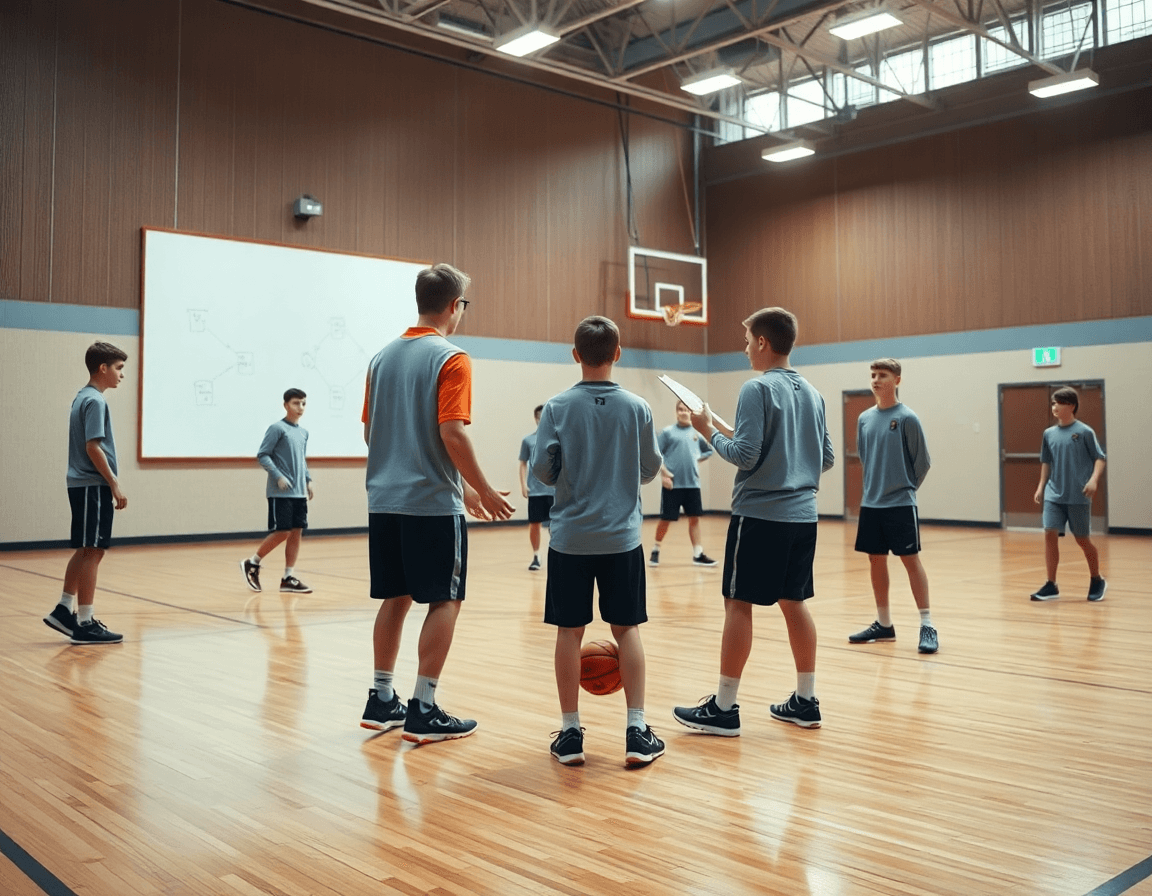
A weekly focus on passing drills for youth basketball keeps ball movement sharp and turnovers down across youth squads. When you build your plan around these drills, the improvement is steadier and more measurable. In the practice plan, you can pair chest passes, bounce passes, and overhead passes into a single progression. On the whiteboard, diagram the sequence and label the keys. That clarity helps assistants know what to coach and players know what to execute.
Structured, repeatable drills help players internalize fundamentals and build chemistry. They let a team move from a three-man weave into a sequence that sweeps chest passes, bounce passes, and overhead passes in a reliable rhythm. In the plan library, you can pull that progression, annotate it on the whiteboard, and run it as a 15-minute block during the weekly session. Short, clear cues keep assistants aligned and players engaged.
Aligning drills with a clear weekly plan sustains progress and makes it easy to track outcomes. Use scouting reports to tailor what you emphasize—opponent tendencies show up in the drill selection. With video clips, you can show a lead the pass or catching on the move, then label the technique for the next session. Build playlists for players so every week they see a focused progression, from perimeter passing drills to full-court reads.
Core passes to master this week
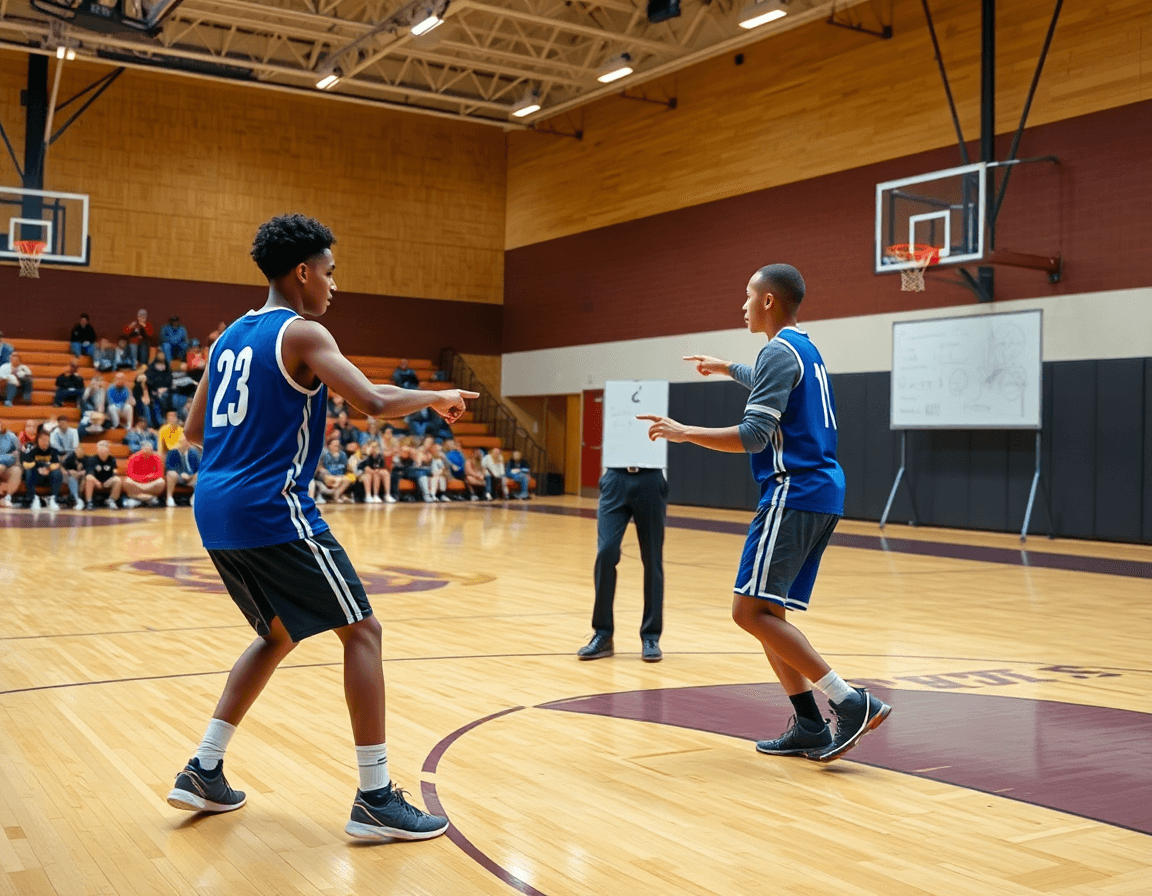
Core passes for this week start with three foundations: chest pass, bounce pass, and overhead pass. In the plan, drill them with simple cues: elbows in, thumbs behind, wrists snapping for the chest pass; two hands and a quick release for the bounce; two-handed overhead with a high follow-through. The goal is clean technique, quick release, and secure ball handling—the core of our passing technique.
Pair each pass with catching on the move to simulate game conditions, then emphasize lead the pass to the shooter or cutter, and simulate closeouts.
Progressions move from simple to game-like: a short drill like the perimeter passing drill, then weave into the three-man weave to chain passes around the floor to ensure rhythm and timing.
Within the weekly routine, the workflow is clear: pull a library drill for passing, diagram sequences on the whiteboard, and capture a quick video clip to label the technique. Create player playlists from the clip library and share with the squad. Use scouting notes to tailor drills to opponents and weekly goals, for example focusing on lead passes to weak-side cutters.
From fundamentals to game-like sequences
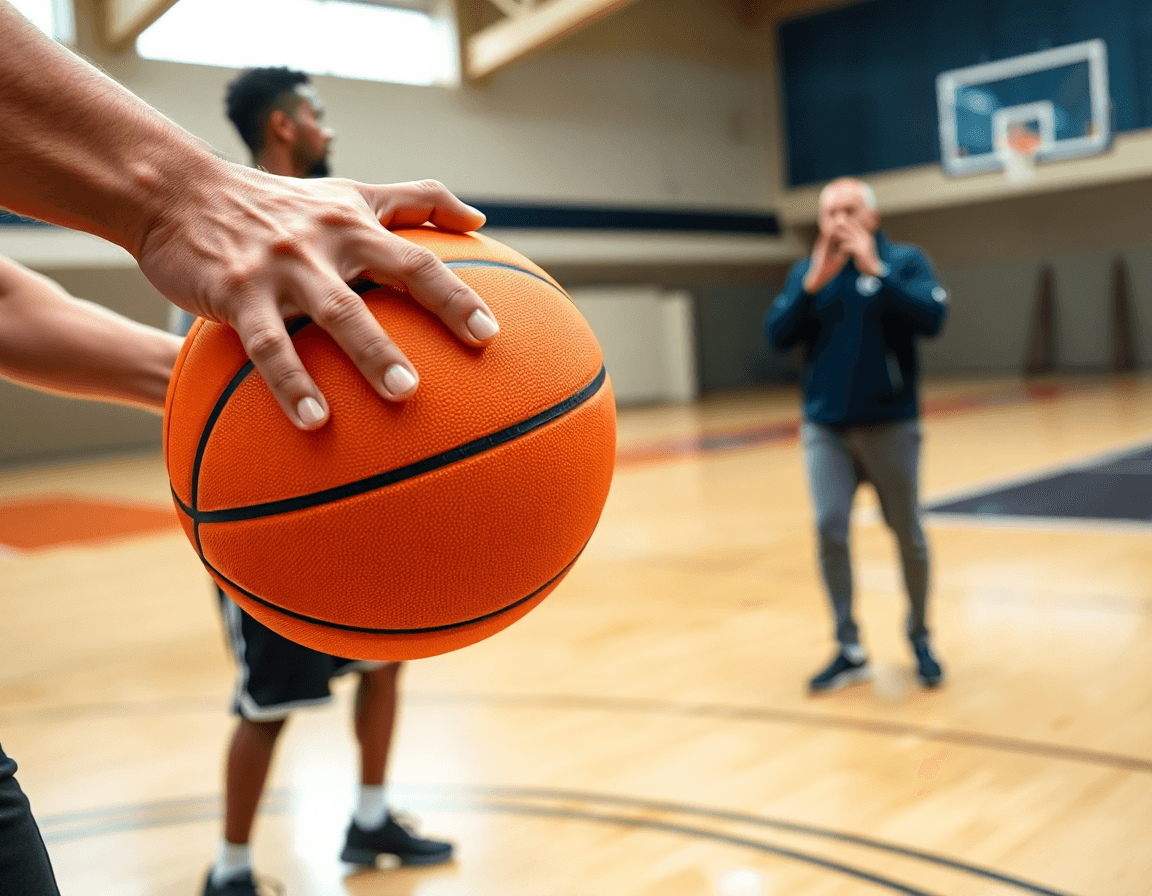
In the weekly plan, we start with fundamentals that set the tone. Pair up players and work the basics—chest pass and bounce pass (and the overhead when space is tight). Clean hands, proper footwork, and timing are the goal. Put this warm-up into your practice plans library so every coach runs the same routine and you build a reliable baseline before adjusting for spacing and decision-making.
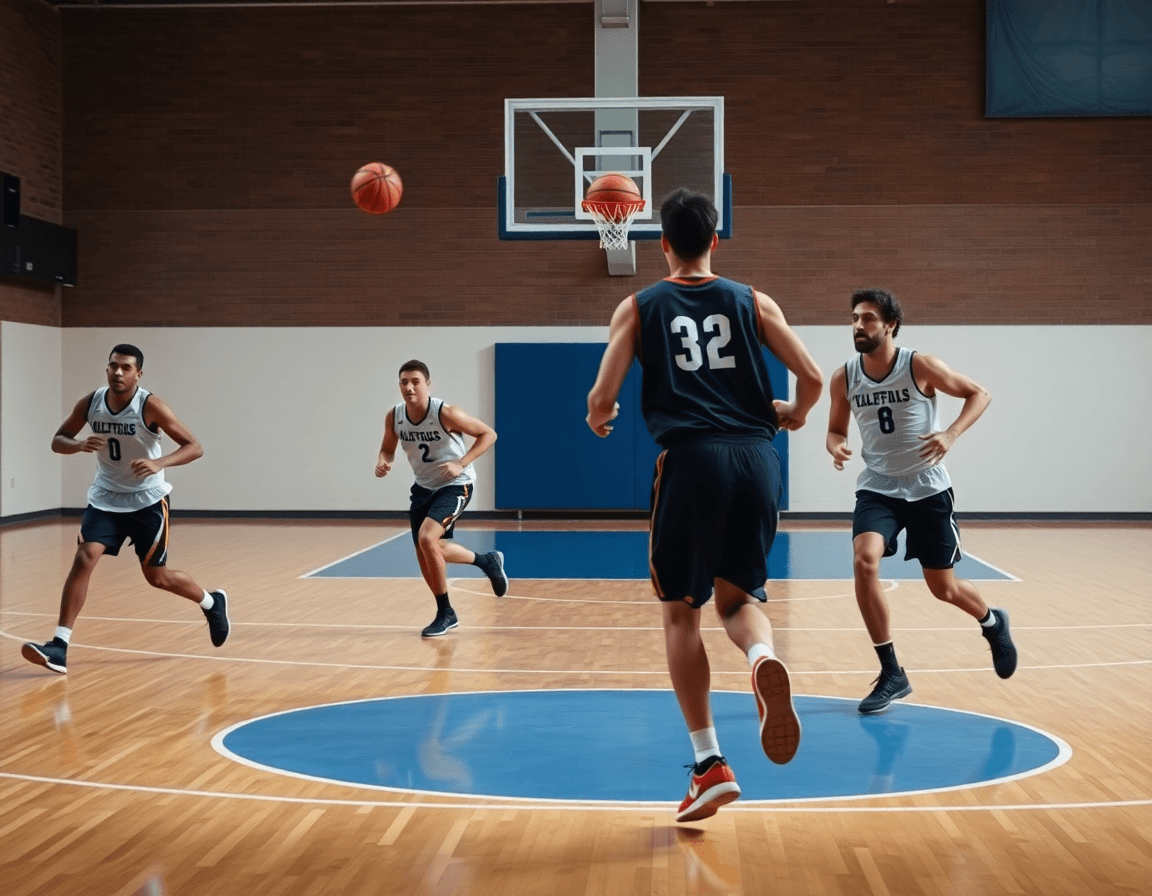
Drill progression moves from those basics to a trusted team pattern: the three-man weave. Two players start, then a third fills, emphasizing timing and the lead the pass. The objective is movement and reading defenders. Save this progression as a reusable sequence in your scouting notes and training library, so you can quickly tailor it to weekly goals.
Next comes game-like drills that mirror real possessions. Start with full court passing layup sequences that end with a layup to simulate transition, so players learn to time passes while sprinting. Add variety with chest passes across the court, bounce passes through a lane, and overhead passes over a defender to test spacing and communication.
All of this comes alive in CourtSensei. Draft the weekly plan from the library, diagram passes on the whiteboard, and clip segments that capture technique—then drop them into player playlists. Pull scouting reports to tailor drills to weekly goals and opponent tendencies. You’ll see a shift from simple passes to smarter, space-aware decisions in your gym.
Practical workflow: plan, diagram, record, and share
Step 1: Build a weekly plan in the practice library with 2–3 passing drills and clear progressions. In our plan, I kick off with a chest pass progression, layer in a bounce-pass timing drill, and finish with an overhead pass sequence to replicate outlet options. Each drill gets a simple progression—pause-and-aim, step-through, then catch on the move—so assistants can run it without me micromanaging. This is the core practice plan that keeps weekly goals visible and attainable.
Step 2: Diagram pass paths on a whiteboard to communicate sequences to staff and players. I map out lead passes, reads, and cut-and-replace options for the 2-3 man lines, so everyone sees the route and timing. A clean diagram for chest and bounce passes helps wings and guards stay in sync. The whiteboard diagrams become our shared language during drills, timeouts, and film reviews.
Step 3: Clip demonstrations or in-practice reps; annotate key technique cues for review. We pull short video clips that show a clean catch on the move, a precise lead pass, and a strong follow-through. I annotate with cues like eyes, hands, and feet, then pause to lock in the decision point. These video clips aren’t entertainment; they’re quick, repeatable coaching moments.
Step 4: Create player playlists with clips for individual review and at-home study. Each player gets a focused playlist—from chest passes to perimeter passing drills—that they can study on their own. I tag clips with quick cues and link them to weekly goals, so players know exactly what to work on away from practice.
Step 5: Use scouting notes to tailor drills to opponents or player needs and monitor weekly progress. Scouting reports spotlight pass angles and denial patterns, guiding adjustments in the plan. We track progress against the weekly goals and tweak the next week’s practice plan to sharpen the team’s passing game.
Cues and common mistakes to correct during the week
As a coach, I anchor the week around clear coaching cues and common mistakes in our passing drills for youth basketball. With CourtSensei, I pull from the practice library, diagram sequences on the whiteboard, and drop short video clips to reinforce the look of a clean chest pass, bounce pass, or overhead pass. I tie every drill to a scouting note and a playlist that targets our weekly goals.
During drills, the cues are simple: step into passes, keep shoulders square, eyes up, and follow-through to target. If the pass comes as a cut, we emphasize lead the pass to the teammate and keep catching on the move as the defender arrives. Footwork gets polished as we pivot into position before the catch.
On the flip side, I call out the mistakes: telegraphing passes, poor footwork, or catching from a tight stance. We tackle these with quick corrections during perimeter passing drill and the three-man weave. If a chest pass pops high and lingers, we pause the clip, and reinforce a quicker follow-through. A bounce pass that bounces too low gets reset with a small pivot to open the hips.
Video analysis lets us pause at key moments—when the pass leaves the hand, when the receiver plants, when the defender closes out—and reinforce the technique. In the weekly plan, a short video clip pairs with a drill from the library, whether perimeter passing drill or full court passing layup. Players curate playlists highlighting successful catches on the move and lean toward the target.
Templates and customization for your squad
Templates in CourtSensei give you a starting point for a sane weekly routine. I pull a few templates from the library and drop them into our practice plan, then adjust tempo and emphasis to fit our roster. For youth basketball, that predictable cadence keeps our passing drills for youth basketball centered on weekly goals without reinventing the wheel.
From there, I customize progression to age and skill level. We start with basics—the chest pass, bounce pass, overhead pass—then layer on action like a perimeter passing drill and the three-man weave. The goal is to build confidence before adding faster reads and catches with catch-and-move concepts, so the whole group advances together.
On the workflow side, in the plan and on the whiteboard we diagram pass sequences—lead the pass, then a quick dump or skip—then export to PDF for reference. Short video clips labeled with technique help players lock in: a crisp pass in motion, a catch on the move, a clean outlet. I build playlists for players so they can study the sequence at home or on the bus, turning practice into progress even when they’re away from the court.
Use Week 1 vs Week 2 to show progression: Week 1 focuses on the basics of this season’s passing game—chest, bounce, overhead—while Week 2 adds lead the pass and catching on the move, with a full court passing layup drill to finish. You tailor this plan using scouting reports to attack opponent gaps and to match your roster. After Week 1, compare results, adjust the drills, and push the tempo—always aligned with the templates and the weekly practice plan.
If you build plans like this every week, CourtSensei keeps your drill library, whiteboard, and video clips in one place — try it free.
FAQ
What is a youth basketball passing drill?
A youth basketball passing drill is a structured practice activity that builds technique, decision-making, and tempo in ball movement. Start with the basics—chest pass, and overhead pass—then add catching on the move and lead passes. Pair up, rotate partners, and use short, controlled reps so players focus on elbow alignment, hand placement, and a quick, secure release.
What does an around-the-perimeter passing drill look like for youth teams?
An around-the-perimeter passing drill has players spaced on the court’s edges and a passer moving the ball around with quick, sharp passes. Start at the right wing, hit the top, swing to the left wing, then return. Emphasize lead passes, proper spacing, and catching on the move. Finish with a skip or weak-side reversal to test timing.
How does a three-man weave passing drill work for youth players?
A three-man weave keeps the ball moving with continuous timing and communication. Three players line up; the ball moves from one to the next around the court, with a quick option to reverse. Focus on catching on the move, lead the pass to the cutter, and a clean finish with a chest pass back to the start. Rotate and repeat.
Which passes should youth players master first?
Start with the core three: chest pass, bounce pass, and overhead pass. Teach elbows in, thumbs high, wrists snap for the chest; two hands and a quick release for bounce; and a high, two-handed follow-through for overhead. Practice simple sequences, then add catching on the move to simulate game situations.
How do you run a full-court passing layup drill with youth players?
Set up two lines at opposite baselines and a shooter at the rim. Players sprint, catch a quick outlet, and push the ball ahead with a chest or bounce pass toward the wing, then finish with a layup. Emphasize full-court pace, spacing, and clear communication, with a quick finish. Repeat to stress transition reads and ball security.
Why is catching on the move important in youth passing drills?
Catching on the move mirrors game situations, reduces delays, and minimizes turnovers. It forces players to adjust hands and timing, improves vision, and opens passing lanes. Use drills that require a quick catching on the move, then a sharp lead pass to a shooter or cutter. Praise technique cues and keep reps quick and under control.