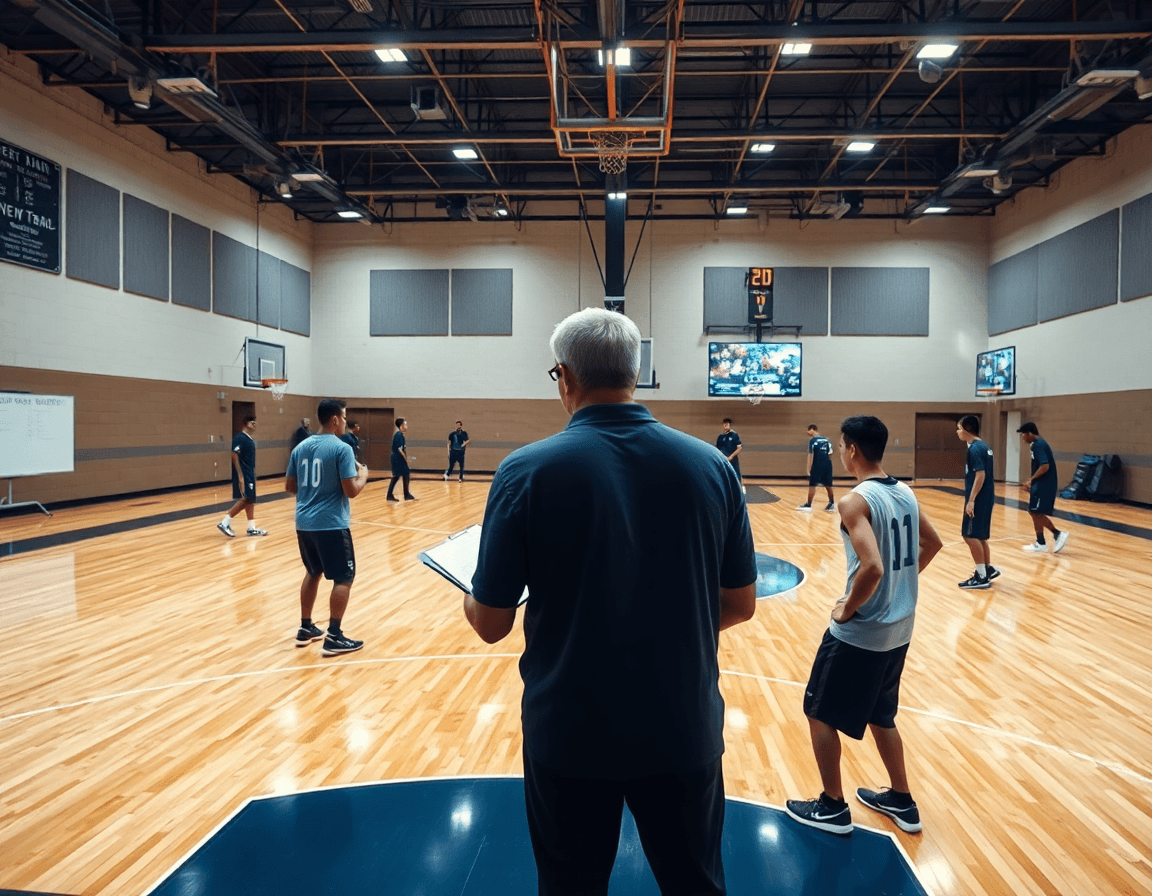
Practice Plan Template Hockey: Weekly Coach Workflow
Coach-focused guide to a hockey practice plan template that fits a weekly workflow, tying planning, whiteboard diagrams, video clips, scouting reports, and shareable playlists.

Key takeaways
- Adopt a consistent weekly template centered on warm-ups, skill blocks, and transition reps.
- Tie weekly themes to ADM-driven development goals, scaling complexity for age groups without losing focus.
- Structure sessions with station-based blocks, 5-8 minute blocks, and age-appropriate ice sizes.
- Attach diagrams and clip links, export a shareable PDF, and publish a player playlist.
- Maintain a living library of drills and scouting notes that informs future weeks.
Why a weekly practice plan template matters
For every head coach juggling games, practices, and scouting, a consistent weekly practice plan template matters. It’s the backbone of your routine, reducing the last-minute scrambling and cutting down cognitive load for the staff. With a ready-to-use weekly practice plan, you can outline the core blocks—warm-ups, skill development, transition play, and situational reps—before you step on the ice. This keeps you moving with purpose, not drift.
A weekly plan anchored in ADM principles keeps themes and progression aligned with your team’s development goals. Whether you’re working with a junior squad or a high-level program, the template helps you scale complexity up or down while maintaining a coherent arc. It’s not just about drills; it’s about building skills inside a growth framework that USA Hockey describes as developmental. That alignment makes it easier to justify each block to the staff and, later, to the players when you show the plan on the whiteboard.
Standardized communication across the head coach, assistants, and support staff is a huge win. A single plan travels with everyone, so assignments, responsibilities, and expected outcomes are crystal clear. You’ll find yourself referencing the plan on the whiteboard during meetings and then sharing a concise version with the team via a link or document. It isn’t rigid; it’s a shared language that keeps everyone on the same page.
The template easily adapts to different ages, formats, and ice sizes while preserving quality. Use station-based drill organization to split the session into tangible work blocks, whether you’re running a 60-minute hockey practice or a longer window with full-ice and half-ice segments. The framework supports a full ice template or a half ice template, letting you push the same development outcomes with appropriate spacing.
Finally, a living library of repeatable drills and templates accelerates future weeks. You can drop in proven progressions, reference scouting notes, and pull ready-to-use video clips to illustrate concepts. This is where the weekly plan becomes a true workflow—planning plan, tactical board, and clip library all feeding into one shared routine.
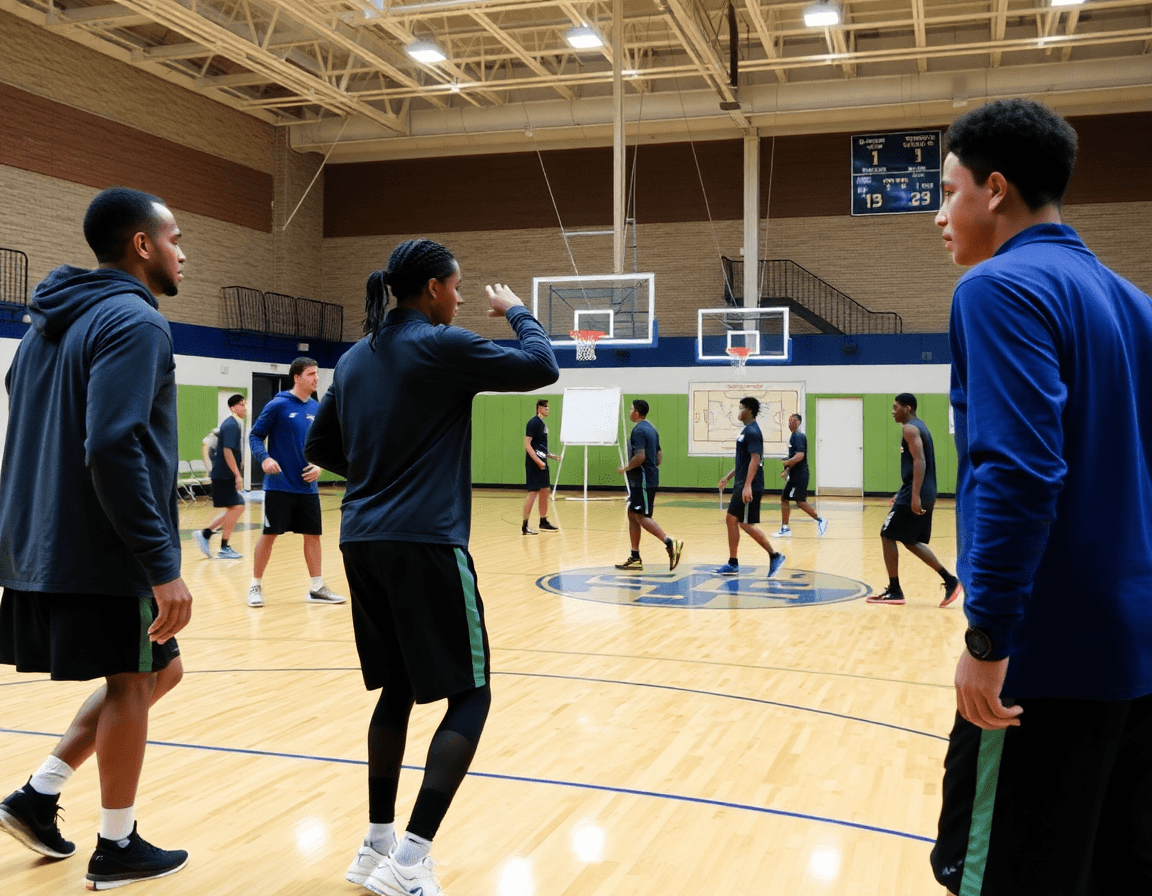
Practical workflow step: assemble a plan in 60 minutes
In a crisp 60-minute window, I lock in the weekly theme and clear performance targets with the coaching staff. This sets the tone for the week and gives us something concrete to measure on game night. I lean on a practice plan template hockey to keep the flow tight and ensure we cover the essentials—skating, puck handling, and decision-making—without losing sight of our bigger objectives. The goal is a predictable, repeatable workflow we can trust.
Next, I pull drills from our drill library and tailor them to age and ice size. With a younger team on half-ice, I swap in smaller progressions, shrink lines, and emphasize puck support. For a varsity squad, I push more reps on transitions and decision windows. All of this remains rooted in the structure of our plan and aligned with the USA Hockey ADM guidelines.
Then I map the station blocks: warm-up, skill stations, small-area games, and full-ice. I time each block to keep us inside the 60-minute frame and preserve a steady tempo. The station-based approach shines for consistency—players rotate through stations, coaches track progress, and we avoid bottlenecks that steal reps.
I attach diagrams and pull video clips to illustrate plays or patterns, linking shots to BLOB/SLOB/ATO/PnR concepts as appropriate. A short clip for each station helps players visualize expectations and reduces questions after warm-up.
Finally, I export the plan to a PDF export and share with assistants; I update scouting notes as needed and create or update a player-facing shareable playlist to accompany the plan. The PDF export keeps everyone on the same page, while shareable playlists give players a mobile-friendly way to review clips on off days.
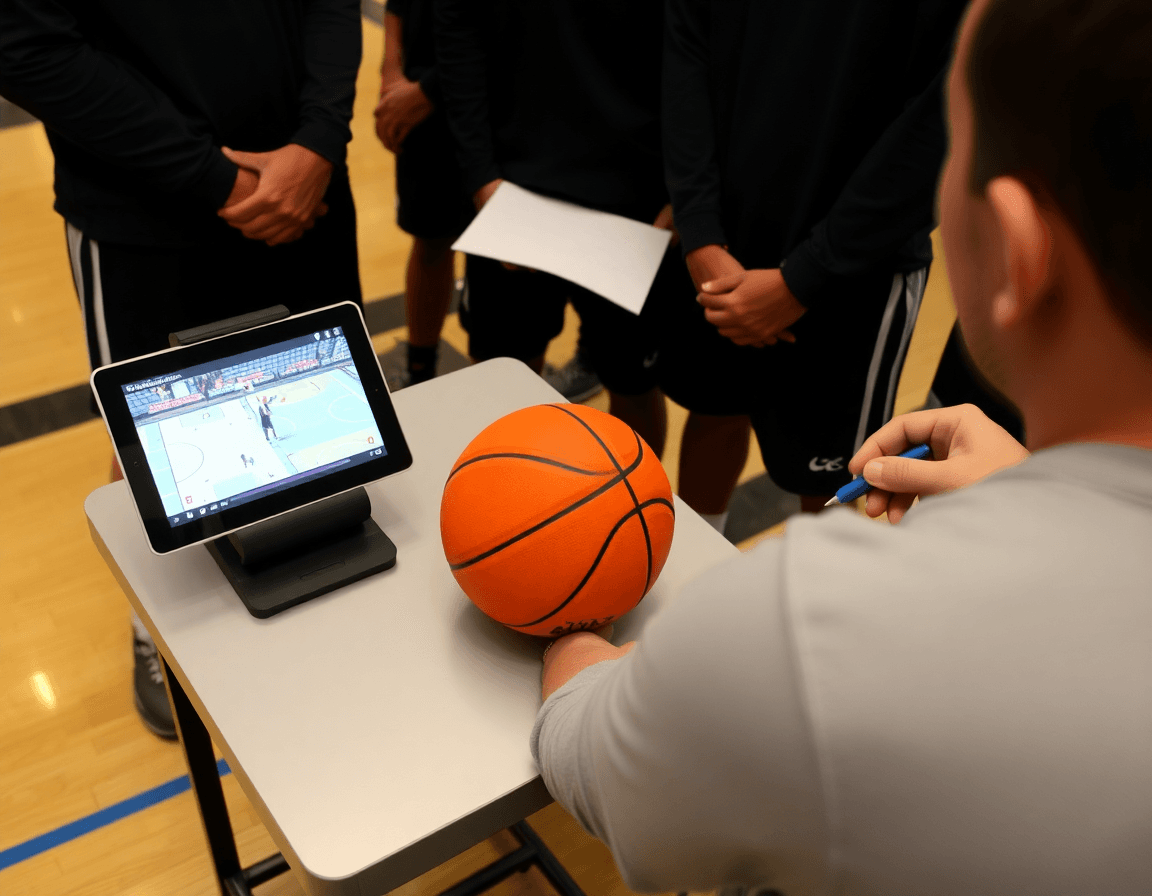
Structure your session using station-based blocks
Structure your on-ice portion using station-based blocks. In a weekly workflow built around a ready-to-use practice plan template hockey, you split the ice into four clear segments: warm-up, skill stations, small-area games, and full-ice work. This station-based approach keeps reps meaningful and pace sustainable, while letting you rotate players through tasks so every talent gets reps and every puck is touched. The plan maps easily to the bench and to your assistants' cues.
Stick to time-per-station guidance: 5–8 minutes per block. That range preserves intensity, maintains transition flow, and gives you a moment to correct technique before moving on. If you’re coaching younger players or smaller ice, adjust the content of each station to fit the ice size and age group, but keep the progression intact—from fundamentals to decision-making to game-like reps.
Anchor the structure in ADM principles and player-centric goals: ensure every player gets multiples touches, with progression that scales as skills improve. The station blocks should emphasize every player and every puck, not just a few scorers. Use the progression to thread skating, puck handling, and decision timing, so drills build toward the game-like full-ice work.
Operationally, this fits into a smooth weekly rhythm: warm-up is documented in the plan, drills and stations are described on the tactical whiteboard, and you pull short video clips for technique cues at the end of the day. Scouting notes for the opponent can inform station tweaks, and shareable playlists let players rehearse what they learned.
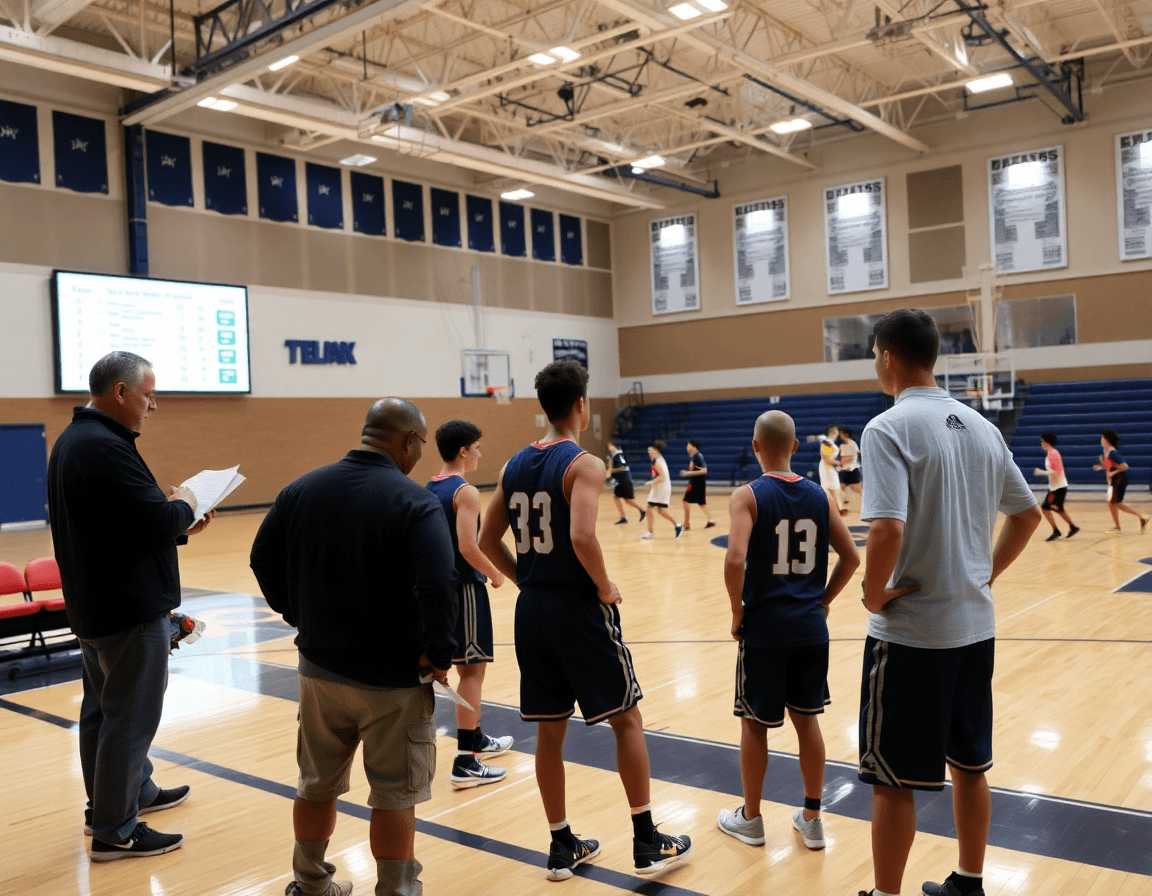
Tie video and whiteboard diagrams into your plan
Whenever I map out a weekly practice plan template hockey, I start by locking the workflow into the plan itself. I create clear whiteboard diagrams for zone entries, breakouts, and cycle patterns so every coach and the assistants see the same picture. Each station is labeled with a tempo and a decision point, and I keep terminology aligned with USA Hockey ADM. It’s the backbone of my plan, keeping the week predictable and coachable.
Then I tie in relevant video clips to stations to reinforce technique and decision‑making. A quick cut of a breakout read paired with the station cue helps players translate what they see on the diagram into action on the ice. When the clips are linked to the plan, the team can review next steps in the film room or in line at the boards, reinforcing learning in real time.
After the session, I export the diagrams and clips into a cohesive PDF plan for staff and players. The PDF plan keeps the plan, the visuals, and the clips in one place, so everyone has a single reference for a 60-minute hockey practice or a 90-minute session. This makes weekly execution seamless and reduces miscommunication during the week.
Finally, I lean on the library to maintain consistency across weeks and staff. The library stores our tried‑and‑true diagrams, clips, and drill notes, so a new assistant can step into a station and deliver the same message. Keeping assets centralized lets us reuse and tweak the plan over time, preserving a steady cadence for players across line changes and practice blocks.
Integrate scouting and opponent prep into weekly planning
At the start of the week, I pull in scouting reports and translate opponent prep into the weekly practice plan template hockey. I map tendencies—breakouts, forecheck pressure, and special-teams reads—into the rhythm of our sessions. The objective is simple: shape drills and group work around what we expect to face, whether we’re running a 60-minute hockey practice or a 90-minute session with station rotations.
Within CourtSensei, I document scouting notes in the plan for quick reference by staff. When I annotate on the tactical board or in the plan, the coaches know which reps to prioritize—if the opponent floods the middle, we emphasize edge work and battles on the full ice template. The linked notes tie directly to video clips that illustrate each tendency, so players see the scouting in action during station work.
On Tuesday I share adjusted plans with assistants to ensure cohesive game preparation. We lock in drill sequences, station-based rotations, and video clips assignments, so everyone knows their role. I post links for quick access, and we review the edits in our USA Hockey ADM cadence before practice.
Maintain a link between scouting insights and adaptations in the practice plan: if the opponent shows a chase-and-recover pattern, add reps that mirror that tempo, adjust power-play drills, and annotate outcomes in the plan. That continuity keeps the staff and players aligned from warm-up through the last drill, and makes it easier to pivot when a game plan shifts.
Customize by age and format and share with staff and players
Each week, I start with an age-specific practice plan template that matches where the players are developmentally (U14, U16, and beyond). I load it into the plan for the week, then tune progression in station loads, drills, and tempo so we hit our targets in a repeatable rhythm. This keeps the staff aligned and the ADM framework in sight.
For formats, the template lets us switch the ice layout to suit the focus. If we’re teaching tighter breakouts with more puck pressure, we flip to the Full Ice template, and if the week centers on reps in tight spaces, we lean into the 3-Zone template. The flexibility helps us keep sessions practical for the typical 60-minute or 90-minute blocks coaches rely on.
Sharing is the backbone of a connected staff and player group. I generate shareable links or export PDFs of the week’s plan so players know what to expect, parents stay informed, and assistant coaches can run the drill grid without constant handoffs.
Behind the scenes, I keep a growing drill library aligned with the club’s ADM guidance. When we add a new drill or tweak a progression, it slots into the library and automatically matches the current age and format. That way the weekly plan remains current without breaking the flow.
On the ice, that customization pays off. For example, we recently ran an age-appropriate plan for U16 with a Half Ice setup and a station-based sequence, backed by a quick video clip recap. In the plan for the next week, we’ll switch to a Full Ice template to sharpen transitions across the board.
If you build plans like this every week, CourtSensei keeps your drill library, whiteboard, and video clips in one place — try it free.
FAQ
What exactly is a hockey practice plan and what does it cover?
A hockey practice plan is a written guide that maps out your on-ice session from warm-ups to cool-down. It aligns drills, progression, and targets with your team's development goals, and serves as a single source of truth for coaches and players. A strong plan reduces surprises, supports communication, and helps you track progress against ADM-driven objectives. Think of it as your weekly workflow, not a rigid script.
How should you structure a hockey practice plan to keep sessions tight?
Structure starts with a clear weekly theme and a sequence of blocks: warm-up, skill stations, small-area games, and full-ice work. Use station-based blocks to keep reps even and pacing steady. Time-per-station (about 5–8 minutes) helps you spot errors early and keep the clock honest. Tailor content to ice size and age, and tie every block to your ADM-aligned progression and the team's growth goals.
Where can I download a hockey practice plan template that fits my team?
A solid starting point is a downloadable template from reputable coaching resources or USA Hockey. Look for one that supports full-ice and half-ice formats, clearly labels blocks, and lets you customize age, ice size, and time. The best templates offer a PDF export option so assistants and players can review offline and stay aligned during weeknights and game nights.
Which drills should you include to build skating, puck handling, and decision making?
A well-rounded plan mixes foundational and game-like drills: skating mechanics, edge control, puck handling, passing and reception, quick transitions, and small-area games that stress decision-making. Build a progression library and pull drills that fit age and ice size. Use a few core drills per block, add variations for challenge, and ensure every station feeds into the next toward game-like reps.
How long should a typical hockey practice run?
Most teams aim for about 60 minutes, with the option to extend on late-week or game-day windows. The key is consistency and age-appropriate pacing. Structure the time to preserve tempo, keep rest periods reasonable, and reserve 5–10 minutes for review or quick video clips. For younger groups or smaller ice, scale the blocks to fit the ice size and space.
What is USA Hockey's ADM framework and how does it shape practice planning?
USA Hockey's ADM framework centers on athlete development, progression, and inclusive, player-centered goals. When you plan, map every block to growth milestones, ensure reps touch every player, and vary drills to build skills across ages. Use ADM to pace progression, document learning moments, and justify choices to staff and players. The plan becomes a living development tool, not a one-off drill sheet.
How do you tailor a practice plan for different age groups on your squad?
Tailoring means adjusting ice size, station complexity, and number of players per station. For younger groups, use half-ice formats, simpler progressions, and shorter blocks with lots of touches. For older players, add more reps in transitions, decision windows, and full-ice game-like scenarios. Always anchor changes in the template and ADM goals, so progression stays coherent.