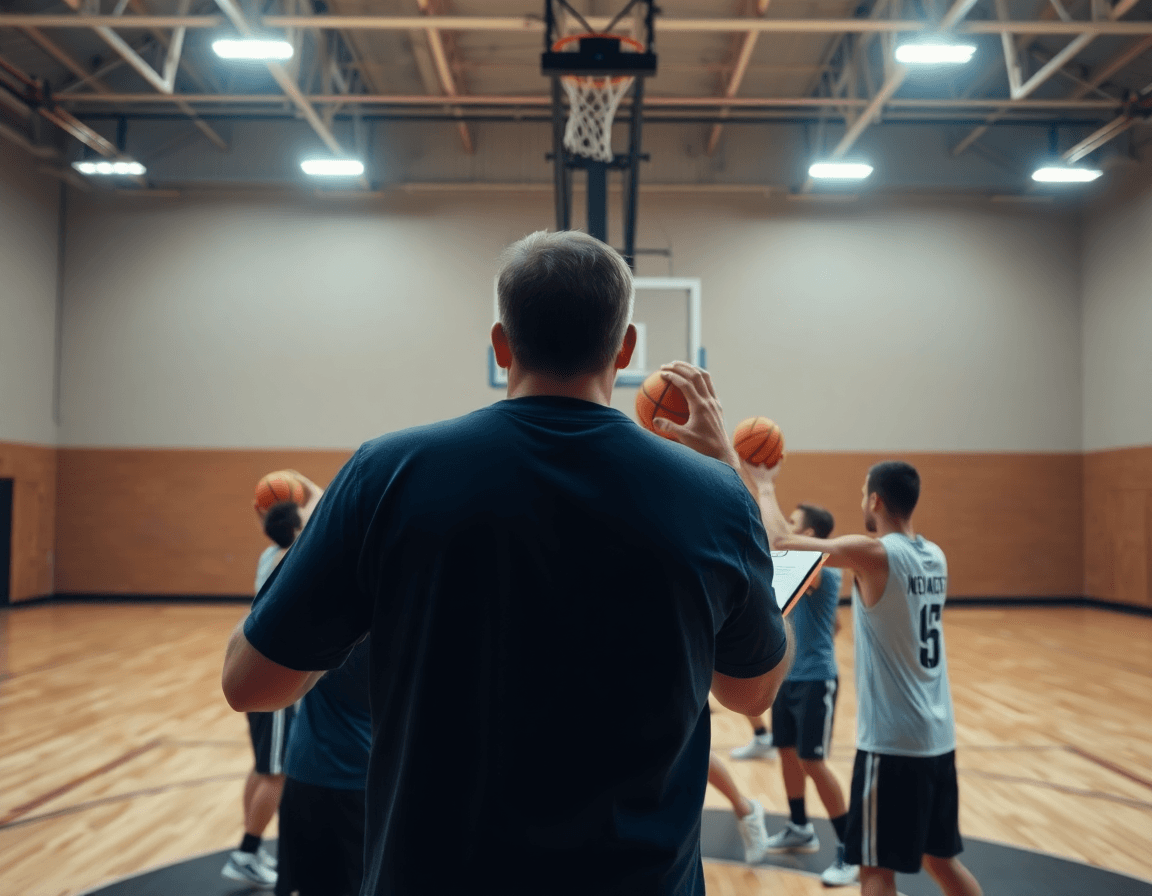
Shooting fundamentals basketball: weekly plan for coaches
Coach-focused weekly routine to master shooting fundamentals basketball with drills, form checks, and video feedback, fully integrated into Practice Plans and player playlists.

Key takeaways
- Kick off each practice with 2 minutes of form shooting, emphasizing Balance and Elbow In for consistency.
- Progress to 15-foot catch-and-shoot with Eyes on Target and Follow Through to build rhythm.
- Embed cues in your weekly workflow: Practice Plans and whiteboard diagrams guide drills and accountability.
- Schedule quick video reviews post-blocks and share targeted annotations to accelerate corrections.
- End with game-speed shooting and finish with free throws to lock the routine.
Why shooting fundamentals matter in weekly prep
During weekly prep, shooting fundamentals basketball form the spine of your plan. Identify the core cues for reliable shooting: Balance, Elbow In, Eyes on Target, Follow Through. When you lock these in, tiny mechanical details stop mattering on game night, and your players can replicate the same rhythm under pressure.
Those cues are more than buzzwords. Balance aligns the body for a repeatable arc; Elbow In keeps the release on a straighter line; Eyes on Target prevents drift; Follow Through ensures the shot finishes with commitment. When one slips, small errors cascade—drift, a shallower arc, and misses that feel “short” under fatigue. Over the week, those fractions compound into real numbers—more makes, or more misses, at the end of a tough practice.
Make cue checks a daily habit in your form shooting and progression drills. Start every session with 2 minutes of form shooting at close range, emphasizing Balance and Elbow In. Then progress to 15-foot catch-and-shoot, forcing Eyes on Target and a solid Follow Through before you allow a ball to count in the progression. Short, repeated checks beat long lectures on mechanics.
To make this stick, embed the cues in your workflow: Practice Plans map the week, Whiteboard diagrams sketch the elbow-in alignment and balance lines, and a short Video Clip captured from practice is tied to a specific cue. After every session, drop targeted clips into players’ playlists or shareable links so accountability is clear—“this rep shows Eyes on Target but needs more Follow Through.” The goal is rhythm, not perfection in a single day.
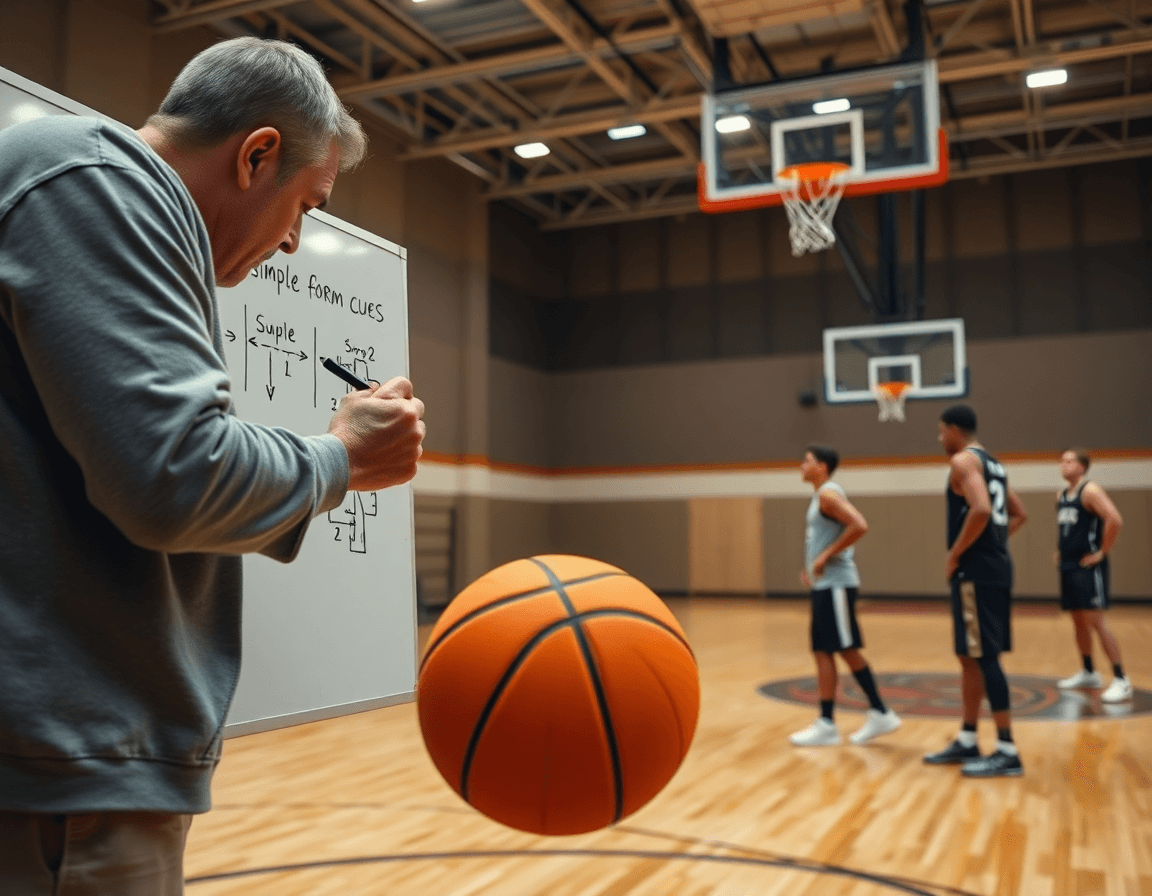
Weekly shooting progression: from form shooting to game-speed reps
Weekly shooting progression begins with form shooting close to the basket to establish touch and alignment. In the plan, I allocate a focused block for this: 6–8 minutes, short-range reps, emphasizing balance and the elbow in, with eyes on target. I cue the group with a quick checklist on the whiteboard: stance, grip, release, follow-through. After a few rounds, I grab a quick video clip to compare form week to week and reset if needed. This block, part of the shooting fundamentals basketball workflow, sets the tone for the week.
From there, we move to spot shooting at key locations around the arc and work through catch and shoot sequences to build rhythm. I run 5–7 attempts at each spot: top, wings, and corners, calling out cues as players fire. The whiteboard diagrams map the flow—feet under you, hips square, eyes on target, catch in rhythm, release. I drop a short clip to show each player their balance and elbow alignment, then share a playlist so they can study their form between sessions.
Finally, we add off-the-dribble, transition, and finish with game-speed shooting to simulate late-clock pressure. We run sequences that thread dribble arrival, gather, and quick release while preserving mechanics. The session ends with free throws or pressure shots to tighten routine and consistency. I map this progression into Practice Plans to create a repeatable weekly cadence: form to spot/catch-and-shoot, then game-speed, with short video reviews that land in a player playlist for accountability.
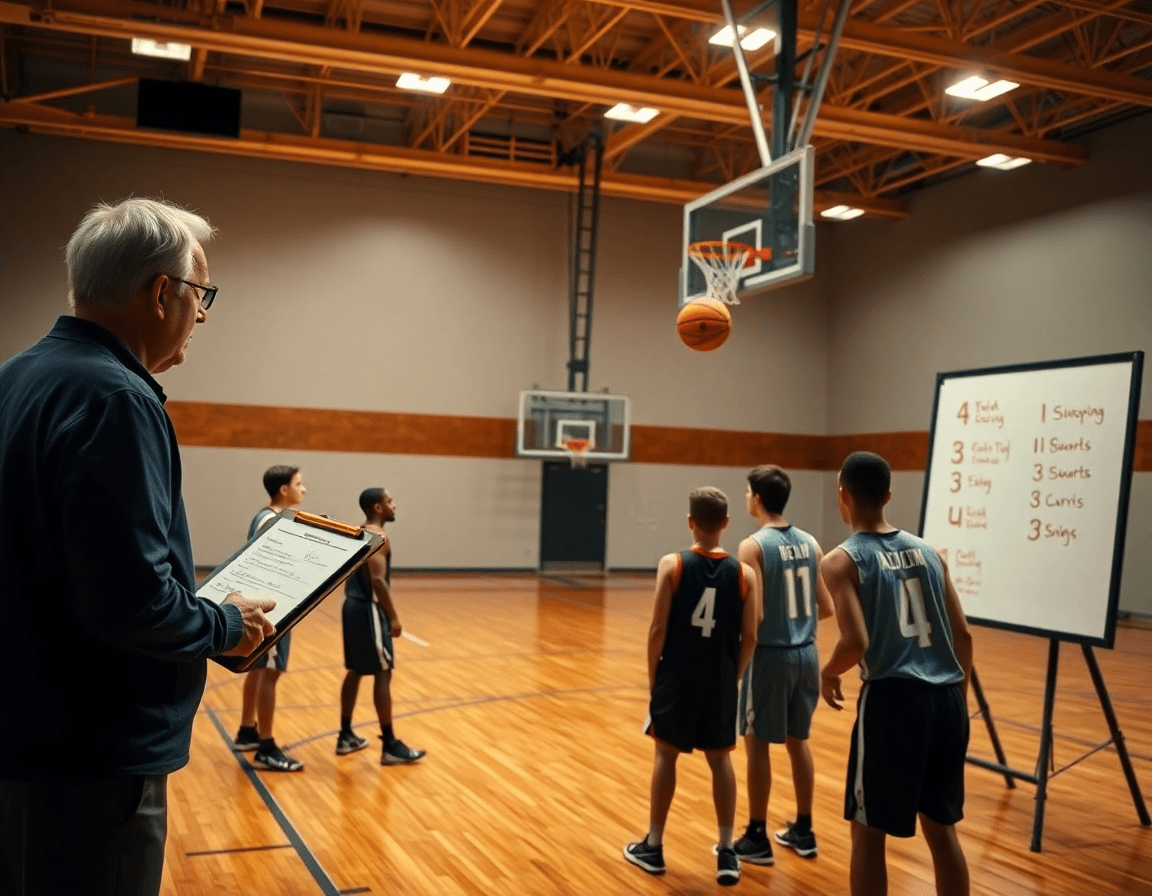
Checklist for a shooting-focused practice plan
From the start, this weekly rhythm centers on shooting fundamentals basketball and a clean Practice Plans workflow. It keeps every drill, cue, and clip in a repeatable sequence you can run Monday through Friday. You diagram cues on the whiteboard, capture a quick video clip to check form, and tie it back to scouting notes and playlists for accountability. Nothing happens without structure, so you map a plan that begins with form shooting, moves through spot shooting and catch-and-shoot, and ends with pressure finishes at game pace. Your players know what to expect, and assistants can run stations while you pull clips and update the whiteboard for the next block.
Checklist: before practice you lock in Pre-practice setup (court layout, spot positions, cue cards, and camera placement if available); drill selection (form shooting, spot shooting, catch-and-shoot, off-the-dribble, and pressure finishes); cues and progressions assign clear cues (Balance, Elbow In, Eyes, Follow Through) for each drill; measurement decides reps, makes, and weekly progression milestones to track; documentation saves drill blocks in Practice Plans and prepares cues for Whiteboard diagrams. That keeps the weekly cycle visible to staff and players alike.
Using video to reinforce shooting fundamentals
Video is the anchor of a focused weekly shooting curriculum. In practice, I record short clips right after our form shooting and catch-and-shoot blocks to keep the pace moving. I zero in on cues: arc, release point, follow-through. These clips become the living examples we discuss on the whiteboard, then pull back into the plan for next week. The goal is to pair a concrete visual with the corresponding shooting drill so players connect form to result.
Tag the clips by drill type and cue in the library: form shooting, catch-and-shoot, and off-the-dribble. This tagging keeps the video analysis structured so I can pull a quick refresher for a specific scenario during a shootaround or pre-game walkthrough. For each clip, I append the cue we want the player to feel, like "eyes on target" or "elbow in." The result is a clean, drill-specific catalog coaches can reuse across weeks.
Create feedback loops: annotate clips and export sharable notes to players. I drop quick, targeted feedback directly on the clip—notes that highlight annotations and concrete adjustments to keep players aligned. When a guard struggles with balance and grip, I call out "balance, grip, release" in the clip and send the shareable notes to the player’s device. This keeps accountability tight and moves the shooting form forward faster.
Link clips to a Playlist so players can review progress outside of practice. The players can replay a few clips of their own shots, then compare with the ideal arc and follow-through you’ve tagged. Over the week, this builds a personal database of shooting form—balancing repetition with feedback—without pulling players away from floor time.
Practical workflow: 60-minute shooting session
Running a tight, coach-facing shooting block keeps weekly practice on track and players accountable. This practical workflow maps a clean 60-minute sequence you can drop into Practice Plans, the Whiteboard, and a targeted Clip Playlist. The aim is to move from touch to game-speed reps with clear cues for feedback.
0-5 min: warm-up with cue checks (Balance, Elbow In), Eyes on Target. The quick look here sets the tone for the rest of the block.
5-20 min: form shooting close to the rim to lock in touch and alignment. Keep the emphasis on a soft release and a consistent arc, every rep reinforcing the same feel.
20-40 min: spot shooting and catch-and-shoot from 4-5 spots, plus movement reps. Add a couple of switch-ins to simulate a defender bumping your touch off the line.
40-50 min: off-the-dribble sequences and quick-release variants at game-speed. Prioritize rhythm over power and force, then ramp up pressure as shots come out clean.
50-60 min: finish with game-speed shooting, pressure shots and quick feedback notes. Use a couple of data-informed checks—feet balance, elbow alignment, and release timing—to drive the next practice.
In Practice Plans, diagram this block on the Whiteboard and assign a clip-based review playlist. That keeps your weekly shooting curriculum visible, shareable, and actionable for every player.
Turning clips into player-ready playlists
After each practice, export the video segments that show your players' shooting reps. Label the clips by drill name (Catch and Shoot Drill), the cue (Elbow In, Eyes on Target), and progression (Form Shooting -> Balance -> Release). This makes it easy to pull a quick sequence for a midweek review. In your plan, you can point assistants to that library and say, "grab these clips for today’s walkthrough."
Assemble playlists that map to weekly goals and individual player needs. For a HS guard focusing on catch-and-shoot, build a playlist that starts with form shooting, moves to balance checks, then to release with eyes on target. Put these into the Practice Plans as a linked reference, and on the whiteboard label the cues you want to reinforce on each clip.
Share playlists with players to reinforce outcomes and accountability. A quick link to their target clips gives them a concrete path: watch, emulate, and bring back questions. Use shared clips during film sessions to highlight what good form looks like and where to adjust grip, elbow in, and follow through.
Finally, lean on playlist analytics to gauge engagement and progress through the week. Look at how long players spend on each clip, which clips get replayed, and whether on-court results align with the video notes on form shooting, balance, and release. Use those insights to adjust the starting progression for the next week.
If you build plans like this every week, CourtSensei keeps your drill library, whiteboard, and video clips in one place — try it free.
FAQ
What are the fundamentals of shooting in basketball?
At the core are four cues every coach should lock in: Balance, Elbow In, Eyes on Target, and Follow Through. These cues shape a repeatable arc, reduce drift, and keep rhythm under fatigue. Build the week around cue checks: start with 2 minutes of form shooting to lock Balance and Elbow In, then advance to 15-foot catch-and-shoot with Eyes on Target and a solid Follow Through. Rhythm over perfection drives results.
How do you fix shooting form?
Fixing shooting form starts with a deliberate, repeatable routine. Begin every session with 2 minutes of form shooting at close range, emphasizing Balance and Elbow In. Move to 15-foot catch-and-shoot while keeping Eyes on Target and a consistent Follow Through. Use quick video clips and a whiteboard cue checklist after each block to reinforce the right cues, not long lectures.
What is the BEEF method in basketball shooting?
Enter the BEEF method: Balance, Eyes on Target, Elbow In, Follow Through. It’s a simple mental framework coaches use to keep shooters locked into repeatable mechanics. Apply it across form shooting, spot shooting, and game-speed reps so the same cues drive every release, arc, and finish—even under pressure.
How do you practice form shooting?
How do you practice form shooting? Start close to the basket with 2 minutes of reps, dialing in Balance and Eyes on Target, then gradually extend to 15 feet while maintaining a clean release. Use quick video reviews and whiteboard reminders to lock in cues like Balance and Eyes on Target before moving to catch-and-shoot.
How important is follow-through in shooting?
How important is Follow Through in shooting? Follow Through is the finish that gives a shot its commitment and arc. When it slips, arc consistency drops and shots feel short under fatigue. In practice, finish every release with a deliberate extension, hold through the rim, and reinforce that cadence with quick feedback clips.
How do you shoot off the dribble?
How do you shoot off the dribble? Maintain the same mechanics you teach in stationary reps: stay balanced, keep the Balance and Elbow In cues, and time your gather for a quick release. Eyes stay on target, and the shot should feel compact, not rushed. Practice dribble arrival, gather, and release in sequences that preserve form.
What drills improve shooting accuracy?
A focused mix of drills builds consistency: spot shooting around the arc, catch-and-shoot from multiple spots, and form shooting close to the basket. Add off-the-dribble and pressure finishes to simulate game pace. Pair each drill with cues (Balance, Eyes on Target, Elbow In, Follow Through) and quick video reviews to lock in progression.