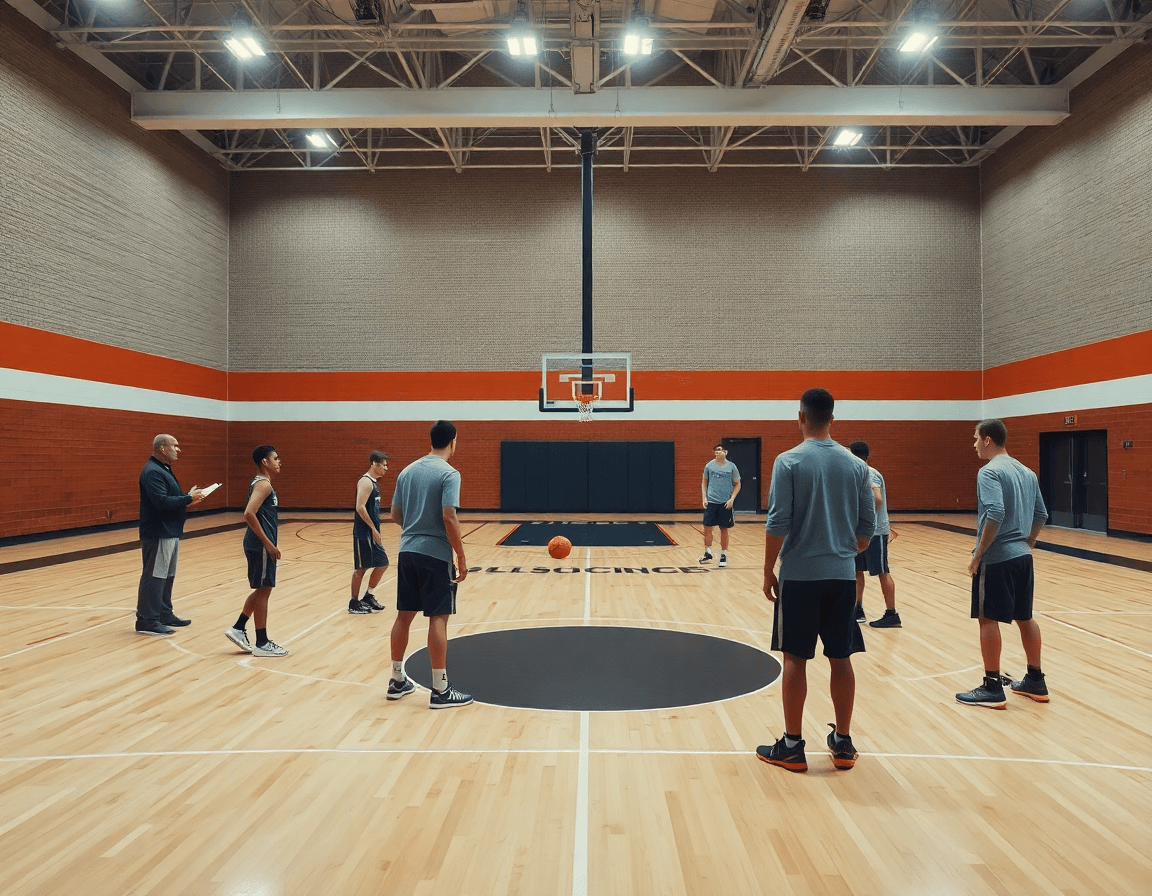
Syracuse Zone Defense: Weekly Coaching Playbook
Master a weekly coaching workflow for the Syracuse zone defense: drill libraries, scouting reports, and video breakdowns that integrate with your practice plans.

Key takeaways
- Emphasize a compact front with 2-3 zone integrity; guard top pressure, wings deny interior access.
- Maintain tight gaps and timely rotations; weak-side slides feed the arc without leaks.
- Implement a weekly coaching workflow: Sun scouting, Mon install, Tue shell, Wed live, Fri review.
- Shell Drills A and B: Top-to-Wing and Wing-to-High-Post, space-tight, communicative reads for practice.
- Utilize video workflow: tag possessions, build player playlists, and reference clip-ready rotations for quick cues.
Understanding the Syracuse 2-3 zone: alignment, rotations, and gaps
In the classic Syracuse defense, the alignment starts with a compact front and a protective backline. The traditional 2-3 zone places two guards at the top and three frontcourt players across the back, forming a wall from the arc to the lane. The top guards pressure ball handlers and deny easy entry passes, while the three wings-baseline players extend and contest angles for any interior attack. The emphasis is on staying connected—feet and eyes moving as a unit to shut down passing lanes while maintaining rim protection.
Rotations and responsibilities flow with the ball. When the ball moves, the defense shifts as a cohesive unit. The rim protection comes from the backline, with rotations aimed at denying a high post and challenging perimeter shooters. Perimeter contest is active but disciplined, requiring timely shifts to deny kick-outs and keep shooters in front. Weak-side wings slide into gaps, and if a high post touches, the rotation must hinge toward the ball with the correct angles. Clear communication and pre-scripted shifts sustain the pressure across possessions.
Gaps and discipline separate the good zone from the great one. The key is keeping the gaps between the top and wing players tight, so help arrives without creating easy skip passes. When communication breaks down, weak-side rotations get late and shots appear. When defenders call out screens and maintain flavor of position, the zone holds its shape through reversals and dribble entries. In a weekly plan, we translate this into practice plans, whiteboard diagrams, and short video clips that reinforce the cues—so your team stays compact, shares the load, and stays in control through each possession.
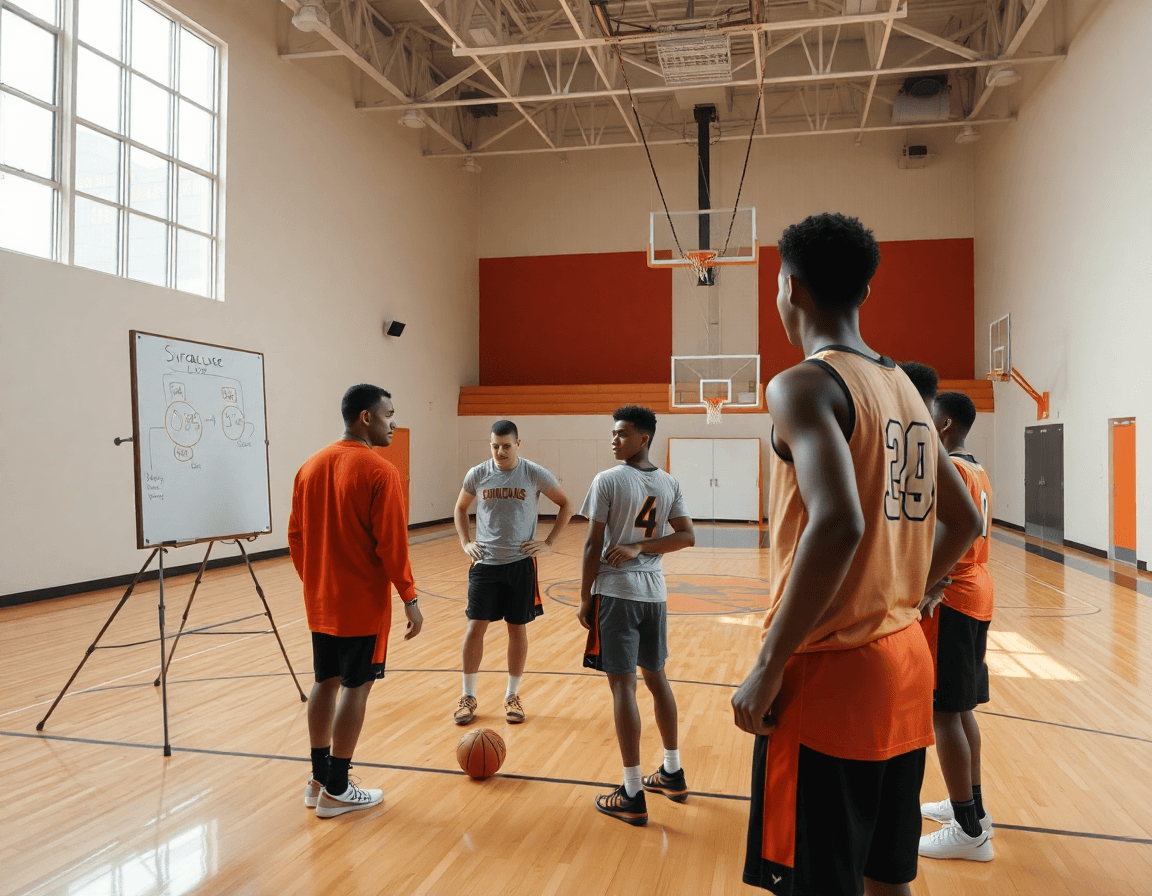
Practical weekly workflow: install, practice, and review the Syracuse zone
The Syracuse zone defense thrives when it weaves through a coach’s weekly rhythm. This is your practical week-by-week plan, built around a clean, repeatable process you can plug into CourtSensei: Sun scouting, Mon install, Tue shell work, Wed live reps, Thu decision-making drills, Fri review. Think of it as a weekly coaching workflow that locks in alignment, rotations, ball movement, and shell reads every cycle.
Sun scouting sets the tone. You’re hunting how teams attack the 2-3 with their ball movement and high-post options, and where shooters threaten from the weak side. I drop a concise scouting report in CourtSensei, attach video clips, and share a single-page outline with the staff. This is your baseline for the week—what to protect, what to press, and where a team might test your rotations.
Mon is install day. We lock in the base look: the 2-3 zone shape, the responsibilities at the high post, and the initial shell rotations. I storyboard it on the whiteboard and mirror it in a practical practice plan so assistants know exactly who slides where when the ball goes to the strong side. A short map helps keep the plan on track during the session, and we preview key reads for the shell.
Tue focuses on shell work. With the defense connected, we drill ball reversals, entry passes, and compact rim protection, stressing quick shifts and constant communication. The practice library in CourtSensei guides the sequence, while diagrams reinforce weak-side reads and the timing of a trap or a skip pass.
Wed escalates to live reps. We simulate 5-on-5 against the zone, emphasizing decision-making under pressure and how to punish over-extensions with patient ball movement. I clip the best possessions and tag a few teachable moments—the perimeters, the high post decisions, and rim protection when the ball swings to the weak side.
Thu drills for decisions. Players face live-ball situations that force choice: trap triggers, rotations from the nail, or stepping back to the shell. We annotate the outcomes, then build a quick video recap and a short playlist so players can study reads and adjust on their own time.
Fri review wraps it up. We compare alignment, rotations, and ball movement to the scouting baseline, and we capture notes for the next week. A final video recap, shareable playlists for players, and updated practice templates keep the cycle moving, so the plan for the 2-3 zone stays sharp. This is how you translate planning for zone defense into a repeatable, coach-driven workflow that fuels growth.

Drill library and teaching points for zone discipline
In the drill library, the core is zone discipline built around the 2-3 zone. I curate shell drills that emphasize the Syracuse defense’s rotations, specifically top-to-wing and wing-to-high-post sequences. With every weekly plan, I lock in a couple of shells to teach where players should sprint, who calls the gap, and how to communicate through the arc so spacing stays intact.
Shell Drill A focuses on Top-to-Wing: ball at the point, ball reversals, bigs and guards sliding into the proper gaps, and a quick closeout on the top shooter. Shell Drill B locks in Wing-to-High-Post reads: wings sprint to deny straight lines, the high post becomes the decision point, and the defense rotates as a unit. Run both with 5-out spacing, then compress to 4-out/1-in to mirror tighter reads.
Teaching points include a strict alignment from inside the three-point line, relentless top shooter pressure, and constant communication. If a defender loses position, the shell loses its rhythm, so we layer cues and keep voice-led calls. A few quick reminders for rim protection keep the paint secure while the ball is continually moved.
Within CourtSensei, these drills live in the zone library and pair with on-board diagrams. In the weekly plan, I attach a short video clips for each rotation and create playlists players can revisit. Scouting notes feed into the shell work, helping us tailor rotations and reads for days when the opponent tests our 2-3 zone.
Video workflow: breakdowns, tagging, and player playlists
In the weekly cycle, I start with the video workflow to turn game film into actionable practice content. I pull clips from Syracuse zone sequences—primarily 2-3 zone looks with high post entrances, weak-side reversals, and the occasional pressure near the baseline. In CourtSensei, I build a dedicated collection for “video teaching syracuse zone,” then label clips by action: rotations, close-outs, and traps. The aim is to show what correct reads look like against typical zone actions, so players can see the decisions in context and my assistants can reinforce them in practice planning and on the whiteboard.
Next comes breakdowns and tagging. I tag each clip with categories like rotation timing, ball movement, rim protection, and stunt or trap. I also mark the exact timestamps where rotations initiate and where the ball should move to counter the sequence. When we’re talking 2-3 zone, I filter to sequences that demonstrate how rotations flow from the strong side to the weak side and how the ball should swing to beat the trap. The tags make it easy to pull precise teaching moments during practice planning and in the scout-play discussions.
I use player-specific playlists to reinforce reads and decision points. For guards, the clips emphasize rapid passes and skip passes after a reversal. For wings, I highlight spacing and decision-making against weak-side defenders. For bigs, I curate clips on rim protection and outlet passes. These playlists are shared via link and woven into practice templates so players can study the reads between sessions, reinforcing what we’ll drill that week.
Annotating plays ties it all together. I annotate to show the timing of rotations and ball movement against zone stunts, so a single clip can illustrate a rotation starting at 0:22, a trap at 0:46, and the counter-pass at 1:05. This level of detail lets the team walk through sequences on the taktical whiteboard and then reproduce them in drills.
Scouting against the Syracuse zone: game plan and counter-actions
When scouting against the Syracuse zone defense, the first priority is to identify the opponent’s zone tendencies and the angles they most often defend. A tight scouting report flags where they trap, who rotates weak-side, and where rim protection is strongest. In practice you’ll want to know: Do they drop into a true 2-3 look or pressure the ball early on the perimeter? What gaps open when the ball reverses? This is where the team’s attention to detail matters most, so your players walk into the gym with a clear map of the rotations they’ll face.
From there, craft counter-actions that translate directly to decisions on the floor. Think about where to attack the zone and how to exploit gaps with purpose. Emphasize ball movement to beat zone with ball movement, skip passes over the top, and quick drives to the high post to pull defenders out of position. If the weak side is active, overload and train option passes that keep the defense guessing. Picture a sequence where a quick reversal leads to a cutter slipping behind the top defender, then a backdoor option if the rim protector sinks to help. These are the plays you want the guards and wings to run as a matter of habit.
Link these insights to your weekly workflow. In CourtSensei, attach the scouting notes to the plan for the week, drop a whiteboard diagram showing the rotation for your defense and your preferred attack lines, and pair it with targeted video clips that illustrate successful reads. Create a short playlist of drive-and-kick sequences and inbound reads so players can study the concepts on their own, then bring them into the floor with a few reps in practice and a quick in-game adjustment cue.
Common mistakes and fixes in the Syracuse zone
Within the Syracuse zone defense, some recurring issues surface in a coach’s weekly cycle. The most frequent are over-committing on cutters and the defense losing integrity on the weak-side gaps, which breeds open gaps and easy paint touches. Add to that, mis-timed rotations that let ball reversals and high-post entries slip through. In our plan for the week, we label these as the top pressure points to tighten, so the defense stays compact without surrendering shot quality. This is where the weekly workflow starts.
Fixes begin with tighter rim protection to erase second-chance opportunities, then enforcing disciplined close-outs to redirect attackers without coughing up the gap. We also emphasize better ball-screen recognition so rotations arrive on time instead of by guesswork. In practice, we map these fixes on the whiteboard under the 2-3 zone concepts (high post reads, weak-side rotations, traps) and then shoot film to illustrate correct angles. The goal is clean, predictable coverage.
Progressive drills drive remediation during practice: a rim-protection progression with live rebounders, a close-out sequence with cones and a shooter, and a ball-screen recognition drill that forces the weak-side to communicate. Pair each drill with short video clips from a recent scrimmage to lock in correct reads. In CourtSensei, drop these into the weekly plan, attach scouting notes on opponents who favor the zone, and build a player playlists of clips that highlight the fixes. It's a practical, repeatable workflow.
If you build plans like this every week, CourtSensei keeps your drill library, whiteboard, and video clips in one place — try it free.
FAQ
What makes Syracuse's zone defense unique?
Syracuse runs a compact 2-3 with a protective backline. Top guards pressure ball handlers, wings deny entry passes, and rim protection comes from the rear. The defense stays connected, communicates constantly, and moves as a unit. Rotations hinge on the ball, with tight gaps to deny skips and keep shooters in front. That balance creates persistent pressure across possessions.
How does the 2-3 zone function on the floor?
It starts with a compact front and spread wings. The top guards pressure the ball, while the backline forms the high post lane to disrupt feeds. When the ball moves, the defense slides as a unit, guarding the high post and denying easy entry passes. The emphasis is on tight gaps, timely rotations, and active perimeter contest.
What are effective ways to attack Syracuse's 2-3 zone?
Move the ball with purpose to force rotations, using quick ball reversals and sharp skips to the weak side. Attack the gaps with patient drives and keep shooters on the weak side honest. Target the high post for decisions, then swing to the corners to stretch the defense and create open looks through ball movement.
Why is the Syracuse zone defense so tough to beat?
Because it demands discipline and constant communication, and it keeps tight gaps that slow entry passes. The system emphasizes patient ball movement and reliable rim protection, which makes it hard to exploit streaks. With solid rotations and prepared shell work, teams face a steadier, more fatigue-friendly defensive rhythm.
Which coaches are known for implementing the Syracuse zone defense?
Jim Boeheim is the name most associated with the Syracuse approach, popularizing the standstill 2-3 zone and its exact rotations. His program’s emphasis on compact alignment, disciplined rotations, and constant communication reshaped how coaches view zone pressure. Other programs study his clips to replicate the rhythm and reads.
What are the key teaching points for running the Syracuse 2-3 zone?
Key teaching points include proper alignment inside the arc, aggressive top pressure, and constant communication. Maintain tight gaps between the top and wings, execute the high post reads, and rely on disciplined rim protection. Use shell drills to lock rotations, then layer in live-ball reps and quick video reviews.