Teaching the Syracuse 2-3 Zone: Weekly Coaching Workflow
Weekly coaching guide to teach the Syracuse 2-3 zone: practice plans, whiteboard diagrams, video clips, and scouting reports for your team.

Key takeaways
- Align the weekly objective around the 2-3 zone basics, with clear roles and communication.
- Build a weekly progression: shell drills to establish spacing, then work rotations and ball movement.
- Tag clips by rotation outcome and build a short playlist for player quick reviews.
- Use the whiteboard to install precise top-of-key rotations; export PDFs and save them in the library.
- Prioritize on-court communication and crisp calls, teaching players how to maintain balance at game-speed.
Frame the weekly objective: mastering the 2-3 zone basics
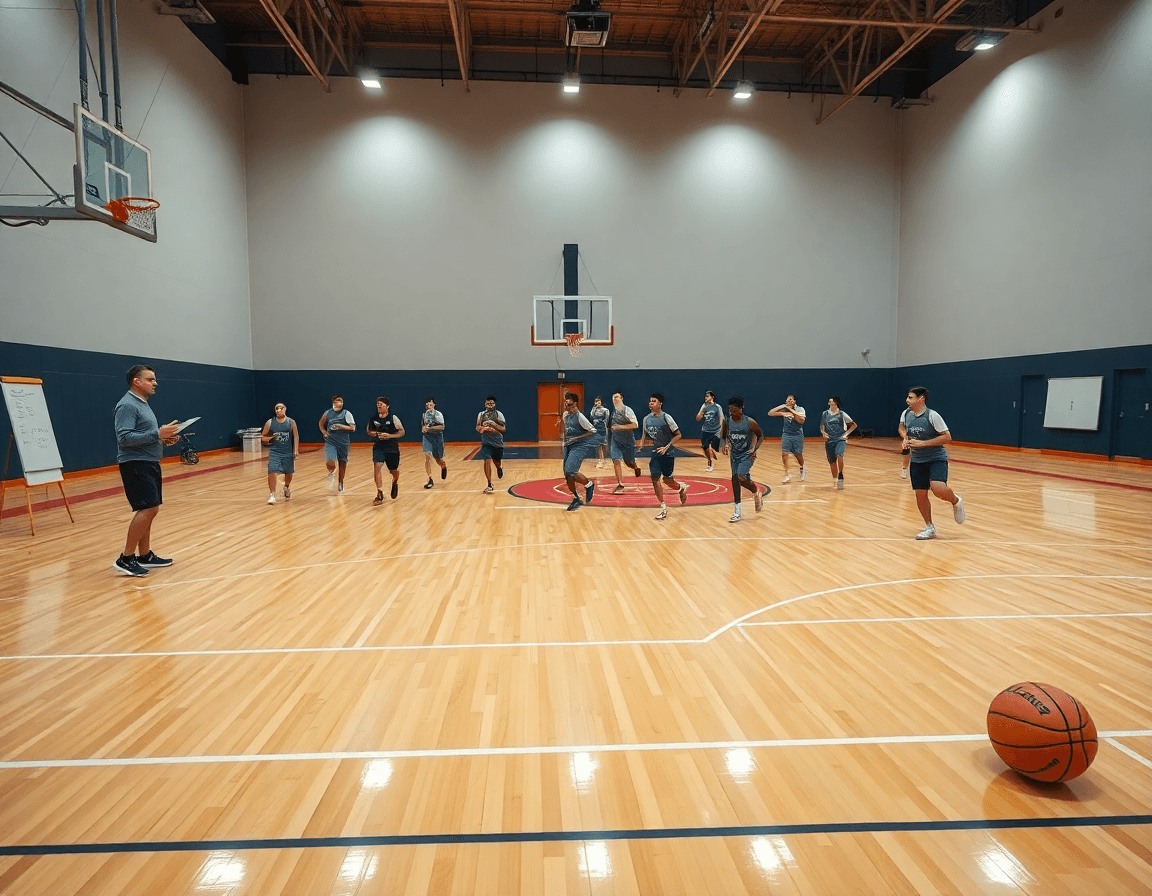
This week’s objective centers on the core stones of the Syracuse 2-3: getting your front-line guards, wings, and the weak-side post to operate in sync. We frame it as a simple goal set: mastery of the 2-3 zone basics, clear roles for each position, and reliable communication. By starting with these fundamentals, we give your team a repeatable progression—one you can document in the plan, grow on the whiteboard, and reinforce with video. Think of it as: how to teach Syracuse 2-3 zone in a way that translates to every possession.
In the plan, I lock in a week-long progression around these elements. A basic outline might be: define alignments and the ball-you rotation rules, then drill high-post denial cues and perimeter pressure. On the whiteboard, I diagram rotations from the top and wing entries, labeling who takes gaps and who slides to the weak side. The goal is to keep the rotations crisp enough that a quick call from the point guard keeps everyone in balance. I also annotate where the bigs deny the high post and how the guards recover to shooters. It’s all part of a clean framework for how to teach Syracuse 2-3 zone during a weekly cycle.
We supplement with short video clips that show correct rotations and common mistakes, tagged to the exact rotation (top, strong side, weak side). In parallel, the scouting reports summarize tendencies of opponents running the zone, so you know where to cue quick adjustments in practice. Finally, I assemble a shareable clip playlist for players—each clip tied to a specific rotation or communication cue—so you can track progress against the checklists for 2-3 zone basics.
Workflow step: build a practice plan around rotations and ball movement
As you build the weekly practice plan around the syracuse 2 3 zone defense, you start with the core idea: keep players disciplined with spacing and ball pressure. In CourtSensei, you map rotation responsibilities into the plan and share it with assistants before the week begins. The goal is a predictable progression: shell drills to establish principles, then deliberate ball movement to pry seams, all while locking in the rotations this defense requires.
To execute that weekly plan, you run a tight progression: shell drills → ball movement in the top/outside → rotation to wing/high post → live 2-3 reps. You weave in rotation drills (top key → wing denial → ball-side block pressure) and keep the tempo up so players feel the seams opening. When the defense moves, the diagram on the whiteboard guides each call and assignment, reducing chatter and slowing the wrong reads.
Post-safety reads become the bridge between drill work and game speed. Emphasize how the ball reverses, where high posts crash, and where to crash the boards for a quick outlet. Tie the on-court actions to your scouting notes so every assistant knows what to force or deny against a syracuse 2 3 zone offense. The result is cleaner rotations and fewer late clock mistakes. The emphasis on these reads feeds into weekly opponent prep and teaches players how to anticipate rotations under pressure.
On the workflow side, pull clips from recent games to tag by rotation—top key, wing denial, ball-side block pressure. Create a short video playlist for players and label it by rotation scenario so they can review quickly before practice. Share the playlist links and keep the notes accessible in the whiteboard timeline during your planning session. The cycle—plan, diagram, clip, scout—keeps the syracuse 2 3 zone playbook practical in week-to-week prep.
Using the whiteboard to install rotations and situational rules
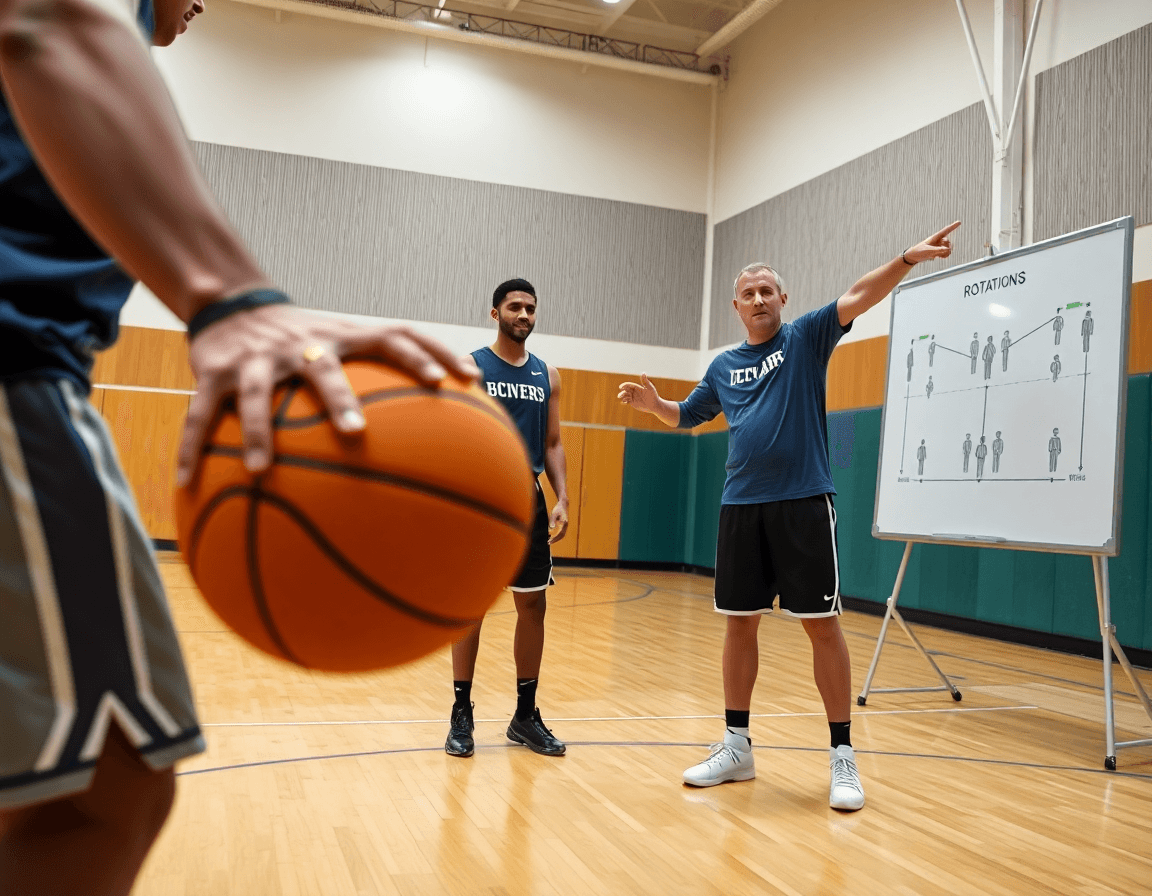
On the whiteboard, I install rotations that keep the Syracuse 2-3 zone humming without overcomplicating reads. I diagram exact rotations for common sequences: pass to wing, pass to high post, pass to corner. Each arrow and box gets a quick label so assistants can follow along during pre-practice walkthroughs. With the board set, spacing and ball movement become a visual rhythm—the kind you can start teaching with a single series of reps and progressions.
Annotate responsibilities for BLOB/SLOB scenarios and ball reversal pressure. When the ball goes out of bounds or sideline, I assign the closest defender to deny the quick reversal while the rest of the rotation stunts the ball and eyes the shooter. On a ball reversal, the top of the key defenders tighten on the passer, the high post shifts, and the wings settle into the corners to deny skips. We lock in who communicates and who covers the gap, so every player knows their exact responsibility in those moments. This is where the top of key defense rotations become second nature.
After we lock in the install, I export the diagram as a PDF or share a link with assistants for pre-practice walkthrough and post-practice recap. This keeps everyone aligned and makes it easy to review later. If needed, I attach a short video clip showing the exact rotation sequence in action.
All diagrams get saved in the practice plan library under Syracuse 2-3, with tags like install rotations 2-3 zone and top of key defense rotations for quick retrieval.
Video clips and tagging: showing rotations and missteps
After a weekend game against the Syracuse 2-3 zone, I pull the video clips that show where our rotations held up and where they broke down. I trim the footage into short sequences—high-post denial, ball-side rotations, and rebounding angles—so we can study specifics without wading through hours of film. In CourtSensei, I tag each clip by rotation outcome: correct, slow, or breakdown. That tagging turns raw video into a focused teaching tool we can reference all week.
From there I build a player-facing playlist that highlights the critical pieces—high-post denial, ball-side rotations, rebounding angles. The playlist becomes a living reference for the guys who miss practice or study on their own. I attach a short note to each clip and share a single link with the team. The clips themselves, plus clear labels for the syracuse 2-3 zone rotations, let players study the defense before film sessions and come prepared with questions and ideas. This prep is tailor-made for facing the syracuse 2 3 zone defense.
During team or position-specific sessions, I pull the playlist up on the projector and compare live reps to the tagged clips. We pause at the top of the key to discuss ball movement in the syracuse 2-3 zone defense and the top-of-the-key defense, using the missteps as coaching points. If a rotation breaks down, we immediately drill it on the floor and then re-check the clip in the plan. The goal is crisp, repeatable rotations and smarter decisions under pressure. I also use the whiteboard to diagram the rotation progression and tie each beat back to the video.
Scouting and opponent prep vs a 2-3 zone
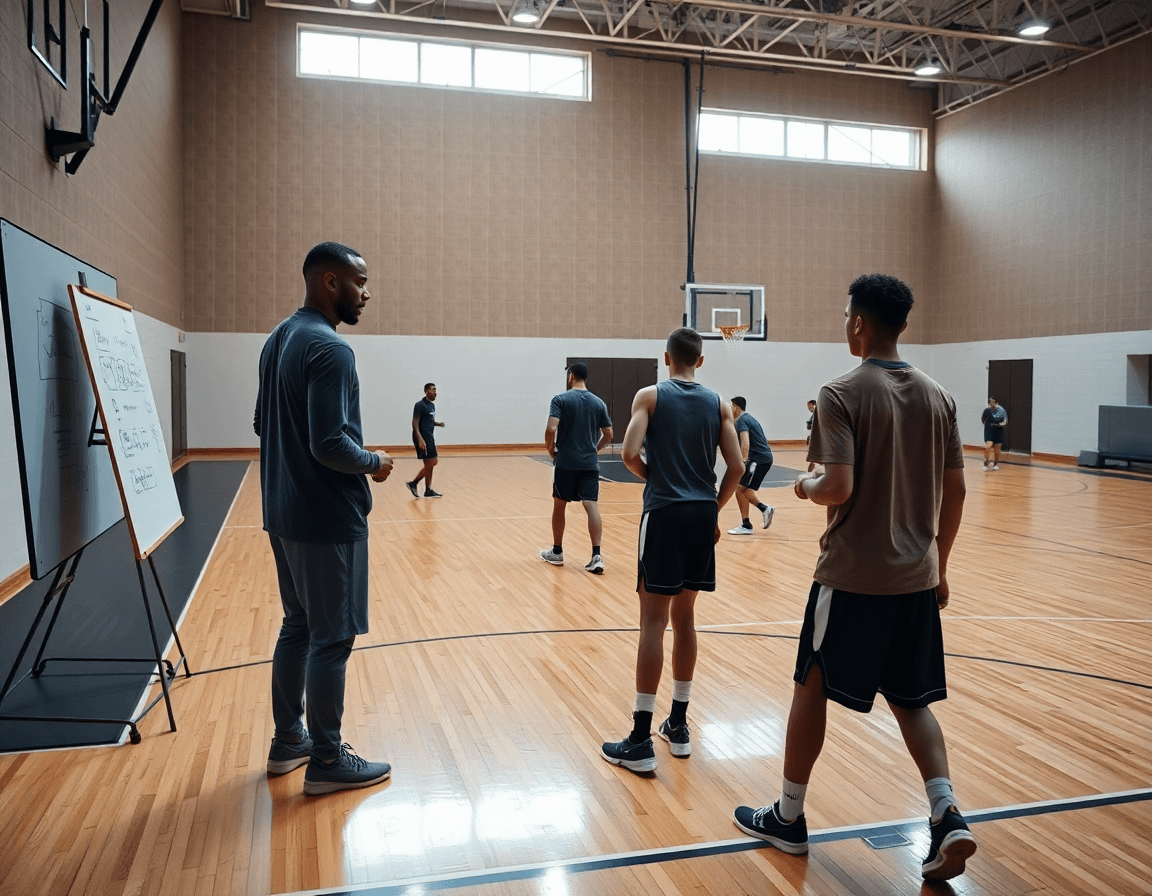
Preparing for the Syracuse 2-3 zone, the scouting report is the backbone of our weekly prep. I generate a focused report on ball movement against the zone, shooter threats, and post-entry options. In CourtSensei I tag it with “2-3 zone” and “Syracuse” so it stays searchable through the week. We document opponent tendencies—where they attack, where gaps open, and how they trap. A clip from a recent game showed their rotation starting at the high post and stepping up to deny the skip pass; we mark that on the board so players see the read in real time.
From that baseline, we craft counter-plans and drill progressions tailored to each opponent. If they trap on ball reversals, we practice quick ball reversals with strong spacing and a go-to skip pass; if they overplay the top of the key, we emphasize entry passes to the high post and quick reversal to the weak side. The plan includes rotations on the whiteboard and a sequence of live-rep drills that mirror the anticipated actions. We attach these counter-plans to the weekly plan and link in the scouting notes for assistants, so everyone’s on the same page.
To keep players accountable, we build a short video playlist that highlights the specific rotations and reactions we expect vs the Syracuse zone. The clips are organized and tagged, then shared via a link so players can study their reads and the correct rotations before the next practice. In our workflow, the scouting notes, the plan on the whiteboard, and the video playlist all live together—ready for the team to review after film. This is how we convert scouting vs 2-3 zone and beat Syracuse 2-3 zone into a concrete prep routine.
In-season adjustments and transition: traps, overloads, rebounding
In-season adjustments to the Syracuse 2-3 zone demand crisp triggers and clear roles. When ball reversal pressure ticks up and teams start swinging with purpose, we introduce traps in 2-3 zone as a look. In the plan, I lay out the timing (after the wing passes to the top, we squeeze the gap), then on the whiteboard I diagram the rotations: guard traps the ball, corner defender flashes to the passer, the strong-side block man dips to protect the rim. We tag the sequence in the video library and reference it during practice as a quick checklist for the assistants. A short video clip shows our first trap look, followed by a drill that builds the timing without overcommitting the weak side.
Next, we work on overloads in 2-3 zone. When teams cluster on one side, we practice a controlled overload that creates decision points rather than chaos. The goal is to lure the ball into a favorable seam, then swing it for a shot or drive without abandoning our spacing. In the plan, we sequence a 2-on-2 to 3-on-3 progression, then add live reps where players read the nearest defender and communicate rotations. Use a dedicated scouting clip to show how our opponent tends to overload, so we can cue the proper angle on the whiteboard and in the game clips library.
Rebounding in zone requires discipline and assignment. We assign two players to crash the blocks and two to seal the lanes, with a third fronting the post to kick out any weak-side misses. In practice, we lock this into the plan as a rebounding drill block, then tag the outcomes in our scouting notes. The result is a cleaner plus-one opportunity when the ball goes up. Finally, we assemble a short video playlist for players—clips that highlight traps, overload reads, and the key rebounding angles—so everyone can study the rotations during film time and before the next game.
60-minute practical workflow you can implement this week
Kick off with a sharp warm-up focused on communication and shell rotations in the Syracuse 2-3 zone defense. In the weekly plan, this 8-minute segment runs as a simple shell progression: players call gaps, slide together, and contest passes with loud, clear direction. I pull this from the practice plan in CourtSensei, share it with assistants, and tag it for early-week progress.
Next, a rotation drill progression with live-ball reps to sharpen the 2-3 rotations from top to bottom. We start with ball movement through the elbows, then 2-on-2 in the gaps, and finally 3-on-3 with live passes. We diagram the rotations on the whiteboard and mirror them on the floor. I export the diagram as a PDF for the staff and tag the drill so we know what clicked after a couple of sessions.
During a 12-minute window, we install the new drills on the whiteboard and run a quick review of assignments: who covers the high post, who slides to the weak-side corner, and who communicates on skip passes. This is where CourtSensei shines—keeping the progression in the plan and letting us re-run it on the board without losing tempo.
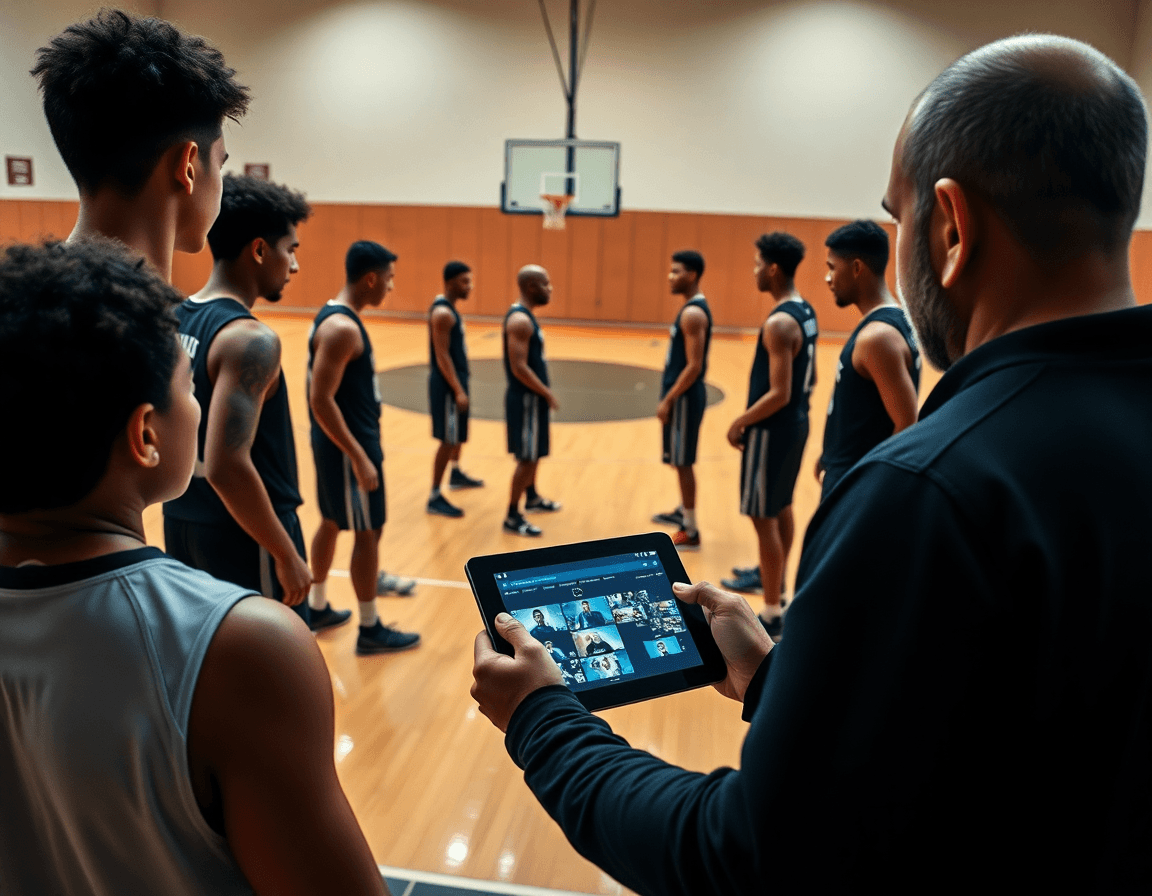
Grab a couple of short video clips from the earlier reps to show a correct rotation vs misstep. In a focused 6-minute review, we annotate the reel and build player playlists so each defender can study the rotation that matters most. We share the clips via CourtSensei, giving players a quick reference before the next possession.
Finish with 14 minutes of scouting prep and opponent-specific adjustments. If the opponent runs a Syracuse 2-3 zone with a certain top-side pressure, our notes highlight where to attack: high-post entry, skip passes to the weak side, and timely ball reversals. We assemble scouting reports and scout plays, attach them to the plan, and push a shareable link to the staff for prep on game night. This 60-minute weekly workflow keeps us aligned for the next matchup and reinforces our weekly SOP Syracuse zone approach.
If you build plans like this every week, CourtSensei keeps your drill library, whiteboard, and video clips in one place — try it free.
FAQ
What exactly is the Syracuse 2-3 zone defense?
The Syracuse 2-3 is a perimeter-oriented zone with two guards up top, wings at the corners, and a weak-side post. As the ball moves, players rotate with clear rules to deny the high post and keep shooters in front. The key is disciplined spacing and predictable rotations.
How does a 2-3 zone work in practice?
On the floor, the top players pressure the ball while wings shade passing lanes. The high post attempts to deny, and the bigs shift to protect the lane. Rotations from the top to the wing are called aloud; a quick guard call keeps everyone in balance. Emphasize top-of-key rotations and high-post denial.
What are the main advantages of the Syracuse 2-3 zone?
It disrupts dribble penetration, crowds shooters, and forces teams to beat you with outside shots. With quick ball movement, you pry seams and create weak-side opportunities. The system also streamlines film study: crisp rotations and predictable decision points help players build confidence. Key advantages: perimeter pressure and crisp rotations.
What are the weaknesses of the 2-3 zone and how can teams exploit it?
High-post entry, overloads, and corner mismatches can hurt the zone. If teams reverse the ball quickly, drive gaps, and attack the middle with shooters, the zone can sag. Rebounding can suffer if the box-out angles lag. Watch for high-post entries and weak-side shooters.
How can teams beat the Syracuse 2-3 zone?
Beat it with fast ball reversal, skip passes, and decisive interior ball moves to the weak side. Attack the gaps with quick passes and pin-downs to create open looks. If shot-makers heat up, the defense must scramble, opening post and glass opportunities. Focus on ball reversal and skip passes.
What is the role of the high post and how should rebounding be handled in a 2-3 zone?
The high post is a decision point: deny entry, reverse to shooters, or drive. On rebounds, crash the boards with strong weak-side angles and quick outlets. Train players to read ball reversals and the bigs' crash pattern. Key terms: high post and rebounding.