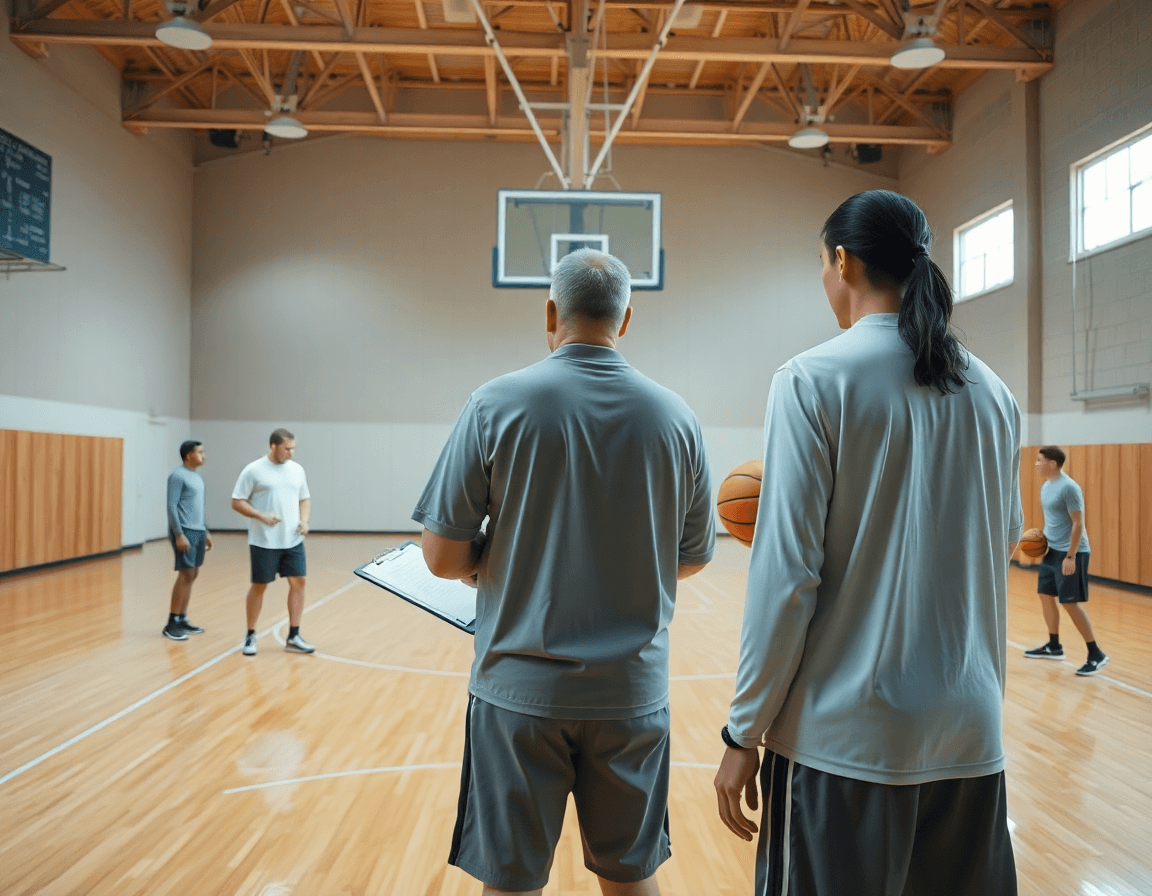
Top Basketball Drills: Weekly Plan for Coaches
Discover top basketball drills tailored for weekly coaching routines, with clear progressions, planning flow, and shareable video clips to elevate your team.

Key takeaways
- Build a drill library for the week, tagging by skill to enable quick planning.
- Pair progressions from basic to game-like, with coachable cues and quick-start templates.
- Map drills to in-game scenarios to build transfer, confidence, and game awareness.
- Create a weekly workflow: plan, diagram, assign, review; share with assistants consistently.
- Leverage video and whiteboard to reinforce technique; clip, tag, and replay for feedback.
Build a Skill-Based Drill Library for the Week
As a head coach, the week starts with a solid drill library. I build a categorized collection of top basketball drills by skill — ball handling, dribbling, shooting, passing, footwork, and defense. In CourtSensei, this becomes the backbone of my planning: each drill is tagged with skill categories and comes with coach-friendly cues and a quick-start template so assistants can pick up where I left off. That means, for example, on Tuesday I pull ball-handling drills from the library and pair them with footwork reps for agile lateral movement, while Friday’s session zeroes in on form shooting and quick passes to sharpen rhythm.
Curate progressions from basic to game-like, with coach-friendly cues and quick-start templates. I include starter options like beginner basketball drills and focused sets such as ball handling drills, form shooting, shooting drills, and defensive slides, so we can build confidence early and ramp up as players gain feel for the court. The goal is to map every rep to a real game scenario: pull a ball handler through cone work, then finish with a two-foot catch-and-shoot rep that mirrors late-clock hustle.
With the library in place, I map drills into weekly practice plans and assign them to days. This keeps sessions consistent and makes it easy to align with teammates by sharing with assistants for the week. I also export a shareable playlist of the week’s drills for players to review before and after practice, so they can visualize the flow on the off days and come back ready to execute.
Turn Drills into Game-Like Practice Progressions
Turn drills into game-like progressions by pairing fundamental drills with decision-making cues and pressure that mirrors game speed. In my weekly plan, I pull from the drill library and tag routines as beginner basketball drills, ball handling drills, or shooting drills, then stitch them into small progressions. On the floor, we start with a simple ball-handling sequence, add a read from the guard, and finish with a decision at the rim. This keeps players locked in and creates a true practice flow.
Design progressions that flow from warm-up to finishing at the rim. We begin with form shooting under light pressure, layer in a dribble-drive sequence, and finish with a drive-finishing drill through contact. On the whiteboard, I map each stage so assistants know when to escalate or ease back, and how to cue decisions under fatigue. The result is a clean line from setup to game tempo, with clear checkpoints along the way.
Map drills to in-game scenarios to build transfer and confidence. A late-clock rep becomes a 1-2 decision drill; a 5-on-4 sequence tests decision making in the paint; a rapid fast-break beat tests finishing under pressure. Use scouting notes to tailor choices to a specific opponent, which keeps your practice flow aligned with game plans and gives players confidence when they see the connection.
With CourtSensei, the weekly workflow ties together: add this week's progressions to the drill library, assemble a concise Practice Plan, diagram the flow on the whiteboard, clip a short sequence from a live rep, and share a playlist to players. The cycle leverages video clips and shareable playlists, so players can review routes at home and come back with sharper reads. It all feeds into top basketball drills for the week.
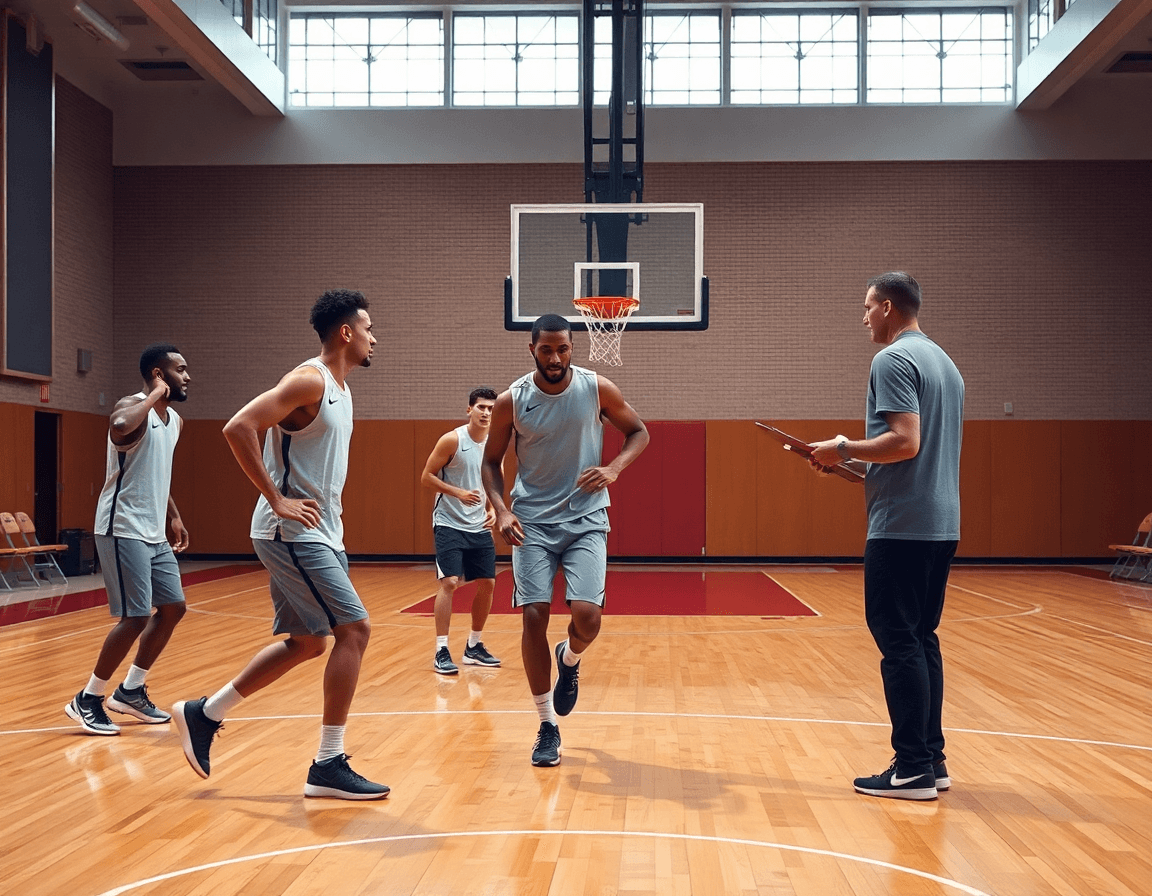
Practical Weekly Drill Workflow
Here’s a practical weekly drill workflow you can rely on. It centers on a single “drill plan” that anchors the cycle: plan > diagram > assign > review. Start with the top basketball drills you want your squad to master this week, pulling from your drill library for consistency. This keeps coaching collaboration efficient across assistants and managers, and helps you stay focused on a strong weekly plan.
During planning, pick a handful of drills from your library: ball handling drills, dribbling drills, form shooting, footwork, and some defender slides for sharp footwork. Build a focused plan for the week: skill blocks, tempo, and competitive reps. This is your backbone; use drill plan across sessions and assistants to ensure everyone’s pulling the same direction. Keep beginner basketball drills in mind for early-week installations.
Move to the whiteboard: diagram each drill with station layouts, passes, and angles. On the board, outline key actions and space usage, then tag players by role. After practice, export the diagram as a PDF from the whiteboard export so assistants and managers can review without chasing handouts.
Next, assign roles: which players do which stations, who runs each group, and what the scouting notes suggest about opponent tendencies. This is where coach collaboration shines; the drill plan travels through every assistant, then back to you for tweaks. Attach a quick video clip of each drill if a player needs a reminder, and link to the drill in the playlist for easy access.
During review, watch clips from the session, annotate feedback, and adjust the plan for the next week. A short video clip library helps reinforce technique and keeps players accountable. Pair feedback with scouting notes to tailor the next cycle, reinforcing a true weekly rhythm.
Example week: focus on ball handling drills, form shooting, and crisp passing; export the whiteboard diagrams; circulate a shareable playlist of clips to the team.
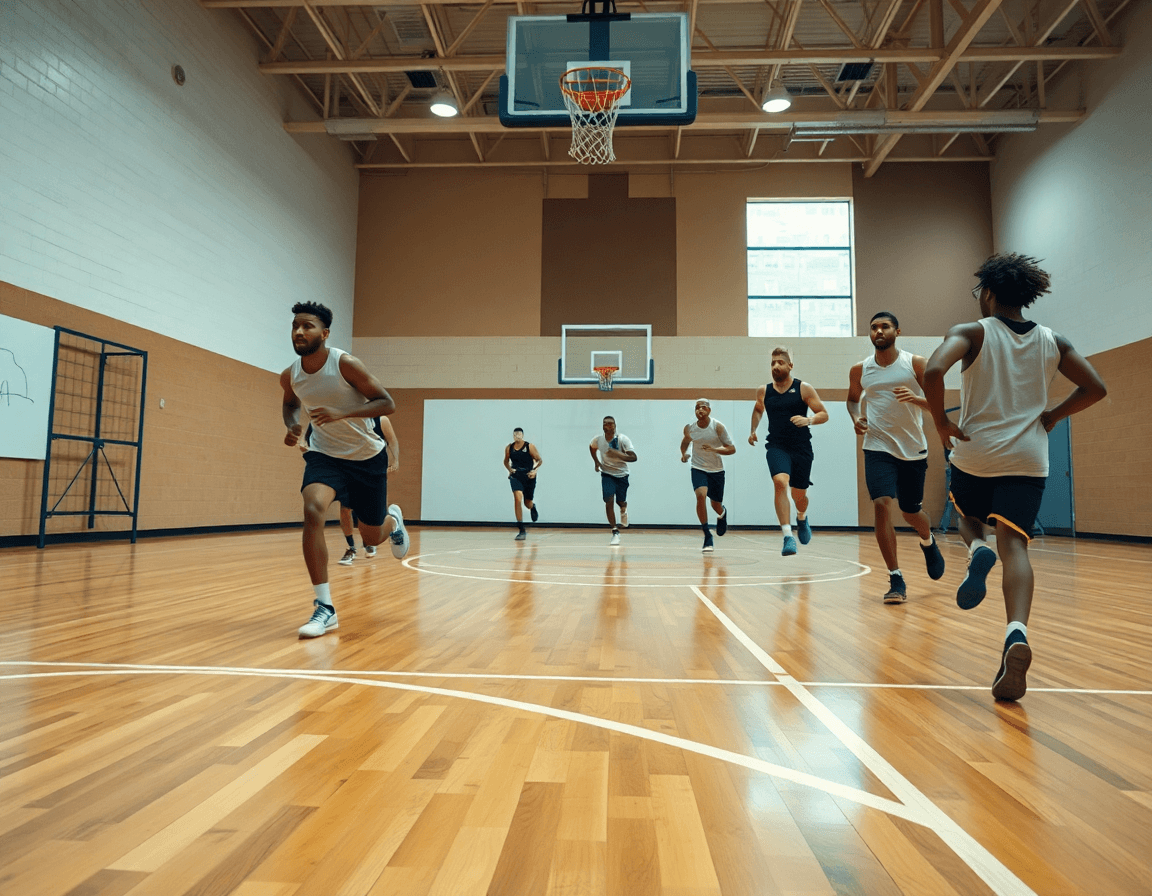
Leverage Video and Whiteboard for Teaching
To teach the weekly top basketball drills, I start with purpose-driven video clips. I pull footage that shows the exact moment a defender bites on a pump fake during form shooting, or the footwork sequence that unlocks a ball-handling drill. The goal is context—seeing how a drill plays out in a real game makes it tangible for players. In CourtSensei, I clip relevant footage from practice and games, tag each clip with the drill name, and store it in the drill library for quick reuse during planning. This keeps our rotation—whether it’s beginner basketball drills, ball handling drills, dribbling drills, or shooting drills—grounded in real situations.
On the whiteboard diagrams, I annotate the drill flow with arrows and positions so players visualize the action. I label each movement as BLOB, SLOB, ATO, or PnR, so assistants know where the read comes from and what triggers the next option. A quick cue sheet on the side helps with coaching points: stance, footwork, spacing. After the quick live demo, I pull the corresponding clip to reinforce the read. This method fits a wide range of drills—footwork drills, defensive slides, form shooting—because the diagrams map directly to on-court movement and decision points.
Finally, I assemble shared playlists for players and staff. A playlist might include a short clip for a ball-handling drill, another for a passing drill, and a third focused on form shooting. Each clip is time-stamped to a key moment so players can review the exact technique after practice. Sharing these playlists keeps the team aligned—the scout can pull a video kit for opponents, the assistant coach can reference a clip during practice, and players can study a drill on their own time. The result is a consistent, week-to-week learning loop that supports the entire workflow of planning, whiteboard diagrams, and video clips.
Align Drills With Scouting Reports
When you align your week with the opponent’s tendencies, your top basketball drills stop feeling generic and start driving results. Pull opponent tendencies and tailor drills to exploit weaknesses. Start with the scouting reports, highlight two or three tells (like how they chase shooters off a curl or how they defend ball screens), and translate those into focused drill blocks. In the plan, this might mean a set of ball-handling drills to beat pressure, footwork drills to hold ground on cuts, and rapid passing or shooting sequences to exploit scramble rotations. Keep the emphasis on what players can actually reproduce in a week’s worth of practice reps.
Document scout plays and pair with drill sequences for practice reps. After you’ve pinned down a scout play—say a specific weak rotation after a drive—link it to a concrete drill sequence in your library. Build practice reps that mirror the scenario: execute the action in a controlled drill, then progress to a live look in a 5-on-5 shell. A quick clip of the drill can become a teaching aid for players who missed the film session, tying together scouting reports, tailored drills, and game-ready execution. As the week unfolds, update weekly plans as scouting data evolves, swapping in new scout plays and revising drill priorities so your players always train against current tendencies. Shareable playlists bring these updates to life for your squad, so every player gets the same stream of top basketball drills aligned with the latest scouting.
Shareable Playlists to Drive Player Accountability
In this weekly drill cycle, I translate weekly goals into concrete learning blocks by building playlists of drill clips tied to those goals. For example, this week’s focus is on ball handling and footwork. I pull the best clips from the library—dribbling drills, ball-handling sequences, and form shooting—and assemble them into a single playlist that every player can access. When the plan calls for early-season improvement in ball control, the playlist becomes the reference point players return to after practice and before film sessions. This is how we turn top basketball drills into actionable routines.
Sharing is simple: players receive a shareable link to that playlist—secure, easy to access, and device-friendly. They can view on the bench, at home, or during a film period in the locker room. The link keeps everyone aligned on the same clip order and the same weekly goals, so players know exactly what to study and replicate. The workflow stays clean: plan in the weekly plan, diagram the movements, and deliver the viewing experience through a single, accessible portal.
Progress shows up in the CourtSensei dashboard. I track who watched which clips, completion rates, and how confidently players can apply the movements in practice. If scouting notes about an opponent’s rotation suggest a focus on quick hands and decision-making, I swap in new clips and adjust the playlist. This is real player accountability—watch, learn, apply, and measure against the team’s targets for the week.
On the court, a typical week might start with beginner basketball drills for dribbling and footwork, layer in defensive slides, then finish with form shooting clips for finishing. By Friday, the updated playlist reflects what worked and what didn’t, and players know their next targets. Shareable playlists keep coaching decisions transparent and tightly tied to the weekly plan.
If you build plans like this every week, CourtSensei keeps your drill library, whiteboard, and video clips in one place — try it free.
FAQ
What are the best beginner basketball drills to start building a skill base?
Kick off with a focused set from your beginner-friendly pool: form shooting, stationary ball-handling, passing basics, and two-foot finishing. Pair these with simple cone progressions to build rhythm. Treat it as a drill library: tag drills by skill, keep cues crisp, and escalate only when players feel confident. Aim for high reps, clear feedback, and game-like context to transfer to live play.
How long should a beginner practice last, and how should it be paced?
Most beginner practices run about 60 minutes, broken into 4-6 blocks of 8-12 minutes. Start with a light warm-up, then form shooting, ball handling, footwork, and passing, and finish with finishing drills or a short, controlled scrimmage. Keep rest brief and reps high quality. Use a simple drill plan to stay on pace, and wrap with a quick video recap for players.
Should beginners focus on dribbling or shooting first?
Start with shooting—form, rhythm, and two-foot finishes—before piling on dribbling complexity. Build a simple progression: form shooting, then stationary ball-handling, then low-pressure dribble-drive to a cone. Only once players move with confidence should you layer speed and decision-making. The goal is feel and balance, not chaos.
How quickly do beginners improve with drills, and how should you measure progress?
With consistent practice, beginners typically show noticeable gains in about 4-6 weeks: improved shot rhythm, tighter handle, and faster reads. Track simple metrics: make rate on a fixed set, cone-drill completion, and the number of clean finishes. Use video clips to compare progress and reference your weekly plan to stay accountable and adjust pace.
Are basketball drills different for kids vs adults, and how do you tailor for age?
For kid-friendly drills, keep fundamentals, shorter drills, more repetition, and lighter pressure with clear milestones. For adult progressions, increase pace, add more decision-making, and adjust loads to fitness. Always tailor spacing, tempo, and rest; label routines in the drill library as kid-friendly or adult-progressions so you and your staff stay aligned.
How can I structure a 15-minute beginner routine?
Structure a tight 15-minute routine: 2 minutes warm-up, 5 minutes form shooting, 4 minutes ball-handling with one cone, 2 minutes passing, and 2 minutes finishing layups. Keep reps high, rests brief, and focus on clean technique. Use a simple drill plan to stay on pace, and finish with a quick playlist so players can rehearse the flow on off days.