Weekly plan to teach pick and roll basketball plays
Coach-focused weekly workflow to teach pick and roll basketball plays: plan drills, diagram tactics, edit video, scout opponents, and share with players.

Key takeaways
- Frame weekly goals for the pick-and-roll, locking 2–3 objectives and measurable metrics; align with opponent tendencies via scouting.
- Design a scalable playbook in practice plans; lock 3 core variations: high, pop, slip; link reads to drills.
- Use whiteboard diagrams to communicate roles and timing; export PDFs for staff and pre-practice reviews.
- Build game-ready video clips highlighting reads at decision points; tag by scenario for quick retrieval.
- Create shareable playlists and clip sequences to reinforce reads during practice and film sessions.
Frame your weekly goals for pick and roll
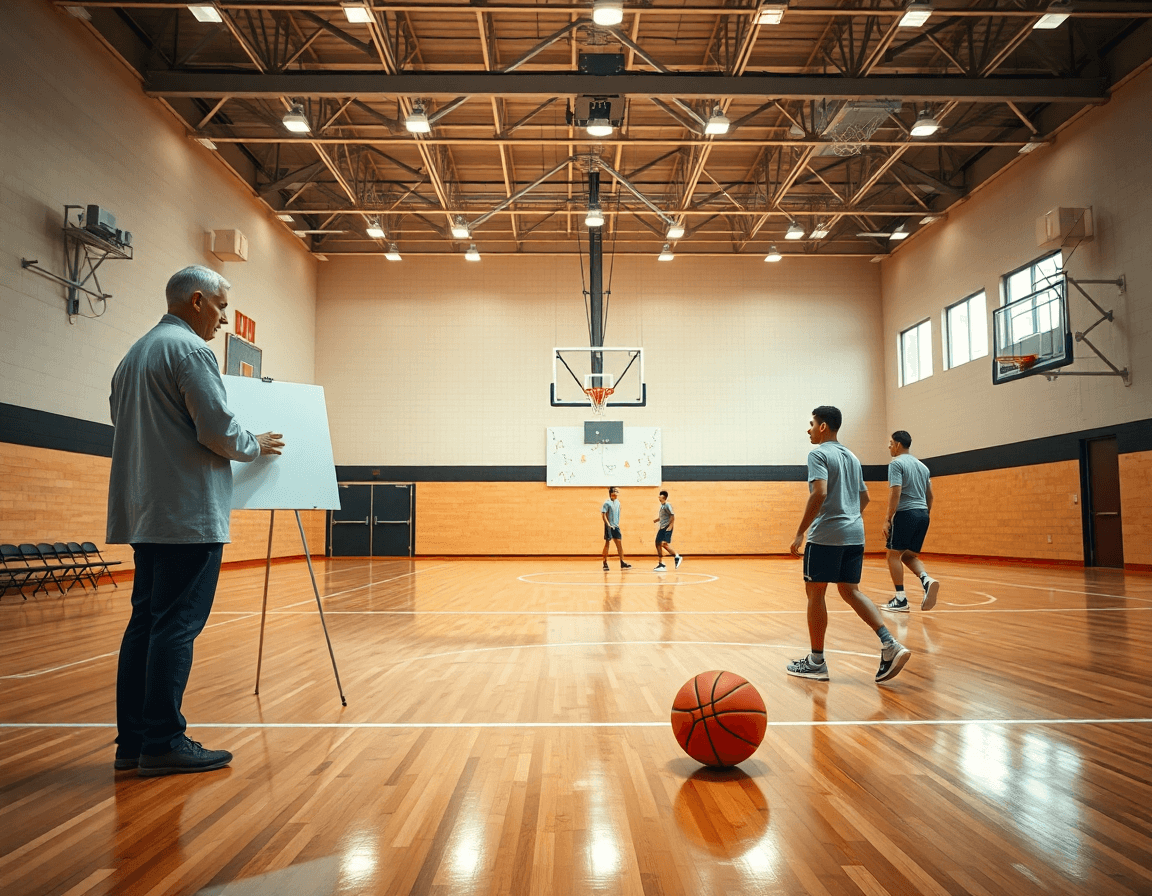
Frame your weekly goals for the pick and roll by locking in 2–3 core objectives. Think decision speed, spacing, and late-stage reads in ball-screen actions. Tie these to your weekly plan so your ballhandler, screener, and roller know what to prioritize. On the floor, map success for the week with a quick whiteboard diagram and assign drills in your practice plans.
Align goals with the opponent tendencies and defensive coverages you expect this week. Use scouting reports to shape which looks you’ll rep—hedge vs. drop vs. switch on the screen. If the plan calls for more aggressive pressure on the ball, map that into your drill sequence. Use the whiteboard to diagram different looks—ballhandler attacking the screener, slip options, or a pop.
Define metrics to measure success: points in the paint, live-ball turnovers, read timing on late-clock plays, and the efficiency of the screener’s space. Tie these numbers to your tape sessions so the video reviews directly address the week’s objectives. In your scouting notes, log what worked against defenses similar to what you’ll face.
Finally, map goals to your practice plans and staff roles for efficient execution. On Monday, install core ball-handling reads; Tuesday, emphasize spacing with the screener; midweek, review read timing via short video clips. Create playlists of game clips for players to watch and annotate. The workflow—plan, whiteboard, video, scout, and share—keeps your weekly pick and roll progress cohesive.
Design a scalable pick and roll playbook in practice plans
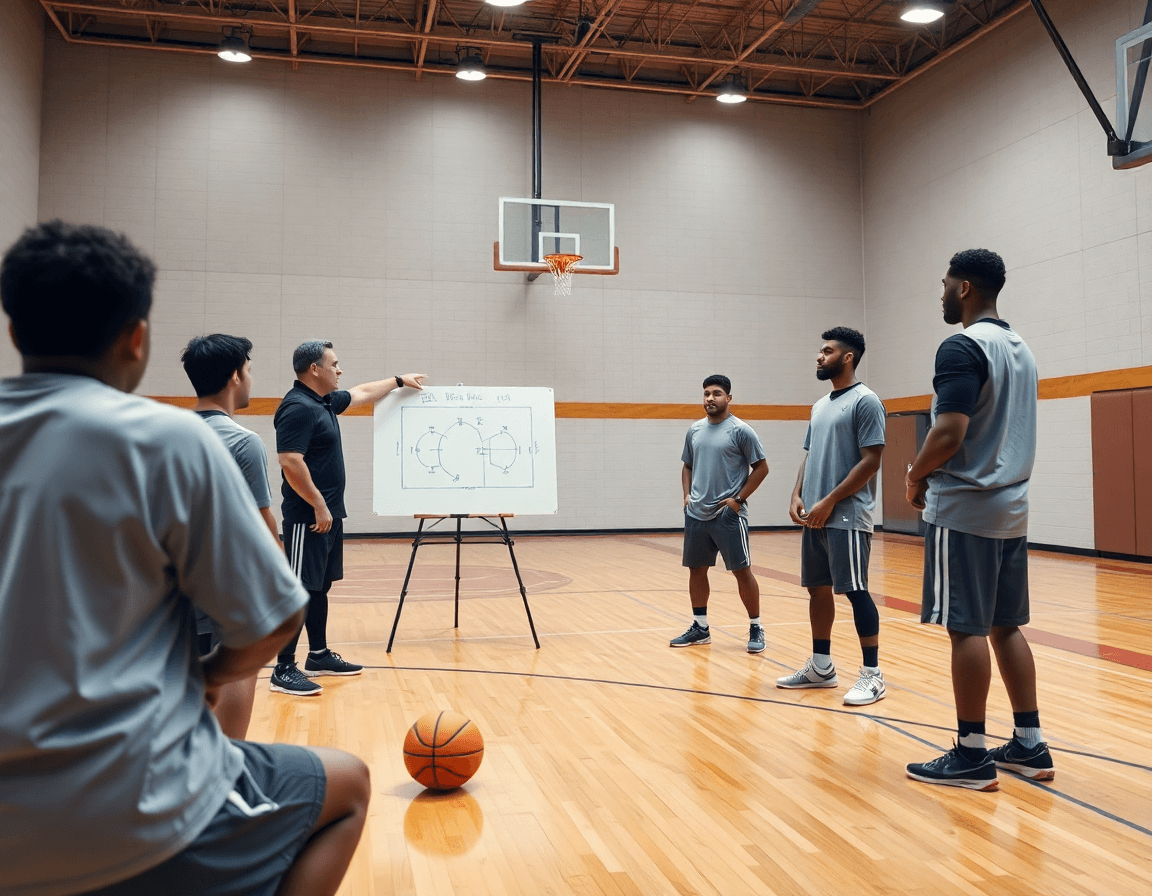
As a coach who lives in the weekly cycle, I design a scalable pick and roll playbook inside our practice plans. We lock in 3 core variations: high pick and roll, pick and pop, and pick and slip. Each variation has a home in the drill library, linking reads, reaction time, and spacing to real-game reads.
On the whiteboard I map each variation with roles labeled: ballhandler, screener, and roller. The diagrams show timing, space creation, and the reads from the defense. This is where our weekly scouting notes feed the plan, so the team practices decision points before we run it live.
Execution steps: for the ballhandler, read the guard's drop or hedge and decide to attack, pass, or reset. The screener sets the screen with angle, frame, and urgency, then pops or slips based on the defense. The roller dives or rolls into space, depending on spacing.
To scale this for the whole program, I build a printable PDF playbook section for staff and assistants, linking each variation to drills, diagrams, and scouting notes. After practice, we pull a short video clip from the sequence, add it to a shareable playlist, and review it in the film session.
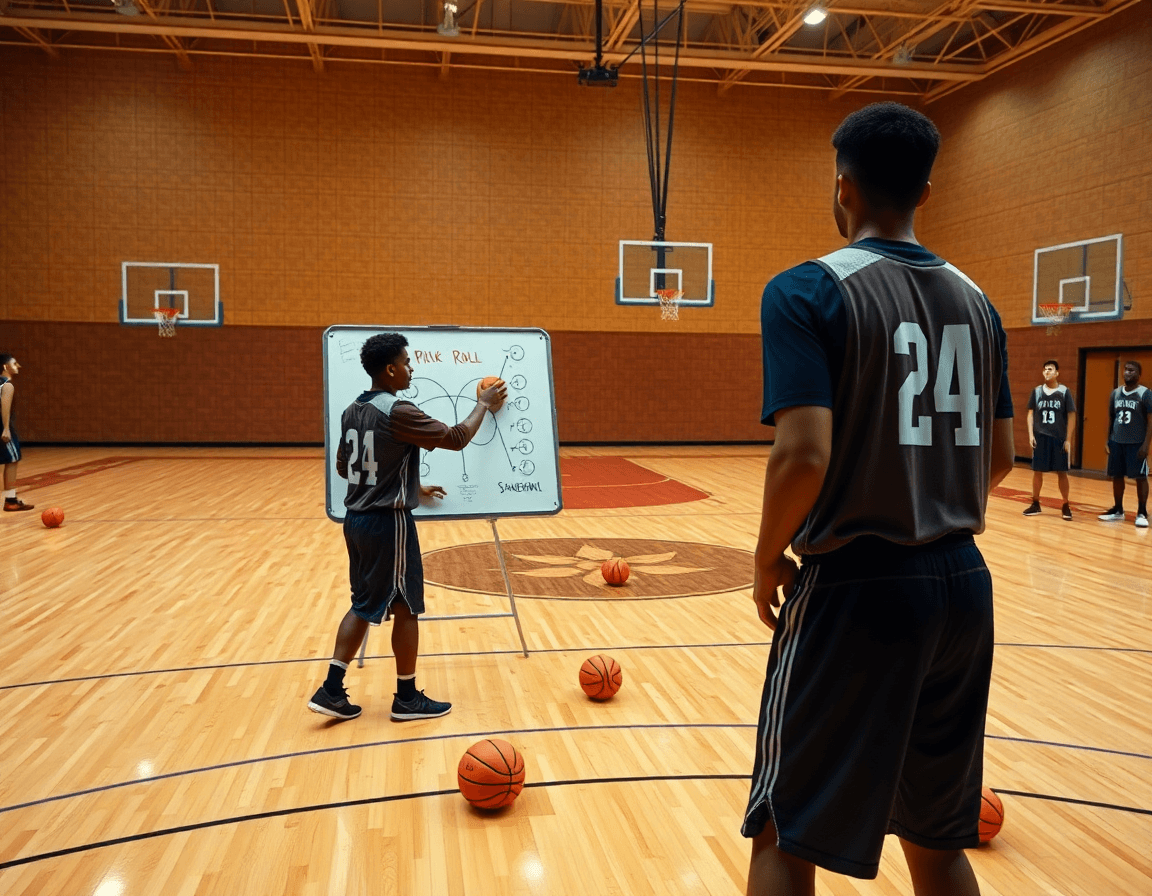
Diagram and communicate with your staff using a whiteboard
On the whiteboard, I map out pick and roll basketball plays for the week. We diagram sequences using BLOB/SLOB/ATO and PnR diagrams to map actions and space. As I sketch, I’m thinking about where the screener sets, where the ballhandler wants to turn the corner, and how the defense might react. The goal is a clear flow the staff can rally around before we touch the floor.
Annotate angles, distances, and timing to improve comprehension during practice. When we draw the ball handler coming off, I mark the angles of the curl or flare, the distance between the screener and the defender, and the timing windows for ballhandler decision-making. This isn’t art; it’s a shared language. A quick line or arrow that shows spacing can save three reps in drill time and keep every coach on the same page with our targets: screen-setter positioning, roller reads, and when to slip or pop.
Export diagrams as PDFs to share in pre-practice meetings and post-practice reviews. After the chalk talk, I export the board into a PDF and drop it into the weekly practice plan. The staff can study it on their phones during warmups, and assistants can annotate tweaks from the sidelines. These PDFs become the reference point when we video-review and when we send notes to players later.
Coordinate responsibilities across assistants to ensure consistent coaching cues. We assign cues so the same message travels from the bench to the floor: one coach cues the screener, another relays the ballhandler’s read, and a third handles the defense’s reaction. Clear roles help our workflow stay tight—especially when we’re teaching multiple pick and roll basketball plays in the same week, from screen-setters to screen-and-roll actions.
Build game-ready video clips to teach reads and reactions
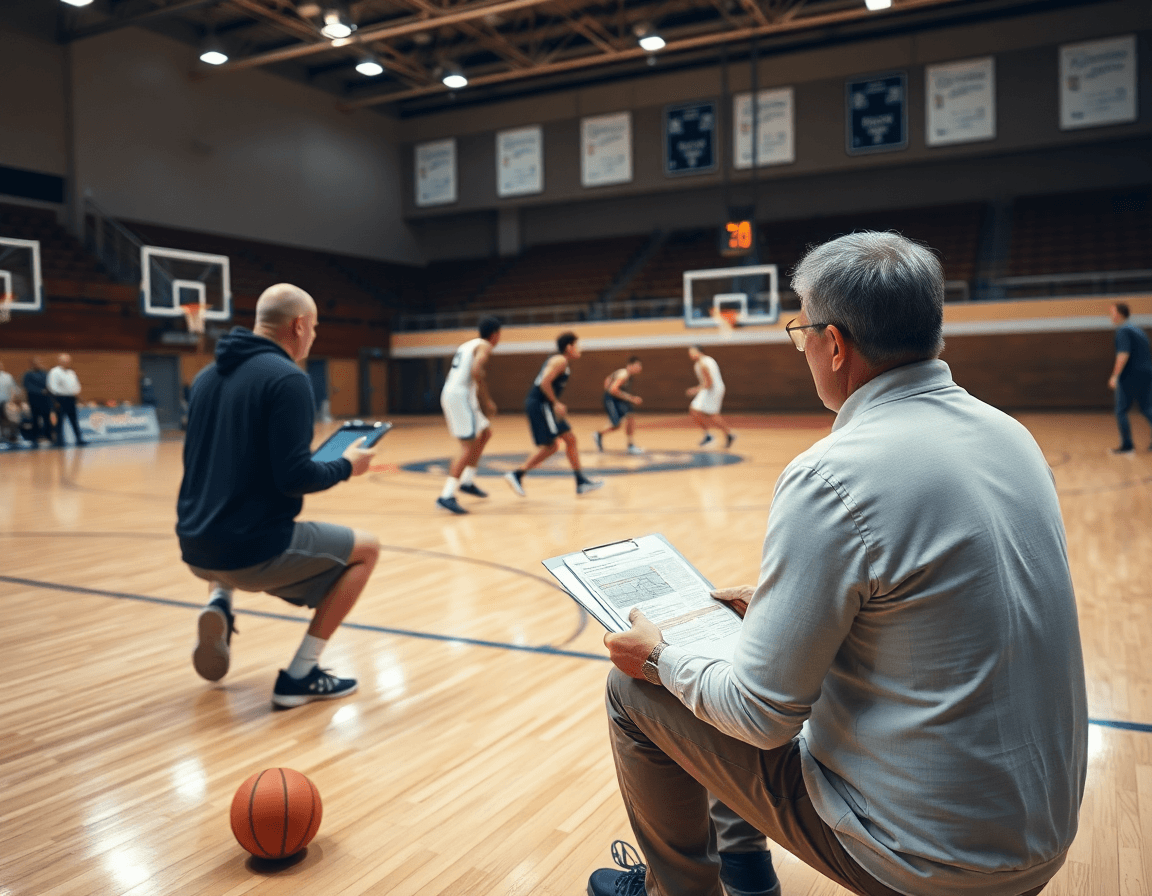
When we design our weekly plan around pick and roll basketball plays, I build game-ready video clips that lay out reads at every decision point—pass, shoot, or continue the drive. In a typical session, a two-minute clip from a recent game shows the ballhandler reading a hard hedge and deciding whether to swing to the screener or attack the rim. Those clips become the anchor for the week’s teaching, not just a highlight reel.
Next, I tag each clip by scenario—ballhandler decisions, screener actions, defender reactions—so our assistant coaches can pull the exact reads we need. A single situation might include a ballhandler reading a hedge, the screener setting, and the defender switching; another shows a slip or pop after a ball screen. We build clip sequences that highlight the choices at each step and keep the focus on the reads.
I curate a sequence of short video clips that we actually run in practice—tied to drills like 3-on-3 with a ballhandler vs hedge. Each unit ends with a clear read: pass to the roller, shoot the pull-up, or continue the drive. This library becomes a resource for in-practice drills and quick in-game adjustments, so players internalize the reads before it matters in the game.
Finally, I attach the curated clips to the playbook and generate shareable links for the staff and players. A single tap on a play triggers the right sequence—the reads at the ballhandler, the screener action, the defender reaction—feeding the week’s scouting notes and planning. That streaming-ready library makes it easy to drop a clip into a whiteboard diagram during a meeting or to send a link to a practice plan so assistants and players review together before the session.
Scouting reports and opponent tendencies for pick and roll
In the weekly plan to teach pick and roll basketball plays, scouting reports shape what we emphasize. We map opponent defenses against PnR—hedge, switch, drop—and the rotations that tend to follow, i.e., their typical defensive coverages. Those notes become the backbone of our workflow, living in the scouting reports, the plan on the whiteboard, and the short video clips we pull after games.
From those notes, we produce scouting notes that translate into counter-plays and drill focus for the week. If a team hedges aggressively, we script a quick slip or a ball-screen handoff to the screener to keep the ball in motion. We map these replies into our plan and load the diagrams on the whiteboard. Short video clips illustrate the keys: when to set the screen-setter, when to roll, when to pop.
Develop scout plays and situational reps to exploit weaknesses in real-time. We script late-clock decision trees, ballhandler vs hedge, and mismatches for the screener and roller. Each scout play targets a specific rotation or miscommunication we spotted in game tape. We run 2-3 reps per scenario in practice, pausing to review the decision on the whiteboard and with a quick clip. We’ll also practice the core options—screen and roll, ball screen, pick and pop, pick and slip—so the team has ready answers when a defender overplays.
All insights are stored and exported for staff review and game prep. In CourtSensei, that means a shareable playlist of clips, a PDF scouting packet, and linked diagrams that travel with the weekly plan. When we walk into a game, the prep is a living document: notes on opponent tendencies, defensive coverages, and the counter-ops we drilled all week play out on the board and in video.
Deliver playlists and shareable clips to players
Delivering the weekly pick-and-roll package hinges on how you deliver the content to players. Start with curated playlists that map each role to a read, and each situation to a reaction. Assemble position- and situation-specific playlists (late-clock, 3-on-2, 2-on-2 scenarios) that highlight where to angle passes and how to space for passing angles. For the ballhandler, emphasis on decision points; for the screener and roller, emphasis on timing and roll/POP options. Label these reads so a player can study their responsibility without sifting through unrelated clips.
Assign clips with notes to individual players to reinforce responsibilities. A single clip set can cover the ballhandler’s decision, the screener’s screen verticality, and the roller’s finish. Attach concise notes to each clip: what to look for, what to do next, and a cue to use in the drill. Use video clips that illustrate common variations—screen and roll, ball screen, pick and pop, pick and slip—and tag them by role so players see exactly how their actions influence the sequence.
Track engagement and progress to refine teaching cues and drills. Monitor who watches what, how quickly they move through the playlist, and which clips generate the most questions. Use this data to tune your cues, adjust the drill difficulty, and tighten the weekly practice plan around real-player needs. The goal is a living library that evolves with your pick-and-roll basketball plays.
Distribute via shareable links so players can review clips before and after practice. Shareable links let athletes binge-watch on their own time, annotate with notes, and come to the gym ready to discuss the reads. A short video clip here and there, plus a clear passing angles cue, keeps your game plan actionable all week long.
If you build plans like this every week, CourtSensei keeps your drill library, whiteboard, and video clips in one place — try it free.
FAQ
What is the pick and roll in basketball, and why should I include it in a weekly plan?
The pick and roll is a ball-handler and screener action that creates space and decision points. In a weekly plan, lock in 2–3 objectives: decision speed, spacing, late reads. Tie them to your practice plan so players know priorities. Use a whiteboard to diagram looks, and assign drills that mirror the week’s defensive coverages.
What variations should I teach during a week (high pick and roll, pick and pop, pick and slip)?
Plan 3 core variations: high pick and roll, pick and pop, and pick and slip. Each variation changes spacing, reads, and the roller’s contact point. Link reads to your defense scouting notes and timeline. Practice with reps where the ballhandler chooses to attack, pull, or slip, then review with short video clips.
Which players are famous for the pick and roll, and what can we learn from them?
Classic tandems like John Stockton and Karl Malone and Chris Paul with DeAndre Jordan popularized the pick and roll. Study their spacing, timing, and partner reads. Notice how the ballhandler manipulates hedges and how the screener threatens space to open rolling lanes. Use these film examples to tighten your team’s weekly reads.
How does the ballhandler decide what to do during a pick and roll?
During a P&R, the ballhandler reads the defender’s drop, hedge, and help. Decide quickly to attack the gap, pass to the screener, or reset to another action. Train with decision-point drills and live reps vs hedge vs switch. Build a simple rule set so reads become automatic under pressure.
How should you defend the pick and roll (hedge, switch, drop) and prepare?
Defend the P&R by deciding how to hedge, switch, or drop. Teach defenders to hedge aggressively to force ballhandler to recover, switch cleanly with the screener’s partner, or drop and protect the paint. Prepare with scouting notes, live drills against each coverage, and quick matchup changes on the fly.
What is the role of the screener in a pick and roll?
The screener sets the angle, frame, and urgency, then either pops or slips based on defense. They create space and timing for the ballhandler while reading the help. Emphasize screener footwork, handoffs, and the screener’s ability to space the floor during the read.
What makes a pick and roll successful?
Key success factors are crisp reads and timing, proper spacing, and reliable screen angles. The ballhandler must attack the defense’s decision point quickly, the screener must set a legal screen and keep space, and the roller must threaten the rim. Tie outcomes to your weekly metrics—points in the paint, turnovers, and read timing.