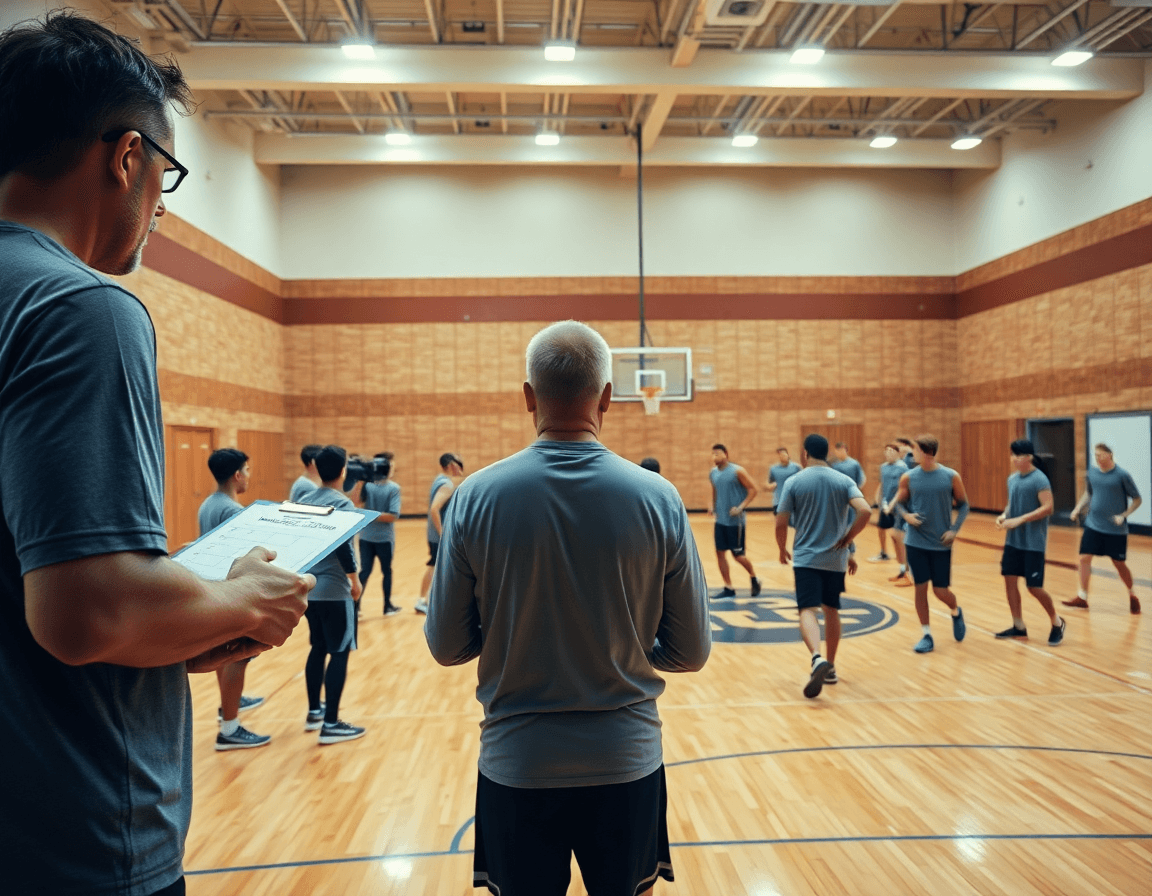
Basketball Drills for Middle School Tryouts: Weekly Prep
Coaches: a practical weekly workflow for basketball drills for middle school tryouts—plan drills, progressions, video feedback, scouting, and play sharing.

Key takeaways
- Use practice plan library to craft an age-appropriate weekly tryouts blueprint, ensuring consistency.
- Structure station blocks and real-time tracking to keep tryouts tight and fair for groups.
- Translate morning work to on-court action with a clear tactical whiteboard, plus staff-ready PDFs.
- Create focused video clips and organized playlists so each player studies key outcomes.
- Finish with scalable scouting reports and week-exported PDFs to align staff and substitutes.
Practical weekly workflow for tryouts prep
On Monday, I kick off the weekly tryouts prep by outlining the five days in CourtSensei's built-in practice plan library. For basketball drills for middle school tryouts, I pull age-appropriate drills across ball handling, shooting, finishing, and defense, guiding practice planning for middle school basketball and weaving them into a cohesive plan. This is where the weekly rhythm begins: warm-ups, skill blocks, and competitive reps. I annotate each drill with objectives and cues, then save the plan so assistants see the same framework— the heartbeat of the week. This is a practical weekly workflow for tryouts.
Tuesday is all about station blocks and tracking. I split the gym into focused blocks, assign each drill to a station, and log expected reps, tempo, and progress in real time. With station blocks and tracking, sessions stay tight and predictable, which matters when you’re testing multiple groups for a tight cut. The plan might include ball handling drills, finishers, and quick defense rotations, all timed to keep pace.
Wednesday is the tactical layer. I diagram plays on a tactical whiteboard, outlining BLOB/SLOB/ATO/PnR concepts and looping in a quick PDF export for the staff. This is where we translate the morning work into on-court actions: spacing for a Mikan drill, a drive-and-kick sequence, and a post-entry option in transition. The result is a clear, coach-facing diagram you can share with assistants.
Thursday shifts toward video. I clip and organize game and practice footage, then build video clips and player playlists so every kid has a focused set of clips to study. A short video clip after each session reinforces what we drilled and helps players connect technique to outcomes. The playlists stay organized by drill type and by player role.
Friday ties it together with scouting and review. I compile scouting reports and add opponent-specific plays to the plan. End-of-week video review reinforces learning, and I export the week as a PDF or shareable link for assistants and substitutes so everyone is aligned before next week’s tryouts.
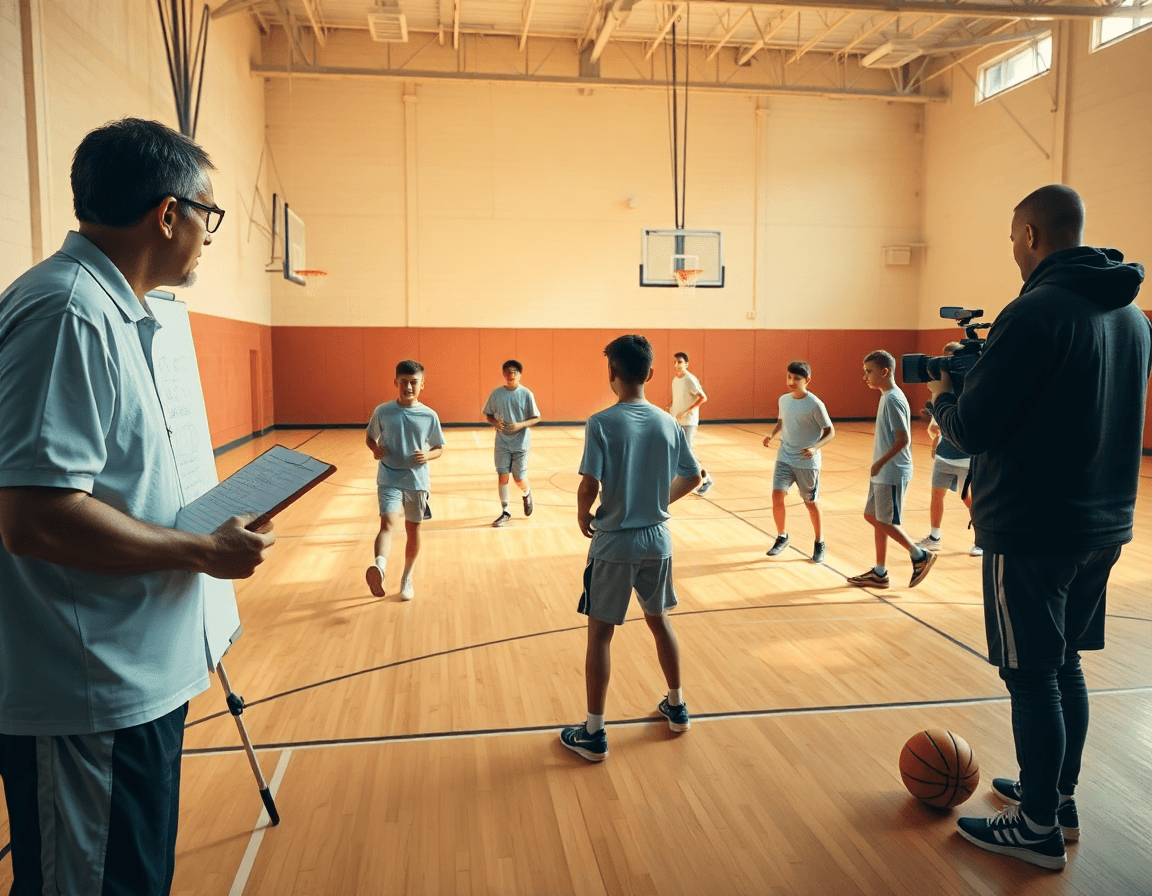
Design age-appropriate drill progressions for middle school
Designing age-appropriate drill progressions for middle school means starting with fundamentals and building toward game-like decisions as players gain confidence. In the weekly plan, I begin with ball handling drills, form shooting drills, and finishing at the rim, then layer in decision-making as reps accumulate. For middle schoolers, I group drills by skill—ball handling, shooting form, finishing at the rim, and defensive movements—and I use simple progressions: stationary ball handling to two-dribble sequences, then moving patterns, then reads off a cone line. A couple of staples to lean on are the two-ball drill for touch and the Mikan drill for finishing technique. Keep cues tight: eyes up, fingertips, soft gather.
Progression ladders keep players from getting overwhelmed and keep practice moving. Start with a ladder that begins at a slow pace, then adds tempo, then introduces a decision. In the drill library, pull age-appropriate variants—ball-handling ladders, form-shooting cycles, and layup drills with and without contact. Group sessions so players rotate through stations—ball handling, shooting, finishing, defense—so reps stay crisp and decisions stay in-check. When you stack these elements, you maintain form while ramping up pace and pressure, which matters for tryouts week.
Balance instruction with repetitions, and keep form cues simple. Use a straightforward rubric to track individual progress and share results with assistants. In the plan for the week, map each drill to the rubric—fundamental grips, stance, and finish quality—and export diagrams or PDFs to the coaching staff. A clean, repeatable workflow—plan,Diagram on the whiteboard, clip key reps, and log progress—lets you pace drills like ball handling drills, form shooting drills, and layup drills without reinventing the wheel.
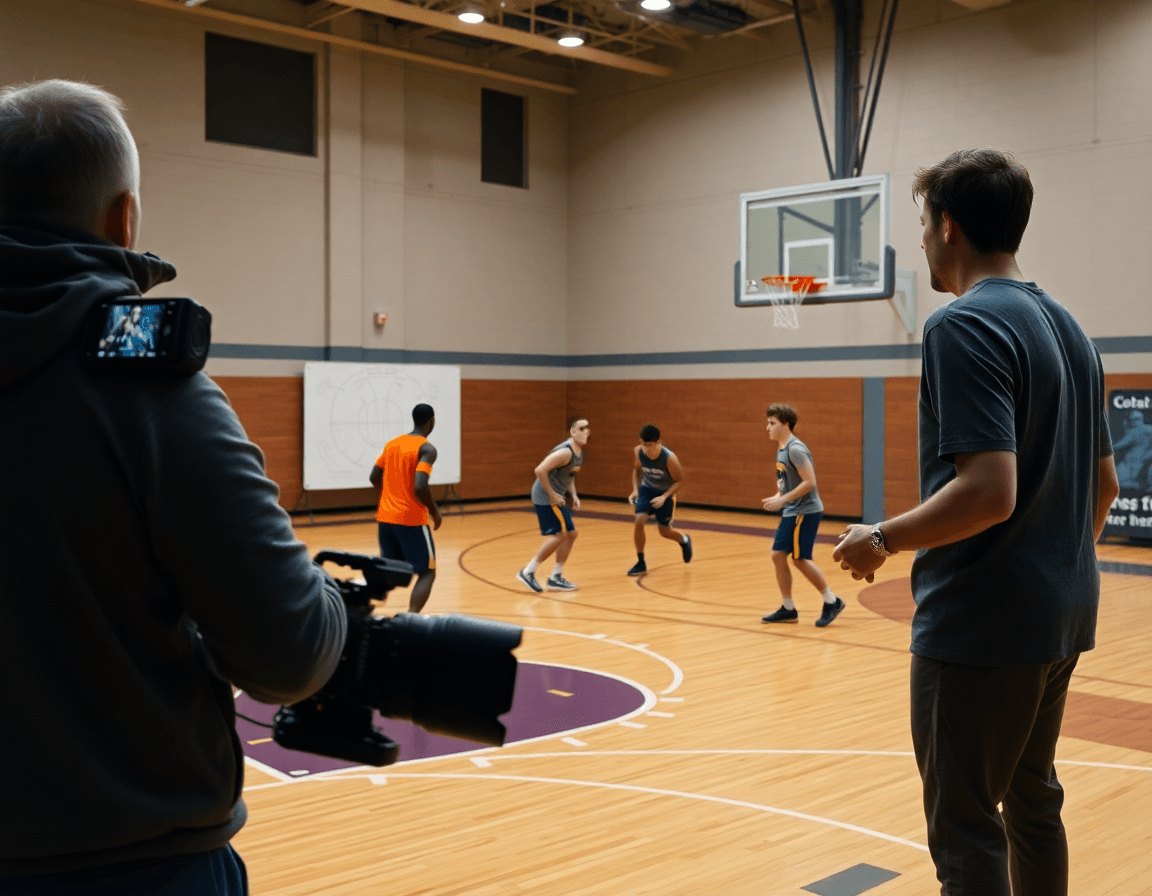
Structure efficient drill sequences for tryouts
When planning basketball drills for middle school tryouts, I structure 4-6 stations, each 3-5 minutes, to test a range of skills and stamina without burning out the group. The goal is a repeatable rhythm a head coach can trust week to week. My workflow centers on a concise station-based drills approach and a clear practice plan template that travels with the staff.
We start with a dynamic warm-up, then skill work, then game-like sequences (2v2/3v3), then finishing. Each station covers ball handling drills, form shooting drills, layups, and transition—kept tight so the clock doesn’t cheat us. On the floor I coach to sequence timing, so players feel a natural progression that mirrors a real game, making the tryout feel fair and comprehensive.
Use the whiteboard to diagram sequences and assign responsibilities to assistants. I label each station with objectives and contingencies, so every coach knows what to coach. This is where the drill sequence is locked in and adjusted for the group, whether we pull in the Mikan drill or a two-ball drill as needed.
Export sequences to PDF and share with staff and players before tryouts. The plan travels with us: players know what to expect, scouts have a reference, and we can adjust on the fly based on notes in CourtSensei. I also clip and organize game footage into player playlists, then build scouting reports with opponent-specific plays to prep for the next week. Maintain assessment criteria so we can compare players fairly.
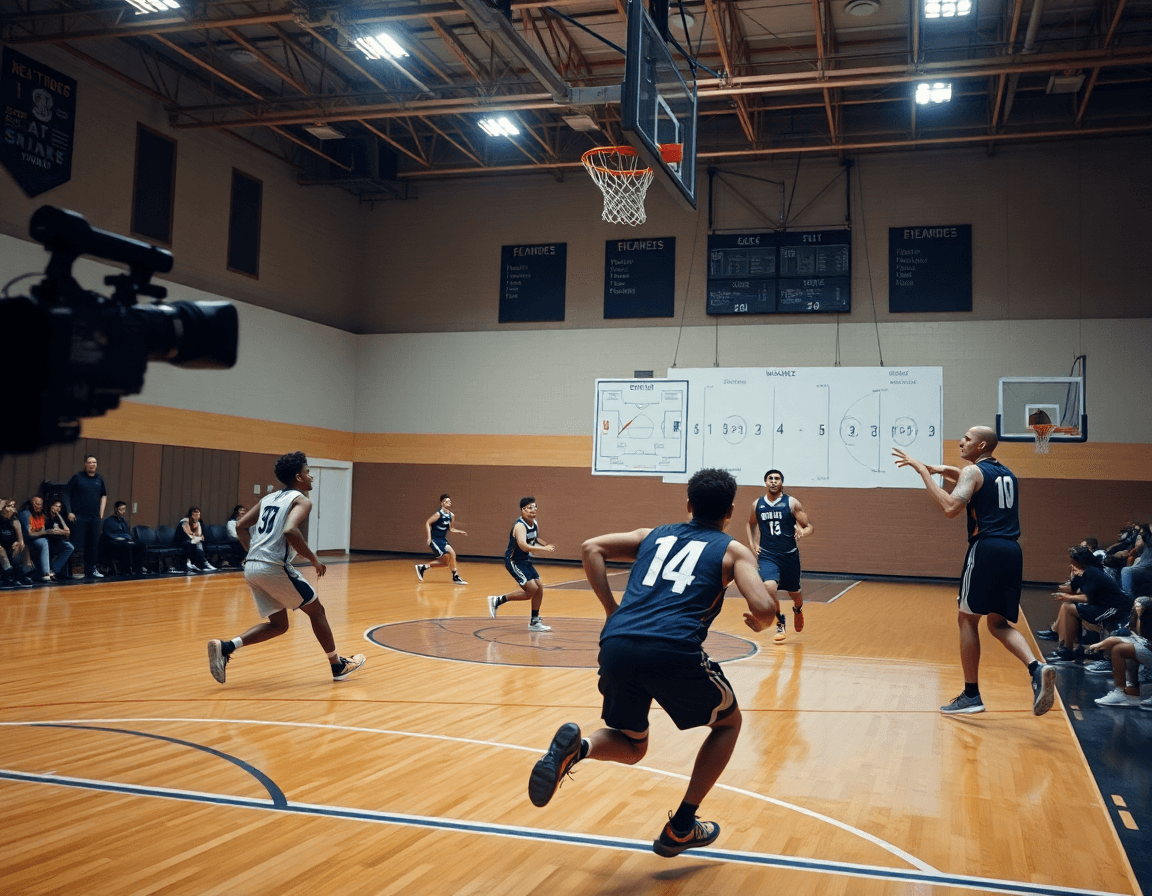
Leverage video to coach players: clips, tags, and feedback
During weekly tryouts prep, I capture key moments from drills and scrimmages on the court. I pull video clips for basketball drills for middle school tryouts—shooting form in layups, ball handling under pressure, and defensive stance in 1-on-1s—and drop them into focused playlists for each player. The goal is to convert a messy practice into a clear, action-specific coaching tool.
Next, I tag clips by skill (ball handling, finishing, defense) for quick feedback. A clip from a two-ball drill or a layup sequence becomes easy to pull up when I need to show a player what to fix—footwork, balance, or release. This tagging makes the workflow scalable for middle school athletes who are still building fundamentals, especially during tryouts week.
Assign playlists to players so they can review at home or on the bus. A guard can study a ball-handling playlist while a post player reviews finishing drills. The goal is consistent, independent learning that translates to more efficient on-court reps in the plan for the week.
Shareable video links make it easy for assistants to comment and coach remotely. They can add notes on technique and decision-making without being at practice, keeping the whole staff aligned. Use PDF export with annotated clips for end-of-week review with the team.
Pair this with targeted drills from the weekly middle school basketball drills library—Mikan drill, form shooting, layup drills—and you have a clean, repeatable cycle. The clips, tags, and playlists become the backbone of video coaching middle school, shaping how you prepare players for fast-paced tryouts and beyond.
Build scouting reports and plays for opponent prep
After week of middle school tryouts, I pull up CourtSensei and start a scouting snapshot of the opponents we’ll face. I build out scouting reports on each team—strengths, tendencies, and matchup notes for the staff. I pull in video clips from the last few games and practice, tagging pressure on the ball, screen angles, and pace. These notes become the backbone of our opponent prep and guide the weekly plan for the next practice block and the film session with the assistants.
Next, I diagram counter-plays and defensive schemes on the whiteboard for quick reference during drills. These whiteboard plays and game plan diagrams give us a visual playbook we can reference in practice or during review. I export PDFs so the staff and players can study on the bus or in the gym before the next session.
Linking scouting notes to our practice scripts keeps the routine cohesive. I tie a specific opponent tendency to a drill block—if they pressure at half-court, we add a quick ball-handling or layup drill and include a scout play that targets that weakness. We develop scout plays and include them in playlists for players to study, so each guard and forward knows when and how to execute the action.
Finally, I export and share reports with the staff and players for consistent prep. The scouting notes are linked to our game plan diagrams and practice scripts in CourtSensei, so the week’s prep stays tight—from the early plan to the walk-through on the whiteboard and the short video clips showing the exact movements. This workflow scales from middle school drills to confident opponent prep at tryouts.
Quick-start checklist for the week of tryouts
As you kick off the week of tryouts, lock in a solid foundation. Confirm the practice plan is loaded and accessible to all staff, then push it out to assistants and managers. With CourtSensei, you keep the rhythm tight: plan, share, and execute from your coaching bench to the court.
Next, lay out drill stations and timings. A simple practice planning checklist keeps you honest: 4 stations, each with a clear objective, and assigned roles for assistants. For middle school drills, think ball-handling, form shooting, layups finishing, and fast-break transitions—short blocks that build into a comprehensive tryout eval.
On the floor, capture every rep. Set up video capture and create initial playlists for feedback. Clip key moments from both games and practices, then organize them so you can hand players a few examples at the end of each session. Short video clips help players self-correct and stay engaged between sessions.
Publish scouting notes and counter-plays for the coaching staff. The scouting reports should highlight opponent tendencies and any counter-plays the squad can practice this week. With a PDF export, you can pull up enemy tendencies in a timeout or team meeting and tailor middle school basketball drills.
End the week with a player-focused review. Use the data to fuel a concise recap before tryouts and give players a clear path forward. A quick, objective briefing helps you lock in the plan, the video feedback, and the opponent prep—all part of your pre-tryout checklist.
If you build plans like this every week, CourtSensei keeps your drill library, whiteboard, and video clips in one place — try it free.
FAQ
Which drills should a 6th grader focus on first for tryouts?
For a beginner, start with fundamentals: steady ball-handling under pressure, basic form shooting, and finishing at the rim with proper footwork. Add stance defense and quick footwork. Structure a weekly routine: warm-up, skill blocks (dribbling, shooting, finishing), and short, competitive reps. Track cues like eyes up, soft gather, and balance to build clean habits early.
How long should middle school basketball workouts last?
Aim for 45–60 minutes per session, 3–5 days a week during tryouts prep. Start with a quick warm-up, then 2–3 focused skill blocks, a short game-like sequence, and a cool-down. Keep the tempo steady and prevent burnout by mixing drills and short scrimmages. Adjust by age and conditioning, not by chasing volume.
Can a middle school player improve without a coach or trainer?
Yes, with a clear plan, deliberate practice, and video feedback. Create a simple weekly plan, use mirrors or a partner for cues, and track progress with a basic rubric. You’ll miss some coaching insights, but steady, purposeful reps—especially with self-scouting—drive growth. Consider occasional clinics or peer coaching to boost learning.
Should middle school players play other sports too?
Absolutely. Cross-training builds athleticism, reduces burnout, and sharpens basketball instincts. Schedule short soccer or track sessions on off days, keep rest in mind, and avoid overloading. Use multi-sport seasons to build conditioning, hand‑eye coordination, and transferable skills that help on the court.
How many weeks before tryouts should you start working out?
Start about 6–8 weeks before tryouts. Build a weekly rhythm: progressive skill loads, steady conditioning, and rest days. Each week adds tempo and complexity, then peaks with game-like scrimmages. The goal is consistent reps and clear progression, not last-minute cram sessions.
How long should each tryout-prep workout last?
Target about 45–60 minutes per session, with a dynamic warm-up, 3–4 skill blocks, and a short scrimmage. Use 3–5 stations to keep reps tight and pace steady. Finish with quick feedback and notes for the next week. This balance protects growth and keeps tryouts prep practical.
What’s the single most overlooked part of tryout prep?
The single most overlooked part is mental prep and sleep. Prioritize steady rest, nutrition, and a simple routine. Pair drills with brief visualization and post-practice reflection. When you add a mindset habit to physical reps, you show up steadier and more composed under pressure.