Basketball Offenses for Youth: Weekly Coaching Workflow
A coach-focused weekly workflow for basketball offenses for youth—from motion to 1-3-1—using practice plans, diagrams, video clips, and scouting.

Key takeaways
- Emphasize simple, teachable concepts and a motion-first framework to develop spacing and reads.
- Anchor your week with a 5-out baseline, progress to 4-out/3-out as length grows, and use whiteboard diagrams with video library for reads.
- Introduce zone offense or 1-3-1 change-ups only after basics click; keep them optional.
- Align concepts to personnel and available practice time; repeat 5-out until spacing becomes habit, then layer read-and-react.
- Structure stepwise progressions: concepts → actions → reads → counters; reinforce with spacing and short video playlists.
Choosing Youth-Safe Offensive Concepts
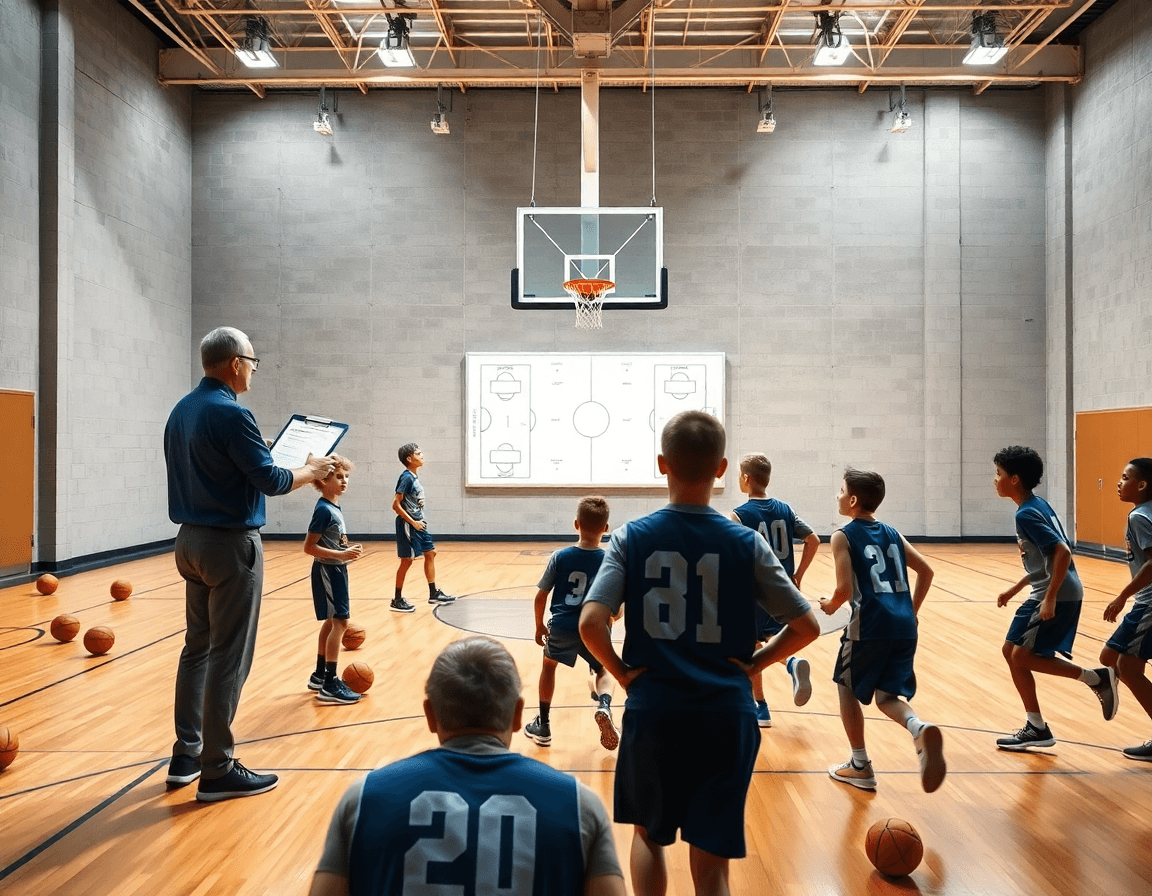
For basketball offenses for youth, I build the week around simple, teachable concepts that cultivate spacing, reads, and clean ball movement. I lean into motion-first ideas so players learn reads and reactions rather than memorizing plays. That starts with a plan that pairs these concepts with templates, a dynamic whiteboard to diagram ideas, and a library of quick video clips to show the reads in action. The result is a routine where spacing and decision-making become habits your team can rely on in every session.
Prioritize a baseline built on the 5-out motion for most teams, since it keeps players involved and makes reads clear. If your squad has length and ball-handling ability, you can graduate to a 4-out/3-out look that stretches the floor and opens options for drive-and-kick. Those options live in the library and tie directly to the weekly plan, while the whiteboard helps our assistants teach the corresponding reads during practice.
Only after the basic motion concepts click do I introduce zone offense options or patterns that test spacing and ball movement against different looks. Two or three simple zone looks can complement the primary motion, but they stay as optional layers, not the default. The goal is to let players prove they can read the defense and make the right decision before adding these wrinkles to the plan.
Finally, align concepts to your personnel—length, speed, and ball-handling—and to your available practice time. In the weekly workflow, I lock in a motion-based core in the plan, push the diagrams through the whiteboard, and assign clipped reads to players via playlists. If reps are tight, we repeat the 5-out progression until spacing and reads become second nature, then layer in a 1-3-1 or read-and-react path as the season grows.
Core Offense Options for Youth Teams
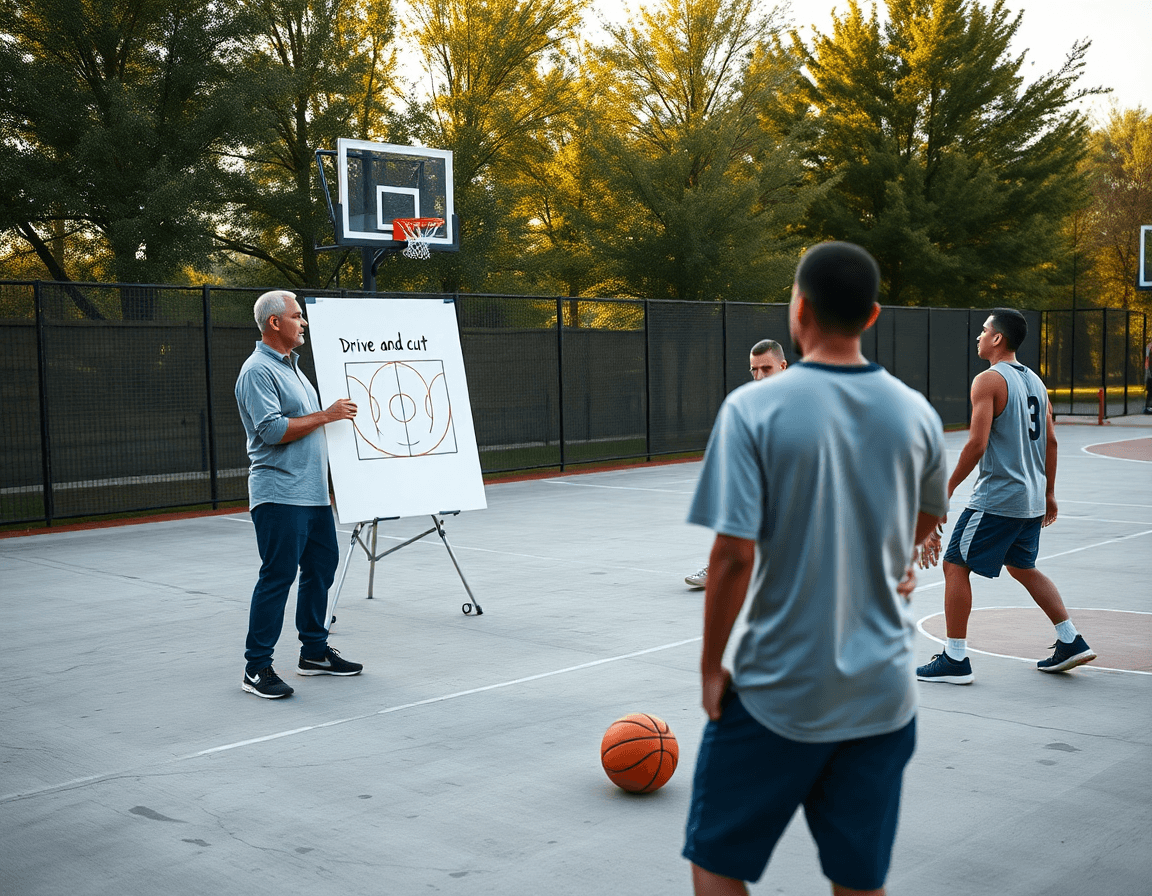
Core offensives for youth hinge on the motion family, because they teach spacing, timing, and reads on the move. In the weekly plan, you’ll lean into a motion offense framework—especially the 5-out, 4-out, and 3-out setups—and couple it with a read-and-react mindset. The idea is simple: players react to the defense with cuts, screens, and passes rather than waiting for a designed play. Our library of plan templates and a dynamic whiteboard lets you diagram reads, routes, and counters, then export a PDF and show it to the team. That keeps your installation tight and repeatable.
Sometimes you need a change-up against specific defenses. When the defense looks to shrink space or overhelp, you pull a change-up: a 1-3-1 offense can open up the middle with high-post actions, while a seasoned zone offense keeps ball movement alive and creates gaps with backcuts and entry passes. For some teams, a compact high post or dribble-drive motion fits the kids’ read-and-react habits too. Tie this back to the weekly install by planning a two-skill change: one week on the 1-3-1 or zone variant, next week rotating back to traditional motion while preserving the reads learned.
Each option maps to a simple rules set and a progression that fits a weekly install. For example: Week 1—4-out motion with solid spacing and a quick read on the wing; Week 2—5-out motion with a read on the ball screen; Week 3—3-out motion with a read on drives; Week 4—test a high-post entry into the zone offense or the 1-3-1 look as a change-up. Use the video clips to reinforce one or two reads per session, then save the rest as scouting notes for future opponents.
Teaching Progressions: From Concepts to Actions
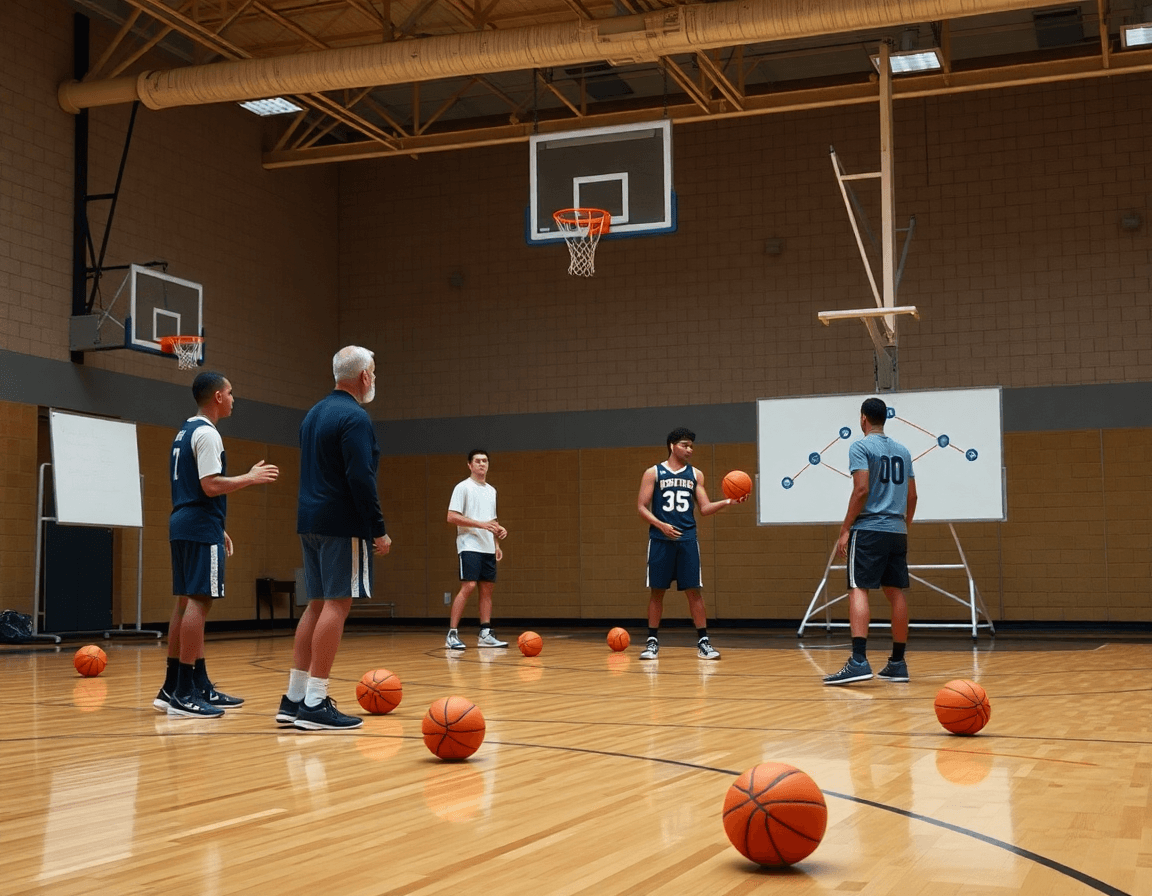
Teaching progressions in youth offenses starts with stepwise progressions: concepts → actions → reads → counters. In our plan, we anchor every offense—whether it’s dribble-drive motion or pass-cut-fill— to a simple, teachable concept. On the whiteboard, we sketch spacing rules and timing that help players feel lanes before they touch the ball. This keeps reps clean and repeatable in practice, so the team can move from concepts to concrete actions quickly. A short video clip shows a basic read: defender overhelps, wing spaces, and the cutter slides into the gap, teaching players to react rather than guess.
Develop a drill sequence that builds spacing first, then cuts, screens, and ball reversals. Use a 4-out or 5-out look where players outside keep the floor wide, and the ball-handler and wings practice pass-cut-fill reads. Integrate on-ball screen actions to teach the driver when to slip or fade. Build a progression: first a 2v2 spacing drill, then 3v3 with ball reversals and back-pivots, then 4v4 with screens and quick reversals. A quick plan note in the plan helps tempo stay game-like.
Integrate decision-making reps in small-sided games to mimic game tempo. Use 3v3 or 4v4 to keep decisions tight and pace up. In these reps, players must read the defense and choose between ball reversals, back-door cuts, or swing passes—matching a read and react offense mindset. Practice against a couple of looks—zone offense or 1-3-1 offense—so the team knows how spacing evolves when defenses shift. After each session, drop a scouting note and a short video clip into a playlist to reinforce the reads and counters.
Video-Driven Teaching: Clips, Playlists, and Assignments
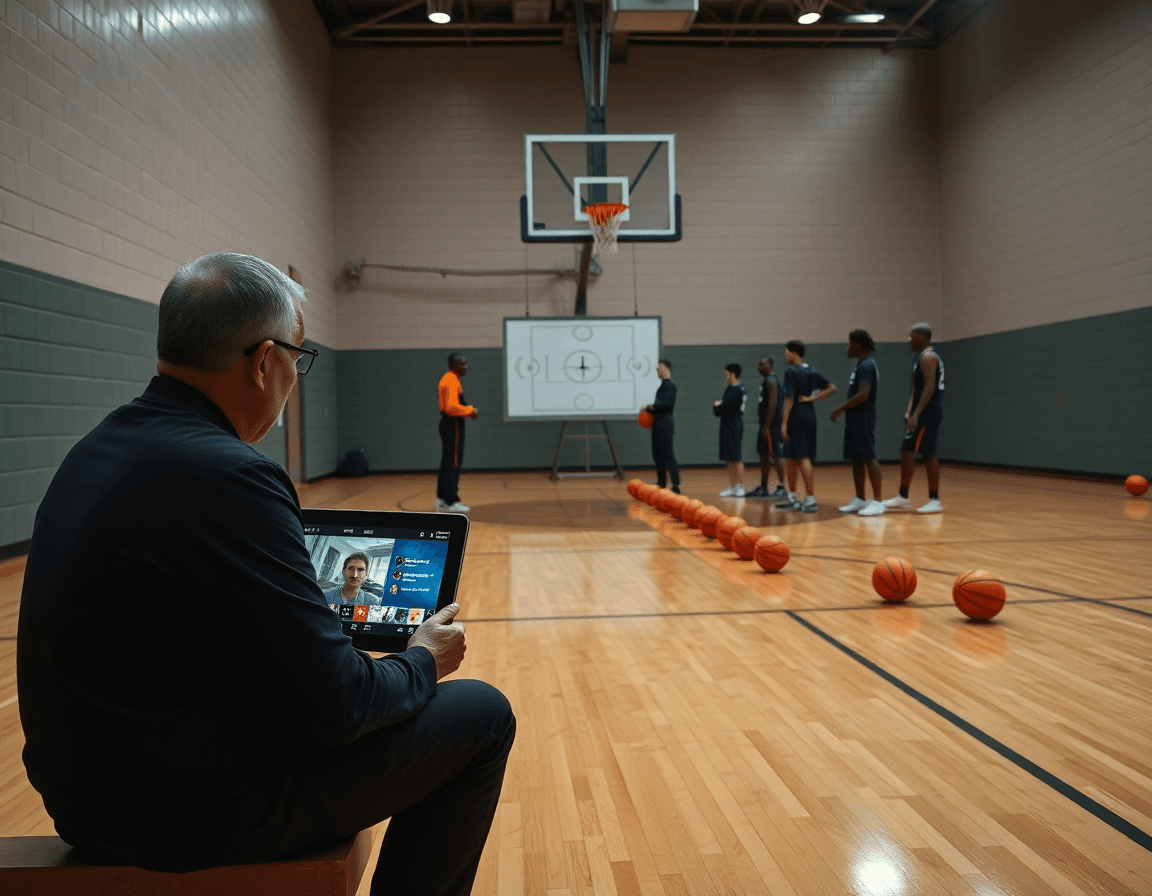
Video is the accelerant for teaching youth offenses. In a typical weekly offensive workflow, you create coach-approved video clips that show correct movements, spacing, and reads—whether you’re installing a motion offense or refining a 5-out motion or dribble-drive options. Highlight on-ball screens, off-ball screens, and ball reversals so a player can study the exact sequence in a controlled setting. Short clips from practice or game film give you concrete examples to repeat, pause, and discuss, not rely on a sideline memory.
From there, build player playlists to reinforce progressions and assign clips to individuals or groups. A well-structured, player-centered set of playlists helps each athlete focus on the reads that matter most to their role—whether you’re teaching a read and react offense or a zone look. Use clip sharing to push updates quickly, so a veteran can mentor a younger player by watching the same clip with different emphasis. The goal remains consistency: every player sees the same move, at the same tempo, with the same cues.
Link clips to practice plans and the on-court whiteboard for in-session reinforcement. When you add a clip to a plan, players can anticipate the drill: you diagram the action on the board (BLOB/SLOB/ATO/PnR) and then show the clip that mirrors the decision point. In weekly cycles, you rotate through different offenses—motion, 4-out motion, 3-out motion, or zone—so your scouting notes align with video cues. The result is a streamlined workflow where you install, teach, and adjust offenses in one system that scales from middle school to semi-pro.
Scouting and Opponent Preparation
As the week starts, I pull up our opponent scouting and zero in on what they run on offense and how they counter it. Our simple scouting reports focus on opponent offenses and typical countermeasures: do they lean into motion offense (5-out/4-out/3-out), or rely on ball reversal to generate looks? I stitch clips and notes into a one-page brief and attach a quick plan for the staff. With CourtSensei, the weekly notes stay searchable and shareable, so assistants are on the same page before practice.
From there, we create scout plays and adjustments for the defenses you’ll face this week. If the scout flags a zone defense or a 1-3-1, we script a couple of concise looks to crack it—ball reversals, skip passes, and targeted entries. If they thrive with dribble-drive motion or a read-and-react offense, we build counters into the whiteboard (BLOB/SLOB/ATO) and prepare a short PDF draw-up to teach the staff in walk-throughs. The goal is clear: you walk into practice ready to attack whatever front they show, with a plan you can actually install.
All of this feeds the plan: we map the findings into the weekly practice plan, install a few counters, and pair a short video clip with the diagram on the whiteboard. The scouting notes guide our installation, and players review a playlist of clips to reinforce the concepts. By midweek, we’ve got ready-to-teach concepts and scout plays that align with our offense library—whether we lean into motion offense or a 5-out/4-out set—and we’re ready to install them without confusion.
Practical Weekly Workflow: Install, Practice, Review
Monday is all about the install. I pull the week’s offense concept from our library and run it through the practice plan I’ve customized for this group, then annotate spacing and actions on the whiteboard with concise diagram notes. We keep it simple at first—think a baseline from a common option like 5-out motion or read-and-react offense—and I map the BLOB/SLOB/ATO/PnR flows so assistants can teach without me hovering.
Tuesday-Wednesday are for progressions, reads, and small-sided reps to build rhythm. We run through progressive layers, from 2-on-2 to 3-on-3, focusing on decision points and ball-replacement timing. The goal is to internalize the sequence so players know where to attack and when to hit a cutter or shooter. This phase ties directly into our weekly practice checklist and pushes the team toward the next motion—whether that’s a dribble-drive motion or a later 1-3-1 zone option.
Thursday is for reinforcement. I pull clips from the week’s film, tag them into playlists, and run a quick review with players in the film room or on the baseline. The aim is to link decisions to the concepts we install earlier, and to show counters against common defenses—zone offense, 5-out, or 4-out motions—so players understand how to react when scouts bring different looks.
Friday wraps with a quick game-like scrimmage focused on applying the week’s concepts and the adjustments from scouting. I simulate an opponent’s pressures and shield the ball appropriately, requiring players to execute the week’s read-and-react actions within a controlled tempo. It’s a practical end to the cycle that keeps the offense sharp across youth levels.
If you build plans like this every week, CourtSensei keeps your drill library, whiteboard, and video clips in one place — try it free.
FAQ
What is the best offense for youth basketball?
For youth programs, start with motion offenses, especially the 5-out look. It keeps everyone involved and teaches spacing, reads, and ball movement. Build a simple weekly install, use a whiteboard, and supply short video clips. Adapt to your players and practice time; the goal is decision-making, not memorized plays.
What is a 5-out motion offense?
The 5-out setup spaces all five players outside the arc, creating room for cuts, screenings, and quick ball reversals. It emphasizes reads over plays and keeps everyone engaged. As players advance, you can add 4-out/3-out to spread the floor even more. Teach timing and decision-making, not scripted moves.
How do you teach motion offense to kids?
Use stepwise progressions: concepts → actions → reads → counters. On the whiteboard, sketch spacing rules and timing. Start with spacing, then add cuts and screens. Use 2v2, 3v3, then 4v4 to build flow. Drop short video clips into playlists and reinforce one or two reads each session.
How should you attack zone defense in youth basketball?
Treat zone as a change-up, not your default. Move the ball, employ backcuts, and time entry passes to the middle. Keep spacing wide and use high-post actions when available. A few simple zone offense looks work; teach reads and counters so spacing stays intact.
What is the 1-3-1 offense and when should you use it?
The 1-3-1 offense opens the middle with high-post actions and backside cuts. Use it as a change-up against zone or when you need a fresh look, not as the default. Pair it with motion concepts and keep the reads clean and coachable.
What is pass-cut-fill and why is it used?
Pass-cut-fill is a simple pattern: pass, cut to the gap, fill the space. It keeps spacing and ball movement alive, creates reads, and cuts down on stagnant possession. It fits into a read-and-react approach and pairs well with a motion-based plan.