
50 basketball plays: Weekly plan for coaches
A coach-focused guide to applying 50 basketball plays in a weekly plan, using diagrams, playbooks, video clips, and scouting notes to teach and adapt.

Key takeaways
- Establish a repeatable cycle: teach, install, practice, and refine within a growing library.
- Group plays by formation and category to streamline installs and midweek adjustments.
- Build a 5-day cycle: install, progressions, situational reps, film, and live scrimmage.
- Attach coaching points and progressions to each play to codify reads and timing.
- Export PDFs and videos to support scouting, film sessions, and midweek refinements.
What 50 basketball plays offer for a weekly plan
With a weekly plan, a diversified set of options lets a coach attack, counter, and counter-counter defenses across a typical week. Start with quick-hitters for early offense, add ball-screen actions for mid-week adjustments, and reserve situational sets for late-game cues. The beauty of having 50 plays is a repeatable cycle: teach, install, practice, and refine. A well-structured library keeps practice efficient and game-ready, so you can move from one installation to the next without scrambling for ideas.
Grouping plays by formation and purpose helps build a coherent install and progression. You can cluster plays into families like Box Set Plays, Horns offense, and Elbow Series, then slot in counter-reads as needed. Don’t forget the out-of-bounds families—BLOB and SLOB, baseline and sideline out-of-bounds plays—that surface in late-game scenarios. This organization makes it easier to teach reads, progress timing, and reuse concepts across rotations.
Together, these 50 plays establish a toolkit coaches can draw from to tailor game plans to opponent tendencies and team strengths. In your weekly workflow, you can assemble a game plan from the library, attach a diagram on the whiteboard, export a PDF playbook for scouting notes, and drop in short video clips to reinforce timing.
Organize plays by formation and category
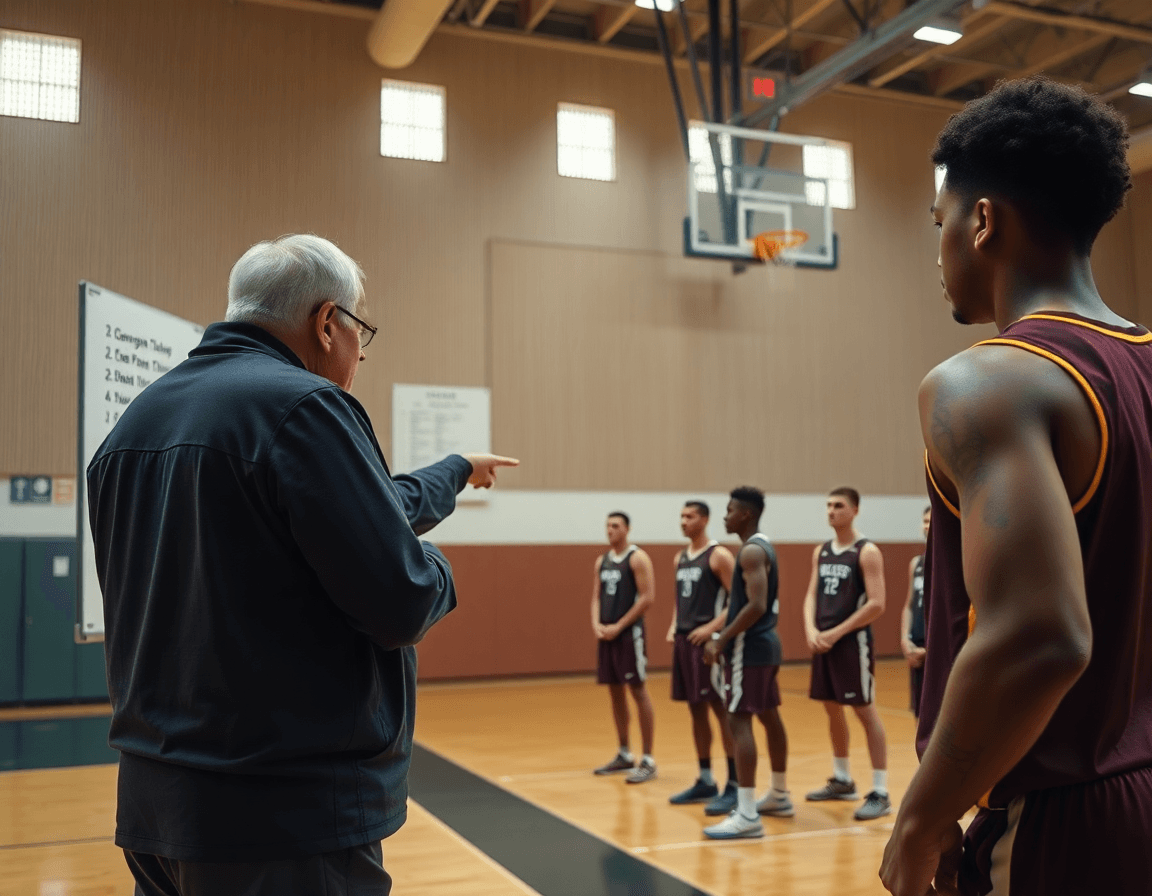
To build a consistent weekly plan around your 50 basketball plays, start by grouping them by formation and category. Cluster plays into Box Set Plays, Horns offense, Elbow Series, P&R / Ballscreen Plays, Lob, and Baseline Out-of-Bounds plays. This makes it easier to schedule practice blocks and quickly locate the right option when game plan changes. In CourtSensei, you can assemble these into a practice-ready library using playbooks, diagramming, PDF exports, and video clips to teach, implement, and adapt each play within a repeatable cycle.
Attach coaching points to each play to clarify timings and spacing, and to codify reads. For example, a Box Set action might specify entry timing, outlet positions, and reads after the screen. Keep BLOB and SLOB variants clearly labeled under Baseline Out-of-Bounds and Sideline Out-of-Bounds plays so the inbounder has a go-to option when time is short. The result is a teachable package where each play carries cues and a short video clip illustrating the action.
Organize the library so each entry has a clear diagram, a short takeaway note, and a link to the scouting reports that guided its selection. Label plays with their formation and category, and keep PDFs exported for scouting meetings. When the weekly plan rolls out, you can pull a few Box Set Plays or Elbow Series options to slot into practice blocks, then watch the corresponding video clips for quick refinements. This structure keeps your 50 basketball plays actionable, repeatable, and easy to adapt mid‑week.
Build a weekly practice plan around the plays
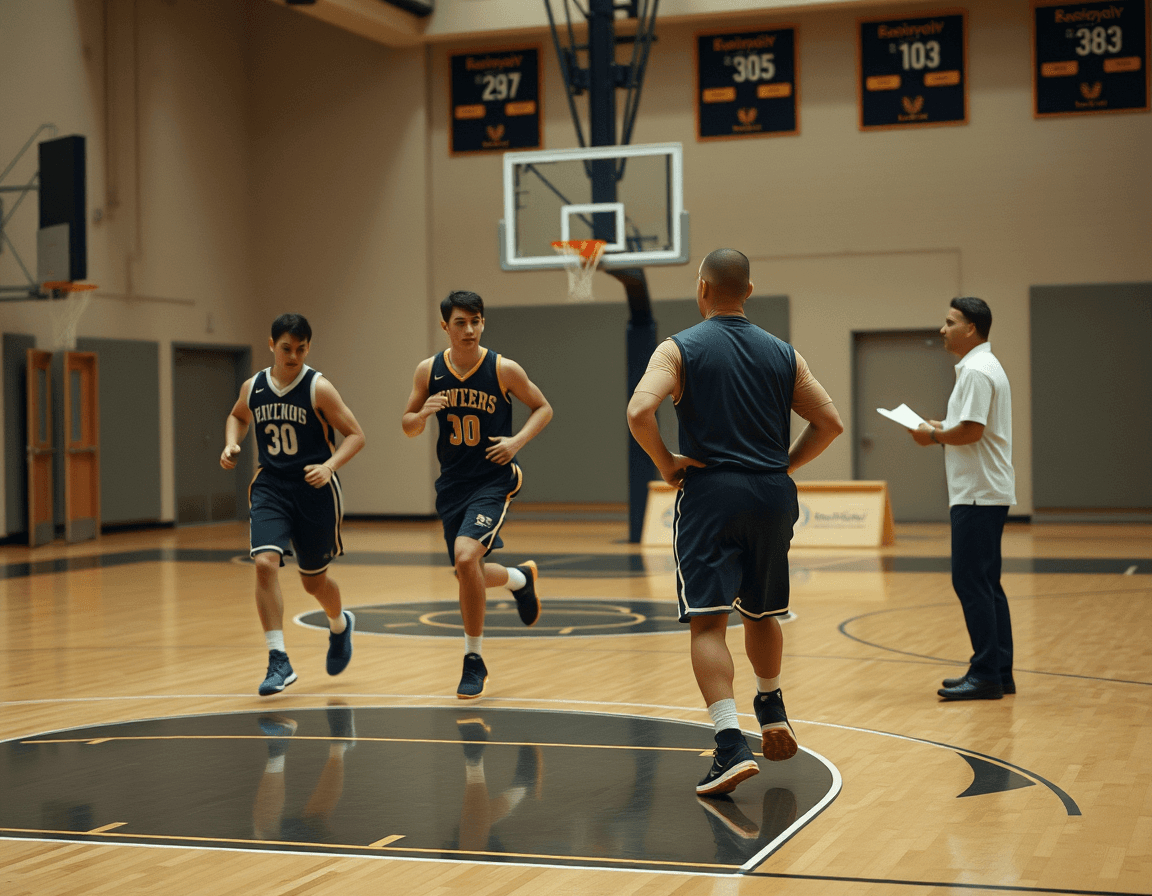
Build a weekly practice plan around the 50 basketball plays by enforcing a clear 5-day cycle: install, progressions, situational reps, film/adjustments, and live scrimmage with plays. A well-structured library makes this cycle repeatable, letting a coach pull from a shared playbook, diagram the action, export PDFs, and attach short video clips that reinforce each installation step. Group plays by family—BLOB (Baseline Out of Bounds), SLOB (Sideline Out of Bounds), Horns offense, Elbow Series, Box Set Plays, and Pick-and-Roll/Ballscreen Plays—and assign them to days so the week moves with purpose.
Use a checklist-driven approach to ensure consistent coverage of 1–2 new plays per week while keeping core concepts intact. On Day 1, install a play; Day 2 adds progressive twists; Day 3 runs situational reps (end-game, clock management, or foul scenarios); Day 4 reviews film and makes adjustments; Day 5 closes with a live scrimmage that incorporates the new play. The checklist keeps tempo and accountability, and the library tools let a coach swap in a different play if looks change, without losing sight of the base concepts.
Balance install pace with coaching points and player feedback to maximize retention. As installs progress, emphasize spacing, timing, and decision rules; capture quick coaching notes, then review clip highlights to lock in the concepts. This approach leans on the PDF playbooks and video clips for quick reference, creating a repeatable cycle that scales as the squad grows beyond basic 1–2 plays per week.
Diagramming and teaching: turning plays into drills
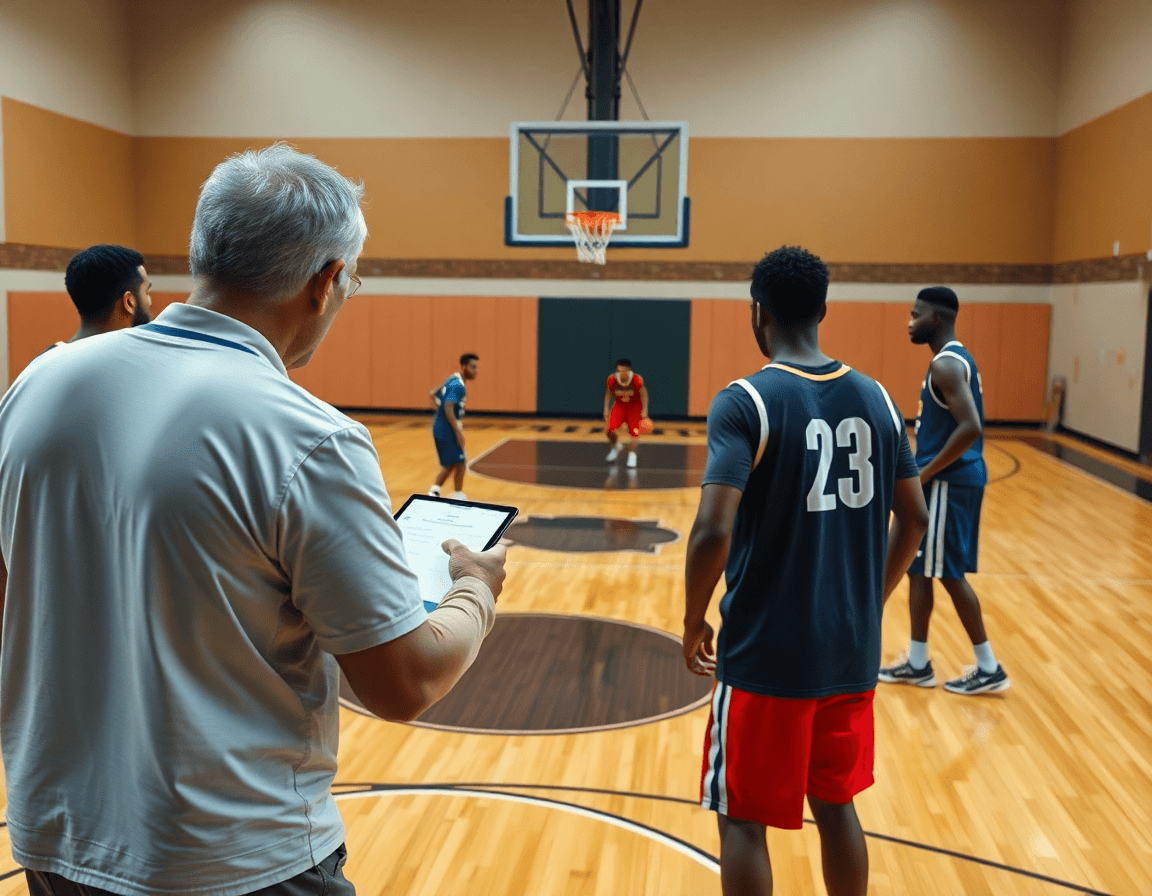
Turning 50 basketball plays into a practical weekly library starts with clear Diagramming and structured drills. Translate each play into a clean diagram that shows spacing, assignments, and the timing of reads. Pair diagrams with progressive drills that move from a basic action to a full read-and-react sequence, so players feel the flow before you add game-like complexity. For example, map a Horns offense or Box Set Plays on the board and then recreate the motion in a short on-court drill.
Then add context with Coaching Points and well-defined Progressions to simplify complex actions. Break the action into bite-size reads and cues you can coach at every rep—like when to pin down a cutter, where the screeners slip, or how to attack a weak-side collapse. Use a tiered progression: first master the entry pass, then the timing, then the reads off the second ball handler. Tie this to secondary plays such as BLOB and SLOB sets to reinforce flow.
Export to PDFs or slides for staff handouts and practice plans. A clean PDF export turns a diagram into a shareable teaching tool, while slides help you run quick coaching clinics during film sessions. Attach a short video clip to each diagram to illustrate timing, and keep your 50 plays organized in the playbook library by category—Elbow Series, Box Set Plays, and Pick-and-Roll / Ballscreen Plays.
Use this workflow to turn theory into recurring practice blocks. Each play goes from diagram to drill, to live reps, to a quick review clip—ready to drop into next week's scouting notes or game prep. The repeatable cycle keeps the coaching staff aligned across BLOB and SLOB, as well as baseline and sideline out-of-bounds plays.
Video, clips, and sharing to reinforce each play
Video is the anchor for teaching the 50 basketball plays. Upload and organize video clips for install sessions and post-practice reviews. Start by pulling clips from film, trimming to the key moments, and labeling them by play name—Lob Plays, Baseline Out-of-Bounds plays, or Plays vs Zone Defenses. Keep them in a clearly named library so you can quickly reference a zone-counter during a weekly plan. A short clip paired with a quick on-court diagram makes the concept tangible fast.
Create playlists and share read-only links with staff or assistants. Build weekly playlists organized by scenario—Lob Plays, Baseline Out-of-Bounds (BLOB), Sideline Out-of-Bounds (SLOB), and Plays vs Zone Defenses—so everyone studies the same sequence. A read-only link lets a colleague view the install and feedback without changing the clip library. If needed, export a PDF of the play install notes to print in the film room or share in a quick pre-meeting briefing.
Link scouting notes to plays to tighten game-prep workflows. For each clip, attach a scouting note detailing defender tendencies, coverage, and call-specific counters—e.g., Lob Plays against a man-to-man pressure or Baseline Out-of-Bounds sequences vs a zone. This creates a tight loop from video to planning, so the staff can mark adjustments and share them through the read-only links. When you’re preparing the 50 plays, this integration keeps the weekly plan coherent and ready for practice, film review, and in-meeting decisions.
Practical workflow: 5-day implementation plan
In a weekly workflow built around 50 basketball plays, a focused 5-day sprint keeps your library of practice-ready plans sharp. Each day adds a layer—diagrams, coaching points, and video clips—so you can teach, implement, and adapt without losing tempo. Think of it as curating a living playbook, with a repeatable cycle you can pull from for any opponent or game situation. The library grows by adding a few plays at a time, organized in clear playbooks and accessible as PDF exports for quick sharing with staff.
Day 1: Install 1–2 plays with diagrams and coaching points; assign practice reps. Start with simple entries from baseline set pieces like BLOB or SLOB, then thread in a Horns or Box Set option. Use a short video clip to show the reads, and lock in the primary reads and timing on the plan. This sets the foundation for a clean, repeatable process.
Day 2: Add 1–2 more plays; begin situational reps (defense counters, late-game scenarios). Build in a couple of counter-options and practice the best read under pressure. Pair the new plays with the already installed ones in a single drill to reinforce rhythm and decision-making.
Day 3: Film review and refinement; adjust reads and timing based on player feedback. Clip highlights from the sessions, tighten the trigger points, and update the PDFs so the teaching points stay current.
Day 4: Build combinations and counter-options; integrate with a few plays in scrimmage scenarios. Create hybrid looks that flow from one play to another, helping players read defenders in real time.
Day 5: Full-team scrimmage emphasizing execution of installed plays; export practice PDFs for staff. End the week with a focused scrimmage that tests installation depth and tempo, while the library edges toward that full set of 50 plays.
FAQ
What is a baseline out-of-bounds (BLOB) play, and how can it fit into a weekly plan?
Baseline out-of-bounds (BLOB) plays are inbound sets designed to start a possession from the baseline with multiple timing options. In a weekly plan, treat BLOB as a late-game option or situational set under Baseline Out-of-Bounds. Build a compact playbook with entry timing, outlet choices, and reads after the inbound. Attach a short video clip to reinforce timing in your library.
What is a SLOB play, and how should it fit into a weekly plan?
Sideline out-of-bounds (SLOB) plays are inbound options from the sideline with similar timing and reads as BLOB. In a weekly plan, designate SLOB under the Baseline/Sideline Out-of-Bounds family and practice a couple reads each week. Build a concise diagram and attach a brief video to reinforce angles and timing in your library.
How can the Horns offense be integrated into a weekly plan?
The Horns offense is a flexible formation that creates spacing and off-ball action. Integrate it by pairing it with Elbow reads and guard options, then label it under the Horns family in the library. Create a quick playbook entry with diagrams and a short video clip to reinforce timing and reads.
What is the Elbow Series and which teams use it?
Elbow Series is a collection of actions from the elbow area that generate flow for multiple options. In a weekly plan, designate an Elbow Series block, work on reads from the elbow, and pair with Box Set or Horns for variety. Use a clean diagram and short video to speed teaching and ensure spacing.
How many plays should a youth basketball team learn in a week?
For youth programs, keep the weekly load light: aim for 1–2 plays per week while reinforcing core concepts. A steady pace helps retention and execution under pressure. Use a simple weekly plan and batch practice blocks around install, progressions, and quick reviews, with PDFs and video clips to reinforce the library.
What is a box set play and how is it used?
Box Set plays rely on a compact alignment and can be powerful late in the game or after quick ball reversals. Organize Box Set actions into a dedicated family, practice clear entry timing, and pair with reads. In CourtSensei, you can diagram, label formation, and export PDFs for scouting, turning Box Set into a repeatable drill library.
What is a pick-and-roll / ballscreen play and when should it be used?
The pick-and-roll (ballscreen) is a staple for mid-game adjustments. Plan its use around spacing and decision rules, then slot it into a P&R/Ballscreen family. Schedule 2–3 mid-week reps, and keep timing and reads clear with diagrams and video clips. In your library, maintain a quick reference to timing and when to attack the defense.