
4-out 1-in Motion Offense Drills PDF
Master a 4-out 1-in motion offense with drills PDF: weekly planning, progressive drills, and using video, playlists, and playbooks to coach efficiently.

Key takeaways
- Prioritize floor spacing around 18 feet and a read-and-react mindset over memorized sets.
- Build a progressive plan from ball handling to reads, anchored by a 4-out 1-in drills PDF.
- Progress from basic spacing and passes to reads-based decisions through seven labeled progressions.
- Build a video-driven library, map actions to drills, and export a shareable PDF playbook.
- Plan weekly goals focused on spacing, decision speed, and shot quality, with scouting adjustments.
What is 4-out 1-in motion offense?
4-out 1-in motion offense: Four perimeter players and one post create spacing around 18 feet to open lanes for drives and passes. This is a read-and-react motion, where spacing and angles drive your decision-making more than a fixed sequence. With this setup, the floor balance stays flexible, and reads on the perimeter—drives, kick-outs, passes—shape the attack. Emphasis is on keeping spacing tight enough to threaten both gaps and angles, while still giving your ball-handler options to attack.
On the weak side, post options with flashes or high/low positioning give flexible ways to attack mismatches. The offense rewards movement and decisive decisions, not memorized sets, so your wings and the ball-handler must anticipate angles and timing. The layout invites options like a slot-to-wing pass and purposeful off-ball actions that pressure the defense to communicate and rotate.
Key actions to initiate include reads, cuts, screens, and ball reversals to generate high-quality shots. Variants to practice include a thru cut, a split action, a post entry, and the classic 4-high 4-low alignment with quick ball reversal to reset the defense. For coaches, pairing these ideas with a 4-out 1-in drills pdf helps organize the progression from fundamental reads to more advanced combinations, without losing sight of spacing 18 feet and read-and-react reads.
To leverage these concepts in CourtSensei, map the actions into a structured training plan and drill library, draw and animate the 4-out 1-in actions, and export a PDF playbook to review in team meetings. You can upload practice videos, clip clips, assemble playlists, and store scouting notes in a personal coaching workspace. This keeps your weekly plan tight and ready for scouting and in-game adjustments. A 4-out 1-in motion offense pdf fits naturally into the library, as you build a cohesive coaching workflow.
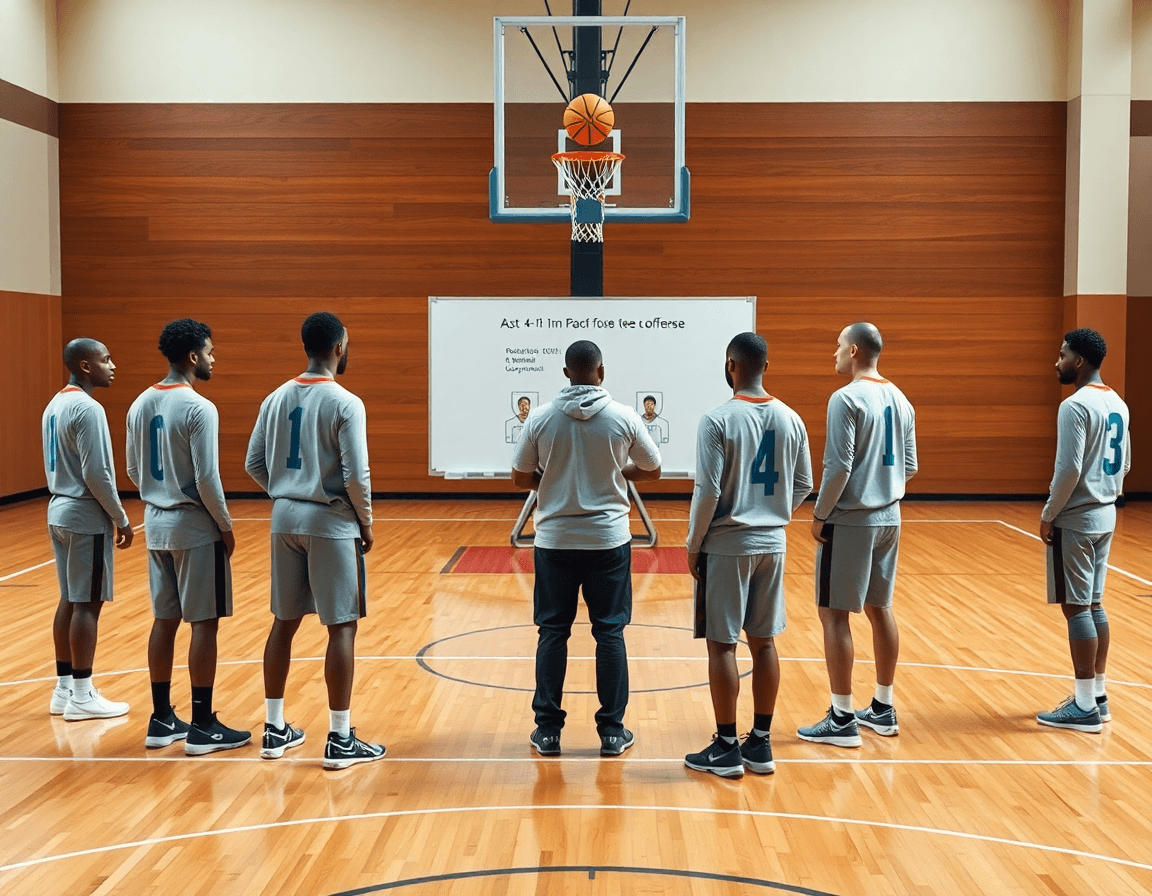
Practical workflow: Plan a week for 4-out 1-in
In planning a week for 4-out 1-in, set clear weekly goals focused on spacing, decision speed, and shot quality. A practical rhythm might be mornings for fundamentals, afternoons for reads and reactions. Frame these goals in your 4-out 1-in motion offense drills pdf and ensure every drill directly supports them, from spacing to timely decisions.
Assemble a progressive drill plan using templates and a clear progression path. Start with ball handling, then off-ball movement, then reads, and finally timing with passes. Map in common 4-out 1-in actions—slot to wing pass, thru cut, split action, post entry, 4-high 4-low, ball reversal—and let each drill build on the last.
Assign drills to days and link to video clips. Within your workspace, drag-and-drop drills into day slots: ball handling on Day 1, off-ball movement on Day 2, reads on Day 3, situational reps on Day 4. Attach short clips to illustrate technique, assemble playlists for quick reference, and share read-only links with staff when needed. Store everything in the coaching workspace for easy access during prep and scouting notes.
Export the weekly plan as a PDF for staff and store it in the workspace. Generate a "4-out 1-in motion offense drills pdf" you can share with assistants and video coordinators, and keep the playbook with linked actions inside the workspace for quick reference. Finally, review practice feedback and adjust the plan for the next week.
Progression drills: from basics to reads-based decisions
In a weekly plan for the 4-out 1-in motion offense, progression drills take players from the basics to reads-based decisions. Start with spacing and simple passes to establish rhythm, then layer cuts and screens to build flow. For coaches organizing this in a coaching workspace, you can structure these drills as a coherent training plan, attach a short video clip for each progression, and export a PDF playbook for staff and players. This is where the core ideas of motion offense drills come to life.
Progression 1: Pass, Cut, and Fill – establish space and flow. Emphasize quick passes, clean cuts, and filling weak gaps to keep the floor connected. Use a slot-to-wing pass to initiate ball movement and cue a fast ball reversal to test timing.
Progression 2: Add Back Cuts – create separation when defenders overplay gaps. Teach syncing back cuts with reads from the top and wings, so cutters arrive with momentum and the passer has options off the read.
Progression 3: Dribble Penetration – read-and-react decisions off drives. Allow drivers to attack gaps, then reward kick-outs or finishes at the rim, stressing decision speed and recognizing when to reverse to the opposite side.
Progression 4: Away Screens – open driving angles and ball movement. Use away screens to pull defenders off balance, creating driving lanes and opportunities for back-cuts or skip passes.
Progression 5: Ball Screens – use ball-screen actions to shift defense. Pair with quick passes and early ball reversals to force help and isolate shooters on the weak side.
Progression 6: Away Screen with Straight Cut – continuous movement. Combine the away screen with a straight cut for constant pressure and rapid decision-making from the perimeter.
Progression 7: Dribble-at – decisive plays finishing at the rim or kicking out. Finish drives with either a strong finish or a well-timed skip to an open shooter, maintaining pace and tempo.
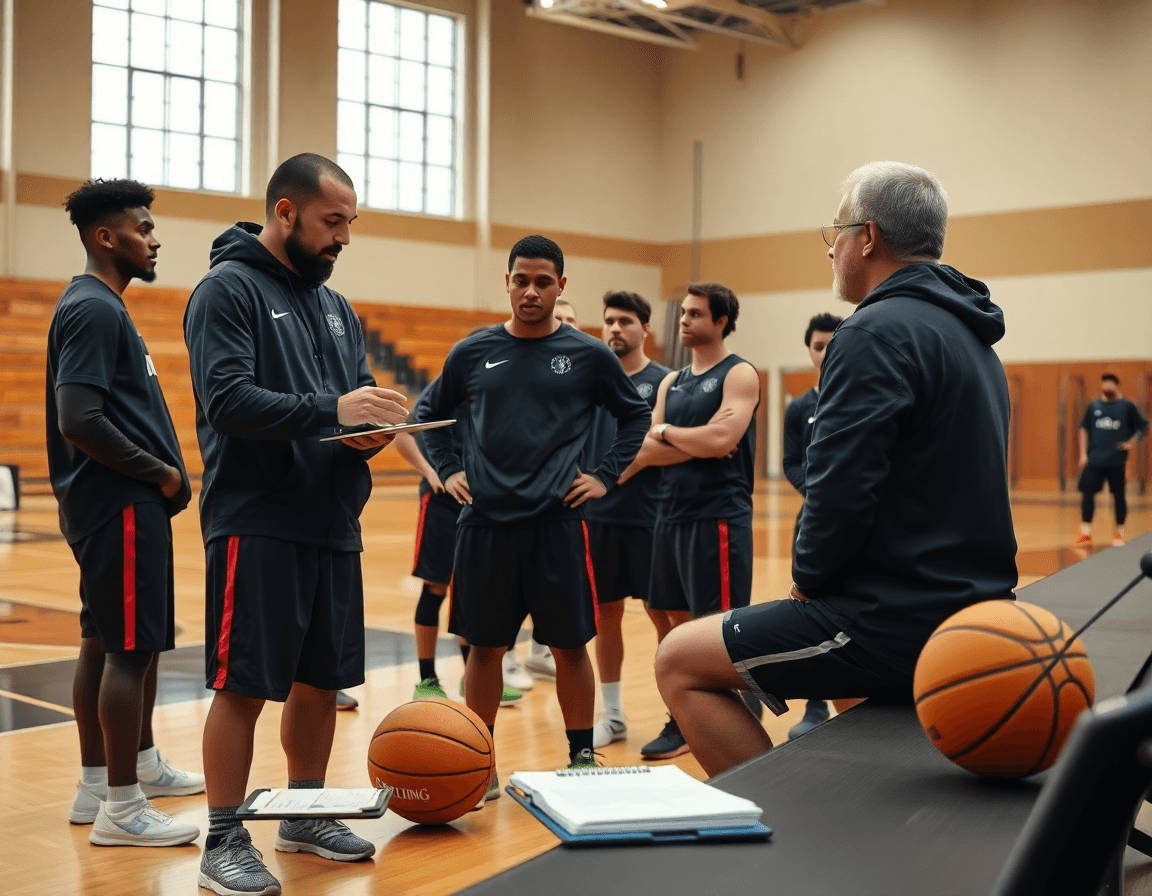
Teaching with video and plays: building a library
Teaching with video and plays: building a library
A well-organized library is the backbone of any drill videos and video clips workflow for a 4-out 1-in motion offense. You upload practice and game footage, clip key sequences, and organize clips into playlists that align with your weekly plan. The goal is to have quick, on-demand access to the moments that illustrate reads, spacing, and decision-making. In this setup, teachers and assistants can review progress anytime, not just after a session.
Next, you can draw and animate plays to illustrate reads, spacing, and decision-making. Create clear diagrams of a slot-to-wing pass, thru cut, or split action, then animate timing and reads so players can see options from the sideline or on the film. This visual library helps players translate what they saw on the court into a repeatable on-floor routine, especially when you’re walking through 4-out 1-in sequences like ball reversal into post entry.
Export plans and playbooks as PDFs for quick sharing with staff. A clean, shareable file keeps assistants aligned during game prep and helps substitute coaches understand the plan fast. Pair the PDF with a linked set of drill sequences and clips so any coach can review the sequence off the floor and still bring the same tempo to practice.
Link drill sequences to specific clips so players can review decisions off the floor. For example, a drill series tied to a 4-high 4-low alignment or a post-entry scenario lets players independently revisit options, then re-enter the gym ready to execute. In this workflow, the coaching library becomes a living resource—a place where 4-out 1-in motion offense pdfs, drill videos, and scouting notes live together for weekly preparation.
Scouting and game prep for 4-out 1-in
Start your weekly scouting with a clear picture of how opponents defend spacing and drive sequences. Create SCOUTING REPORTS that break down how they guard the 4-out 1-in spacing, where help comes from, and how they challenge ball reversals. Note tendencies on the slot-to-wing pass, the thru cut, and any habits to hedge on drive-and-kick sequences. Export a 4-out 1-in motion offense pdf that compiles diagrams, notes, and recommended counters. In the coaching workspace, attach clips and annotate the playbook so the plan travels with the team into a practice. This sets the tone before a single drill is run.
Record OPPONENT READS and COUNTER-READS to tailor drill progression. Track how defenders react to ball reversals and spacing shifts, and how drives respond to different coverages. Build a library of read-and-react motion sequences—think a slot-to-wing pass paired with a thru cut, or a split action that pulls a help defender. Save clips and drill templates in a 4-out 1-in drills pdf that your staff can reference during workouts. The notes should feed the next week's plan, not a static document.
Store notes, opponent tendencies, and game-plan adjustments in the coaching workspace. These notes become the backbone of weekly practice blocks, each drill linked to a scouting report and a playbook page. Capture opponent tendencies for ball reversal, post entry, and high-ball actions so the team can anticipate pressure points. Keep a dedicated folder of counter-reads and recommended counters that feed into the drill progression. Everything stays searchable and shareable within the personal workspace.
Use these insights to adjust 4-out 1-in actions and shot selection for game prep. Tweak sequences such as slot-to-wing passes, thru cuts, and post entries based on scouting notes and counter-reads. The PDFs and playbooks produced keep practice aligned with the plan, while clips and playlists in the coaching workspace let you revisit decisions during the week.
Adapting 4-out 1-in to your level
Adapting 4-out 1-in to your level starts with spacing and post usage. Tune spacing to about 18 feet and adjust the weak-side post involvement to fit youth, high school, junior college, or semi-pro rosters. A 4-out 1-in motion offense drills pdf can guide you through level-appropriate reads, with options like a slot-to-wing pass and a thru cut that keeps decision points clear.
Adjust post options and screen timing based on players’ size and skill. Emphasize decision-making and spacing rather than rigid sequences. For smaller posts, wrinkle in quick entry passes and quick pops; for bigger, you can set more screen timing and post entry options. The focus stays on flow and space, not choreographed drills.
Use a coaching workspace to store level-specific templates and progressions. Build a library of actions—split action, ball reversal, post entry, 4-high 4-low—that tie to level templates. The workspace lets you attach scouting notes on weak-side post responsibilities and track progression from week to week. You can also link a 4-out 1-in motion offense pdf drills to a practice plan.
Workflow in plan: sketch the action on the board, animate it, and export a PDF playbook for the staff. Upload a quick video of practice clips, clip the key reads, and assemble a playlist for a weekly cycle. Store coaching workspace templates and progressions so you can pull the same family of actions for different groups, while keeping the core spacing and read decisions intact.
FAQ
What is the 4-out 1-in motion offense and how does it work?
The 4-out 1-in motion offense is four perimeter players and one post creating spacing around 18 feet. It is a read-and-react system where spacing and angles drive decisions rather than fixed sequences. The floor stays flexible and reads on the perimeter drive the attack with drives, kick-outs, and passes. On the weak side, post options flash or high-low to attack mismatches.
How can you run a 4-out 1-in offense effectively in practice?
To run it effectively in practice, start with core skills: solid spacing and quick reads. Build a simple progression from ball handling to on ball reads to timing with passes. Plan a weekly routine that emphasizes spacing, decision speed, and shot quality. In CourtSensei you map actions into a training plan, draw and animate the actions, and export a PDF playbook for staff.
What drills are recommended for teaching a 4-out 1-in offense?
Key drills to develop the 4-out 1-in action include progression from basics to reads based decisions: Pass-Cut-Fill, Back Cuts, Dribble Penetration, Away Screens, Ball Screens, and the 4-high/4-low with quick ball reversals. Practice the slot-to-wing pass as a core action and connect it to reads to create high quality shots.
What is a slot-to-wing pass in a 4-out offense and when should it be used?
The slot-to-wing pass in a 4-out setup is a quick cross-court connection from the slot region to the wing to shift the defense and open angles. It works after a drive or a ball reversal and helps balance spacing. Use it sparingly to avoid telegraphs and to keep defenders honest.
How should you structure a weekly plan and use video for a 4-out 1-in offense?
Structure a weekly plan with clear goals focused on spacing, decision speed, and shot quality. Divide days for ball handling, reads, and situational reps, link drills to video clips, and export a helpful PDF playbook for staff. Store clips and scouting notes in your coaching workspace for quick reference during prep and scouting.
How can you build and use a 4-out 1-in drills PDF in your coaching workspace?
Building a 4-out 1-in drills PDF inside your coaching workspace keeps practice organized. Map actions into a structured training plan, draw and animate the actions, and export the plan as a PDF playbook. Upload practice videos, clip key sequences, assemble playlists, and store scouting notes in the personal coaching workspace for quick review.