Advanced basketball dribbling drills pdf: plan
Coach-focused guide to building a printable advanced basketball dribbling drills pdf, featuring weekly planning, drill progressions, and clip-ready drills.

Key takeaways
- Set weekly targets (control, speed, reads) and build a 3-4 session plan with progressive intensity.
- Create a 3-4 session progression emphasizing single-ball then two-ball dribbling, cues for grip and rhythm.
- Link drills to game reads in a ladder: tempo, control, then speed; capture clips.
- Produce a printable 8-12 drill weekly PDF with reps, progression, and diagrams; helps staff prep.
- Balance static and dynamic work; include both to mirror game pressures and drive decision-making.
Build a weekly advanced ball-handling plan
Begin by defining target ball-handling goals for the week—control, speed, reads. Translate those into a ball-handling routine that fits into a 3-4 session plan with progressive intensity. When you pull drills from a growing library, you can export the plan as a printable advanced basketball dribbling drills pdf for staff and players. Focus on establishing a clear path: plan the flow, anticipate fatigue, and keep the sequence tight. Emphasize advanced ball handling drills and a deliberate drill progression that keeps players on the edge of their abilities without breaking form.
Map drills to a 3-4 session plan. Session 1 centers on control with single-ball dribbling drills to steady the handle. Session 2 adds pace using two-ball dribbling drills and crossover dribble drills to build rhythm. Session 3 introduces reads and decision-making with sequences that blend behind the back dribble and between the legs dribble. Session 4 brings it all together in a game-like flow, linking actions into continuous sequences. The goal is a cohesive drill progression that makes the week feel like a natural ascent rather than isolated practices.
Schedule rest and mobility to support your handling work. Short mobility blocks between sessions, plus targeted wrist, forearm, and shoulder work, help sustain grip and control. In your private coaching workspace, you can link scouting notes to sessions and organize clips or playlists that reinforce the plan. This keeps the weekly drill progression tangible for players and staff alike, while the printable PDF export ensures everyone stays on the same page.
Create a printable drills PDF for your team
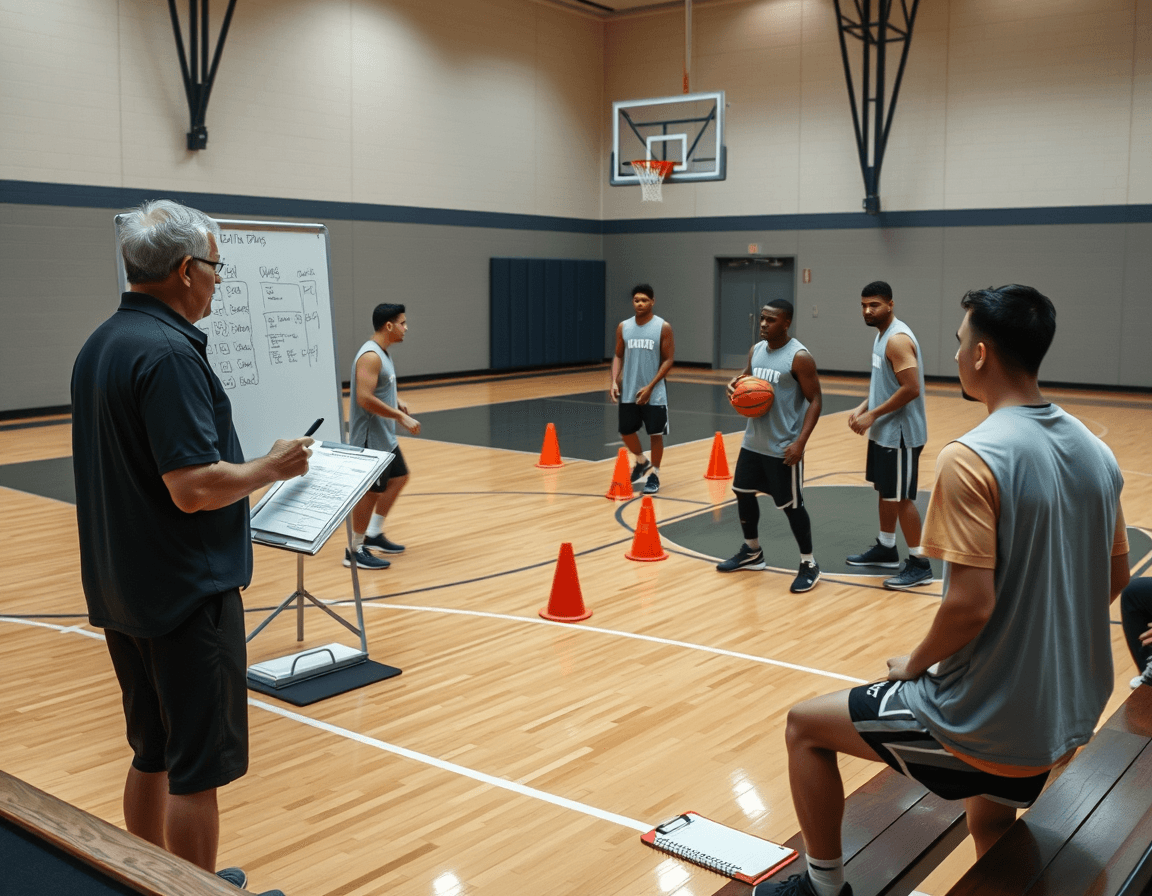
To keep your weekly plan concrete and shareable, start with a printable drills PDF for your squad. CourtSensei lets you assemble a time-structured weekly drill plan from a growing library of advanced basketball dribbling drills pdf and produce a PDF export you can print or hand to players. Aim for 8–12 drills per week, each with clearly defined reps and progression steps. In your private coaching workspace, you can attach short video clips or scouting notes to the drills to reinforce what players should focus on in practice.
To teach grip and footwork clearly, include diagrams or sketches that illustrate the setup for each drill—hand position for a cross, stance for a behind-the-back, footwork sequence for a pull-back crossover. Visuals reduce confusion in the huddle and let players visualize the move before it happens in drills. A printable format keeps this info accessible on the practice floor and helps you track reps without flipping through screens.
Set up a consistent export template for weekly updates. Predefine fields like drill title, prescribed reps, progression level, and any notes on coaching cues. When you export, the PDF mirrors the same structure every week, so players know what to expect and coaches can compare progress across cycles. This reliability is especially useful when you’re balancing advanced ball-handling drills with defensive footwork and transition reads.
A practical drill mix might include both single-ball and two-ball dribbling drills. For instance, include crossover dribble drills, between the legs dribble, spin dribble, behind the back dribble, and pull-back crossover, plus sequences that emphasize grip and rhythm. A tight, printable format helps a coach-run plan stay sharp across a mid-season stretch.
Progressions: single-ball vs two-ball mastery
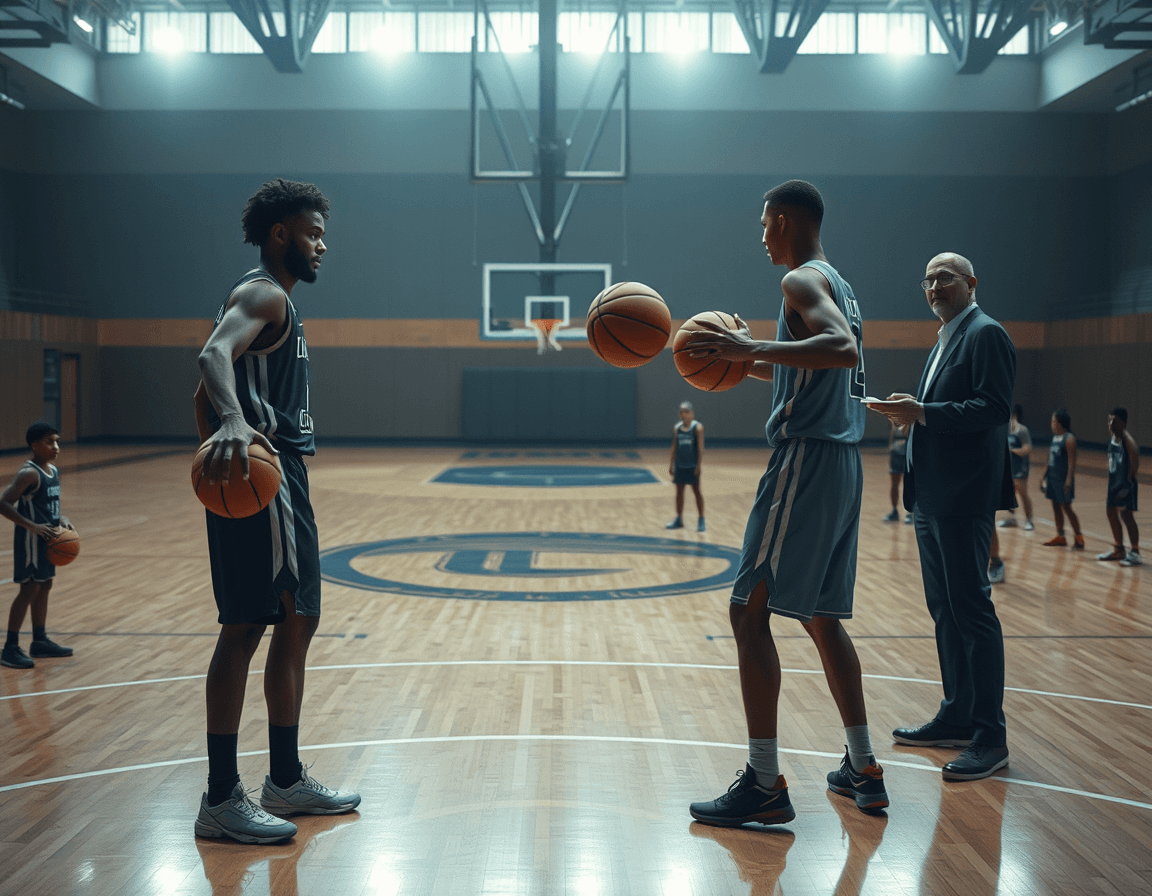
Progression starts with alternating between single-ball drills and two-ball drills to build touch and speed. In a typical weekly plan, you’ll place a tempo-heavy block for the single ball, then follow with a two-ball sequence that forces coordination and touch with both hands. This cadence keeps reps fresh and mirrors the way handles evolve in games. A practical approach is to run three narrow blocks: control-focused, then speed-focused, then a short game-reads-inspired sequence. The idea is that the body learns the rhythm before you chase the pace.
Use a clear drill progression ladder: tempo, control, then speed. For example, start with slow, controlled carries in single-ball drills, focusing on dribble height and finger control. When the hands stay under control, push tempo and add movement. Then switch to two-ball drills that challenge simultaneous hand-work while maintaining balance. This ladder keeps effort in check while players learn to push the pace without breaking technique. Capture a short video clip of each rung and attach scouting notes for quick review, so your weekly plan stays organized in your private coaching workspace.
Balance static and dynamic drills to simulate game pressures. Begin with stationary work—crossover dribble drills, behind the back dribble, between the legs dribble—to refine touch, then move to dynamic sequences that mirror drive-and-kick reads or pull-back crossovers. The static work builds feel; the dynamic work translates to on-court decisions under pressure. Keep both modes in the weekly drill blocks and use tempo cues to guide focus, so you’re teaching players to carry practice speed into real-game situations.
Video support to reinforce drills and clip-ready assets
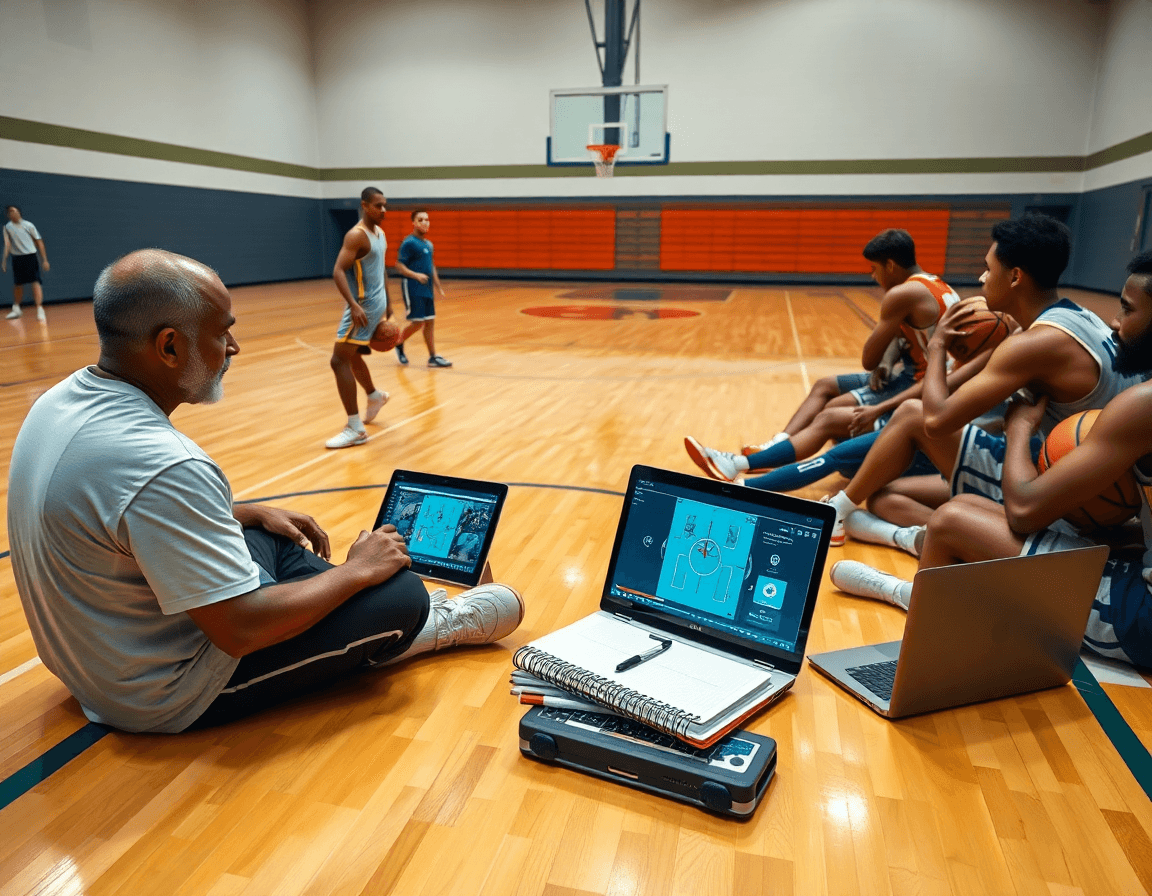
With CourtSensei, the video support feature acts as the backbone of your drill library. You can record and clip key reps from advanced ball handling drills—single-ball, two-ball, and moves like crossover or between-the-legs—creating a growing, clip-ready drills library of drill videos. Each clip becomes a drill video you can attach to a drill in your weekly plan or export as a printable PDF. This approach helps you pair motion with instruction and makes walkthroughs during practice more concrete.
Record and clip key drill reps for feedback by using a lightweight capture workflow after reps. Keep each clip labeled by drill title (e.g., “two-ball dribbling sequence”) and drop notes on technique cues. When the session ends, you’ve got a tidy set of feedback-ready clips that you can review yourself or share with staff.
Attach clips to each drill for quick reference during practice. In your coaching workspace, a drill card can store its own clip bundle. During station work, pull up a clip to cue players on a specific move, or show a quick comparison between correct form and a common error.
Use video slides to show proper technique and common errors. Video slides offer short demonstrations that highlight cues for the crossover, behind-the-back, between-the-legs, spin, and pull-back crossover—so coaches can preview technique before reps, and players can internalize the motion before attempting it. This reinforces concepts from the plan and keeps the focus on execution.
Organize drills into playlists and a coaching library
Organize your drills into a cohesive framework by building drill playlists. A coach can create a playlist by week—Week 1 focuses on quick handles and change-of-pace moves, Week 2 on pace control and attacker-to-defender reads, or by player role to tailor repetition. Tap into the growing library of advanced basketball dribbling drills pdf and related drills: single-ball, two-ball, crossover, behind the back, between the legs, spin, and pull-back crossover—and arrange them into a logical progression. In your plan, map each drill to a time slot on the weekly timeline, so the flow stays sharp and the practice feels purposeful. When players see a clear path, execution and confidence rise.
Keep a shared coaching library with notes, cues, and progressions that travel with every playlist. As you assemble Week 3 focusing on finishing out of the handle, attach a few quick cues (stay low, eyes up, firm hand) and a progression ladder (mistake-free reps, then game-speed reps). The library lives in your private coaching workspace, so assistants can add notes from scout sessions or practice observations without cluttering the plan. This makes it easier to pull the right sequence for any scenario and keep players aligned.
Link clips, PDFs, and scouting notes for quick retrieval. Each drill in a playlist can be connected to a short video clip, a printable PDF, or a scouting note, so coaching staff can review during a time-out or after practice. When you need a tangible reference, export a printable PDF of your weekly drill playlist or the entire plan. In this setup, the private coaching workspace keeps everything organized and accessible, so you can move from drill to decision in seconds.
Practical workflow: 2-week drill progression
Set up a practical playbook you can run every week. A 2-week plan built from an expanding library of advanced ball handling drills gives you a clear path for progression, not guesswork. CourtSensei lets you build a time-structured weekly drill plan, support your weekly workflow, export printable PDFs, and organize clips and playlists in your private coaching workspace. When you connect drills to scouting notes, every session has context—what you want to test, how reps build decision-making, and how to translate technique into game actions.
Week 1: brakes, deceleration, and control blocks. Begin with single-ball dribbling drills to establish stance, rhythm, and pace control; then layer in two-ball dribbling drills to challenge coordination. Use a short video clip to demonstrate setup, followed by quick on-floor coaching moments. Attach a scouting note about how players respond to pressure and adjust, so the plan remains anchored in what you’re teaching in the plan of training and the on-court reps.
During Week 2, shift to creativity, reaction, and moves in flow. Integrate sequences that blend between the legs, spin dribbles, and pull-back crossover with a defender cue. Run through combinations in small groups, capture a quick clip after each block, and tag it in a playlist for review. End the week with a concise evaluation and adjustments for Week 3—refining spacing, tempo, and decision points based on observed responses. Your PDF export and linking of scouting notes keep all pieces aligned.
FAQ
What are advanced basketball dribbling drills?
Advanced basketball dribbling drills are designed to push control, speed, and decision-making. They blend single-ball and two-ball work with moves like crossovers, behind-the-back, and between-the-legs, all inside a drill progression. Aim to fit these into a 3-4 session weekly plan and keep the sequence tight. Use a clear drill progression that challenges players without breaking form to build rhythm under pressure. In your coaching workspace, map reps and cues.
How can I download printable PDFs for basketball dribbling drills?
To get a printable PDF, assemble your weekly plan from the growing library and export it as a printable PDF export. CourtSensei helps you build a time-structured weekly plan from the drill library and share it with staff and players. A typical week includes 8–12 drills, each with clearly defined reps and progression steps. You can attach short video clips or scouting notes in your private coaching workspace to reinforce the plan.
What is the Spider Drill and how is it performed?
The Spider Drill challenges both hands and footwork. Start in a low stance, ball in your dominant hand. Move lateral, weaving the ball around the outside of your legs in a spider-like pattern. Switch hands on each bend, keep the ball low, and maintain tight, quick dribbles. As you progress, increase tempo and shorten rest, reinforcing a clear drill progression within your plan.
How often should I practice ball-handling drills per week?
Most programs structure ball-handling work into 3-4 focused sessions per week, with 15-20 minutes per session. Plan alternations: control, pace, and reads, with built-in rest days. Use a clear drill progression ladder: start slow, build control, then raise tempo. In your private coaching workspace, you can attach notes or clips to each drill for quick feedback.
How do you perform the Figure 8 dribble?
Figure 8 dribble weaves the ball around your legs in a figure-eight pattern. Start with feet shoulder-width apart, knees bent. Move the ball around your legs, alternating hands as you pass from one side to the other. Keep the ball low and controlled, eyes up, and maintain a steady dribble height. Add pace changes as a progression to simulate game reads.
What might Week 1 of an advanced ball-handling program look like?
Week 1 is about establishing feel and a safe progression. Session 1 centers on control with single-ball drills; Session 2 adds tempo with two-ball work; Session 3 introduces simple reads; Session 4 stitches the actions into a game-like flow. The aim is a solid baseline for the rest of the program. Track notes in your private coaching workspace and export a printable snapshot for staff.