Basketball Game Strategies and Tactics: Guide
Master basketball game strategies and tactics with a coach-focused framework for weekly planning, tempo, reads of defense, and in-game decisions.

Key takeaways
- Frame defines spacing and ball movement, plus tempo; train decision points to read defenders with purpose.
- Build a repeatable defense library with man-to-man and zone concepts, shells, and rotations for quick install.
- Translate scouting into a weekly practice plan: set tempo targets, assign matchups, and align drills to tendencies.
- Leverage video with clips and playlists; use drawings to illustrate spacing, reads, and rotations for clarity.
- End-of-game sequences rely on the same frame; maintain consistency, document plans, and share with the staff.
Framing the Game: Offense, Defense, and Game Flow
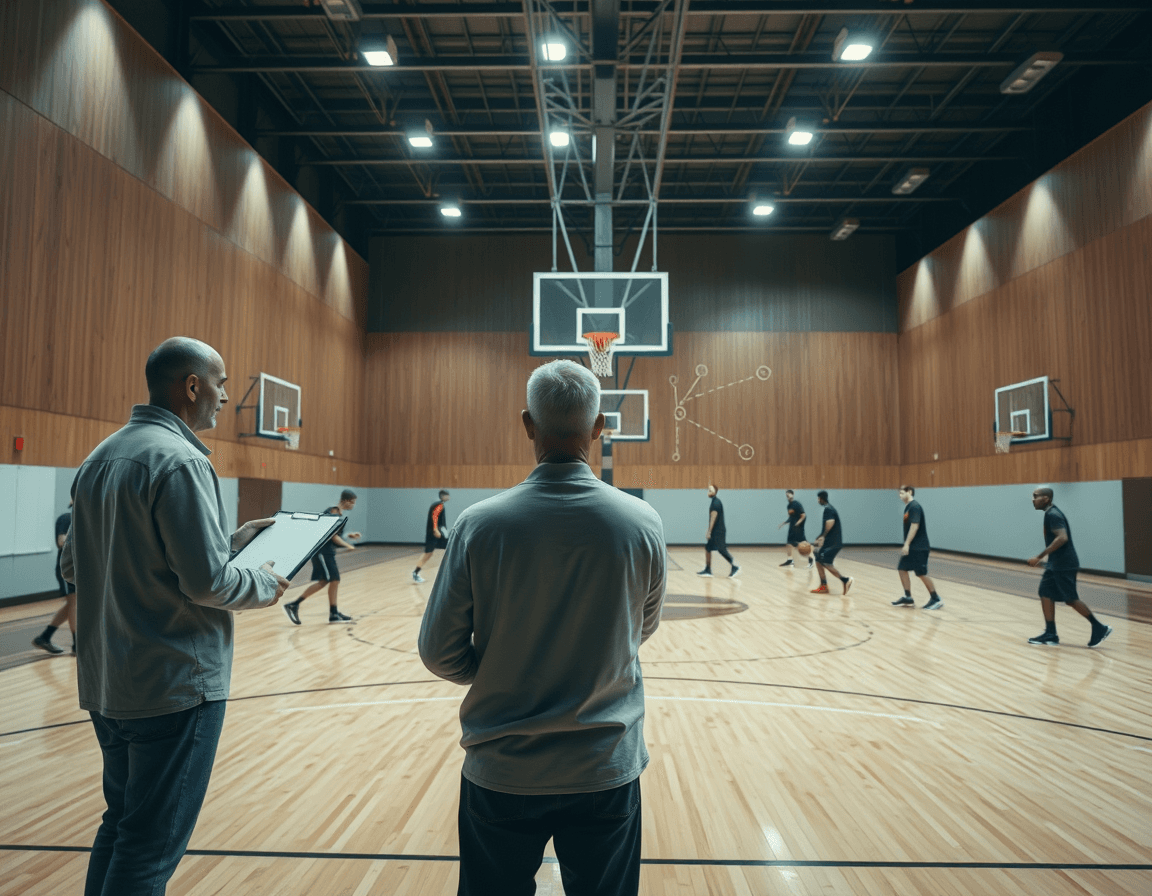
Define game strategy as the alignment of offensive spacing, ball movement, and defensive concepts that drive decision-making and tempo. In this frame, the aim is to train decision points—not just runs—so you control spacing on the floor, accelerate or slow the tempo, and force reactions from the defense. This is where you teach players to read defenders and react with purpose, not guesswork.
Three pillars anchor this frame: offensive spacing and ball movement, defensive structure and rotations, and game flow decisions (tempo, timeouts, clock management). On offense, spacing and ball movement create reliable sequences; on defense, a clear structure and disciplined rotations protect the paint and close gaps. Reading defenders becomes a skill you sharpen within the structure, not a one-off read from a single play.
A cohesive framework scales from youth to higher levels, beyond any single set. It becomes a weekly lens for practice design, video review, and scouting, guiding decisions from drills to late-game calls. In end-of-game situations, the same frame informs tempo choices, foul management, and the setup for a closing sequence—consistency over chaos.
To translate this into your weekly plan, work inside your coaching workspace. Use a drill library to teach spacing and ball movement, draw and animate plays for clear install, and upload game footage to create teaching clips and playlists. Assemble scouting notes and game-prep materials—interconnected to plan, teach, and prep for opponents—without leaving the platform, so every session reinforces the same strategic frame.
Defensive Architecture: On-Ball, Help, Rotations
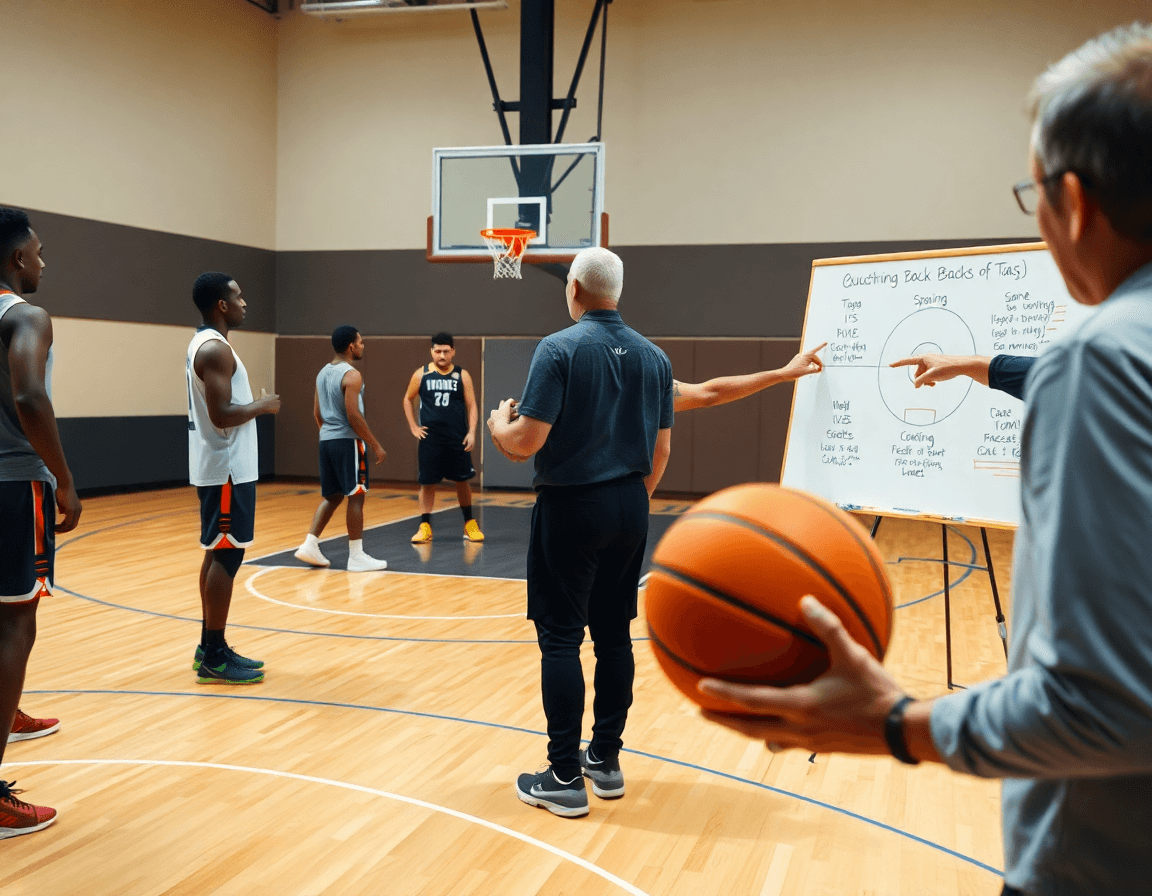
On-ball defense sets the tone for every possession. The defender stays solidly square to the ball, presses the ball handler at the point of attack, and avoids early fouls or over-extensions. Help defense reads driving lanes and calls for rotations, keeping gaps tight. When these rotations are crisp, drives are funneled toward help defenders and contested shots result from the timing of the play. That sequence shapes spacing, ball movement, and tempo management.
Defensive schemes come in two archetypes: man-to-man and zone. Each demands different rotation ideas: in man, closeouts and gap control; in zone, boundary lines and active hands. Rotations adjust to ball reversals, screens, and transitions, forcing the offense to reset or attack the weak side. A crisp decision at the point of attack can swing a ball reversal into a late contest or into a slow, patient possession that favors the defense.
Organizing the defensive workflow starts with a clear plan in the weekly training plan. Store the backbone in a library of drills and sequences for quick install, including shell work, closeouts, and rotation keys. The goal is speed: pull a sequence from the library, run it in the plan, teach spacing and ball movement, and simulate reads against a live ball handler during practice clips. This setup keeps the defense teachable and repeatable week to week.
Annotation and sharing are essential for coherence. Annotate defensive diagrams and rotations on a playboard, then export teaching clips or share links with the staff. Attach scouting notes on opponent tendencies—ball reversals, pick-and-roll reads, and transition timing—and assemble defense playlists for game-prep. All of this stays in the coaching workspace, keeping the staff aligned during timeouts and end-of-game situations.
From Scout to Practice: Turning Scouting into Practice Plans
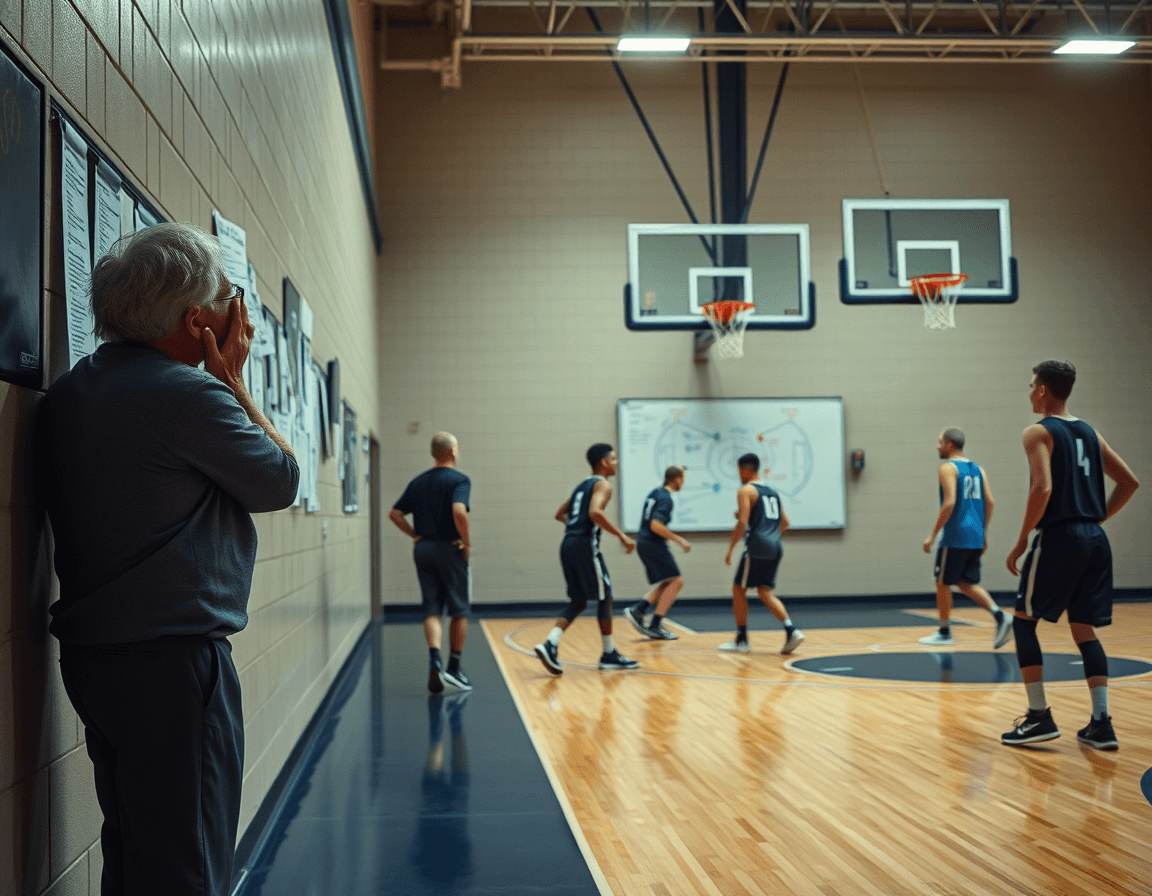
Turn your opponent scouting reports into a concrete weekly practice plan that fits your offense and defense framework. Start by pulling tendencies—where they overhelp on drives, how they defend spacing, and who they trap in late-clock possessions. From there, define your spacing and ball movement objectives so the team plays with purpose every day. This is how scouting translates into your basketball game strategies and tactics.
Next, install tempo targets and matchups that reflect the opponent. Set tempo management goals for each practice block and assign defensive matchups to limit their strengths. If they prefer a quick first step or a slow half-court pace, tailor attack ideas that exploit tendencies while keeping spacing intact. These decisions drive how you defend and how you attack, and they become the backbone of your weekly plan.
Map those insights to concrete drills, plays, and install timelines using the drill library and playbooks in your coaching workspace. Choose drills that reinforce reading defenders, ball movement, and spacing actions that mirror the opponent's coverages. Build a logical install timeline: early-week reps on a base action, midweek refinements against variations, late-week game-like scenarios such as end-of-game situations.
Finally, capture and share your game-week plan with the staff. Export PDFs and link to clips or scouting notes so assistants and coordinators stay in sync. When everyone sees the plan—what to run, when to install it, and how to evaluate it—your cohesion improves and practice will flow toward a common purpose.
Video-Driven Teaching: Clips, Playlists, and Action Drawings
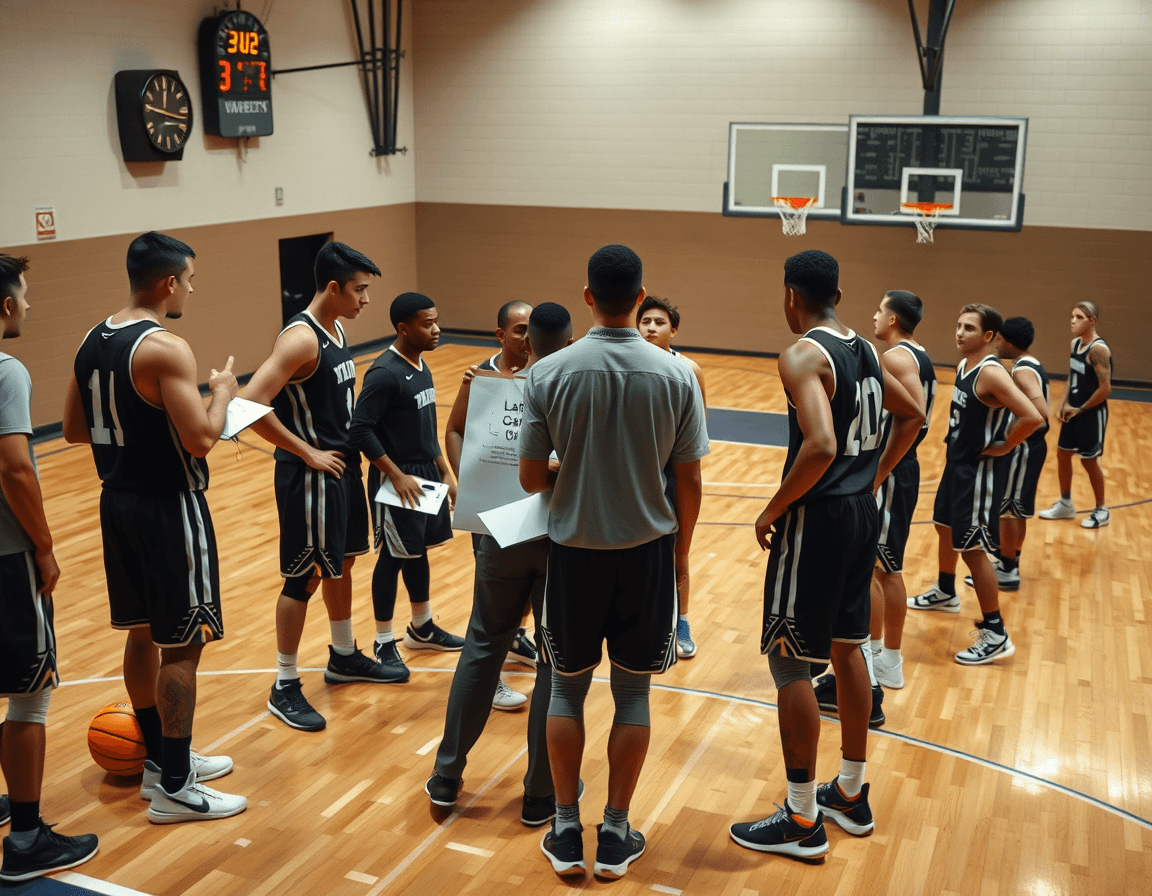
Video-driven teaching is a core pillar in a coach's weekly game-week framework. After games, you upload footage, manually clip key sequences, and organize clips into offense and defense playlists. In your coaching workspace, you can tag clips for ball movement in a motion offense and reads against a zone defense, then attach scouting notes and game-prep materials to the same set. The result is a repeatable routine that translates game film into teachable moments.
Drawing and animating actions makes spacing, reads, and rotations crystal clear. Use action drawings to illustrate how a spacing pattern unfolds in a quick ball reversal, or how a defender’s read changes as teammates cut and flare. Save those drawings alongside the clips to highlight timing, ball movement, and tempo management.
Assemble video clips, plays, and scouting materials into a cohesive teaching package that supports weekly planning. A well-structured package blends install clips, a small playbook for the motion offense, and scouting notes into one teaching package that staff can review. Include tempo management cues, end-of-game situations, and quick situational clips for timeouts and fouls so players know what to do when the clock is running down.
Share read-only links or PDFs with staff for synchronized review before meetings or before a game. Read-only links ensure everyone aligns on the same clips, plays, and scouting materials, and PDFs let you annotate or print a concise teaching packet for pregame. This setup supports a smooth, cross-scouting workflow when preparing against opponents’ sets, zone defenses, and ball-screen actions.
End-of-Game and Timeout Playbook: Clock Mastery
End-of-game situations demand clean, repeatable actions under pressure. The coach can lock in end-of-quarter and late-game decision-making as a dedicated sequence within the playbook. Build it with a library of drills that emphasize spacing and ball movement, so players read the floor and react with purpose in clutch moments. Quick, short video clips from practice or drills serve as teaching clips to install the sequence rapidly. All of these pieces connect in your coaching workspace, so you plan, teach, and prep for opponents without leaving the platform. This is the essence of clock mastery in basketball game strategies and tactics.
Clock-stoppage decisions matter as the minutes wind down. The coach can map when to call timeouts and how to structure substitutions to preserve the best matchup and limit foul trouble. After an interruption, a quick reset—offense into a set, defense ready, and re-entry timing—keeps the rhythm intact. Use the scouting notes you’ve captured earlier to guide when to press or switch pace, keeping tempo management on track and reducing late-game mistakes.
To close the loop, attach the end-of-game sequences to a scouting-notes packet and a PDF exports document so staff and players can review quickly. In your coaching workspace, assemble after-action clips and a few playlists that illustrate late-game ball movement, reads on defenders, and clock scenarios. This makes the install fast and repeatable, turning chaos into a scripted sequence that your team can trust in pressure.
Practical Weekly Workflow: A Step-by-Step Game-Week
A practical weekly rhythm turns game plans into action inside your dedicated coaching workspace. A 5–7 day cadence keeps you ahead of opponents: scouting review, practice planning, install, video review, game prep, and post-game recap. This flow supports basketball game strategies and tactics by aligning every day to tangible goals on the court, from spacing to on-ball defense.
Each day maps to specific CourtSensei features: use updated scouting reports to highlight opponent tendencies, pull from the drill library for growth, install new sets in the playbooks, assemble focused video playlists, and share PDFs with the staff. This keeps your practice crisp and your teaching consistent, from spacing and ball movement to reading defenders and end-of-game situations. The workflow emphasizes tempo management and timely use of timeouts, while keeping fouls and defense reads in clear view.
A clear sequence helps you weave offense, defense, and tempo goals with opponent tendencies. Start with a scouting review to identify pace, preferred switches, and gaps in transition defense; then plan spacing and ball movement drills that mirror those reads. In the install phase, bring the plays to life with animated clips and a quick PDF-install guide, so your players can visualize timing and spacing before the first shell drill. During video review, pull clips that illustrate end-of-game scenarios and decision points, reinforcing how to manage tempo under pressure.
Weekly checklist (coach-friendly): Day 1 – scouting review; Day 2 – practice planning; Day 3 – install; Day 4 – video playlist review; Day 5 – game prep; Day 6 – run-through/live periods; Day 7 – post-game recap. This routine keeps you consistently aligned with spacing, tempo management, and game tempo goals, while maintaining a clear path from scouting notes to classroom-ready clips.
FAQ
What is basketball strategy?
Basketball strategy is the alignment of offensive spacing, ball movement, and defensive concepts that drive decision-making and tempo. The goal is to train decision points, not just runs, so players read defenders and react with purpose. Build it weekly in your coaching workspace using a drill library to teach spacing and ball movement, and draw and animate plays for clear installs. Upload game footage to create teaching clips and playlists that reinforce the frame.
What is the most important basketball strategy for coaches?
The most important strategy for coaches is balancing spacing, pace, and a solid defensive structure while teaching reads and decision-making. Use a consistent framework that scales from youth to higher levels and centers on tempo and communication. Plan weekly around spacing and tempo, review film, and keep everyone aligned with the same approach inside your coaching workspace—relying on reads and reactions over any single play.
What is a motion offense?
Motion offense is a Motion offense that is spacing-driven and player-led, with continuous ball movement and reads rather than fixed sets. Teach players to read defenders, cut, and screen based on what the defense shows. Install it with your draw and animate plays tools, and reinforce with clips and playlists that illustrate reads against different coverages. This approach scales across ages and keeps the offense adaptable.
What is a ball screen?
A ball screen creates a choice for the ball-handler and defenses; options include slip, pop, or drive. Teach timing, spacing after the screen, and decision options against rotations. Install with a library of plays and annotate clips to illustrate reads on the defense. Compile scouting notes and game-prep clips to practice how to attack or defend ball screens within your framework.
How do coaches teach basketball strategy effectively?
Coaching strategy effectively starts with a clear framework, a weekly plan, film review, and scouting notes. Build routines that teach decision points through drills and progressions. Use your workspace to store the backbone in a library of drills, combine with annotated diagrams, and share clips for staff. Run end-to-end teaching from install to game-like reps to keep practices cohesive.
How should basketball strategy change for youth players?
For youth players, emphasize simpler concepts and more reps, with fast feedback to reinforce learning. Scale back complexity, focus on spacing and rhythm, and prioritize decision-making over fancy sets. Use progressions that mirror game reads, keep the tempo approachable, and reinforce skills through short, repeated drills from your drill library.
What is press defense?
Press defense is the full-court pressure aimed at disrupting the ball handler and speeding up decisions. It requires disciplined on-ball defense, quick rotations, and recovery to protect the basket. Build it into weekly plans with clear on-ball defense keys, annotate diagrams, and export clips for staff review to keep everyone aligned during games.