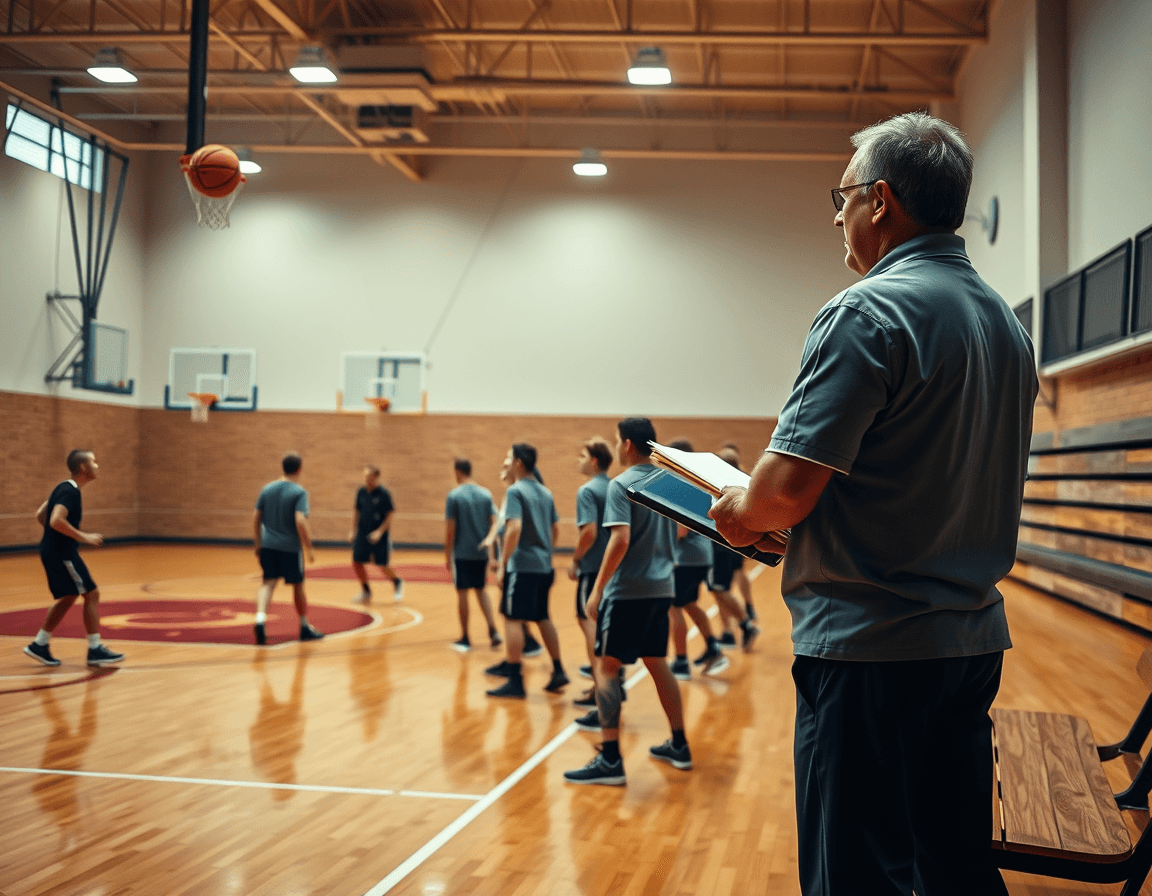
Basketball Homework Sheets for Weekly Coaching
Learn to structure basketball homework sheets to support your weekly coaching—plan drills, track practice, and link video, playbooks, and notes.

Key takeaways
- Standardize your weekly plan with a single basketball homework sheets framework to align drills across the week.
- Structure each session around three activities and map to a 12‑session cycle.
- Export printable PDFs and attach video demos to drills for quick, repeatable coaching cues.
- Include a space for parent initials to verify participation and keep families in the loop.
- Link video playlists to each drill so coaching cues stay consistent during practice.
Why basketball homework sheets fit a weekly coaching rhythm
Basketball homework sheets help align at-home practice with on-court goals to reinforce skills. A weekly rhythm emerges when you treat the concept as a single homework sheet that anchors the plan. Players understand what to work on, when to work on it, and why it matters, turning scattered prompts into a cohesive routine rather than a grab-bag of drills.
Use a consistent template to plan drills across the week and map to the team’s cycle. A practice plan template keeps you planning ahead and aligns the week’s work with the program’s calendar. That continuity makes it easier to export a clean, shareable coaching handout you can reference in huddles and with assistants.
Leverage the drill library and plan templates to keep content aligned with coaching objectives. Structure a 12‑session cycle, with three activities per session, that touches core skills like ball handling, jump rope drills, and dribbling drills, plus finishing touches such as free throw shooting and the Mikan drill. This setup supports a predictable weekly flow: pick the drills, assign the order, and attach a quick video demo to each clip for context.
From a practical standpoint, you can export printable homework sheets as PDFs and attach video demos and playlists to drills for easy sharing with players and parents. Include a space for parent initials to acknowledge participation, and keep the process seamlessly tied to your planning, video, and playbook workflow.
Design a weekly homework sheet using drill library and plan templates
As a coach, you want a reliable weekly rhythm that ties planning, video, and playbooks together. Designing basketball homework sheets into your weekly routine helps you align drills, time-based training plans, and printable sheets you can export as PDFs to share with players and parents. Attach video demos and playlists to each drill so the coaching cues stay consistent while you run the plan.
Start by selecting drills from your drill library that map to weekly targets: ball handling drills to sharpen control, dribbling drills to improve change of pace, and footwork patterns that support offense and defense. You can mix in jump rope drills or the Mikan drill as variations. Each drill should carry a short video clip, a couple of cues, and a clear target.
Structure your weekly plan by locking in sessions with three activities per session across the week (or adjust to your schedule). If you’re running a 12-session cycle, map four weeks with the same pattern and tweak targets as players progress. Include a field for parent initials to confirm practice won’t be missed and to keep families in the loop.
Each drill on the sheet should include a concise instruction and a linked video demo, plus a playlist you can share. When you finish, export the page as a printable PDF and distribute it as the week’s homework. This keeps the plan transparent for players and parents without stepping into analytics or automated reporting. The flow integrates planning, video, and playbooks into a repeatable weekly workflow.
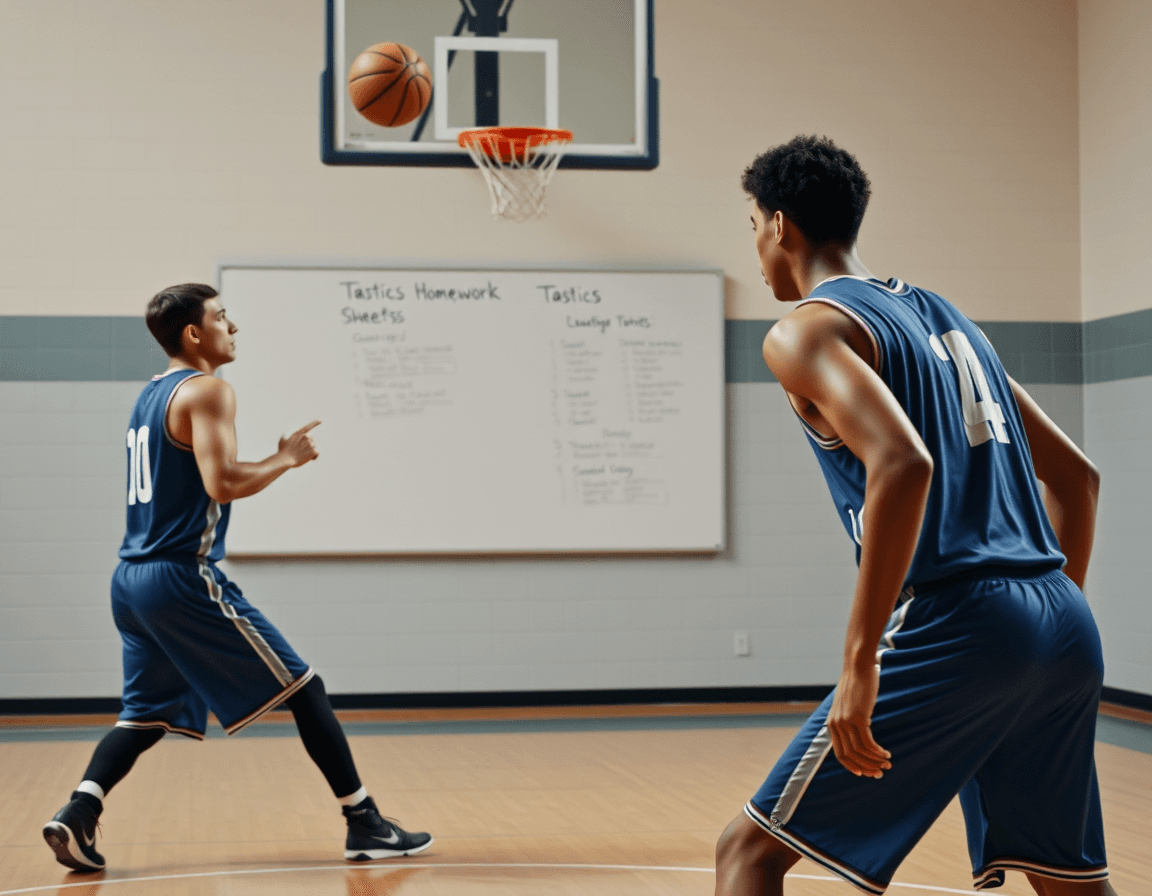
From plan to printable homework sheets: export and share
As you assemble the weekly plan in the training plan builder, you map out 12 sessions with three activities per session. The time-based structure keeps practices tight and repeatable, guiding warm-up, skill work, and team reps in a consistent flow. Exporting a printable PDF makes sharing the plan with staff easy, keeping everyone aligned before Monday’s first drill. This is where planning and execution come together in a coach-friendly workflow.
Turn that week into shareable homework with printable basketball worksheets. Distribute these to players and parents via read-only links or printed handouts, so everyone has access without scrambling for notes. A clean, print-friendly layout highlights session goals and the three activities per session, plus the drill ideas you want reviewed. If you’ve labeled drills like ball handling drills, jump rope drills, dribbling drills, free throw shooting, or the Mikan drill, the outline will make it easy for players to study and for you to reference during taktical discussions.
To close the loop, link or embed video clips and playlists to each drill for quick review. Players can watch the demo before practice, then use the sheet as a guide during the session. If you want a simple sign-off, include a space for parent initials after review. This approach keeps planning, video, and playbooks in a repeatable weekly workflow—without any claims of analytics or automatic progress reports.
Incorporating scouting notes and feedback in the homework flow
In your weekly routine, turning scouting notes into basketball homework sheets keeps players accountable and parents in the loop. Use CourtSensei to bridge planning and feedback: build time-based training plans, pull from a drill library, and export printable homework sheets as PDFs. Attach video demos and playlists to drills so players can review on their own. This approach creates a repeatable weekly workflow that centers on planning, video, and playbooks, without implying automated analytics. Bold: scouting notes, time-based training plans.
Translate scouting observations into targeted weekly tasks. If you notice slow decision-making in transition, craft a task like “Transition reads: 2-on-1 decisions,” and pair it with a drill from the library—think ball handling drills or dribbling drills to sharpen reads under pressure. Map this to a practice plan template and layout a 12-session cycle that progresses from basic reads to game-speed reads. Your coaching handout becomes a clear map for the week, with each task tied to a specific drill and the associated video clip.
Attach concise scouting notes to relevant drills to provide context for players. When you export the weekly homework sheets, the notes travel with the drill so players see why a drill exists and what progress to chase. Keep notes short: “Transition reads improving,” “fast-break decisions tightening.” This setup also makes it easy to share a read-only link with parents and collect simple feedback or confirmations using parent initials where you require them.
Imagine a week built around 12 sessions and three activities per session, with explicit drills like ball handling drills, jump rope drills, dribbling drills, free throw shooting, and the Mikan drill. Attach brief scouting notes to each drill, add a short video clip, and export the coaching handout as a printable practice plan template. The result is a clean, repeatable workflow that ties scouting to weekly accountability.

Practical weekly workflow: a one-hour setup for next week’s sheets
In a one-hour setup, you turn last week’s observations into a repeatable flow for the next week. Start by collecting data: what went well in the previous sessions, which drills showed progress, and scouting notes from the opponent. Pull video clips and printouts from the last cycle. That data becomes your first draft of basketball homework sheets that align with your time-based training plan and drill library.
Next, pull drills from your drill library: ball handling drills, dribbling drills, jump rope drills, the Mikan drill, and free throw shooting. For a steady cadence, plan 12 sessions ahead, with three activities per session.
Assemble tasks into the weekly sheets: export as PDFs, attach video demos and playlists to drills, and keep a simple checklist for drills in weekly training. Some coaches include a line for parent initials on the sheet, so you can track buy-in and understanding beyond the court.
Distribute and confirm access: define roles for updates and ensure players’ access with read-only links. Clear ownership of updates helps keep the weekly sheets accurate and ensures the right people can view the plan.
The result is a practical, repeatable weekly workflow that ties planning, video, and playbooks into a steady routine. This approach mirrors how CourtSensei helps you build time-based training plans and a drill library, export printable PDFs, and attach video demos and playlists for easy sharing with players and parents. By framing each week as a compact cycle—data collection, drill selection, task assembly, proofing, and distribution—you create a consistent cadence you can rely on, week after week.
FAQ
What is a basketball homework sheet?
A basketball homework sheet is a time-based plan that links at-home practice to on-court goals. It anchors the week in a single printable sheet, so players know what to work on, when to work, and why it matters. Use a consistent template to map drills from your drill library into a 12-session cycle, with brief video demos for context.
How do you structure a basketball homework sheet or log?
Build a weekly rhythm with three activities per session across a 12-session cycle. Use a plan template to plan ahead and align with the program calendar. Pull drills from your drill library, add a short video demo and cues, plus a clear target for each drill. Export a printable PDF to share with players and parents, and include a space for parent initials.
What should be included in a basketball practice plan or drill sheet?
Include drills from the drill library with a concise instruction, a few cues, a linked video demo, and a playlist for easy review. Tie each drill to a specific target and a time-based goal per session. Add a field for parent initials to confirm participation, and ensure the plan aligns with coaching objectives—no analytics.
Are printable basketball worksheets effective for youth training?
Yes, when tied to a weekly rhythm and clear targets. Printable worksheets bring clarity and accountability, especially when paired with video demos and a simple coaching cue system. Keep them straightforward, legible, and exportable as PDFs for easy sharing with players and families. They supplement in-practice coaching, rather than replacing it.
How can parents participate in my child's basketball homework?
Parents can stay engaged by reviewing the weekly homework sheet, watching linked video demos, and signing off with initials to acknowledge participation. Share read-only links for convenient access, and use them as a basis for quick check-ins. Keep the focus on support and consistency, not analytics or performance claims.
What is the Mikan drill and where can I learn it?
The Mikan drill is a finishing move from close range that emphasizes timing and touch around the basket. Use it as a variation in your drill library, and link a short video demo so players can study form before practice. Include it on your sheet under finishing drills to reinforce efficient footwork and finishing technique.