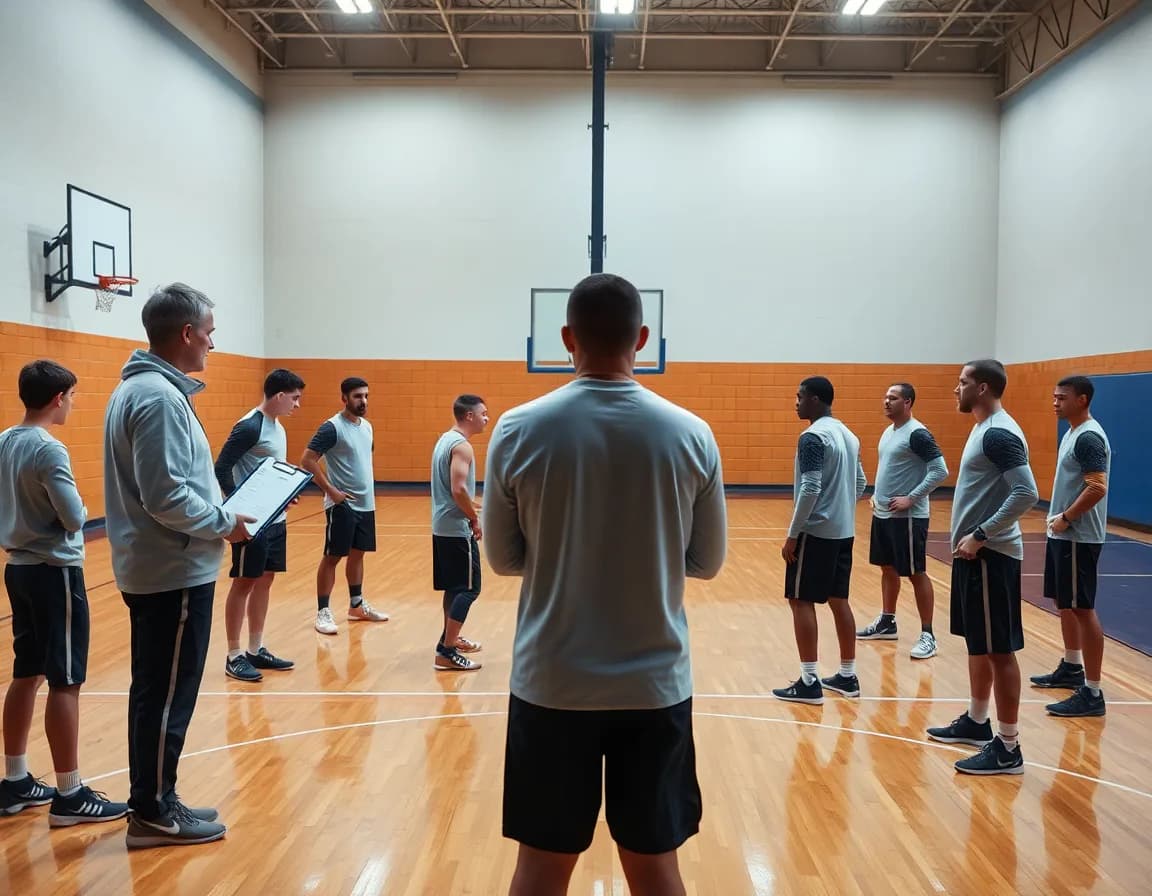
How to plan perimeter defense basketball
How to plan perimeter defense basketball: a weekly coach's guide to stance, close-out, on-ball pressure, and video-driven scouting to sharpen rotations.

Key takeaways
- Build a compact stance with knees bent and eyes on the ball to control attackers' angles.
- Progress from close-outs to steady on-ball pressure, then drill recovery slides to guard the weak side.
- Map a weekly plan around arc pressure, layering two-on-two and three-on-three reps to connect on-ball pressure with rotations.
- Align practice with scouting notes on opponents' perimeter threats to plan exact pressures.
- Export clean PDFs and share playbooks to keep staff aligned and ready for game prep.
Weekly perimeter defense plan
A disciplined perimeter defense starts with stance, spacing, and close-outs. Build a progression through CourtSensei's training plans that moves from a solid defensive stance to efficient angles of approach and footwork that keep attackers in front. A strong base slows the dribble, narrows driving lanes, and makes rotations more reliable for the team.
Create a progression of drills that build on-ball pressure and quick recovery. Start with stance and close-out patterns, add on-ball pressure with a steady hand and precise hand position, then finish with recovery slides to guard the weak side. The drill library lets you assemble blocks into a single practice unit while the video workflow clips a sequence, organizes it into a short playlist, and makes sharing easy.
Perimeter defense occurs when guarding an offensive player facing the basket any place on the floor. USA Basketball Youth Development Guidebook
Align practice with scouting notes on opponents' perimeter threats. Attach a scouting note to your planning space and export a PDF to share with assistants or staff. This links each practice block to real game reads, so your team rehearses the exact pressures and rotations you expect to face. The framework supports building a cohesive game-prep rhythm around on-ball denial and help-side positioning.
Organize drills and sequences into a shareable playbook or playlist that travels with the coaching staff. A dedicated coaching workspace connects the playbook to video clips and scouting material, so you can revisit the same sequences as you grid your week. Export a clean PDF and circulate the plan ahead of practice to keep everyone aligned.
This approach creates a steady cadence across the week and ties practice directly to how you expect to play the game. A clear flow helps players anticipate pressures, manage rotations, and stay connected to the conservation of energy that perimeter defense basketball demands. The work you do now sets the tone for every rep later in the week.
Drills library for arc pressure
Drills library for arc pressure helps you map a weekly plan around pressuring the arc. Start by compiling drills that reinforce a solid perimeter defense. Emphasize a compact defensive stance with knees bent and eyes on the ball. Build arc pressure through a sequence that moves from the initial close-out to contesting shots, while maintaining balance. Then layer in two-on-two and three-on-three reps to connect one-on-one pressure with help-side rotations.
Progression in your weekly plan can look like this:
- defensive stance and footwork drills to establish a solid base.
- close-out sequences on wing and corner shooters to develop balance and recovery.
- deny the ball and disrupt dribbles without over-committing.
- two-on-two reps to connect on-ball pressure with help-side defense.
- three-on-three sessions to replicate arc pressure with rotations.
Use CourtSensei to stay organized. The library provides an arc pressure framework; the video workflow clips sequences, labels them for on-ball pressure and rotations, and shares clips with staff. That workflow ties practice to game prep and makes it easy to pull tight sequences into scouting notes.
The perimeter defense isn't just one-on-one. You must know when the help is coming, when you need to recover, when to switch or hedge. Perimeter Defense Basketball
To close the loop, plan minutes per practice for arc pressure, capture a short clip after each drill, and export a PDF scouting note that links the practice sequence to your upcoming game plan.
Video workflow for perimeter defense
Video workflow for perimeter defense starts with capturing the moments that matter on the floor: close-outs, rotations, and on-ball pressure. In CourtSensei you upload perimeter match footage and clip sequences that show a tight defensive stance, effective slide angles, and recoveries. The aim is to build a library of video clips you can reuse in your weekly training plan and during in-season adjustments.
Set up playlists for drills, situational reps, and opponent tendencies. As you map your weekly perimeter defense plan, link drills from the library to game scenarios like ball pressure, denial, and help-side rotations. Use video annotations to mark decisions and outcomes on each clip. These playlists become the backbone for on-court reps and documented scouting practice.
Sharing and feedback is built in. Create read-only links for coaches or assistants to review clips without changing your work. Use the PDF exports from scouting notes to connect what you see in drills to what happens in games. This keeps communication clean while you adjust close-out angles and rotations ahead of the next session.
Workflow in your personal coaching workspace ties it all together. Tag sequences by action type like close-out or deny the ball, and date them to align with your weekly plan. A short video clip of a rotation can become a coaching cue in the huddle, and a ready-made playlist can guide the next day's reps. The result is a clear path from practice to game prep.
Scouting and game prep for perimeter threats
Your perimeter defense weekly plan starts with solid scouting notes. Build notes on opposing ball-handlers, catch-and-shoot threats, and screening actions. In CourtSensei, drop these into your personal coaching workspace and tag them by opponent tendencies. Link each note to video clips from your library so you can study the exact sequences that trigger on-ball pressure and the moments you need a denial. Outline the threat, how it usually starts, and the first three seconds of the possession.
From scouting to on-court actions, translate findings into rotations and deny-the-ball strategies. Map where to pressure the ball, when to drop into help-side defense, and how to slide without losing position. Use the video clips to build a short sequence library that shows on-ball defense, close-outs, and a disciplined help defense. Document the decision points for each scenario and connect them to your weekly plan so a coach can pull a sequence for practice and run it in drills.
At the end of the week, export your scouting notes as PDF exports for staff briefings. The PDFs connect your game plan to practice, letting assistants and video staff see the opponent tendencies and the recommended rotations before game prep. Pair the PDFs with a handful of clip sequences to quick-frame the perimeter plan for the upcoming game.
Practical workflow: plan, practice, film
As you map out a weekly perimeter defense plan, rely on CourtSensei's structured training plans to anchor your week. Build the plan around defensive stance, close-outs, deny the ball, and on-ball pressure into a practical sequence. Use the library of drills to pick four to five options that train footwork, angles, and decision making in rotations. Assign drills and video tasks so assistants know what to gather. Tie in scouting notes and PDF exports to connect practice to game prep within your personal coaching workspace. This keeps your frontline ready for the next opponent.
During the first segment of each session, run a clear workflow. Start with clips that teach the progression: stance and close-out, then slide, then deny and help side defense. Use defined drills to build on-ball pressure and rotations in the arc. Capture key moments like a tight contest or a quick recover. After each segment, save the moments to your playlists and share with staff via read-only links. This keeps the team aligned and ready to adapt.
After practice, review the film and update playlists to inform the next week. Watch how players position on the ball and in rotations, tagging sequences that illustrate effective perimeter defense like a clean close-out and quick slide. Update your scouting notes and export PDFs to summarize game prep in the coaching workspace. The result is a tight loop from plan to practice to film to next plan, connected through the coaching workspace.
Coaching cues and common perimeter mistakes
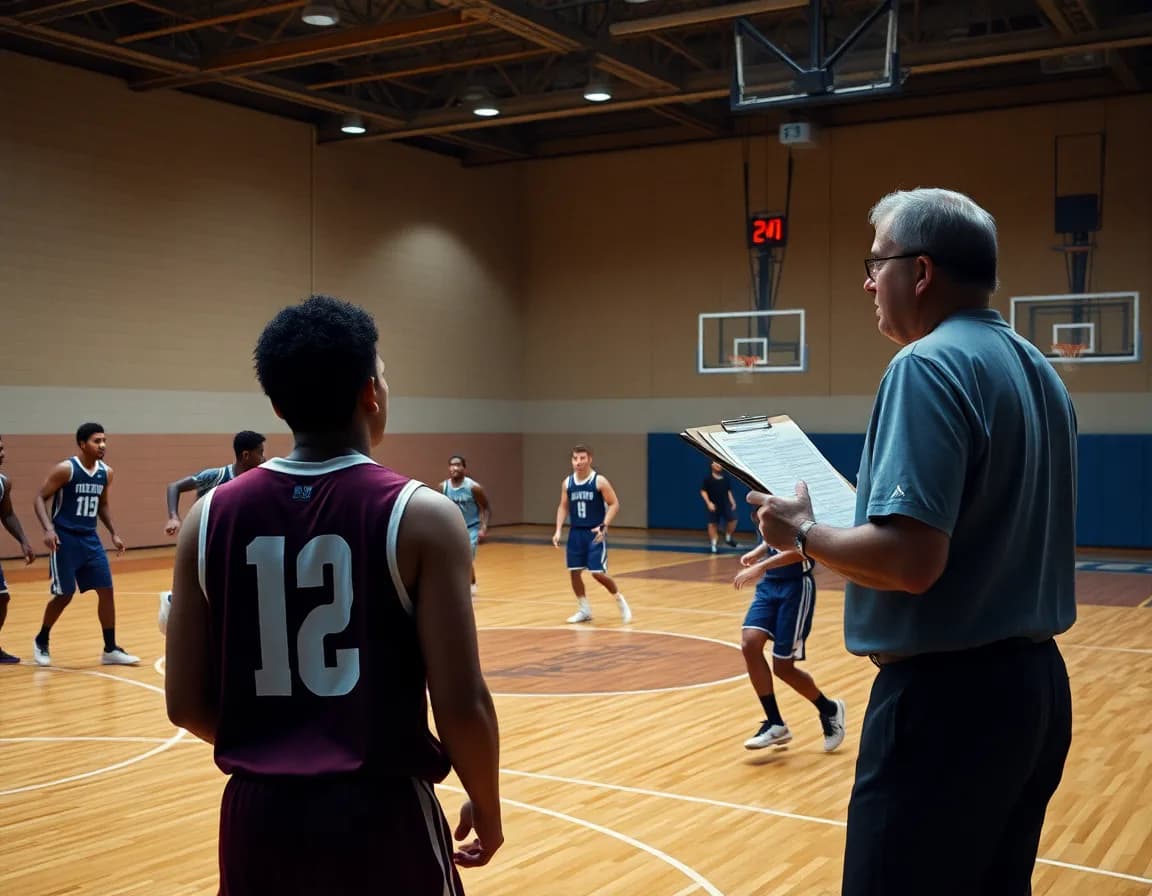
Coaching cues shape every on-ball rep. In your weekly perimeter defense plan, start with a solid defensive stance and distance. Use the cues: shoulders square to the ball, eyes on the midsection, and arm length ready to contest. When you sprint to a close-out, land on your toes, hips low, and hands up to deny the ball handler a clean pass. The plan should connect these cues to a few repeatable sequences, so the on-ball pressure flows into a clean rotation to the help side, all organized in the video workflow.
Common perimeter mistakes creep in even when the plan is solid. Avoid reaching and trying to poke the ball; balance is lost and shooters rise up for an easy shot or drive. Never over-commit to deny the ball early, because that opens passing lanes and leaves you out of position. Watch midsection before reacting to fakes so you stay in front. If you do slip, your rotation back to the help side should be loud and deliberate.
Use the video workflow to fix these issues over the week. Clip sequences of solid on-ball pressure and rotations, label them by drill like on-ball defense and help side defense, and store them in your library. Export a PDF scouting notes that connects each rep to game prep and share as a read-only link for assistants. Your personal coaching workspace lets you pull together a weekly plan, a library of defensive drills, and the clips you need to teach timing of close-outs and slides. The result is a concrete connection between practice and game prep that remains in one place.
FAQ
What is perimeter defense in basketball?
Perimeter defense is guarding an offensive player facing the basket anywhere on the floor. It hinges on a solid defensive stance, smart angles, and disciplined close-outs to keep attackers in front without fouling. In CourtSensei, you plan a weekly perimeter defense routine, assemble drills into blocks, and tie each block to game reads so the work matches game prep.
What makes a good perimeter defender?
A good perimeter defender combines anticipation, balance, and communication with disciplined footwork and gap control. They stay aware of screens, mix on-ball pressure with smart recoveries, and move defenders into the team's preferred angles. Within CourtSensei, you track these traits through arc pressure drills, on-ball reps, and a video workflow that links practice to rotations and game prep.
Does perimeter defense only apply beyond the three-point line?
No. Perimeter defense covers any outside action where a defender guards a ball handler. It includes on-ball denial, close-outs, and help-side rotations. CourtSensei helps you align practices with scouting notes so drills reflect specific opponent tendencies, linking each block to game reads and expected pressures.
Should I always stay face-to-face with my man on the perimeter?
Not always. You want to stay face-to-face to deny when appropriate, but adjust with angles and spacing to clog driving lanes and push drives into help. Teach close-out patterns and recovery. Use CourtSensei to plan these patterns, attach them to scouting notes, and build a consistent week of reps around them.
How do you close out on perimeter shooters?
Close-outs should be short, balanced, and hands up. Meter your approach to prevent fakes, then contest with vertical timing and maintain eye contact on the shooter. Use the video workflow to label these close-outs and create playlists so you practice the same pattern under different pressures.
What drills improve perimeter defense?
Start with stance and footwork drills to build a solid base, then add close-out sequences on wings, deny-the-ball drills, and two-on-two reps to connect on-ball pressure with help rotations. Three-on-three sessions replicate arc pressure with rotations. CourtSensei clips, labels, and shares these sequences, tying practice to game prep.
How do you tie scouting notes to perimeter defense in practice?
Build scouting notes on opposing ball-handlers and perimeter threats, drop them into the coaching workspace, and tag by tendencies. Link notes to video clips, outline the first few seconds of each possession, and map where to pressure and how to rotate. Export PDFs of your plan to keep assistants aligned for game prep.