
How to Run a 21 Shooting Drill Weekly
Coach-focused guide to fitting a 21 shooting drill into a weekly plan, using a coaching workspace to plan progression, clip video, and build playbooks.

Key takeaways
- Establish a consistent weekly plan for the 21 shooting drill with progressive weeks.
- Use a structured cueing sequence across sessions, emphasizing a balanced stance and follow-through.
- Progress from stationary to off-ball movements to simulate game tempo and shot decision-making.
- Export sharable PDF exports and maintain a playbook entry to guide staff.
- Track rounds outcomes and adapt weekly plans; keep scouting notes for future matchups.
What the 21 shooting drill looks like in a weekly plan
The 21 shooting drill in a weekly plan centers on a two-line setup, with players taking turns to shoot for points and push toward 21. Two-point attempts drive the core scoring, and extra points can be earned for clean sequences and strong follow-up shots. Ages and formats vary, so variations can swap sequences with layups or end with a dribble-to-shot finish. Coaching focus stays tight on technique, shot selection, and following the shot. CourtSensei makes this tangible by tying a structured plan to a library of drill variations, in-session video clips, and a playbook entry. The workflow supports progression, clipping, playlists, and PDF exports for sharing and scouting notes.
In a typical week, the plan unfolds with a clear tempo for each session. On the first day, run a baseline version to establish form and rhythm, using a short video clip to review release, balance, and footwork. Use the playbook entry to lock in coaching cues and the scoring rules. The next session builds progression: add spacing, faster decision-making, and catch-and-shoot emphasis, compiling clips into a dedicated playlist for quick review. Midweek introduces variation—layer in layups after misses or a dribble-to-shot sequence to test decision-making under pressure. A later session simulates game-like tempo, with two lines competing toward 21 and a shared read on shot selection. Finally, a review day gathers scouting notes and clips, updates the playbook with key cues, and exports a PDF to share with assistants or scouts. This weekly cadence makes the 21 shooting drill a repeatable, coach-driven process rather than a one-off drill.

Coaching cues to maximize technique under pressure
To maximize technique under pressure in the 21 shooting drill, you want coaching cues that travel with the drill through the week. CourtSensei enables a weekly workflow by tying a structured plan to a library of drill variations, in-session video clips, and a playbook entry. Start with a 21 shooting drill cues approach: emphasize a balanced stance, crisp footwork, and a smooth, repeatable shooting rhythm. Feet shoulder-width apart, knees bent, weight on the shooting side, eyes on the rim. This cadence should be easy to measure in clips and easy to correct on the fly.
Next, lock in the finishing details: highlight a solid follow-through, proper alignment, and finishing with a consistent release. Focus on the elbow under the ball, a clean pocket-to-target finish, and a non-distracting guide hand. In the weekly plan, pull a clip that shows the ideal finish and pause to compare it to a shot from fatigue—this is where the tool’s in-session video and PDF playbook exports help you reinforce the cues. It also answers the question of how to coach 21 drill: you’re teaching technique that holds under pressure, not just form in a drill.
Finally, progress the drill from stationary to off-ball movements to simulate game conditions. Begin with stationary catch-and-shoot, then add movement: cut to space, receive a pass, shoot, and loop into off-ball actions. Use the progression in your plan, add clips to a playlist, and store notes in the scouting section. The goal is consistent shooting technique through reps, with a clear path from simple to game-like scenarios that you can share via a clean, exportable PDF for staff or scouts.
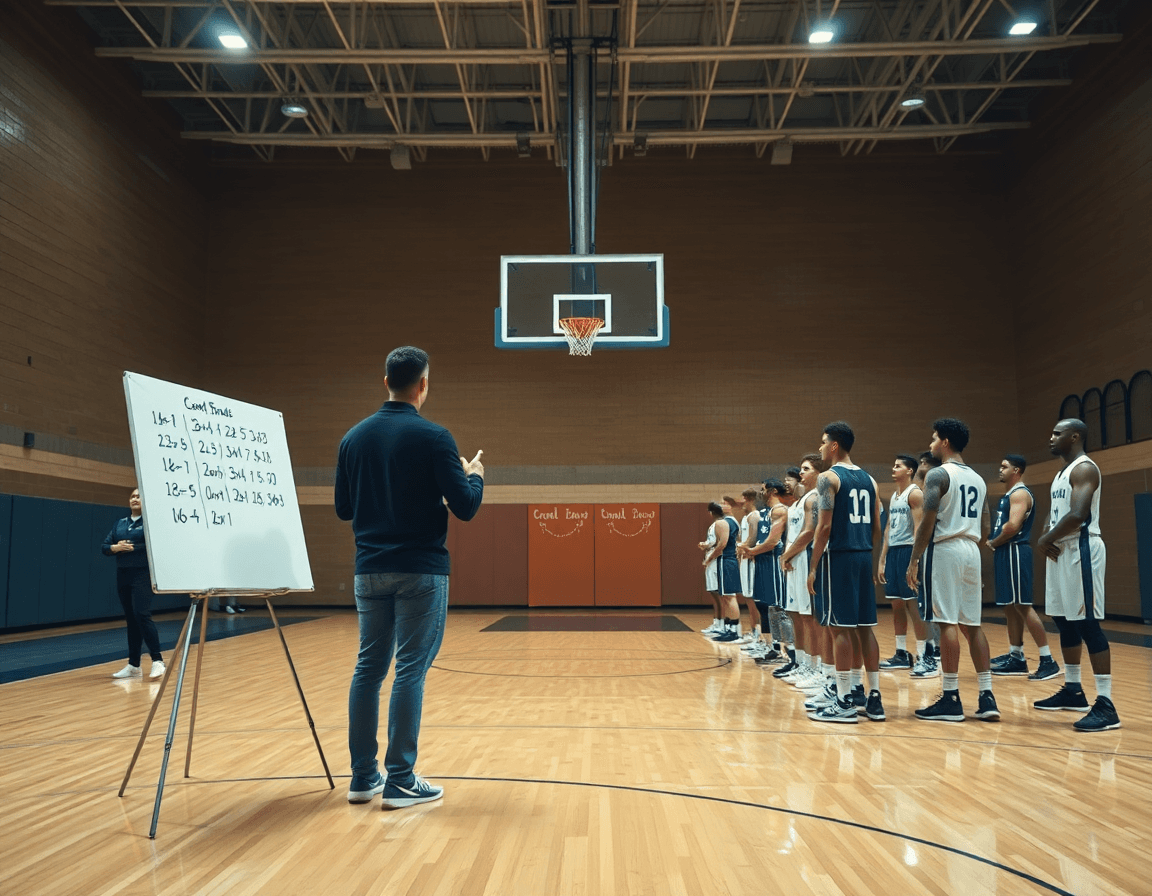
Practical workflow: plan the 21 drill in a weekly session
Kick off a practical week by blocking roughly 60 minutes into warm-up, 21 shooting drill rounds, and cooldown. In a coaching workspace, you can build the drill into a weekly plan, attach variations, and link in-session video clips for quick review. The flow keeps your players focused and your practice on schedule.
Leverage the library of drill variations to push the 21 shooting drill through week-long progression—from catch-and-shoot reps to off-ball movement, then to two-line or first-to-21 formats. Attach each variation to your plan and connect relevant clips to show form and rhythm, including clipping highlights for quick review. A dedicated playbook entry for the drill serves as both reference and instruction card during the session.
Track outcomes across the rounds—made shots, misses, and adjustments—and let that data inform the next weekly plan. Use the progression to dial in fatigue management and shot selection, and keep notes in the scouting section for future matchups or practice emphasis. This is where the planning becomes adaptive for ongoing growth.
Finally, export a PDF checklist or shareable plan for staff and senior players. The workflow supports a PDF export and playlists, and you can attach scouting notes to the 21 shooting drill plan for quick reference. A clean, portable document helps keep everyone aligned as you roll into the next week.

Variations to fit age groups and team formats
Among younger players, keep rounds short, sequences simple, and limit shooting spots. The weekly plan can anchor a set of 21 drill variations designed for this youth 21 drill approach. Once you pick a basic sequence—catch-and-shoot, pass-and-shoot, one-dribble pull-up—you can attach an in-session video clip and a playbook entry so assistants coach the same routine. The progression is clear: start with a basic rep, then add a modifier next week. With CourtSensei, you link the structured plan to the drill variations in your library, then clip and reassemble the key moments into a sharable playlist.
For older or more advanced players, expand to dribble-to-shot sequences and stretch to first to 21 drill variants with more spots around the arc. The library houses a tougher variant of the 21 shooting drill with options for two-line or multi-team rotations, keeping pace with the group. Attach an in-session clip illustrating the long sequence, then save a PDF playbook entry to share with staff or scorers. This kind of progression lets you test decision-making under pressure while keeping the weekly plan aligned with your season goals.
For format, you can run the drill in two lines or switch to multi-team rotations to keep players moving and engaged. Adjust the point values and penalties to match your team’s level and tempo. In this weekly workflow, the tool supports progression, clipping, playlists, and PDF exports for sharing and scouting notes.
Video and clips: reinforcing the drill with evidence
Video clips serve as the visual backbone of the 21 shooting drill weekly plan. Upload clips from each session and label them by line (left/right), spot (wing, top of the arc), or player to reinforce technique. This creates a compact library you can pull from when you walk through catch-and-shoot sequences or when you review the first-to-21 rhythm.
Build a dedicated playlists of drill reps to reference in future sessions. A playlist might group clips of the core reps—catch-and-shoot from the wing, quick-pivot finish, and footwork in the line drill—so you can replay them during a planning period, especially for a 21 drill basketball rhythm. When you label a clip as 'clip 21 drill,' it becomes a repeatable teaching touchpoint.
Annotate coaching cues within clips and attach them to the drill's playbook entry. A quick note like "landing softly, hips open, steady balance" appears alongside the clip, so an assistant can reference the exact cue during a session. This streamlines your progression and keeps the coaching language consistent across drills in the weekly plan.
Share read-only links with staff to ensure consistent messaging. Combine with PDF exports for scouting notes and game prep. When you need to compare week-to-week performance, the clips, playlists, and cues stay aligned with your plan, making it easier to coach the 21 shooting drill in a shared, transparent way.
Checklist for the next session and follow-up
At week’s end, the coach creates a concise weekly checklist in the CourtSensei workspace for the 21 shooting drill block. This anchors the weekly checklist and the broader 21 drill workflow, tying a structured plan to the library of drill variations, in-session video clips, and a single playbook entry you’ll reuse. The checklist keeps progression, clipping, and PDF exports aligned for sharing and scouting notes.
In a post-session review, open the clips from this week and skim scouting notes to evaluate what clicked. Assess spots, shot types, and pacing—then plan progression and adjustments based on those results. If mid-range catch-and-shoot improved but finish at the rim lagged, adjust the next block and note the change in the plan.
Refine spots, shot types, and pacing for the next week. Decide which drill variations from the library to prioritize in the 21 drill basketball block, tweak spacing (two lines shooting drill), and set the tempo for reps. Capture a quick clip set to illustrate the changes and tag it for the new cycle.
Store the plan as a reusable playbook entry for future cycles. In CourtSensei, convert the plan to a reusable playbook entry, attach the in-session video clips, and export a PDF to share with assistants or scouting staff. This keeps the 21 drill workflow ready for the next week without reinventing the wheel.
FAQ
What exactly is the 21 shooting drill and how does it fit into a weekly plan?
The 21 shooting drill uses a two-line setup where players take turns shooting to reach 21 points. Core scoring comes from two-point attempts, with extra points for clean sequences and a strong follow-through. Variations can swap in layups or a dribble-to-shot finish. CourtSensei ties this to a structured weekly plan plus a library of drill variations, in-session video clips, and a playbook entry.
How do you run the 21 shooting drill in practice?
Plan for a clear 60-minute practice: warm-up, 21 shooting rounds, and cooldown. Start with a baseline version to establish form and rhythm, and review release, balance, and footwork in a short clip. Use the in-session video clips to lock in coaching cues and scoring rules. Then progress by adding spacing, quicker decisions, and catch-and-shoot emphasis, with a dedicated playlist of clips for quick review.
What skills does the 21 drill develop, and what coaching cues should you focus on?
Key skills include technique under pressure, balance, crisp footwork, and a repeatable shooting rhythm, plus solid follow-through and a consistent release. Emphasize proper balance, eyes on target, and elbow alignment. Use the weekly plan to lock in cues and connect to the in-session video and playbook entries for reinforcement.
How many points are needed to win the 21 drill and what variations exist for it?
Most setups play to 21 points, with two-point shots driving the score and possible bonuses for clean sequences. Variations include a two-line format and a first-to-21 variant; you can also run a dribble-to-shot ending. CourtSensei helps by attaching each variation to your weekly plan, plus clips and PDFs for review and sharing.
Is the 21 shooting drill suitable for youth players, and how should you scale it?
Yes, for youth players you keep rounds shorter rounds and sequences youth-friendly variations. The weekly plan helps scale pace and rest, while the drill library provides age-appropriate cues and clips for reinforcement.
How many players are needed to run a 21 drill and what's the setup?
The drill can run with two lines and players rotate; more players mean additional stations and a faster flow. Plan clean rotations and stay mindful of fatigue. In CourtSensei, you can link variations and attach clips to each group so everyone stays aligned.
What is Pivot 21 and how is it different from other 21 drills?
Pivot 21 is a Pivot 21 variant that adds a pivot move at key points, changing angles and decision points. It sits as an additional variation in the drill library and weekly plan, giving you another path to test footwork and shot timing under pressure.