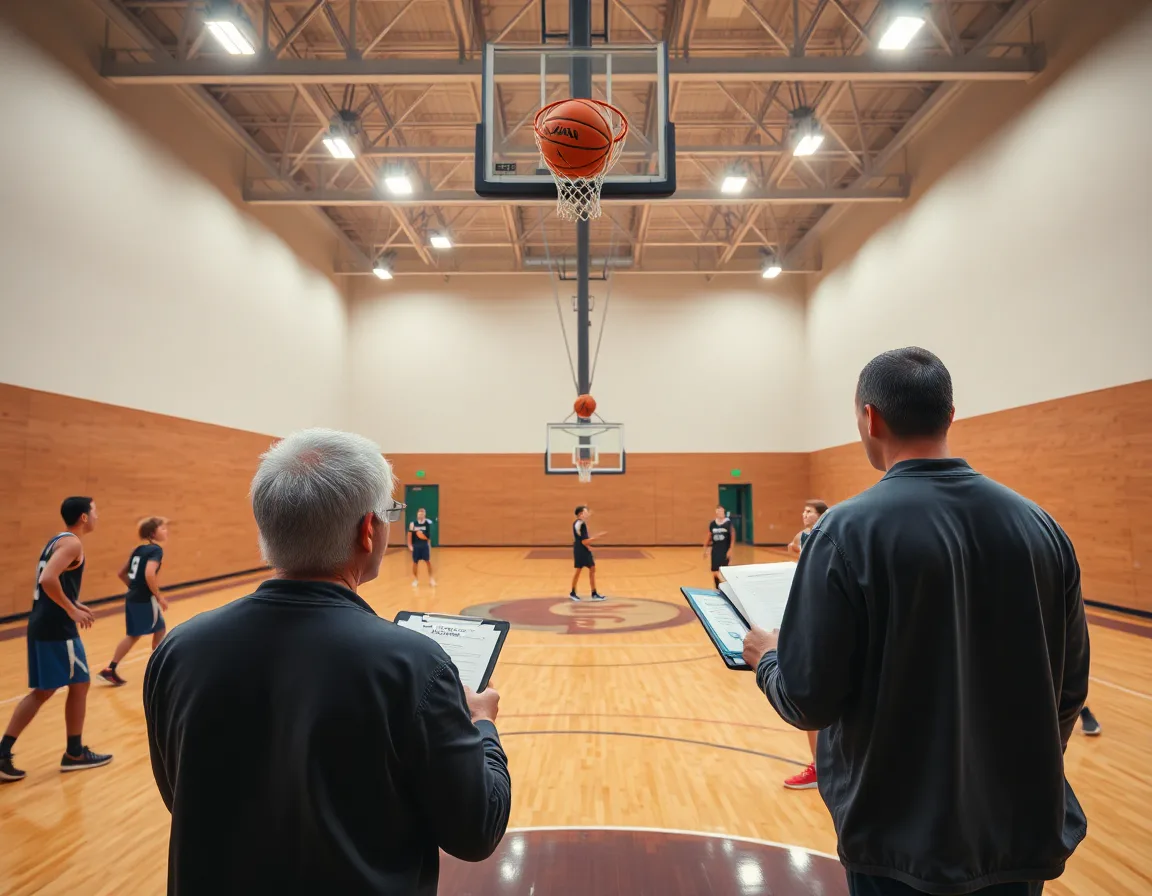
Basketball Shooting Workout: Weekly Plan
Coach-focused basketball shooting workout: create a concise weekly plan with progressive drills and video clips to turn technique into game-ready shots.

Key takeaways
- Start with a quick assessment and pick two to three target spots each week.
- Structure the week as three focused sessions plus a light review day, prioritizing high quality reps.
- For most youth players, aim 150 to 300 purposeful shots per workout and track one clear metric.
- form shooting and footwork near the rim, with one and two hand variations.
- Day 2 adds distance and off the pass shots, with on the move sequences to simulate game rhythm.
- Day 3 closes the loop with finishing sequences, game pace feels, and incremental targets from each spot.
Framework for a weekly basketball shooting workout
This weekly basketball shooting workout framework is the spine of your practice plan. Start with a quick assessment to pick two to three target spots each week. Structure the week as three focused shooting sessions plus a light review day. Warm up with near rim form shooting to reinforce mechanics and balance. Prioritize high quality reps over quantity, aiming for consistent form before distance progression. Set clear weekly targets and track progress between sessions. In CourtSensei you can drop this into a training plan, pull drills from the drill library, and assign video playlists and PDF playbooks to keep staff aligned and drills organized.
On the floor make the plan actionable. Session 1 focuses on form shooting and footwork at the rim, using one hand and two hand variations as needed. Session 2 shifts to catch and shoot and targeted spot shooting from identified areas, with a quick progression to catch and release rhythm. Session 3 mimics game pace with rhythm and a finish, still prioritizing quality over speed. Each session links to a short video clip in the coaching workspace and uses the drill library to keep reps organized. End the week with a light review day to compare results and adjust targets for the next cycle.
Ground the week in practical shot volume. For most youth and high school players, 150 to 300 purposeful shots per workout is effective, with most of the reps coming from the three weekly sessions and the review day. This aligns with the idea that structuring and progression matter more than sheer volume. Keep a single, clear metric for each spot and confirm improvements before you push distance or speed.
The best basketball shooting practice is structured and progressive. Breakthrough Basketball shooting drills
Progressive drill sequence to build rhythm
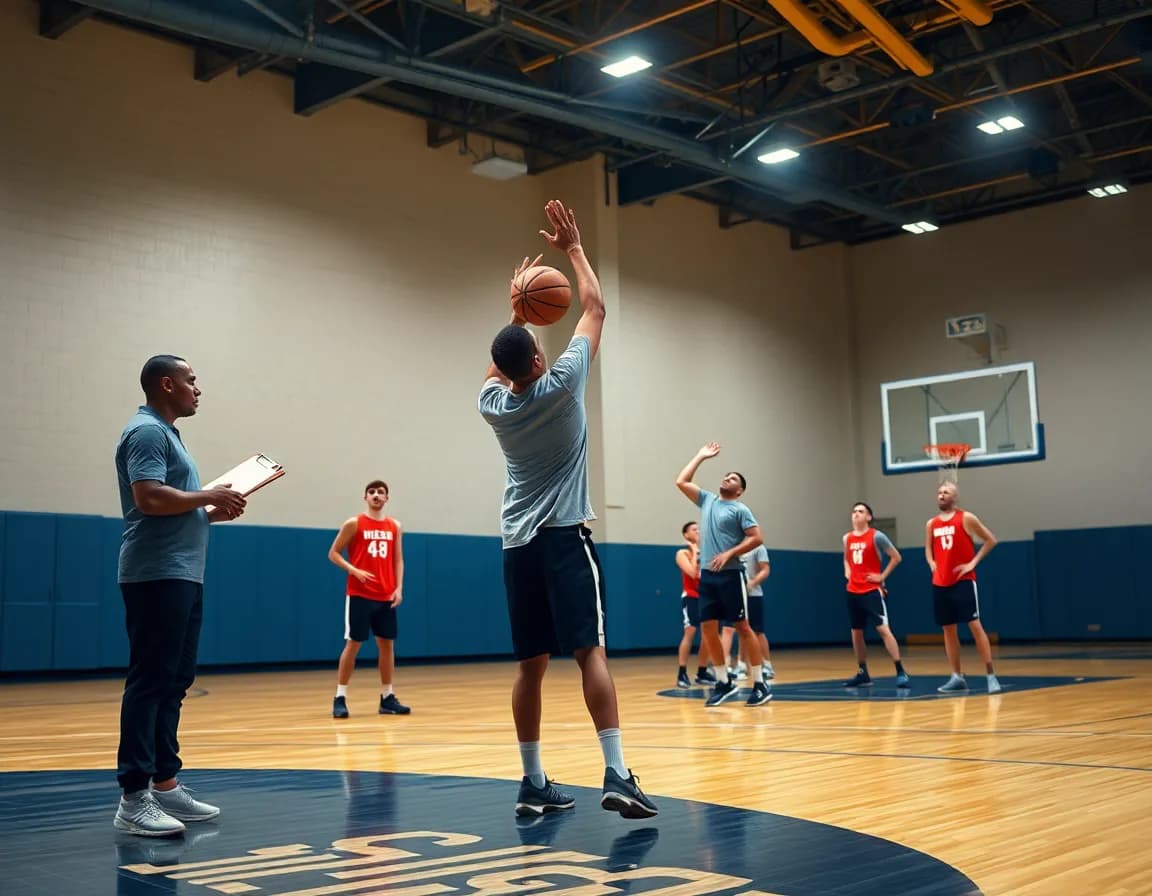
Progressive drill sequences help a staff build rhythm over a week. Day 1 centers on close range form shooting and catch and shoot reps with a controlled release. According to the Solo Basketball Shooting Workout for Beginners, "Begin close to the rim, make a target number with repeatable form, then add self passes, one dribble pullups, layups, and free throws". Solo Basketball Shooting Workout for Beginners. This approach keeps shots repeatable, builds muscle memory, and creates a baseline to extend distance and a one dribble finish later in the week. In your coaching workspace, map these days into a training plan, link a drill library video for proper form, and attach a PDF playbook to keep staff aligned.
Day 2 ramps up the workload. Add distance to spots and incorporate off the pass shots to simulate game rhythm. Focus on spot shooting as the anchor and keep the pace steady to maintain a smooth release. Pair these reps with a few on the move sequences to reinforce catching and shooting under pressure. In CourtSensei, attach a video playlist that demonstrates footwork and shot preparation, and export a concise PDF playbook so staff can follow the same sequence during practice.
Day 3 closes the loop with a finishing touch. Finish with pressure free routines and game like shooting sequences under basic defense cues. Use incremental targets, such as a set number from each spot, to build rhythm and confidence without overload. The core progression markers remain balance, footwork, and a smooth, repeatable release as the week culminates in a true game speed feel.
Video and clips: reinforcing mechanics
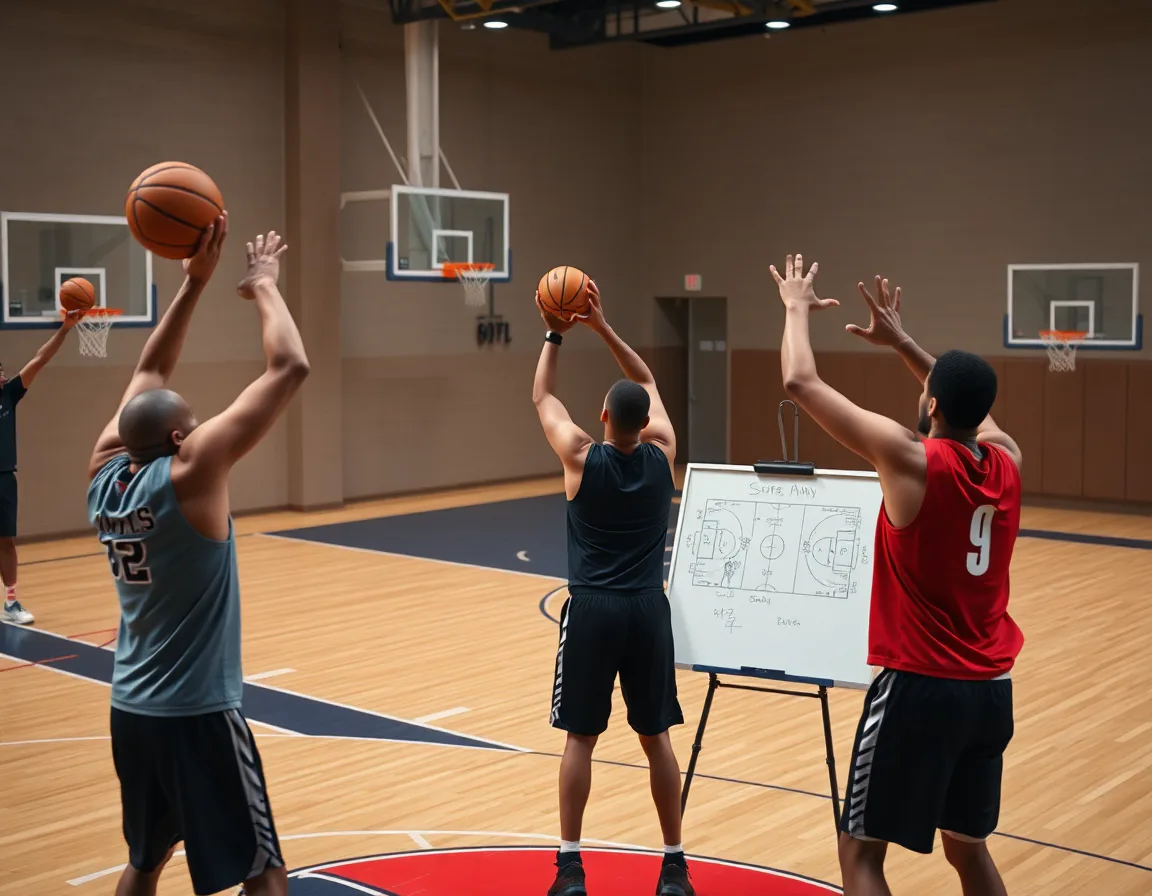
Your video for shooting library and clips are a core tool in reinforcing mechanics during your weekly plan. Upload practice clips to capture form and footwork for reference after each session. This creates a visual baseline you can return to when you run drills like form shooting or one hand form shooting. Keep clips organized by drill to avoid chasing scattered footage.
From there, create short playlists that group similar drills (form shooting, spot shooting, catch and shoot) for quick reviews between sessions. A quick pre practice review can pull up the same playlist and refresh the cue list before you start the drill block. These playlists let staff focus on core shooting mechanics without hunting through long clips.
Use clips to reinforce cues like balance, elbow placement, and follow through without relying on automated analysis. Let the video be a reference for what good rhythm looks like in the pocket and on the release. When you label clips by drill type and known cues, it becomes a tangible teaching aid during in season cycles. Emphasize shooting form and footwork as the anchors for each clip.
Share select clips with staff using read only links to align on technique. This keeps everyone on the same page as you rotate through form shooting, catch and shoot, and spot shooting blocks. Tying a few clips to the PDF playbook or scouting notes helps keep the weekly shooting plan cohesive and easy to reference during staff meetings.
Drill library and playbook for reusability
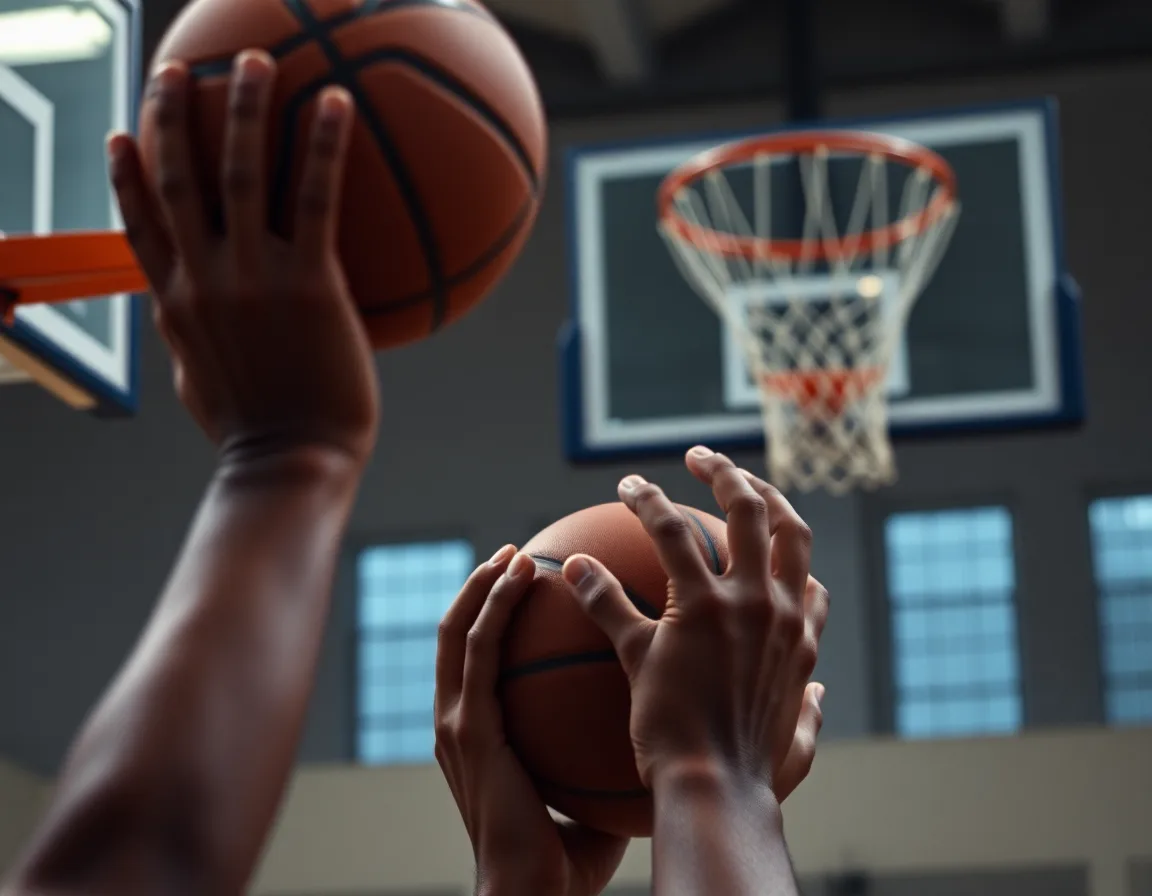
Think of your weekly shooting plan as a living drill library. In CourtSensei's coaching workspace you can organize drills by skill, location, and progression level to build a cohesive system. Tag options include form shooting, catch and shoot, and spot shooting, placed by elbow or wing. A short video clip can show the path from feet to hands before players step onto the floor.
From there you export practice plans or playbooks as PDFs for team wide sharing and printing. The PDF export keeps everyone on the same page, while playbooks map weekly focuses and keep drills aligned when time is tight.
Link drills to scouting notes or game prep material to connect technique with decision making. Attaching a drill to a scouting entry helps players see why a move matters in live action. For example, a Mikan drill or catch and shoot sequence can tie to scouting notes about closeouts, guiding practice decisions.
Reuse and remix drills across weeks to maintain freshness while preserving progression. The same fundamentals can be rebuilt with different movement or cues. In the weekly plan you pull a drill from the library, set it on the tactical board, and attach a video playlist to reinforce the steps.
Practical workflow step plan train review
Step 1 Plan. Outline a 1 week shooting plan with 3 sessions and target outcomes. In CourtSensei, assemble this plan in your coaching workspace to support your workflow, pulling from the drill library focused on form shooting, one hand form shooting, catch and shoot, spot shooting, and the Mikan drill to address rhythm and release. Attach a video playlist that demonstrates the correct form and a PDF playbook for assistants. Set clear target outcomes for each session so staff can stay aligned when the week begins.
Step 2 Train. Conduct sessions with emphasis on quality reps and correct mechanics. During each session, run a sequence that stresses the shooting release and proper footwork. Use short video clips to reinforce technique and keep a quick cadence between reps. Keep the playbook updated with what was practiced and link back to the relevant clips and drills so staff can stay on the same page.
Step 3 Review. Analyze outcomes, note persistent misses, and adjust the next week's plan. Review clips from each session, identify recurring issues on spots like form on catch and shoot or rhythm in spot shooting, and capture quick notes in the coaching workspace. Share a read only link to the week's highlights so assistants can reference the findings without back and forth.
Step Implement. Refine targets and drill selection based on feedback and data from the week. Update the training plan and choose new or adjusted drills from the library for the next week, then export an updated PDF playbook to keep staff aligned as practice begins again.
Common mistakes and fixes in shooting workouts
In a shooting workout, one common mistake is rushing the release or stepping too far from balance. The fix is to slow things down and run deliberate reps, focusing on a clean and compact release every time. Tie the pace to a cue set you trust, like soft knees and a square stance, and pick drills from the drill library such as form shooting and catch and shoot to reinforce the rhythm at a controlled tempo. Put a short video clip in the weekly plan to show the correct sequence and keep the staff aligned with the same cues and finish.
Another frequent issue is misalignment of feet and posture, which undermines balance and rhythm. The remedy starts with a solid stance: feet shoulder width apart, toes pointing where you want to shoot, chest over the front foot, and shoulders square to the rim. Work footwork drills from the library, repeating them in the warmup and again in the mid workout to ingrain symmetry. Use a quick scouting note afterward to verify alignment in practice and adjust the plan in the playbook as needed so every shooter follows the same path from form shooting to spot shooting.
A third pitfall is inadequate finishing with a held follow through, which chops consistency. Build finish work into the end of each cluster of reps: hold the follow through for a beat, keep the arc smooth, and transition immediately to the next rep. Pair this with dedicated finish sequences in the video playlists and in the PDF playbook, so the cadence is preserved from one drill to the next, from form shooting through to Mikan drill variations and one hand form shooting. By linking these fixes to the weekly shooting plan, you keep the flow clear for the staff and the players.
FAQ
What is the best way to structure basketball shooting practice?
Think of a weekly framework: three focused shooting sessions plus a light review day. Start near the rim with form shooting to reinforce mechanics and balance. Prioritize high quality reps over volume and set a clear target for each spot. In CourtSensei you can drop this into a training plan, pull drills from the drill library, and assign video playlists and PDFs to keep staff aligned. End with a quick reflection on what felt better this week.
How many shots should you take in shooting practice?
Aim for meaningful volume, not mindless reps. Most youth and high school players benefit from about 150 to 300 purposeful shots per workout, spread across the three sessions plus the review day. Focus on quality over quantity and keep the pace steady enough to maintain good mechanics. Track progress against a clear target for each spot and avoid pushing distance until form is solid.
How often should basketball players practice shooting?
Use a simple weekly cadence: three shooting sessions plus a light review day. That cadence keeps shooting practice consistent without overloading the body. Set weekly targets for each spot and review results between sessions to guide the next cycle. CourtSensei can help you map days into a training plan, link drills, and keep everyone aligned.
What are good shooting practice drills for guards?
Good guard drills mirror the weekly plan: start with form shooting near the rim, then progress to catch and shoot from identified spots, and add on the move sequences as you can handle it. Emphasize rhythm, balance, and a repeatable release. Tie drills to video playlists in your coaching workspace and export a concise PDF playbook to keep staff on the same page.
What's the difference between shooting practice and shooting workouts?
Shooting practice is the technique work you do within a session to reinforce rhythm and mechanics. A shooting workout is the broader, progressive weekly plan that stacks days, targets, and volume toward game-like speed. Use a progression that starts close to the rim and moves outward, with a clear metric for each spot. CourtSensei helps you organize methods and link clips and PDFs.
Should I count makes or attempts?
Choose one primary metric for each spot and stay with it across the week. The weekly plan emphasizes targets and progress between sessions, so track attempts or makes based on your chosen metric. Keep it simple, and let the KPI drive adjustments rather than piling on counts. This keeps reps focused and aligned with the plan.
How many shots should a beginner take?
Begin close to the rim and build a target number with repeatable form. Start with a manageable volume and let mechanics dictate pace, then add distance later. The Solo Basketball Shooting Workout for Beginners recommends this approach to establish a baseline. Map days into a training plan and attach a drill video to reinforce repeatable form before you move out.