Basketball Shooting Games for PE: Weekly Plan
Coach-friendly guide to weekly shooting games for PE that build form, speed, and pressure. Structure warm-ups, stations, and finishers with a practical workflow.

Key takeaways
- Define a clear weekly shooting objective to guide drills, motivation, and accountability.
- Choose 2-3 shooting games aligned to that objective to drive consistency weekly.
- Structure sessions as warm-up, stations, and a finish to promote flow and consistency.
- Leverage a coaching workspace to plan, visualize, and share drills with staff.
- Document the circuit in your plan library for reuse across weeks easily.
Why weekly shooting games matter for your program
As a head coach or assistant, a weekly set of basketball shooting games for PE gives you a clear target. Establish a weekly shooting objective that targets form, speed, and pressure handling. This sets the tone for the week and guides which drills you pull into the plan. With a consistent objective, players know what to chase, whether it’s improving eyes on target, sharpening the release, or dialing in the follow-through under fatigue.
Use a mix of games to reinforce technique and decision making. For example, cone shooting drill to work on footwork and rhythm, knockout to encourage pressure scenarios, and around the world to build balance and range. Each game can emphasize different reads and choices—when to shoot with a high release, how quickly to reset, or how to attack a close-out.
Structure sessions as warm-up, stations, and a finish to promote consistency and accountability. A simple flow keeps players focused and coaches aligned: quick warm-up to get loose, shooting stations that drill form and speed, and a final finish that caps the session with a competitive pulse.
Leverage a coaching workspace to plan, visualize, and share drills with staff. CourtSensei’s training plans library, drill library, and coaching workspace enable you to plan, visualize, and share drills with your staff. Video and playbooks come together in one system to support a coach’s weekly workflow, helping you map a complete plan—from shooting form cues to a concise playbook for each session.
Designing a PE-friendly shooting circuit: warm-up to finisher
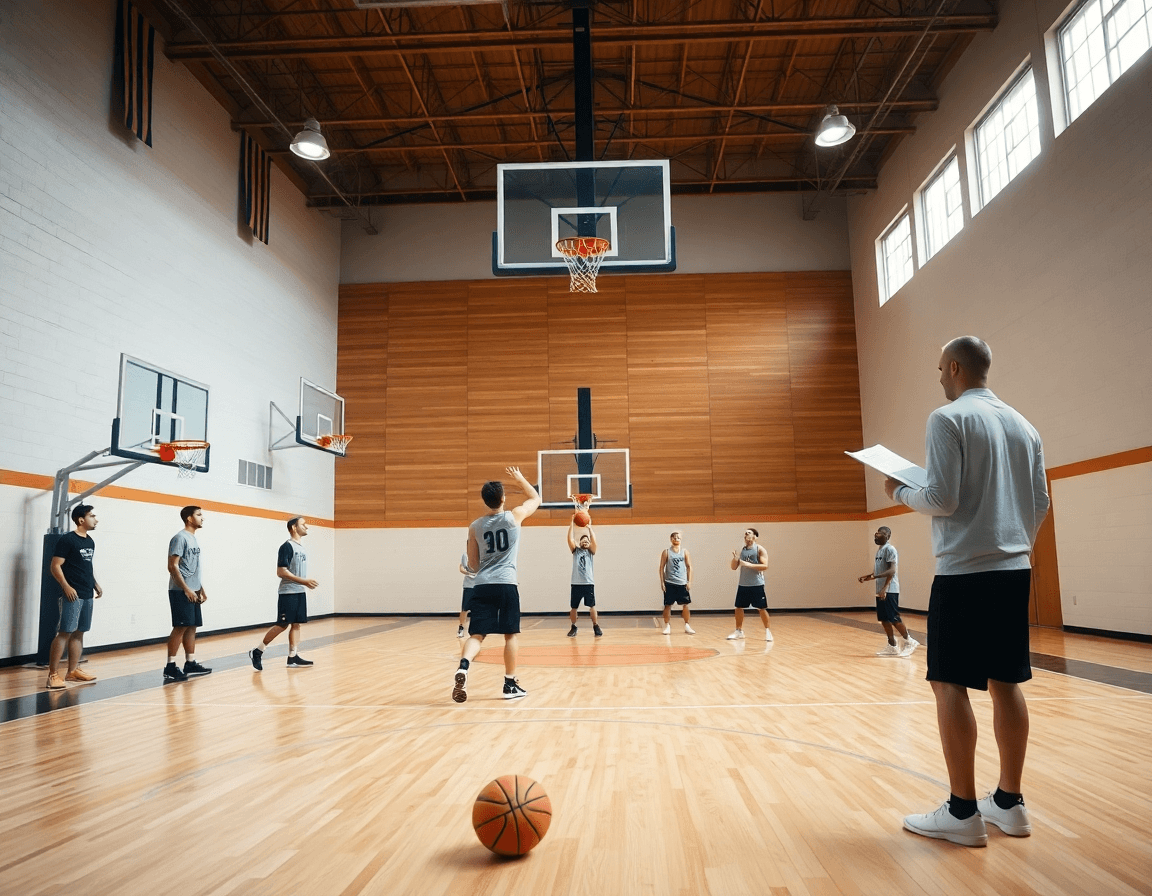
Designing a PE-friendly shooting circuit starts with a clean layout. In a typical plan for basketball shooting games for PE, set up a 3–4 station circuit around the gym floor with cones and poly spots, and aim for one ball per student when possible to maximize reps. A basketball warm up game can flow into station work, keeping athletes moving and engaged while you assess form and movement patterns. In CourtSensei’s coaching workflow, you can attach diagrams and video clips for each station and store the circuit in your weekly plan.
Progressions and safety matter more than flash. Scale by age, slow things down for beginners, and keep rebounds efficient so practice stays safe and under control. Emphasize proper form before power, with cues on feet, alignment, and follow-through. In your weekly plan, note which stations are easier or harder to match your roster.
Example station ideas keep the circuit fresh: simple shooting from varied spots; finishers to close the sequence; and quick-reaction shots off a partner pass. Each station should be quick to set up and easy to rotate, with a clear objective and a tight time window. This keeps the flow close to a real practice tempo.
Document the circuit in your plan library for reuse across weeks, so you can copy-paste the same PE circuit into future weeks with minor tweaks. Attach a short video clip for demonstration at each station and save a read-only link to share with substitute coaches or staff. In CourtSensei, pull these stations from the drill library, assemble in your coaching workspace, and reuse the circuit in your workflow.
A Practical Weekly Workflow: 5 steps to plan shooting games
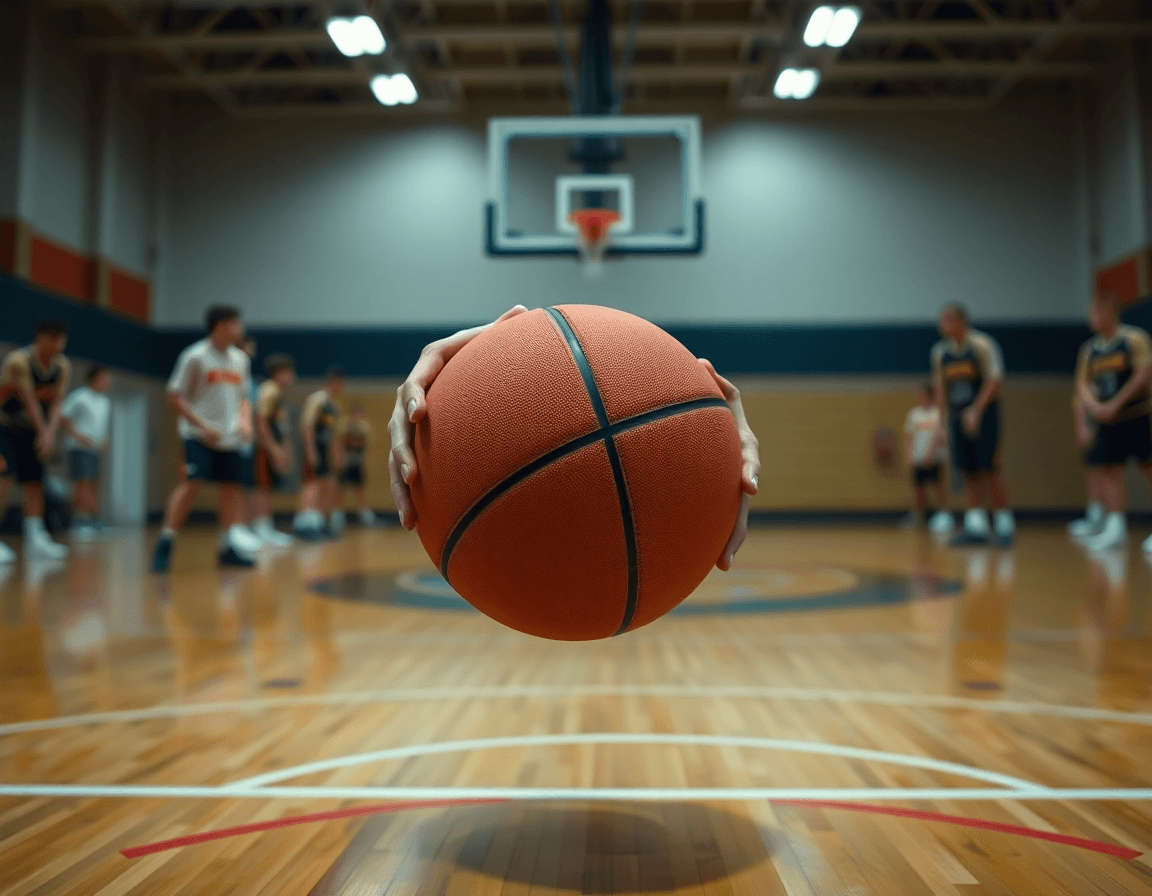
A practical weekly workflow helps you plan the basketball shooting games for PE with clarity. Step 1: Set the weekly objective, such as improving shooting form while boosting speed under pressure. In your coaching workspace, map this objective to a few options—end-of-class finisher and a quick team shooting competition—that fit your plan for the week.
Step 2: Choose 2–3 shooting games aligned to the objective. Pick 2–3 shooting games to build the week around. Options include a cone shooting drill, a basketball warm-up game, and a sequence of basketball stations that rotate through form cues and finish sequences.
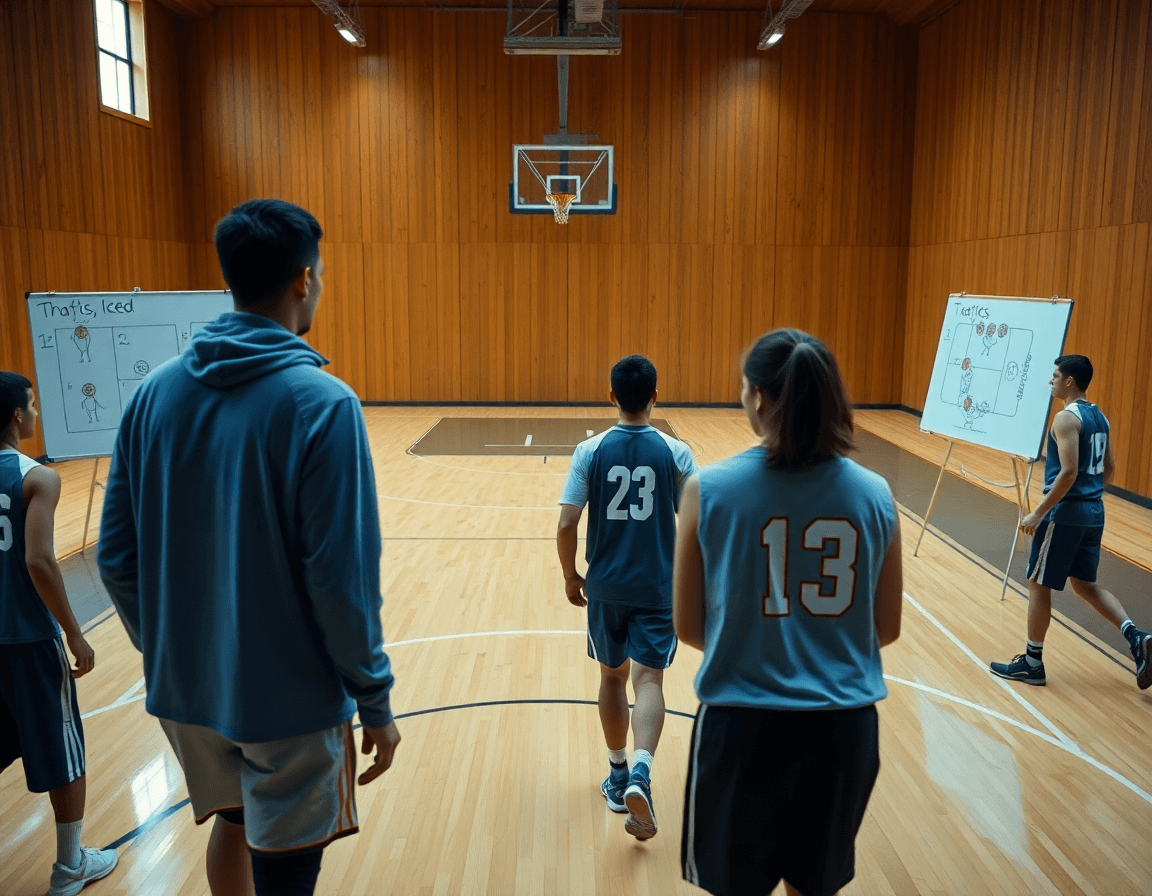
Step 3: Map them into a time-structured plan using the training plan library. Set the flow, durations, and transitions so the class runs tight. The training plan library helps map the sequence into a coherent time-structured plan that players can follow, with the drills linked into the playbooks for easy reference.
Step 4: Prepare demonstration videos or clips for coaching staff. Add a short demonstration videos or clips to illustrate technique and cues, so assistants know exactly what to cue during each station or game.
Step 5: Review outcomes, adjust for next week, and store notes in the coaching workspace. After class, review what clicked and what didn’t, refine the plan, and store notes in the coaching workspace for the next cycle. This keeps the week’s shooting form, under-pressure reps, and progress visible in one place.
From drills to playbooks: organizing into a weekly plan
As you map your weekly routine into basketball shooting games for PE, start with the drill library. Pull a mix of options—the cone shooting drill for spacing and quick angles, and multi-spot shooting patterns that challenge reps from different spots. This ensures your plan covers form, shot mechanics, and competitive pacing across elementary through high school PE. In the plan, you’ll sequence the warm-up, skill work, and a short competitive block, then wrap with a quick debrief so players connect the drill to real-game decisions on the court.
After selecting the drills, compile them into a single playbook that maps the week: daily blocks, durations, and coaching cues. Link each drill to a video demonstration and build playlists so players can review shooting form and routines between sessions. When you’re ready, export the plan as a PDF export to share with assistants or substitute coaches, keeping everyone aligned on expectations, tempo, and targets. This keeps the weekly schedule clear, from warm-up to final shooting drill in your PE basketball stations.
Finally, use the coaching workspace to connect actions, clips, and scouting notes. Tie each action to a clip and a scouting note about opponent tendencies or game prep, so you don’t lose context as the week evolves. The weekly plan becomes a living document—adjusting drill emphasis, updating playlists, and refining the playbook as you progress through multi-spot shooting sessions and team shooting competitions. For practice variety, you can also weave in basketball warm up games and shooting drills that suit different levels of players.
Video as a tool for technique and weekly review
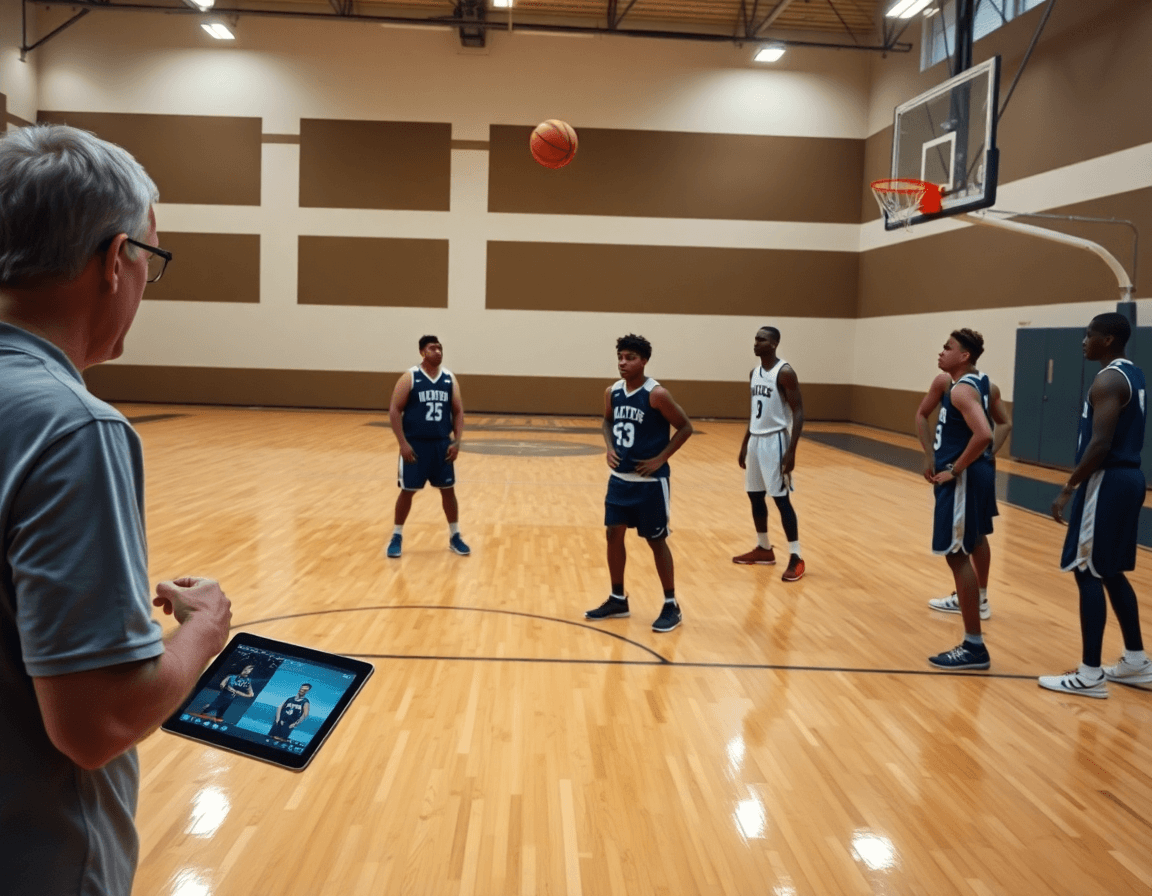
In your weekly plan for PE, basketball shooting games for PE become the framework for technique work. After a cone shooting drill, you capture a quick video that shows stance, release, and follow-through. That clip becomes the baseline you review during warmups and in the week’s shooting progression.
With upload demonstrations, you can clip key cues and assemble playlists for quick reference. Through clip editing, you can trim to emphasize footwork, elbow alignment, or release height. Group these into playlists for different skill levels or PE basketball stations, so staff can run a station with clear cues and a consistent tempo.
Create read-only links to share demonstrations with assistants or staff. Use the coaching workspace to connect video demonstrations to the weekly plan, keeping everyone aligned on cues and progression. This approach supports a steady, repeatable workflow across cone shooting drill variations, a team shooting competition, and other shooting activities in the week’s plan.
Use video reviews to reinforce technique without promising automatic analytics. A quick review after practice can confirm that shooters are keeping hips square to the basket and maintaining a proper shooting pocket. Keep it practical: focus on notes and cues, not scores, to guide the adjustments and maintain a steady pace through the week.
Scouting and game-prep notes aligned to shooting drills
As you map your weekly shooting plan, ground it in scouting reports about opponent actions and tendencies. Tailor your shooting games to exploit those cues, so drills emphasize the exact pressure you expect in games. In this workflow, scouting notes become the lens through which you prioritize reps and decision-making.
Link the scouting materials to the drills in your plan library for quick access during prep, so you can pull a cone shooting drill or a basketball warm up game that targets the way defenders close out on catch-and-shoot attempts. This keeps your weekly routine cohesive and focused on game-prep notes.
On the court, map each drill to its scouting context. For example, if the notes indicate aggressive closeouts on the wing, select the cone shooting drill and a short video clip that emphasizes shooting form and catch-and-shoot rhythm. Keep a quick scouting reference handy so you can adjust sequences mid-session.
After the session, document drill outcomes for game prep without implying automated analytics. Jot qualitative notes on which reps looked clean, where timing worked, and how the opponent actions shaped decisions. Link these outcomes back to the plan library so the next week’s shooting focus remains connected to your scouting and prep notes.
Safety, scaling, and inclusivity across ages
Safety tips set the floor for any basketball shooting games for PE. Use age-appropriate progressions and clear space to ensure safe play. In the weekly plan, every drill and playbook page should spell out the space needed, movement corridors, and the next progression for groups. Picture a gym where cones define lanes, mats are tucked away, and rules keep players from crowding the rim. This approach keeps players in control and focused on correct technique rather than chaotic reps.
Prioritize form and controlled shots; minimize contact and risk of injury. A simple cone shooting drill can guide players from short-range to mid-range, reinforcing footwork and shooting form between reps.
To support scaling across ages, provide inclusion options for mixed-age groups and rotation of stations to balance workload. The weekly plan can offer parallel tasks: younger players work on shooting form at a low target, older players tackle a tougher target or a team shooting competition at a longer arc. Use PE basketball stations to keep activity varied and safe, and track the rotation so no group feels overworked.
FAQ
How should I structure a weekly shooting games plan for PE?
Start with a clear weekly objective focused on form, speed, or pressure handling. Structure the week around a warm-up, shooting stations, and a short finisher. In your coaching workspace, map the objective to a few options—end-of-class finisher and a quick team shooting competition—that fit the week. Use the training plan library to time each segment and link drills to your playbook for quick reference.
What shooting games should I include to reinforce technique and decision-making?
Include a mix of games that emphasize technique and reads. Try a cone shooting drill to build footwork and rhythm, a Knockout variation to encourage pressure and quick decision-making, and a multi-spot sequence like around the world to challenge range and balance. Each game reinforces cues and reads you want players to translate into game-like shots.
How many stations should a PE shooting circuit have?
A practical circuit uses a 3–4 station circuit around the gym. Aim for one ball per student when possible to maximize reps, with quick transitions between stations. Keep sets short, emphasize form first, and use cones and poly spots to structure angles. This setup sustains tempo and lets you observe technique across players.
How can I plan and share a weekly shooting plan with staff using CourtSensei?
Plan in the coaching workspace and pull drills from the drill library to build a coherent week. Attach demonstration videos, map each drill to the playbook, and organize the sequence into a PDF export for substitutes. This keeps staff aligned and makes the weekly shooting plan easy to review without chasing notes.
What does a practical weekly workflow look like for shooting games?
A practical workflow follows five steps: set the weekly objective, choose 2–3 shooting games, map them into a time-structured plan, prepare demonstration videos, and review outcomes for next week. Use an end-of-class finisher to cap the session and keep notes in the coaching workspace. The flow helps players finish with clear cues and targets.
How do I scale shooting drills for different ages without sacrificing form?
Scale by age and skill level, slowing down for beginners and increasing complexity for advanced players. Prioritize form cues and fatigue control over reps. Use the drill library to swap in easier versions or add finishers as needed, ensuring every athlete progresses. Keep feedback consistent and avoid sacrificing technique for speed.