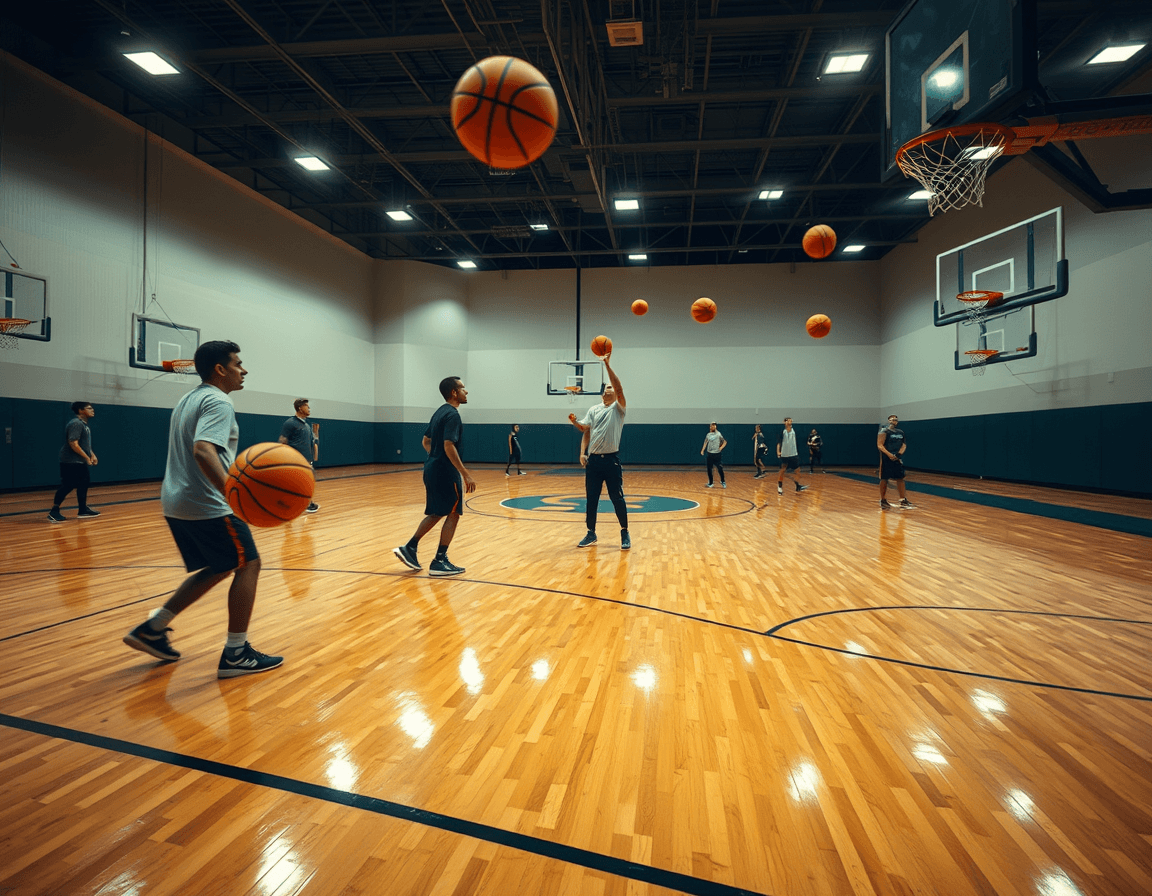
Advanced Basketball Shooting Drills: Weekly Plan
Learn to structure advanced basketball shooting drills into a weekly plan, with progressive sequences, video support, and a coaching workspace.

Key takeaways
- Day 1 centers on form shooting and balance; establish a repeatable arc, stance, and rhythm.
- Day 2 builds shot texture with spot shooting across multiple spots; reinforce catch and release from corners and wings.
- Day 3 adds off-the-dribble reps; emphasize balance, footwork, and quick gather before release.
- Day 4 integrates catch-and-shoot on the move; emphasize spacing, tempo, and quick trigger from secondary passes.
- Day 5 culminates with a Three-Point Circuit; push pace across corners, wings, top, and finish with dead-shot reps.
Frame a weekly progression for advanced shooting drills
Frame a weekly progression for advanced shooting drills by starting with foundational form shooting and footwork, then layering in spot shooting across multiple spots, followed by off-the-dribble and catch-and-shoot under movement. Use the weekly plan to keep progressions clear and the drill library to ensure consistency across sessions. Frame each block with purpose, not just reps, and keep the transitions smooth.
Align each drill with a day in the weekly plan and lean on the drill library to maintain progression, feeding into playbooks coaches can reference during scouting and review. Day 1 centers on form and balance; Day 2 builds shot texture from the spots; Day 3 adds off-the-dribble reps; Day 4 integrates catch-and-shoot on the move; Day 5 closes with a Three-Point Circuit. The cadence ensures rest and reload between heavy sessions.
Within the library, map a progression from Elbow Series to Three-Point Circuit. Start with the Elbow Series to ingrain balance and pocket passes into shots from the elbow; then advance to a catch-and-drive to top of the key and finish with the Three-Point Circuit, pushing pace from corner to wing to top. This transition keeps shooting reps varied but connected.
Set targets for each drill: arc, balance, and release become coaching anchors. Use CourtSensei to link a short video clips to each drill for quick review and keep scouting notes attached to practice for later reference. The workflow you build—diagram actions on the board, attach clips, and reference notes—helps you track progress without turning practice into a metrics sprint.
Note: CourtSensei does not provide AI video analysis or automated performance metrics.
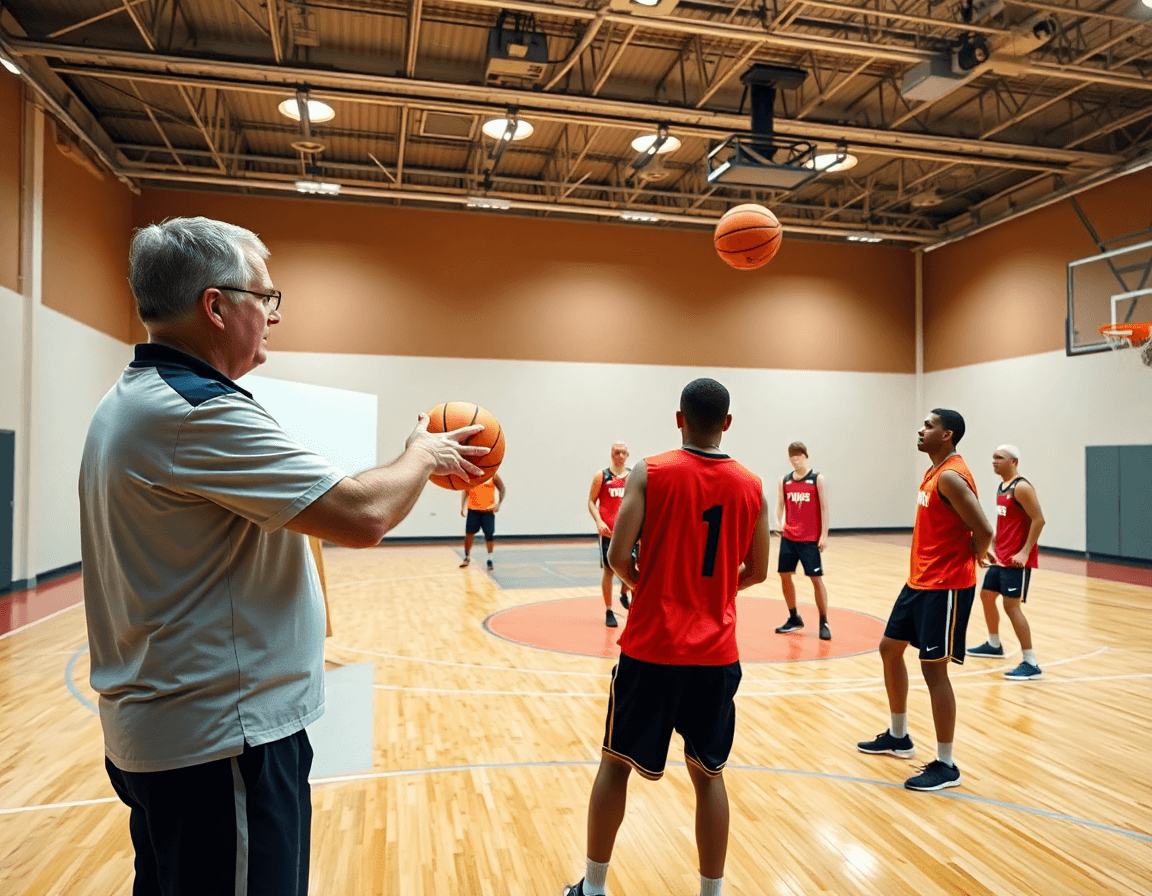
Practical weekly workflow for advanced shooting
This practical weekly workflow shows how to embed advanced basketball shooting drills into a structured week using CourtSensei's coaching workspace. Build a progressive drill library, diagram actions, and assemble playbooks; attach video clips for review, and keep scouting notes linked to practice. Remember: CourtSensei does not provide AI video analysis or automated performance metrics, so the focus stays on deliberate progression, coaching cues, and clear documentation. In a typical cycle, the plan is built once and then reused with fresh drill content for each week, keeping the workflow clean and repeatable.
Draft the week as a 7-day structure: Day 1 Form shooting, Day 2 Spot shooting, Day 3 Off-the-dribble, Day 4 Catch-and-shoot, Day 5 Three-point circuit, Day 6 Transition/fatigue work, Day 7 Review. Use the plan library to create a structured week, drag in drills, and link each drill to a specific day. This is the essence of a 7-day shooting plan and a week-long shooting drill workflow rolled into one.
Export a PDF of the weekly plan for staff or scouting notes, and attach relevant video clips to each day. Have players or assistants upload clips for later review and linkage to the corresponding drills. The PDF export keeps coaching staff aligned, while the linked video clips anchor the practice actions to concrete examples.
To keep it practical, assign daily goals within the plan and review clips in the post-practice window. For a guard-focused week, map a pull-up sequence or a catch-and-drive sequence to Day 6's fatigue work, with a quick scouting note about angles opponents prefer. Use the Elbow Series on Day 3 and the Three-Point Circuit on Day 5 as concrete anchors, each linked to a short video clip and a corresponding drill description.
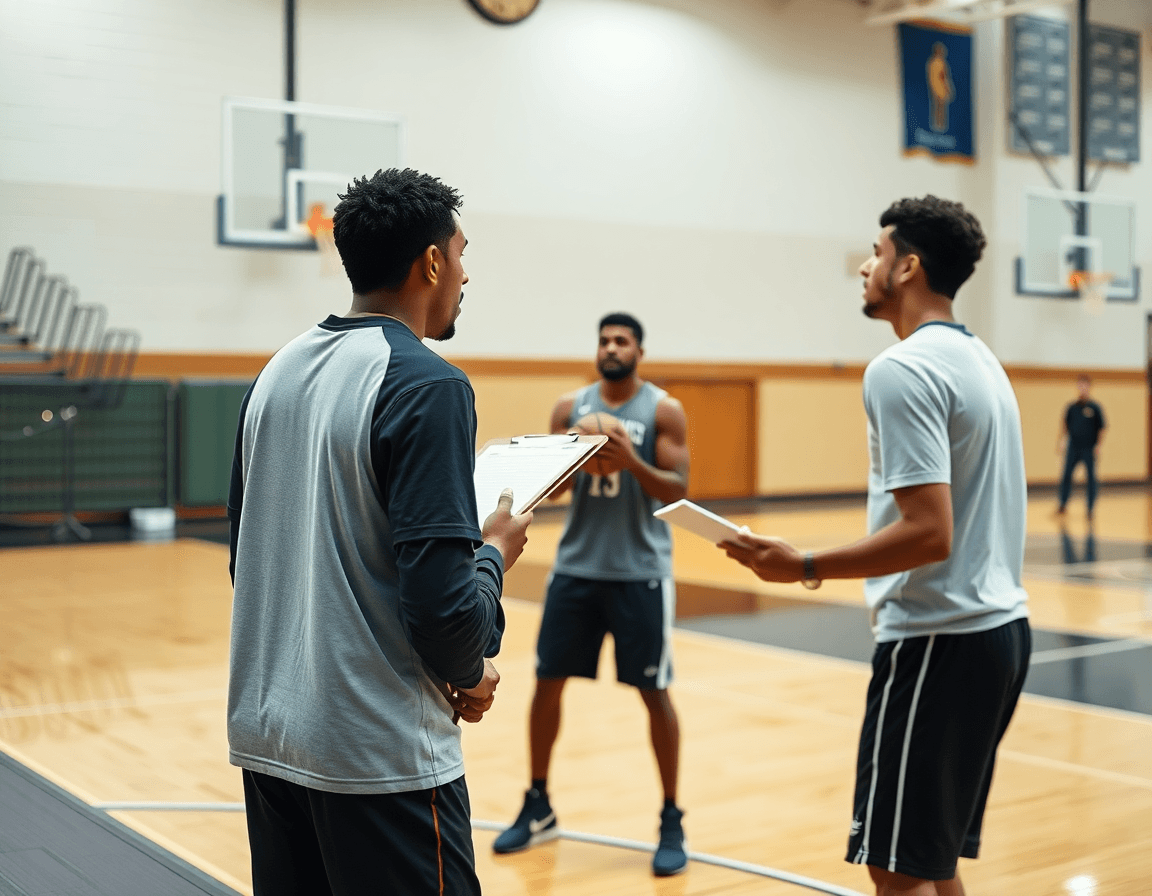
Integrate drills with video: capture, clip, and review
To weave advanced shooting drills into a weekly rhythm, start with a clear video workflow. After practice, upload footage of the key shooting drills—Form Shooting, Spot Shooting, Catch-and-Shoot, and Off-the-Dribble sequences. Trim clips to the moments that show mechanics and decision-making: stance, footwork, balance, release, and follow-through. Organize these clips into playlists tied to each drill so you can pull a specific sequence without hunting through folders. This builds a solid video for shooting drills library, and you can map a Mikan Drill path for touch around the rim and a separate Elbow Series path for mid-range work.
Create sequential playlists to guide review sessions and share read-only links with the staff. Structure the week so players see a clear progression: start with Form Shooting arcs, move into Spot Shooting patterns, then finish with Catch-and-Shoot flows. Use the playlists as a mechanism for targeted reviews during film sessions, and provide a clean, read-only link so assistant coaches can reference the exact drills without breaking the flow. For a structured review, label clips by drill name and stage, and keep the focus on the shot mechanics rather than numbers. This is where the practice of Shooting Drill Video Review comes to life.
Attach video clips directly to drills in the coaching workspace to reinforce mechanics without relying on automated analysis. A short clip after each drill—whether it’s a Pull-Up, an Elbow Series, or a Three-Point Circuit—lets players see precise cues: alignment, hand position, and rhythm. In the plan, connect clips to the corresponding playbook pages, so a coach can pause, rewind, and annotate key moments during a quick staff huddle. This approach keeps the coaching narrative tight: a progressive library of technique clips that travels with the drill, not a generic analytics feed.
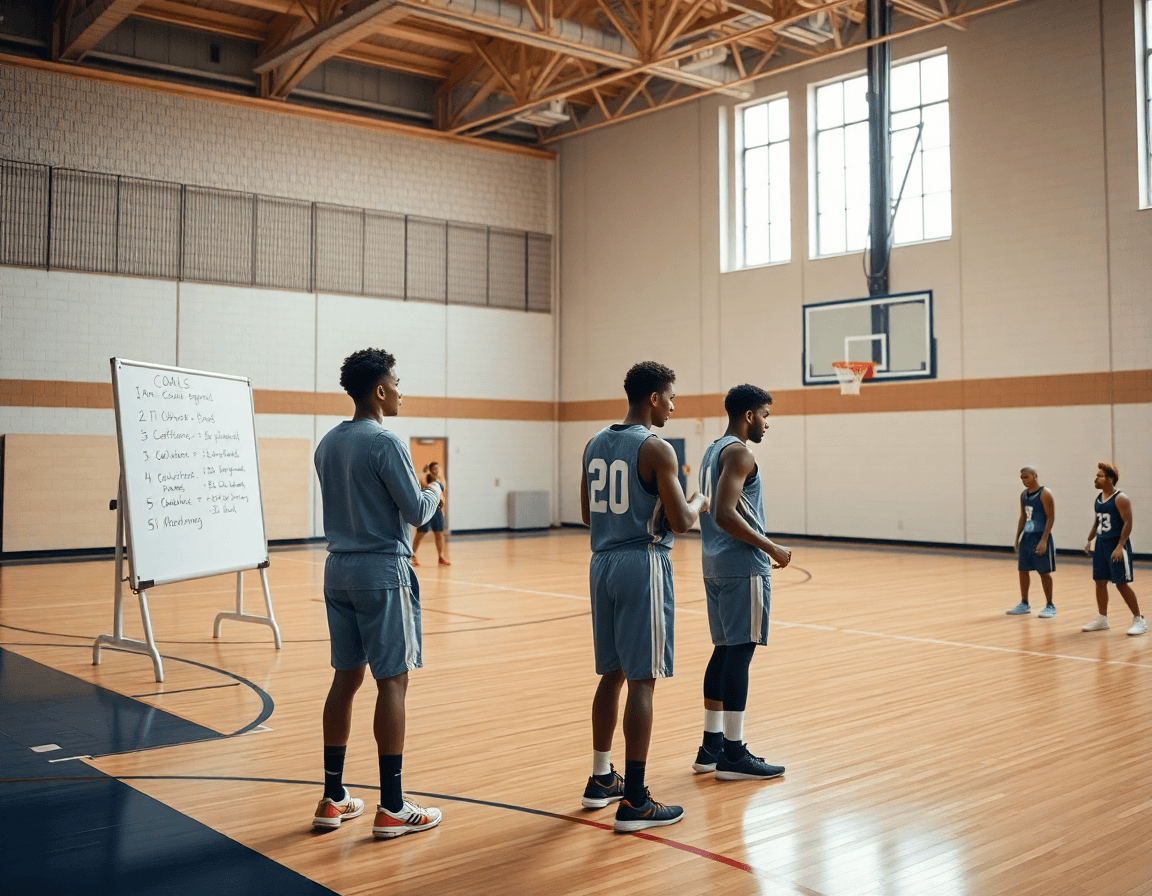
Connect drills to plays and scouting notes
Connecting shooting drills to plays and scouting notes creates a game-ready workflow in your weekly plan. In CourtSensei’s coaching workspace, you can attach a diagram of the play, pair it with a library of shooting drills, and keep scouting notes linked to practice for quick reference during drills. Build a connected coaching node that links drives, drills, clips, and notes in one place.
From there, map each drill to a specific role and shot type in your weekly plan. Tie the Mikan Drill, Form Shooting, Spot Shooting, Catch-and-Shoot, Off-the-Dribble, and Pull-Up sequences to a corresponding play diagram, and attach a short video clip for review. Use the playbooks section to bundle these actions with the scouting notes that describe opponent tendencies.
During practice, pull up the connected node on the board or tablet to remind players how the shot work feeds the game plan. If a defender overplays the drive, instantly reference the linked scouting notes and run the Elbow Series into a targeted Catch-and-Shoot sequence. This keeps the team ready for adjustments and makes scouting for shooting drills more actionable.
Secondary drill examples in the library include the Mikan Drill and Three-Point Circuit, plus classic shooting categories like Form Shooting, Spot Shooting, and Off-the-Dribble. Each entry can be tagged with a quick note on the defense and linked to a play diagram. This is how you build a scalable, game-ready playbook for shooting.
Note: CourtSensei does not provide AI video analysis or automated performance metrics, and this workflow emphasizes human coaching.
Examples of advanced shooting drills to include this week
These are your advanced shooting drills examples for this week. Build a progressive library that mixes finishing twists with mechanics and arc focus. Start with the Mikan Drill for finishing around the basket and touch; pair it with Form Shooting to reinforce mechanics from near the rim through mid-range, then sprinkle in Spot Shooting to build rhythm across multiple spots with consistent arc. Note: CourtSensei does not provide AI video analysis or automated performance metrics.
Next, add Off-the-Dribble and Elbow Series to sharpen versatility from mid-range and from both elbows. The Off-the-Dribble work mirrors creator shots from mid-range and deep spots, while the Elbow Series forces you to create pull-ups from different angles. Include a Three-Point Circuit to build range and rhythm, finishing with a short transition shooting block to mirror sprint-to-shot sequences and keep players honest when the pace picks up.
To integrate, map these into the weekly plan: designate days for finishing, mid-range, and long-range shooting; attach a short video clip for review; diagram actions on the tactical board; keep scouting notes linked to practice. The goal is a cohesive workflow where each drill feeds into the next, with clear checkpoints for technique and consistency across spots, angles, and game-like sequences. Use the library to link related drills, clips, and scouting material so the staff can review in context and adjust the plan as needed. This approach helps you capture what advanced shooting looks like in a structured week, without relying on automated metrics. Bolded terms to anchor memory: Mikan Drill, Form Shooting, Off-the-Dribble, Elbow Series, and references to Video clips and scouting notes in the plan.
Tips to tailor and optimize for your team
A coach building an advanced shooting plan understands every week needs a clear arc. In CourtSensei's coaching workspace you can assemble a progressive library of drills under the umbrella of advanced basketball shooting drills, then tailor them into a compact weekly plan. Use the drill library to map options like Mikan Drill, Form Shooting, Spot Shooting, Catch-and-Shoot, Off-the-Dribble, Pull-Up, Elbow Series, and the Three-Point Circuit. The system lets you diagram actions on the board, attach short video clips for review, and group related drills into a playbook for quick reference. Note: CourtSensei does not provide AI video analysis or automated performance metrics, so reviews stay coach-driven.
To tailor for your roster, focus on customizing shooting drills to fit player level and weekly cadence. Start by adjusting drill difficulty and rep targets, then prioritize the sequence that addresses the team's typical breakdowns observed in games. In the workspace, save notes on what worked and what didn’t, and plan for the next week by linking those observations to specific drills. Build a practical progression: start with Form Shooting and Mikan, move to Spot Shooting and Catch-and-Shoot, then add Off-the-Dribble and Pull-Up reps, and finish with a Three-Point Circuit to test range under fatigue.
Finally, aim for continuity across cycles. Use the coaching workspace to store scouting notes tied to the practice and to attach clips for future review. When a pattern emerges in sessions—low finish at the rim, hesitation on pull-ups—adjust the plan and push the corresponding drills earlier in the week. Save the plan as a PDF or shareable playbook, and keep related scouting material linked to the practice. The result is a scalable, weekly framework that grows with your team while keeping the focus on the art and rhythm of shooting.
FAQ
What is the Mikan Drill, and how does it fit into an advanced shooting plan?
The Mikan Drill is a rim-focused finishing drill that develops touch around the rim and strong one-handed finishes. In an advanced weekly plan, it serves as a finishing drill that connects mid-range work with rim work, often paired with the Elbow Series to build a complete arc. In CourtSensei, you can map a Mikan path in the drill library and attach a video clip for review. Note: CourtSensei does not provide AI video analysis.
How many basketball shooting drills should I run in a single practice?
A coach should aim for a focused, progressive block rather than sheer volume. Use a structured weekly plan to sequence blocks—form shooting, spot shooting, off-the-dribble, catch-and-shoot, and the Three-Point Circuit—then lean on the drill library to keep progression consistent. The emphasis is coaching cues and smooth transitions, not numbers. CourtSensei does not provide AI analysis or automated metrics.
What is the best basketball shooting drill for beginners?
For beginners, start with form shooting to build balance, proper stance, pocket pass, and a clean release. Progress to basic spot shooting from close range to develop rhythm. The goal is to establish reliable mechanics before adding movement. In CourtSensei, attach clips and coaching cues to each drill to reinforce technique; no AI analysis occurs here.
How long does it take to improve shooting with drills?
Improvements come with consistent, deliberate practice and a clear progression. Most coaches note steady gains across a multi-week period when you anchor sessions to a weekly plan and a linked drill library. Players begin to feel better balance, rhythm, and release. CourtSensei does not provide automated performance metrics or AI video analysis.
Can you practice basketball shooting drills alone?
Yes. A coach can design solo sessions that emphasize form shooting, spot shooting, and on-the-move reps, with a clear plan and daily goals. Use the drill library to assemble the sequence, attach relevant video clips for self-review, and keep scouting notes linked for later reference. CourtSensei does not provide AI video analysis.
How can you simulate game pressure in shooting drills?
You simulate pressure by adding fatigue, time constraints, and game-like defensive cues within the drill sequence. Create sequences that require decision-making under fatigue, run shot-clock-like reps, and finish with game-like catch-and-shoot under movement. Attach notes and clips to review later; keep the focus on mechanics and coaching cues, not raw numbers. CourtSensei does not provide AI analysis.
What are the key components of form shooting?
Key components include form shooting basics such as stance, balance, footwork, pocket placement, hand position, release timing, and follow-through. Emphasize a consistent arc and a quiet off-hand. Coaching tips attach to drills in CourtSensei, and you can review clips to reinforce mechanics without relying on automated metrics. CourtSensei does not provide AI analysis.
How does spot shooting work and what's a typical round?
Spot shooting targets multiple spots around the arc in a defined sequence from close to far. A typical round rotates through left, right, top, and wing locations with focused emphasis on rhythm and repeatable release. Pair each spot with a short clip and coaching cue in your drill library. CourtSensei does not provide AI analysis.