Advanced basketball drills for guards
A coach’s weekly guide to advanced basketball drills for guards, with a structured plan, video workflows, and scouting prep to sharpen decision making.

Key takeaways
- Design a weekly cycle that translates advanced basketball drills for guards into game-ready reads and actions.
- Structure sessions by reads: simple dribbles evolve into decisions on ball screens and late-clock reads.
- Link drills to a shared playbook and video clips so staff can review guard-focused drills with one click.
- Cap weekly plan with a five-day sequence: ball handling, off-the-dribble shooting, defense, and decision-making.
- Use video workflows to consolidate reps into game reads, so late-game decisions become automatic.
Why guard-specific advanced drills fit a weekly cycle
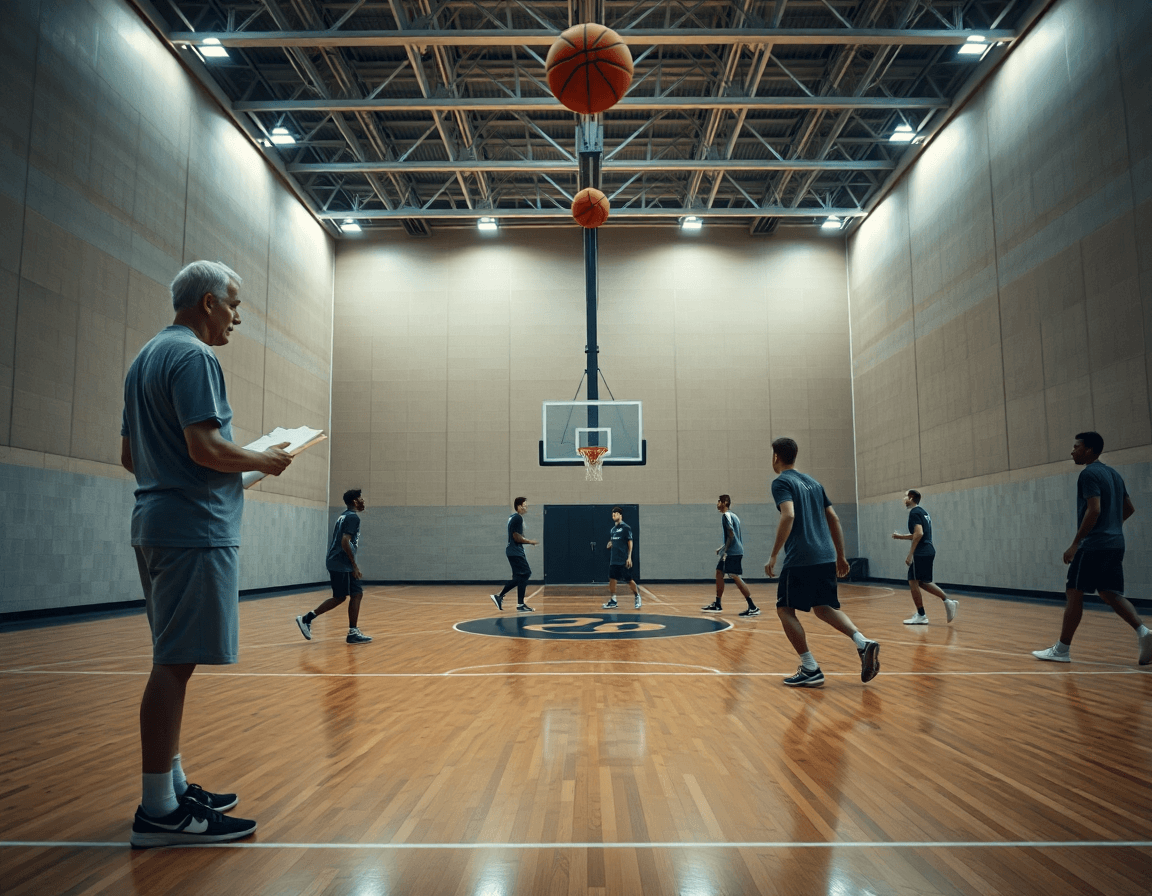
Guard development hinges on a tight, skill-rich cycle. You focus on advanced basketball drills for guards, covering ball handling drills, off-the-dribble shooting, on-ball defense, and decision-making under pressure. Using a weekly cycle keeps progress visible and accountable. The aim is to translate each drill into a game-ready read—something a guard can carry into ball screens, late-clock situations, or in-transition drives—without getting lost in a scattered routine.
Progression should mirror reads from real games: simple dribble tests evolving into reads in ball-screen actions, and late-clock decision-making under pressure. A time-structured training plan makes it easy to sequence reps: start with ball handling, layer in shooting off the dribble, then add decision points. Across the week, you map each drill to a read you want the guard to make, so the cycles compound toward concrete outcomes.
Linking drills to a shared playbook accelerates implementation. With a library of guard-focused drills and a playbook builder, staff can map actions, export PDFs, and keep a single source of truth. Video workflows let you upload clips, clip highlights, organize playlists, and share read-only links for quick reviews—keeping scouting notes and game prep inside the coaching workspace.
Example week (guard-focused): Day 1 ball handling circuit; Day 2 shooting off the dribble and catch-and-shoot reads; Day 3 on-ball defense and late-clock scenarios; Day 4 ball-screen reads and decision-making under pressure; Day 5 video review and scouting notes. The workflow on CourtSensei ties drills to actions, clips, and planning in one place.
Designing a 5-day guard development week
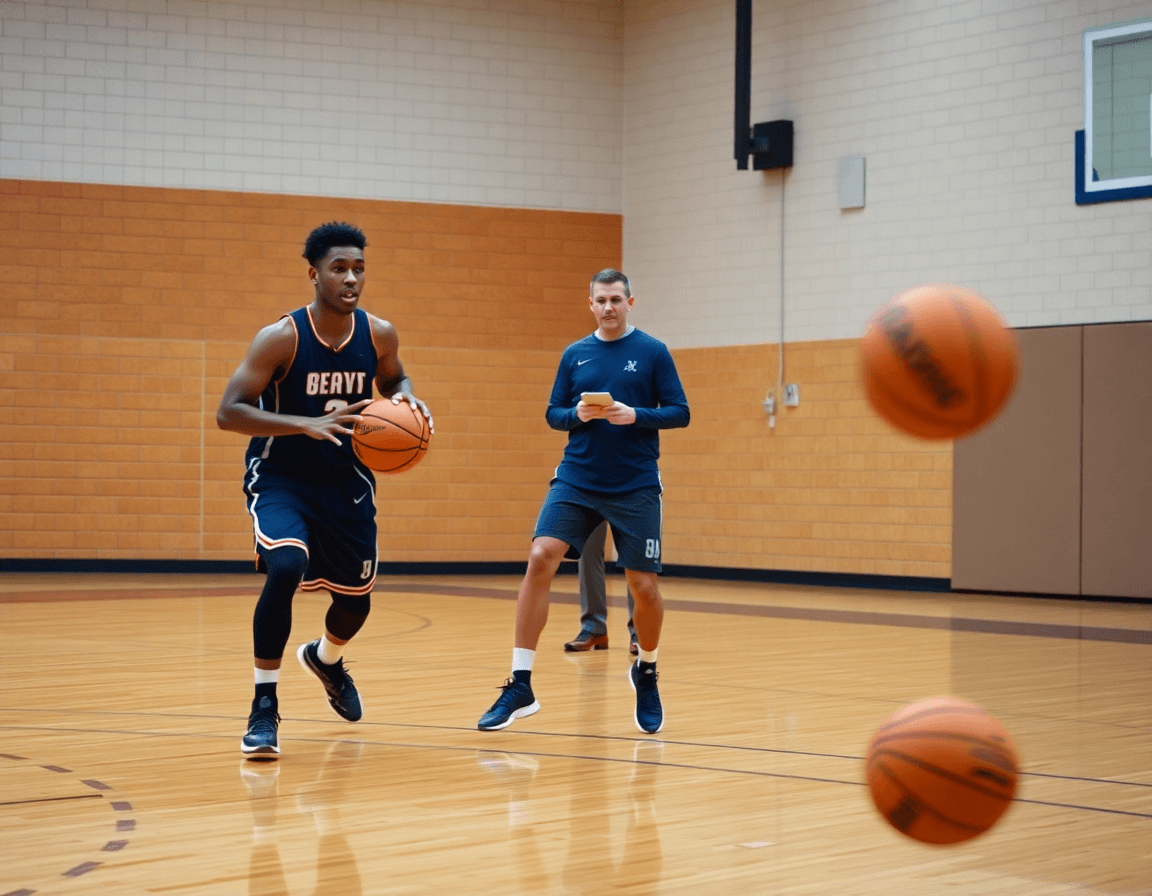
Designing a compact, guard-focused week starts with a time-structured plan. Pull from the library of advanced drills to assemble a cohesive five-day sequence, then map actions into a playbook. As the week unfolds, export PDFs and share read-only links for staff review.
Mon: Ball-handling emphasis with pressure and pace variations. On Monday, lock in on ball-handling drills that stress pressure and pace changes. Start with two-ball dribbling and tight-space moves, then layer in decision-making under pressure. Add this sequence to the playbook and generate a quick PDF for the staff to study.
Tue: Shooting off the dribble and off-the-dribble decision making. Tuesday centers on shooting off the dribble and decision making under pressure. Start with form shooting to establish balance, then progress to pull-ups and drive-and-kick reads. Upload clips, arrange into a playlist, and link this to the weekly playbook.
Wed: On-ball defense footwork and recognition of reads in space. Wednesday prioritizes on-ball defense footwork and recognition of reads in space. Emphasize stance, footfire, and angles, then simulate reads through 2-on-1 or 3-on-3 transitions. Add defensive clips to a dedicated playlist and annotate in scouting notes for later review.
Thu: Pick-and-roll reads and 2-on-2/3-on-3 reads to speed decision making. Thursday dives into pick-and-roll reads and 2-on-2/3-on-3 reads to speed decisions. Build sequences where the guard chooses pass, drive, or reset in space, then overlay with a simple playbook entry and short video clips.
Fri: Game-like sequences, film review, and connection to the playbook. Friday closes with game-like sequences, film review, and a direct bridge to the playbook. Run tempo-labeled drills, compare clips to pre-game scouting notes, then export a final plan and share a read-only link with assistants for feedback.
From drills to game reads: translating practice into decisions
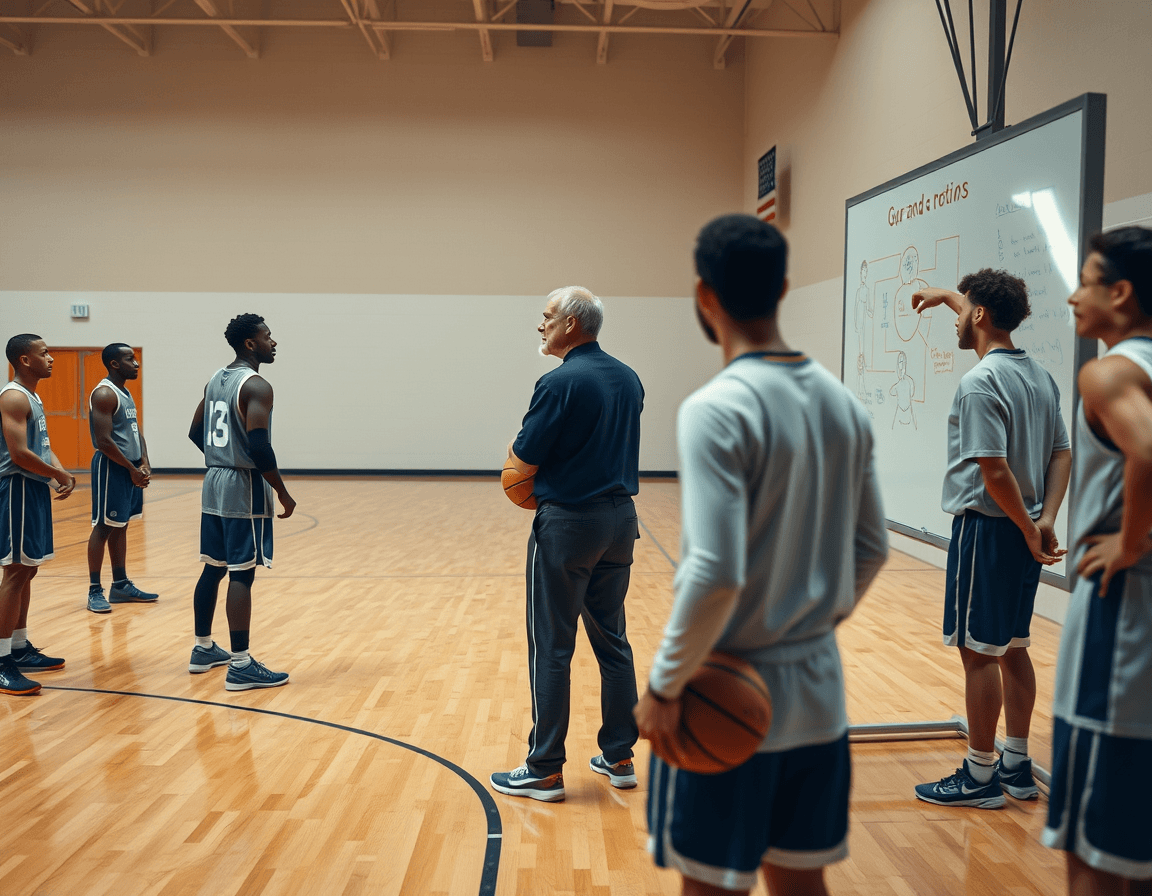
When you design a weekly plan around the guard position, advanced basketball drills for guards should push reads speed as much as shooting mechanics. Focus on quick decisions under pressure, not just perfect form. A simple drill becomes a game when the guard must choose cutting lanes, attacking gaps, or reversing to reset the possession based on what the defense shows. That's where game IQ matters.
To translate drill reps into in-game reads, pair each action with a defensive outcome. A ball-handling drill becomes a live decision when the defender closes out, forcing a split or pivot into a pull-up. Tie this to on-ball defense and two-ball dribbling to challenge both hands and tempo, and to replicate the feel of late-imposed pressure on the ball.
Use the playbook builder to map each drill to a play or sequence in the guard’s library for quick reference in games. When a guard faces a hedge or ball-screen, pull up that mapped drill and see the expected read—driving to the gap, kicking out, or continuing with a step-back. This creates a one-click reference in late-game moments and strengthens the connection between practice and decision reads.
Design drills that escalate: start with a straightforward attack off a pick-and-roll, then add multiple defenders, a shrinking clock, and varying defensive schemes. The guard practices not just movement but reading the defense for a situational choice—drive, survey, or skip. End with a quick decision under pressure: move, shoot, or pass, elevating those late-game decision scenarios.
Within your coaching workspace, group these drills into time-structured blocks, attach the corresponding play diagrams, and link to clip libraries for quick reference. You can export PDFs of the guard’s sequences, assemble playlists of video clips, and share read-only links with staff. All of this sits alongside scouting notes and game prep, so decision reads translate directly into prep and adjustments on the court.
Video workflow: capture, clip, and curate drill footage
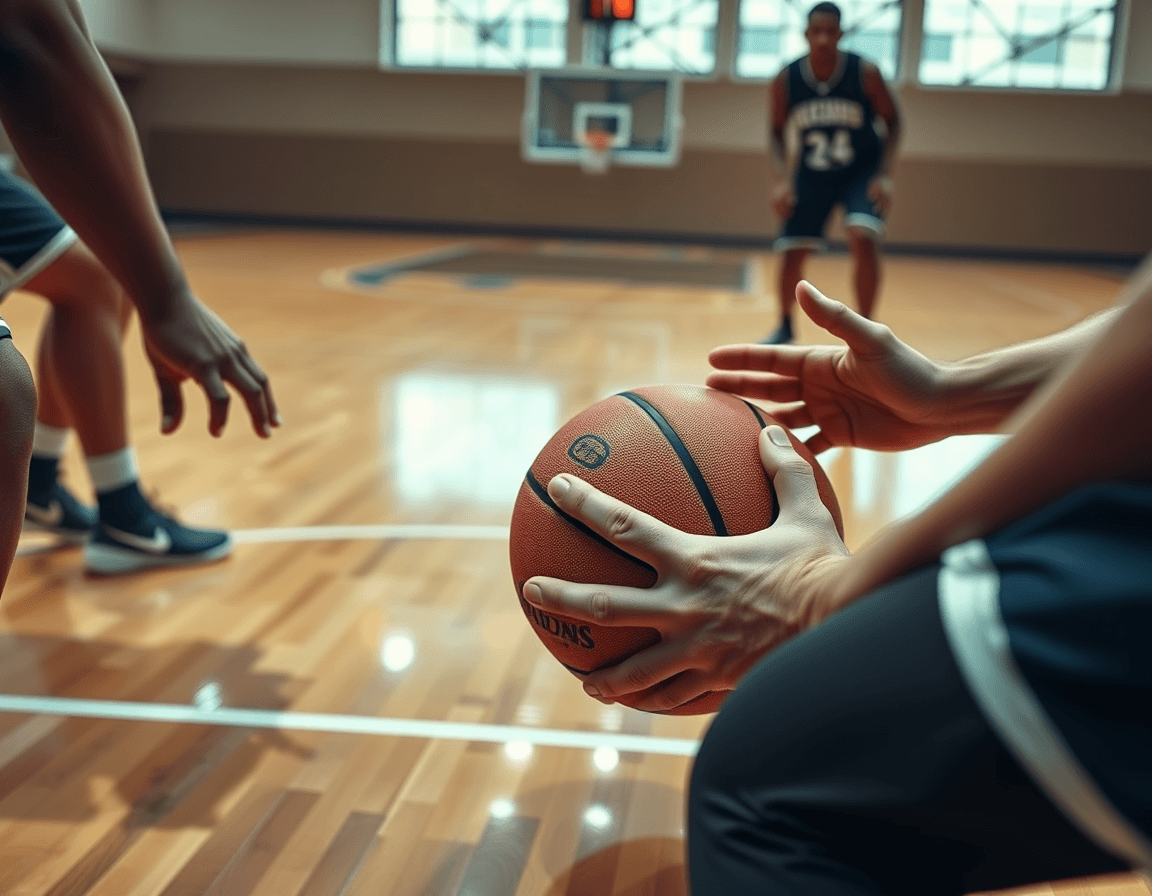
For guards, the video workflow becomes the backbone of a weekly development plan. A coach can upload practice clips, cut clips to highlight specific actions, and label them for quick retrieval. This makes it easier to pull out ball-handling drills, two-ball dribbling sequences, shooting off the dribble moments, and pick-and-roll reads for film review with the staff. Short clips anchored to concrete reads—like attacking a pressure guard or turning the corner into a pull-up—help translate practice into tangible decisions during games. For guards, the footage should link quick dribble moves to decision-making under pressure and on-ball defense reads.
Then it’s about building structure: create playlists (drills, sequences, game-like reps) and share read-only links with staff. Playlists help stitch together a progression—from ball-handling fundamentals to advanced guard reads in pick-and-roll scenarios. Sharing read-only links keeps scouting notes and game-prep references accessible without giving edit access, which supports alignment across the coaching staff during late-week prep.
Finally, annotate clips to reinforce reads and decision points for players. Annotations can point out options on ball screens, decisions under pressure, and spacing reads in on-ball defense. When aligned with scouting notes and game-prep material in the coaching workspace, these clips become a concrete reference during the weekly plan. It’s a practical way to turn video into actionable takeaways for guards handling ball, reading screens, and making crisp decisions under pressure.
Scouting and opponent prep integrated with guard drills
Tailoring guard drills to opponent tendencies starts with crisp input from scouting reports. When the plan for the week identifies tendencies like pressure on the ball, preferred drive angles, or rotations after ball pressure, the guard development block can focus on reads and counters. Translate these findings into a library of advanced drills—ball handling drills, two-ball dribbling, shooting off the dribble—that reinforce the right decision at the point of contact. In a time-structured training plan, allocate blocks for attack reads, followed by finish-and-adjust drills. This approach keeps guard reads central to practice and makes the weekly schedule more efficient. Bold: scouting reports and guard reads.
To sharpen decisions under real look, simulate defensive schemes in practice. Drops, hedges, and switches can be choreographed in short sessions so each guard experiences multiple reads on the same action. The goal is faster recognition of when to split, drive, or drop to a pass. Use the playbook builder to draw and animate actions that mirror opponent actions, then export PDFs for staff review or clip-to-playbook sharing. Integrating these drills with video workflows helps coaches keep a clean, consistent playbook for the week. Bold: defensive schemes and playbook builder.
Document game prep notes and translate them into drill priorities for the week. Scouting notes become drill cues tied to guard reads, like emphasizing ball-handling under pressure or on-ball defense angles in a pick-and-roll scenario. The coaching workspace ties together defense reps with an action library, so a quick clip from a scouting video can trigger a targeted guard drill in the plan. In short, guard development becomes a living weekly workflow: game prep informs drills, clips drive decisions, and the plan stays aligned with opponent actions. Bold: game prep and drill priorities.
Practical workflow: Step-by-step guard development week
Begin the guard development week with a time-structured plan in the training library. This framework keeps your weekly cycle predictable and focused on progress. You map daily objectives, link drill sets, and align ball handling drills, two-ball dribbling, and shooting off the dribble with the guard’s development goals. The aim is discipline in practice, not chaos.
Day by day, assign each day’s focus. Day one centers on ball handling drills and on-ball control; day two targets shooting off the dribble; day three stresses decision-making under pressure in ball screens and reads; day four uses quick-film review to refine routes and reads; day five strengthens on-ball defense and footwork. This aligns with a clean weekly plan that drives concrete improvements.
Build a guard-specific playbook with actions that map to drills and game reads. Use the playbook builder to draw and animate actions—reads off drives, decisions after ball screens, and finishing options. Tie each action to a drill or tempo, so drill planning lines up with in-game reads. PDFs export for staff and player sharing, with clear mappings from practice to game scenarios.
Video workflow: upload relevant game footage to illustrate decision points, clip the exact moments, and organize into playlists. Share read-only links with staff and players for critique. This is where scouting notes and game prep live inside the coaching workspace, keeping film, notes, and plans under one roof.
Finish the week by exporting the weekly PDF plan for staff and players, and circulate a read-only link for collaboration. Review progress with film sessions, and adjust the next week’s library accordingly—add or swap drills (ball handling drills, two-ball dribbling, pick-and-roll reads, decision-making under pressure) and update the playbook actions.
FAQ
What are advanced guard drills for basketball?
Advanced guard drills are a focused set that push reading speed and control. They span ball handling, off-the-dribble shooting, on-ball defense, and late-clock decisions under pressure. In a weekly cycle, these drills progress from simple reads to game-like decisions. Use CourtSensei to map each drill to an action in your playbook builder and export PDFs for staff review.
How can guards improve ball handling?
To improve ball handling, design a progression that starts with space awareness and pace changes, then adds decision points under pressure. Include two-ball dribbling, tight-space moves, and finish with pull-ups. Use a time-structured plan and attach routines to your playbook so reps translate to reads in real games.
How do you shoot off the dribble effectively?
Shoot off the dribble: emphasize balance, posture, and efficient footwork. Build from form shooting to pull-ups, drives, and drive-and-kick reads. Connect each rep to a game read and record clips to review. In CourtSensei, tag drills to a guard's library, organize into playlists, and share read-only links for quick feedback.
What are the key pick-and-roll reads guards should know?
Key pick-and-roll reads: teach drive, pass, or reset options based on hedge angles and defender rotations. Create sequences that mimic live decision points and link them to a simple diagram in the playbook. Export a PDF plan for staff and assemble clips that illustrate each read in your guard library.
How can I improve basketball IQ as a guard?
Improve basketball IQ: focus on translating drills into reads, not just mechanics. Pair actions with defensive outcomes, connect to on-ball defense and late-clock scenarios, and review scouting notes. Use a coaching workspace to keep game prep centralized—this strengthens the guard’s ability to anticipate and react.
How do I structure a guard development week?
Structure a guard development week: aim for five focused days—ball handling, shooting off the dribble, on-ball defense, pick-and-roll reads, and film review. Use a time-structured plan, map each day to a library drill, and export PDFs for staff. Keep clips organized in playlists and share read-only links for quick feedback.