Basketball Drills for High School Guards
A coach-focused guide on basketball drills for high school guards, outlining a weekly plan to sharpen ball-handling, footwork, shooting, and decisions.

Key takeaways
- Create a five-day guard-focused weekly plan aligned to objectives: ball handling, footwork, shooting, decision-making, finishing.
- Structure drills from the Progressive Drills Library where Progression builds control to game-speed reads.
- Link drills to clear objectives, tag growth benchmarks, and attach quick video references for practice notes.
- Incorporate a robust video workflow: upload, clip, publish playlists, and share read-only links.
- Establish a scouting plan: attach opponent tendencies, translate them into drill progressions, and track weekly growth.
Weekly Practice Plan for High School Guards
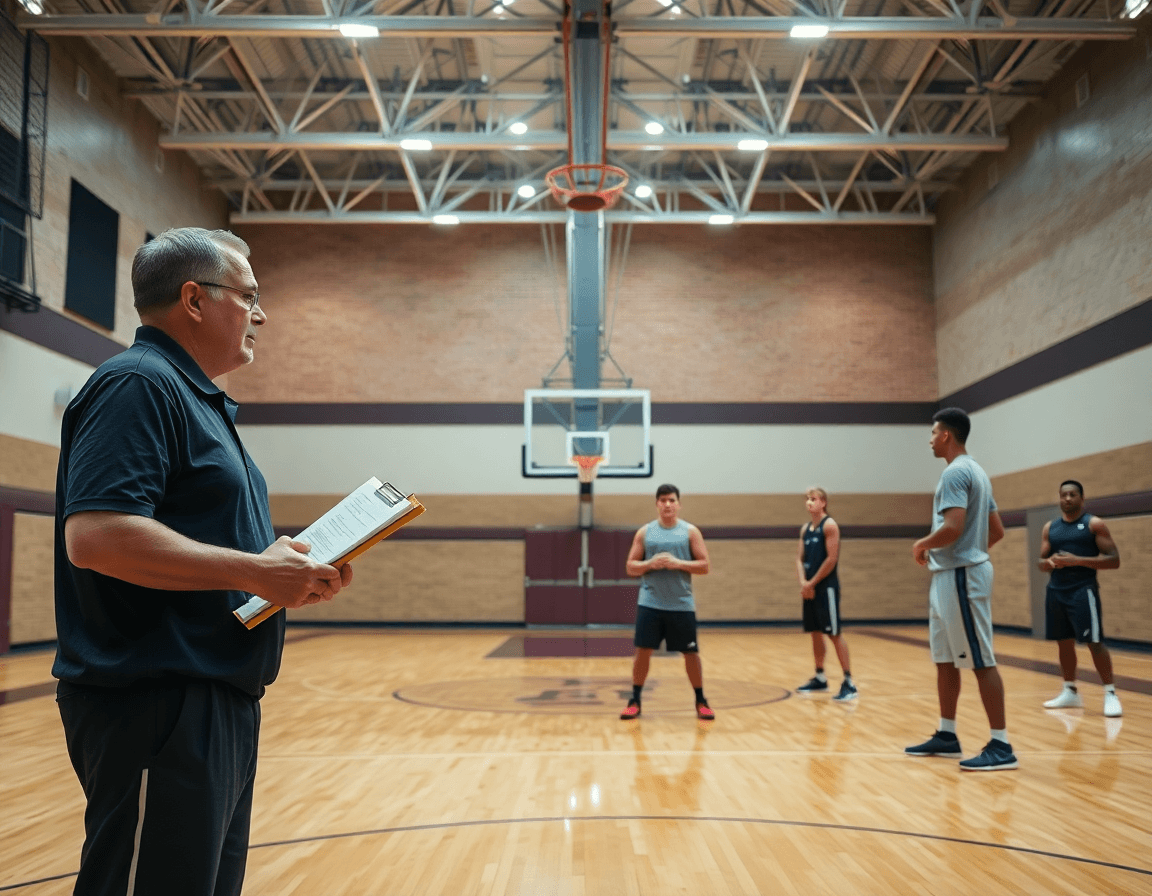
This section maps out basketball drills for high school guards into a cohesive five-day routine you can drop into your centralized coaching workspace. The guard development week builds in progression from ball handling to finishing at game speed, with every day tethered to clear objectives (protect the ball, see the floor, finish through contact). Use CourtSensei’s coaching workspace to store this plan, reuse it weekly, and export PDFs for staff and players. The emphasis is on a repeatable workflow: link drills to objectives, review clips, and keep a clean plan history so the team can see growth over time.
Day 1 focuses on ball handling to establish control under pressure. Start with basic moves, then add two-ball dribbling and through-the-legs sequences to challenge both hands. Choose progressing actions from the drill library that culminate in game-like actions—pulling off a live dribble with a read on defenders. In your workflow, tag each drill with a growth benchmark and drop a short video clip for quick reference during practice.
Day 2 centers on footwork and balance, sharpening quickness in tight spaces and on the perimeter. Emphasize defensive slides and closeouts as you choreograph your sequences to keep guards in front of the ball. Tie every drill to the objective of staying in control, then capture a quick clip to review on your slate in the coaching workspace.
Day 3 covers shooting off the dribble and catch-and-shoot reps. Structure reps so guards build a reliable rhythm when reading gaps and spacing. Link the shooting drills to a plan in the playbook export, so players have a clean reference during days off the court.
Day 4 concentrates on decision-making with passes and reads. Simulate pressure, force skip passes, and practice outlet decisions that keep the pace up. Attach scouting notes to the progression so you can track tendencies and adapt the plan weekly.
Day 5 brings in game-speed finishing and a concise review. Reps finish through contact at pace, followed by a brief video review to reinforce decisions and positioning. Export a concise playbook summary for the staff and players, and tag drills for ongoing growth benchmarks to keep the week’s plan fresh in the history.
Progressive Drills Library: From Ball Handling to On-Ball Defense
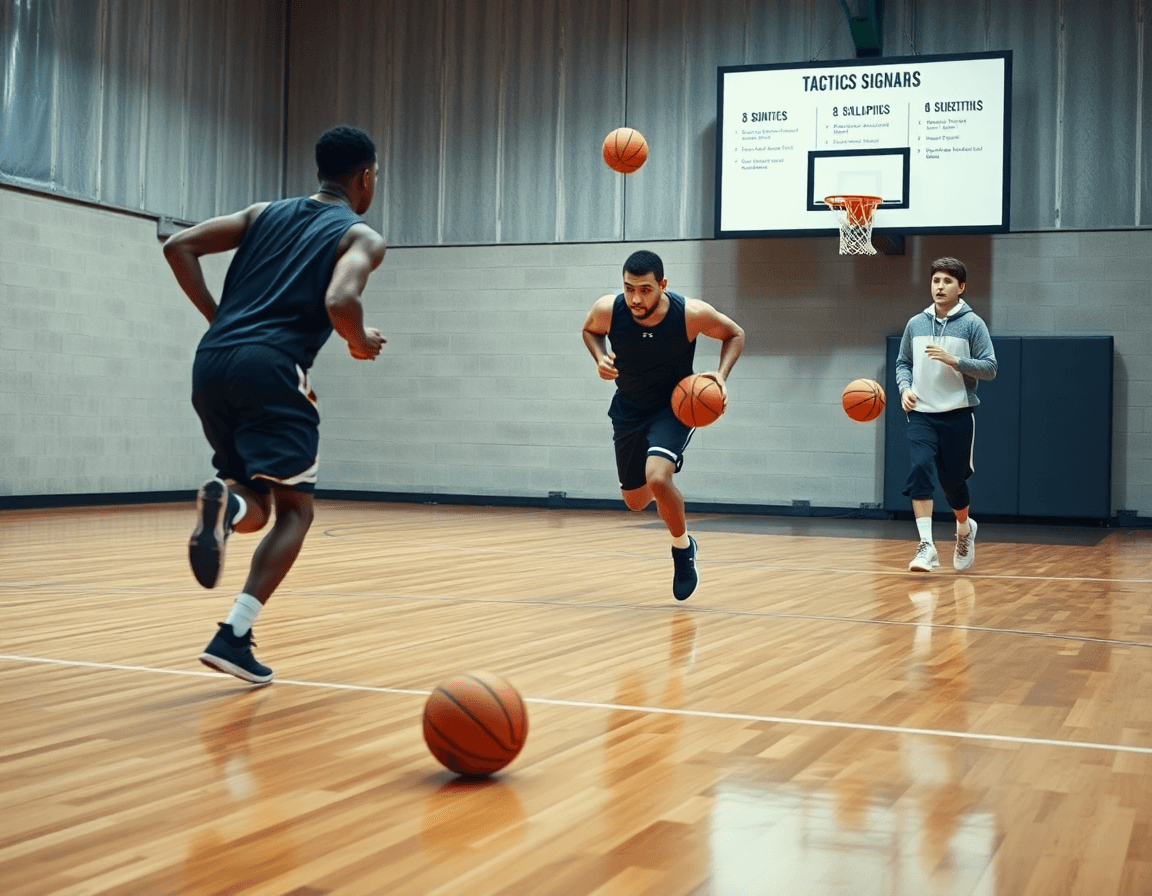
Within your centralized coaching workspace, the Progressive Drills Library takes you from basic ball-handling drills to pressure handling in game-like situations. Start with foundational control to build confidence, then layer in reads and quick decisions as tempo increases. This progression keeps practices cohesive and aligned with your weekly objectives.
Curate a progression of drills such as two-ball dribbling, through-the-legs sequences, and two-ball ambidexterity to build comfort with the left hand. That focused work supports a dedicated guard development week, where you attach guard-specific drills to weekly objectives to keep practices cohesive and purpose-driven.
For on-ball sequences, include footwork progressions that translate to real-time defense: dynamic defensive slides, active deflections, and closing out with balance. Emphasize lateral quickness, hip rotation, and proper stance to deter drives and contest shots without losing pace. These elements feed into your scouting notes and game-prep clips, creating a clear throughline from drill work to game performance.
Group drills into playlists for easy practice flow and future reuse, with the option to export a printable plan. In practice, you can also pull short video moments, add coaching notes, and link them to scouting observations, forming a simple, repeatable weekly workflow that keeps guard development focused and trackable.
Video Feedback Workflow: Upload, Clip, and Share
In a typical week of basketball drills for high school guards, video becomes your fastest coach on the floor. Upload practice footage to capture guard reps and decision points, from ball-handling sequences to finishing at the rim. This sits inside a centralized coaching workspace, so you keep all material—clips, plans, and notes—in one place.
Next, manually clip and organize clips to highlight specific drills, reads, or finishes for quick feedback. Use clip editing to pull out a single read from a pick-and-roll sequence, or a misread in a through-the-legs drill, so you can show exact corrections without sifting through hours of footage.
Create playlists of clips for individual players or groups and share via read-only links with staff or players. This makes it easy to support a guard development week workflow: players review ball-handling drills, watch defender slides or closeouts, and come back with focused questions.
Embed video clips into practice plans or PDFs to reinforce coaching points and progression. A short clip on handling pressure can illustrate the proper footwork during defensive slides and show the correct finish after a drive, all tied directly to your plan for the week.
Use video to demonstrate correct technique and common mistakes without external AI analysis. This keeps the emphasis on teaching—not on automated tagging or predictions—and supports a repeatable weekly cycle for guard-focused drills like ball-handling drills, two-ball dribbling, and pick-and-roll reads.
Scouting and Opponent Prep in the Coaching Workspace
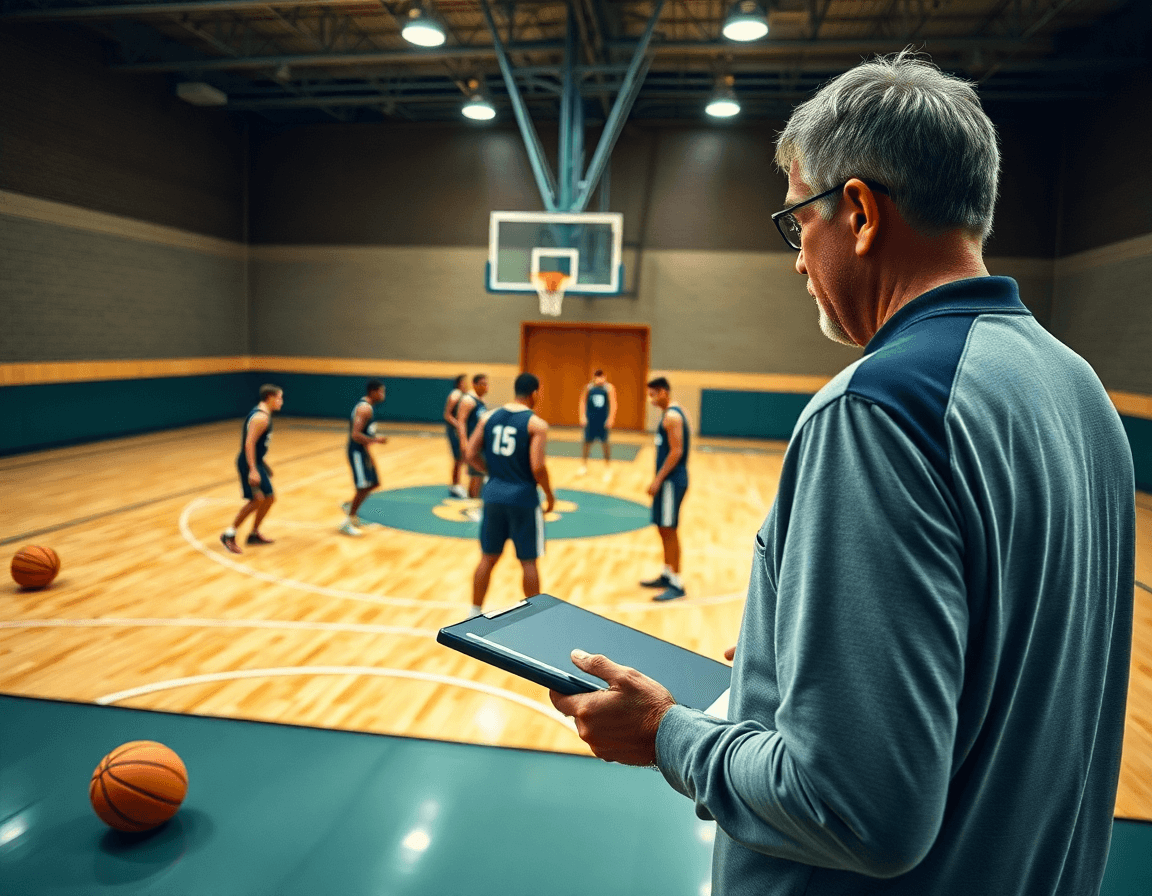
In the coaching workspace, attach scouting reports to your guard development week plan. This keeps weekly drills and video review aligned with the opponent you’ll face. When you spot tendencies—ball pressure on the arc, late help defense, or linear drives—flag the plan and assign targeted ball-handling drills that feed the reads you want to turn into counters. The result is a repeatable weekly flow that anchors guard growth in preparation.
Record opponent actions (hedge, drop, switch) and translate them into a drill progression for reads and counters. If a hedge shows up on ball screens, pair quick decision drills with a cross-over into a shot or pass read. If a drop defense stays attached, work on finishing through contact or using pockets. If they switch, emphasize pick-and-roll reads and counter moves, tying them to drill blocks that reinforce ball-handling drills and two-ball sequences under pressure.
Link game-prep notes to your weekly routines so guard development aligns with upcoming opponents. Use the same workspace to attach brief clips and notes to the plan, marking how to attack pressure or exploit gaps in a defense. Schedule select clips for quick review—focus on defensive slides and closeouts—so a guard can practice reads before the next practice. This keeps guard development on track with scouting.
Keep all scouting materials accessible within the same workspace as drills and video for seamless prep. When a game plan shifts, you want context and clips right next to each drill block, not in a separate folder silo. That way, every block—from ball-handling drills to reads off opponent actions—stays connected to the plan.
Avoid over-automation; emphasize coaching insights and context tied to the plan. The workspace is a scaffold, not a crutch—the coach’s timing, footwork cues, and situational judgment stay central. After a scouting session, jot a narrative that explains why a drill block exists and how it connects to the plan, rather than relying on numbers alone.
Practical Workflow: 4-Week Guard Development Cycle
Planning basketball drills for high school guards means building a 4-week guard development cycle inside your centralized coaching workspace. This approach frames drill progression, video review, playbook export, and scouting notes into a single, repeatable weekly workflow.
Week 1 emphasizes ball-handling and decision-making under pressure. Use focused drills such as two-ball dribbling and through-the-legs work, plus pressure handling sequences to simulate tight game space. The workspace lets you assign these ball-handling drills, monitor progress, and thread in quick video reviews to highlight decision points.
Week 2 shifts to shooting consistency and finishing off the dribble. Emphasize reps on shot timing, balance, and finishing moves in traffic. You can build a short video sequence to illustrate proper form, then export a concise playbook page with the finishing options. In the workspace, mark each guard’s shot-profile and link it to a dedicated drill set for rapid repetition.
Week 3 ups the ante with pick-and-roll reads and off-ball movement through live reps. Have guards read screen angles, slip, pop, and relocate on the fly while defenders inject pressure. Let scouting notes steer adjustments—pinpoint which reads yield the best decision under live pace, and adjust the drill progression accordingly within the same cycle.
Week 4 brings it all together in full-speed scrimmage, followed by review and adjustments. Integrate guard actions into a true game-like flow, then pull highlights for a focused critique. The workspace supports assigning drills, tracking progress, and updating weekly scouting notes; exportable PDFs and playlists ensure coaches can share the exact cycle with assistants and players. Bold terms sprinkled as needed: weekly scouting notes, exportable PDFs.
Export and Share: Turn Plans into PDFs and Playbooks
As the week unfolds, you can frame a repeatable workflow that centers around basketball drills for high school guards. In your coaching workspace, you aggregate drills, progression notes, and guard objectives into a cohesive playbook or practice plan. This structure keeps every sequence aligned—from ball-handling drills to reading pressure—so you can reference a clear progression each session. By anchoring the plan to a weekly workflow, you turn scattered notes into a recognizable routine staff and players can follow.
Export as a PDF, turning the plan into your export plans—a PDF you can share with staff, players, and parents where appropriate, all without losing structure. This keeps the plan accessible while maintaining the integrity of the drills and progression. The PDF export ensures that guard development week after week stays aligned with your scouting notes, defensive reads, and playbook references.
Create playlists or attach video clips to each drill for quick reference during practice. For example, a week focused on guard development might feature ball-handling drills like two-ball dribbling, through-the-legs, and pressure handling, with a linked clip that demonstrates the proper stance or pivot. In the plan, you can cue the clip on the board to reinforce the move or decision, keeping practice efficient and consistent.
Preserve a single source of truth by storing all assets in the coaching workspace for easy updates. As drill progressions, scouting notes, and guard objectives evolve, update once and share everywhere—without hunting down scattered files or old PDFs. This centralized approach ensures the week’s plan remains current and actionable for staff, players, and a few trusted parents where appropriate.
FAQ
How long should a high school point guard practice ball handling each day?
Aim for about 15-20 minutes of dedicated ball handling work daily, plus a quick warm-up. Start with fundamentals, then add two-ball dribbling and through-the-legs to challenge both hands. Track progress by growth benchmarks tagged to drills in CourtSensei, and reuse the plan weekly to reinforce consistency.
Which ball-handling drill is most important for point guards?
There isn’t a single best drill. Prioritize two-ball dribbling to build ambidexterity, then layer in through-the-legs and live-dribble reads. Maintain a progression that links drills to game reads, and review clips to reinforce timing, control, and decision-making.
How do you improve your weak hand for point guards?
Design a focused routine for your weak hand: slow-to-fast two-ball work, mirror drills, and finishing with reads on that side. Increase its share of reps each week, attach coaching notes to the progression, and track improvement with clear progression markers—without claiming automatic analytics.
When should a point guard use a hesitation versus a crossover?
Use a hesitation to freeze the defender and read the pace, then switch to a crossover to explode when the lane opens. Practice both under pressure, then map reps to reads and tempo in your guard development plan to build situational instincts.
What guard drills are essential for high school players?
Core drills span five areas: ball handling, footwork/balance, finishing, decision-making with passes, and on-ball defense. Include two-ball dribbling, defensive slides, closeouts, and finishing through contact. Group drills into playlists for practice flow and tie each to weekly guard objectives and game reads.
How can you structure a guard development week?
Plan a five-day guard week: Day 1 ball handling, Day 2 footwork, Day 3 shooting off the dribble, Day 4 decision-making with passes and reads, Day 5 game-speed finishing with brief video review. Link drills to objectives, review clips, and export a concise playbook summary for staff and players.