3-Man Shell Drill: Weekly Plan
Learn a practical weekly workflow for running a 3-man shell drill, from setup and progressions to video breakdown and playbook integration for coaches.

Key takeaways
- Solidify the 3-man shell baseline by enforcing on-ball pressure and deny-one-pass-away habits.
- Use the plan board to annotate rotations and store the progression in a library.
- Progress from static stance to live-ball reads, linking drills to game prep PDFs.
- Prioritize quick, decisive closeouts and loud defensive communication during rotations to sustain balance and calls.
- Export PDFs and clips after sessions to accelerate scouting and weekly adjustments.
Why 3-man shell matters for defense
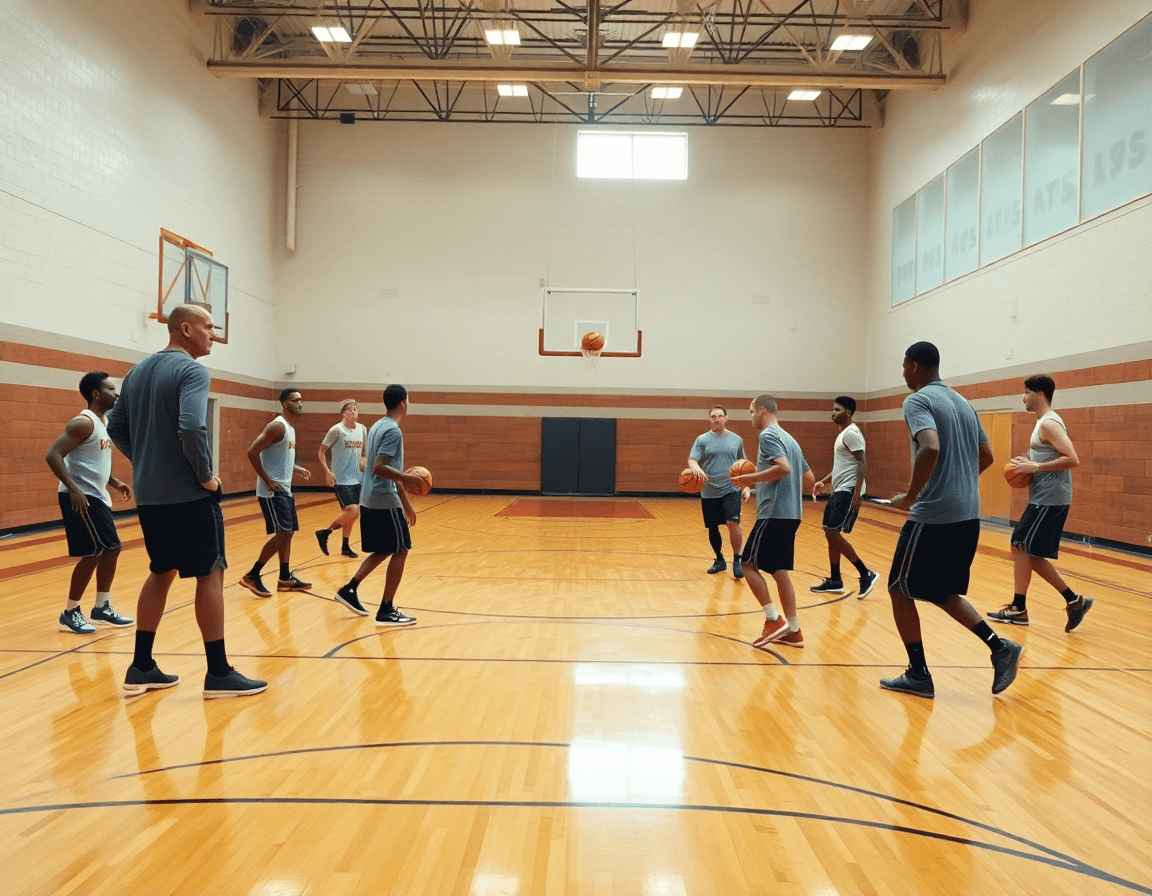
Three defenders cover ball pressure and weak-side duties in a compact shell. In a 3-man shell, you lock in on on-ball defense and practice denying one pass away, while the helper reads the play to keep the paint protected. The near defender pressures the ball, the middle defender communicates, and the far defender maintains a ready stance to react to passes, ensuring clear defensive rotations. This setup builds foundational concepts that scale as you move to bigger shells.
As players grow, so do the implications of these habits. The emphasis on quick, decisive closeouts and tight stance translates into more stable helpside positioning and a sharper rule about being one-pass-away from the ball, i.e. the team stays ready to jump to the ball and deny immediate looks. With more bodies, the shell drill progression reinforces calls for ball-proximity, proper spacing, and consistent defensive communication, so the defense can react cohesively to passes and reversals.
In your weekly plan, treat the 3-man shell as the baseline. Use the coaching workspace to draw and annotate rotations on the plan board, then store this shell drill progression in a library for reuse. When needed, export PDFs of the progression and attach clips and scouting notes for cohesive practice and game-prep. This workflow keeps defensive concepts sharp and aligned across practices and scouting reports, helping you stay prepared for game-prep and weekly adjustments.
Setup and coaching points for 3-man shell
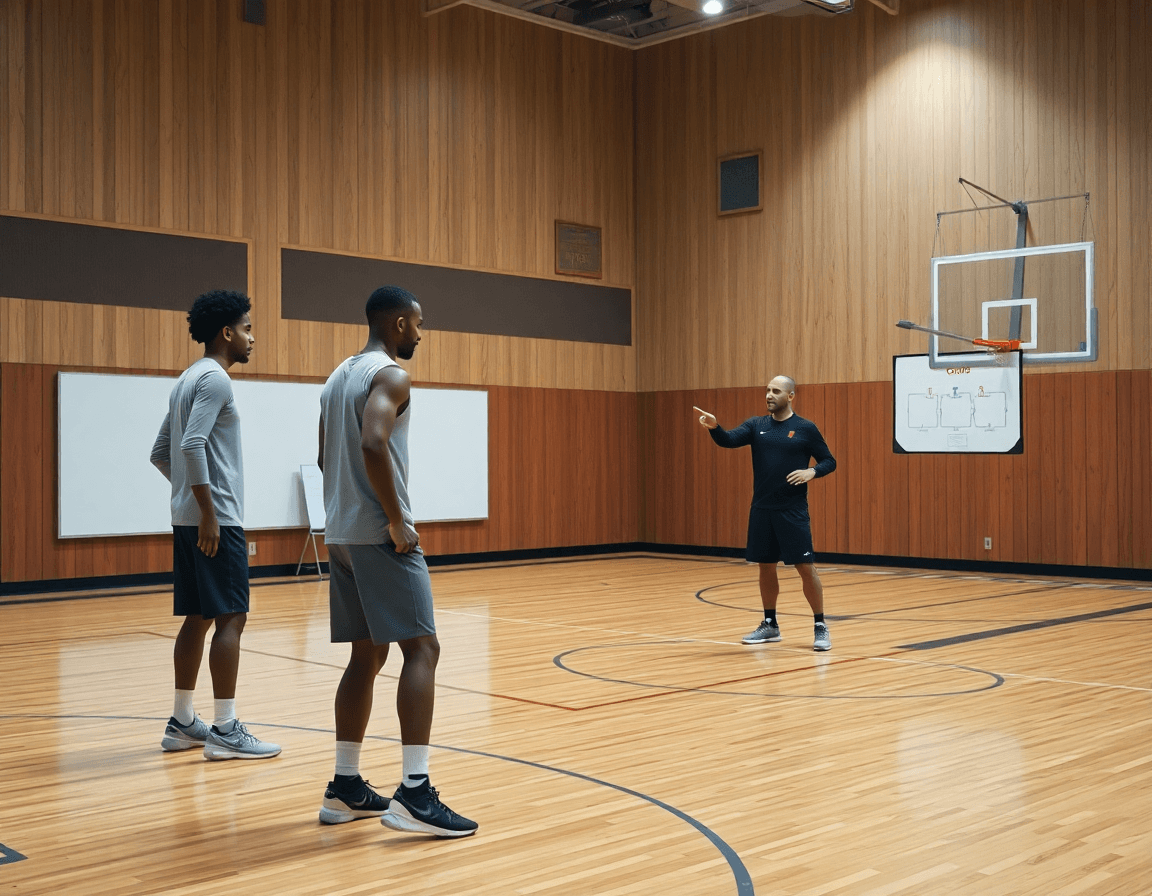
Setup: In a 3-man shell, position one defender on the ball and the other two in strong helpside angles to mirror late-game rotations. The focus is a compact spacing and active hand activity, so the ball handler feels pressure without over-committing. The defender at the ball should maintain a solid defensive stance and be ready to react to passes. In the coaching workspace, map this as a weekly plan entry with a clear progression from static stance to live-ball reads, then link it to the drill progression library for easy reference.
On-ball defense and deny options: Start with aggressive on-ball defense that discourages an early entry pass. When appropriate, the defender should attempt to deny one pass away and force skips or entry passes to the weak side. Encourage quick footwork and steady gap control to prevent the offense from slipping into open lines. The chased ball pressure should be intentional, not reckless, so the write-up keeps the emphasis on discipline and communication.
Closeouts and rotations: As passes occur, execute strong closeouts, with a small stride, eyes on the ball, and a jump to the ball if needed. Rotations should be fast and decisive to the helpside and weak-side areas, maintaining balance while keeping gaps tight. Emphasize loud, purposeful defensive communication to ensure positions are clear and responsibilities are known, especially when the ball travels to the weak side.
Workflow integration: Use the coaching workspace to structure this drill within a weekly plan, then draw and annotate the rotations on the plan board. Store the drill progression in a library for future use, export PDFs of the progression for game-prep, and attach clips and scouting notes to create a cohesive practice and scouting workflow. This keeps drill progressions and game plans aligned for efficient preparation.
Progression: from 2-man to 3-man shell
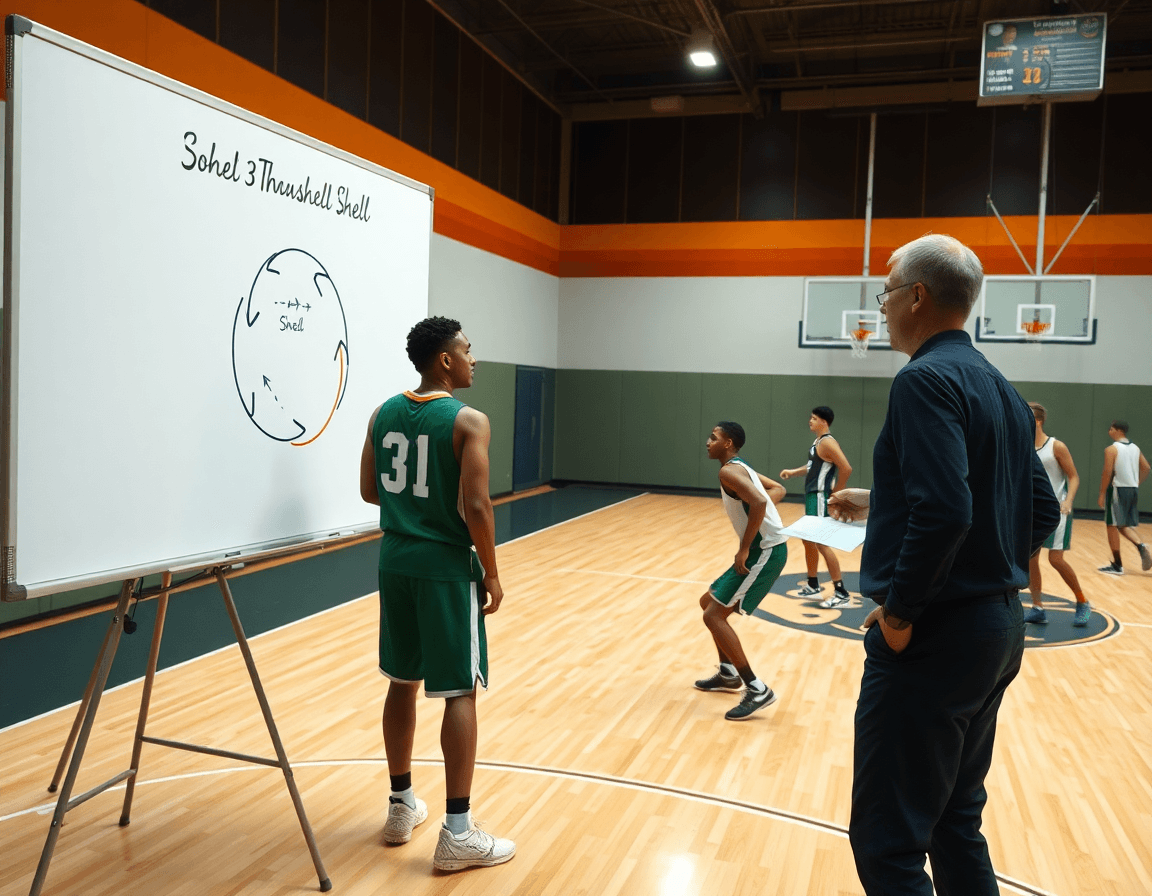
In a typical weekly plan, you start with the foundation: the 2-man shell. The emphasis is helpside and lane integrity—the two defenders guard the passing lanes while the weak-side stays ready. The goal is predictable, repeatable rotations that keep the drive in front of you. Practice on-ball defense first, then layer in structured closeouts from the wings to pressure without overreacting.
Then you layer in the 3-man shell. With a third defender, you introduce passing-lane denial and more coordinated rotations. Deny one pass away, keep hands active, and jump to the ball when a passer hesitates. The rotations tighten: the helpside slides up, the middle defender stays ready, and the on-ball defender pressures without losing balance. The core remains a solid defensive stance, crisp footwork, and timing of the rotations that keep shooters guessing.
In the coaching workspace, set this as a shell drill progression you can reuse across weeks. Build a plan block, draw and annotate rotations, and store the stages in a library as you go. You can export PDFs of the drill progression for scouting reports or staff reviews, and attach clips and scouting notes so the crew stays cohesive during practice and game prep.
Remember: the 3-man shell is a building step toward the 4-man shell, which introduces extended gaps and sprinting to help. Use 3-man as the bridge for your shell drill progression, ensuring your rotations translate cleanly when you add the next layer in your weekly plan.

Practical weekly workflow to run shell drills
Within the coaching workspace, plan the weekly shell focus as part of the training plan and the evolving library, forming a practical weekly workflow. Map 3-man shell rotations with clear defender duties: on-ball defense, deny one pass away, helpside, and jumping to the ball. This keeps the shell compact and predictable for quick rotations in practice and late-game scenarios.
Pull relevant drills from the playbook, tailor them to the team’s personnel, and assign roles. Define who starts with deny-one-pass-away pressure, who anchors the helpside, and who slides to the weak side to close out. Annotate each rotation as you go, so the sequence is easy to follow on the floor.
Schedule video review and clip management for rapid feedback. After each shell period, upload a short clip, tag the key actions, and push it into the drill progression in the library. Attach scouting notes to these clips for cohesive practice and game-prep.
Share progress with assistants via read-only links and printable PDFs. Export PDFs of the drill progression to hand to staff, attach scouting notes, and keep the entire plan cohesive for game-prep continuity across sessions.
Diagrams, video, and playbook integration
On a Monday install, the coach can start with the 3-man shell drill by drawing and annotating rotations to visualize transitions. Use the coaching workspace to map who communicates switches, who closes out on the shooter, and how helpside shifts when the ball moves across the floor. Label each rotation with cues: deny one pass away, jump to the ball, sustain a solid defensive stance, and guide the flow of the helpside rotation. The visual map turns concepts like on-ball defense and defensive rotations into concrete steps players can execute, reducing guesswork during game-like sequences.
Organize into a dedicated playbook section and export PDFs for print or scouting. As you lock the progression, store the drill in a library so you can pull it into any weekly plan. The playbook export creates a clean, printable guide to share with assistants or scouting reports, while preserving the exact rotations, alignment, and timing. This helps your staff walk through the shell with the same language and expectations during practice and pre-game walkthroughs.
Create playlists of shell-related clips for quick practice reference. Upload clips showing 3-man shell rotations, add scouting notes, and link them to the relevant drill progression so players can review transitions during film sessions or before practice. With video organization, you can assemble clips and playlists focused on on-ball defense, closeouts, and jumping to the ball, giving coaches a ready-to-use reference for repeatable practice cycles.
Scouting notes and game-prep linked to shell work
3-man shell drill becomes a repeatable weekly unit when you attach scouting notes to the shell plan to counter opponent sets. In CourtSensei, you can attach scouting notes to the shell plan, store the drill progression in a library, and export PDFs of the progression for staff or game-prep meetings. Keep the rotation sequencing clear—from on-ball defense and closeouts to the helpside and one-pass-away rotations—so the work translates to the floor. Attach clips and annotations to the progression for a cohesive practice package that travels with your plan.
Align shell emphasis to opponent tendencies and game-prep insights. If the opponent leans into quick ball reversals, emphasize denial one pass away, aggressive closeouts, and jumping to the ball with a tight defensive stance. Tag each rotation with notes on on-ball defense, helpside, and defensive rotations so the plan reads cleanly in a scouting report and supports game-prep decisions.
Maintain a centralized workspace for notes, plans, and video so prep stays cohesive. Tie a scouting note to each shell rotation, keep a library clip of the relevant action, and export an updated PDF to share with staff. This setup keeps your weekly plan—scouting notes, game-prep insights, and shell drill integration—in one place, from film session to on-court reps.
FAQ
What is a shell drill in basketball?
A shell drill is a defensive progression that trains ball pressure, spacing, and rotations. In a plain shell, defenders work to smother passing lanes and communicate. For a 3-man shell, three defenders lock in on the ball handler, deny one pass away, and read the offense to protect the paint. Use the CourtSensei coaching workspace to map rotations, annotate the sequence, and store the progression for reuse with printable PDFs.
How many players are involved in shell drill?
Shell drills come in 2-man, 3-man, or 4-man variants. In a 3-man shell, three defenders handle ball pressure and weak-side duties within a 3-on-3 framework. The setup scales with personnel, and you can keep the same rotation rules while adjusting bodies. Capture the progression in a library for reuse and export PDFs for staff reviews.
What are the key concepts taught in the shell drill?
Key concepts include ball pressure, deny-one-pass-away, active hands, quick closeouts, and a tight defensive stance. Emphasize crisp rotations, loud defensive communication, and reads to stay in gaps. The drill builds a cohesive habit pattern that translates as you scale to larger shells and game-ready rotations.
How do you run a 3-on-3 shell drill?
Set up three defenders against three offensive players and assign roles: on-ball pressure, deny-one-pass-away, and strong helpside. Progress from static to live-ball reads, with quick rotations and jumps to the ball. Use your coaching workspace to map rotations, add notes, and store this progression in a library. Export PDFs and attach clips for game-prep.
What is the difference between 2-man, 3-man, and 4-man shell drills?
The 2-man shell emphasizes helpside and lane integrity. The 3-man shell adds denial and tighter rotations, teaching you to deny one pass away and jump to the ball. The 4-man shell introduces extended gaps and sprinting to the help. Track these progressions in a weekly plan and reuse them as a shell drill block.
Why is shell drill important for defense?
Shell drills build repeatable defensive habits, improve communication, and sharpen reaction timing to passes and reversals. A solid shell creates clear rotations and helpside alignment, which supports game-prep and scouting. It’s a framework coaches can rely on week to week to stay cohesive and prepared.