4 Cones Defensive Drill: Weekly Coach Plan
Weekly coach workflow for a 4 cones defensive drill: setup, progressions, cues, and organizing video playlists and drills in one plan for your program.

Key takeaways
- Use the 4 cones drill to build multi-directional footwork and a low defensive stance on every rep.
- Emphasize sharp angles and quick close-outs to contest drives from the point of attack on every rep.
- Promote compact, choppy steps and balance through the defensive shuffle and defensive slide sequences in practice.
- After practice, pair a video cue with a printable PDF export to anchor weekly notes for assistants and players.
- Integrate the drill early in the week, linking to playlist clips and scouting notes for consistency.
What the 4 Cones Drill Develops in Defense
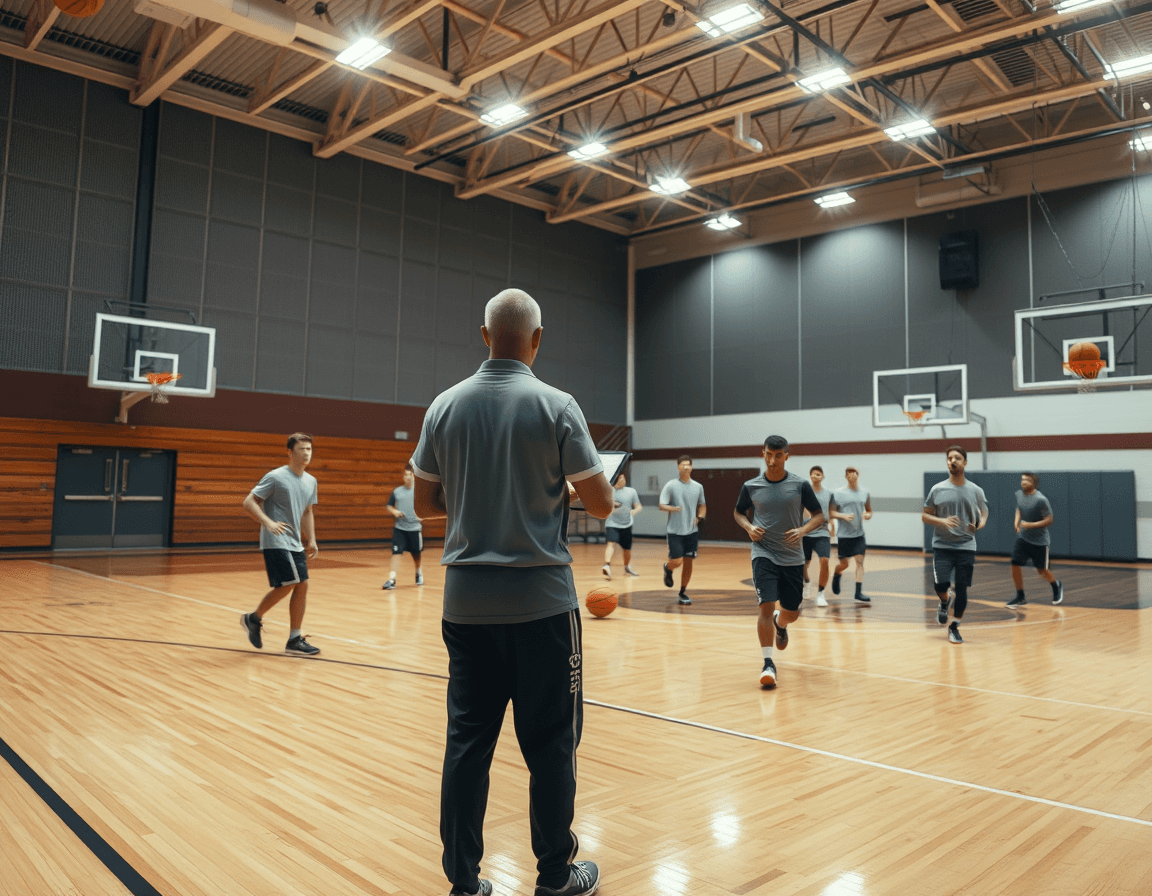
Placed in the weekly defensive block, the 4 Cones drill is a crisp, time-structured tool for building multi-directional footwork and a low defensive stance. With cones arranged in a diamond or straight line, players work through quick adaptions—sidesteps, shuffles, and backpedals—without losing posture. The drill reinforces the angles and balance that show up on cuts and drives. In CourtSensei, you pull this sequence from the drill library, pair it with a video demonstration, and drop it into your weekly plan.
It reinforces angles and closing out on shooters to contest drives. Players learn to take proper angles off the cones, sprint to the shooters' space, and finish with a disciplined close-out. The result is tighter on-ball defense from the point of attack to the drive, shaping drive lanes and decision windows. You can pair this with a related progression like the diamond drill and keep the patterns cohesive in the plan.
Promotes compact, choppy steps and balance through transitions. Repetition of short, efficient routes builds a steady rhythm for the defensive shuffle and defensive slide sequences, keeping players under control when switching from lateral to backwards movement. In the weekly plan, insert a short video clip after the drill to reinforce cues, then add the clip to a playlist for quick access by assistants and players.
Connects to in-game movements like cuts, drives, and second-hop positioning. The drill trains players to read attackers, adjust angles, and position to reject or funnel offensive actions into help. The loop finishes with a ready stance when the ball moves to the perimeter. In CourtSensei, a dedicated PDF export can summarize the week’s defensive focus and anchor scouting notes for that block.
Setup and Progression: From Basics to Game-Ready
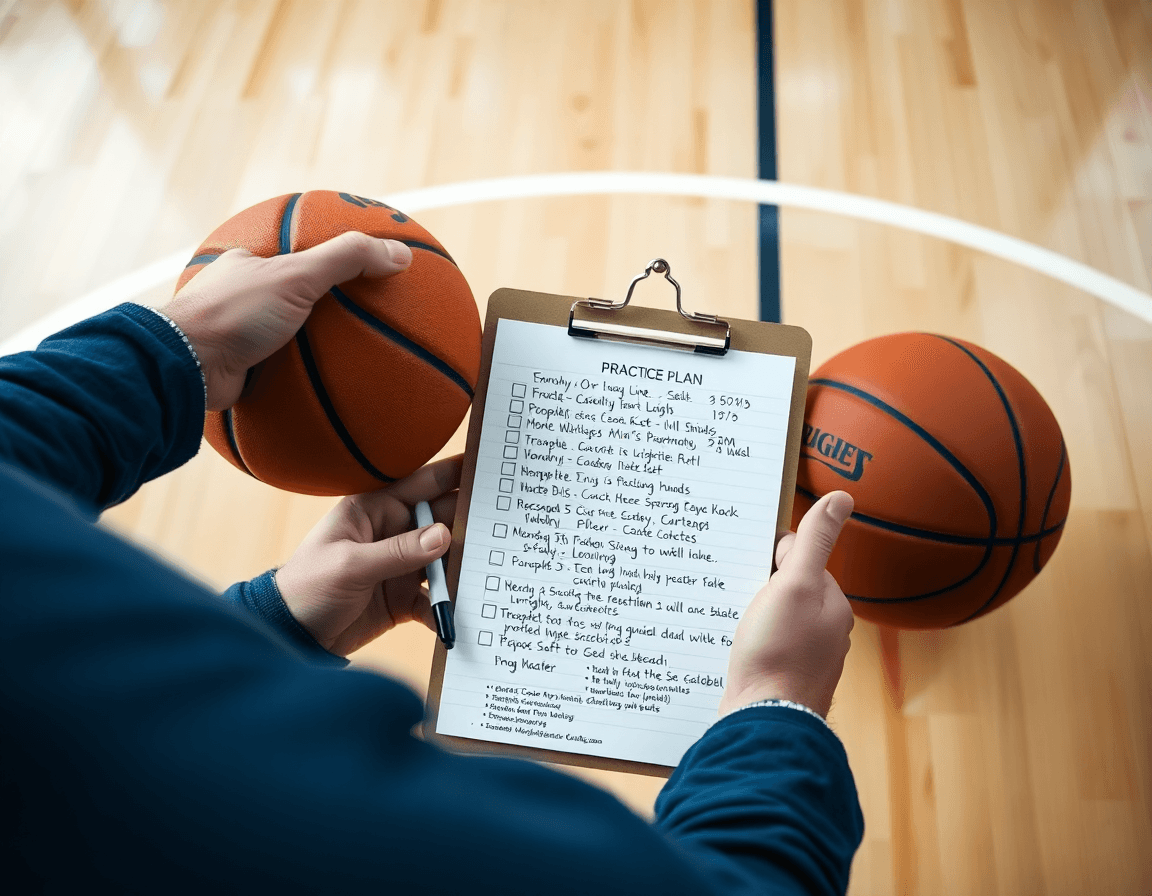
Setup and environment: Place four cones in a square or diamond about 12–15 feet apart. This spacing creates distinct angles for the athlete to close out and get into a solid defensive stance. In the CourtSensei drill library, you’ll find this routine paired with a video demonstration that shows the correct start position and hand placement. Build a short playlist for your team and export a printable PDF with the setup diagram and the sequence—perfect for weekly prep and to keep coaching cues consistent.
Progression: Use sequences: closeouts, defensive slides, backpedals, and resets between cones. Start slow with a controlled tempo to establish technique, then gradually move to game pace as hips stay square and eyes stay forward. Emphasize a low, athletic stance and short, choppy steps. The progression helps players feel the difference between a respectful closeout and over-rotated movement. Use the CourtSensei video to ensure each step is executed cleanly before speeding up, and add cues like “hips square” and “eyes forward” to keep the movement consistent as fatigue rises.
Game-ready integration and workflow: Place this drill early in the defensive segment of your weekly plan. Link the drill to a short clip in a playlist, then pair it with a quick read of the corresponding scouting notes or game-prep. After practice, export a PDF with the drill’s setup, progressions, and cues for assistants to run in their rotation. This consistent structure helps maintain throughput across days and builds dependable habits, from install to late-season game prep.
Coaching Cues and Common Pitfalls
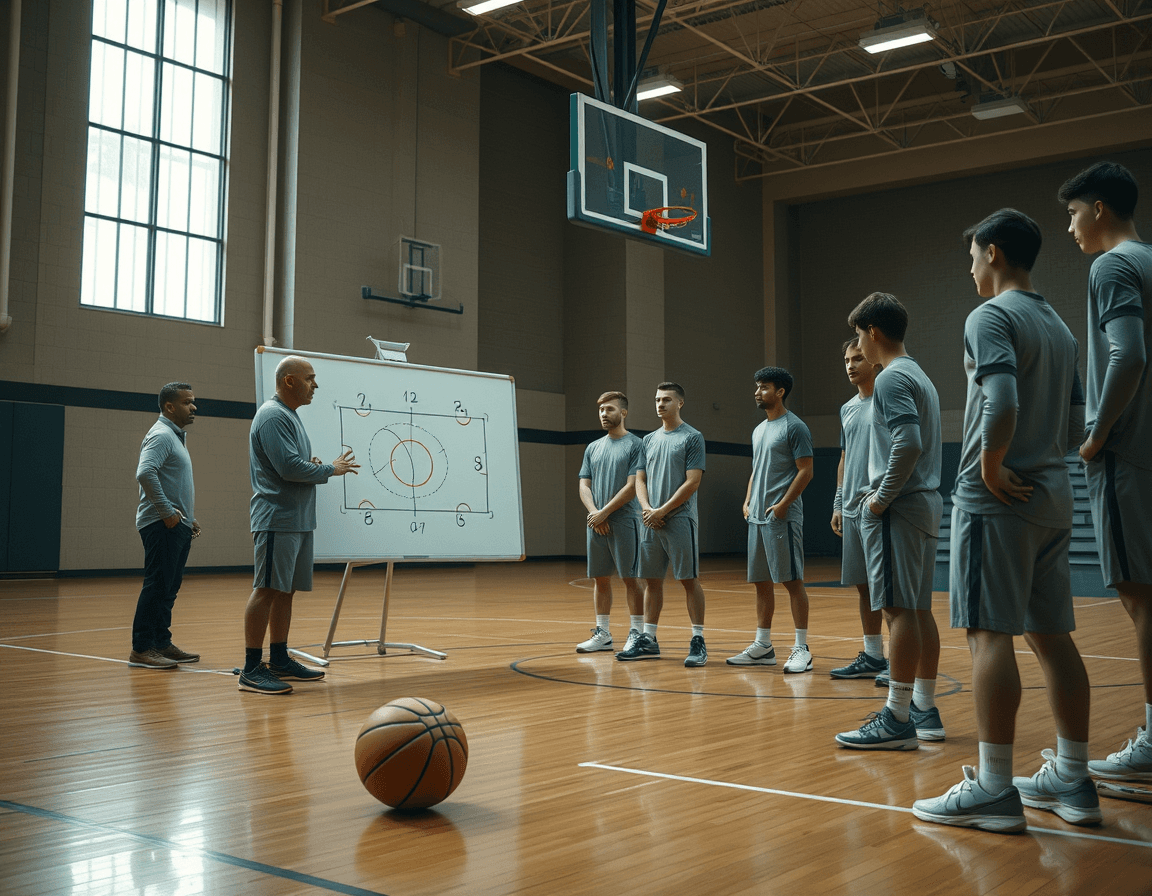
Think of the 4 cones defensive drill as the anchor for week’s defensive work. In your weekly plan, this drill sits after dynamic footwork and before closing out, so players are warmed up but fresh for precision. Key coaching cues guide the session: coaching cues focus on the basics, and the defensive stance sets the frame for every rep. Remind players to stay low, keep hips square to the ball, chin up, and move with short, quick steps. The diamond shape created by four cones helps enforce proper angles and quick transitions.
During the drill, emphasize efficient footwork with no wasted steps or crossovers. Each rep should look like a tight slide or shuffle, from cone to cone, with the hips pointing toward the ball. Have players practice the defensive slide and the defensive shuffle as interchangeable parts of the same sequence, finishing with a quick close-out to an on-ball defender. The drill’s video demonstration and linked playlists illustrate the flow, and the CourtSensei library allows you to export a PDF plan that captures tempo, spacing, and the cone positions for the week.
Common mistakes: long backpedals without reset, and drifting away from proper angle positioning. If a defender loses stance integrity during transitions, cue a shorter reset step and a re-anchoring to the diamond pattern. Use the four cones as anchors to maintain angles, keep the chest over the feet, and prevent over-rotation. In the weekly workflow, drop a short video clip into the playlist illustrating a clean rep, and attach a PDF checklist to the plan so assistants can run through the drill with minimal coaching time.
Practical Workflow: Weekly Integration
On Monday, install the 4 cones defensive drill in warmups (10-12 minutes) with baseline cues like stance, shuffle, and a crisp closeout. In CourtSensei, drop the drill into your plan from the drill library, attach a short video demonstration, and lock in the baseline cues so every coach on staff starts from the same page.
On Wednesday, push the routine into progression complexity: speed up the pace, tighten the angles between cones, and require faster transitions from shuffle to backpedal. This keeps players honest and scouting-ready for game pressure. The goal is steady improvement in progression and tighter angles without losing fundamentals.
Friday should mirror game conditions, with the drill integrated into team drills or small-sided work. Emphasize game-like closeouts and decision making under pressure. When you couple the drill with on-ball defense principles, you’ll see how this piece fits into the larger practice flow and helps players translate technique to action in a scrum.
In your plan, attach video demonstrations and organize into a weekly playlist so coaches can review at a glance. A clearly labeled sequence saves time during warmups and prep, and the playlist becomes a quick reference during drills transitions. Use this to keep your workflow tight and repeatable, not a one-off.
Share access efficiently by using read-only links for staff and export a printable PDF of the drill steps. With these exports, your weekly practice schedule remains consistent, and every coach can execute the same setup—flexible, scalable, and ready for the next session.
Video Reinforcement: Using Clips and Playlists
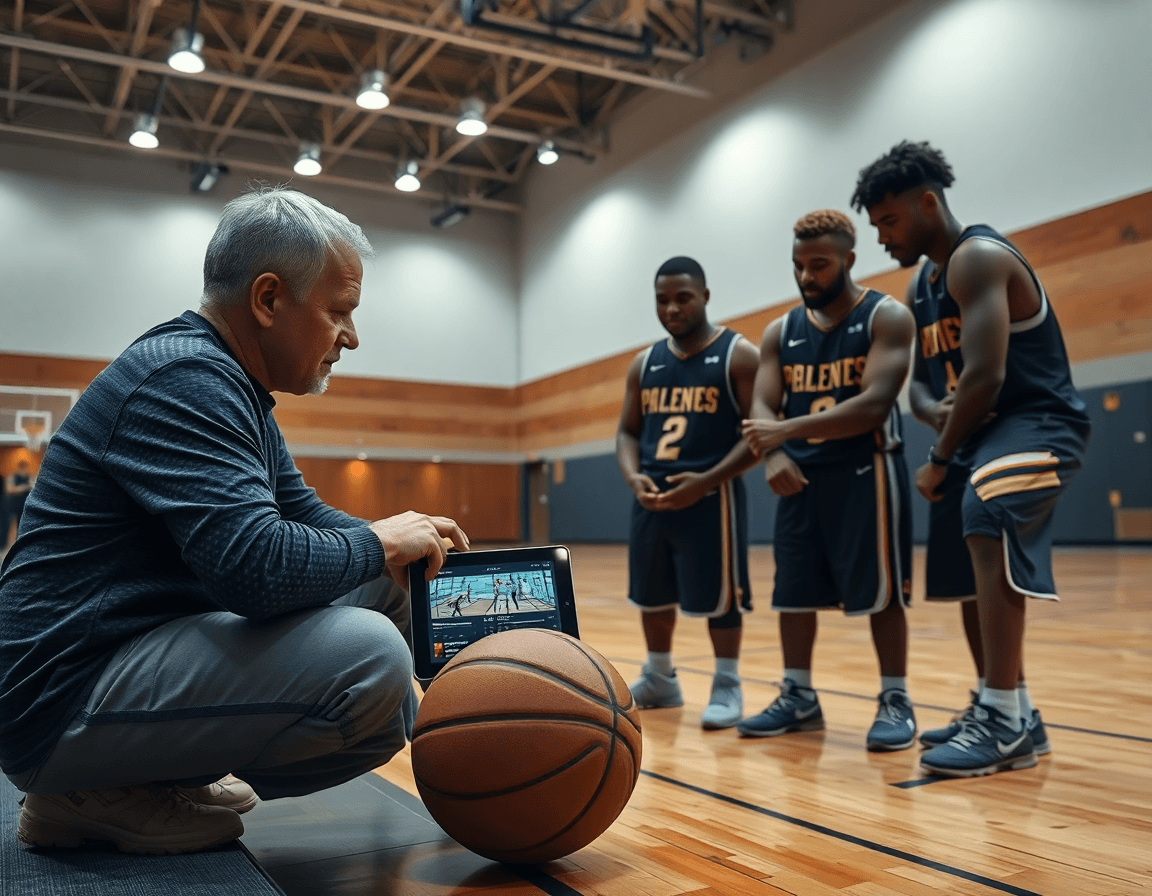
Video reinforcement helps you lock in the 4 cones defensive drill in your weekly plan. Attach demonstration videos and assign them to the drill within a playlist. The idea is simple: players study the correct stance and footwork from multiple angles before practice, then translate that footage into on-floor consistency during drills like the diamond drill and defensive shuffle.
Use video demonstrations to walk through each rep, and label the clips to emphasize the key cues. Coaching cues in clips reinforce proper stance and footwork, making it easier for players to mirror the mechanics during a drill video or when they reset in live reps.
Group related drills into a single playlist for easy reference in practice. A weekly playlist might house the 4 cones drill alongside related pieces—defensive slide, backpedal, and closing out—so coaches can run a seamless session without hunting through menus.
Link clips to specific reps or progressions to standardize teaching cues. For example, connect a guard-on-ball clip to a cone progression, then tie the cue to each progression tag. This keeps the language consistent across reps, allowing assistants to reinforce the same cues on the floor.
Resource Export and Shareable Coaching Material
Within a time-structured weekly plan, the 4 cones defensive drill anchors the early segment of the defensive session. From the CourtSensei drill library, you pull up the drill and its progression—diamond drill, defensive shuffle, defensive slide, backpedal, closing out, on-ball defense—watch video demonstrations, and assemble a playlist. Then export the drill steps and plan as a PDF export for printouts and staff sharing.
Shareability is built in. Create read-only links to provide scalable, clubhouse-wide access so assistants, interns, and managers can review the plan without editing the core content.
Attach scouting notes or game-prep considerations to the drill for quick reference during prep week. A quick note might flag opponent tendencies when applying closing out or on-ball defense, keeping the material actionable and aligned with your scouting report.
Keep a centralized, reusable coaching resource that aligns with weekly game plans, making the printable plan a living document you can reuse across sessions and opponents. This approach ensures your drill library, video demonstrations, and curated playlists feed directly into a consistent, printable plan that travels with the team through every game week.
FAQ
What is a Four Cones Defensive Drill?
The 4 Cones Defensive Drill is a time-structured tool for building multi-directional footwork and a low defensive stance. Cones are arranged in a diamond (or straight line) to practice quick sidesteps, shuffles, and backpedals without breaking posture. In CourtSensei, you pull this sequence from the drill library, pair it with a video demonstration, and drop it into your weekly plan.
How do you set up a four-cone defensive drill in basketball?
Setup: place four cones 12–15 feet apart in a square or diamond. The spacing creates clear angles for a proper close-out and a solid defensive stance. In CourtSensei, find this drill in the drill library, view the video demonstration, and build a short playlist for your team. Then export a printable PDF with the setup diagram and the sequence for weekly prep.
What is the Diamond Drill in basketball?
The Diamond Drill is a progression that emphasizes footwork angles around a diamond pattern, helping defenders mirror drives and recover in stance. It complements the 4 Cones Drill by forcing quick transitions and precise direction changes. In CourtSensei, you can link the Diamond Drill as a follow-up progression in your weekly plan and sync it with video notes for teaching cues.
How can I improve defensive footwork with cone drills?
Focus on compact, choppy steps and maintaining a square hip position. Use slow tempo at first, then ramp up to game pace as players stay under control. Pair the drill with a short video cue and a weekly plan in CourtSensei to reinforce cues like hips square and eyes forward, and add a progression that tightens angles between cones.
How do you close out on a shooter in basketball?
Close-outs start with a low, wide stance and quick, choppy steps toward the shooter. Hands up, eyes on the ball, and a short, controlled last step to pinball the shooter into contested space. Use CourtSensei's video demonstration to model the sequence, then export a PDF plan outlining close-out cues and timing for assistants.
Why are cone drills used in basketball training?
Cone drills provide a structured, repeatable way to build essential skills: balance, direction changes, and reliable angles. They fit neatly into a weekly defensive block and pair with video, playlists, and scouting notes in CourtSensei. The result is steady progress in technique and readiness without relying on constant on-court analytics.