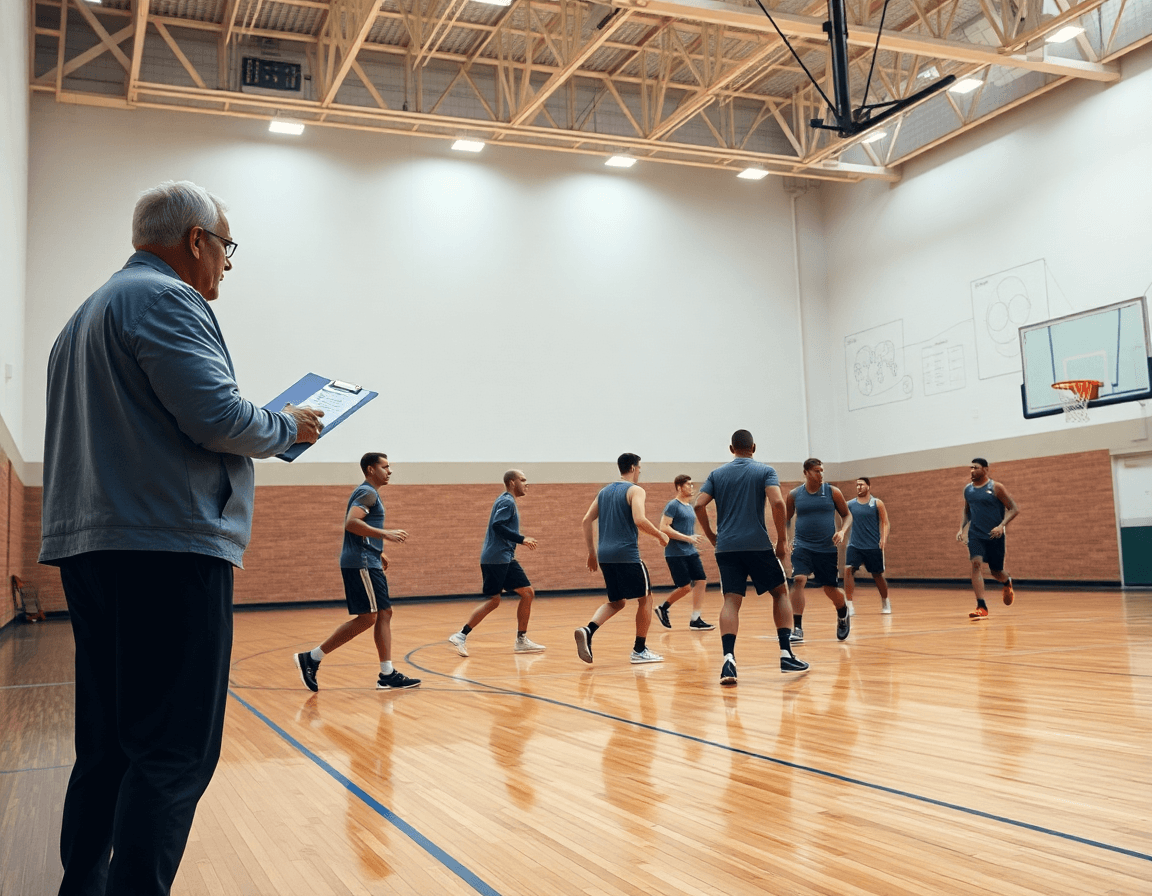
36 Basketball Practice Plans for Coaches
36 basketball practice plans: a coach-focused guide to structuring weekly sessions, with printable templates, drill progressions, and playbook integration.

Key takeaways
- Map the 36 plans into 60/90/120-minute templates to create a weekly rhythm.
- Group drills by the five areas and attach clear coaching points to maintain flow.
- Time-block every session to protect tempo and guarantee reps across 60/90/120-minute blocks.
- Build a printable playbook with a linked video, notes, and drill mapping for quick reference.
- Choose drills with clear coaching points and progression to translate practice into game-speed reps.
Turn 36 Plans Into a Weekly Schedule
With the 36 basketball practice plans, you map a steady weekly rhythm that fits your team's season. Start by selecting templates that fit 60-, 90-, and 120-minute practices, so each session has a clear arc. This approach yields a printable weekly outline you can share with assistants and players, keeping everyone aligned.
Group drills by the five areas: Talk/Warm Up, Skill Development, Strategy, Games, Breaks. Use a consistent frame and label the blocks so the clock is predictable. Even a short cycle like the Perfect 5 Minute Warm Up can set the tone, then move into skill work and game-like actions.
Distribute the 36 plans across a five-day week, adjusting for roster size and goals. You might place heavier skill blocks on days with more bodies, then balance with strategy and live-action games to preserve flow. The result is a clean sequence that supports a steady practice structure throughout the week.
From there, export a concise plan for the floor: map drills to the plan, assemble a playbook for the week, and attach a short video clip to each block for quick reference. Link scouting notes so prep meets execution, and keep the flow tight from drill to drill.
Keep a consistent naming system to quickly locate drills and sequences. In the coach workspace, you can attach video clips, organize playlists, and reference scouting notes without losing sight of the weekly arc. This workflow helps you stay focused on the core elements—drills, playbook, and preparation—without clutter.
Time-Block Each Session Across Five Areas
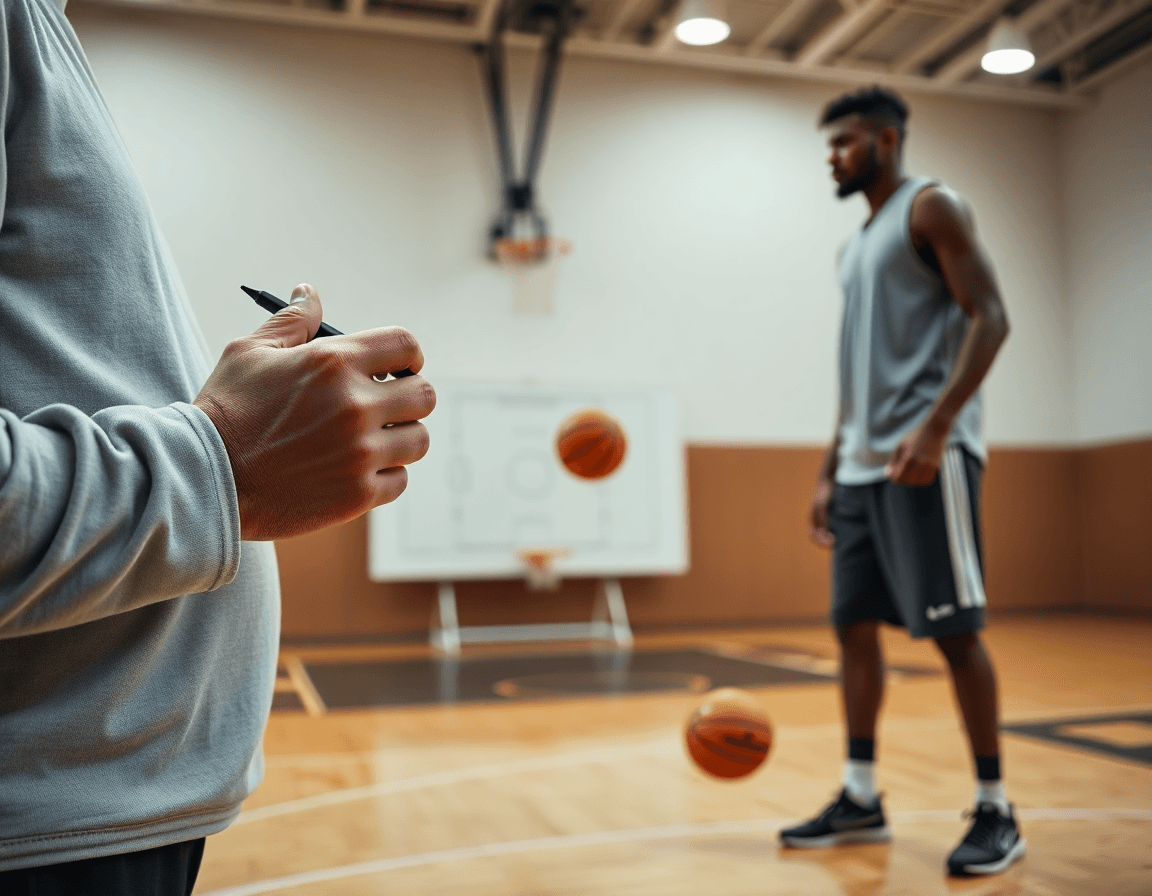
Time-blocking every session across five areas keeps energy high and learning sharp. In your plan, map the five areas: warm-up, skill development, tactical work, live-action practice, and transitions/recap. When you lock blocks, you protect tempo and guarantee reps. This framework becomes your practice structure and scales from a 60-minute practice to longer blocks as needed. It also gives you quick cues to keep focus on the floor.
For a 60-minute practice, here’s a concrete block to start: 6 minutes warm-up, including the Perfect 5 Minute Warm Up and ball handling; 20 minutes of skill development; 14 minutes of tactical work; 14 minutes of live-action practice; 6 minutes for transitions and quick recap. In CourtSensei, you map these blocks, attach any drills, and export a compact playbook if needed. This layout keeps the pace brisk and your players in rhythm.
With a 90-minute practice template, maintain rhythm by: warm-up 9 minutes, skill development 25, tactical 18, live-action 25, transitions 13. This balance preserves skill development and strategy while keeping players engaged through short, sharp segments. The five areas help you translate teaching points into reps, not lectures, on the court.
For a longer block, e.g., a 120-minute template, try: warm-up 12 minutes, skill development 35, tactical 28, live-action 28, transitions 17. This gives room for extensive walkthroughs, video clips, and more intense small-sided games. Plan transitions to minimize downtime so players move from a drill to a live rep with purpose, not delay.
Across all blocks, capture quick coaching cues to reinforce learning on the fly. In your coach workspace, you can link each area to a specific drill, add short video clips for visual reminders, and drop scouting notes beside the plan. With this approach, the bulk of your 36 basketball practice plans becomes a single, cohesive cycle built around playbooks and clips, all without breaking the flow.
Choose Drills With Clear Coaching Points
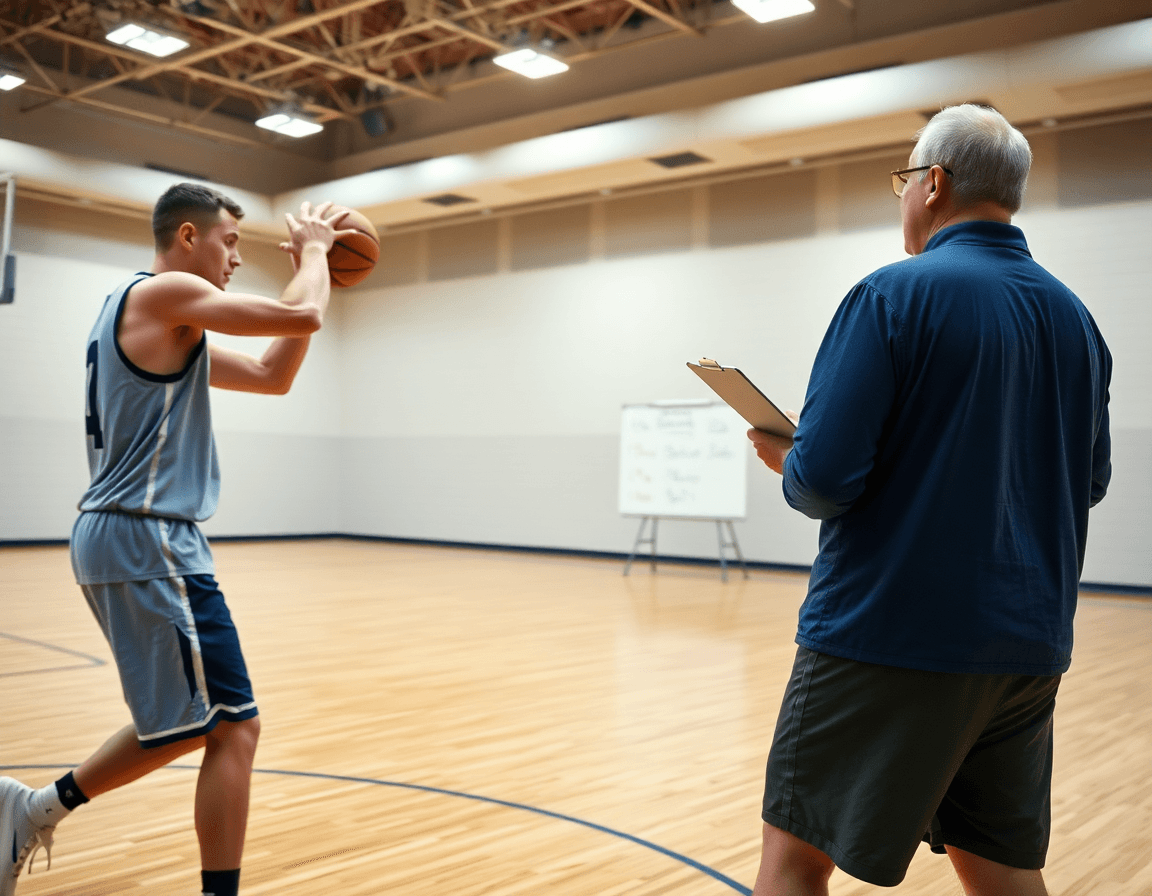
Choosing drills with clear coaching points sets the tone for a smooth, week-to-week flow. With the 36 basketball practice plans, you want options that come with a built-in progression and a concrete coaching target. A well-structured drill should slot into your practice structure and translate to your game-speed reps without grinding stalls into the schedule. That means every drill has a purpose, a cue sequence, and a path from fundamentals to execution.
Two standout options to anchor a session are the ball drop drill and the corner recovery drill. For the ball drop drill, focus on stance, catch timing, and finishing through contact, with explicit cues that you can call in the huddle. For corner recovery, emphasize sprint angles, ball-side positioning, and explosive transitions to the ball. Both should come with coaching points that you can reference aloud so assistants can run the segment consistently.
Note progression steps to move players from fundamentals to game-speed reps. Start with basic mechanics, add light pressure, then introduce decision-making and speed. Your plan should spell out how to advance each player group, so you can push or back off without breaking rhythm. This mirrors a practical use of the 36 plans to move from fundamentals to on-court reads.
Group drills by skill area to streamline practice flow. Pair ball-handling progressions with shooting or defense-focused segments, then weave in quick breaks and a perfect 5 Minute Warm Up to reset the pace. A clear structure helps you stay sharp across games and situations, from small-sided games to full-team sequences. Finally, annotate drills so any assistant can run segments with the same intent, and keep all coaching points, video clips, and scouting notes linked within your coach workspace for easy reference.
Build a Printable Playbook From Your Plans
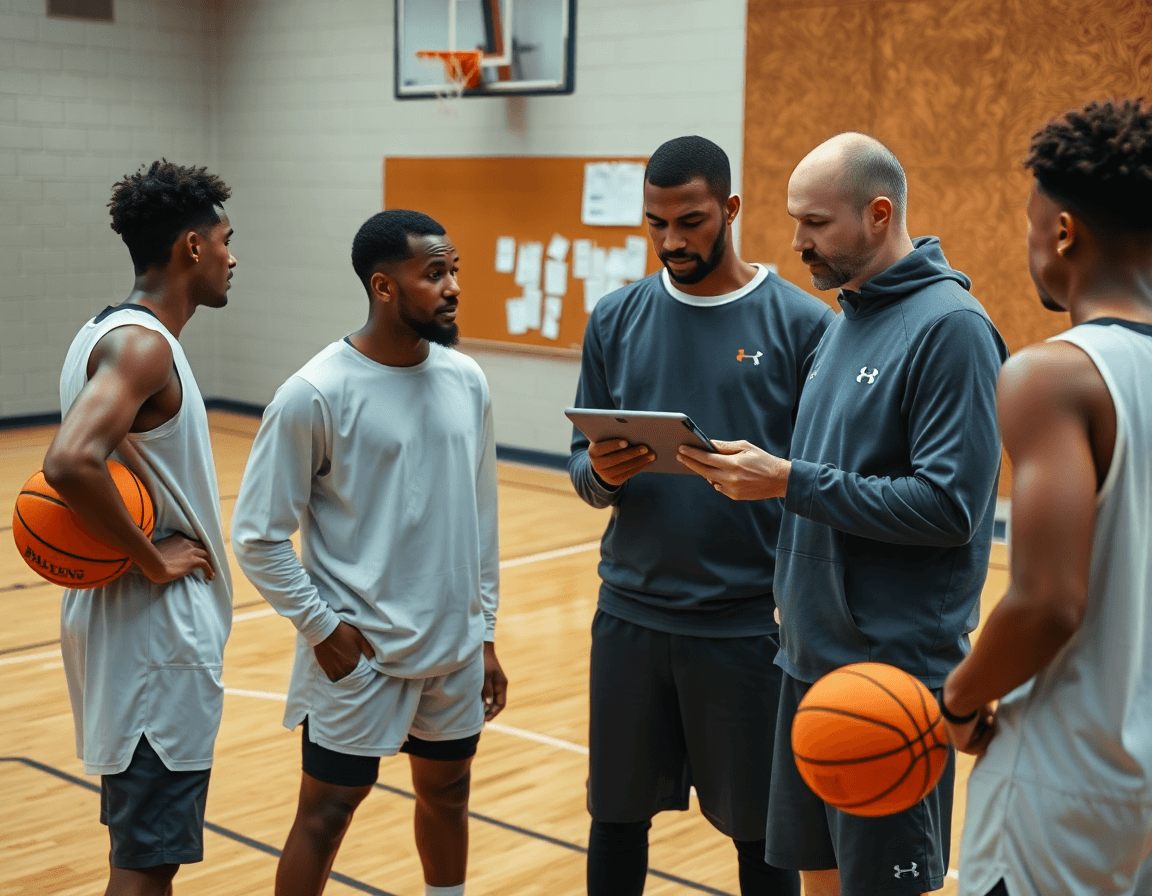
With the 36 basketball practice plans mapped into a time-structured workflow, you can build a printable playbook that travels with you from court to desk. Start by linearly organizing the week: Perfect 5 Minute Warm Up, skill development blocks, small-group drills, and planned breaks. Each drill sits in its slot with a tight coaching point and a quick visual. The plan becomes a reliable reference in your coach workspace, ready for export or print.
Export practice sequences to PDF for print-and-go sessions. The PDF export keeps play visuals aligned with drill templates, so the look you see on the board matches what’s in your handouts. Include a short video clip for key actions and a few scouting notes tucked beside relevant sequences. This is not about fancy analytics; it’s about clean, ready-to-teach material that travels well.
Assemble play sequences into a cohesive playbook for the week. Group by objective—transition offense, defensive rotations, or late-game sets—and weave in your recommended game plan. Link related clips, and tie in scouting notes so every session builds toward the same strategic thread. The result is a single, readable document that unifies drills, plays, and coaching cues.
Use standard formats to ensure consistency across teams and sessions. Apply the same layout to every day, every drill, every coaching point, so players and staff experience predictability. This consistency supports a solid practice structure, clear skill development paths, and easy integration of small-sided games and ball drop drill sequences.
Share the playbook with staff using a read-only link if needed. A secure, shareable version lets assistants review or print the plan without changing the core content. Everything stays in your coach workspace, with PDFs, videos, and scouting notes accessible on demand.
Attach Video Clips and Scouting to Your Sessions
As you map the 36 basketball practice plans into a single weekly rhythm, attach video clips that demonstrate drills and game principles. Upload and label clips that show proper form on the ball drop drill or illustrate how a drive-and-kick sequence unfolds in a live action scenario. In your coaching workspace, each session in the time-structured plan can host related video clips and notes, keeping the flow from the Perfect 5 Minute Warm Up through skill development tight.
Link scouting notes and opponent tendencies to relevant sessions so prep translates into practice structure. Attach scouting reports to a session that covers how to guard a ball-screen or counter a specific look; this ties strategy directly to the drill sequence, small-sided games, and breaks. With this linkage, you’re turning information into actionable steps for the week.
Organize clips and reports within the coaching workspace for quick reference. A labeled clip library lets you group by drill (ball-handling progression, ball screen action, rebound and outlet) or by opponent tendency, with the associated scouting notes traveling along so any coach on the floor can pull up the right material in seconds.
Reference clips during practice to reinforce correct technique and decisions. When you run a drill in the small-sided games block, pause, show a clip of a proper close-out, and then resume with a quick feedback moment, keeping learning tangible.
Keep the flow focused on development rather than analysis alone. With everything in one place, your practice structure, drills, and scouting context stay cohesive, creating a clear path from planning to game-day execution.
A Practical 1-Week Workflow
A practical 1-week workflow starts with the 36 basketball practice plans. You map bulk drills into a time-structured coaching workflow, using CourtSensei to organize drills, assemble and export playbooks, attach video clips, and link scouting notes within a single coach workspace. This is your baseline for a week that keeps every session purposeful and aligned with your season goals.
Day-by-day plan: Mon–Fri. In the plan, you assign a core set of drills, attach the relevant files, and set targets for each day. On each session, the playbook can be exported for staff or shared as a read-only link for players in your gym. This keeps your practice structure clean and repeatable.
Prepare a weekly outline in the workspace and share with assistants. The outline ties together the drills, video clips, and scouting notes, so everyone moves with the same framework. When you’re short on time, you can export a complete weekly plan and send it to coaching staff as a single document.
Run a consistent warm-up and cool-down routine across days. A strong start with a loop of mobility to ball-handling motion sets the tone, and you finish each session with a cool-down that reinforces recovery. Use the “Perfect 5 Minute Warm Up” as a known starter from the library, then cycle to skills work.
Track what worked and what needs adjustment for the next week. In the workspace, you log quick notes after each day, then adjust the plan or swap drills as roster or outcomes dictate. The ability to reference scouting notes and clip-backed feedback helps you decide what to keep and what to replace.
Use the library to quickly swap drills based on roster and outcomes. If a rotation call demands more ball handling, swap in a small-sided game or a ball drop drill from the 36 plans. This keeps your structured weekly plan flexible while staying focused on skill development, strategy, and game preparation.
FAQ
What are the five areas of basketball practice structure?
Basketball practice rests on five areas: Talk/Warm Up, Skill Development, Strategy, Games, and Breaks. Structure keeps every session tight and repeatable. Group drills by these blocks and label them so the clock stays predictable. CourtSensei supports this by letting you map drills to each area, add coaching cues, and attach short videos for quick reference. This keeps your weekly rhythm clear.
How long should a 60-minute basketball practice allocate time to skill development, strategy, and games?
For a 60-minute practice, aim for a concise rhythm: a short warm-up (6 minutes), then about 20 minutes of skill development, 14 minutes of tactical work, 14 minutes of live-action practice, and 6 minutes for transitions and recap. CourtSensei blocks reflect this balance, letting you map blocks, export a compact playbook, and keep the team in rhythm.
What is the Perfect 5 Minute Warm Up in these practice plans?
A short, repeatable start to every session, the Perfect 5 Minute Warm Up focuses on stance, catch timing, and quick ball handling to set rhythm and readiness. It provides clear cues you can call in the huddle and helps you transition into the next block. In CourtSensei, map this warm-up to the plan and anchor it with a visual cue.
What are Ball Drop and Corner Recovery drills in basketball practice?
Ball Drop drill focuses on stance, catch timing, and finishing through contact with explicit cues for the huddle. Corner Recovery drill emphasizes sprint angles, ball-side positioning, and explosive transitions to the ball. Both drive consistent coaching points and can be annotated in the plan so assistants run segments with the same intent.
Can you customize basketball practice plans for your team?
Yes. You can customize templates to fit roster size, goals, and season phase, and adjust blocks to a five-day week. CourtSensei lets you map drills to the plan, attach short videos, and link scouting notes, creating a cohesive, coach-friendly workflow that stays aligned with your team objectives.
What are small-sided games (SSG) in basketball practice?
Small-sided games are compact, high-action formats such as 3-on-3 or 4-on-4 that pressure decision-making and spacing. They fit into live-action blocks to translate teach points into game-like reps. In CourtSensei you can plan and link SSGs to your playbook and clips, maintaining flow from drills to live action.
What is shell drill used for in basketball defense?
Shell drill trains defensive spacing, help-and-recover concepts, and communication. It builds the backbone for rotations and on-ball pressure without full scrimmage. Use it to establish a foundation before moving to more complex team reads, and link it to your plan in your coach workspace for consistency.