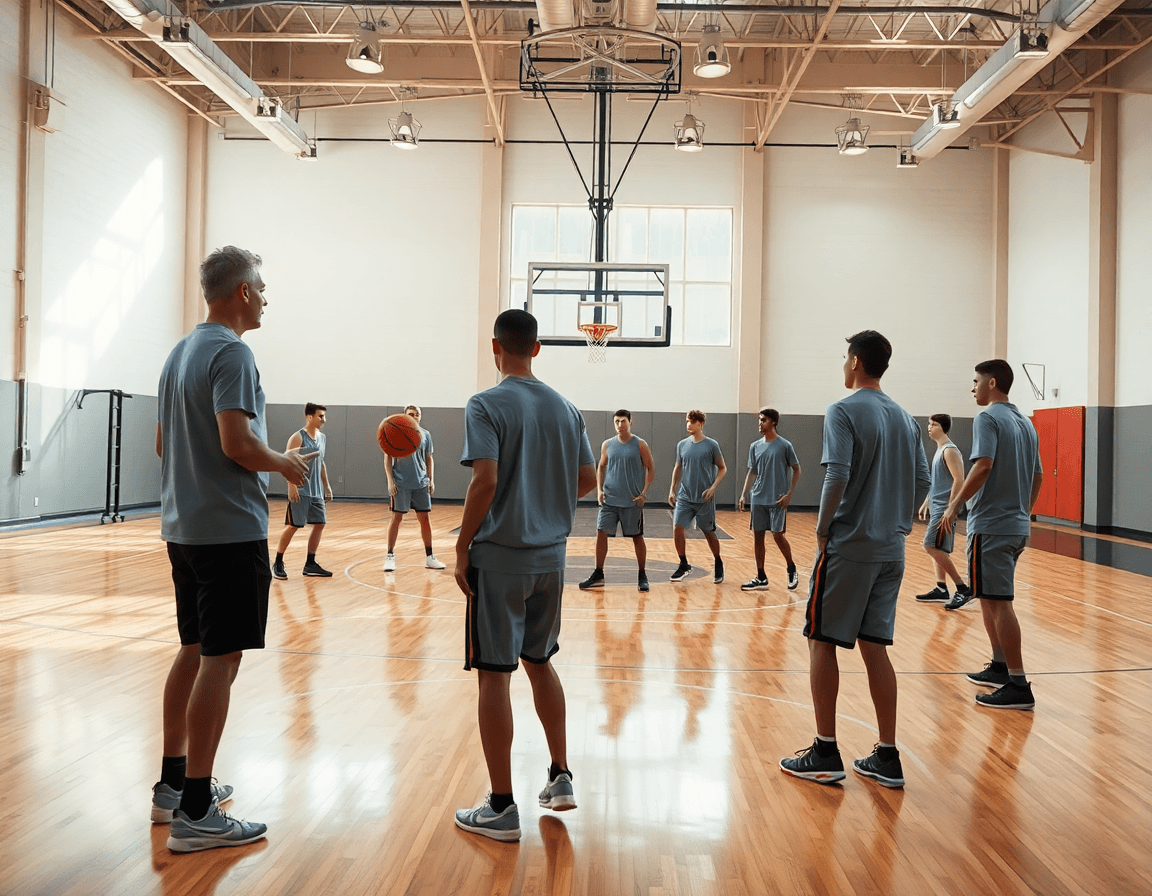
4-Out 1-In Motion Offense: Attack and React
Coaches: master the 4-out 1-in motion offense—attack reads and spacing. Diagram plays, plan practices, and review sequences with a coaching workflow.

Key takeaways
- Prioritize spacing: maintain ~18-foot gaps to create driving lanes and reads for action.
- Teach read-and-react sequences with dynamic perimeter shell and disciplined kick-outs to shooters.
- Incorporate high-post reads: splits and low-post drops to sustain ball movement in your progression.
- Use CourtSensei tooling: animate actions, generate a PDF playbook, and build scouting notes.
- Structure weekly blocks around read-and-react spacing, reads, and counters to reinforce the flow.
What is 4-out 1-in and why it fits your roster
In a 4-out 1-in setup, four players space the perimeter while a single post works inside, fitting as a motion offense option. The arrangement fits rosters with versatile wings and a capable post who can seal and finish. The model creates clear driving lanes and decision points for ball handlers, letting attackers read defenders and react with purpose, especially around spacing in basketball offense.
Reads and reacts shape how your team moves the ball, where driving angles form, and which post options stay available. Off-ball movement, backdoor cuts, and kick-out passes become tools to punish gaps. When defenses overplay, you can opt for drive-and-kick or a quick interior seal to reset the offense.
With CourtSensei, you can turn the plan into structured weekly training plans, diagram and animate actions, and build shareable playbooks in PDFs. Upload video clips, assemble playlists for read-and-react sequences, and keep everything organized in your coaching workspace.
Construct scouting notes to prep for opponent defenses, capturing tendencies against 4-out 1-in and how they defend spacing in basketball offense. Storyboard a few read-and-react sequences so your staff can study the clips, callouts, and alignment changes ahead of games. A small library of actions linked to plays helps teach sequence flow.
Core spacing rules to drive read-and-react reads
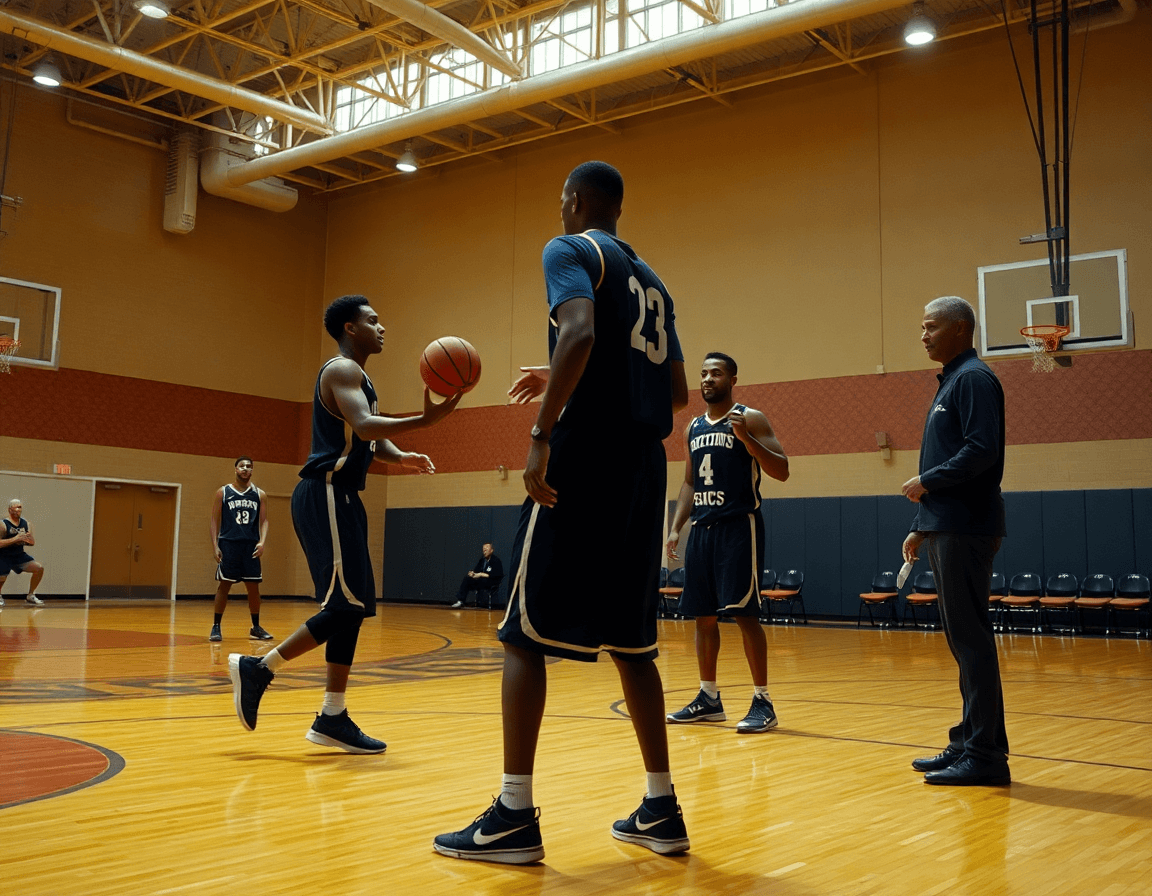
Core spacing starts with establishing a stretched floor. For a 4-out 1-in motion offense, keep players roughly 18-foot spacing apart from each other and from the rim. On the perimeter, the top, wings, and corners form a wide shell—your perimeter spacing—that supports quick ball reversals and a post-entry option when a read calls for it. When spacing tightens, help defense can collapse the driving lane; with proper width, the ballhandler gains cleaner drives and more reads. Treat this as the foundation of your weekly plan: set the width first, then layer reads off action.
Beyond width, the goal is to balance gaps so there’s always a lane and an outlet. When a guard attacks, the nearest teammate fills the opening, the opposite wing slides to a new angle, and the corners lift to stretch the floor. This balance keeps defenders guessing and fuels the reads of a read-and-react offense. The drive can end in dribble penetration or kick-out passes; you might also see a quick give-and-go or a backdoor cut as defenses rotate. Keep the spacing dynamic, not static.
Translate this into your weekly plan with two practice blocks: a spacing drill that emphasizes keeping the shell open and a read-and-react sequence that trains the ball-handler’s decisions. Use a 4-out shell and have defenders close the gaps gradually to simulate help rotations; include drill cues for kick-out passes and backdoor cuts. In CourtSensei's coaching workspace, you can diagram and animate these spacing patterns, build a PDF playbook detailing the 18-foot rules, upload video clips, and attach scouting notes to the sequence for opponent defenses.

Key actions and reads: cuts, post options, kick-outs
Key actions and reads start with the cuts you prescribe and the reads you expect from your players. In a 4-out 1-in motion offense, the three primary cuts are the backdoor cut, the give-and-go, and read-and-react fills. A well-timed backdoor cut can turn a guarded wing into an open layup or a quick dump. The give-and-go keeps ball handlers honest and lets the cutter read the defender's stance. Read-and-react fills demand spacing discipline: a guard slides into an empty pocket as wings relocate, creating a second option before the defense re-stitches.
Flow from those cuts leads to reads that decide attack, pass, or pivot. When the defense overplays the paint, a quick dribble penetration can collapse the defense and yield kick-out passes to the shooter on the weak side. If a defender sinks, a direct pass to a wing becomes a clean look or a sideline drive. The read-and-react offense hinges on spacing: as the ball moves, cutters fill the gaps and the team selects drive-and-kick or read-and-shoot options. In your weekly plan, you diagram and animate these actions, then build PDFs of the playbooks for quick reference.
Post options add power when perimeter action stalls. The ball can be funneled to the high-post to initiate a split action, or dropped to the low-post for a strong entry pass. A dependable feed from the ball side keeps the defense from relocating early and opens quick shots. In a motion framework, post reads complete the sequence: if the entry is high, look for a skip pass; if it sits low, flash to the middle and drive. This forms the backbone of post play in motion offense.
Progression-based teaching: installing the offense
Progression-based teaching: installing the offense
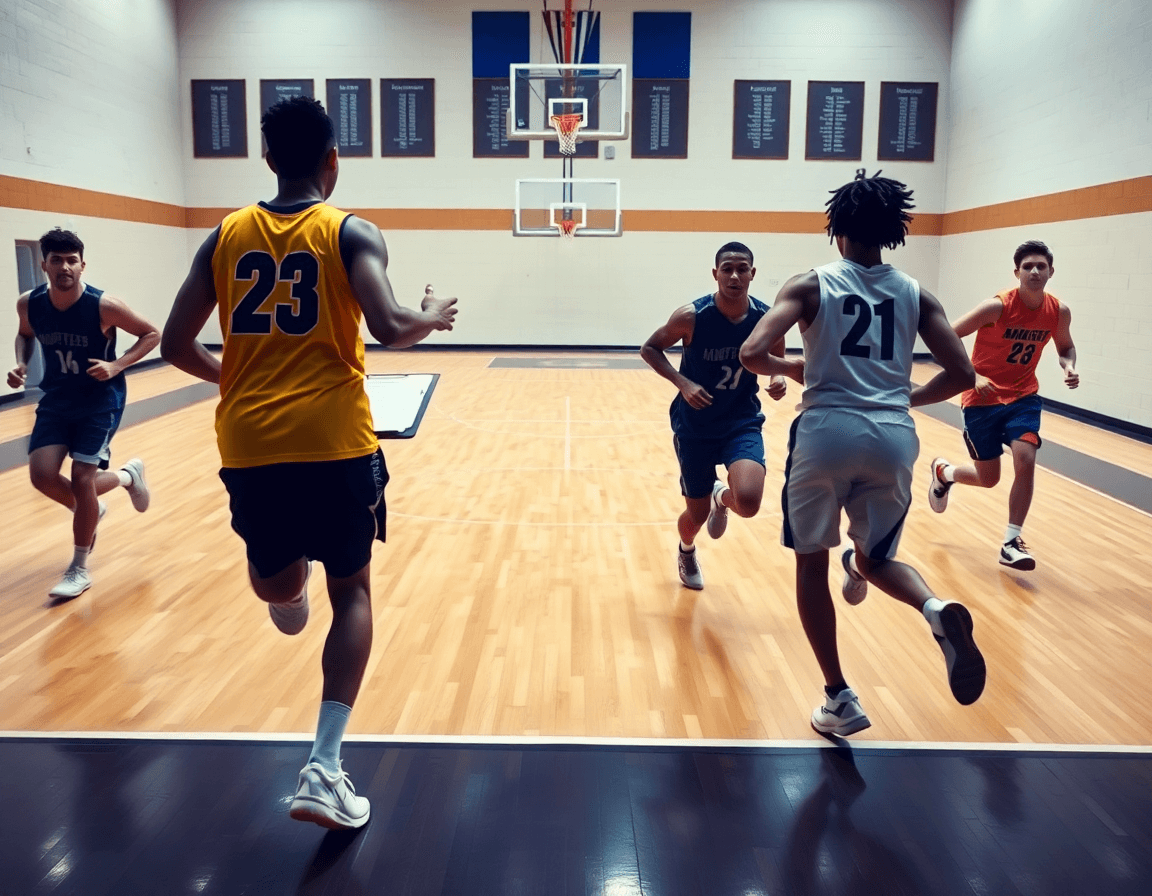
In a 4-out 1-in motion offense, you install the system with a clear progression that builds spacing, reads, and actions. Start by laying out the floor: every shooter and cutter knows exactly where to stand and when to move. With CourtSensei, you turn that plan into a structured weekly training plan, then diagram and animate the initial actions so you can show, not just tell, the reads. A shareable PDF playbook rounds out the starter kit for staff and assistants.
Install in steps: spacing, cuts, post options, then reads and counters. Begin with spacing to open driving lanes and kick-out options, then add simple cuts off ball reversals. Next, introduce post options—high post or elbow decisions that create 2-on-1 opportunities or quick decisions for the facilitator. Finally, layer in reads and counters so players react to help, deny, and contact under pressure. This approach aligns with a dribble drive mindset and keeps the read-and-react flow intuitive, not rigid.
Concrete workflow helps: build a short video clip library of each progression phase, assemble playlists for read-and-react sequences, and attach scouting notes that highlight opponent defenses to attack. As you progress, you can export a PDF playbook with numbered actions and diagrams, then circulate it to the staff. When the game tempo shifts, the framework adapts—you can annotate reads, counters, and counters-to-counter in the same workspace.
Keep it practical on the floor: emphasize spacing in basketball offense, practice backdoor cuts and kick-out passes, and layer in dribble penetration into the 4-out 1-in rhythm. The goal is a cohesive attack that teaches players how to read the defense and react with purpose, while you document every step for future weeks.
Defending against 4-out 1-in: man and zone adjustments
Defending against a 4-out 1-in setup puts a premium on spacing, reads, and disciplined rotations. When the ball swings to the weak side, the defense must compress gaps without inviting drives, while staying ready for ball reversals and post-entry. In a read-and-react offense, players don’t just react to the ball; they anticipate options—kick-outs, backdoor cuts, or a quick post seal. The goal is to deny easy paint touches while staying connected to the post and the shooter on the perimeter, forcing the offense into contested decisions.
Man defense adjustments: tighten the gaps between the top and wings, deny direct post entry, and sprint to shooters off the catch with high hands. The weak-side helper should be ready to stunt, then recover to the post or the ball, depending on where the drive goes. Rehearse shell drills and closeout sequences that emphasize pressure on the ball, mirror-cut decisions after reversals, and decisive ball-screen help. In your weekly plan, map these rotations with CourtSensei—from diagramming to short video clips—and build a shareable PDF playbook outlining the exact calls and rotations for both drive-and-kick and backdoor reads.
Zone adjustments: a 2-1-2 or 3-2 can clog the middle when you’re facing four outside threats. Emphasize deny-to-the-ball, front the wing, and quick rotations to help on drives while not overloading any one lane. The post player eyes the ball, while the weak-side guard pressures kick-out passes. Compile scouting notes on opponent spacing, frequency of ball reversals, and post-entry patterns, then translate those insights into read-and-react sequences in your coaching workspace. Export a PDF with zone matchups and rotation timings to keep the staff aligned.
Diagram, film, and scouting: turning sightings into action
You’ve watched the defense over several possessions in your 4-out 1-in motion offense and you’re turning those sightings into action. The goal is to externalize what you teach on the floor so players can read and react with confidence. Diagram plays to map spacing, reads, and entry options, then translate that into an actionable weekly plan.
Diagram and animate actions for teaching and practice. Use on-screen diagrams to show how a spacing shift opens driving lanes, how a kick-out leads to a quick shot, or how a post quick-hits in motion can create a backdoor cut. Then animate the sequences so your assistants and players see timing and angles, not just labels on a board.
Video clips and playlists become your motion offense laboratory. Upload clips from practice, trim key instances, and assemble them into focused playlists for read-and-react sequences. Short clips in a drill block beat long lectures, and playlists make it easy to revisit ideas during film work or pre-practice warmups.
Scouting notes and PDFs tie prep to action. Compile notes on opponent defenses, summarize tendencies, and log those observations in a scouting report. Export PDFs for staff meetings, and link those insights to your playbook organization so the team practices against specific looks.
In the weekly plan, these elements converge: diagram plays guide drills, video clips and playlists drive decision-making, and scouting reports shape game prep. The result is a consistent, teachable language for the read-and-react flow and a shareable, print-ready playbook you can trust.
FAQ
What is a 4-out 1-in motion offense?
A 4-out 1-in setup spaces four players on the perimeter while a single post works inside. It's a read-and-react motion offense that creates driving lanes and decision points for the ball handler. The model fits rosters with versatile wings and a capable post. With CourtSensei you can turn that plan into weekly training plans, diagram actions, and build a shareable PDF playbook.
How do you run a 4-out 1-in motion offense?
To run it, start with a wide, stable spacing shell and then layer in simple cuts and reads. Let the ball handler attack and choose drive-and-kick or a quick interior seal to reset. Add post options when the read calls for it. Use CourtSensei to diagram and animate these actions, and build a quick PDF playbook for staff.
What are the advantages of the 4-out 1-in offense?
4-out 1-in gives you floor space to read defenses, creates multiple driving lanes, and keeps post options available for counters. It suits versatile wings and a skilled post, promotes continuous ball movement, and supports a true read-and-react approach. For coaches, the system translates into weekly drills and clear playbooks, with diagrams and clips that support practice blocks.
What post options exist in a 4-out 1-in motion offense?
Post options include high-post entries to initiate splits, elbow decisions to create two-on-one looks, and low-post feeds for strong entry passes. In a motion framework these reads complete the sequence: high feeds skip passes if the defense overhelps, or flash to the middle and drive. Use CourtSensei to illustrate these options, capture diagrams, and attach scouting notes to the sequence.
How can you defend against a 4-out 1-in offense?
Defenders should shrink the floor and disrupt spacing by denying early passes and closing gaps. Pressure the ball to trigger rotations, protect the rim, and deny kick-outs to shooters. Anticipate drive-and-kick sequences and communicate rotations. Build scouting notes to map opponent tendencies and tailor counters in your weekly plan.
What is read-and-react in a 4-out offense?
Read-and-react is the core: players read defender angles and decide the next move—drive, pass, or shoot—based on spacing. Teach with a spacing drill that keeps the shell open and a read-and-react sequence that trains decision-making under pressure. CourtSensei helps by diagramming sequences, linking actions to plays, and storing clips for quick reviews.