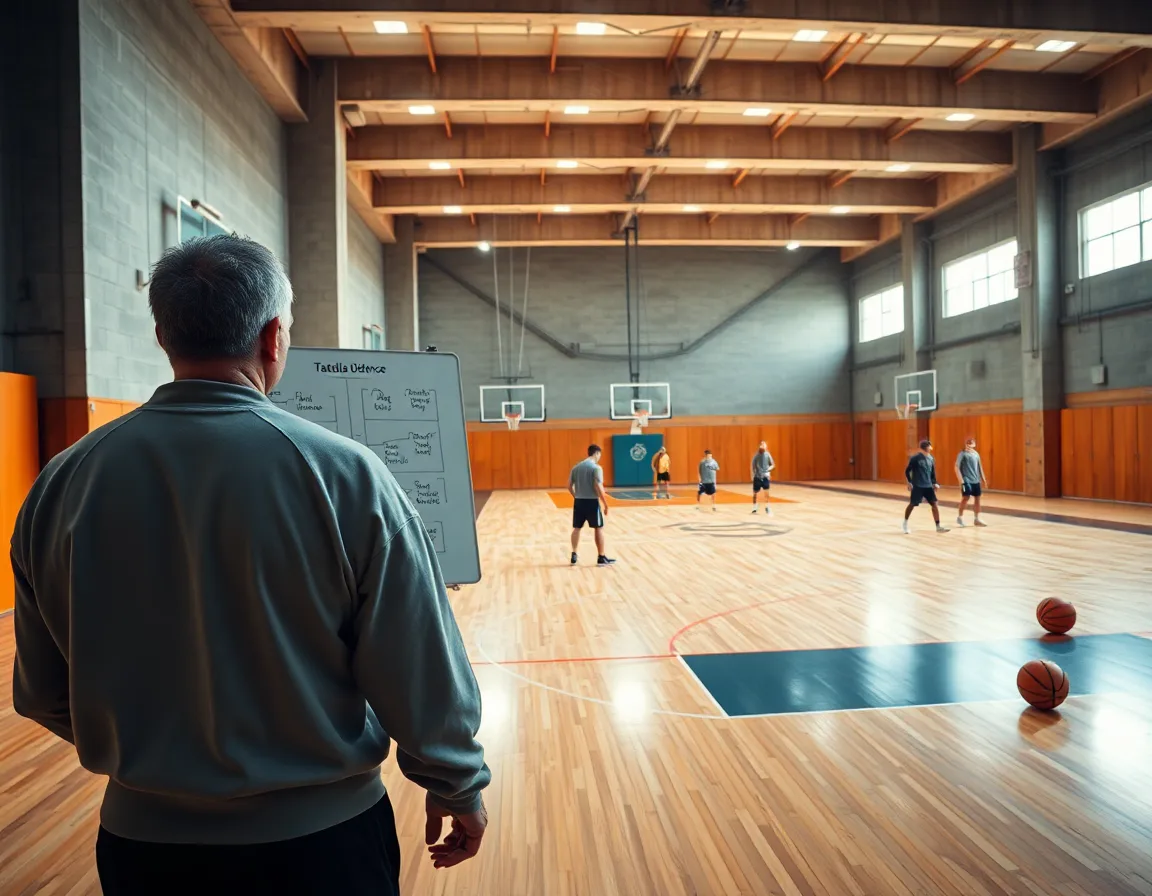
Amoeba Defense Basketball: Weekly Plan
A coach's weekly plan for Amoeba Defense Basketball: structure drills, on-ball pressure, and video scouting to sharpen game prep and defensive execution.

Key takeaways
- Adopt a five-day weekly rhythm to train the amoeba defense with shell work, live reps, and review.
- Prioritize on-ball pressure and crisp rotations to disrupt rhythm and generate turnovers in games.
- Install 1-1-3 diamond and guard-front formations, isolating principles in blocks, then weave with situational reps.
- End week with clip review, compare rotations to outcomes, and update scouting notes in your workspace.
- Use change-of-pace amoeba as a blend with base man or zone without overhauling packages.
What is the amoeba defense and why use it
The amoeba defense basketball approach is an aggressive hybrid that blends on-ball pressure with zone and trap concepts to disrupt offenses. At its core it collapses passing lanes and forces hurried decisions, creating space for turnovers. It adapts between pressure and protection based on matchup and score. When executed well, it looks like multiple fronts at once, with the ball handler surrounded by pressure and smart rotations.
Why use it? It provides a change-of-pace that can interrupt rhythm and spark fast breaks after a stop. It is not a standalone system; it complements base man-to-man or zone packages. The strength lies in its ability to surprise offenses and keep them off balance without overhauling your entire defensive package.
From a weekly planning perspective, the amoeba fits into a coach's scouting and practice sequence. In practice you can sketch the actions on the board, animate them, and attach clips to a playlist for quick review. CourtSensei helps you structure weekly training plans, draw and animate defensive actions, build scouting notes and playlists, and link drills, clips, and reports within a personal coaching workspace. This keeps your team aligned on the look you want without drowning in notes.
This is an aggressive zone defense that seeks to disrupt offensive flow and force turnovers. This defense is a change-of-pace option that can complement base man-to-man or zone defenses. Amoeba defense guide
Core concepts and typical formations
Core concepts start with on-ball pressure, sideline traps, and post containment to protect key spaces. In the amoeba defense, the aim is to pressure the ball handler while using the sideline as the boundary to corral dribble penetration. Post containment helps deter cuts into the middle and protects the paint. In your weekly plan, you can isolate each principle in a practice block, then weave them with situational reps. CourtSensei helps you structure the plan, draw the defensive actions on the board, and attach a short video to illustrate the stance. Build a scouting note and a drill playlist that reinforces the concepts and links clips to formations.
Common formations associated with this approach include the 1-1-3 diamond and variations like the two-guard front. The 1-1-3 diamond places a rim protector near the ball and guards in the gaps, creating pressure on ball reversals and screening actions. Rotations and responsibilities shift when the ball swings to the perimeter, the high post, or the low post. The guard at the top communicates with the wing players to adjust between traps and recoveries.
To translate this into a weekly rhythm, map a drill block to each scenario: install the alignment, rehearse the trap angles, then practice recovery rotations. In CourtSensei you can draw the setup for each formation, animate a few defensive movements, and build a linked drill playlist of clips and scouting notes for upcoming opponents. The goal is to have a clear, repeatable sequence that players can read and react to during games.
The originator of the Amoeba defense was late coach Jerry Tarkanian at UNLV some years ago. This is a gambling zone defense that will help you get some steals and fast breaks. Amoeba Defense
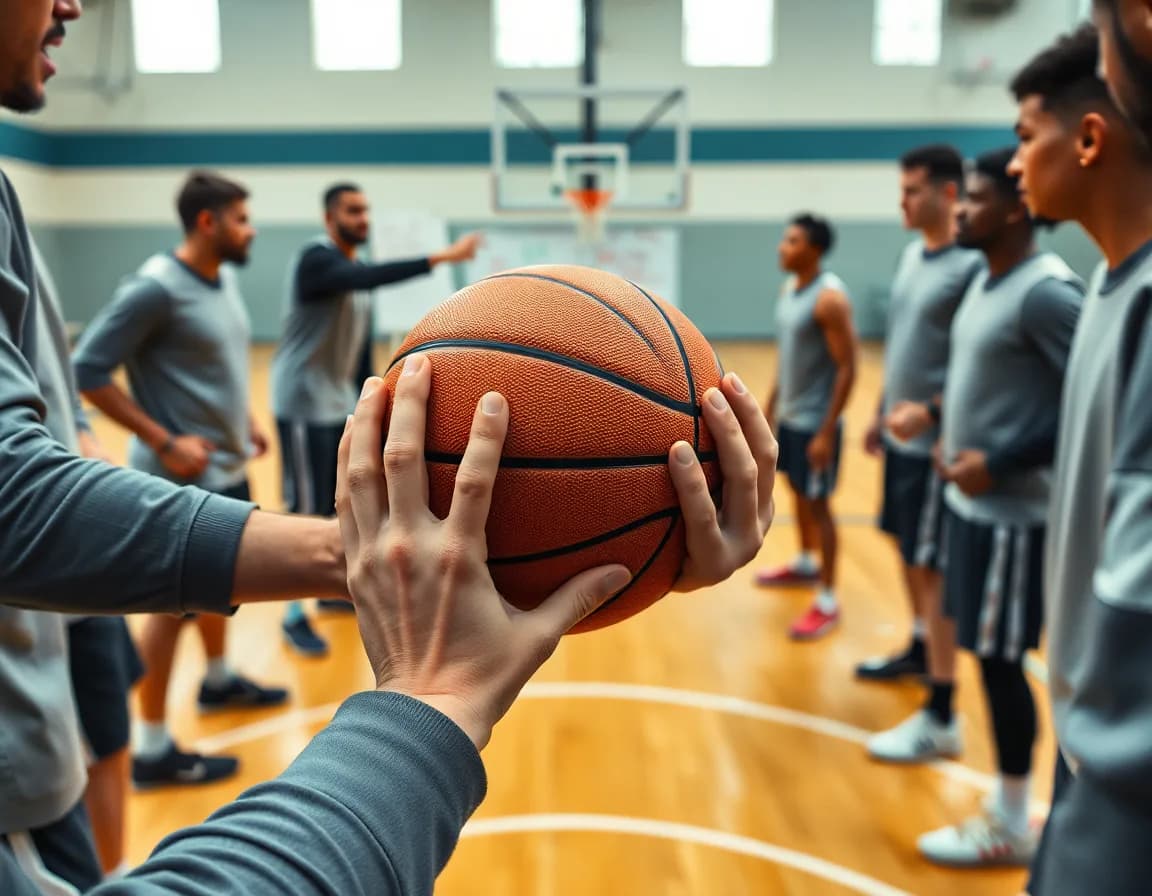
Weekly plan template for amoeba defense
The simple five day block keeps the amoeba defense in a steady weekly rhythm. Start with fundamentals and shell work, then move into live-action reps, add targeted situational drills, and finish with a focused review. This cadence helps you build timing, communication, and decision making under pressure while keeping the plan callable in your coaching workspace.
Day 1 fundamentals and shell work. Establish the base alignment and roles in the 1-1-3 and its variants, drill discipline in shell coverage, and tune communication cues. Keep it slow enough to lock in rotations, faster enough to feel the tempo of a real possession. Link the drills to a single playlist so you can review the same actions later.
live-action reps in the shell. Bring pace up and practice on-ball pressure and deny angles. Have players call out rotations and recoveries, emphasizing quick adjustments to ball screens and mismatches. Capture a short clip of a clean hedge or switch and save it as a reference for later review.
Day 3 situational drills. Recreate late game feel, late-clock decision making, and multiple actions before the ball enters the paint. Work on traps and rotations into the gaps, then peel back to base shell if things heat up. Use a few read-and-react sequences to reinforce decision making under pressure.
mixed action. Combine live reps with quick situational reps to stress timing and communication in a game-like flow. Emphasize the on-ball pressure and the vertical recoveries that keep the line intact during cuts and screens.
review and adjustments. Analyze clips, compare intended rotations to actual outcomes, and update the scouting notes. End with a quick video review and link the week's notes, clips, and reports in your personal coaching workspace.
Drills and playbook mapping
Drill themes aligned to Amoeba actions: ball pressure, denial, trap rotations, and post-entry defense. In the weekly plan, you tag each drill with the Amoeba action it supports, so the routine feels cohesive and transferable to the floor. The goal is a training sequence where reps build understanding of the defense as a fluid unit, not a collection of isolated tasks. By labeling drills and aligning them to specific game actions, you can see how a single practice maps to a handful of real scenarios on game night. This approach strengthens your overall basketball defense mindset and makes the playbook easier to follow.
Map drills to specific game actions and build a library that can export as PDFs and be used in playbooks. You create a playbook mapping framework that ties each drill to actions like on-ball pressure, denial, traps, and post-entry defense. The result is a training library you can print or share with staff, while using CourtSensei to link drills to clips and scouting notes inside a personal coaching workspace. When you assemble a session, you can pull the right sequences for the week and keep them aligned with the Amoeba defense philosophy.
An example sequence can help you see the flow. Start with a ball pressure drill at the arc to reinforce angles, then run a denial drill on the weak side to practice denying ball reversals, followed by a trap-rotation drill near the top of the key and finish with a post-entry defense drill fronting the post. Each drill directs to a short video clip and a scouting note, ensuring your plan remains actionable and easy to reference in game prep. This is the core of the weekly library that supports your defense from practice to game prep.
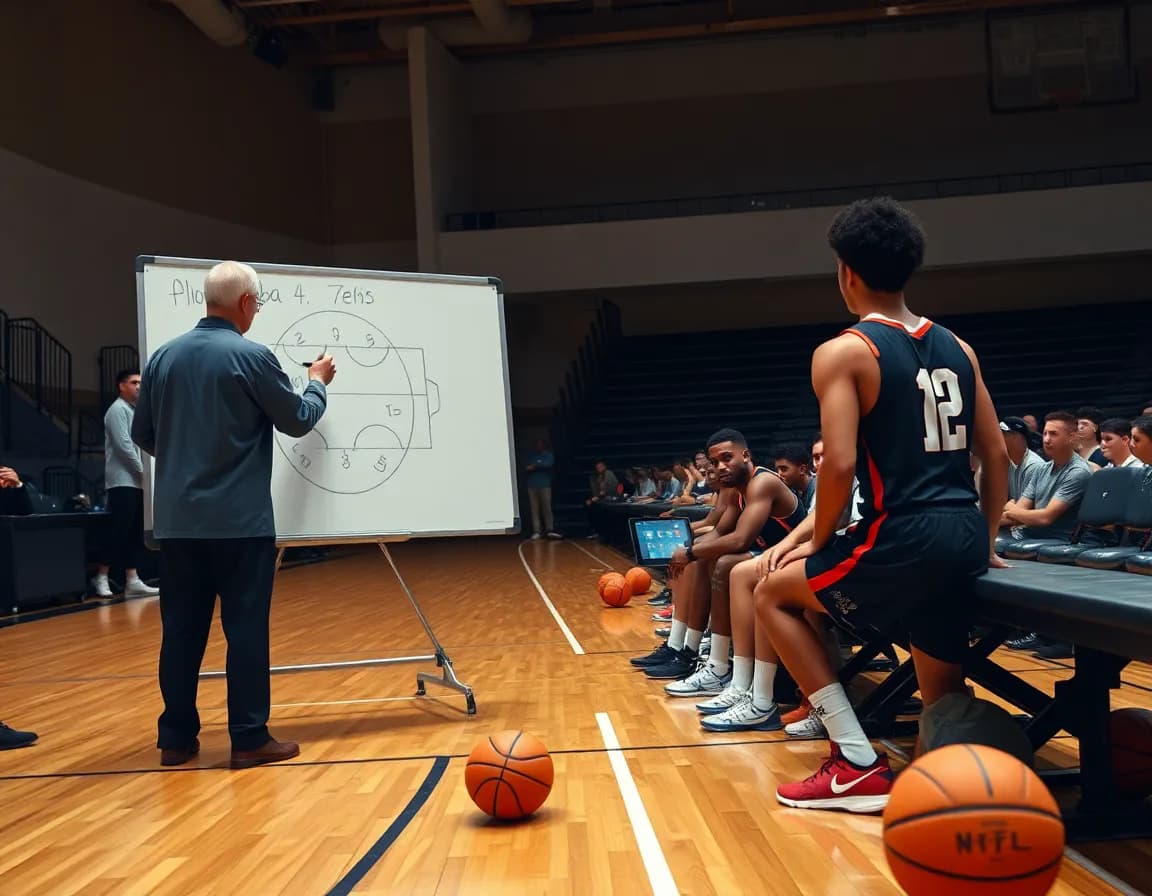
Video and teaching workflow
In Amoeba defense, video is your first assistant for teaching rotations, spacing, and traps. A solid weekly plan uses video for amoeba defense to spot miscommunications and timing gaps during walkthroughs and after-action reviews.
After a game or scrimmage, upload clips, cut and tag key Amoeba actions, and assemble moments for quick teaching. This sets up your defensive clip workflow: upload, cut, tag, and annotate for clarity. Use clip editing to isolate rotations, on-ball pressure, and trap triggers.
From there, build teaching playlists that group related actions and decisions. Label each clip by concept and role, then assemble into video playlists that a staff can run during practice previews or film sessions.
Export plays or clips as PDFs or share via read-only links to streamline team coaching. Use PDF export for printed review sheets and offer read-only links to coaches who review clips on a tablet or laptop between sessions.
All this sits inside CourtSensei, tying Amoeba actions, drills, clips, and scouting reports into a personal coaching workspace. In your weekly plan, you can link a drill set to a rotation sequence, attach a scouting note to each clip, and keep the loop closed from planning to teaching to feedback. As a reference point, coaches sometimes study UNLV under Jerry Tarkanian for ideas about on-ball pressure and the 1-1-3 diamond.
Scouting and game prep for amoeba defense
In scouting for amoeba defense, you're looking for opponent tendencies that stress the core concepts: ball pressure, passing lanes, and post-entry patterns. Watch how teams probe ball handlers, where they force passes, and how they respond when the front engages. Note sequences that trigger rotations or create sideline overloads, and tag them with Amoeba cues. Collect these observations into a cohesive picture so the weekly plan can be tuned before the next game. The goal is to translate what you see on the floor into actionable adjustments, stored neatly in your coaching workspace.
Workflow to connect scouting with your library is straightforward. Start by logging key tendencies from recent games in the scouting notes. Then pull relevant clips from the video library and tag them with Amoeba specific terms like pressure sequences or trap responses. Link those clips to the corresponding drills in the action library so you can rebuild the same pressure look in practice. Finally assemble a weekly plan that blends repetition with game-specific scenarios. With these pieces in one place, you can deliver a precise game prep amoeba approach that your assistants can run without guesswork.
Here is how a focused week might unfold.
- Review scouting notes and select drills that reinforce ball pressure angles and deny post entries.
- Run on-ball pressure drills and quick trap reactions, using short video clips as visual prompts.
- Simulate opponent ball movement and rotations to practice the amoeba shape under pressure.
- End the week by exporting the scouting report and attaching it to the weekly plan in your coaching workspace for Friday prep.
In short, use scouting to identify tendencies that stress Amoeba concepts, then weave those insights into a structured plan built from the action library and video. This keeps game prep tight and deliberately aligned with how the defense is supposed to function.
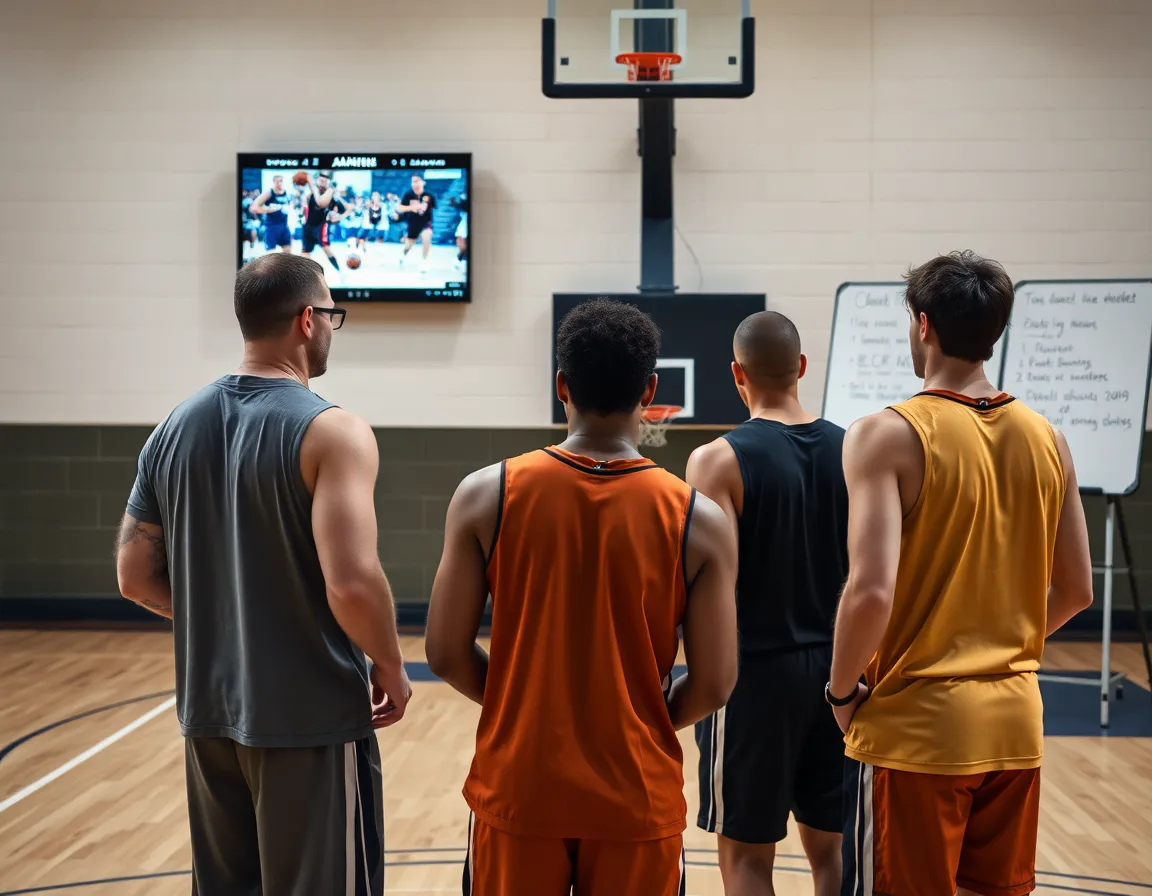
Common pitfalls and fixes
Common pitfalls in the amoeba defense show up when a weekly plan loses clarity. Rotations drift, players chase shooters with over-pursuit, and high-post protection becomes soft. The fix starts with a clear weekly plan that carves out time for spacing, rotation rules, and interior protection. In your playbook you can sketch the amoeba look, build a simple set of shell patterns, and attach teaching clips and scouting notes right to the plan.
Address these issues with targeted practice blocks. First, use shell drills with clear cues to teach the front line to stay connected and the back line to hip-switch as a unit. Next, establish defined rotation triggers so players know exactly when to shift on drive, kick, or reversal. Finally, standardize communication so calls are simple and heard on the floor. Tie these blocks back to scouting notes and contrast clips to help players see what the cues mean in game flow.
Leverage your coaching workspace to keep it all connected. Build a linked weekly plan that points to specific drills, clips, and scouting reports, so you can walk a staff through the amoeba progression each week without losing context. End with a concrete check on progress by reviewing one defensive action in a quick film clip and adjusting the playbook accordingly. End with a concrete check on progress by reviewing one defensive action in a quick film clip and adjusting the playbook accordingly.
FAQ
What is the amoeba defense in basketball and when to use it?
The Amoeba defense is an aggressive hybrid that blends on-ball pressure with zone and trap concepts. It collapses passing lanes and disrupts offensive rhythm. It adapts between pressure and protection based on matchup and score. It is a change-of-pace option that can spark fast breaks after stops and complements base packages. CourtSensei helps you structure weekly plans, draw the actions, animate them, and attach clips to a playlist.
Who originated the Amoeba defense?
The concept is tied to late UNLV coach Jerry Tarkanian. It frames a pressure-first mindset that remains adaptable as part of a broader defensive package. In planning, treat it as a flexible option you can mix into your base defense. CourtSensei lets you sketch the look on the board, animate the actions, and attach clips to scouting notes and a drill playlist for quick review.
What is an example of the initial formation for the Amoeba defense?
An example starting look is the 1-1-3 diamond with a rim protector near the ball and guards in the gaps. The top guard communicates with the wings to trap or recover as the ball moves. In a weekly plan, isolate each principle, rehearse the trap angles, then weave drills and clips together. CourtSensei helps you draw the setup, animate movements, and build a linked drill playlist.
What are the strengths of the Amoeba defense?
Key strengths of the Amoeba defense include disrupting rhythm, creating turnovers, and providing a reliable change-of-pace look. It is not a standalone system; its power lies in pressure and misdirection that forces hurried decisions. When paired with scouting notes and video playlists, it becomes a flexible option that keeps offenses off balance without abandoning your core defense.
What are the weaknesses of the Amoeba defense?
Common weaknesses include potential over-rotation or gaps if communication falters. It requires sharp timing and consistent communication; mistakes can open driving lanes or leave shooters open. It works best as a situational layer, mapped to your weekly plan with drills that reinforce rotations and callouts in CourtSensei.
How does the Amoeba defense work and how do you plan it weekly?
The Amoeba defense hinges on on-ball pressure, sideline traps, and post containment to protect the paint. The weekly plan uses five blocks: fundamentals, live reps, situational drills, mixed action, and review. CourtSensei helps you draw the look, attach short clips, build a drill playlist, and export notes and PDFs for the staff.