Help Defense Basketball: Weekly Plan
A coach's weekly guide to help defense basketball: structure rotations, drills, and video playbooks to lock down dribble drives and improve communication.

Key takeaways
- Define a clear spine for help defense with rotations and communication across the week.
- Use a time structured block to map rotations, drills, and video review in CourtSensei.
- Trigger rotations when the dribbler breaches, and train the helper to communicate non negotiable cues.
- Build a three-on-three drill around this concept and attach drill videos to your rotation map.
- Finish with a recovery closeout and a concrete weekly cue for communication across matchups.
Understanding Help Defense: Weekly Planning
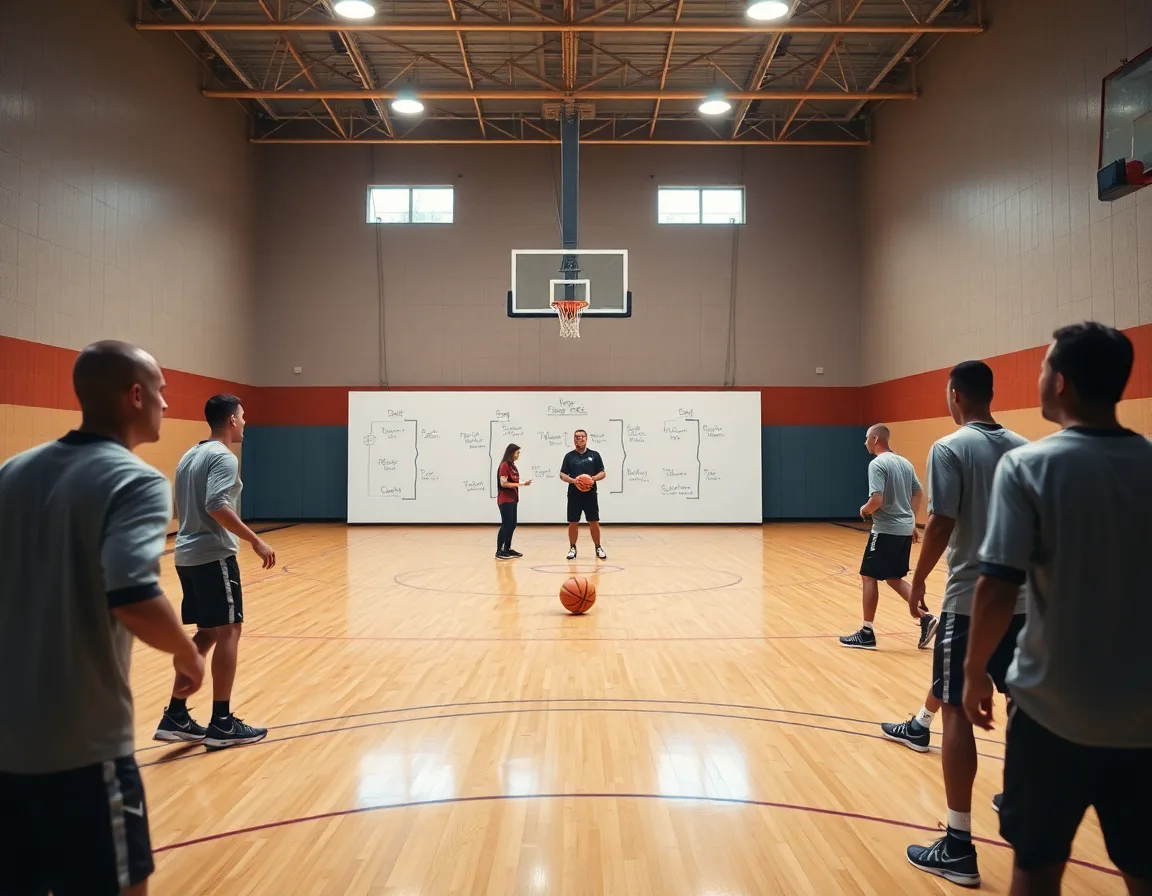
In the weekly plan you want a clear spine for how your team handles the ball and gaps. Clarify the core principles: rotate over and down when the ball handler breaches the on-ball defender, the helper and the helper's helper communicate, and everyone recovers to the next matchup. This becomes the backbone of your defensive week. In CourtSensei, lay out a time-structured block focused on help defense and defensive rotations. Pull from the drill library to build a dedicated routine, and use the drawing tool to map rotations on the floor while linking to a short video playlist for quick review.
Triggering rotations is where the plan meets live action. When the dribbler beats the on-ball defender, rotate over and down and have the next defender slide into the gap so the drive doesn't get easy access. This is where the principle of help the helper is tested and communication becomes non negotiable. Build a three-on-three drill around this concept, and set clear cues for calling out screens, switches, and recoveries. In CourtSensei, attach drill videos to your rotation map and pair them with scouting notes so you can adjust the rotation map as outcomes change.
Rotation on defense occurs when the offense breaks down the defense by beating or getting by the on ball defender with the dribble. rotation rules in USA Basketball guidebook
Wrap the week with a tight workflow. After practice, upload the clips that show rotations, annotate the on floor actions, and store them alongside scouting notes in your coaching workspace. Link actions, drills, clips, and scouting notes so week-to-week defense development stays cohesive. Leave with a practiced rotation diagram and a ready-to-run clip playlist for the next cycle.
Practical weekly workflow: a defensive session
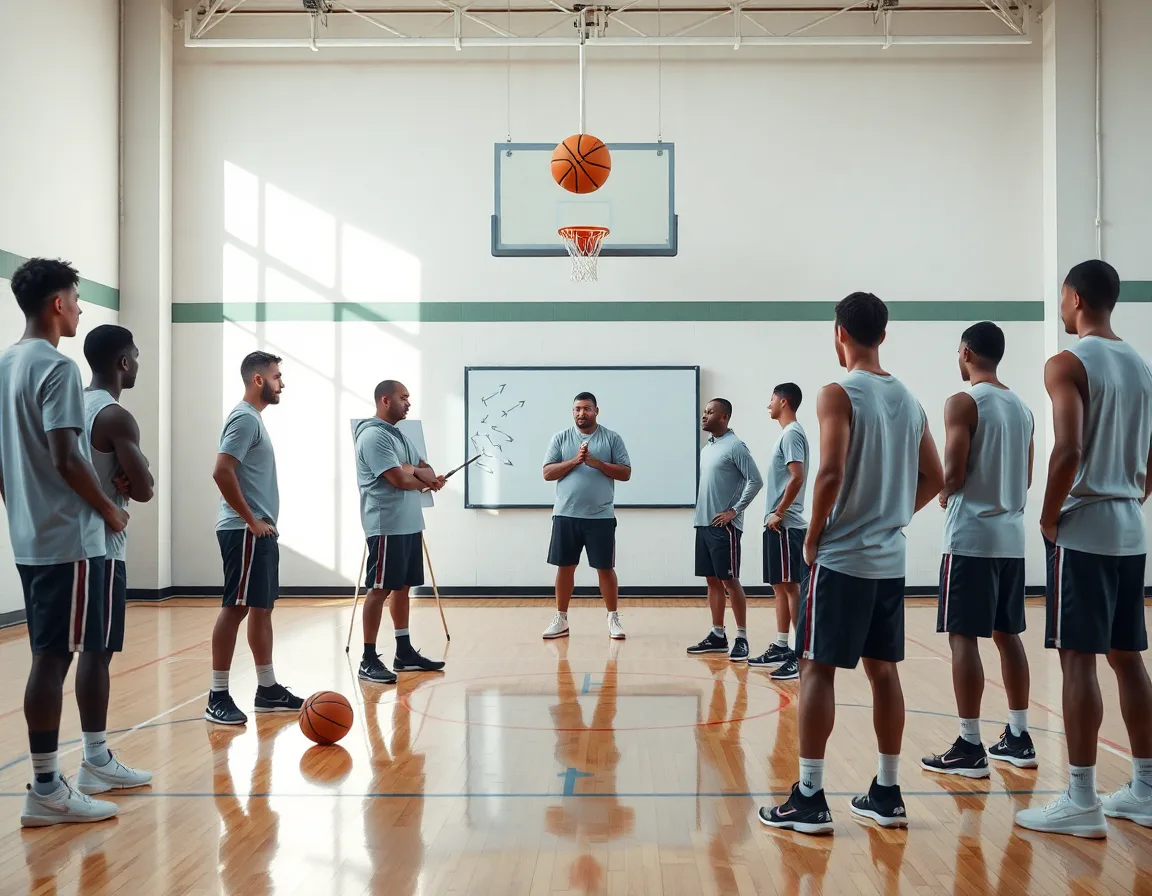
Structure your weekly defensive session with a simple sequence: warm-up, three-on-three rotation drills, and team reps. The aim is to train the eye for defensive rotations and the habit of clear communication at every level. In the warm-up, emphasize stance, footwork, and quick verbal cues that prep players to react when help is needed. This setup keeps the rest of the week focused and measurable, rather than a patchwork of drills.
During the drills, move from isolated three-on-three rotation work into full team reps while keeping the talk constant. Focus on three-on-three rotation details such as the lowest help defender sliding to cut off the drive, the next help defender stepping to the corner shooter, and the original on-ball defender stepping to the new matchup. This is where you want to pin down the rhythm of defensive rotations and the flow of help and recover.
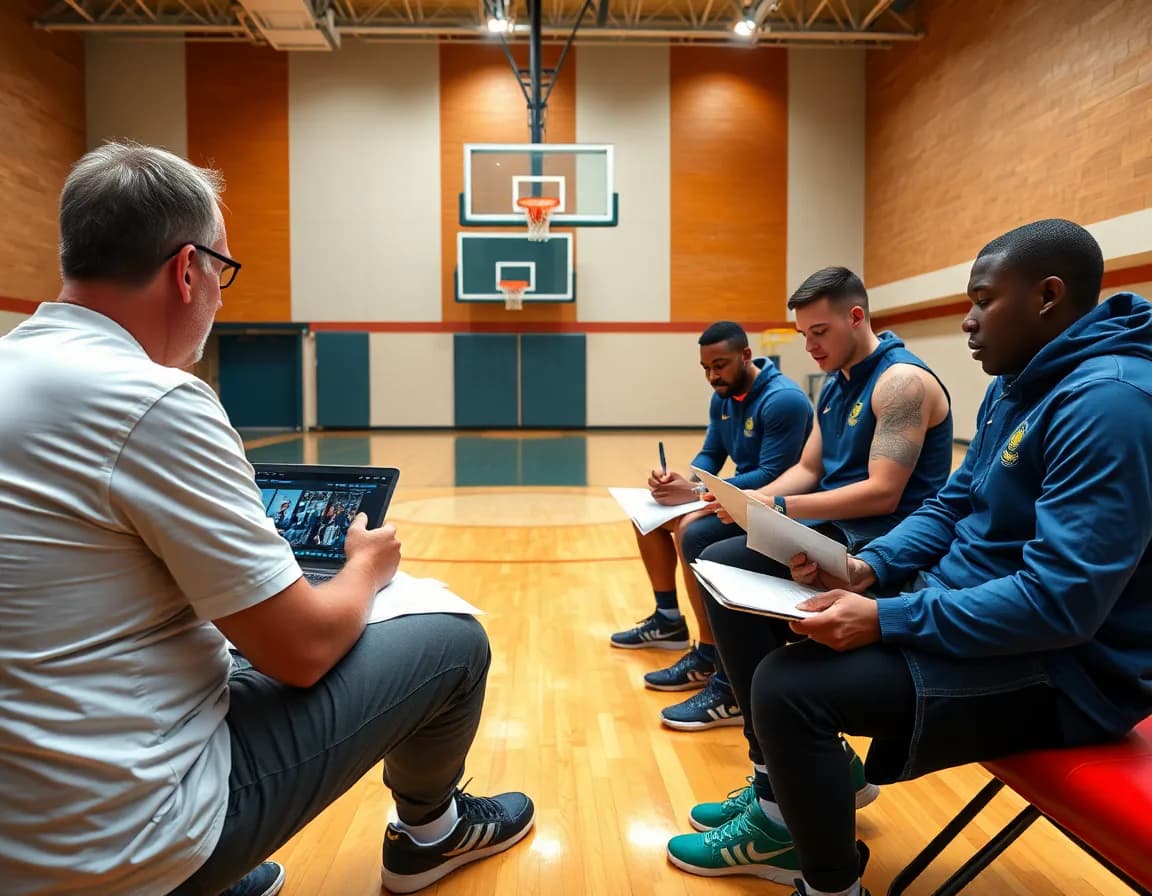
After the on-floor work, bring in video review and diagram rotations in your coaching workspace. A short video clip clarifies spacing and helps players read the weak side defense and baseline drives. Tie the clips to scouting notes and your playbook, so the defense links actions, drills, clips, and notes in a single week-to-week workflow. This is where CourtSensei shines by keeping the plan time-structured and connected.
When the on-ball defender gets beat, other defenders must rotate to cut off the drive and prevent easy passes to open attackers. opisni anchor
Finish with a recovery closeout to the new matchup and a quick recap in the coaching workspace. End with a concrete plan for the week ahead and clear cues for communication so the defense can carry the rotation into the next practice.
Drills to train help-the-helper and rotations
When you train for help the helper and rotations, you start with the drive and finish with smart coverage. The weekly planning workflow helps you lock in time-structured blocks for help defense and rotation defense, build a drill library your staff can trust, and connect rotations to clips, playlists, and scouting notes in your coaching workspace. The goal is a seamless week-to-week development where every defender knows where to be, who to guard, and when to communicate.
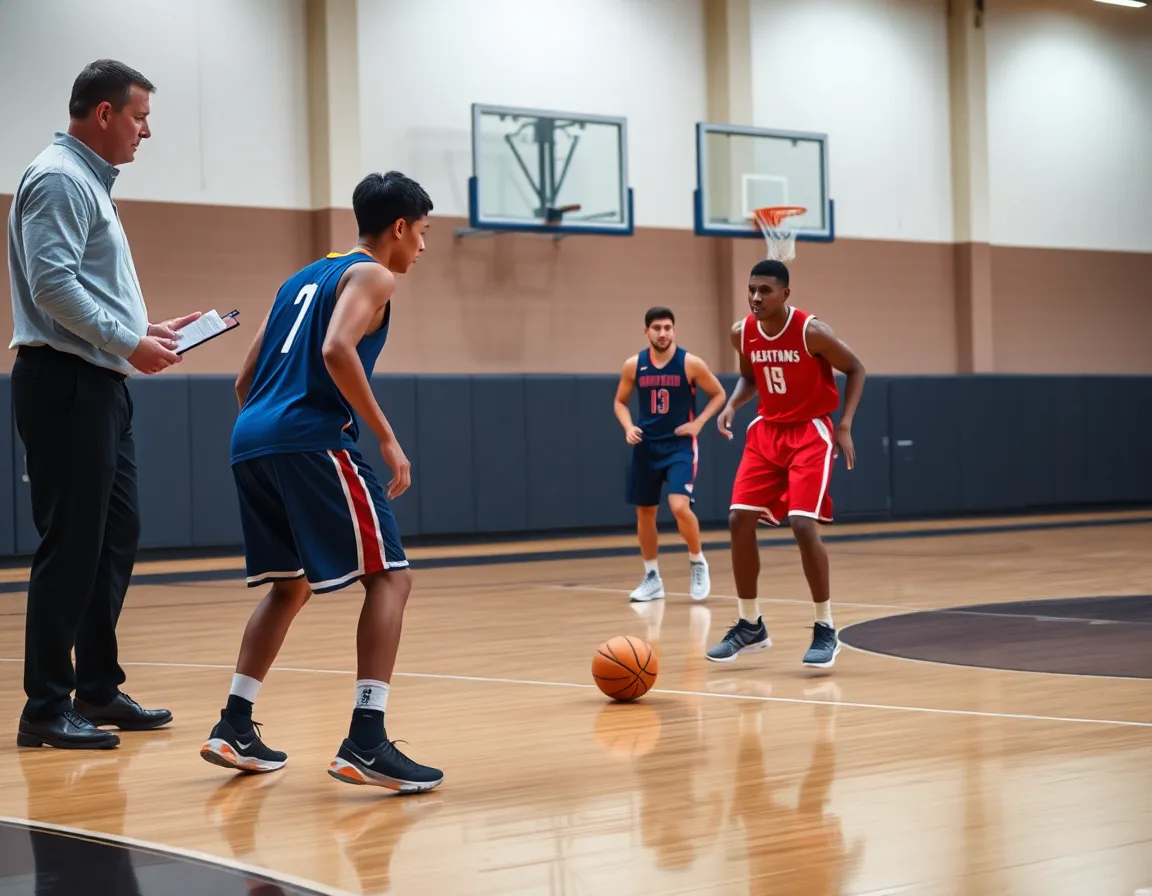
Drills to train the core actions are essential. Start with a three-on-three rotation drill that emphasizes stopping the drive and closing out to the new matchup. On the whistle, the weak side defender steps in, the helper arrives, and the ball-handler is chased toward the pin. Use in-drill cues like "help," "I've got corner," and "shooter" to reinforce assignments. The emphasis is staying attached to the ball handler while help arrives, then snapping to the shooter or drive attack as rotations solidify. This drill trains the switch from on-ball defender to rotation defender without losing disruption on the ball.
To build depth, layer in weak side defense and baseline drive scenarios. Progress from simple shell reads to active 3-on-3 rotations with a live drive, so players practice communication and timing under pressure. Highlight the concept of clean exits and quick recoveries, and keep the focus on keeping the defender closest to the ball engaged while the helper arrives. As you coach, link each rotation drill to a specific clip in your playlists and to a scouting note that outlines common tendencies you've seen.
In your plan of training, schedule these drills alongside the matching video clips and rotation diagrams. Use the coaching workspace to tie actions, drills, clips, and scouting notes into one week-long thread. The result is a cohesive, repeatable practice rhythm that strengthens help the helper and rotation defense from week to week.
Translating rotations to full-team defense
To lock in the concept of rotations, start with a three-on-three shell. The goal is to cement who covers whom when the ball is driven, not to chase every quick trigger. Place an on-ball defender, a helper, and a weak-side defender in a tight arc and run through a baseline drive scenario. Emphasize the rotation call and the recoveries that follow so the helper becomes the new on-ball defender without breaking the rhythm. This phase drills the core idea of defensive rotations and how the ball's movement dictates your stance.
Scale up next to preserve the concept under more bodies and different angles. Keep the baseline drive as the trigger and attach it to an X-out style response and proper recoveries to the corners. For each drive, require the ball mover to trigger the rotation and the helper to communicate the new coverage before the ball swings. The point is continuity: the defender stepping in for the ball must sprint to the next matchup, and everyone else must know when to recover.
In your weekly plan, weave this into time-structured defense blocks and leverage the drill library to pull up a baseline drive sequence and rotation progression. Use the drawing and animation tools to map rotations on the court and assemble video clips into a focused playlist for review. The coaching workspace should link actions, drills, clips, and scouting notes so you can quickly adjust when the defense faces dribble penetration or basin-line drives. In practice, emphasize clear calls and quick recoveries so the entire unit moves as a cohesive front. End with a full-team shell to verify the rotation calls against live flow.
Video, playbooks, and scouting: organizing for week-to-week continuity
For a coach, week-to-week continuity in help defense starts with organizing video, playbooks, and scouting notes into a single plan. A time-structured defense schedule helps players execute help the helper duties, rotate effectively, and cover weak-side gaps with steadiness. Use CourtSensei to lock in your defensive rotations on the court diagram and annotate the movement of hands and feet. When the rotations are clear, on-ball defenders know how to challenge dribble penetration and corral baseline drives.
Draw defensive rotations on the court diagram and annotate the exact positions for help defenders, recoveries, and the sprint to the ball. After walk-through, export PDFs of those diagrams to share with assistants, and build a living playbook you can update after every scouting note. This keeps a consistent language across drills and clips, so a weak-side defender knows when to rotate and how to rotate in response to a ball-screen or corner action.
Upload rotation clips from recent scrimmages, label them by scenario such as baseline drive or wing help, and assemble playlists that match your weekly defense goals. Share read-only links with staff for review and feedback without altering the originals. The clips and playlists become references you can pull into pregame talks or post-practice film sessions to reinforce proper help the helper decisions.
Link actions, drills, clips, and scouting notes inside your coaching workspace for quick reference during film study and in-game adjustments. A simple search for help defense, rotation defense, or baseline drive pulls up the exact sequence, the drill that trains it, and the scouting note that explains the opponent's tendencies. This setup makes it easier to defend against dribble penetration and to stay consistent from week to week. Before the next practice, upload the rotation clip, export the PDF, and share the read-only link with staff.
Practical checklist to implement this week
To lock in a week of stronger help defense, start with a time-structured plan that translates into concrete on court actions. The weekly defense plan serves as the spine, and you pull relevant drills from the library, sketch rotations on the whiteboard or in the coaching workspace, and attach clip-led reminders to the plan. Pair short video clips with practice reps to reinforce rotations and ensure a clear link between actions, drills, clips, and scouting notes for steady weekly improvement and defensive readiness.
Set rotation goals for the week and assign relevant drills from the library. Define what you want to improve on help defense and rotations: weak side help, hedging on ball screens, recovering to shooters, or stopping baseline drives. Map these goals to specific drills from the library that simulate those scenarios. Use the coaching workspace to attach the rotation sketches to each drill and build a tight sequence from warmups into team defense reps.
Run the plan in practice and annotate what worked and adjustment. During practice, execute the plan and capture quick notes on what held rotations together and what broke down. Use the annotations to mark where the helper needs to cheat, where the wing slides, or where the rotation is too slow. Link these notes to the playbook so the plan becomes more robust as you move through the week.
Review video with the team and refine rotations for the next session. Play back clips that highlight the rotations and weak side defense, and invite players to call out what felt off. Use video playlists to highlight specific sequences and connect those clips back to the drills in the library. End with a refined rotation set for the next session, so you go into the next week with a cleaner read on help the helper and defensive readiness. Export the refined rotation plan and share the playbook link with staff for the next session.
FAQ
What is help defense in basketball?
Help defense is the secondary coverage that activates when the ball handler enters the lane. The goal is to deny dribble penetration and force a contested shot or pass. Core principles to teach include rotate over and down, the helper and helper's helper communicate, and everyone recovers to the next matchup. In CourtSensei, lay out a time-structured plan focused on help defense and defensive rotations, pull drills from the library, and map rotations with the drawing tool.
How do you execute a defensive rotation after beat by the ball handler?
After the ball handler gets by the on-ball defender, the nearest teammate should rotate over and down into the gap while the helper shifts toward the ball, a key part of defensive rotations. The original defender then recovers to the next matchup. Clear calls and eye contact keep players synchronized, a must for communication. In CourtSensei, you link rotation maps to drill videos and scouting notes so you can adjust the map week to week.
What is the difference between help defense and closeouts?
Help defense is the team concept used to stop dribble drives and protect the paint. Closeouts are individual actions to contest a shooter after the ball is swung or kicked out. The two work together, but one is a collective rotation and the other a focused on-ball contest. In your weekly plan, practice both with separate drills and tie them to clips in your coaching workspace, emphasizing help defense and closeouts.
What is the role of the weak side in help defense?
On help defense the weak side stays ready to help and deny easy bucket opportunities on the opposite side. They read ball and shooter, communicate rotations, and tag kick-outs. Keeping the weak side active prevents lulls in pressure. In your weekly plan, map timing to offensive actions and use diagrams to teach the rhythm.
How should players communicate during defensive rotations?
Keep it simple and loud. Use concise calls like ball, weak side, screen, and switch. Players must lock eyes and communicate with direct calls instead of shouting over teammates. Avoid long explanations mid drill; establish routines and stick to them. In CourtSensei you can store a library of communication and cues and link them to rotation diagrams for consistency.
How do you teach defensive rotations to youth players?
Start with three-on-three shell work to teach the cadence of rotations. Use simple progressions from stance and footwork to drive reads, then layer on baseline and weak-side reads. Reinforce with short clips and a single rotation map. Keep each session clean and repeatable so coaches can pace the week.