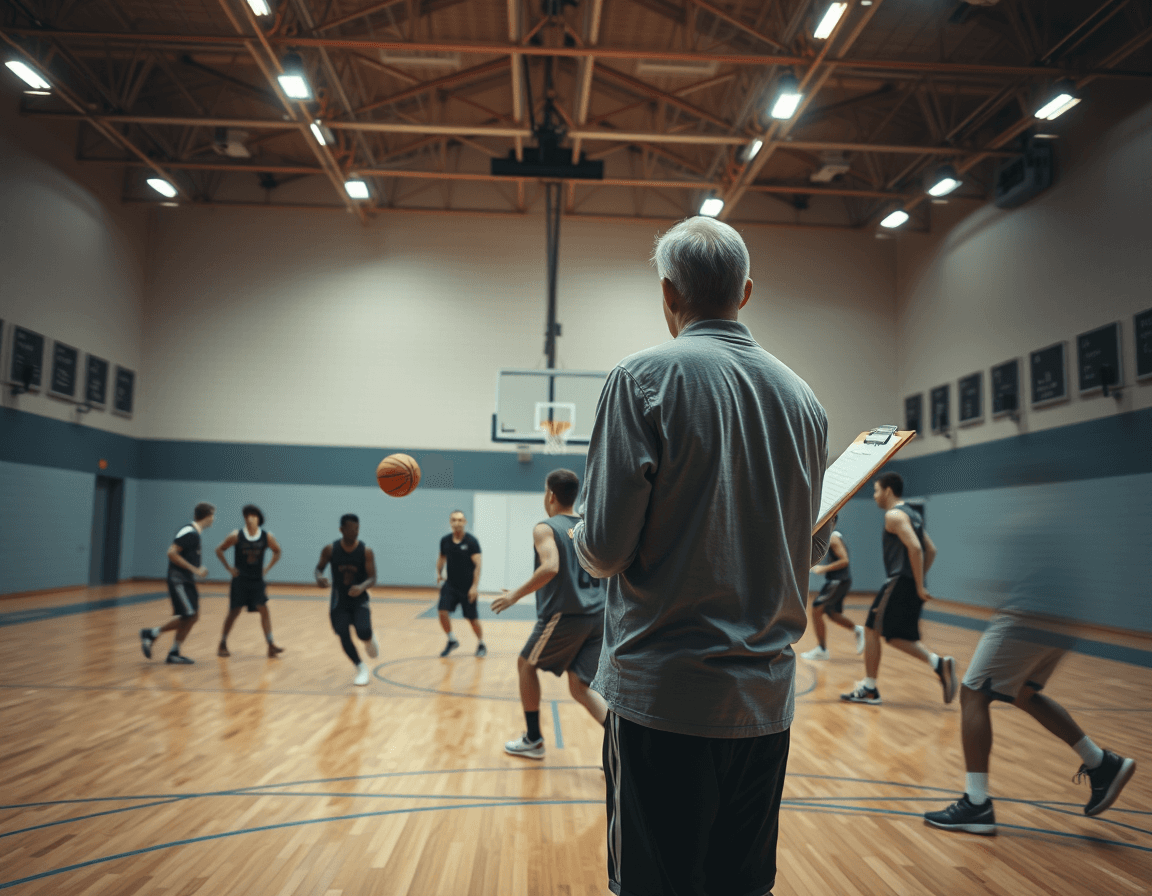
Basketball Daily Routine for Coaches
Master a basketball daily routine for coaches: structure drills, video review, and scouting in a single coaching workspace for HS/club programs.

Key takeaways
- Establish a weekly cadence in a centralized workspace, balancing ball handling, conditioning, and scouting notes for clarity.
- Use a ready-made training plan template from the drills library to assign daily focuses.
- Set a seasonal cadence that differentiates off-season work from in-season demand, adjusting volume and notes.
- Align assistants and staff in the same workspace for clear ownership and accountability.
- Divide practice into warm-up, skill work, finishing, shooting, and conditioning to build a predictable daily routine.
Weekly Planning Rhythm
Start with a clear weekly cadence that balances skill work, conditioning, and film review, video playlists, and scouting notes. In a centralized coaching workspace, this cadence becomes the backbone of your week, letting you see at a glance what to emphasize and when. The aim is a steady rhythm: dedicated blocks for ball handling and form work, quick conditioning bursts, and short notes from scouting that feed into practice decisions.
Use a ready-made training plan template from the drills library to assign daily focuses. In practice, you might designate Monday for ball handling and footwork, Tuesday for form shooting and free throws, and midweek for three-point shooting and finishing at the rim. The library lets you pair each day with a curated set of drills and a short video clip to review afterward. That creates a repeatable flow across your practice blocks, with playlists ready for post-practice review.
Set a seasonal cadence that differentiates off-season work from in-season demand. In the off-season, you can lean into volume: longer drill blocks, increased strength training, and extended film review to build fundamentals. When the schedule tightens, shift toward maintenance: shorter practice blocks, sharper scouting notes, and targeted video clips to reinforce decisions during games. The coaching workspace keeps these adjustments accessible to every staff member.
Finally, align assistants and staff within the same coaching workspace for clear ownership. When everyone can view the weekly plan, training plan, and scouting notes in one place, tasks stay visible and accountability follows. Assign lead roles for each block, attach drills to the day, and link clips to the playbook so the rhythm stays cohesive.
Daily Blocks for a Balanced Session
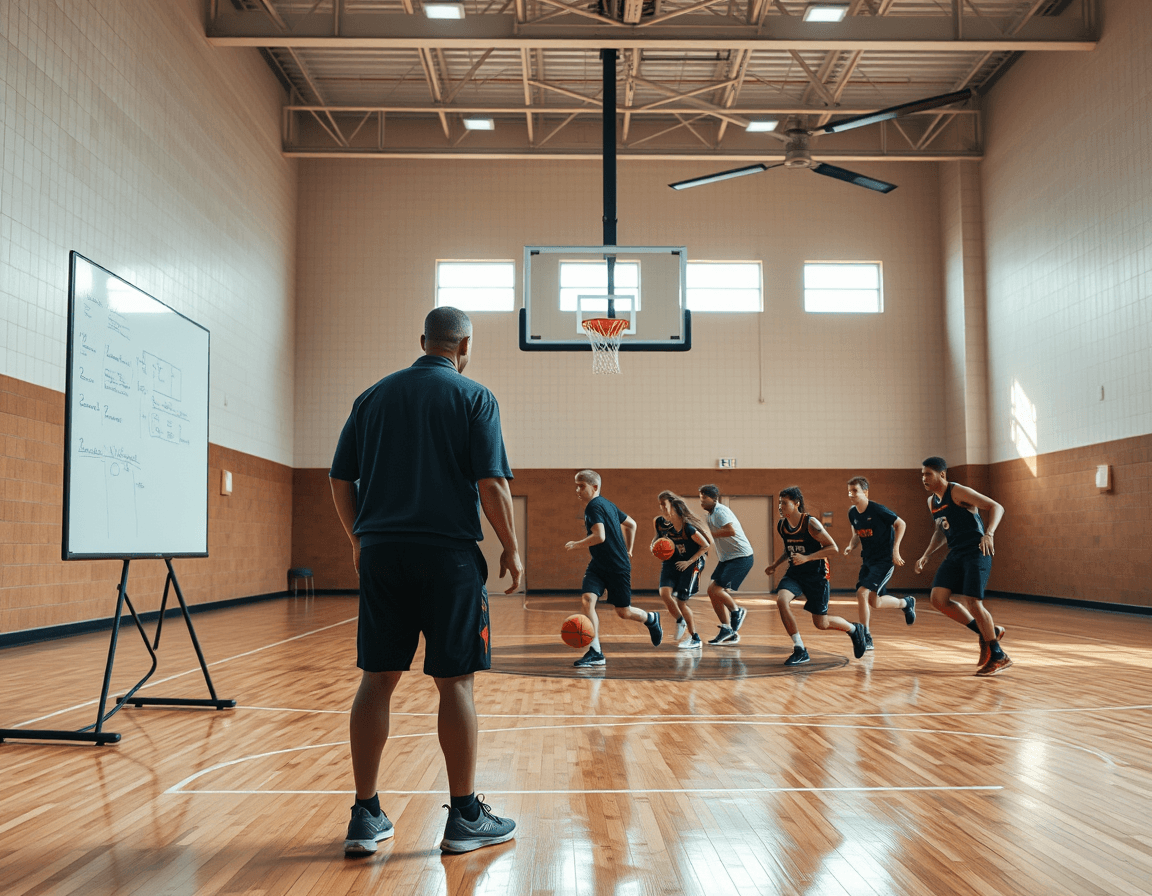
To build a basketball daily routine, divide the practice into clear blocks: warm-up, skill work, finishing drills, shooting, and conditioning. In a centralized coaching workspace, you align planning, drills library, video, and scouting so every block feeds the next. This structure gives you a predictable rhythm from start to finish and reinforces consistency across sessions. When the blocks are mapped, a junior team or a high school squad both follow the same logic, making adjustments simpler.
Begin with a tight warm-up block (8–12 minutes) that primes hips, ankles, and wrists; this is where you integrate dynamic movement and light ball handling to wake the hands. Use clearly defined time ranges to keep reps sharp and seats warm. Attach drills from the library to the block so the sequence stays consistent week to week, and players feel their confidence rising as they move from mobility into controlled ball handling drills.
For the skill work and finishing drills, lean on progression maps: form shooting -> mid-range -> finishing at the rim. Attach a suite of shooting drills from the library to this block so players advance with purpose and you keep the tempo in check. In late stages, add finishing reps with contact and decision-making to mirror game flow.
Finish with a dedicated shooting block and a conditioning block to cap the session. In the shooting block, mix free throws, form shooting, and three-point shooting to build touch under fatigue. The conditioning block should blend strength training with sprint work and overall endurance, followed by a short recovery period. Tying these blocks back to the scouting notes in the workspace helps plan the next session and target the weekly priorities.
Video Review and Scouting Integration
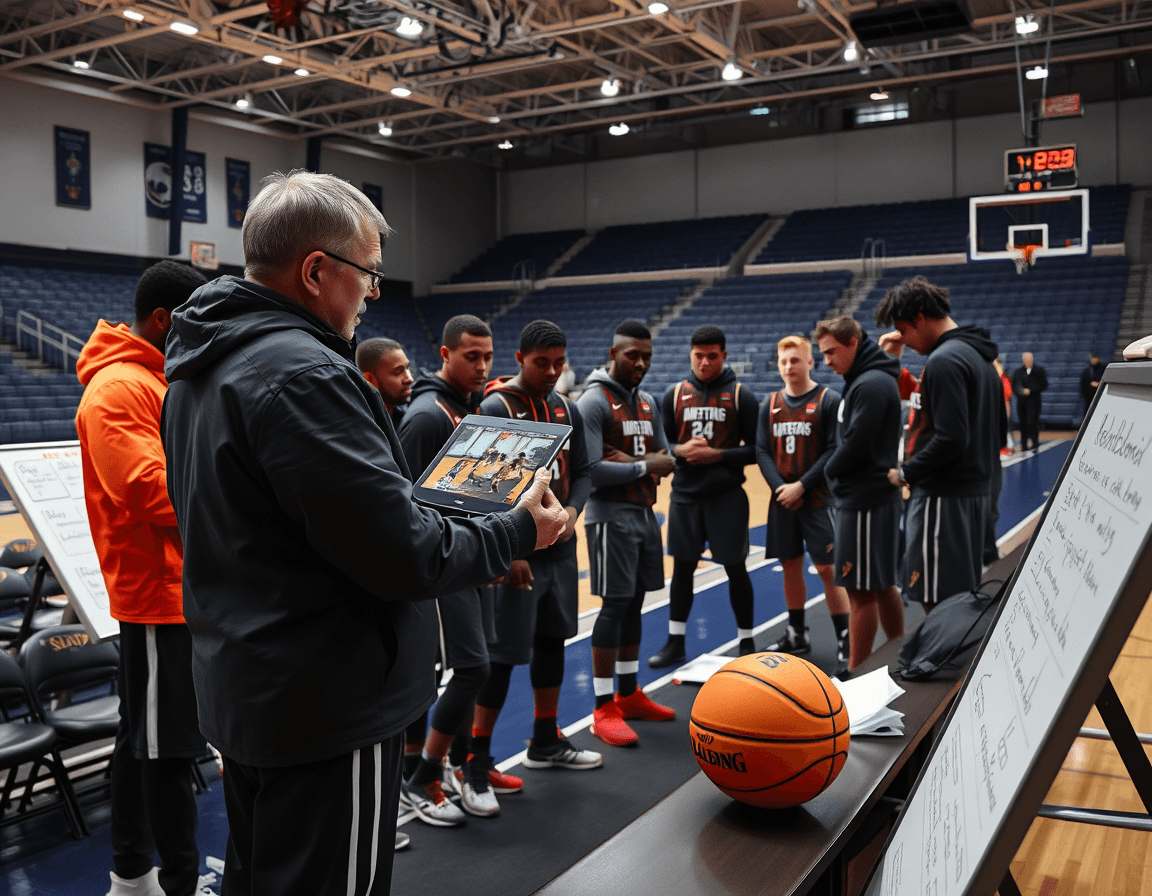
During your weekly planning, the video review becomes a backbone of the practice schedule. Pull clips that illustrate how your team handles ball handling under pressure, how form shooting looks when players rotate through shooting drills, and the tempo of transition. Drop those clips into a dedicated playlist linked to the relevant drills in your library, so every cue you give matches what players see on film. As you design a session around shooting progressions or ball handling drills, attach a clip to the corresponding drill or play. This creates a clear, repeatable link between video review and your drills library.
Your scouting work becomes a living part of the workspace. Build scouting notes for upcoming opponents and assemble concise game prep packets that highlight tendencies on pick-and-rolls, defense rotations, and late-clock sets. Store and reference these scouting summaries within the coaching workspace for quick access during planning and on the sideline. When you need to keep assistants in the loop, share select clips or notes via read-only links so everyone stays aligned without granting edit access.
On the floor, the weekly plan should reflect the connection between tape and technique. Open the scouting summaries during your warm-up and map each block to a specific drill—ball handling, shooting drills, form shooting, and even recovery and conditioning—so your players see a cohesive path from film to practice. The centralized coaching workspace keeps video review, scouting, and game prep tightly integrated, ensuring your daily routine moves with purpose from end to end.
Drill Library and Playbook Construction
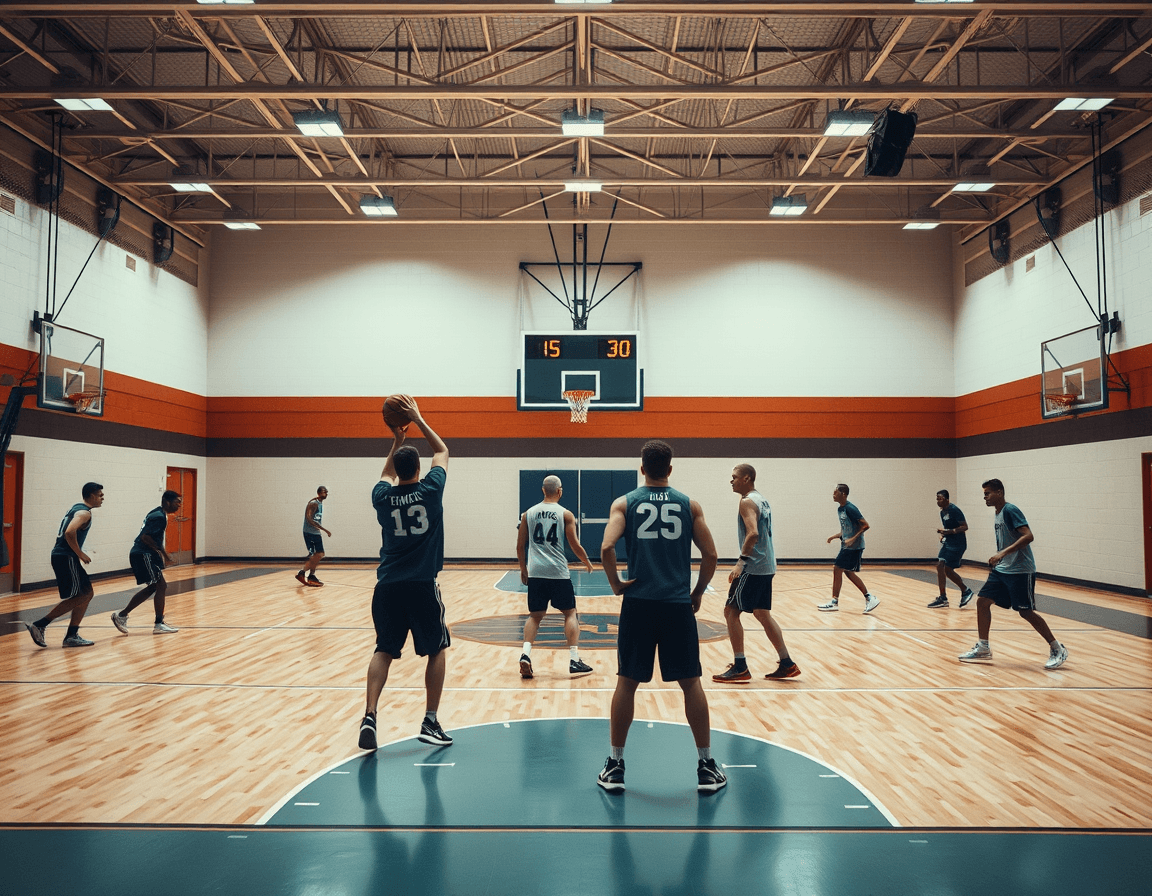
The drill library is the backbone of a basketball daily routine. In a centralized coaching workspace, you structure every practice block around time-structured drills and clear objectives, then annotate and reuse them week to week. By linking a library of drills to a growing archive of video, playlists, and scouting notes, the coach can move from planning to execution without hunting across tools. This is where consistency becomes routine, and the session simply flows.
Organize drills by skill (ball handling, finishing, shooting, etc.) and game situations. For example, keep a dedicated bucket for ball handling, one for form shooting and finishing around the rim, and another for free throws and three-point shooting under fatigue. The sections should be intuitive—ball handling drills that test control, passing sequences that simulate late-clock decision-making, and shooting drills that address balance, release, and arc. When you tag each drill with keywords like shooting drills and ball handling, it’s easy to assemble a focused day’s plan that covers the essentials.
Create plays and action sequences that can be annotated and animated within the workspace. Build a playbook that shows spacing, cuts, and reads, then add notes to each action so the squad understands intent. When needed, export a PDF playbook for quick handouts during team sessions or meetings. Link drills, plays, and scouting notes to create cohesive daily plans—a warm-up that feeds into a ball-handling progression, transitions that tie into a play, and a scouting note that informs adjustments on defense.
Practical 60-Minute Workflow to Kick Off the Week
Kick off the week with a practical 60-minute planning session inside your centralized coaching workspace. Open the weekly template and set the big blocks for each day, then fill in the details. The goal is a clean, repeatable rhythm that blends practice, video, and scouting into one flow. lean into a balanced mix—ball handling, form shooting, and a few conditioning or recovery pieces—tuned to your roster and weekly goals. This is where the workflow starts to feel like a single, organized operation.
Assemble daily blocks by pulling from the drill library and assigning to days. Drag in the right drills for each slot—dribble combos after warm-up, shooting progressions, and a finishing drill to close. Keep blocks concise, around 8-12 minutes apiece, and group similar focuses (ball handling, shooting drills, conditioning) to maintain a smooth cadence. The library becomes your on-hand catalog for a consistent, scalable week.
Attach relevant video clips and add scouting notes for upcoming opponents. Drop in a quick clip that highlights a team’s ball-screen tendencies, annotate reads, and jot a scouting note that translates to on-court cues—attack angles, spacing, and counter-actions. This keeps preparation tangible and action-ready, right within the coaching workspace.
Export a concise playbook or share a read-only plan with staff for alignment. The plan consolidates actions, drills, clips, and scouting material into one accessible document. Use the export plan option to generate a PDF, then share the read-only link with assistants to ensure everyone is on the same page before Monday’s session.
Save the finalized plan and tag it for easy retrieval later in the week. The tagging makes it simple to locate this setup for reuse or modification as matchups shift and travel needs arise, keeping your weekly rhythm sharp and searchable.
Adapting the Routine for Off-season vs In-season
Adapting for off-season starts with stepping up periodization of skill work and conditioning. In the off-season, coaches lean into higher-volume blocks to build base strength and technique. Use the centralized coaching workspace to design weeks around ball handling, form shooting, and shooting drills, then layer in strength training and conditioning sessions. The goal is to establish a durable base while keeping fundamentals sharp, so the drills from the library translate into repeatable, confident movements on the floor.
During the in-season, the focus shifts to maintaining fundamentals with a steady rhythm of drills while prioritizing recovery during peak weeks. Keep a core rotation of ball handling, form shooting, free throws, and three-point shooting, but taper volume and emphasize quality reps. The coaching workspace helps you schedule microcycles, assemble short video clips for quick coaching cues, and maintain a practical load management mindset to protect players during back-to-back games.
Periodically refresh the drills library to introduce progression and keep players engaged. In the off-season, you might add more advanced ball-handling sequences or shooting progressions; in-season, you pare back to scalable reps and sharper technique reminders so that minutes stay purposeful. This keeps the daily plan tight while still allowing for growth and adaptation across weeks.
Leverage scouting and video to tailor adjustments for opponents without changing core routines. Build opponent-based playlists that highlight tendencies, but keep your daily plan consistent so players know what to expect in practice. This approach preserves rhythm, while letting you respond to game plans with targeted tweaks in scouting notes and clip libraries.
FAQ
How many days per week should you train basketball?
Most teams structure training around 4-5 practice days each week, with 1 rest day. The exact mix depends on age, schedule, and goals. In CourtSensei, build your week with a clear weekly cadence: balance ball handling, shooting, conditioning, and a quick film review. A predictable pattern helps players know what to expect and where to focus each day.
What should a daily basketball training schedule include?
Think in blocks: warm-up, skill work, finishing, shooting, conditioning, and recovery. In a centralized coaching workspace, align planning, drills library, video, and scouting so each block feeds the next. Use time ranges to keep reps sharp and tempo consistent, and attach drills from the library to the block. Build a repeatable flow across days, with playlists ready for post-practice review.
How long should a basketball workout last?
Most team practices run about 60-90 minutes, with longer blocks possible in the off-season. For younger players, keep sessions closer to an hour and keep blocks tight. In-season routines should favor maintenance: shorter blocks, sharper scouting notes, and targeted video clips to reinforce decisions. Always monitor fatigue and adjust the plan in the coaching workspace so you protect recovery while keeping the overall workout length aligned.
How should you structure a basketball training week for off-season vs in-season?
Structure your week with a clear seasonal cadence that differentiates off-season work from in-season demands. In the off-season, boost volume: longer drill blocks, more strength work, and extended film review. When the season tightens, shift to maintenance: shorter blocks, sharper scouting notes, and targeted clips for game decisions. Use the centralized workspace to keep coaching staff aligned and plan-ready.
What is game-speed shooting and why is it important?
Game-speed shooting means shooting with movement, under pressure, and at a pace you see in games—not just standing still. It trains footwork, release timing, and decision-making under fatigue. Prioritize this in your shooting blocks, using clips from your drills library linked to the playbook. The result is a more reliable feel and transfer to live game shots.
How can video reviews improve basketball training?
Video reviews anchor planning and on-court decisions. Pull clips that show handling under pressure, form shooting, and transition tempo, then drop them into a dedicated playlist linked to the relevant drills in your library and playbook. Open scouting summaries during warm-ups to map blocks to drills, so players see a clear path from tape to execution. Share read-only links to keep everyone aligned.
Why is rest and recovery important in a basketball routine?
Rest and recovery are where adaptation happens. Schedule deliberate recovery periods, emphasize sleep, hydration, and light movement days. In your weekly plan, place recovery blocks after high-intensity days and tie them to upcoming scouting notes and video reviews. Skipping recovery undermines technique and decision-making, so treat it as essential as drills.